Choosing the Best Power Station for Camping and Comprehensive Emergency Preparedness in 2026
As a veteran emergency preparedness and off-grid energy consultant, I’ve seen firsthand how quickly situations can shift. From a spontaneous weekend camping trip turning into an unplanned off-grid camping adventure to multi-day power outage essentials becoming a matter of safety, reliable power is non-negotiable. It’s 2026, and the landscape of portable and home backup power has evolved dramatically, offering more efficient and versatile solutions than ever before. If you’re searching for the best power station for camping or contemplating a robust emergency power supply for home, understanding the full spectrum of options is crucial. This guide isn’t about reviewing a single product; it’s about equipping you with the knowledge to build a complete, resilient emergency power strategy, tailored to your unique needs.
Understanding Your Power Needs: Beyond Just Camping Electricity
Before we dive into specific products, it’s critical to assess your actual power requirements. Are you looking for camping electricity to run a mini-fridge and charge devices, or are you planning a full RV solar setup for extended travels? Do you need a robust solar generator for hurricane preparedness that can keep your home essentials running for days, or simply a compact unit for disaster preparedness in a pinch? Defining your scenarios is the first step toward effective emergency preparedness.
Why are solar generators becoming a cornerstone of modern emergency preparedness?
For decades, traditional gas generators were the go-to for backup power. While they still have their place, the shift towards renewable emergency power solutions, particularly solar generators, is undeniable. Here’s why:
- Safety: No toxic fumes (carbon monoxide) means they can be used indoors, a critical advantage during severe weather.
- Quiet Operation: Unlike noisy gas generators, solar generators operate silently, enhancing comfort during outages or
off-grid camping. - Fuel Independence: Once charged, they require no ongoing fuel purchases or storage. With portable solar panels, they offer continuous, free energy from the sun.
- Low Maintenance: Fewer moving parts mean less upkeep compared to combustion engines.
- Environmental Impact: A cleaner energy source, aligning with growing ecological awareness.
These advantages make solar generators and portable power stations not just alternatives, but often superior choices for a wide range of portable emergency power needs.
Navigating the Options: Portable Power Stations vs. Solar Generators vs. Home Backup
The market offers a variety of solutions, each with distinct advantages. Understanding the differences between these emergency energy storage systems is fundamental.
Portable Power Stations (PPS)
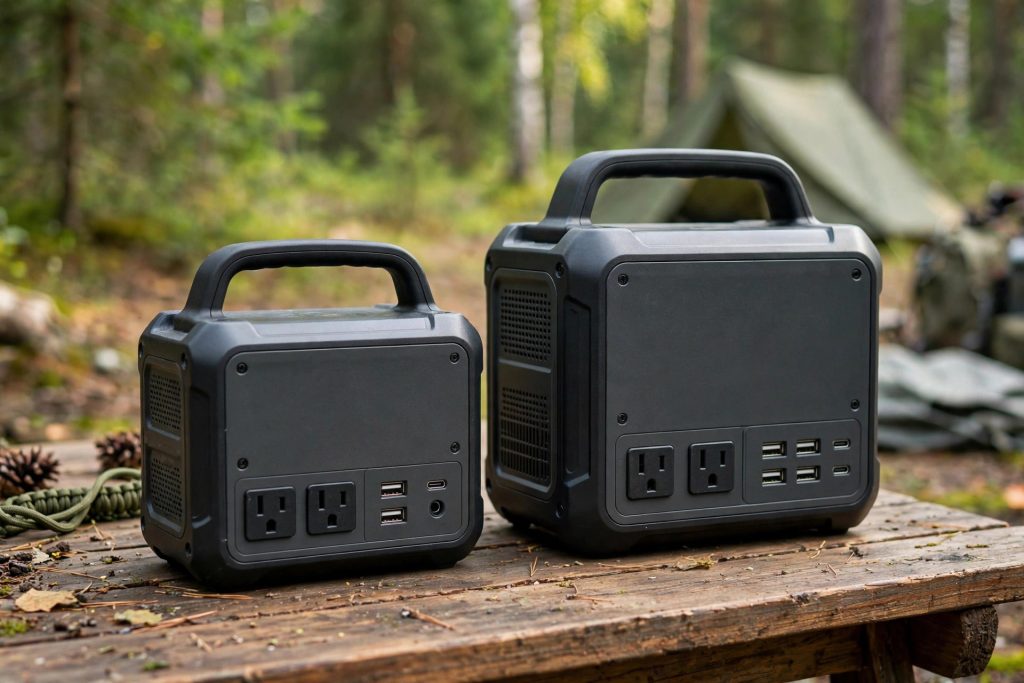
A portable power station is essentially a large, rechargeable battery with an inverter, offering AC outlets (like your wall sockets), DC ports (like car chargers), and USB ports. They are designed for grab-and-go convenience.
- Pros: Highly portable, silent, fume-free, ready to use out of the box, versatile for small to medium power needs. Excellent for
camping essentialsandcamping power stationrequirements. - Cons: Limited capacity compared to full home systems, recharge time can be a factor without solar.
- Use Cases: Ideal for short
camping electricityneeds, tailgating, device charging, running small appliances during apower outage essentialsscenario, or as a generalportable battery generator.
Solar Generators
The term “solar generator” typically refers to a portable power station bundled with one or more portable solar panels. The power station acts as the battery and inverter, while the panels provide the means for continuous, renewable charging.
- Pros: All the benefits of a PPS, plus the ability to recharge indefinitely using solar power. Critical for extended outages or
off-grid camping. Provides truesolar backup power. - Cons: Solar charging speed can vary significantly based on weather and panel size. Initial investment might be higher than a PPS alone.
- Use Cases: Extended
emergency power supply for homescenarios,hurricane preparedness, multi-dayoff-grid camping, remote work, or situations where grid power is unreliable or unavailable for prolonged periods.
Home Battery Backup Systems
These are larger, often wall-mounted battery systems integrated directly into your home’s electrical panel. They are designed to automatically kick in when grid power fails, providing seamless power to designated circuits or even whole-home backup.
- Pros: Automatic, high capacity, can often power entire homes, ideal for long-duration outages, can integrate with rooftop solar. Offers ultimate
emergency energy storage. - Cons: Significant upfront cost, professional installation required, not portable.
- Use Cases: Providing continuous
backup electricityfor crucial home circuits (refrigerator, lights, medical devices, internet) during frequent or lengthy blackouts, achieving energy independence with rooftop solar.
Traditional Gas Generators
These internal combustion engine generators run on gasoline, propane, or natural gas to produce electricity.
- Pros: High power output for their cost, readily available.
- Cons: Noisy, produce dangerous carbon monoxide fumes (cannot be used indoors), require fuel storage and regular maintenance, less efficient over time.
- Use Cases: For heavy-duty construction sites, very large
whole-home backupwhere solar isn’t feasible, or as a last resort in extremedisaster preparednessscenarios, always with proper ventilation and safety protocols.
Comparison Table: Emergency Power Solutions (2026 Perspective)
| Feature | Portable Power Station | Solar Generator (PPS + Panels) | Home Battery Backup System | Gas Generator (Traditional) |
|---|---|---|---|---|
| Capacity Range | 300Wh – 4000Wh | 300Wh – 4000Wh+ (depends on PPS) | 10,000Wh – 50,000Wh+ | Output measured in Watts (e.g., 3kW – 20kW) |
| Power Output | 300W – 4000W continuous | 300W – 4000W continuous | 5kW – 15kW continuous | 3kW – 20kW continuous |
| Primary Fuel | Internal battery (LiFePO4) | Solar, AC wall, Car; Internal battery (LiFePO4) | Grid AC, Solar; Internal battery (LiFePO4/NMC) | Gasoline, Propane, Natural Gas |
| Operating Noise | Silent (fan noise only) | Silent (fan noise only) | Silent | Very Loud |
| Emissions | None | None | None | Carbon Monoxide, NOx |
| Indoor Use | Yes, safe | Yes, safe | Yes, integrated | No, extremely dangerous |
| Portability | High (carry by hand) | Medium (PPS portable, panels often foldable) | None (fixed installation) | Low (wheeled, heavy) |
| Installation | Plug & Play | Plug & Play (assembly of panels) | Professional electrical installation required | Minimal (some setup for transfer switch) |
| Maintenance | Very Low | Very Low | Low | High (fuel, oil, spark plugs, filters) |
| Typical Cost Range | $300 – $4,000 | $500 – $7,000+ | $10,000 – $30,000+ (installed) | $500 – $5,000+ |
| Best For | Camping electricity, device charging, small appliance backup |
Extended off-grid camping, solar generator for hurricane preparedness, remote work |
Whole-home backup, long outages, energy independence |
High power demands, budget-focused disaster preparedness |
How to Choose Your Ideal Emergency Power Solution
Selecting the right solution involves more than just picking a brand. It requires a thoughtful evaluation of your needs against key technical specifications.
How do you calculate the right power capacity for your specific needs?
This is perhaps the most critical step. You need to understand both watt-hours (Wh) for capacity and watts (W) for output.
- List Your Appliances: Make a comprehensive list of everything you might want to power during an outage or camping trip. Don’t forget
power outage essentialslike a medical device or internet router. - Find Their Wattage: Check the labels on your appliances for their running wattage. For inductive loads like refrigerators or power tools, note the surge wattage as well, which can be 2-3 times the running wattage.
- Example: A mini-fridge might use 60W running, but spike to 300W when the compressor kicks on. A laptop charger might be 60W. An LED light might be 10W.
- Calculate Total Running Watts (Output): Add up the wattage of all devices you intend to run simultaneously. Your power station’s continuous output (in Watts) must exceed this number.
- Calculate Daily Watt-Hours (Capacity): For each appliance, multiply its wattage by the number of hours you plan to run it per day. Sum these values to get your total daily Wh requirement.
- Example: 60W fridge for 12 hours = 720Wh. 10W light for 5 hours = 50Wh. Laptop 60W for 4 hours = 240Wh. Total = 1010Wh per day.
- Factor in Buffer & Efficiency: Always aim for a power station with 20-30% more capacity than your calculated daily need. Inverters are not 100% efficient, and batteries degrade over time. Also, consider how many days of power you need without recharging. For our 1010Wh example, for 2 days, you’d need ~2020Wh capacity, plus a buffer, so around 2500Wh.
Field Experience Note: After several major storm seasons, homeowners consistently found that keeping refrigerators, internet equipment, and essential medical devices running mattered far more than powering every appliance in the house. This principle of prioritizing essential loads directly impacts your capacity calculations, often making smaller, more portable solutions viable for crucial home backup.
Key Buying Guide Factors:
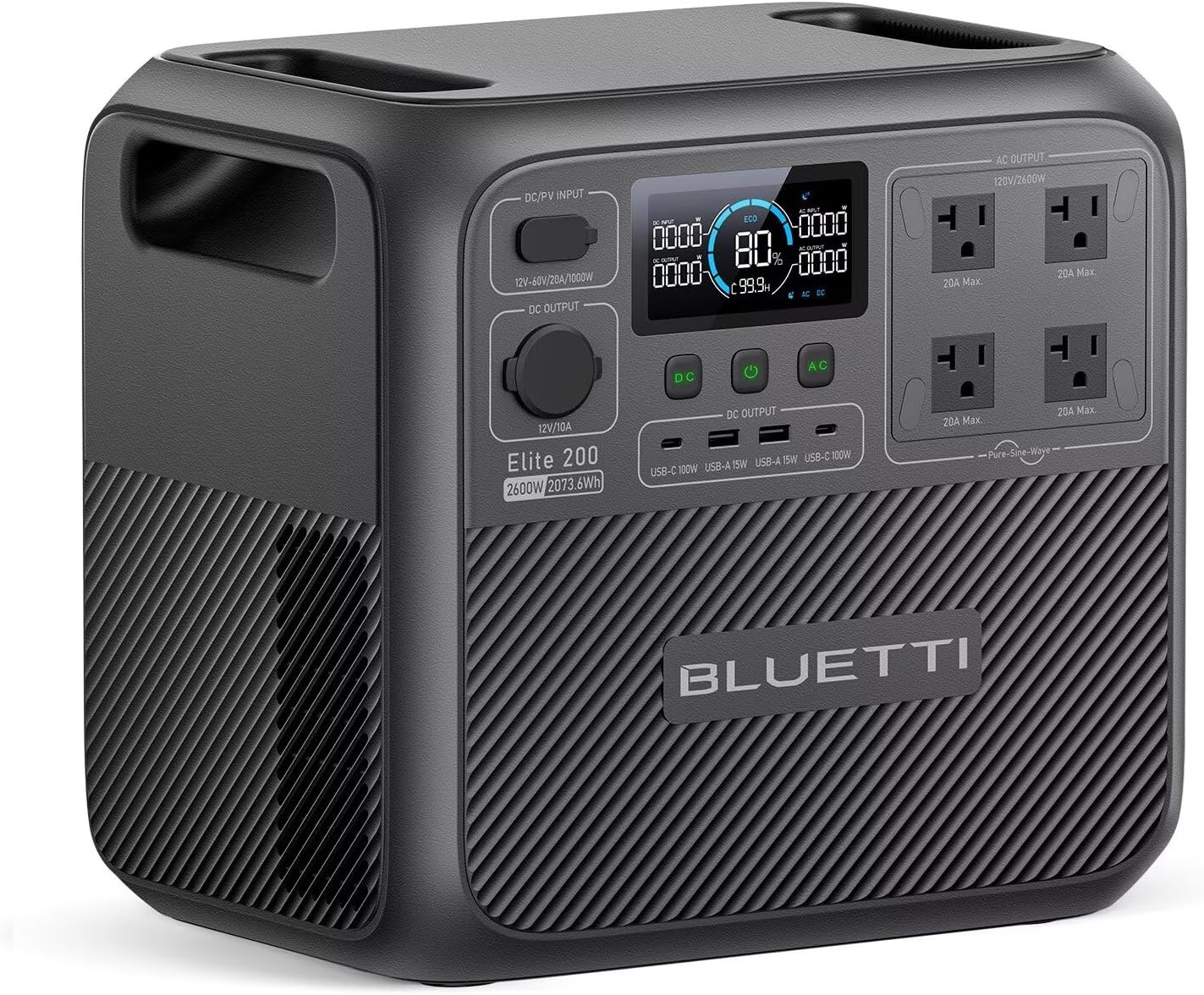
- Battery Capacity (Wh): This tells you how much energy the battery can store. Match this to your calculated daily Wh needs, with a buffer. A BLUETTI Elite 200 V2, with its 2073.6Wh LFP battery, offers a solid capacity for multi-day
camping electricityor criticalpower outage essentials. - Power Output (Watts): This determines what appliances you can run simultaneously. Ensure the continuous wattage output exceeds your total simultaneous running wattage, and the peak/surge wattage can handle your highest surge demands.
- Solar Input (W & VDC): If you plan to use solar panels, check the maximum solar input wattage the power station can accept (e.g., 500W, 900W). Also, verify the voltage range (VDC) to ensure compatibility with your chosen solar panels. Higher solar input means faster recharging.
- Charging Speed (AC, DC, Solar): How quickly can the unit recharge? Look for fast AC charging, and consider the maximum solar input for quicker top-ups when
off-grid camping. - Weight & Portability: Crucial for
best power station for campingandoff-grid camping. Lighter units are easier to transport. Ergonomic handles and durable casings are a plus. - Weather Resistance: While most portable power stations aren’t fully waterproof, some offer better dust and splash resistance, important for outdoor use.
- Warranty & Expandability: A good warranty indicates manufacturer confidence. Expandable systems allow you to add extra battery packs for increased capacity later, prolonging the usefulness of your initial investment.
Essential Power Solutions for Different Scenarios
Let’s break down practical recommendations based on common emergency preparedness and outdoor scenarios.
What essential emergency power equipment should every family own?
Beyond a reliable power source, a truly prepared family needs a layered approach to energy, communication, and basic needs. Every family should consider:
- A Medium-Sized Portable Power Station (e.g., 1000-2500Wh): This is the heart of your
portable emergency powerstrategy. Something like the BLUETTI Elite 200 V2 (2073.6Wh LFP) fits this category perfectly, offering enough juice for vital home appliances or extensivecamping electricity. - Portable Solar Panels (e100-200W): To recharge your power station, making it a true
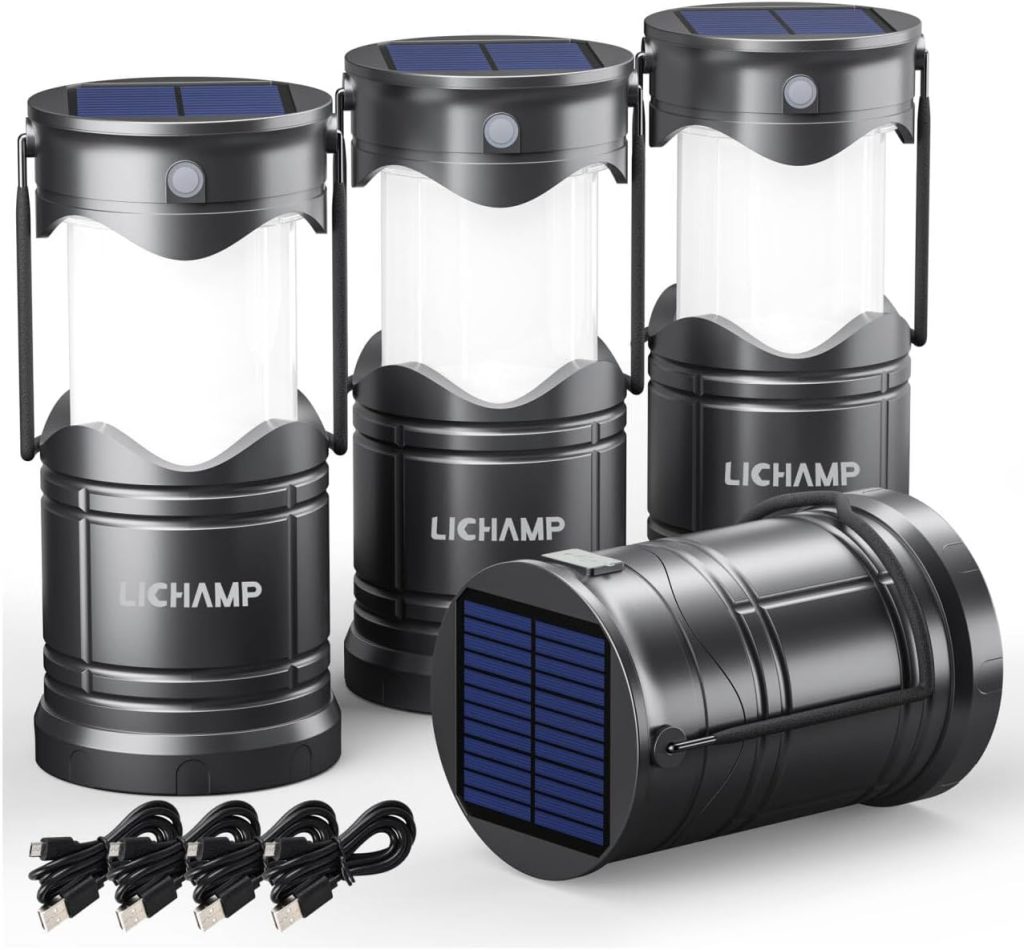
solar generator. - LED Lighting: Battery-powered lanterns and headlamps.
- Hand-Crank/Solar Emergency Radio: With NOAA weather alerts and device charging capabilities.
- Rechargeable Flashlights: With extra batteries or built-in USB charging.
- Backup Power Banks: Small capacity units for personal devices.
- Water Storage & Filtration: Essential for survival.
- Non-Perishable Food: At least 3 days’ supply.
- First Aid Kit: Comprehensive and up-to-date.
Scenario Focus: Home Power Outage Preparedness
When the grid goes down, your priorities shift to maintaining comfort, communication, and safety. A robust emergency power supply for home is paramount.
- Recommendations: For critical
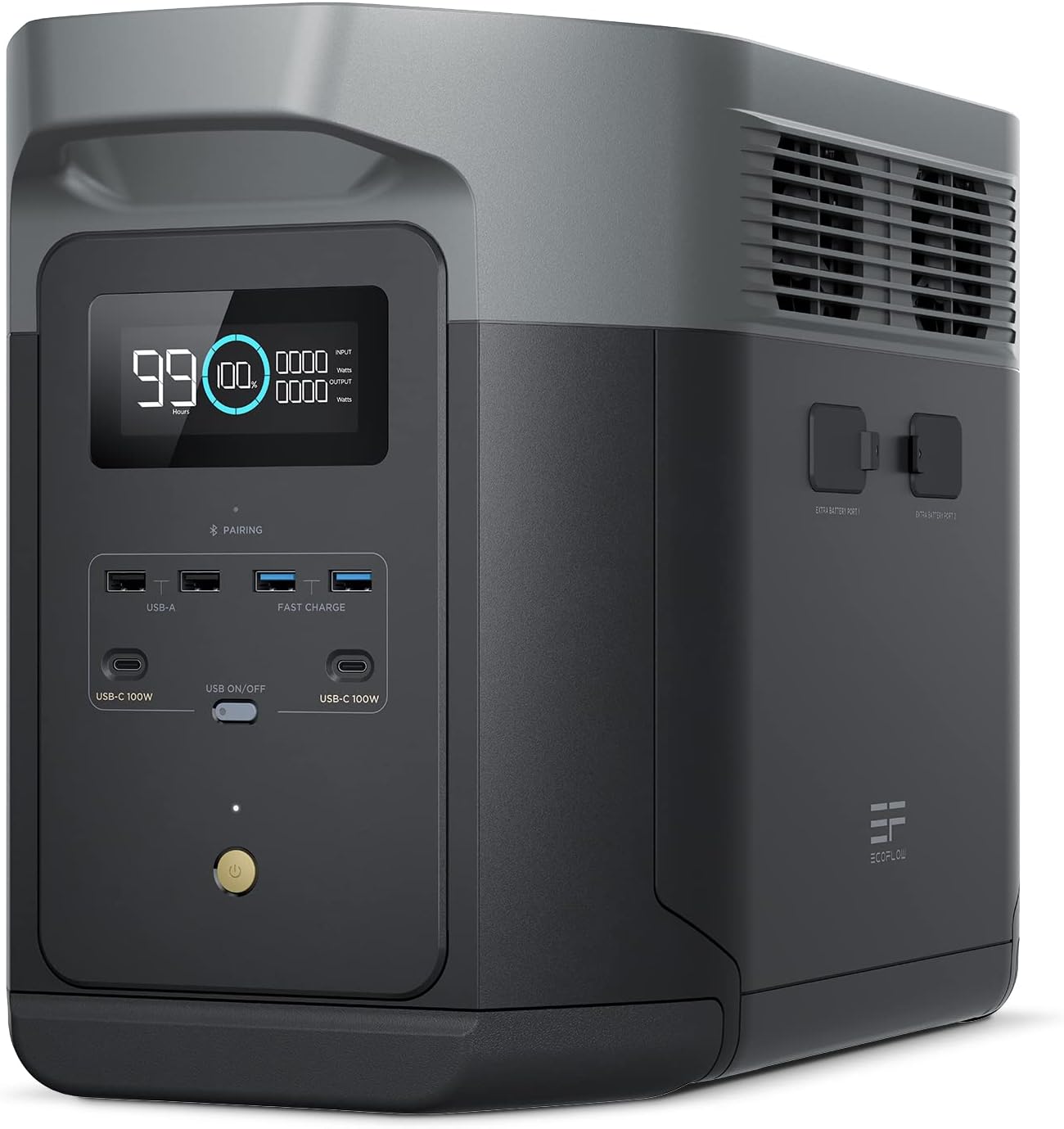
power outage essentials, a solar generator setup is ideal. A unit like the BLUETTI Elite 200 V2 can easily power your refrigerator (intermittently), internet router, a few lights, and charge phones for a day or two. For longer outages or more appliances, consider a larger system like the EcoFlow DELTA Pro or a BLUETTI AC200MAX, paired with multiple high-wattage solar panels. These allow for substantialbackup electricityand can keep critical medical equipment running. - Implementation: Keep your solar generator charged and ready. Store solar panels in an easily accessible location. During an outage, deploy panels in a sunny spot and plug in your essential appliances using heavy-duty extension cords. For a more integrated solution, consider a home battery backup system for automatic power transfer.
Scenario: Weekend Camping & Off-Grid Adventures
For those looking for the best power station for camping, portability and sufficient capacity for key camping essentials are crucial.
- Recommendations: The BLUETTI Elite 200 V2 is an excellent choice for serious campers due to its ample 2073.6Wh LFP capacity. It can run a portable electric cooler for days, charge multiple devices, power LED lighting, and even run a small coffee maker or induction plate for quick meals. Pair it with a 200W foldable solar panel (e.g., Jackery SolarSaga 200W or EcoFlow 220W Bifacial) for continuous
off-grid campingpower. For lighter trips, smaller portable power stations like a Jackery Explorer 500 or EcoFlow RIVER 2 Pro might suffice for charging phones, running a fan, and powering lights. - Implementation: Charge your
camping power stationfully before leaving. Pack foldable solar panels for recharging during daylight hours. Utilize efficient LED lighting and consider an electric cooler to reduce reliance on ice. This setup gives you freedom and convenience far beyond traditional battery packs.
Scenario: RV Solar Setup for Extended Freedom
An RV solar setup transforms your mobile home into an independent off-grid energy haven, essential for boondocking or long tours.
- Recommendations: This typically involves a more permanent installation. You’ll need dedicated rigid or flexible solar panels (e.g., Renogy, ALLPOWERS) mounted on your RV roof, connected to a charge controller (MPPT controllers are more efficient), a robust RV battery system (deep cycle lead-acid, AGM, or increasingly, LiFePO4 for their longevity and lighter weight), and an inverter to convert DC battery power to AC for your appliances. For a more modular approach, some RVers use large portable power stations (like the BLUETTI AC200MAX or EcoFlow DELTA Pro) as their primary
RV battery storageand inverter, which can be charged by both roof-mounted panels and external portable ones. - Implementation: Professional installation is often recommended for permanent RV solar systems. For portable charging, ensure proper wiring and fuse protection. Monitor your energy consumption using a dedicated energy monitoring system to prevent draining your
RV battery systemunexpectedly.
Scenario: Hurricane & Severe Weather Preparedness
Hurricanes, blizzards, and wildfires demand proactive disaster preparedness and reliable solar generator for hurricane preparedness solutions.
- Recommendations: For severe weather, a robust solar generator is paramount. Think BLUETTI AC200MAX/Max or EcoFlow DELTA Pro for their higher capacities and output, capable of powering critical items like a full-size refrigerator, medical devices, and even a well pump. Pairing these with multiple high-wattage solar panels (e.g., two 400W panels) ensures continuous recharging even during prolonged outages. In conjunction, secure ample water storage, non-perishable food, and a battery-powered emergency radio.
- Implementation: Have a clear plan for panel deployment (away from potential falling debris). Keep your generator fully charged and fuel sources (if using propane backup for hybrid systems) topped up. Prioritize medical equipment backup and communication devices above all else. This layered approach forms the backbone of effective
emergency preparedness.
Top Recommendations for Reliable Power Solutions (2026)
Based on years of experience, these brands consistently deliver quality and innovation in the emergency and off-grid energy space.
Portable Power Stations & Solar Generators (Versatile Solutions)
For versatility across camping electricity, home backup, and RV battery storage, these brands stand out:
- BLUETTI: A leader in LFP (Lithium Iron Phosphate) battery technology, known for longevity and safety. The BLUETTI Elite 200 V2 (2073.6Wh LFP) is a prime example of a balanced unit, offering significant capacity and output for everything from extended
off-grid campingto essentialpower outage essentialsat home. For more demanding needs, their AC200MAX or AC300/EP500 series provide robustsolar generator for hurricane preparednesscapabilities with expandable battery packs. - EcoFlow: Renowned for exceptionally fast AC charging and powerful output, their DELTA series (e.g., DELTA 2, DELTA Pro) and RIVER series (for more portability) are excellent choices. Their modularity with extra batteries and smart home panel integration makes them strong contenders for various
emergency energy storageneeds. - Jackery: Pioneers in the portable power station market, their Explorer series offers a wide range of reliable, user-friendly options, from compact units for basic
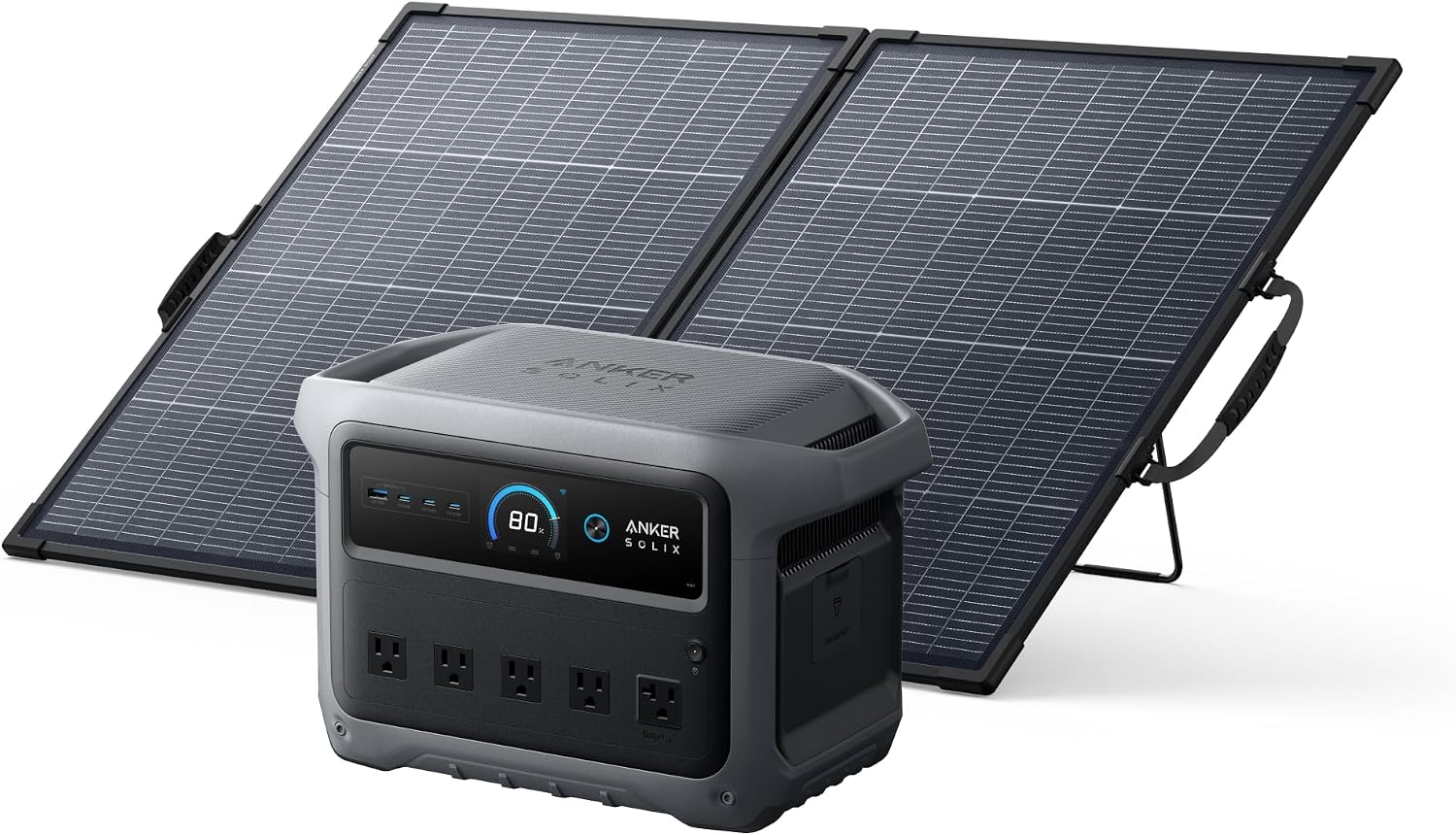
camping essentialsto larger models suitable for light home backup. Their SolarSaga panels are highly regarded. - Anker SOLIX: A strong entrant from a trusted electronics brand, offering competitive capacity and features with a focus on durable design and a comprehensive ecosystem for
portable emergency power.
Portable Solar Panels (The Fuel Source)
- Renogy: Offers a wide range of panels, from flexible and foldable to rigid, known for durability and efficiency, suitable for dedicated
RV solar setupor portablesolar backup power. - Jackery SolarSaga: Designed to seamlessly integrate with Jackery power stations, known for their ruggedness and high conversion efficiency.
- EcoFlow: Their portable solar panels, including bifacial options, are optimized for fast charging EcoFlow power stations and offer excellent portability.
- ALLPOWERS: Provides cost-effective and efficient foldable solar panels, great for
off-grid campingand casualcamping electricityneeds.
Home Battery Backup Systems (Peace of Mind for Whole-Home Backup)
- Tesla Powerwall: The benchmark for integrated home battery storage, offering seamless
whole-home backupand intelligent energy management, especially with existing solar. - EcoFlow Power Kits & DELTA Pro Ecosystem: Offers modular solutions that can be scaled from small RV setups to substantial home backup, providing a versatile
emergency power supply for home. - BLUETTI EP series: High-capacity, modular home backup systems designed for extensive
emergency energy storageand long-termbackup electricityfor the entire house. - Generac PWRcell: A robust and reliable option from a long-standing name in power generation, offering comprehensive home energy management and backup.
Wind Turbines (For Diverse Off-Grid Energy Systems)
For remote cabins, unique off-grid energy systems, or areas with consistent wind, small wind turbines can supplement solar power:
- Pikasola, Automaxx, Ista Breeze: These brands offer smaller-scale wind turbines suitable for charging 12V or 24V battery banks, often used in conjunction with solar panels for a hybrid
renewable emergency powersystem.
Final Recommendations: Your Path to Reliable Emergency Power
The journey to reliable emergency power supply for home or the best power station for camping is a personal one, shaped by your unique requirements, budget, and risk assessment. My recommendation is always to adopt a layered approach:
- Prioritize Essentials: Identify your absolute must-have appliances and devices during any power disruption.
- Match Solution to Scenario: A compact portable power station for weekend tent
camping electricityis different from the robustsolar generator for hurricane preparednessneeded to weather a major storm. - Invest in Quality: Lithium Iron Phosphate (LiFePO4/LFP) batteries are the gold standard for longevity and safety in power stations like the BLUETTI Elite 200 V2.
- Embrace Renewable: Whenever possible, integrate solar panels into your strategy. They turn your
portable battery generatorinto a self-sustainingsolar camping systemor a criticalsolar backup powersolution for your home.
Don’t wait for the next outage or adventure to realize you’re unprepared. Start planning your emergency energy storage today, and empower yourself with the freedom and security that reliable backup power provides.
FAQ
Q: What is the best power station for camping if I only need to charge devices and run a small light?
A: For basic needs, a portable power station in the 500-700Wh range, like a Jackery Explorer 500 or EcoFlow RIVER 2 Pro, is often sufficient. If you also want to run a portable fridge or a small appliance, stepping up to a 1000Wh+ unit like the BLUETTI Elite 200 V2 offers much more flexibility and longevity.
Q: Can a solar generator for hurricane preparedness really power a refrigerator?
A: Yes, absolutely. Many modern solar generators, especially those with 2000Wh+ capacity and 2000W+ output (like the BLUETTI Elite 200 V2 or EcoFlow DELTA Pro), can power a standard refrigerator intermittently for 12-24 hours or more on a full charge. Pairing it with sufficient solar panels allows for indefinite operation during sunny periods.
Q: How often should I charge my portable emergency power station?
A: For optimal battery health, most manufacturers recommend fully charging your LiFePO4 portable power station every 3-6 months, even if unused. Always charge it to 100% before storing and before any planned use, especially for disaster preparedness.
Q: What’s the difference between a portable power station and a portable battery generator?
A: These terms are often used interchangeably to describe the same device: a rechargeable battery pack with an inverter that provides AC, DC, and USB power outlets. “Portable battery generator” simply emphasizes its function as a generator that uses battery power, differentiating it from a traditional gas generator.
Q: Is an RV solar setup difficult to install?
A: Basic RV solar setup (e.g., adding a single portable panel to charge a portable power station or existing RV battery) is relatively straightforward. However, a comprehensive, roof-mounted system involving multiple panels, a charge controller, and an inverter integrated into your RV’s electrical system typically requires electrical knowledge or professional installation to ensure safety and efficiency.
#BLUETTI #Elite #Portable #Power #Station #2073.6Wh #LFP