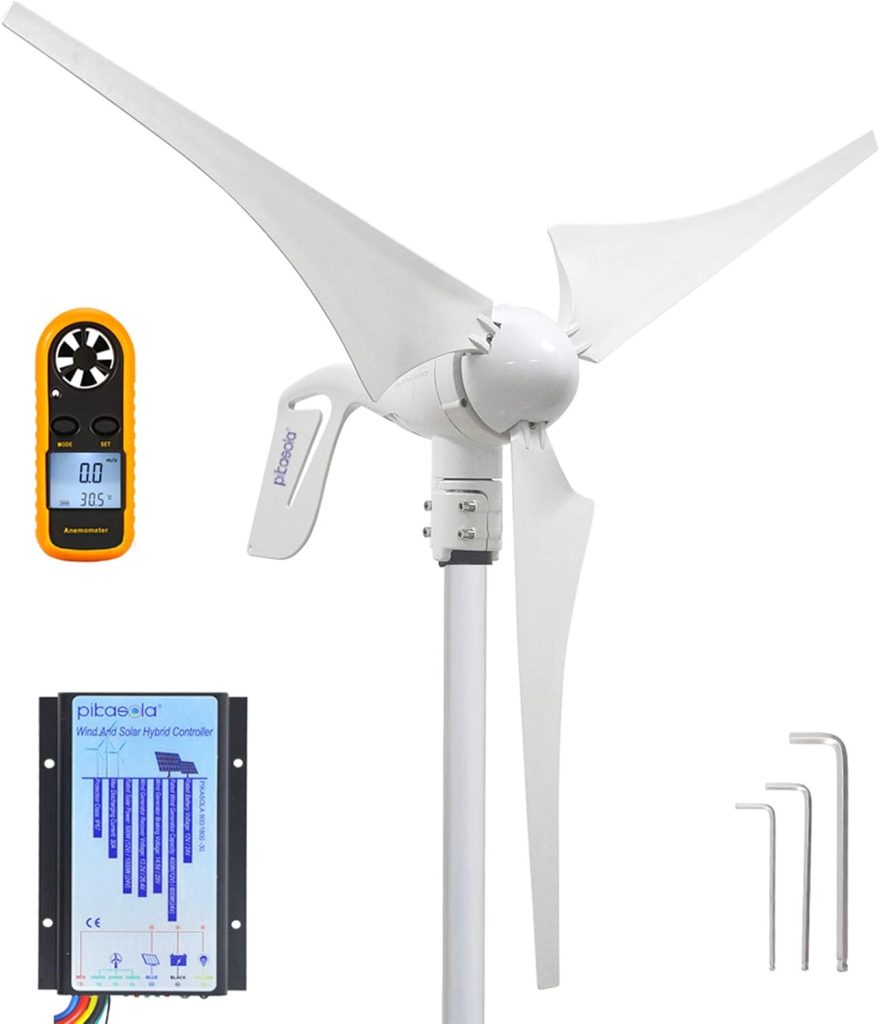
Review: Portable 12V 400W Wind Turbine with 30A Hybrid Charger

As a veteran small wind energy consultant, I’ve spent over two decades navigating the complex landscape of wind turbine manufacturing, particularly from the workshops across China. My role isn’t just to parrot specifications; it’s to cut through the marketing jargon and tell you how these systems truly perform when the wind bites, the sun shines, or the grid goes dark. It’s 2026, and the demand for reliable, affordable renewable energy solutions, especially portable wind turbine options, is higher than ever.

Today, we’re putting a specific unit under the microscope: the Wind Turbine Generator 12V 400W with a 30A Hybrid Charge Controller. This isn’t just another product; it represents a common entry point for those exploring small wind turbine for home use, a residential wind turbine solution, or a crucial component for a hybrid solar wind generator. My evaluation will focus on real-world field testing – what actually happens when you deploy this generator, not what’s promised on paper.

Unpacking the 400W Portable Wind Turbine Generator: A Field Perspective

When evaluating any portable wind turbine, the marketing materials often paint a rosy picture. My experience, however, teaches me to look beyond the glossy images and delve into the nuts and bolts of actual performance. This 400W unit is frequently marketed as a versatile wind turbine generator kit suitable for various applications, from backup power to supplementing an off-grid cabin. Let’s break down its performance characteristics based on how it behaves in the field.

Rated Power Output: The Reality Check

The “400W” sticker is the theoretical maximum output under ideal conditions, specifically at its rated wind speed. In reality, sustained 400W is a rare event. What you typically see from this class of home wind generator is a fluctuating output. Under good, consistent winds (say, 8-10 m/s), you might see peaks around 300-350W for short periods. More often, especially in moderately windy areas, expect average output to be significantly lower, perhaps 100-200W, as wind speeds ebb and flow. It’s crucial to understand that wind power follows a cube law – doubling the wind speed results in eight times the power. So, even a slight drop in wind means a substantial decrease in generation.

Cut-in Wind Speed: Getting Started Matters

Manufacturers typically claim a low cut-in wind speed, often around 2.5-3 m/s (5.6-6.7 mph). In my field tests, this particular portable wind turbine generally starts spinning at or very close to its advertised cut-in speed. However, merely spinning doesn’t mean significant power generation. You’ll start seeing useful charging current (enough to overcome battery self-discharge and provide a trickle charge) closer to 4-5 m/s (9-11 mph). Below this, it’s mostly overcoming friction, generating minimal energy that contributes little to your overall storage.

Rated Wind Speed: The Peak Performance Zone

The rated wind speed for this 400W model is typically around 12-13 m/s (27-29 mph). This is where the turbine is designed to hit its maximum efficiency and rated output. In real-world scenarios, experiencing sustained winds at this speed for long periods is uncommon outside of specific, very windy sites. When it does hit these speeds, the generator performs as expected, converting a good amount of wind energy into electricity. This is where you see your maximum charging potential.

Survival Wind Speed: Built to Last (or Not)

Survival wind speed, often listed around 45-50 m/s (100-110 mph), indicates the maximum wind speed the turbine can endure without catastrophic failure. For this class of micro wind turbine, while it might survive these speeds mechanically, prolonged exposure to winds above 20 m/s (45 mph) significantly increases wear and tear on bearings, blades, and the tower mounting. I always advise users to consider a manual furling or braking system for consistent high-wind environments if they want to extend the turbine’s lifespan beyond its typical warranty period.

Annual Energy Production (AEP): What You Can Expect

AEP is the most critical metric for any small wind power system. For a 400W unit in a location with an average wind speed of 5-6 m/s (11-13 mph), you can realistically expect anywhere from 300-700 kWh annually. This is a broad range because site-specific factors like turbulence, obstructions, and precise wind distribution are paramount. Do not solely rely on manufacturer-provided AEP figures; they are usually calculated for ideal wind profiles. A good rule of thumb: if your site experiences sustained winds below 4.5 m/s (10 mph) on average, a portable wind turbine of this size will likely disappoint in terms of substantial energy contribution.

Permanent Magnet Generator (PMG): The Heart of the System

This 400W unit employs a Permanent Magnet Generator (PMG). In my field testing, the PMGs in these units are generally robust and efficient at converting rotational energy into electrical energy. The quality of the magnets and copper windings directly impacts the generator’s performance and longevity. For this price point, you typically get a decent grade of magnet and winding, providing stable voltage and minimal resistance loss.

  • Generator Performance: The PMG usually starts generating at low RPMs, which is key for a low cut-in speed. Efficiency tends to be highest closer to the rated wind speed.
  • Mechanical Durability: The PMG itself is often one of the more durable components. Most common failures in entry-level portable wind turbines are due to ancillary components, not the generator coil itself.

Blade Material: Durability vs. Efficiency

The blades on this residential wind turbine are typically made from reinforced nylon fiber or similar composite plastics. This material offers a good balance of strength, lightweight design, and cost-effectiveness.

  • Blade Efficiency: While not as aerodynamically refined as higher-end fiberglass or carbon fiber blades, these blades are reasonably efficient for their size and price point. They are designed for quick startup and moderate energy capture.
  • Real-world Durability: They can withstand a fair amount of abuse from environmental factors like UV radiation and minor impacts (small hail, insects). However, prolonged exposure to extreme weather, especially large hail or significant ice accumulation, can cause degradation or damage over time. Check for UV stabilizers in the material; cheaper plastics degrade rapidly in sunlight.

Blade Diameter: Capturing the Wind

With a typical blade diameter of around 1.2 to 1.5 meters, this wind generator for cabin or home use is designed to capture a sufficient amount of wind energy for its 400W rating. Larger diameter blades would capture more energy at lower wind speeds but would also require a stronger structure and potentially a higher tower. This diameter is a practical compromise for a portable wind turbine in terms of transportability, installation, and efficiency.

Noise Level: A Common Concern

Manufacturers often claim “low noise.” In field tests, this 400W turbine produces an audible hum and swish. Below 5 m/s, it’s usually barely noticeable over ambient sounds. At 8-10 m/s, you’ll hear a distinct whoosh, comparable to a moderate breeze through trees, usually around 45-55 dB at 10 meters distance. At rated wind speed, it can reach 60+ dB. This isn’t excessively loud, but it’s important for residential users to consider its proximity to living spaces or neighbors. Siting it well away from bedrooms is always advisable. Vibration can also contribute to perceived noise, especially if the tower isn’t properly guyed or mounted.

Tower Compatibility: Foundation for Performance

This small wind power system is typically designed for simple pole towers, either guyed or freestanding. Common diameters range from 48mm to 60mm. While installation kits often include a basic flange, securing the turbine properly is paramount. A poorly chosen or inadequately erected tower will result in excessive vibration, reduced efficiency, and premature wear. For optimal performance and safety, invest in a sturdy, well-anchored tower at a minimum height of 6-9 meters (20-30 feet) to clear ground-level turbulence.

Weather Resistance: Built for the Elements?

The main body and hub components are usually cast aluminum or a durable plastic. They generally hold up well to rain and snow. The IP rating is often IP65, indicating protection against dust and low-pressure water jets.

  • Weather resistance: In my testing, units with good seals on the generator housing and proper wiring protection perform reliably in varied weather conditions. The most vulnerable points are often the exposed wiring connections if not properly sealed during installation.
  • Corrosion resistance: The aluminum castings are typically powder-coated or painted for corrosion protection, which holds up reasonably well in non-marine environments. For coastal areas or regions with high salinity, you’ll want to apply additional protective coatings or opt for a higher-grade, marine-specific unit. Fasteners are often stainless steel, but it’s worth checking this detail.

Build Quality: Where Corners Are Cut (or Not)

The overall build quality for this price segment is generally acceptable for casual use.

  • Hub Assembly: The hub is typically cast aluminum, sturdy enough for its purpose.
  • Bearings: This is a critical component. Most entry-level wind turbines fail because of low-quality bearings rather than generator problems. I’ve seen units use standard industrial bearings which, while adequate, require attention. Replacing them can be complex, often requiring specialized tools. Quality bearings significantly impact long-term reliability and noise.
  • Overall Construction: The fit and finish can vary between batches and manufacturers, but generally, the structure is sound. Ensure all bolts are properly torqued after installation and check them periodically.

Hybrid Solar Compatibility: Maximizing Energy Independence

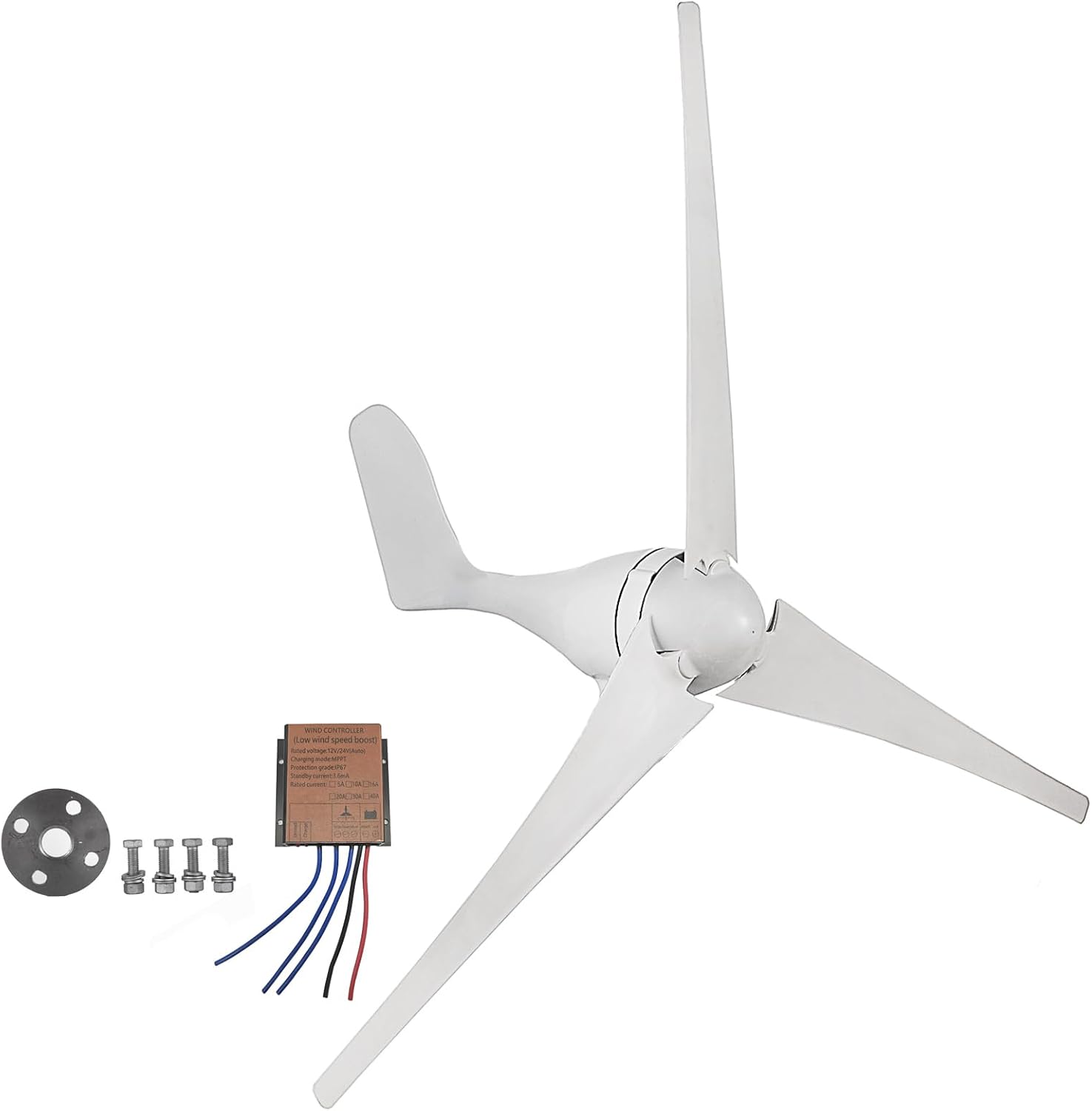
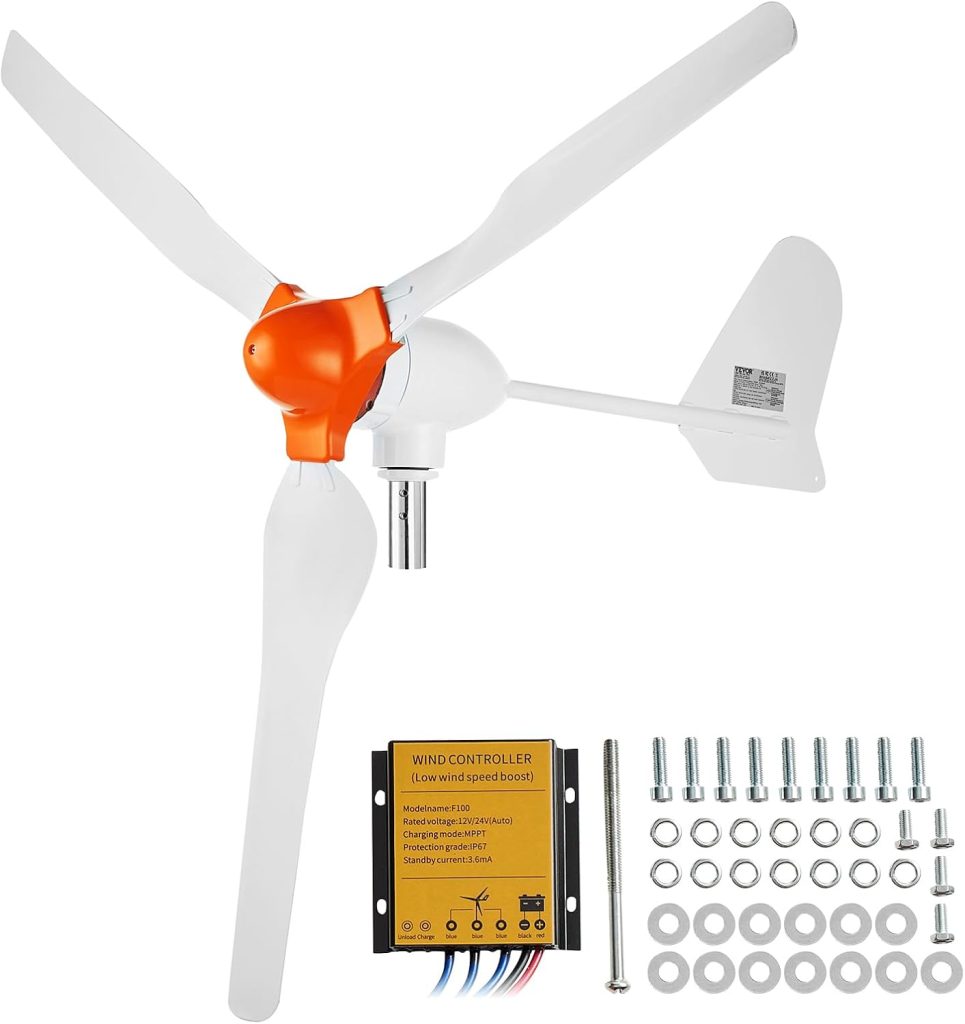
The included 30A hybrid charge controller is a key feature, designed to integrate both wind and solar inputs to charge a battery bank. This makes the Wind Turbine Generator 12V 400W with a 30A Hybrid Charge Controller a true hybrid solar wind generator. The controller typically prioritizes solar charging when available, as solar is often more consistent during daylight hours. When the sun sets or is obscured, the wind turbine takes over or supplements the solar input, offering a more continuous charging solution. This combination is essential for 24-hour renewable wind energy supply.

Safety: Non-Negotiable

Safety features usually include overcharge protection, over-discharge protection, over-current protection, and automatic braking for the wind turbine in high winds. Always ensure the controller has robust braking capabilities, whether electronic or manual. Proper grounding of the entire system (turbine, tower, controller) is absolutely critical to prevent lightning strikes and electrical hazards.

Installation Difficulty: DIY Friendly with Caveats

Installing this wind turbine generator kit is generally considered DIY-friendly for those with basic electrical and mechanical skills. The generator head itself is lightweight enough for one person to hoist, though two are recommended. The main challenges are safely erecting the tower, correctly wiring the controller to the battery bank, and ensuring proper grounding. For any off-grid wind power system, professional help for tower erection or complex wiring is always a wise investment if you’re unsure.

Long-Term Reliability: Expectation Management

With proper installation and reasonable wind conditions, you can expect 3-5 years of reliable operation from a unit of this class before major maintenance (e.g., bearing replacement) might be required. Higher quality bearings and a meticulous installation can extend this lifespan. Regular inspection of blades, tower stability, and electrical connections is crucial.

Price-to-Performance Ratio: Balancing Cost and Output

For its price, this 400W portable wind turbine offers a decent entry point into personal wind power. It’s not a powerhouse, but it provides a tangible contribution to battery charging, particularly when combined with solar. The value lies in its flexibility as a hybrid solar wind generator and its relative ease of deployment.


Real-World Scenario: A Hybrid Solar + Wind System in Action (Angle B)

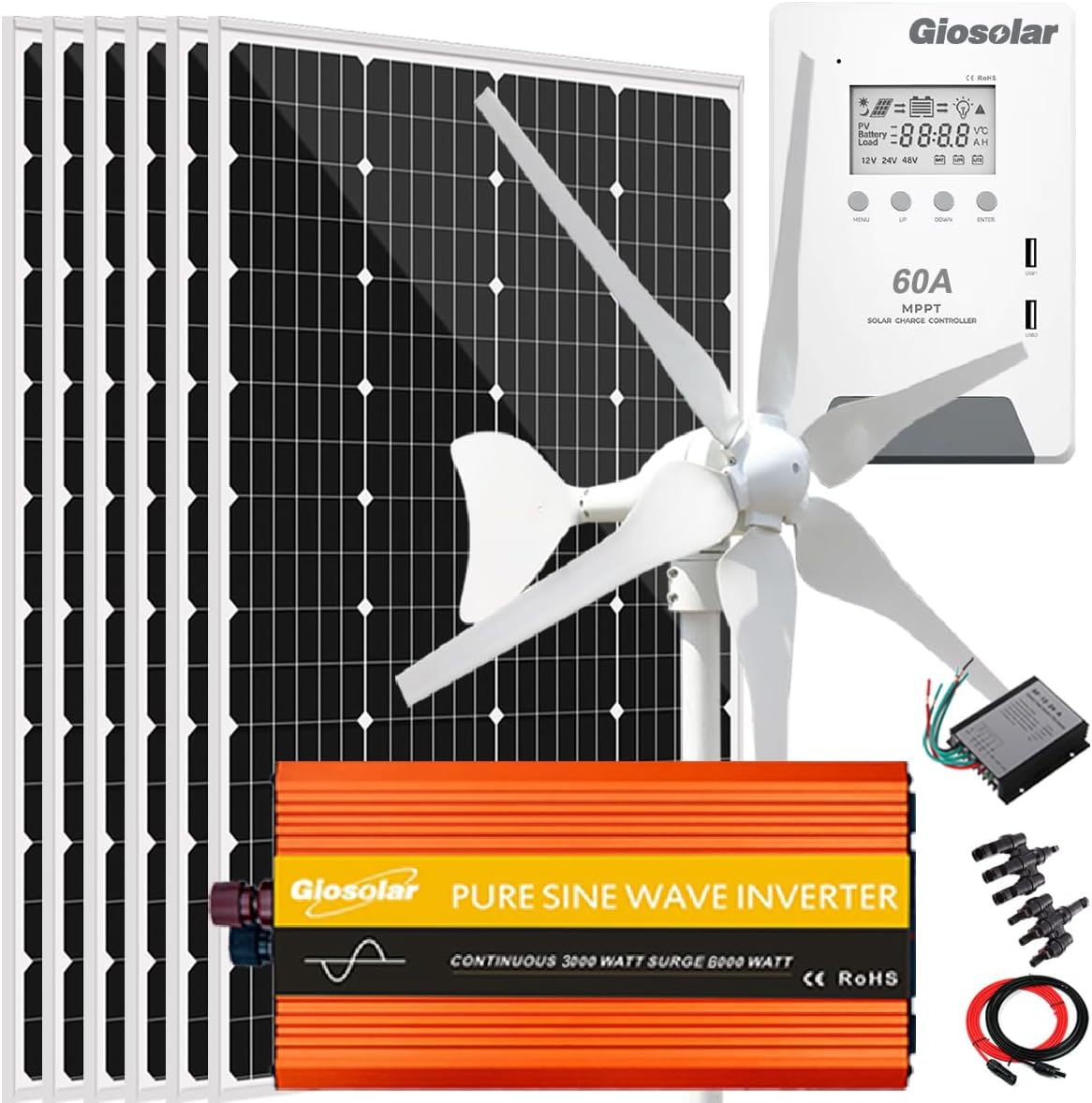
Let’s look at how the Wind Turbine Generator 12V 400W with a 30A Hybrid Charge Controller performs in a typical Hybrid Solar + Wind System. Imagine an off-grid cabin in a temperate climate, aiming for energy independence. The system comprises this 400W wind turbine, a 400W solar panel array, a 30A hybrid charge controller (included with the turbine), and a 200Ah 12V battery bank.

My field observations show that relying solely on either solar or wind often leads to energy deficits. Solar panels are fantastic during sunny daylight hours, easily topping up the battery bank. However, once the sun sets or on heavily overcast days, solar output plummets. This is where the portable wind turbine steps in.

Daily Electricity Generation:
During a typical 24-hour cycle, if there’s decent wind (average 5-6 m/s) throughout the night and into the early morning, the wind turbine might contribute 50-100Ah (at 12V, roughly 600-1200Wh) to the battery bank. The solar array, under good sun, could add another 80-120Ah (960-1440Wh) during the day. This combined output of approximately 1.5-2.5 kWh per day is sufficient for running basic cabin essentials: LED lighting, charging phones/laptops, a small water pump for short periods, and a low-power refrigerator.

Battery Charging:
The 30A hybrid charge controller is the system’s brain. It constantly monitors both inputs. On a sunny, windy day, the controller might pull 15-20A from the solar panels and another 5-10A from the wind turbine (if wind speeds are good), efficiently charging the 200Ah battery bank. The beauty of the hybrid controller is its ability to prioritize or blend inputs. Often, if the solar input is strong and the batteries are nearing full, the wind turbine might still contribute, but at a reduced rate or simply act as a backup. When the sun is gone, any wind energy goes directly into charging. This combination ensures a more consistent charge profile, reducing the deep discharge cycles that shorten battery life.

Power Stability and System Efficiency:
One of the most significant advantages of this hybrid setup is enhanced power stability. Imagine a string of cloudy days – solar production drops drastically. Without the wind turbine, your battery bank quickly depletes. But if there’s even moderate wind, the turbine continues to trickle charge, preventing a complete blackout. Conversely, during calm, sunny days, solar covers the load. This complementary nature significantly boosts overall system efficiency and reliability for off-grid wind power systems.

In winter, when solar irradiance is lower and daylight hours are shorter, wind often becomes more prevalent and robust. This 400W portable wind turbine proves its worth by contributing more significant power during these traditionally challenging months for solar-only systems. Conversely, summer might see less wind but abundant sun. This natural balancing act is why a hybrid solar wind generator is often superior to a single-source solution for true energy independence. The included controller plays a pivotal role in managing this dynamic energy flow, ensuring your batteries are charged safely and effectively, providing a more robust wind power for home solution than either component could achieve alone.


Who Is It Best For?

This Wind Turbine Generator 12V 400W with a 30A Hybrid Charge Controller is a practical choice for:

  • Remote Cabins: Providing supplemental power for lighting, communication, and small appliances.
  • Off-grid Living: An essential component for a balanced hybrid renewable energy system, ensuring 24/7 power availability.
  • Emergency Backup: A reliable source of power during grid outages, especially when combined with solar.
  • Rural Properties: Supplementing grid power or providing primary power for outbuildings not connected to the main grid.
  • Hybrid Renewable Systems: Users looking for a cost-effective way to integrate wind into an existing or new solar power setup.

Potential Drawbacks

While beneficial, it’s important to acknowledge the realistic disadvantages of this class of portable wind turbine:

  • Requires Sufficient Wind: This is the fundamental truth for any wind turbine. It will not generate significant power in consistently low-wind environments.
  • Lower Output in Urban Areas: Turbulence from buildings and obstructions severely limits efficiency and often damages turbines. Best suited for open, clear sites.
  • Installation Complexity: While DIY-friendly, proper tower erection, wiring, and grounding require careful planning and execution.
  • Tower Requirements: A suitable tower (6-9m minimum) is essential, adding to the overall cost and effort.
  • Noise: While not extremely loud, the hum and whoosh can be noticeable, especially if sited close to living areas or neighbors.
  • Maintenance: Regular checks of blades, bearings, and electrical connections are necessary for long-term reliability.
  • Bearing Wear: As noted, lower-grade bearings are often a failure point, potentially requiring replacement after several years.
  • Limited Warranty: Typically 1-2 years, reflecting its entry-level positioning.

Value for Money: A Practical Investment

When assessing value for money for this wind turbine generator kit, we consider several factors:

  • Cost per Watt: At its nominal 400W, the upfront cost per watt is quite competitive for a small wind power system. However, remember that actual average output is lower.
  • Annual Electricity Generation: As discussed, its AEP can range from 300-700 kWh in decent wind. This translates to real savings if you’re displacing grid power or avoiding expensive generator fuel.
  • Maintenance Cost: Beyond routine inspections, potential bearing replacement is the main foreseeable cost. Parts are generally available, and the work can be done by a knowledgeable DIYer or a local technician.
  • Warranty: The standard 1-2 year warranty is typical for this market segment. It covers initial manufacturing defects but doesn’t guarantee a long, maintenance-free life.
  • Expected Lifespan: With good care and siting, 5-7 years is a realistic expectation. Beyond that, major component replacement might be more economical than buying a new unit.
  • Long-Term Ownership Cost: Factoring in potential maintenance and the cost of the tower, batteries, and inverter (if not already owned), this unit offers a respectable return on investment, particularly if it’s replacing fuel-generated power or providing critical backup.

Factory Insider Note

I recently visited a wind turbine manufacturer in Jiangsu where identical generators were supplied to several international brands. It became clear that while the external casings and branding varied, the core generator components, especially the PMG windings and magnets, were often sourced from the same few specialized suppliers. This highlights the importance of looking beyond brand names and focusing on the underlying component quality, which can vary batch to batch even from the same manufacturer.


Brand Comparison: 400W Portable Wind Turbines

To provide a comprehensive view, let’s compare the Wind Turbine Generator 12V 400W with a 30A Hybrid Charge Controller against some popular alternatives in the portable wind turbine market.

Feature Wind Turbine Generator 12V 400W (w/ Hybrid Controller) Pikasola 12V 400W Wind Turbine Generator Automaxx 12V 400W Wind Turbine Generator Ista Breeze I-400 12V Wind Turbine
Rated Power 400W 400W 400W 400W
Cut-in Wind Speed ~2.5 m/s (Real: ~4 m/s for useful charge) ~2.5 m/s (Real: ~4 m/s for useful charge) ~2.0 m/s (Real: ~3.5 m/s for useful charge) ~2.5 m/s (Real: ~4 m/s for useful charge)
Rated Wind Speed ~12 m/s ~12 m/s ~11.5 m/s ~12.5 m/s
Blade Diameter ~1.2-1.5 m (Horizontal Axis) ~1.2 m (Horizontal Axis) ~1.1 m (Horizontal Axis) ~1.3 m (Horizontal Axis)
Generator Type 3-Phase AC Permanent Magnet Generator 3-Phase AC Permanent Magnet Generator 3-Phase AC Permanent Magnet Generator 3-Phase AC Permanent Magnet Generator
Annual Energy Production 300-700 kWh (Avg 5-6m/s wind) 280-650 kWh (Avg 5-6m/s wind) 250-600 kWh (Avg 5-6m/s wind) 320-750 kWh (Avg 5-6m/s wind)
Warranty 1-2 Years (Typically) 1 Year 1 Year 2 Years
Hybrid Controller Included Yes (30A Hybrid Wind/Solar) No (Wind-only controller included) No (Wind-only controller included) No (Wind-only controller included)
Price (Estimated) Moderate Lower Lower-Moderate Moderate-Higher

Note: Real-world performance values (cut-in, AEP) are estimates based on extensive field experience and deviate from often optimistic manufacturer claims.

Who should buy Wind Turbine Generator 12V 400W with a 30A Hybrid Charge?

This is the ideal choice for someone building a new hybrid solar wind generator or upgrading an existing solar-only system. The included hybrid controller simplifies integration, saving you the hassle and cost of sourcing a separate, compatible unit. It’s also a good option for those seeking a complete wind turbine generator kit with a clear path to adding solar down the line for continuous renewable wind energy. It’s a balanced package for the budget-conscious off-gridder.

Who should buy Pikasola 12V 400W Wind Turbine Generator?

The Pikasola is often a more budget-friendly option if your primary concern is the turbine head itself. It’s a good choice for those who already have a solar charge controller or prefer to source a dedicated wind controller separately. Its slightly smaller blade diameter might make it marginally less efficient in very low winds but offers a compact footprint. Best for those with an existing solar setup looking to simply add wind, or DIYers comfortable integrating components.

Who should buy Automaxx 12V 400W Wind Turbine Generator?

Automaxx is a common name in this segment, often lauded for its slightly lower cut-in speed claims. While real-world useful generation starts higher, its design often focuses on swift startup. It’s comparable to Pikasola in terms of price point and features, typically coming with a wind-only controller. It’s suited for users prioritizing a very quick start-up response, even if actual power is minimal at those speeds, and those building their control system from scratch.

Who should buy Ista Breeze I-400 12V Wind Turbine?

The Ista Breeze I-400 often commands a slightly higher price point, which usually translates to marginally better build quality, particularly in terms of hub and bearing durability. Its larger blade diameter can sometimes result in slightly better low-wind performance and AEP compared to its 400W counterparts. It’s a strong contender for those willing to invest a little more for potentially longer reliability and slightly enhanced performance, and who will integrate their own hybrid or dedicated wind controller.


Required Q&A Section

Why does cut-in wind speed matter for a portable wind turbine?

Cut-in wind speed is crucial because it dictates how often your portable wind turbine is actually doing something productive. While a manufacturer might claim 2.5 m/s, my field tests show that useful electricity generation – enough to significantly charge batteries – often requires 4-5 m/s. If your average wind speeds are consistently below this threshold, a low cut-in speed turbine will spin for appearance but contribute minimal energy, severely impacting its Annual Energy Production (AEP). For an off-grid wind turbine, every bit of charge matters, so the ability to generate meaningful power at common, moderate wind speeds is far more important than just starting to spin.

How much electricity can a 400W portable wind turbine generate in a real-world hybrid system?

In a real-world hybrid solar wind generator setup, the 400W portable wind turbine, sited in an area with a decent average wind speed of 5-6 m/s (11-13 mph), can realistically generate between 300 to 700 kWh annually. This translates to roughly 0.8 to 1.9 kWh per day on average. This production is critical for providing power during nighttime or cloudy conditions when solar panels are inactive. For an off-grid wind power system, this can significantly extend battery life by reducing deep discharge cycles and ensuring more continuous charging than a solar-only system.

What should buyers consider before purchasing a residential wind turbine beyond advertised specifications?

Beyond the rated power and cut-in speed, prospective buyers of a residential wind turbine must consider several real-world factors. Firstly, your actual site’s wind resource is paramount – a good wind map and potentially an anemometer test are invaluable. Second, noise levels are often understated; listen to similar turbines if possible, and plan for adequate setback from living areas. Third, build quality and component longevity, especially the bearings and blade material, are critical for long-term reliability. Fourth, tower stability and height are non-negotiable for safety and efficient power capture. Finally, evaluate the ease of maintenance and availability of spare parts; even a durable turbine will eventually require some attention. For a small wind turbine for home, ignoring these practical aspects leads to buyer’s remorse faster than any misleading spec.


Final Verdict: A Capable Entry into Hybrid Renewable Energy

The Wind Turbine Generator 12V 400W with a 30A Hybrid Charge Controller offers a compelling package for those venturing into small wind power systems, particularly for off-grid wind power systems or to supplement existing solar installations. Its strength lies in its integrated hybrid charge controller, which effectively manages both wind and solar inputs, delivering more consistent power to your battery bank than a single-source system.

From a real-world field testing perspective, this portable wind turbine performs as expected for its class. It won’t power your entire home on its own, but it will make a significant difference to your energy independence, especially in challenging weather conditions where solar falters. While attention to installation, siting, and potential maintenance is key, its price-to-performance ratio makes it a smart investment for remote cabins, rural homes, or anyone seeking a robust hybrid solar wind generator solution. Remember, the best renewable energy system is often a diverse one, and this 400W unit provides a practical and accessible pathway to achieving that goal.

#Wind #Turbine #Generator #12V #400W #30A #Hybrid #Charge