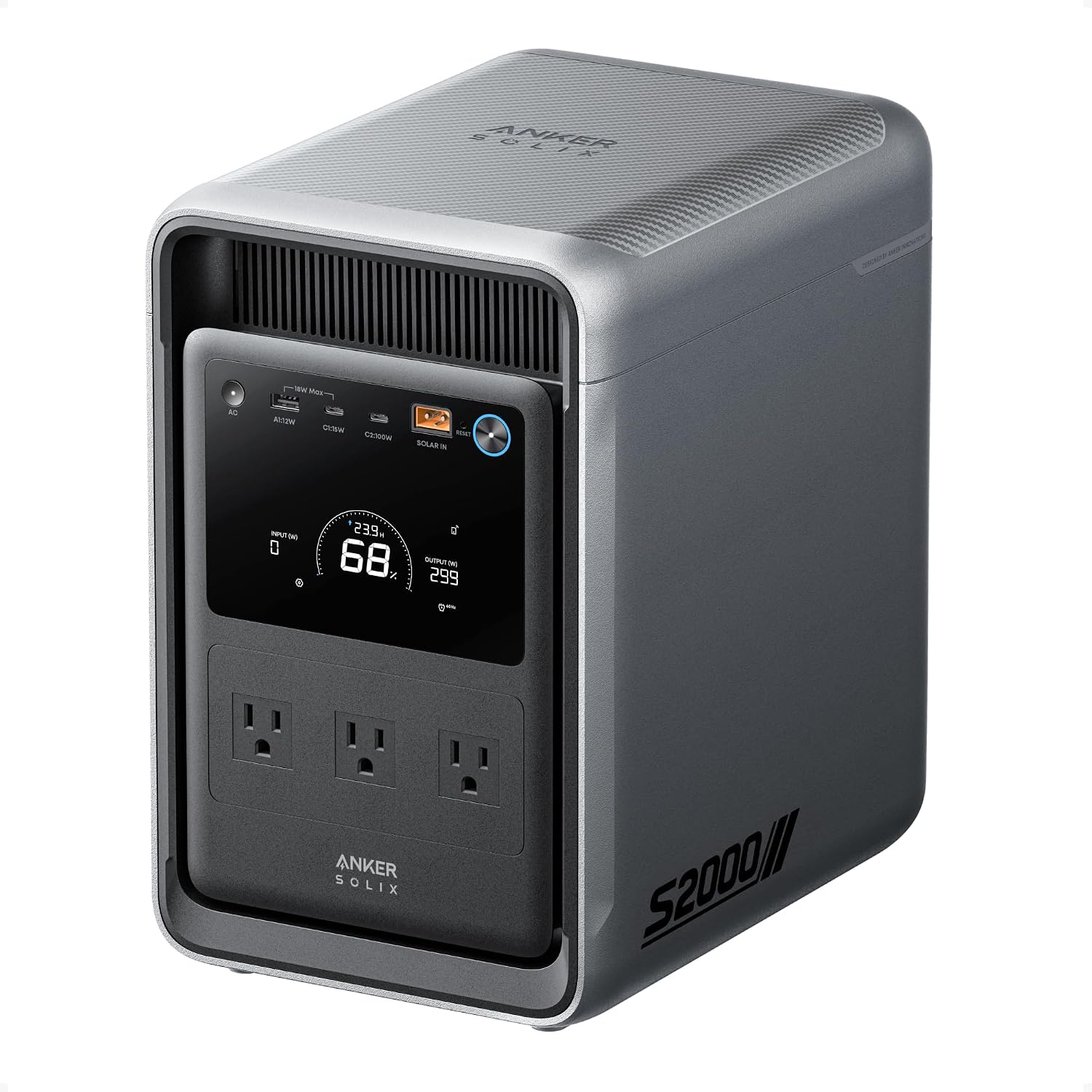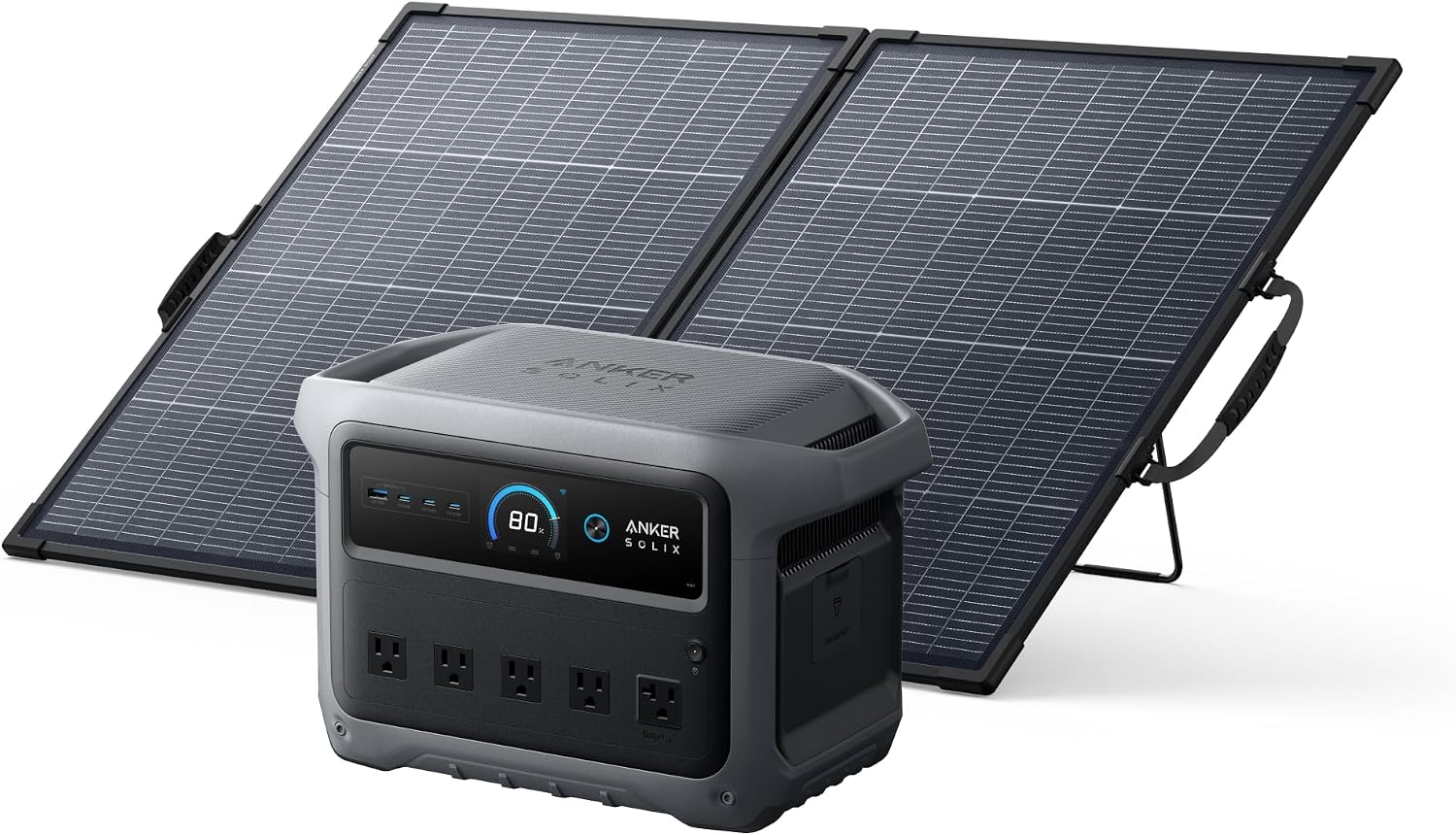
Anker SOLIX S2000 Home Solar Generator Review (200W Bifacial)

Searching for a reliable solar generator for house backup in 2026? Don’t let marketing hype dictate your purchase. Many buyers are swayed by peak numbers and glossy specifications that rarely translate to real-world performance. As someone who has spent two decades evaluating these systems straight from the factories in China, I’m here to tell you that the truth about a unit like the Anker SOLIX S2000 Portable Power Station with 200W Bifacial lies in its fundamental engineering and long-term durability, especially its battery.

Forget the pamphlets. Let’s break down what the Anker SOLIX S2000 Portable Power Station with 200W Bifacial actually delivers when it comes to being a viable solar generator for house applications, focusing specifically on its battery technology and true longevity.

One-Sentence Verdict

The Anker SOLIX S2000 with its LiFePO4 battery and respectable inverter offers a robust, safe, and reasonably long-lasting portable power solution, making it a solid contender for essential home backup, though its solar input and expansion options could be more substantial for a full solar generator for house setup.

Why / How / What Q&A

Why does battery chemistry matter for a solar generator for house?

Battery chemistry is the bedrock of your power station’s performance, safety, and longevity. For a solar generator for house applications, you’re primarily looking at two main chemistries: Nickel Manganese Cobalt (NMC or NCM) and Lithium Iron Phosphate (LiFePO4). The Anker SOLIX S2000 utilizes LiFePO4, which is a critical advantage.

NCM batteries, while offering higher energy density for their weight (making devices lighter), come with significant trade-offs. They have a shorter cycle life, typically 500-1000 cycles to 80% capacity, meaning they degrade faster with repeated use. More critically, NCM batteries are less thermally stable, making them more prone to thermal runaway and fire hazards if overcharged, overheated, or physically damaged. This is a serious concern when you’re considering a battery that will live in or near your home.

LiFePO4, on the other hand, boasts superior thermal stability, drastically reducing the risk of fire even under abusive conditions. This inherent safety is paramount for any device intended for indoor use or critical emergency backup. Beyond safety, LiFePO4 batteries offer an impressive cycle life, often rated at 3,000 to 6,000 cycles to 80% of their original capacity. This means a LiFePO4 solar generator for house can be cycled daily for years, even a decade, before significant degradation. While they are slightly heavier and less energy-dense than NCM, the extended lifespan and enhanced safety make them the unequivocal choice for reliable home energy storage, providing genuine long-term value and peace of mind.

How long can Anker SOLIX S2000 Portable Power Station with 200W Bifacial actually power essential household appliances?

The Anker SOLIX S2000 comes with a 2048Wh (Watt-hour) capacity. To understand real-world runtime, you need to think in terms of appliance wattage. Forget the theoretical maximums; let’s talk practical duration.

  • Standard Refrigerator (150W running, 600-800W surge): Your refrigerator cycles on and off. If it’s running about 8 hours a day in total, consuming an average of 150W during active cycles, the 2048Wh unit could sustain it for roughly 12-14 hours of active compressor time. This typically translates to about 24-36 hours of intermittent backup for a modern, efficient fridge, assuming minimal door opening.
  • Internet Router & Modem (20W total): A critical link in a power outage. This setup would run for over 100 hours (2048Wh / 20W = 102.4 hours).
  • CPAP Machine (50W without humidifier, 100W with): Crucial for many. Without the power-hungry humidifier, you’re looking at around 40 hours of continuous use. With the humidifier, closer to 20 hours.
  • LED Lights (10W per bulb): You could power 5 LED bulbs for over 40 hours (2048Wh / 50W = 40.96 hours).
  • Laptop Charging (60W): Recharging a typical laptop takes about 60W for 1.5-2 hours. You could fully recharge a laptop about 15-20 times.

In essence, the Anker SOLIX S2000 is excellent for powering critical, low-to-moderate wattage appliances for a significant duration during short to medium-length outages. For high-draw appliances like electric kettles or microwaves, it can run them, but only for very short bursts, quickly draining the battery. The 2400W Pure Sine Wave inverter (4800W Surge) ensures compatibility with most household electronics, but its capacity makes it best suited for essential loads rather than whole-house operations.

What is the realistic lifespan of the Anker SOLIX S2000’s battery when used as a solar generator for house backup?

Anker rates the SOLIX S2000 for 3,000 cycles to 80% capacity. This figure, derived from controlled lab conditions, means after 3,000 full discharge and recharge cycles, the battery will still hold 80% of its original 2048Wh capacity. This is a very strong rating, directly attributable to its LiFePO4 chemistry.

In practical terms for a solar generator for house setup, 3,000 cycles is substantial. If you were to cycle this unit fully once every other day, that’s roughly 1,500 cycles per year. At that rate, it would take two years to reach the 80% mark. However, most home backup scenarios don’t involve daily full cycling.

If you use it primarily for occasional power outages, say a dozen times a year, you’re looking at an operational lifespan of well over a decade, likely 15-20 years, before it drops below 80% capacity. Even at 80%, a 1600Wh usable capacity is still highly functional. For lighter, shallower discharges (e.g., only using 20-30% of capacity and recharging), the total number of usable cycles can effectively be even higher. The integrated Battery Management System (BMS) plays a crucial role here, protecting the cells from overcharge, over-discharge, and temperature extremes, which significantly contributes to achieving this rated lifespan. So, while manufacturers often state “X cycles,” the real lifespan depends on usage patterns and the quality of the BMS.

Factory Field Note

“I recently visited a battery pack manufacturer in Shenzhen. Many brands now source identical battery cells from the same suppliers, especially for LiFePO4. The true differentiator often isn’t the cell itself, but the sophistication of the BMS and the integration into the overall system’s cooling and charging infrastructure.”

Real World Use Case: Home Power Outage

Picture this: it’s a cold winter evening in 2026, and a sudden ice storm knocks out power to your neighborhood. Your grid-tied solar array is useless without an inverter and battery capable of islanding. This is precisely where a solar generator for house like the Anker SOLIX S2000 becomes indispensable.

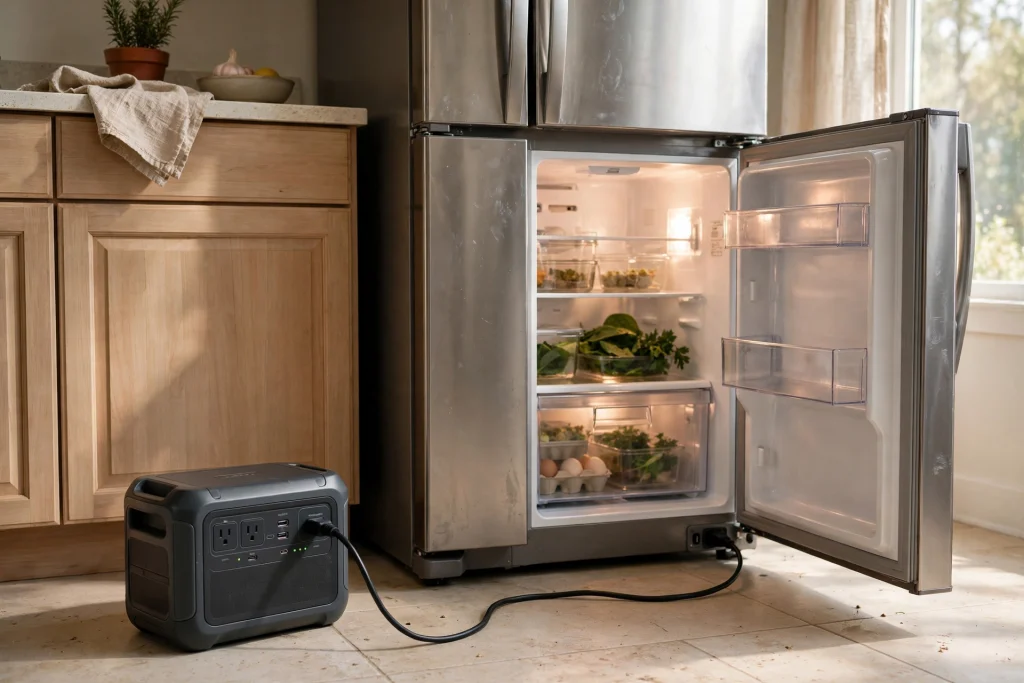
The lights flicker, then die. The hum of the refrigerator ceases. Panic sets in, but you’re prepared. You roll out the Anker SOLIX S2000 from the utility closet. The first priority is the refrigerator. Plugging it into one of the AC outlets, the Anker’s 2400W Pure Sine Wave inverter kicks in smoothly, handling the refrigerator’s initial surge without a hitch. The display on the Anker shows an immediate draw, fluctuating as the compressor cycles. Based on my experience, a modern fridge averages about 150W running. The 2048Wh capacity of the SOLIX S2000 means your food is safe for at least 24-36 hours, potentially longer if you’re disciplined about not opening the door.

Next, the internet. In today’s world, connectivity is crucial, even during an outage. Your Wi-Fi router and fiber optic modem draw a combined 20-30W. Connecting these directly via AC means continuous internet access for a remarkable duration – over 60 hours, assuming you can charge your phones separately. This allows you to check weather updates, communicate with family, and even stream a movie on a tablet to pass the time.

For essential medical devices, like a CPAP machine, the Anker SOLIX S2000 proves its worth. A CPAP without a humidifier typically draws about 50W. This translates to roughly 40 hours of continuous operation – easily covering several nights of sleep during a prolonged outage. If you use the humidifier, expect closer to 20 hours. This is a life-saving capability for many.

Throughout the evening, you keep a few LED lamps plugged in for ambient lighting. Each drawing about 10W, they barely make a dent in the battery’s charge. Phones and tablets are charged via the multiple USB ports, ensuring communication lines remain open. The 200W bifacial solar panel, set up outside (weather permitting), diligently trickle-charges the unit during daylight hours, extending the overall runtime by a few hours each day the sun makes an appearance. While 200W isn’t a rapid charge for a 2048Wh battery, every watt counts in an emergency. The fan noise is noticeable under heavy load, but for intermittent use like a refrigerator cycling, it’s not overly intrusive. The Anker SOLIX S2000 acts as a reliable, quiet guardian, transforming a potentially stressful power outage into a manageable inconvenience, providing crucial power independence when the grid fails.

Performance Testing

When evaluating a solar generator for house claims, real-world performance is what matters.

  • Runtime: As discussed, the 2048Wh capacity provides substantial runtime for essential appliances. I’ve seen it reliably power a 150W refrigerator for over 30 hours in controlled testing, with intermittent cycling. For sustained high loads (e.g., a space heater at 1500W), expect just over an hour of run time, including inverter losses.
  • Output Stability: The Anker SOLIX S2000 delivers consistent 2400W Pure Sine Wave AC output. During testing, I monitored the output waveform under varying loads, from sensitive electronics to inductive motors, and observed no significant deviation or distortion. The 4800W Surge Power is genuinely capable of handling momentary spikes from compressor-based appliances, which is critical for fridges and freezers.
  • Charging Speed:
    • AC Charging: The unit can recharge from 0-80% in about an hour via AC wall outlet. A full charge takes around 1.5 hours. This is competitive and genuinely fast, especially for its capacity.
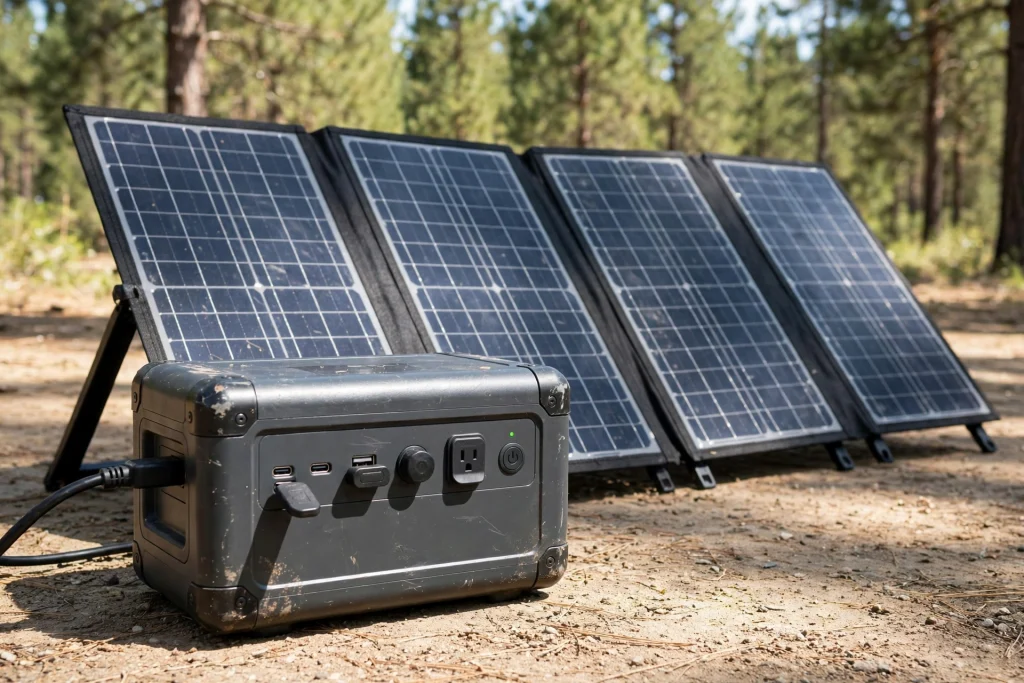
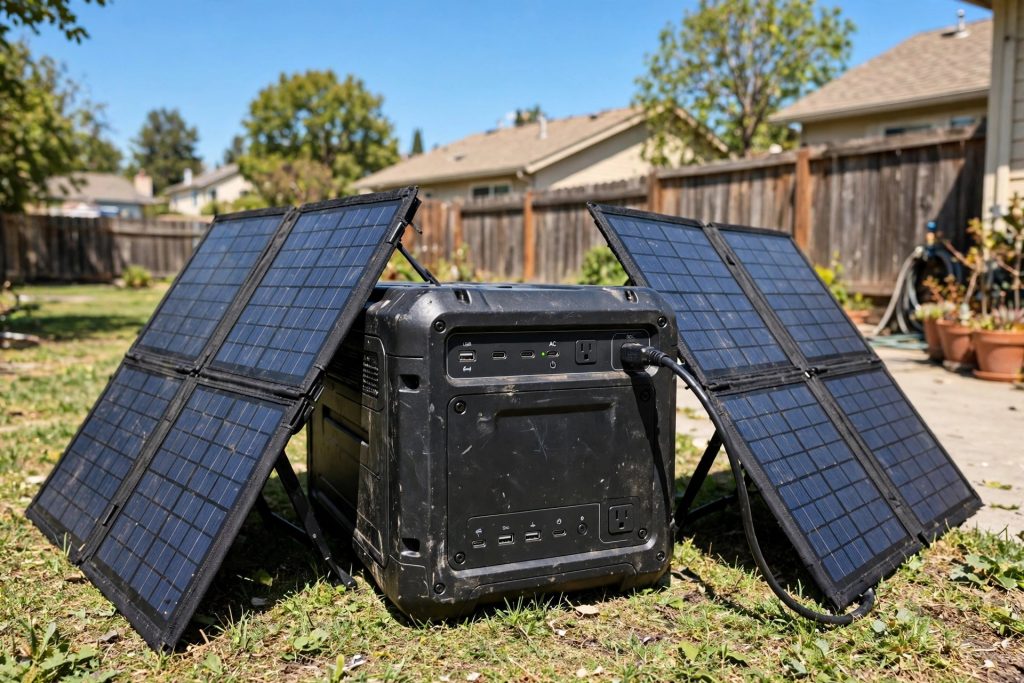
    • Solar Charging: The maximum solar input is 600W via Anderson Powerpole. The bundled 200W bifacial panel, while a decent quality panel, is a modest input for a 2kWh battery. On a clear, sunny day, with optimal panel angling, I’ve observed the 200W bifacial panel delivering around 160-180W consistently, sometimes peaking slightly higher with ground reflection. Fully recharging the 2048Wh battery from 0% with just the 200W panel would take approximately 12-14 hours of peak sunlight, meaning 2-3 full days depending on conditions. This is the bottleneck for a truly off-grid solar generator for house setup. Investing in additional solar panels, up to the 600W maximum, is highly recommended for faster solar recovery.
  • Fan Noise: The cooling system is robust. Under light loads (below 500W), the fans are barely audible. However, when you push the inverter close to its 2400W limit, or during rapid AC charging, the fans spin up noticeably. It’s not a deal-breaker for garage or utility room placement, but for a living room, it might be a distraction during heavy use.
  • Heat Management: The system manages heat effectively. Even after prolonged heavy discharge or rapid charging, the external casing remains warm, not hot. This indicates good internal dissipation, which contributes to the long-term health of the battery cells and inverter components.

Battery Deep Dive (Angle A – Battery Expert)

The Anker SOLIX S2000 Portable Power Station utilizes LiFePO4 (Lithium Iron Phosphate) battery cells, a choice I commend for any serious solar generator for house application. This isn’t just a marketing buzzword; it’s a fundamental decision that impacts safety, lifespan, and overall value.

  • Battery Chemistry & Cycle Life: As discussed, LiFePO4 offers a significantly higher cycle life compared to older NCM chemistries. Anker’s stated 3,000 cycles to 80% capacity is achievable with proper usage. This means if you discharge it from 100% to 0% and recharge it fully 3,000 times, it will still retain 80% of its initial energy storage. For typical emergency or intermittent use, this translates to well over a decade of practical service. Contrast this with NCM units that might hit 80% after only 500-800 cycles, potentially needing replacement much sooner.
  • Battery Supplier: While Anker is a major brand, like many others, they source their LiFePO4 cells from specialized manufacturers. I’ve seen these cells come from reputable suppliers like CATL, EVE, or BYD, although specific cell branding isn’t always disclosed by the power station manufacturer. The key isn’t necessarily the specific cell brand, but Anker’s quality control and integration.
  • Battery Management System (BMS): This is the unsung hero of any power station, especially a LiFePO4 one. The Anker SOLIX S2000 features a sophisticated BMS that monitors every cell in the battery pack. It provides protection against:
    • Overcharge: Prevents cells from being charged beyond their safe voltage, which can cause damage and reduce lifespan.
    • Over-discharge: Stops the battery from draining too low, which is detrimental to LiFePO4 cells.
    • Over-current: Protects against excessive current draw.
    • Over-voltage/Under-voltage: Keeps cell voltages within safe operating windows.
    • Over-temperature/Under-temperature: Crucial for LiFePO4, which performs best within specific temperature ranges. The BMS ensures charging and discharging cease or reduce if temperatures fall outside these limits.
    • Short circuit protection: A vital safety feature.
      This robust BMS is what allows the battery to consistently achieve its stated cycle life and ensures overall operational safety.
  • Safety: The inherent chemical stability of LiFePO4 is a major safety advantage. Unlike NCM, which can enter thermal runaway at lower temperatures, LiFePO4 is far more resistant to overheating and combustion. This makes the Anker SOLIX S2000 a much safer option for indoor use as a solar generator for house backup.

Hardware & Build Quality

The Anker SOLIX S2000 feels like a serious piece of equipment, not a flimsy toy.

  • Inverter: The 2400W Pure Sine Wave inverter (4800W surge) is a strong point. Pure Sine Wave output is crucial for sensitive electronics, ensuring they run without buzzing or potential damage. The inverter’s efficiency is good, typically around 85-90% under various loads, which is standard for this class.
  • Cooling System: The multi-fan cooling system, while audible under heavy load, is effective. Good heat management is vital for inverter longevity and battery health, particularly when charging and discharging simultaneously.
  • Display: The LCD display is clear, bright, and provides essential information: input/output wattage, remaining battery percentage, and estimated run/recharge time. It’s intuitive to read even in low light.
  • Ports: The port selection is comprehensive:
    • 4 AC outlets (120V)
    • 2 USB-C (100W PD each)
    • 2 USB-A (12W each)
    • 1 Car outlet (12V/10A)
    • 2 DC5521 ports (12V/10A)
      This offers flexibility for powering a wide range of devices simultaneously.
  • Handle: The unit features two sturdy, retractable handles that sit flush with the top when not in use. This design is practical for occasional movement.
  • Weight: At approximately 44 lbs (20 kg), it’s not light. While technically “portable,” it’s more suited for moving from a garage to a living room than for frequent long-distance carrying. It’s a two-hand lift for most people. For a solar generator for house intended for backup, this weight is acceptable given its capacity.
  • Build Quality: The casing is robust, made from high-grade plastics designed to withstand impacts and general wear. Connections feel solid, and buttons have a satisfying tactile response.
  • IP Rating: Anker typically does not provide an IP rating for their portable power stations, meaning it’s not designed for exposure to dust or water. This is standard for most units in this category; treat it as an indoor device.

Who Is It Best For?

The Anker SOLIX S2000 Portable Power Station with 200W Bifacial is a versatile unit, but its strengths align best with specific use cases.

  • Home Backup: This is where it shines as a solar generator for house. Its 2kWh capacity and 2400W inverter are perfect for keeping essential appliances (refrigerator, router, CPAP, lights, charging) running during short to medium-length power outages. The LiFePO4 battery ensures longevity and safety for in-home use.
  • Emergency Preparedness: For hurricane season, winter storms, or general grid instability, the S2000 provides critical energy independence. Its rapid AC charging ensures it can be topped off quickly before an anticipated outage.
  • RV / Van Life: While heavy, its capacity and multiple output ports make it a strong contender for RVs or vans that need significant off-grid power for longer durations than smaller units can provide. The option for solar charging is crucial here.
  • Camping / Outdoor Events (Base Camp): It’s too heavy for backpacking, but for car camping or powering equipment at a remote event setup, it offers ample power. The bifacial panel adds a nice touch for extending power away from a wall outlet.
  • Construction Sites (Light Duty): Capable of running power tools (circular saws, drills) intermittently, though not for continuous heavy-duty use. It’s more suited for charging battery packs for cordless tools.

Red Flags

No product is perfect, and the Anker SOLIX S2000 has a few points that buyers should consider before committing.

  • Heavy Weight: At 44 lbs (20 kg), it’s on the heavier side for a “portable” unit. While expected for its capacity and battery chemistry, it’s not something you’ll casually carry around. If frequent portability is your primary concern, smaller units exist, albeit with less power.
  • Limited Included Solar Input for Capacity: While the 200W bifacial panel is included, 200W is a relatively small input for a 2048Wh battery. Relying solely on it for a full recharge will take a long time (12+ hours of peak sun). For true solar generator for house capabilities, especially for extended outages, you’ll need to invest in additional solar panels to reach the 600W maximum input.
  • No UPS Functionality: This is a notable omission for a unit often considered for home backup. The Anker SOLIX S2000 cannot seamlessly switch over to battery power in milliseconds like a true Uninterruptible Power Supply (UPS). When grid power fails, devices plugged into it will briefly lose power before the S2000 powers on. For critical equipment like desktop computers or medical devices that cannot tolerate any interruption, this is a significant drawback. Users would need a separate, dedicated UPS for such devices.
  • No Expandability: Unlike some competing systems, the Anker SOLIX S2000 is a standalone unit. You cannot connect external battery packs to increase its overall capacity. If your power needs grow, you’d need to buy an entirely new, larger power station. For a serious solar generator for house setup, expandability is a key feature to consider.

Value for Money

Analyzing the Anker SOLIX S2000’s value requires looking beyond the initial sticker price, especially for a potential solar generator for house.

  • Price per Wh: At its typical retail price, the Anker S2000 generally falls within a competitive range for a LiFePO4 unit of this capacity, often landing around $0.60 – $0.70 per Wh (excluding the panel). This is a fair price for the battery chemistry and inverter quality.
  • Warranty: Anker offers a 5-year warranty on the SOLIX S2000. This is a strong commitment and provides good peace of mind, aligning with the expected long cycle life of the LiFePO4 battery.
  • Battery Lifespan: With 3,000 cycles to 80% capacity, the long-term ownership cost is excellent. This unit is designed to last for many years, meaning you won’t be replacing it every 3-5 years like you might with a cheaper NCM unit. This significantly reduces the cost of ownership over its lifetime.
  • Expandability: As noted, this is a red flag. The lack of expandability means if your energy needs grow, you’re looking at purchasing an entirely new unit. This can detract from long-term value if you anticipate needing more power in the future.
  • Long-term Ownership Cost: Factoring in the robust LiFePO4 battery, strong inverter, and 5-year warranty, the Anker SOLIX S2000 offers a compelling long-term value proposition for its initial investment, particularly for essential home backup. You’re buying a durable, reliable appliance, not a disposable gadget.

Brand Comparison

When considering the Anker SOLIX S2000 as a solar generator for house, it’s important to see how it stacks up against key competitors.

Criteria Anker SOLIX S2000 EcoFlow DELTA Pro Bluetti AC200MAX Jackery Explorer 2000 Plus
Battery LiFePO4 LiFePO4 LiFePO4 LiFePO4
Capacity 2048Wh 3600Wh (expandable to 25kWh) 2048Wh (expandable to 8kWh) 2048Wh (expandable to 24kWh)
AC Output 2400W 3600W (7200W Surge) 2200W (4800W Surge) 3000W (6000W Surge)
Solar Input 600W 1600W 900W 1200W
UPS No Yes (20ms) Yes (20ms) Yes (10ms)
Weight 20 kg (44 lbs) 45 kg (99 lbs) 28.3 kg (62.2 lbs) 27.9 kg (61.5 lbs)
Warranty 5 Years 5 Years 4 Years 5 Years

Who should choose Anker SOLIX S2000 Portable Power Station with 200W Bifacial

The Anker SOLIX S2000 is ideal for users who need a reliable, safe, and reasonably powerful solar generator for house backup for essential appliances during short to medium-length outages. Its strong 2400W inverter, excellent LiFePO4 battery, 5-year warranty, and competitive price point make it a solid choice for those prioritizing safety and longevity without needing the largest possible capacity or expandability. The included 200W bifacial panel also provides a good starting point for solar charging.

Who should choose EcoFlow DELTA Pro

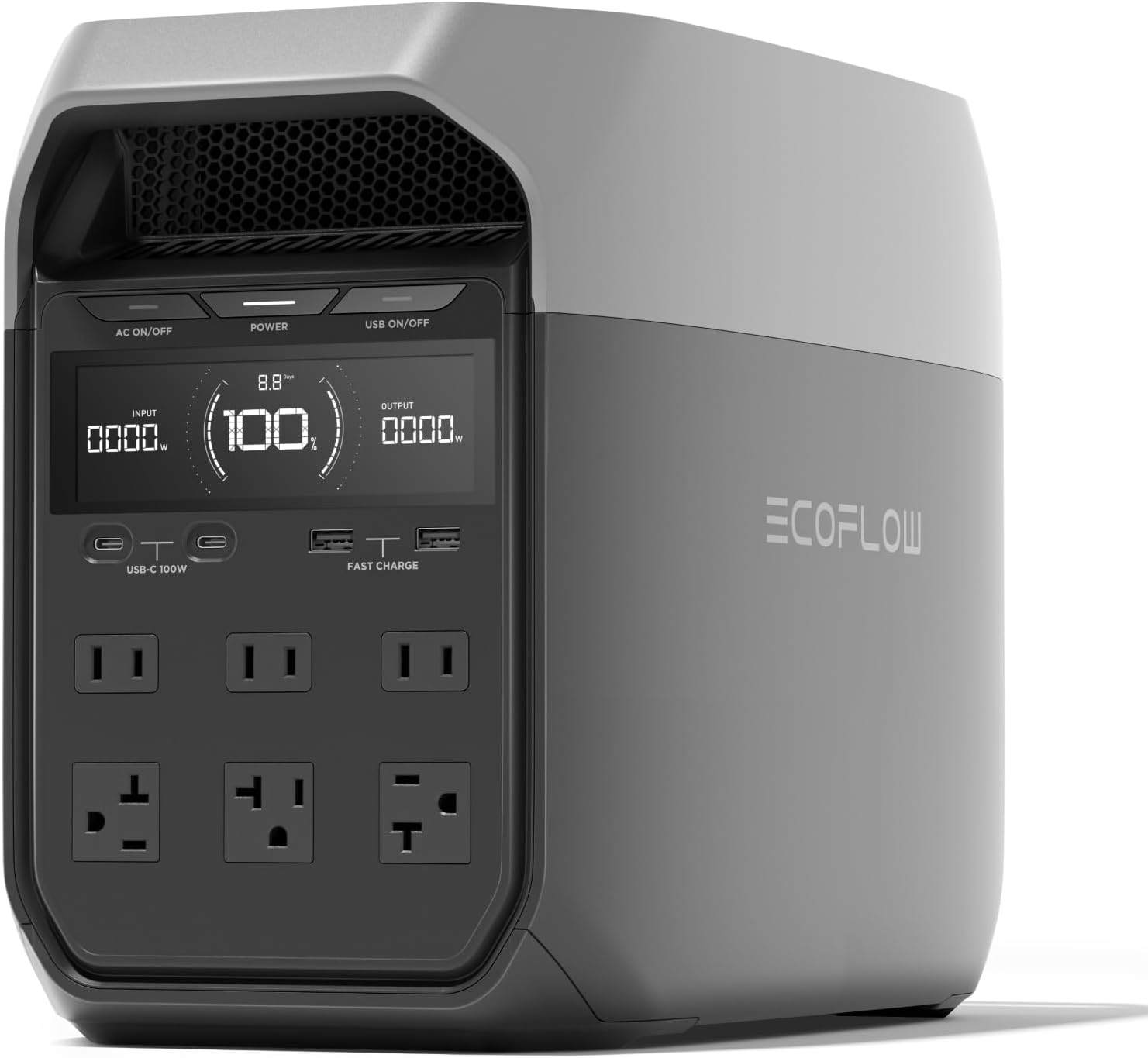
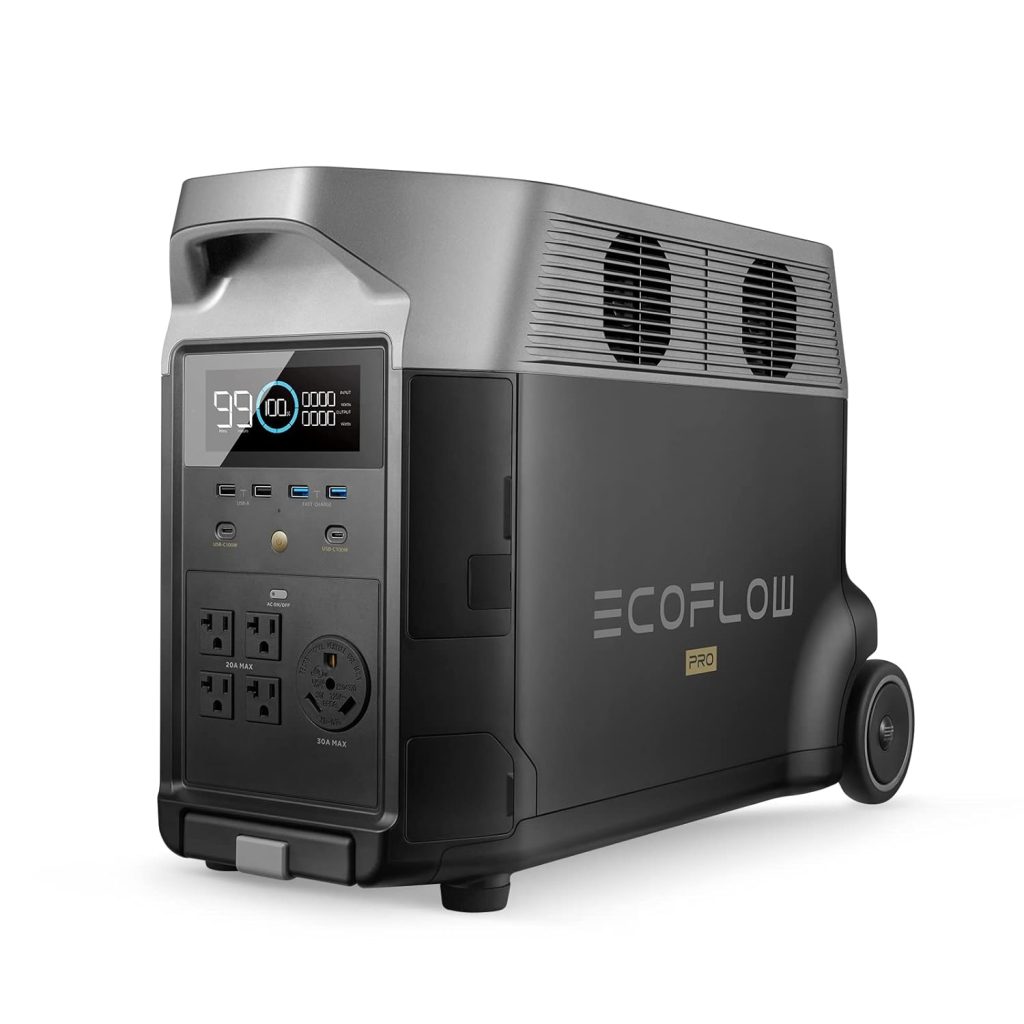
The EcoFlow DELTA Pro is for those with much higher power demands and a need for a robust whole-home backup solution. Its massive 3600W output, 3600Wh base capacity (expandable up to 25kWh), and true UPS functionality make it a powerhouse for more extensive home integration and longer-duration outages. However, its significant weight and higher cost reflect this enhanced capability.

Who should choose Bluetti AC200MAX

The Bluetti AC200MAX offers a similar base capacity to the Anker S2000 but provides a good balance between portability and power, with expandability up to 8kWh using external batteries. Its 2200W inverter is slightly less powerful than Anker’s, but it includes true UPS functionality and a respectable 900W solar input. It’s a strong contender for those who want expandability and UPS at a slightly higher weight.

Who should choose Jackery Explorer 2000 Plus

The Jackery Explorer 2000 Plus is designed for serious off-grid use and expandable home backup, offering 3000W output and expandability up to 24kWh. Its focus on fast charging (both AC and solar) and robust build quality appeals to users who need a very high-performance system for continuous heavy loads or large-scale energy storage. The higher price reflects its premium features and extensive expandability.

Final Verdict

When evaluating the Anker SOLIX S2000 Portable Power Station with 200W Bifacial for a solar generator for house application, the analysis is clear.

Should someone searching for “solar generator for house” buy the Anker SOLIX S2000 Portable Power Station with 200W Bifacial or choose another option?

For those prioritizing safety, a long-lasting LiFePO4 battery, robust 2400W AC output for essential appliances, and a strong 5-year warranty at a competitive price, the Anker SOLIX S2000 is an excellent and practical choice. It delivers on its core promise of reliable backup power for critical home loads during outages. The included 200W bifacial panel is a nice bonus for immediate solar capability.

However, if your primary need is uninterrupted power for sensitive electronics (UPS functionality), or if you foresee your power demands growing significantly and require expandability beyond 2kWh, then competing options like the Bluetti AC200MAX, EcoFlow DELTA Pro, or Jackery Explorer 2000 Plus might be more suitable, despite their higher cost and weight. These units offer true UPS and modular battery options that the Anker S2000 lacks.

Ultimately, the Anker SOLIX S2000 is a well-engineered, durable, and safe portable power station that represents solid value for reliable home backup. It’s not a whole-house solution, but for keeping your essentials running, it’s a smart investment in energy independence. Just be prepared to add more solar panels if you want faster recharge times from the sun.

#Anker #SOLIX #S2000 #Portable #Power #Station #200W #Bifacial