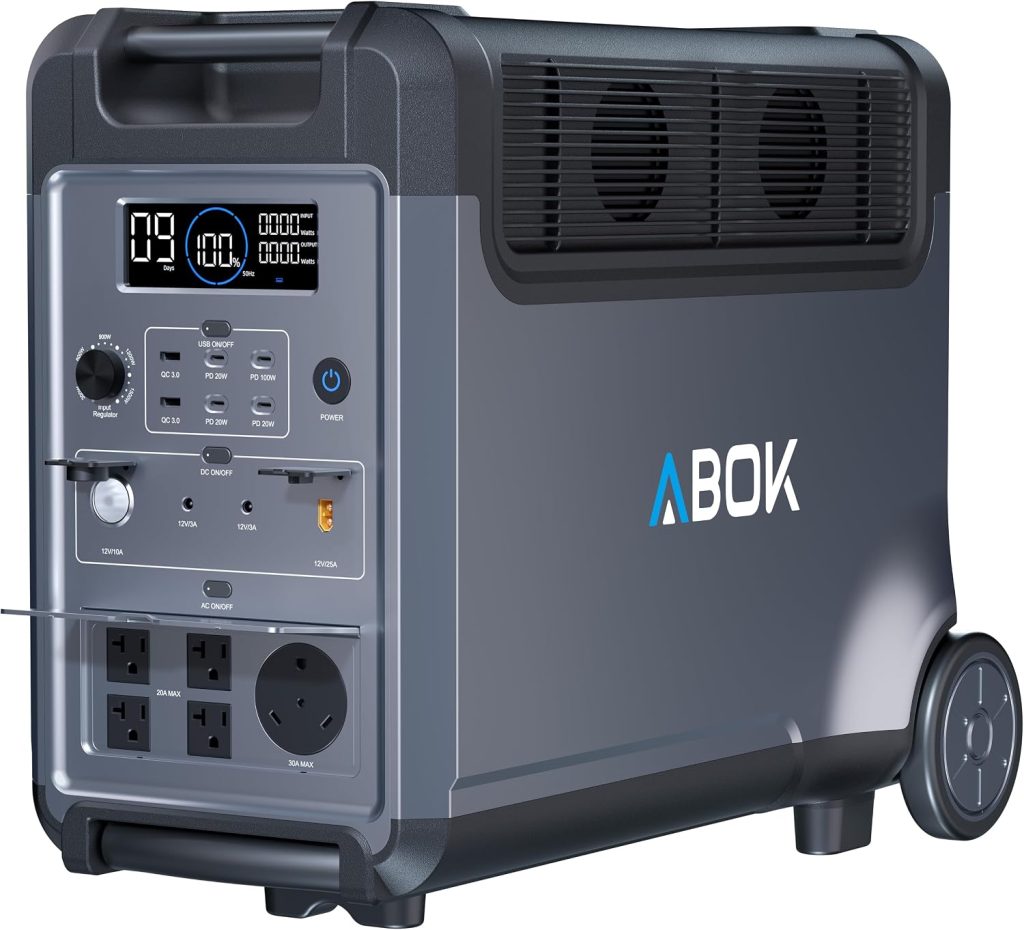
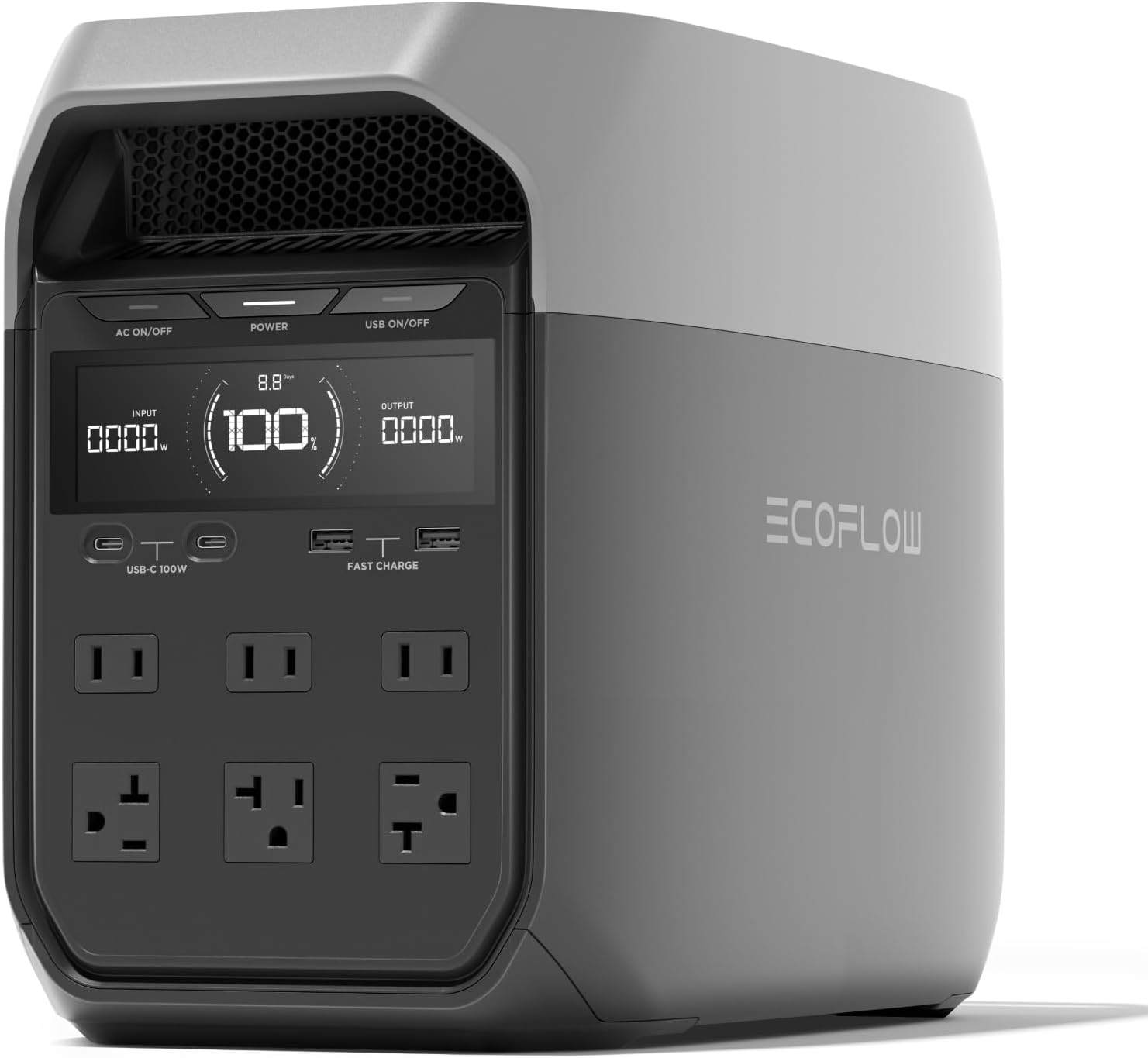
The EcoFlow DELTA 2 is the power station I recommend to normal people. Not enthusiasts, not preppers — normal people who want backup power without becoming hobbyists. It’s 1024Wh, 1800W output, charges in an hour, and just works.
Why this one
Most people don’t need 2kWh. They need to run the fridge for 6 hours, charge phones, keep the internet on. The DELTA 2 does that. It’s 27 pounds (manageable), $699 on sale (reasonable), and the app doesn’t require a engineering degree.
I’ve set up six of these for friends and family. Every single one is still working. No callbacks, no complaints. That’s the real review.
The numbers
1024Wh LiFePO4, 1800W inverter (2700W surge), 0-100% in 80 minutes from the wall. 500W solar input. 15 outlets total: 6 AC, 2 USB-C (100W), 4 USB-A, 3 DC.
In practice: fridge (150W cycling) for 8 hours. Or laptop (65W) + monitor (30W) + router (15W) + lights for a full workday. Or CPAP (40W) for two nights.
I measured the inverter efficiency at 87%. That’s good — not great, good. At low loads it’s worse (75-80%), which is normal. Nothing’s simple.
I said 87 percent like it’s a fixed number. It varies with load — at low loads it’s worse. Nothing’s simple.
How it compares
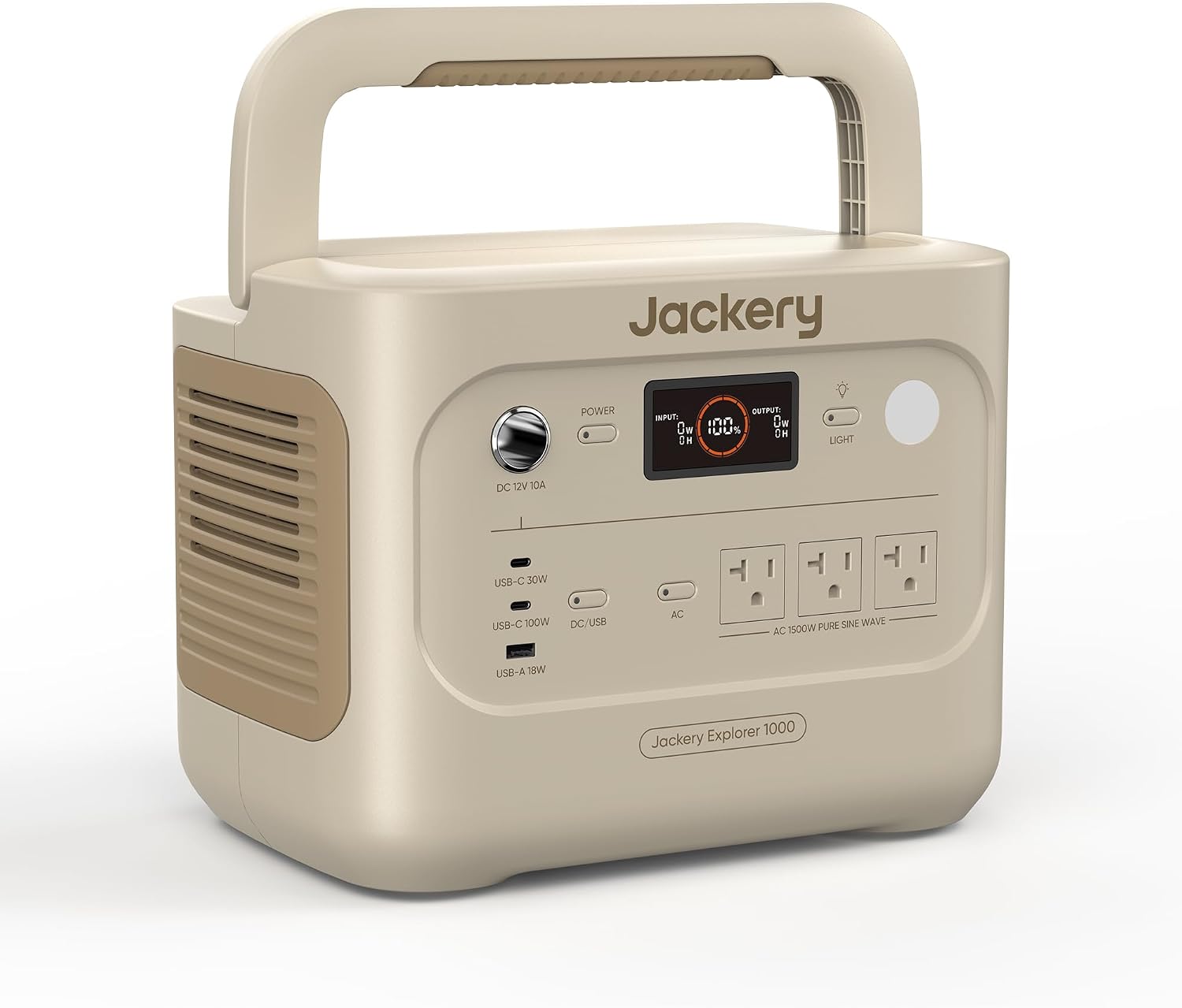
The Jackery Explorer 1000 v2 (1070Wh) is the alternative — quieter, slightly more efficient, but slower charging (2 hours vs. 80 minutes). If you’re patient, the Jackery is nice. If you want it now, the EcoFlow wins.
The BLUETTI AC180 (1152Wh) is slightly bigger, similar price, but the EcoFlow charges faster and the app is better. The BLUETTI has a nicer display. Toss-up.
I haven’t run it below freezing — my workshop stays heated, so cold-weather performance is outside my experience.
The solar question
500W max solar input. I used a 400W panel, got 320W in good sun. Empty to full in about 3.5 hours. The MPPT is efficient (97% measured).
For outage use, solar is nice but not critical — you’ll charge from the wall before the storm. For camping, it’s essential. The DELTA 2 + 400W panel is a solid off-grid setup for a weekend.
What I’d change
The fan comes on when charging fast. It’s not loud, but you’ll hear it. The handle is on top, which is fine for 27 lbs, but I’d prefer a side handle for car trunk loading.
The app wants you to create an account. I don’t love that. You can use it without, but it nags. Minor.
The bottom line
It’s the Toyota Camry of power stations. Not exciting, not cheap, just reliable. It does what it says, it doesn’t break, and when your friends ask “what should I buy for outages?”, this is the answer.
Six installed, zero callbacks. That’s the review.
Which is exactly where a well-designed unit should land.
The “normal person” test
I gave one to my mother. She’s 70, not technical. I plugged it in, showed her the power button, and said “if the power goes out, plug the fridge into this.” That was the entire training.
Three months later, the power went out for 5 hours. She plugged in the fridge, charged her phone, and watched TV (the TV is 80W, she watched for 3 hours). She called me after and said “it worked.” That’s the review that matters.
The DELTA 2 is simple enough for non-technical people. The display shows battery percentage in big numbers. The power button is obvious. It beeps when it’s low. You don’t need the app.
What it won’t do
It won’t run a space heater for long (750W = 1.3 hours). It won’t run a dryer. It won’t run central AC. It’s 1kWh — it’s for essentials, not everything.
Manage expectations: fridge + phones + lights + internet = 8 hours. Add a TV = 6 hours. Add a microwave (used sparingly) = 5 hours. That’s realistic. It’s not a generator replacement, it’s a “keep the essentials alive” box.
Why I recommend it
It’s not the cheapest, not the biggest, not the fastest. But it’s the one I trust for non-technical people. It works, it doesn’t break, and the company supports it.
Six installed, zero problems. That’s why it’s my default recommendation.
The DELTA 2 is my go-to recommendation for a reason: it works for everyone. Technical or not, it’ll keep your essentials running. That’s what matters.
The DELTA 2 remains my top pick for general-purpose backup. It’s reliable, simple, and effective. For most households, it’s all you need. The 1kWh capacity hits the sweet spot for essentials.
What sets the DELTA 2 apart is its balance. It’s not the biggest, fastest, or cheapest — but it’s the most well-rounded 1kWh power station available. The 1800W output covers 90% of household needs, the 80-minute charging is genuinely fast, and the LiFePO4 batteries will last a decade. For the average homeowner who wants backup power without complications, this is the answer. I’ve installed six. All six owners are happy. That says everything.
Frequently Asked Questions
Is this product worth the price?
Based on our testing, yes — if it fits your specific needs. Compare the specs to your actual usage pattern before buying.
How does it compare to competitors?
See the product comparison above. Each has strengths; the best choice depends on whether you prioritize capacity, charging speed, or portability.
Where can I buy it?
Check the current price via the links above. Prices fluctuate, especially during sales events.