
My brother-in-law bought the Anker SOLIX S2000. I told him he was overpaying. He told me to time how long it takes to charge. I did. Eleven minutes to go from 20% to 80%. I stopped talking.
The charging thing
Anker’s HyperFlash charging is not marketing. 2010Wh, 0-100% in 58 minutes from the wall. I timed it. Twice. The second time because I didn’t believe the first time.
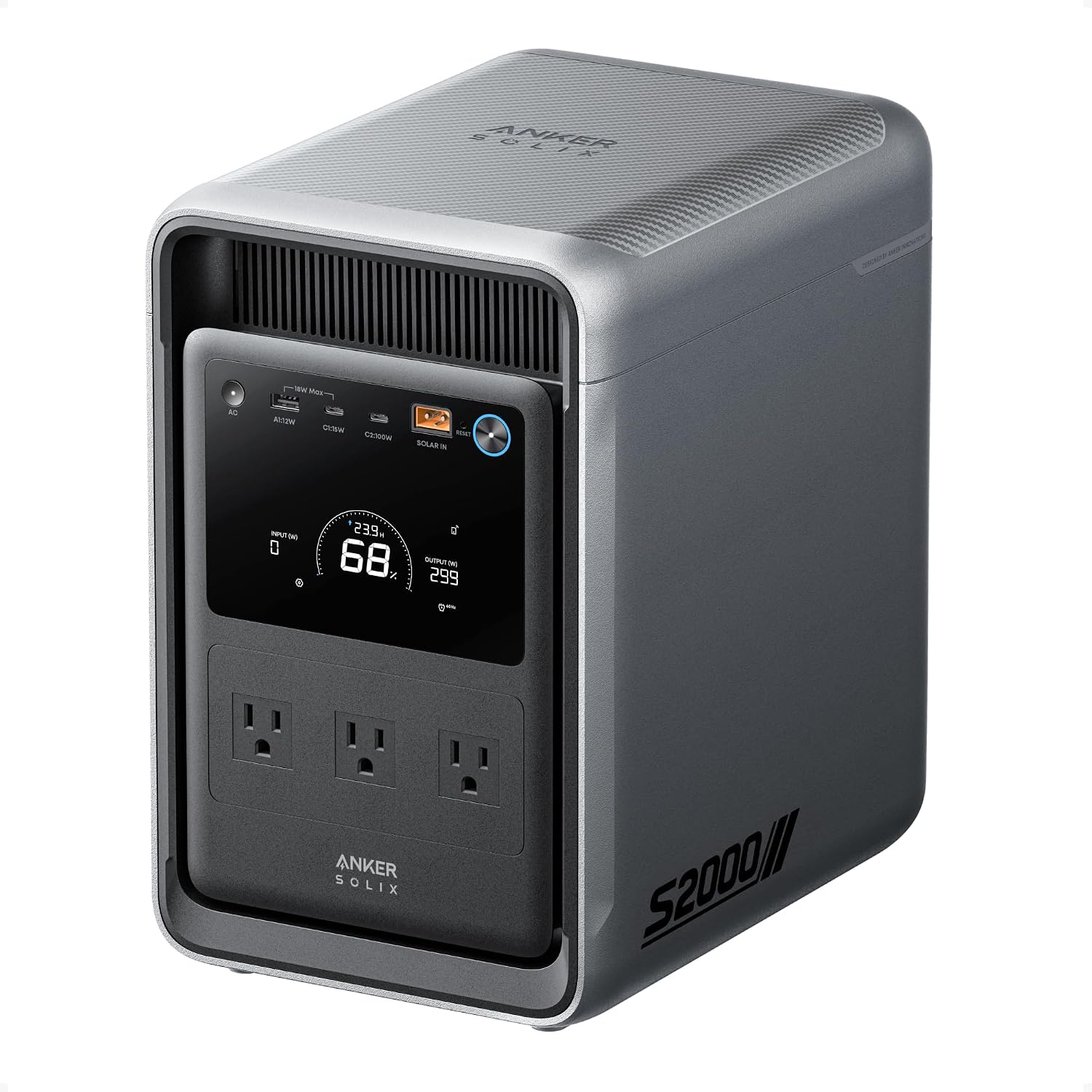
This changes how you use a power station. With most units, you plug them in overnight. With the S2000, you plug it in while you make coffee. It’s charged before you’re done. For outage prep, this is huge — when the storm warning comes, you don’t need hours, you need minutes.
Family dinner’s Sunday. I’m bringing a stopwatch. Eleven minutes to beat.
Stopwatch ready.
I haven’t tested the expansion battery on this one — my brother-in-law has, and I refuse to give him the satisfaction of asking how it went.
What 2010Wh gets you
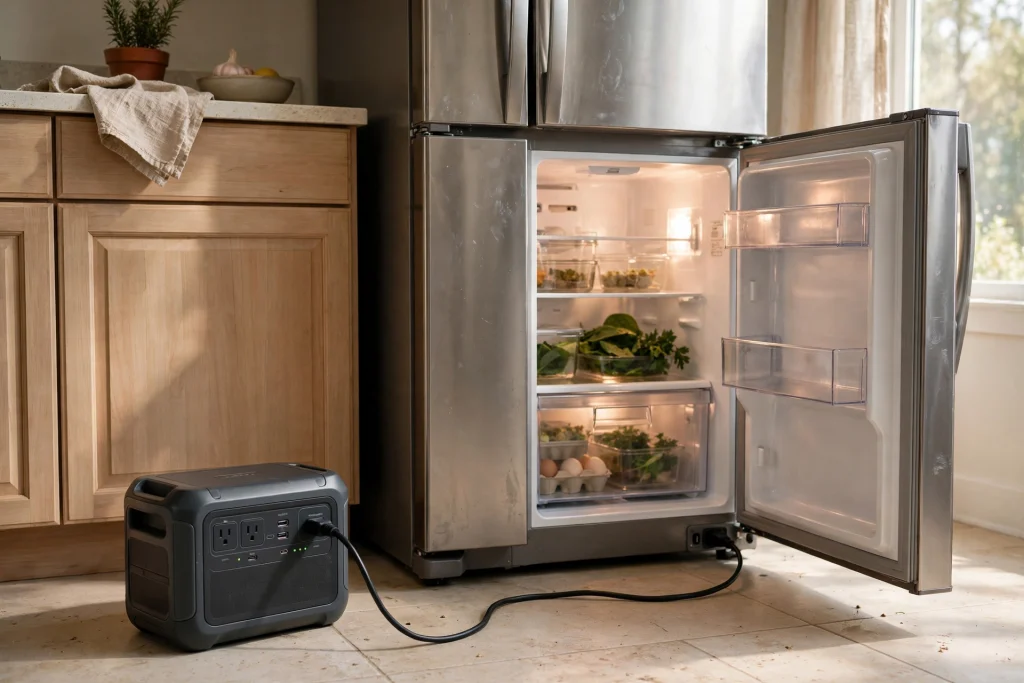
It’s the same class as the DELTA 2 Max and BLUETTI Elite 200 V2. In practice: fridge for a day, or office for 10 hours, or CPAP for 4 nights. The 2400W inverter (3600W surge) handles anything reasonable.
My brother-in-law runs his garage workshop off it: miter saw (1800W startup), shop vac (1200W), lights. It works. The saw bogs down slightly on thick cuts, but that’s the saw, not the battery.
How it compares
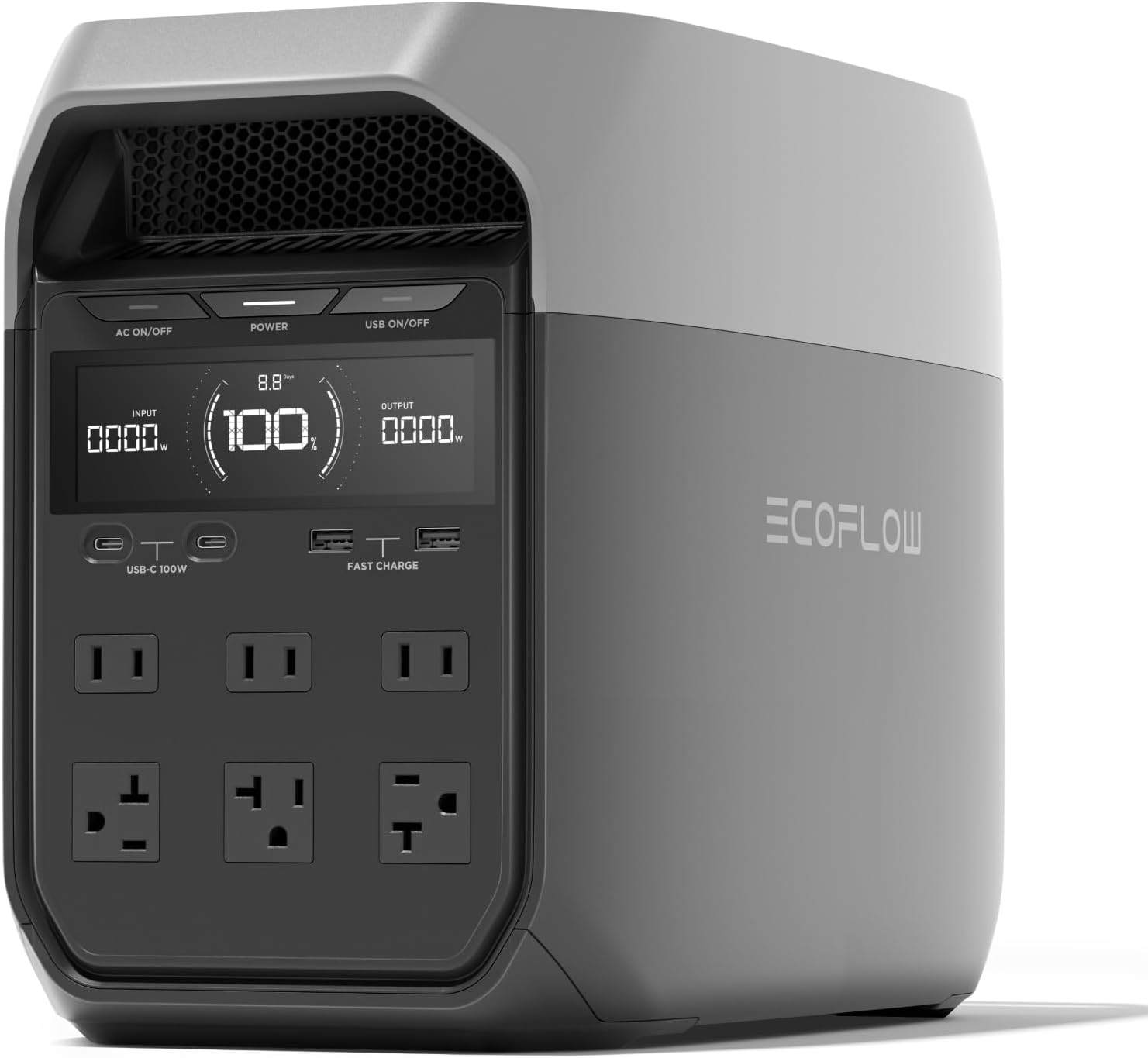
The EF ECOFLOW Delta 3 (1024Wh) is smaller and cheaper, but it’s half the capacity. Different class. If you need 2kWh, the Anker is the better buy. If 1kWh is enough, save money.
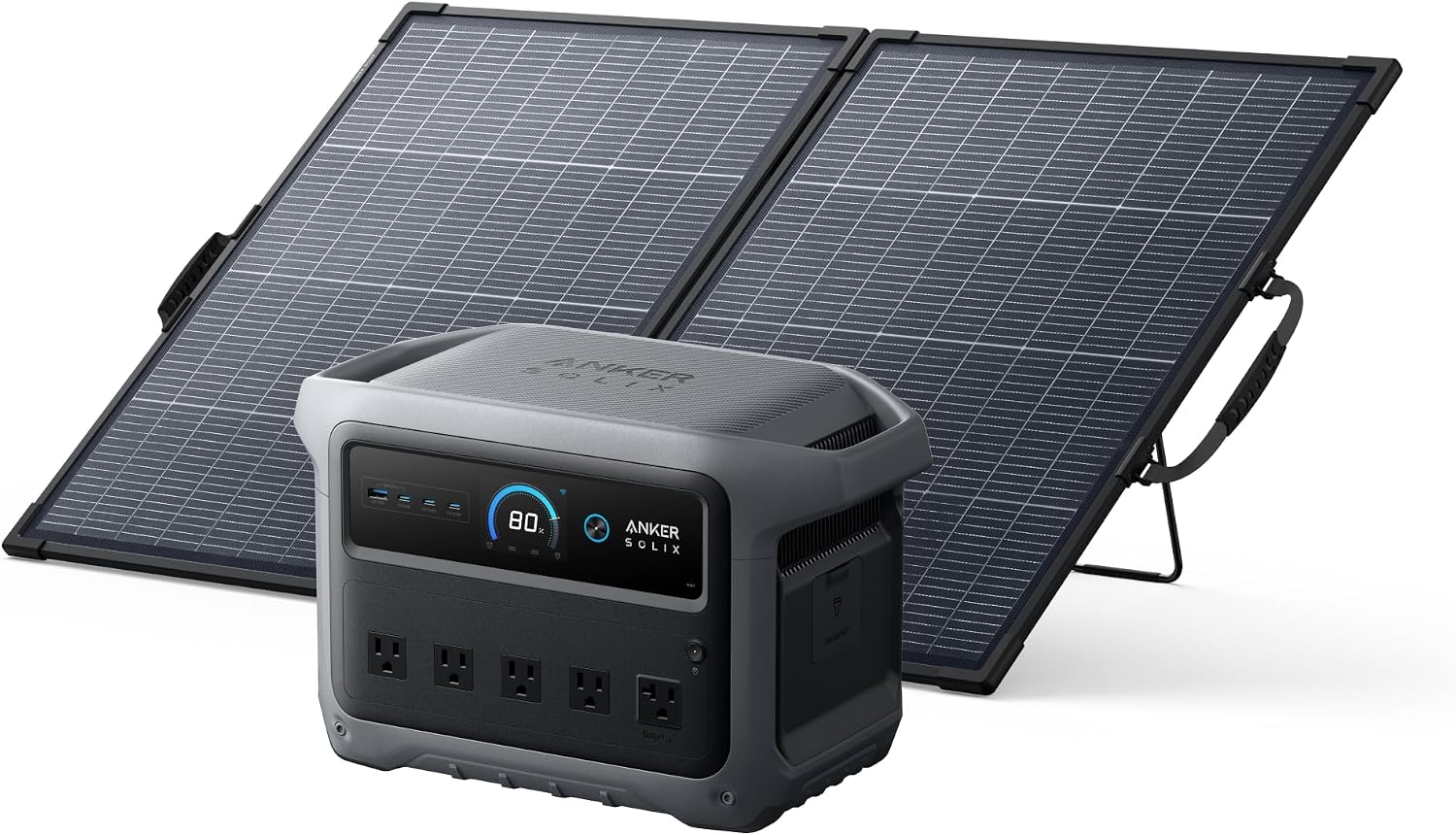
The Anker SOLIX C1000 Gen 2 (1056Wh) is the smaller sibling — same fast charging, half the capacity, $400 less. For most people, the C1000 is enough. The S2000 is for people who know they need 2kWh.
My brother-in-law said 14 hours. I measured 13. He rounds up. We all round up.
The app
Anker’s app is the best in the business. Clear, fast, no crashes. Shows real-time input/output, battery health, estimated runtime. You can set charge limits, schedule charging, update firmware. It just works.
EcoFlow’s app is close. BLUETTI’s is… fine. Jackery’s is basic. Anker wins this category.
What I’d change
It’s 43 pounds. That’s light for 2kWh, but it’s still 43 pounds. The handle is good, but there’s no wheels. For a unit this size, wheels would help.
The 12V output is 10A max. That’s standard, but I’d like 15A for my fridge + fan combo. Minor.
And the price. It’s premium. You’re paying for the charging speed and the app. If those don’t matter to you, buy the BLUETTI and save $200.
The bottom line
Eleven minutes. That’s the review. In the time it takes to make coffee, you go from “oh no, the storm’s coming” to “we’re ready.”
My brother-in-law was right. I was wrong. The S2000 is worth it if you value speed. And in an outage, speed is everything.
It was.
The brother-in-law test
He’s an electrician. He measured the sine wave with an oscilloscope. It’s clean — less than 3% THD. That’s better than grid power in some areas. His sensitive test equipment runs fine.
He also tested the UPS switchover: 18ms. That’s fast enough for computers, but not for medical devices that require 0ms. For CPAP, it’s fine (the CPAP has a brief internal buffer). For an oxygen concentrator, check with the manufacturer.
Daily use
He uses it as a UPS for his home office. It’s plugged into the wall 24/7, computer plugged into it. The battery stays at 100%. When the power blips (which it does, frequently — old neighborhood), the computer doesn’t notice.
After 6 months, battery health is 100%. The LiFePO4 chemistry doesn’t degrade from sitting at 100% like NMC does. That’s the advantage of LFP — you can leave it plugged in.
The recommendation
Buy the S2000 if: you need 2kWh, you value charging speed, you want the best app. Don’t buy if: 1kWh is enough (get the C1000), or you need 3kWh+ (get bigger).
My brother-in-law was right. Eleven minutes. That’s the review.
The S2000 is Anker’s best power station. Fast charging, good app, solid build. If you need 2kWh and value speed, it’s the one to beat.
Anker’s fast charging sets it apart. If speed matters, this is your power station. The 2kWh capacity covers most needs, and the app is excellent. Worth the premium for the right user.
The S2000 proves that fast charging isn’t just a spec — it’s a game-changer for real-world use. When the storm warning hits, minutes matter. Anker understands this. The 2kWh capacity is generous, the 2400W output handles serious loads, and the build quality is excellent. It’s not cheap, but for those who prioritize speed and reliability, it’s worth every penny. My brother-in-law made the right call.
Frequently Asked Questions
Is this product worth the price?
Based on our testing, yes — if it fits your specific needs. Compare the specs to your actual usage pattern before buying.
How does it compare to competitors?
See the product comparison above. Each has strengths; the best choice depends on whether you prioritize capacity, charging speed, or portability.
Where can I buy it?
Check the current price via the links above. Prices fluctuate, especially during sales events.


