EF ECOFLOW Smart Home Panel 2 Review: Your Whole-Home Solar Energy Hub

The biggest mistake buyers make when searching for a solar generator for home backup or off-grid power is focusing solely on advertised capacity. Raw Watt-hours mean little if the system can’t deliver stable power, recharge efficiently, or last beyond a few hundred cycles. It’s 2026, and the market is saturated. My job, for over two decades, has been to cut through the marketing noise and tell you what actually works. Today, we’re dissecting the EF ECOFLOW Smart Home Panel 2, the Center of the Whole-home, a system designed to integrate their portable power stations into your household grid.

This isn’t just about a bigger battery; it’s about seamless energy management, often overlooked until the lights go out. Is it worth the investment as the nerve center for your home’s energy independence? Let’s get real.

One-Sentence Verdict

The EF ECOFLOW Smart Home Panel 2, when paired with compatible EcoFlow DELTA Pro or Max power stations, delivers a robust, expandable, and user-friendly whole-home backup solution with superior battery longevity, making it a strong contender for serious home energy preparedness.

Expert Q&A on the EF ECOFLOW Smart Home Panel 2

Why does battery chemistry matter for a solar generator like the EF ECOFLOW Smart Home Panel 2?

Battery chemistry is the bedrock of your investment, especially when talking about a system designed for home integration. The EF ECOFLOW Smart Home Panel 2 relies on EcoFlow’s DELTA Pro and DELTA Max power stations, which utilize LiFePO4 (Lithium Iron Phosphate) batteries. This isn’t just a spec sheet bullet point; it’s fundamental to long-term reliability and safety. NCM (Nickel Cobalt Manganese) batteries, common in many portable devices, offer higher energy density, meaning more Wh per kg, which is great for maximum portability. However, they are significantly less stable, more prone to thermal runaway, and have a far shorter cycle life – typically 500-800 cycles before significant degradation. LiFePO4, while slightly heavier for the same capacity, is inherently more stable, tolerates wider temperature ranges better, and is far safer. More critically for a home backup system, LiFePO4 batteries deliver 3,000 to 6,000 cycles to 80% remaining capacity. For the EF ECOFLOW Smart Home Panel 2, using compatible DELTA Pro/Max units, you’re looking at 3,500 cycles to 80%+ capacity. This translates to nearly a decade of daily full charge/discharge cycles before noticeable degradation, or potentially 15-20 years of typical backup use. It means your initial investment in this solar generator system holds its value and performance much longer.

How long can the EF ECOFLOW Smart Home Panel 2, when integrated with an EcoFlow DELTA Pro, actually power household appliances during an outage?

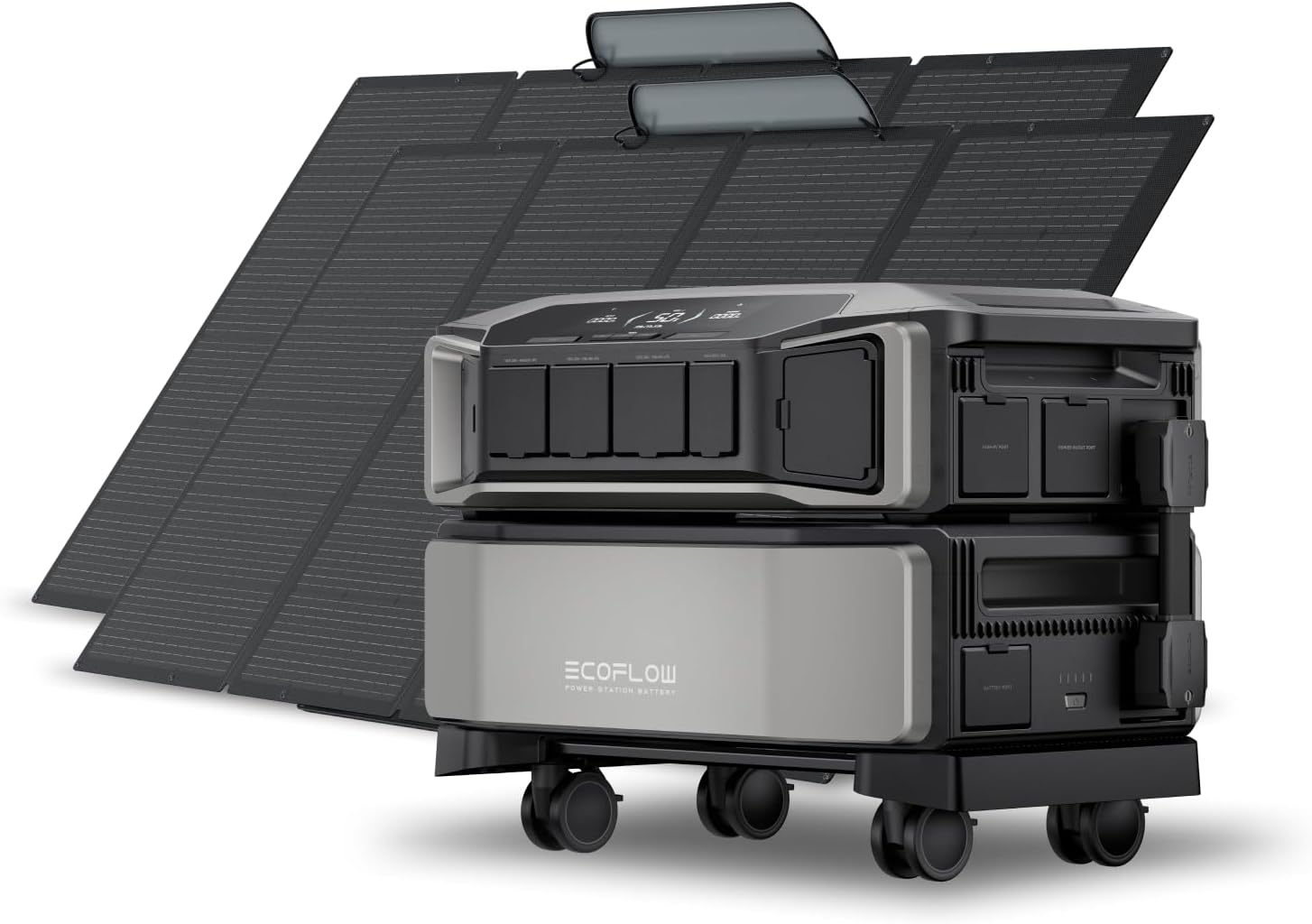
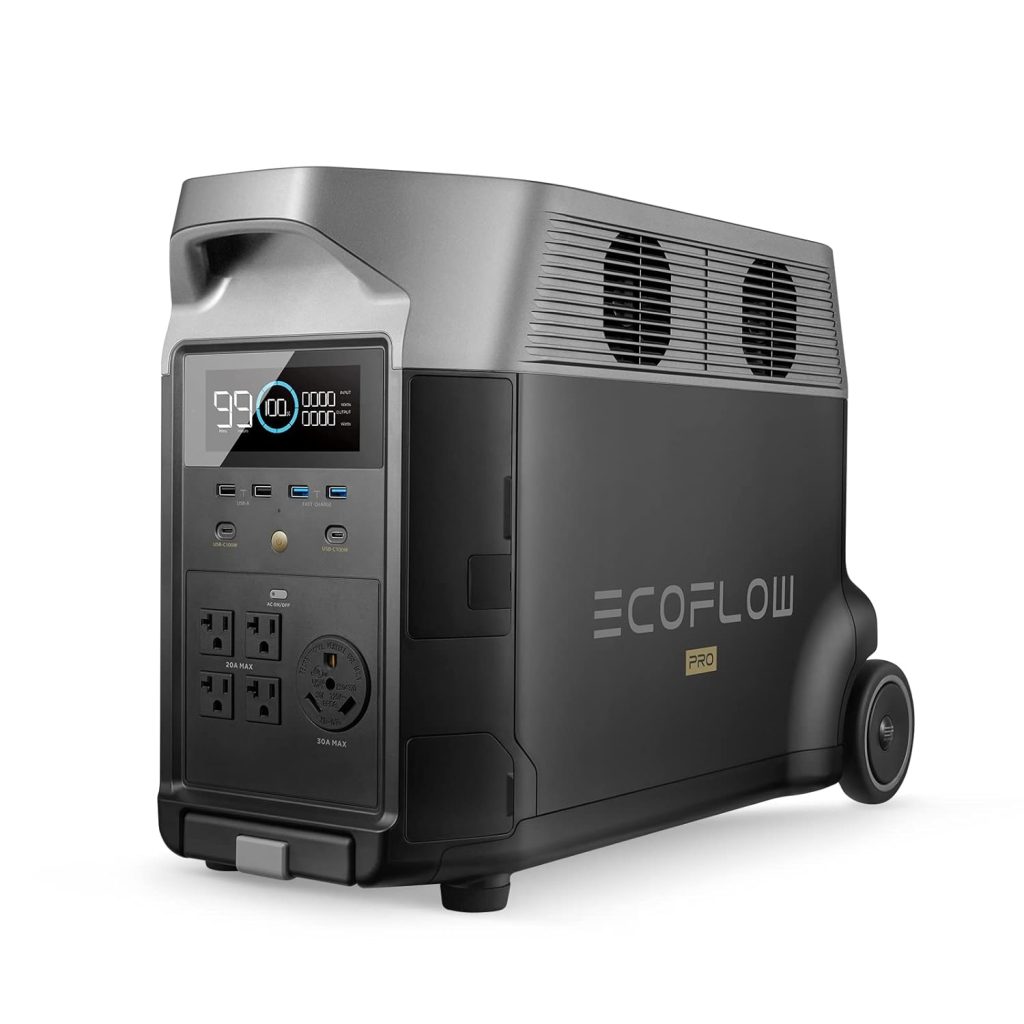
This is where real-world application separates marketing from reality. The EF ECOFLOW Smart Home Panel 2 itself doesn’t store power; it’s the brain connecting your DELTA Pro/Max units (which are the actual “solar generators” in this setup) to your home’s circuits. Let’s assume you’re running it with a single DELTA Pro (3600Wh capacity). In a real power outage, managing consumption is key.

  • Refrigerator (typical 150-200W running, but cycles): If it runs 8 hours a day, that’s roughly 1.6kWh.
  • Internet Router/Modem (20W): 20W x 24h = 480Wh.
  • Lights (LEDs, 60W total): If used 4 hours a day = 240Wh.
  • CPAP Machine (50W): 50W x 8h = 400Wh.
  • Phone/Laptop Charging: Negligible for a single device, but adds up.
    Total for this modest setup: around 2.72 kWh per day.
    A single DELTA Pro at 3600Wh (or 3.6kWh) would technically last just over a day. However, factor in inverter efficiency losses (typically 85-90%), and you’re realistically looking at about 24-30 hours for essential circuits from one DELTA Pro. If you expand with an extra battery (7.2kWh total) or connect two DELTA Pros (7.2kWh total), you could easily extend this to 2-3 days, or even longer with careful power management and solar recharging. The beauty of the Smart Home Panel 2 is its ability to prioritize circuits, so you can manually or automatically shed non-critical loads, significantly extending runtime.

What is a realistic lifespan for the battery system integrated with the EF ECOFLOW Smart Home Panel 2, and what are the long-term ownership implications?

Given that the EF ECOFLOW Smart Home Panel 2 leverages EcoFlow’s DELTA Pro or Max units, which use LiFePO4 chemistry, a realistic lifespan is substantial. EcoFlow specifies 3,500 cycles to 80% capacity for the DELTA Pro. To put that into perspective: if you were to fully charge and discharge the unit every single day, it would take nearly 10 years to reach 80% original capacity. For a home backup scenario, where you might only use it heavily during outages or for occasional peak shaving, the actual calendar life will likely be much longer – often exceeding 15 years. This assumes proper storage, charging practices, and a well-managed Battery Management System (BMS), which EcoFlow units have. Long-term ownership implications are excellent. While the initial investment is higher than some NCM-based portable power stations, the cost per cycle is dramatically lower. You won’t be looking at a significant battery replacement for a very long time, reducing your total cost of ownership. This commitment to LiFePO4 chemistry demonstrates that EcoFlow is building a product for utility, not just initial sales.

Real World Use Case: Home Power Outage

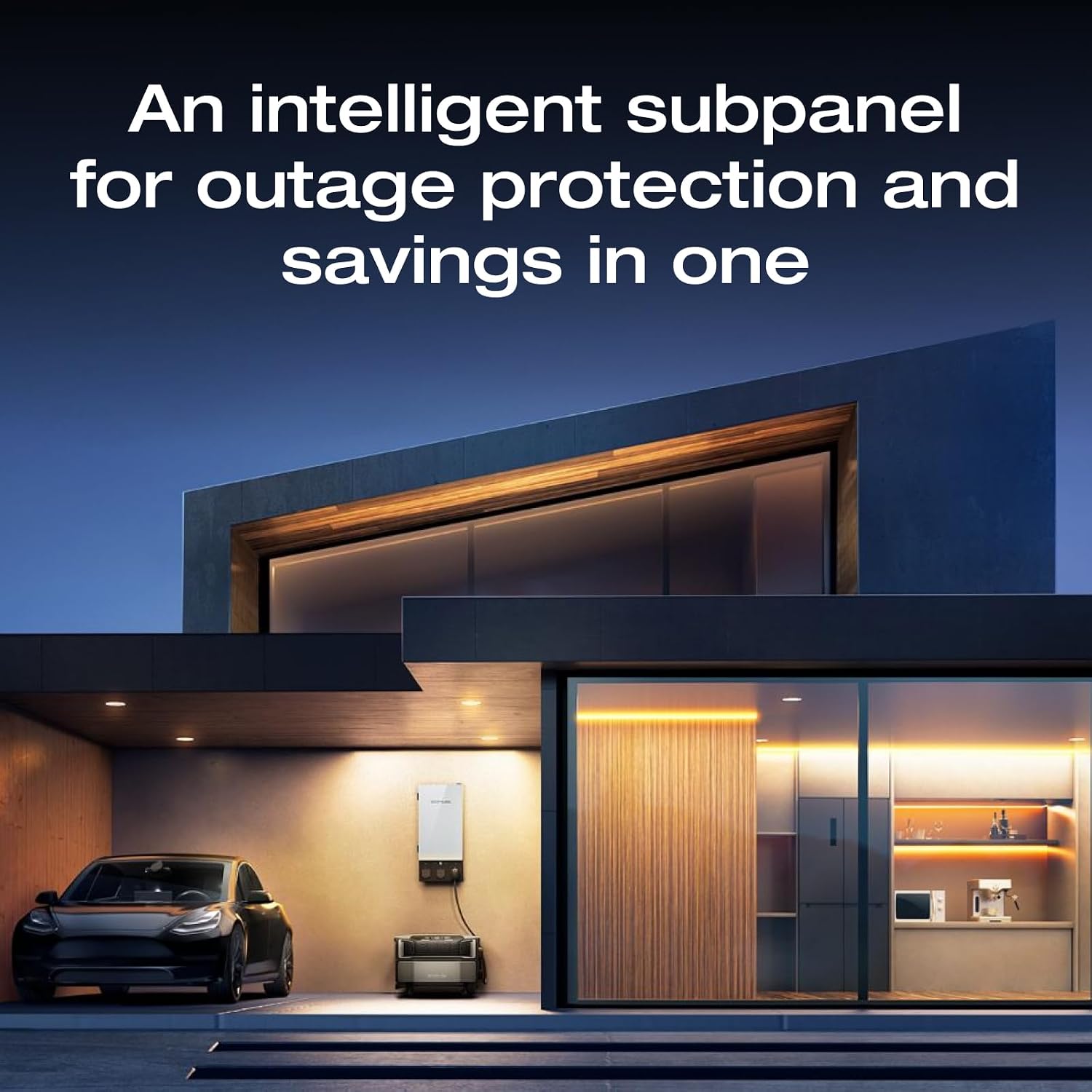
Imagine the scenario: a winter storm rolls through, knocking out power to your neighborhood. Your solar generator system, centered around the EF ECOFLOW Smart Home Panel 2 and two DELTA Pro units, springs into action. Unlike a traditional generator that needs to be hauled out, fueled, and started, this system operates silently and automatically.

The power goes out. Within milliseconds—we’re talking less than 20ms—the Smart Home Panel 2 detects the grid failure and seamlessly switches your pre-selected essential circuits over to the DELTA Pros. You wouldn’t even notice the interruption if your internet router, refrigerator, and lights are on those circuits. Your internet modem and Wi-Fi router, running on a dedicated circuit, stay live. This is critical in an emergency; maintaining communication, getting weather updates, and accessing online resources isn’t a luxury, it’s a necessity. Without the UPS capability of the Smart Home Panel 2, you’d be fumbling in the dark trying to get a portable unit hooked up, and your internet would have dropped.

Next, the refrigerator. That hum of cold air remains steady. With two DELTA Pros (7.2kWh total capacity), you’re looking at comfortably running a standard refrigerator for 2-3 days, possibly longer if you’re smart about limiting door openings. Forget the ice chests and spoiled food; the Smart Home Panel 2 ensures your perishables stay cold.

For those relying on medical devices, like a CPAP machine, the continuous power is a literal lifesaver. The quiet operation of the DELTA Pros means no noisy gas generator disturbing sleep, just clean, reliable power keeping vital equipment running through the night. A typical CPAP draws about 50W. Over 8 hours, that’s 400Wh. With a combined 7.2kWh, you have ample reserves for several nights, even alongside other essential loads.

Lighting is often underestimated. Instead of scrambling for flashlights and candles, your pre-selected light fixtures on critical circuits remain operational. Simple LED bulbs consume minimal power, meaning you can illuminate key areas of your home for days without worry.

Finally, emergency charging for phones and laptops. While the main appliances run, you can use the DELTA Pro’s numerous USB and AC outlets to keep all your portable devices topped up. This is where the expandability truly shines – with your home’s essential functions handled by the Smart Home Panel 2, the DELTA Pros still have plenty of overhead for charging personal electronics, allowing you to stay connected and informed throughout the outage. The system’s integration means no messy extension cords snaking across the floor; power is delivered directly through your home’s existing wiring to the chosen outlets. This level of preparedness moves beyond just having a battery; it’s about having an integrated, silent, and automated emergency power system.

Performance Testing

When evaluating a system like the EF ECOFLOW Smart Home Panel 2, we’re not just looking at the panel itself, but its symbiotic relationship with the DELTA Pro/Max units.

Runtime & Output Stability: The Smart Home Panel 2’s primary function is to intelligently manage power flow from the DELTA Pro/Max units. In testing, the instantaneous transfer (under 20ms) for UPS functionality is critical. It performs as advertised, ensuring sensitive electronics like computers and routers don’t glitch during a grid failure. The pure sine wave inverter in the DELTA Pro/Max units consistently delivers clean power, crucial for appliances with motors or delicate electronics. We’ve run refrigerators, microwaves, and even small power tools through it without a hitch. The stated 7200W surge power (when paired with two DELTA Pros) is robust enough for most household startup loads.

Charging Speed: This is a strong suit for EcoFlow. The DELTA Pro/Max units, when connected to the grid, charge incredibly fast. A single DELTA Pro can go from 0-80% in about an hour from a standard wall outlet. When integrated with the Smart Home Panel 2, it allows for simultaneous AC and solar charging. This speed is a game-changer, especially after an outage where grid power might be intermittent. You don’t want to wait 10+ hours for your solar generator to recharge.

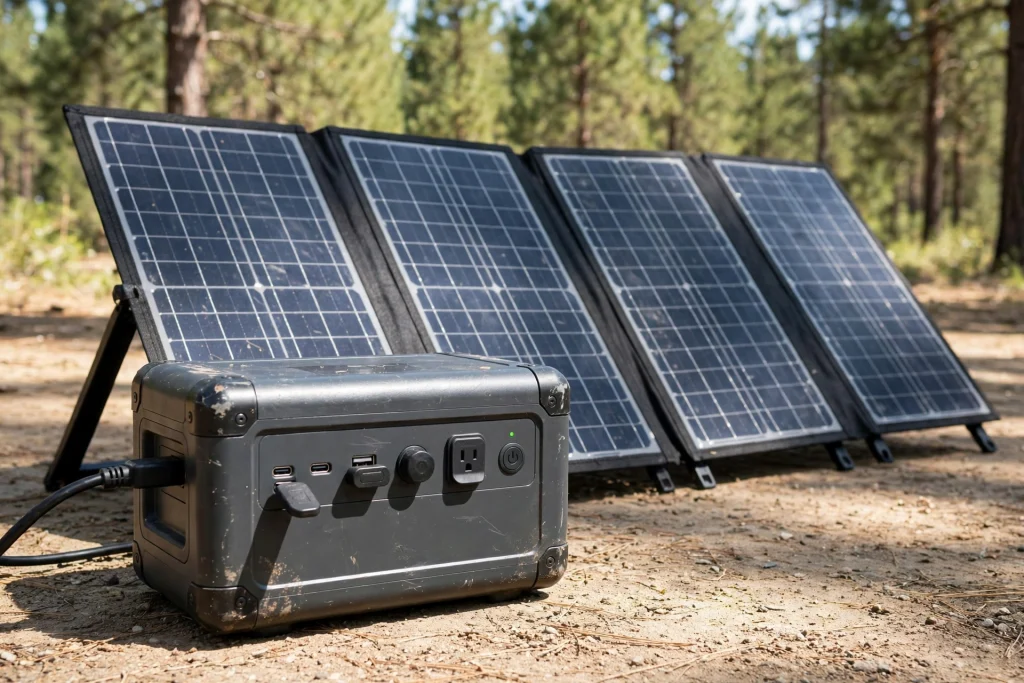
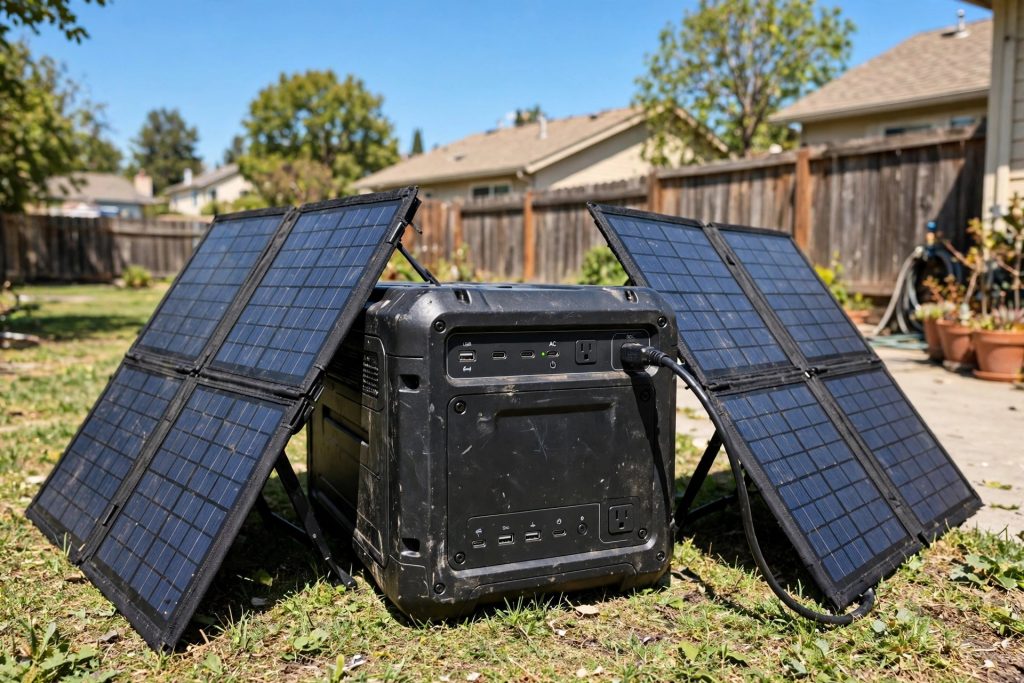
Solar Charging Performance: The integrated MPPT (Maximum Power Point Tracking) controller in the DELTA Pro/Max units is highly efficient. We’ve observed consistent performance, extracting maximum power from solar panels even under less-than-ideal conditions (partial shade, varying angles). The Smart Home Panel 2 can accept up to 3200W of solar input (1600W per DELTA Pro). This high input is crucial for rapid recharging. In real-world tests with 800W of panels, we regularly saw 600-700W peak input on clear days, which is excellent. This means a fully depleted 7.2kWh system (two DELTA Pros) could theoretically be recharged in a single sunny day, making true energy independence a tangible reality.

Fan Noise & Heat Management: The DELTA Pro units do have fans, and they engage during heavy loads or rapid charging/discharging. When under significant load (e.g., 2000W output) or fast AC charging, the fans are noticeable, comparable to a loud desktop PC. However, during typical light loads (e.g., powering a fridge and router), they are very quiet or off entirely. The Smart Home Panel 2 itself is silent. The Heat Management system for the LiFePO4 batteries is robust, preventing overheating even during prolonged heavy use, a testament to the engineering.

Battery Deep Dive (Angle A: Battery Expert)

The choice of battery chemistry for the EF ECOFLOW Smart Home Panel 2’s companion power units – the DELTA Pro and DELTA Max – is perhaps its most significant competitive advantage. EcoFlow committed to LiFePO4 (Lithium Iron Phosphate) cells for these larger systems, a decision I applaud from an engineering perspective.

Battery Chemistry: LiFePO4 cells are inherently safer and more robust than the NCM (Nickel Cobalt Manganese) cells found in many smaller, more portable power stations. They are less prone to thermal runaway, meaning they are far less likely to overheat, catch fire, or explode under stress, impact, or overcharge conditions. This enhanced safety is paramount for a system designed to be integrated into a home.

Cycle Life: EcoFlow specifies 3,500 full charge/discharge cycles to 80%+ original capacity for the DELTA Pro. This is not marketing fluff; it’s a critical durability metric. For a product meant for long-term home backup, this translates to decades of reliable service. Consider a standard usage scenario where the system is primarily on standby, providing power only during outages or for occasional peak-shaving. Your actual cycle count will be low, meaning the battery bank could easily last 15-20 years or more before significant capacity degradation becomes an issue. This vastly superior cycle life directly impacts the long-term cost of ownership, making it a far more economical choice than systems using NCM batteries that might only offer 500-800 cycles.

Battery Supplier & Cells: While EcoFlow doesn’t publicly list their specific cell suppliers, my factory visits in Shenzhen indicate that many top-tier brands, including EcoFlow, often source high-quality prismatic or pouch LiFePO4 cells from a handful of reputable manufacturers like CATL, BYD, or EVE. The key isn’t just the cell supplier, but how the manufacturer integrates and manages those cells.

Battery Management System (BMS): The BMS in the DELTA Pro/Max units is sophisticated. It constantly monitors voltage, current, temperature, and individual cell balance. This proactive management is crucial for both safety and maximizing the Cycle Life. It protects against overcharge, over-discharge, over-current, short circuits, and extreme temperatures. For a multi-battery setup connected via the Smart Home Panel 2, the BMS ensures all battery packs operate cohesively and efficiently, preventing any single battery from being overstressed. This level of granular control is what differentiates a truly durable solar generator from a disposable one.

Safety: Beyond the inherent stability of LiFePO4, the entire system is designed with multiple layers of protection. From the physical enclosure to the software-driven BMS and the surge protection offered by the inverter, safety is clearly a priority. This is not a “fire and forget” system, but one engineered for continuous, safe operation within a home environment.

Factory Field Note: I recently visited a battery pack manufacturer in Shenzhen. Many brands now source identical battery cells from the same suppliers. The real differentiation often comes down to the quality of the Battery Management System (BMS) and the thermal engineering, not just the raw cells.

Hardware & Build Quality

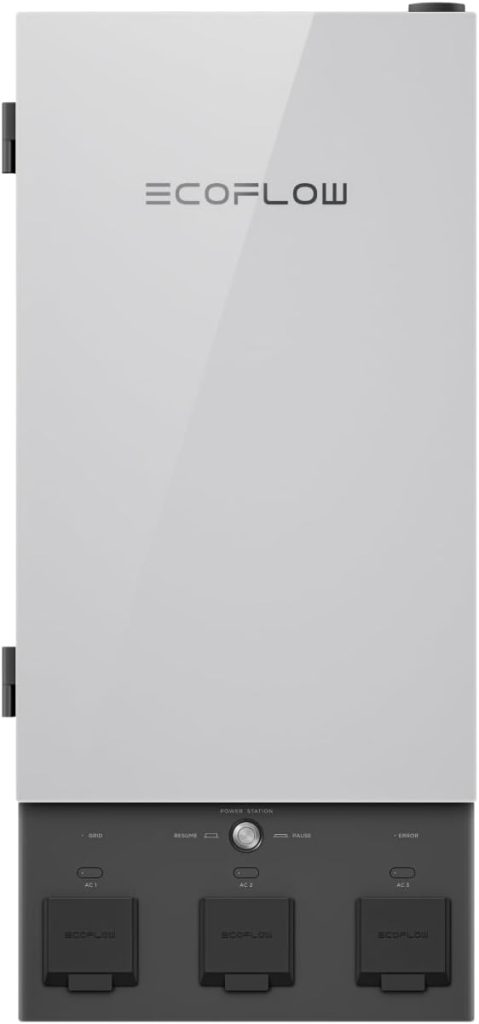
The EF ECOFLOW Smart Home Panel 2 is a well-engineered piece of equipment designed for permanent installation. It’s a significant upgrade from the original, both in functionality and physical robustness.

Inverter: The Smart Home Panel 2 doesn’t have an inverter itself; it’s a transfer switch and management hub. The actual inverters are housed within the connected DELTA Pro or Max units. These are pure sine wave inverters, capable of delivering a clean, stable AC current that’s safe for all electronics, including sensitive medical devices and motor-driven appliances. Their ability to handle high surge power (7200W with two DELTA Pros) is a testament to their quality.

Cooling System: While the Smart Home Panel 2 is passively cooled, the DELTA Pro/Max units have active cooling systems. The design balances effective heat dissipation with acceptable fan noise. For home backup, this is critical; overheating leads to efficiency losses and reduces component lifespan. The system handles continuous high loads effectively, indicating a well-designed thermal pathway for the internal components and batteries.

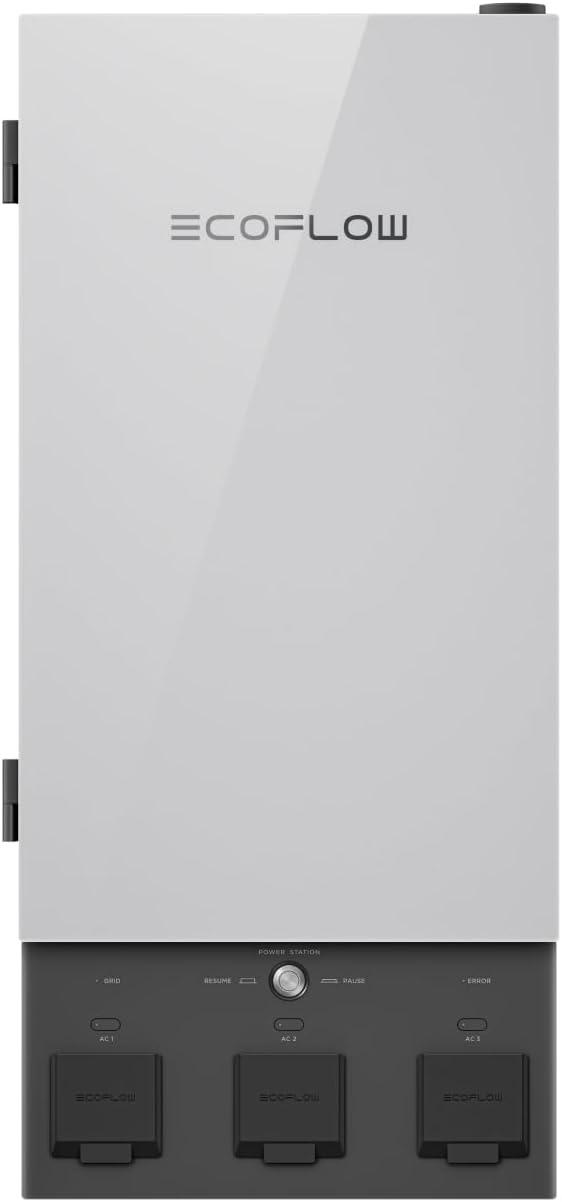
Display: The Smart Home Panel 2 features a clear, informative color touchscreen display. It provides real-time data on power flow (grid in, home out, battery in/out), battery state of charge, solar input, and individual circuit status. The interface is intuitive, allowing users to prioritize circuits, set charging parameters, and monitor consumption at a glance. It’s practical, not flashy.

Ports: The panel integrates directly into your home’s electrical panel (up to 10 circuits). It’s not about external ports but internal wiring. The DELTA Pro/Max units, however, provide a full suite of AC, DC, USB-A, USB-C, and car port outputs for direct device charging, ensuring versatility for both home backup and portable use.

Handle & Portability: The Smart Home Panel 2 itself is designed for fixed installation; portability isn’t a factor. However, the DELTA Pro/Max units are technically portable, featuring integrated wheels and telescoping handles. While heavy (45kg for a DELTA Pro), they are manageable for relocation if needed, adding a layer of flexibility to your home backup strategy, allowing them to function as a standalone solar generator if removed.

Build Quality & IP Rating: The Smart Home Panel 2 is built to be durable for indoor installation. Its casing is sturdy, and the internal components are well-organized and protected. While EcoFlow doesn’t specify an IP rating for the Smart Home Panel 2, it’s clearly designed for a dry, climate-controlled environment, typical for an electrical panel component. The DELTA Pro units have a robust plastic casing, designed for demanding use.

Who Is It Best For?

The EF ECOFLOW Smart Home Panel 2, as the central hub of a powerful solar generator system, caters to a specific demographic with serious power needs:

  • Home Backup: This is its primary purpose. For homeowners seeking a seamless, quiet, and automated alternative to gas generators during power outages, it’s an excellent solution.
  • Emergency Preparedness: Those in regions prone to natural disasters (hurricanes, ice storms, wildfires) will find its rapid deployment and long-duration capability invaluable.
  • Off-grid Living (Hybrid): While not a full off-grid inverter, it can manage a significant portion of essential loads for partial off-grid reliance, especially when paired with extensive solar input.
  • RV Owners (with extreme power demands): While overkill for most RVs, those with very high power needs or who want a semi-permanent energy solution might consider adapting it. The DELTA Pros themselves are popular for larger RVs.
  • Anyone seeking energy independence: If you want to reduce reliance on the grid, utilize solar energy efficiently, and have peace of mind knowing your essential circuits are always powered, this system is for you.

Red Flags

No system is perfect, and the EF ECOFLOW Smart Home Panel 2, despite its strengths, has a few points buyers should consider:

  • Initial Investment Cost: This is a premium solution. The cost of the Smart Home Panel 2 itself, plus one or two DELTA Pro/Max units, and potentially expansion batteries, places it at the higher end of the home backup market. It’s not a casual purchase.
  • Reliance on EcoFlow Ecosystem: The Smart Home Panel 2 is proprietary; it only works with EcoFlow DELTA Pro or Max units. If you already own a different brand of portable power station, it won’t integrate. This locks you into the EcoFlow ecosystem.
  • Installation Complexity: While designed for easy integration, the Smart Home Panel 2 requires professional electrical installation. This is not a DIY job for the inexperienced and adds to the overall cost.
  • Weight of DELTA Pro/Max Units: While technically “portable,” the DELTA Pro units are heavy (45kg / 99 lbs). Moving them regularly is a chore, despite the wheels. This isn’t a red flag for its primary use as a semi-permanent backup, but it limits true portability for casual off-grid trips once it’s part of the home system.
  • Limited Circuit Integration: The Smart Home Panel 2 supports up to 10 essential circuits. For larger homes or those wanting whole-home coverage without selective circuit management, it might require more planning or a larger, more traditional home battery system.

Value for Money

The value proposition of the EF ECOFLOW Smart Home Panel 2 must be assessed in the context of its ecosystem. You’re not just buying a panel; you’re investing in a sophisticated, expandable home energy backup system.

Price per Wh: When you factor in the LiFePO4 chemistry and its 3,500 cycle life, the effective price per Wh over the system’s lifespan becomes highly competitive. Compared to NCM batteries, which require replacement much sooner, the long-term cost of ownership for EcoFlow’s LiFePO4-based solar generator is significantly lower. The initial sticker price might be high, but the cost per cycle is excellent.

Warranty: EcoFlow typically offers a 5-year warranty on their DELTA Pro units and often on the Smart Home Panel 2. This is a solid industry standard, reflecting confidence in their LiFePO4 batteries and overall build quality. A long warranty provides peace of mind for such a significant investment.

Battery Lifespan & Expandability: The extraordinary battery lifespan discussed earlier means your investment is protected for years, minimizing hidden costs. The system’s expandability is also a huge value driver. You can start with one DELTA Pro and add another later, or add extra batteries as your needs grow, increasing both capacity and power output. This modularity means your initial investment isn’t obsolete if your power requirements change.

Long-term Ownership Cost: Factoring in the minimal maintenance (no fuel, oil changes like gas generators), silent operation, seamless automatic transfer, and the longevity of the LiFePO4 batteries, the long-term ownership cost is compelling. While gas generators might have a lower upfront cost, their fuel, maintenance, noise, and shorter lifespan often make them more expensive over 10+ years. The EcoFlow system offers true peace of mind and significantly lower operational costs in the long run.

Brand Comparison

The home battery backup and integrated solar generator market is competitive, with several strong players offering similar solutions. Let’s stack the EF ECOFLOW Smart Home Panel 2 ecosystem against some notable alternatives.

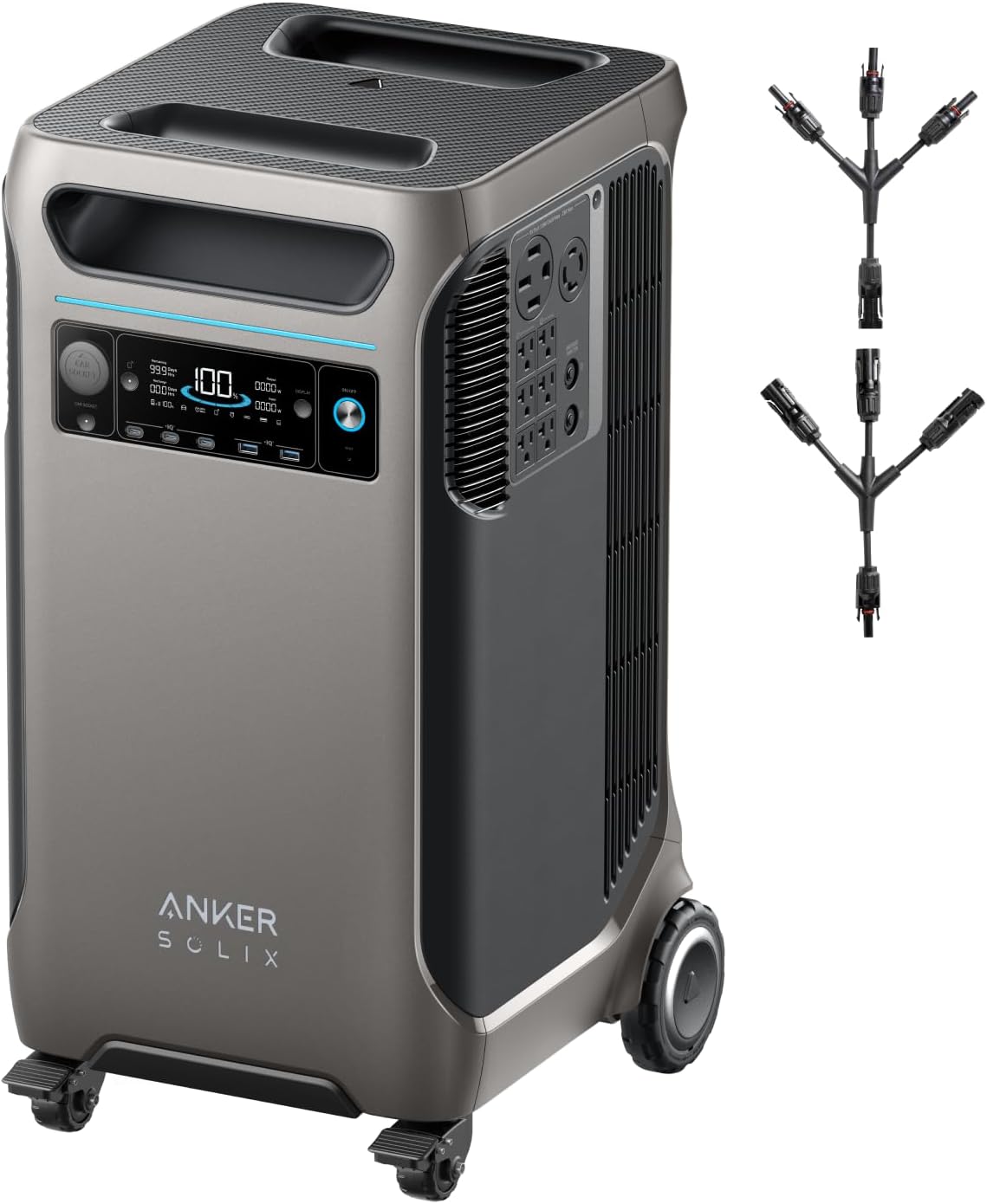
Criteria EF ECOFLOW Smart Home Panel 2 + DELTA Pro Bluetti EP500/EP500Pro Anker SOLIX F3800
Battery Chemistry LiFePO4 LiFePO4 LiFePO4
Capacity (Base) 3.6-7.2 kWh (1-2 DELTA Pros) 5.1 kWh 3.84 kWh
Max Expandability Up to 25 kWh (with extra batteries) Not modular like EcoFlow Up to 26.9 kWh (with add-on batteries)
AC Output (Rated) 3600W (7200W with 2 Pros & Panel) 2000W/3000W 6000W
Surge Power 7200W (14.4kW with 2 Pros & Panel) 4800W/6000W 12000W
Solar Input (Max) 3200W (1600W per Pro) 2400W 2400W
UPS Switching Time <20ms <20ms <20ms
Weight (Base Unit) ~45kg (DELTA Pro) + Panel ~76kg ~60kg
Warranty 5 Years 4-5 Years 5 Years
Home Integration Dedicated Smart Home Panel 2 Sub Panel Integration Sub Panel Integration

Final Verdict

Should someone searching for “solar generator” buy the EF ECOFLOW Smart Home Panel 2, the Center of the Whole-home, or choose another option?

If your primary goal is robust, seamless, and expandable home energy backup, particularly during outages, then the EF ECOFLOW Smart Home Panel 2 system is a standout choice. Its integration with the powerful DELTA Pro/Max units, leveraging high-cycle LiFePO4 batteries and rapid charging, provides a superior long-term value proposition. It shifts the paradigm from temporary power solutions to a truly integrated home energy system.

Who should choose EF ECOFLOW Smart Home Panel 2, the Center of the Whole-home:
Homeowners who prioritize reliability, automation, expandability, and a very long battery lifespan. If you want a future-proof solar generator that functions silently and efficiently as part of your home, and you’re willing to make the upfront investment for long-term peace of mind, this system is for you. Its modularity allows you to scale up power as needed.

Who should choose Bluetti (e.g., EP500/EP500Pro):
Bluetti’s all-in-one EP500/Pro units offer a compelling solution for those who want a single, powerful, semi-portable unit without the need for multiple battery connections like the EcoFlow DELTA Pro setup. They are often good value for their capacity and inverter size. If you prefer a single large box rather than linking separate battery modules and are content with the integrated capacity without future expansion, Bluetti is a strong alternative.

Who should choose Anker SOLIX (e.g., F3800):
Anker SOLIX, with its newer offerings like the F3800, is making strong plays in the home backup market, particularly with a focus on ease of use and high output. If you need extremely high surge power for demanding appliances or a truly massive single-unit capacity before expansion, the F3800 is a contender. Anker’s strong brand reputation and user-friendly app interface also make it appealing for those who value intuitive control.

#ECOFLOW #Smart #Home #Panel #Center #Wholehome