
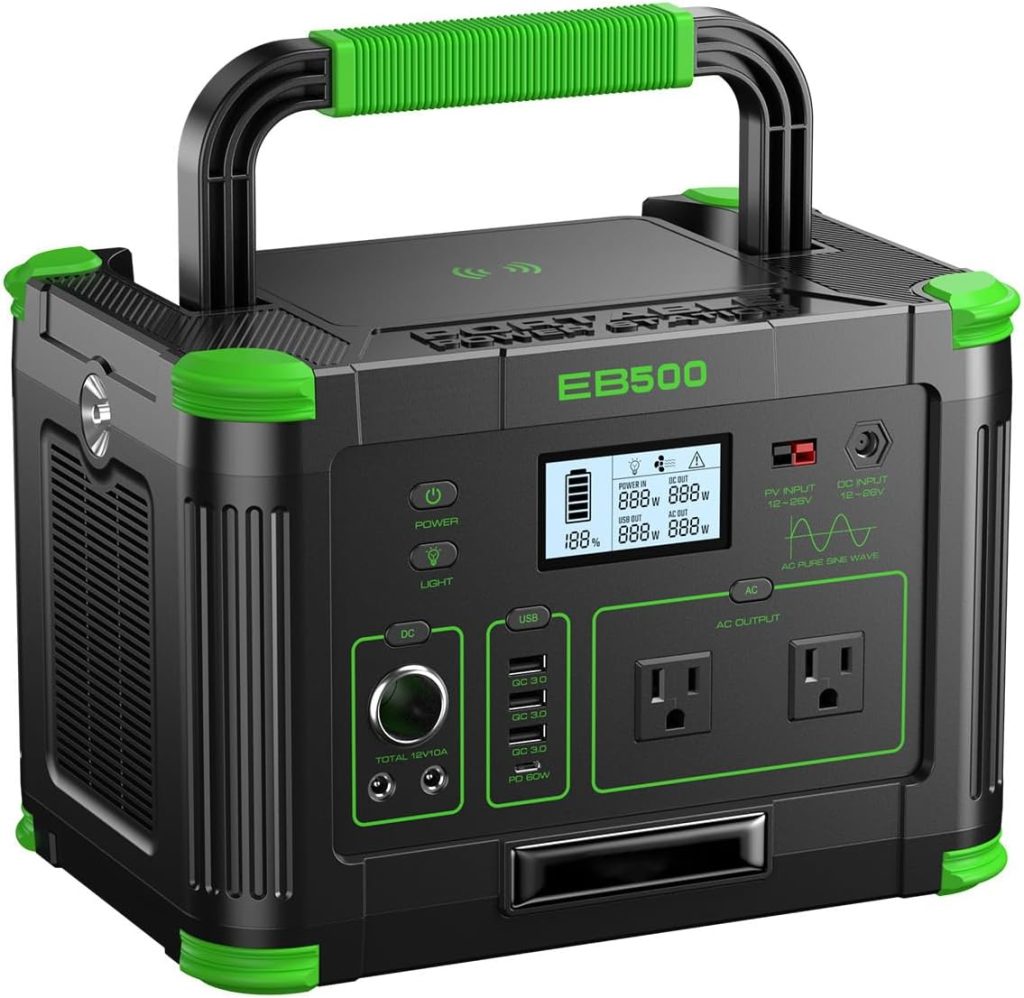
Before I bought the kit, I did the math in my head. 100 watts of solar panel, 519 watt-hours of battery. Sunshine goes in, power comes out, camping trip saved. I even told my wife the numbers, confidently, like a man who understands electricity.
Then I actually used it. And the math in my head turned out to be a bedtime story.
What a 100W panel really gives you
Here’s the reversal, and I want to be precise about it because I got burned by being vague: a 100W solar panel does not produce 100 watts. It produces 100 watts in a laboratory, under a sun simulator, at 25 degrees Celsius, pointed directly at a perfect sky. In my backyard on a clear June afternoon, angled by hand toward the sun like I was performing some kind of ritual, it gave me 68 watts. On a hazy day, 40. On a cloudy day? Fourteen. I watched the number on the station’s little screen and felt personally insulted.
That’s not a defect. That’s every panel. The industry rates them at fantasy conditions and lets you discover reality in your backyard.
So let’s redo my confident math with real numbers. The 519Wh station — and by the way, it’s 519 watt-hours the same way a bag of chips is “one serving,” the inverter takes its cut, so call it 410 usable — charging from a panel that delivers 60 honest watts on a good day. 410 divided by 60. That’s nearly seven hours of perfect sun to fill it. Seven hours. In a world where the sun is only usefully strong for maybe five.
Do the division yourself. I’ll wait.
I’m not saying the kit is useless. I’m saying the kit is a trickle-feed system wearing the costume of a power system, and once you see the costume, you can’t unsee it. What it actually is: a very good weekend box for phones, a laptop, LED string lights, a small fan. My phone charges about 30 times off it. My laptop, four or five. That’s real value, if that’s what you bought it for. The problem is the box art shows it running a refrigerator next to a tent, and I want to meet the marketing team that approved that photo.
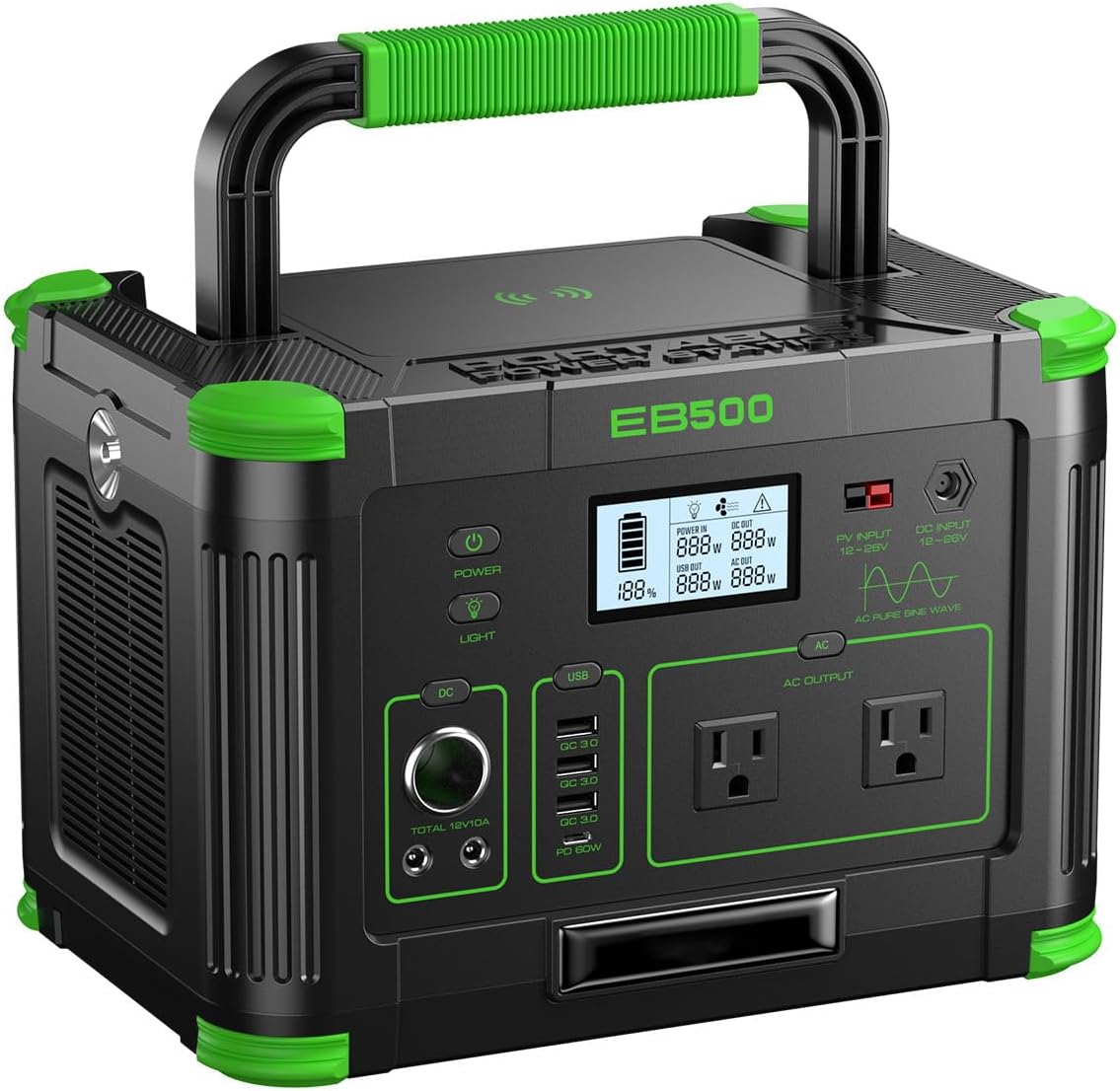
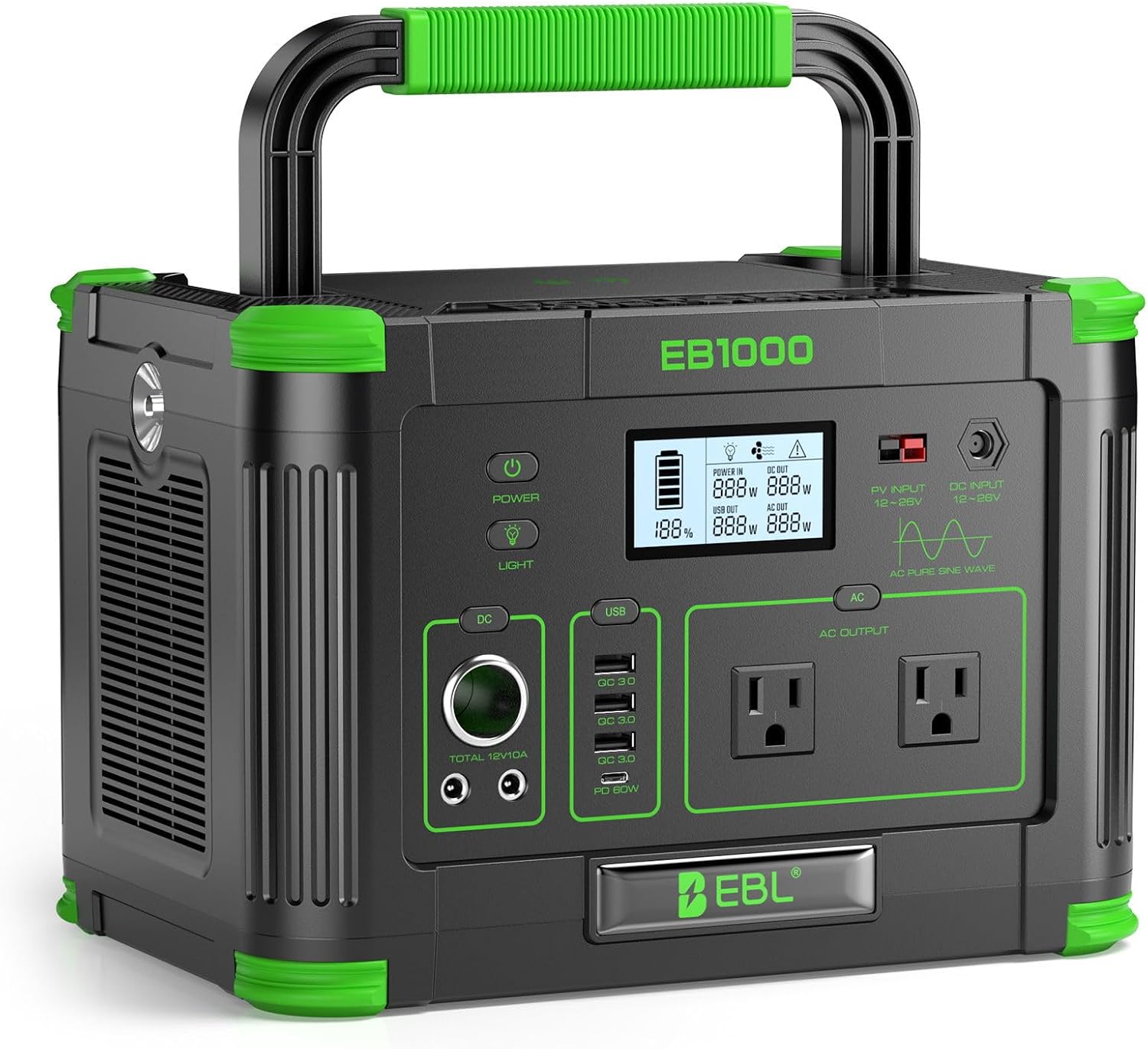
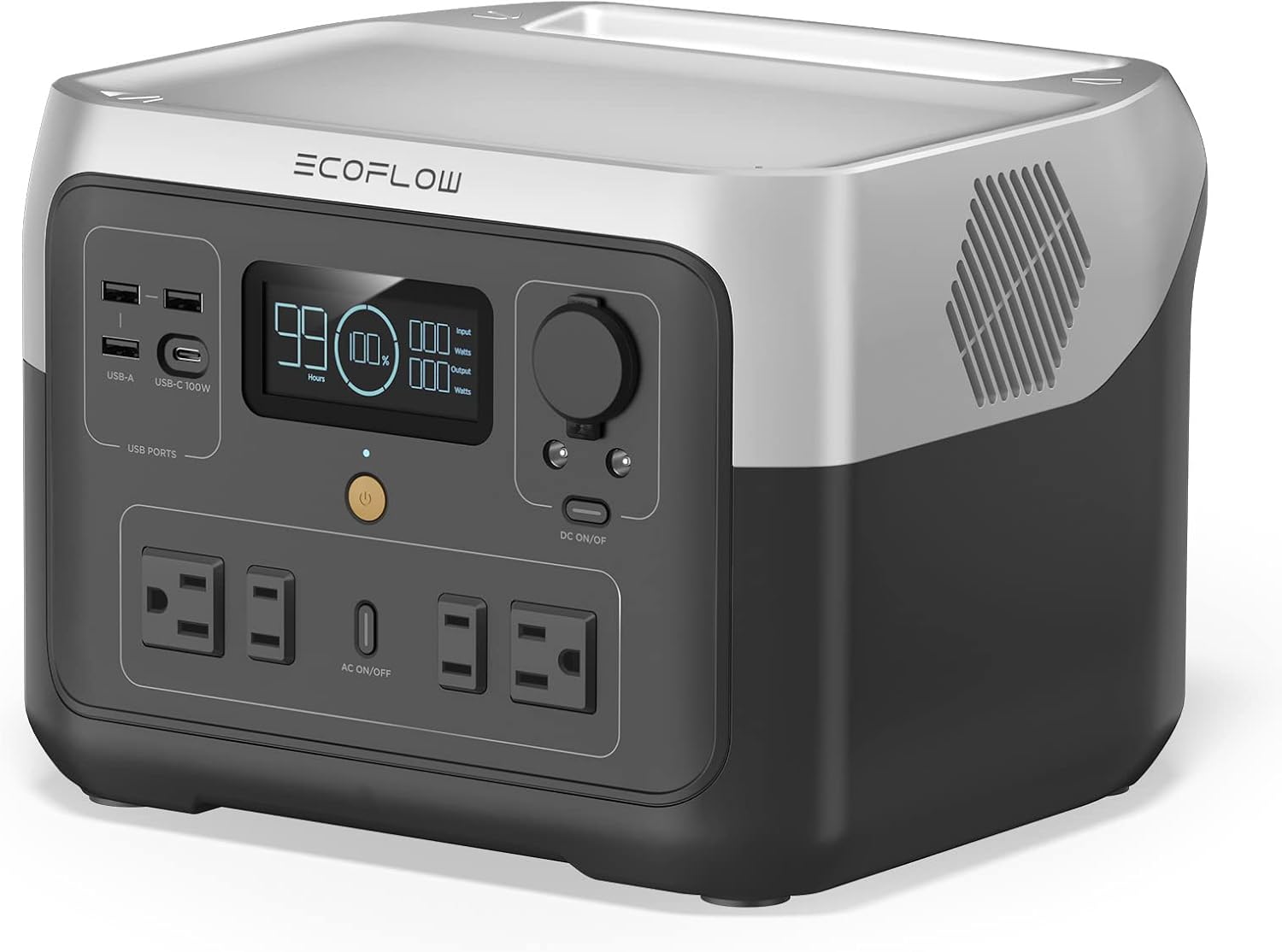
This site contains affiliate links. We may earn a commission on qualifying purchases.
The battery is the only honest part
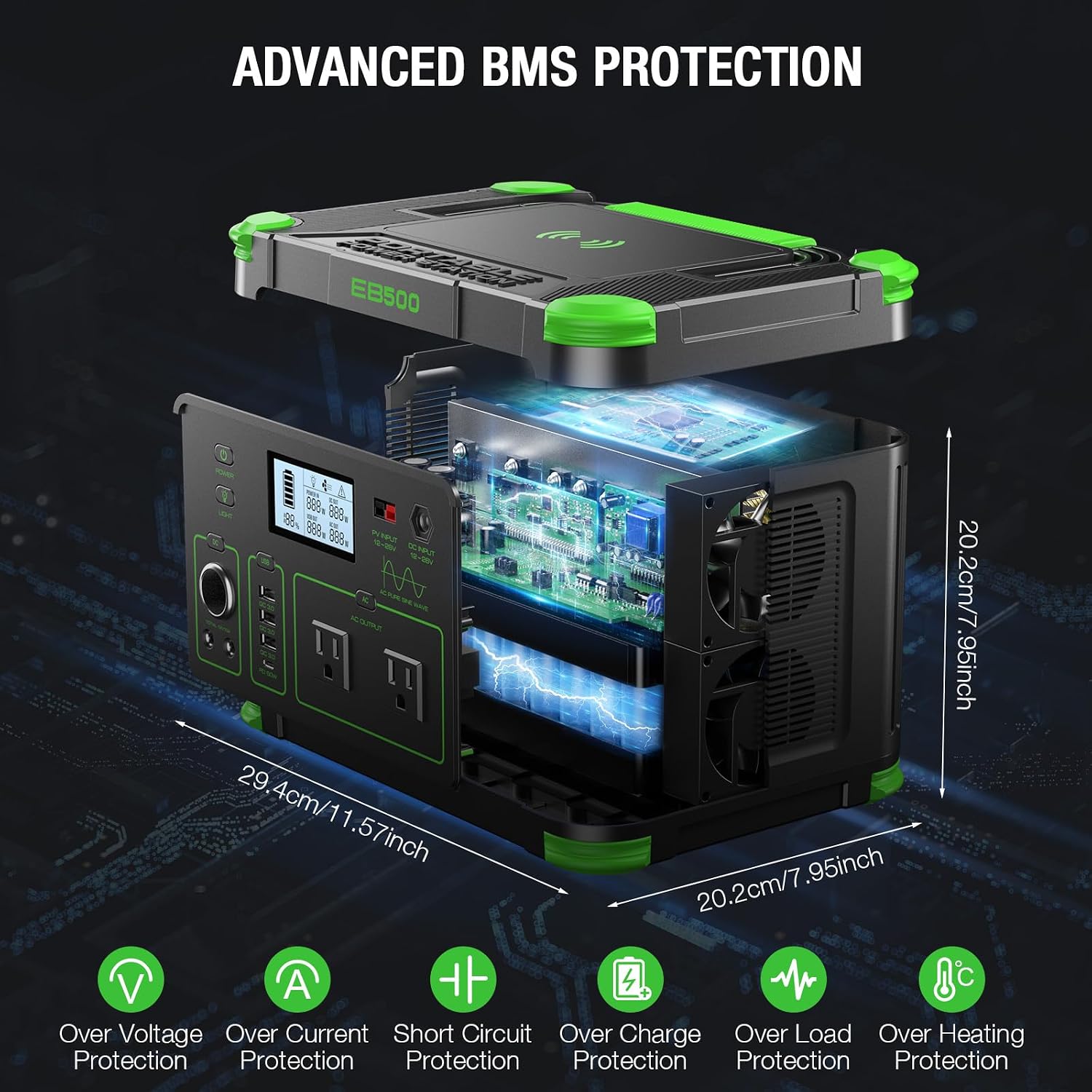
Now, the part I actually respect: the battery itself. LiFePO4, 519 watt-hours, rated for a few thousand cycles. That’s the real deal, and it’s the reason I didn’t return the thing. The chemistry is stable, it doesn’t have the fire anxiety of older lithium chemistries, and it’ll still be holding most of its capacity when your kids are borrowing it for their own camping trips. The battery is the one component in this kit that will outlive your interest in camping.
But — and this is the sentence the whole category hopes you never read — a 519Wh station paired with a 100W panel is a mismatch wearing a bundle discount. The station can accept far more solar input than that little panel provides. It’s like buying a sports car and filling the tank with an eyedropper. If you’re serious about solar charging, you want 200W of panel minimum for a station this size, and suddenly the “kit” price advantage evaporates because you’re buying a second panel anyway.
Honestly? I think the kit exists because “kit” photographs better than “box.” One product shot with the panel unfolded next to the station, blue sky behind it, and your brain files it under “energy independence.” The panel in that photo is producing 68 watts. The photographer doesn’t mention that.
Let me tell you about the cloudy Tuesday. That’s my off-topic paragraph, and I’m not bringing it back around. It rained the whole second day of our trip. The panel produced basically nothing — single digits, the screen might as well have said “lol” — and we rationed the station like it was the last candle in a blackout. Phones on airplane mode. No lights until actually dark. My daughter asked if we could charge her tablet and I said no, and the look on her face taught me more about energy scarcity than any spec sheet ever has. We survived. We also learned that “solar generator” is a fair-weather promise, and weather does not care about your purchase.
The category criticism I owe you: every sub-$500 solar kit on the market right now is selling the same fantasy with different plastic shells. They all pair an undersized panel with a decent battery, they all photograph the panel at noon in Arizona, and they all bury the real charge time in a footnote. I bought into it. I’m not smarter than the marketing; I just got rained on.
Would I buy it again? Here’s my self-correction: a month ago I’d have said no, loudly. Today — after a summer of actually using it for the small stuff, phones and lights and the little fan that kept the tent bearable in July — I’d say yes, but only for the small stuff, and only if you go in knowing the panel is a slow drip, not a firehose. I haven’t tested it in winter, and I won’t pretend the numbers I got in June apply in December. The sun doesn’t negotiate.
If you’re shopping this size class, the camping shortlist is worth a look before you commit, and read what actually happens on cloudy days — not the marketing version, the version where your daughter’s tablet stays dead. For sizing, do the ugly math first, then buy 20% more than the math says. That’s the only rule I’ve kept from all of this.
The station’s in the garage now, topped up, panel leaning against the wall next to it. Camping season’s over. My wife asked if we’re keeping it and I said yes before she finished the sentence, which surprised both of us. The numbers lied to me. The box still earned its shelf.


