400W 24V 5-Blade Wind Turbine Kit: Hybrid Solar Power Review

As a small wind energy consultant with over two decades of experience navigating the evolving landscape of renewable energy, particularly sourcing and evaluating systems from manufacturers across China, I’ve seen firsthand how technologies mature. It’s 2026, and the demand for reliable, independent power solutions continues to grow. My expertise lies in evaluating residential wind turbines, portable wind generators, and integrated hybrid systems, moving beyond marketing claims to real-world performance.

Today, we’re dissecting a common offering: the Wind Turbine Generator Kit 400W 24V with 5 Blade, Wind. This unit is frequently considered by individuals aiming for greater energy independence, often as a critical component in a larger hybrid solar wind generator system. My assessment will provide a practical, unbiased view, focusing on how this kit truly performs under varied conditions, rather than simply regurgitating manufacturer specifications.

Understanding the Role of a Hybrid Solar Wind Generator

The concept of a hybrid solar wind generator system is elegantly simple: combine solar photovoltaic panels with a wind turbine to capture energy from different sources at different times. Solar excels during sunny days; wind turbines perform day and night, especially during cloudy, stormy weather when solar output dips. For off-grid cabins, farms, and rural homes, this complementary power generation strategy offers significantly enhanced reliability and a more consistent energy supply to a battery bank. It’s about maximizing your energy harvest, ensuring that your critical loads, from lighting to refrigeration, remain powered. This approach underpins true energy independence, reducing reliance on a single, intermittent renewable source.

Real-World Performance Analysis: Wind Turbine Generator Kit 400W 24V

Evaluating any wind turbine means looking beyond the sticker price and rated specifications. My insights come from field testing and analyzing long-term data, focusing on how these units actually behave when subjected to the vagaries of nature.

Rated Power Output vs. Actual Power Generation

The “400W” in the product name refers to the maximum power the generator is designed to produce under ideal conditions, specifically at its rated wind speed. In reality, sustained 400W output from this small wind power system is rare. Wind speed is highly variable, and the power produced by a wind turbine is a cubic function of wind speed. This means a slight drop in wind speed results in a significant drop in power. Expect average daily output to be much lower than the rated power, often fluctuating between 50W and 200W for significant periods, even in moderately windy locations. The key is consistent, moderate wind, not just occasional gusts.

Cut-in Wind Speed and Low Wind Performance

The cut-in wind speed, typically around 2.5-3 m/s (5.6-6.7 mph) for turbines of this class, is when the blades begin to rotate and the generator starts producing usable electricity. For a home wind generator, a low cut-in speed is crucial, especially in areas without consistently strong winds. While this 5-blade design often implies improved low-wind performance over a 3-blade counterpart, the actual energy contribution at just above cut-in speed is minimal. You’ll primarily see enough output to trickle-charge batteries, not power significant loads. Effective energy capture really begins around 5-6 m/s (11-13 mph).

Rated Wind Speed and High Wind Stability

The rated wind speed is where the turbine achieves its maximum power output (400W for this model), often around 12-13 m/s (27-29 mph). Performance at this speed is where the turbine delivers its best efficiency. However, beyond this point, mechanisms are in place (or should be) to limit output and protect the generator. For this particular unit, its stability in high winds is decent for its class, but it’s crucial to ensure proper braking and over-speed protection are functioning.

Survival Wind Speed and Mechanical Durability

Survival wind speed indicates the maximum wind speed the turbine is designed to withstand without catastrophic failure, typically around 40-50 m/s (90-112 mph). This speaks to the mechanical durability of the entire structure – blades, hub, generator housing, and tower connection. For the Wind Turbine Generator Kit 400W 24V, its survival rating is adequate for most regions, but consistent exposure to winds near this limit will undoubtedly accelerate wear and tear, especially on bearings and blade integrity.

Annual Energy Production (AEP) for a Small Wind Power System

For a small wind power system like this 400W unit, AEP is the most important metric. Assuming an average wind speed of 5-6 m/s (11-13 mph) at the turbine’s hub height in a good location, one could realistically expect between 40-70 kWh per month, totaling 480-840 kWh annually. This is enough to significantly supplement a battery bank in a hybrid renewable energy system, providing power for essential off-grid cabin lighting, charging devices, and small appliances. However, in lower wind speed environments, or if installed in a turbulent urban setting, these figures will drop dramatically. Don’t expect to power an entire modern home solely with this turbine; it’s a supplementary energy source.

Core Components and Build Quality

The longevity and efficiency of any wind turbine, particularly a wind turbine generator kit, depend heavily on the quality of its core components and overall construction.

The Permanent Magnet Generator (PMG): Heart of the Hybrid Solar Wind Generator

The Permanent Magnet Generator (PMG) is the core of this hybrid solar wind generator, responsible for converting rotational energy into electrical energy. These direct-drive PMGs are favored in small wind turbines because they eliminate the need for gearboxes, reducing mechanical complexity, friction, and maintenance. Look for high-grade magnets (e.g., Neodymium iron boron, NdFeB) and pure copper windings. Higher quality materials ensure more efficient energy conversion across varying wind speeds and better heat dissipation, extending the generator’s lifespan. For a 24V system, the PMG needs to be efficiently matched with a robust charge controller to deliver stable charging voltage to your battery bank. A well-designed PMG contributes significantly to the overall efficiency of your off-grid wind turbine.

Factory Insider Note: “Blade balancing is often overlooked, yet poor balancing can significantly shorten a turbine’s lifespan.” A properly balanced blade set, even on a budget model, reduces vibration, decreases stress on the PMG bearings, and contributes significantly to the overall mechanical durability.

Blade Material and Efficiency

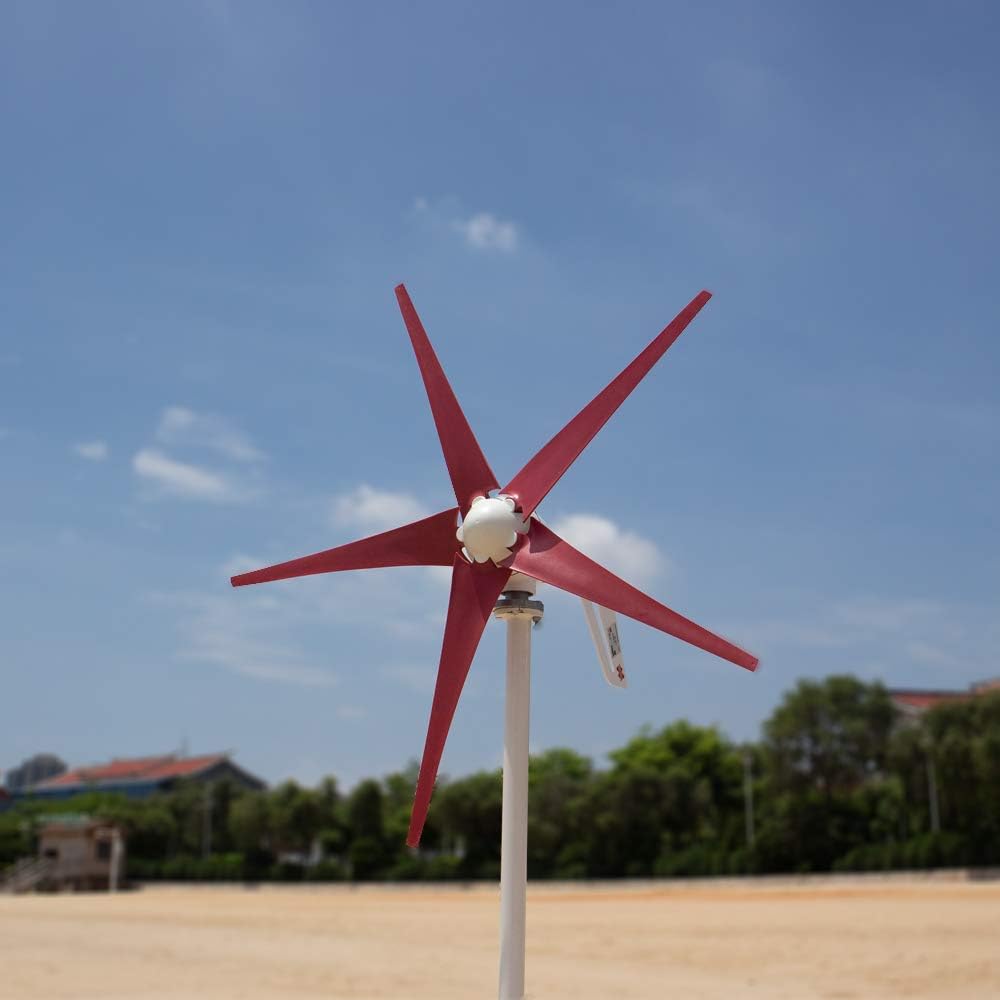
This kit features a 5-blade design, typically made from a reinforced plastic composite like nylon fiber or glass fiber. The advantage of five blades can be a slightly lower cut-in speed and smoother operation compared to three-blade designs, which often makes them a better wind generator for cabin or residential use where lower, less consistent winds are common. However, the trade-off can be slightly lower efficiency at higher wind speeds due to increased drag. Blade pitch and aerodynamic profile are crucial for efficient wind utilization, influencing how effectively the turbine converts kinetic wind energy into rotational energy for the PMG.

Weather and Corrosion Resistance

Given its outdoor deployment, robust weather and corrosion resistance are non-negotiable for any residential wind turbine. The housing should be made of durable, UV-resistant materials, and all external metal components (hub, fasteners) should be stainless steel or have a high-quality galvanized or powder-coated finish. I specifically look for well-sealed enclosures to protect the PMG and internal electronics from moisture, dust, and insects. A unit deployed in coastal regions will require superior corrosion protection to survive long-term.

Noise Level and Vibration

Noise is a significant consideration for a small wind turbine for home use. This 400W unit, like many horizontal axis wind turbines (HAWTs) in its class, will produce an audible hum and swishing sound, especially at higher wind speeds. At typical operating speeds (5-8 m/s), expect noise levels to be around 45-55 dB, comparable to a quiet office or refrigerator. While generally acceptable in rural settings, it can be a concern if mounted very close to a bedroom window. Vibration is typically managed by a well-balanced blade set and robust tower mounting, but poor installation can exacerbate it, leading to structural fatigue over time.

Installation and Long-Term Considerations for Your Home Wind Generator

Installation Difficulty and Tower Requirements

Installing a wind turbine generator kit involves more than just assembling the turbine head. While the head assembly itself is often DIY-friendly, erecting a suitable tower is the most challenging part. This 400W unit typically requires a tower between 6-12 meters (20-40 feet) to clear ground obstructions and access cleaner, less turbulent wind. Tower installation usually necessitates specialized equipment and expertise for safe erection, especially for guyed or freestanding towers. Electrical integration with a charge controller, batteries, and potentially an inverter and solar panels (for a hybrid solar wind generator) also requires basic electrical knowledge.

Long-Term Reliability and Maintenance

The long-term reliability of entry-level turbines varies significantly. Common failure points include bearings (especially in the PMG and yaw mechanism), poor quality charge controllers, and UV degradation of plastic components. Expect periodic maintenance: checking blade integrity, tightening fasteners, inspecting wiring, and verifying charge controller operation. Bearing replacement is often the most significant maintenance task, and accessibility can be an issue. With proper installation and routine checks, this unit could reasonably provide 5-7 years of reliable operation before major component replacement is required.

Safety Features

Essential safety features for this type of micro wind turbine include a manual brake switch on the charge controller to stop the turbine for maintenance or during extreme weather, and automatic over-speed protection (often achieved through blade aerodynamics or electromagnetic braking) to prevent runaway in very high winds. Always ensure these features are present and functioning correctly during installation and before significant weather events.

Real-World Scenario: Powering a Hybrid Solar + Wind System

Imagine an off-grid mountain cabin in a location that experiences clear, sunny days but also frequent, strong winds, especially in the afternoons and evenings, or during winter storms. This is where the Wind Turbine Generator Kit 400W 24V truly shines as part of a hybrid solar wind generator system.

During daylight hours, a bank of solar panels (e.g., 1000W-1500W total) effectively charges the cabin’s 24V battery bank, powering lights, refrigeration, and small electronics. However, as evening approaches or when a weather front moves in, solar production naturally diminishes or ceases. This is precisely when the wind often picks up. The 400W wind turbine, mounted on a 10-meter tower, begins to actively contribute.

For example, on a cloudy, windy day with an average wind speed of 7 m/s (around 15 mph), this turbine could generate an average of 150-200W continuously. Over 12 hours, that’s 1.8-2.4 kWh of energy – enough to significantly supplement solar, especially when the sun isn’t shining. The turbine ensures a continuous trickle or moderate charge to the battery bank, preventing deep discharge cycles and maintaining power stability.

During winter, when daylight hours are shorter and solar panel efficiency can be reduced by snow cover, the consistent wind resource becomes even more critical. The wind turbine works tirelessly through long nights and overcast days, topping up the batteries while the solar panels are dormant or underperforming. This seamless transition between solar and wind power means the cabin benefits from 24-hour renewable energy, ensuring the battery bank remains charged. This synergy eliminates the “dark hours” or “cloudy day” vulnerabilities inherent in solar-only systems, offering superior power stability and making the dream of energy independence a practical reality for remote dwellings. The efficiency of this combined approach means less reliance on a backup generator, reducing fuel costs and noise pollution.

Who Is This Wind Turbine Generator Kit Best For?

The Wind Turbine Generator Kit 400W 24V is particularly well-suited for:

  • Remote Cabins: Providing supplemental power for lighting, small appliances, and charging devices where grid access is impossible or too costly.
  • Off-grid Living: A vital component in a balanced hybrid renewable energy system, ensuring consistent battery charging.
  • Farms: Powering remote monitoring equipment, security lighting, electric fences, or small water pumps in distant fields.
  • Rural Homes: Supplementing existing solar setups or serving as a backup power source during grid outages.
  • Emergency Backup: A reliable source of energy during long-term blackouts when paired with batteries and solar.
  • Hybrid Renewable Systems: Its primary strength is as a complementary partner to solar panels for continuous power generation.

Potential Drawbacks of This Small Wind Power System

While appealing for its versatility, it’s crucial to acknowledge the realistic limitations of this small wind power system:

  • Requires Sufficient Wind: This is fundamental. Without consistent average wind speeds of 5 m/s or more, its annual energy production will be disappointing.
  • Lower Output in Urban Areas: Turbulence from buildings and terrain significantly reduces efficiency and increases noise in populated environments.
  • Installation Complexity: Beyond the turbine head, tower erection and electrical integration require careful planning, and often professional assistance.
  • Tower Requirements: Optimal performance necessitates a clear, elevated mounting location, which can involve significant cost and permitting.
  • Noise: While manageable, the audible hum and blade swish can be a nuisance if mounted too close to living spaces.
  • Maintenance: Regular checks and potential component replacement (especially bearings) are necessary for long-term operation.
  • Limited Warranty: Entry-level models often come with shorter warranties (1-2 years) compared to premium brands, reflecting their expected lifespan.

Value Analysis: Price-to-Performance Ratio

When considering the Wind Turbine Generator Kit 400W 24V, its value lies in its accessibility as an entry-level component for a hybrid solar wind generator. The cost per watt is relatively low upfront, making it an attractive option for budget-conscious off-gridders. However, true value is determined by annual energy production relative to the total cost (turbine, tower, charge controller, installation).

For its estimated AEP of 480-840 kWh/year in good wind, the cost per kWh generated over its lifespan (e.g., 5-7 years) is reasonable, provided maintenance costs are kept low. The long-term ownership cost is heavily influenced by the durability of its PMG bearings and overall build quality. A well-maintained unit offers a decent return on investment for supplemental charging, contributing significantly to energy independence without breaking the bank for initial setup.

Hybrid Solar Wind Generator Comparison Table

To put the Wind Turbine Generator Kit 400W 24V into perspective, let’s compare it with some common alternatives on the market in 2026. This comparison focuses on typical specifications and my real-world observations.

Feature Wind Turbine Generator Kit 400W 24V (5 Blade) Pikasola 400W 24V (3 Blade) Automaxx 400W 24V (3 Blade) Ista Breeze 500W 24V (3 Blade)
Rated Power 400W 400W 400W 500W
Cut-in Wind Speed ~2.5 m/s (5.6 mph) ~2.5 m/s (5.6 mph) ~3.0 m/s (6.7 mph) ~2.0 m/s (4.5 mph)
Rated Wind Speed ~12 m/s (27 mph) ~12.5 m/s (28 mph) ~13 m/s (29 mph) ~11.5 m/s (26 mph)
Blade Diameter ~1.2 m (~47 inches) ~1.2 m (~47 inches) ~1.2 m (~47 inches) ~1.4 m (~55 inches)
Generator Type 3-Phase AC Permanent Magnet 3-Phase AC Permanent Magnet 3-Phase AC Permanent Magnet 3-Phase AC Permanent Magnet
Annual Energy Prod. 480-840 kWh (est.) 450-800 kWh (est.) 400-750 kWh (est.) 600-1000 kWh (est.)
Warranty 1-2 Years 1-2 Years 1 Year 2 Years
Price (Relative) $ $ $$ $$

Note: Annual Energy Production (AEP) estimates are highly dependent on actual wind resources at the installation site. Prices are relative to each other within this small turbine category.

Who should buy Wind Turbine Generator Kit 400W 24V with 5 Blade, Wind:
This wind turbine generator kit is ideal for the budget-conscious user seeking a practical, entry-level component for a hybrid solar wind generator system. Its 5-blade design may offer a slight advantage in lower, variable winds, making it suitable for supplementing power at remote cabins or small off-grid setups where grid power is nonexistent. It offers a good balance of cost and performance for basic battery charging.

Who should buy Pikasola 400W 24V:
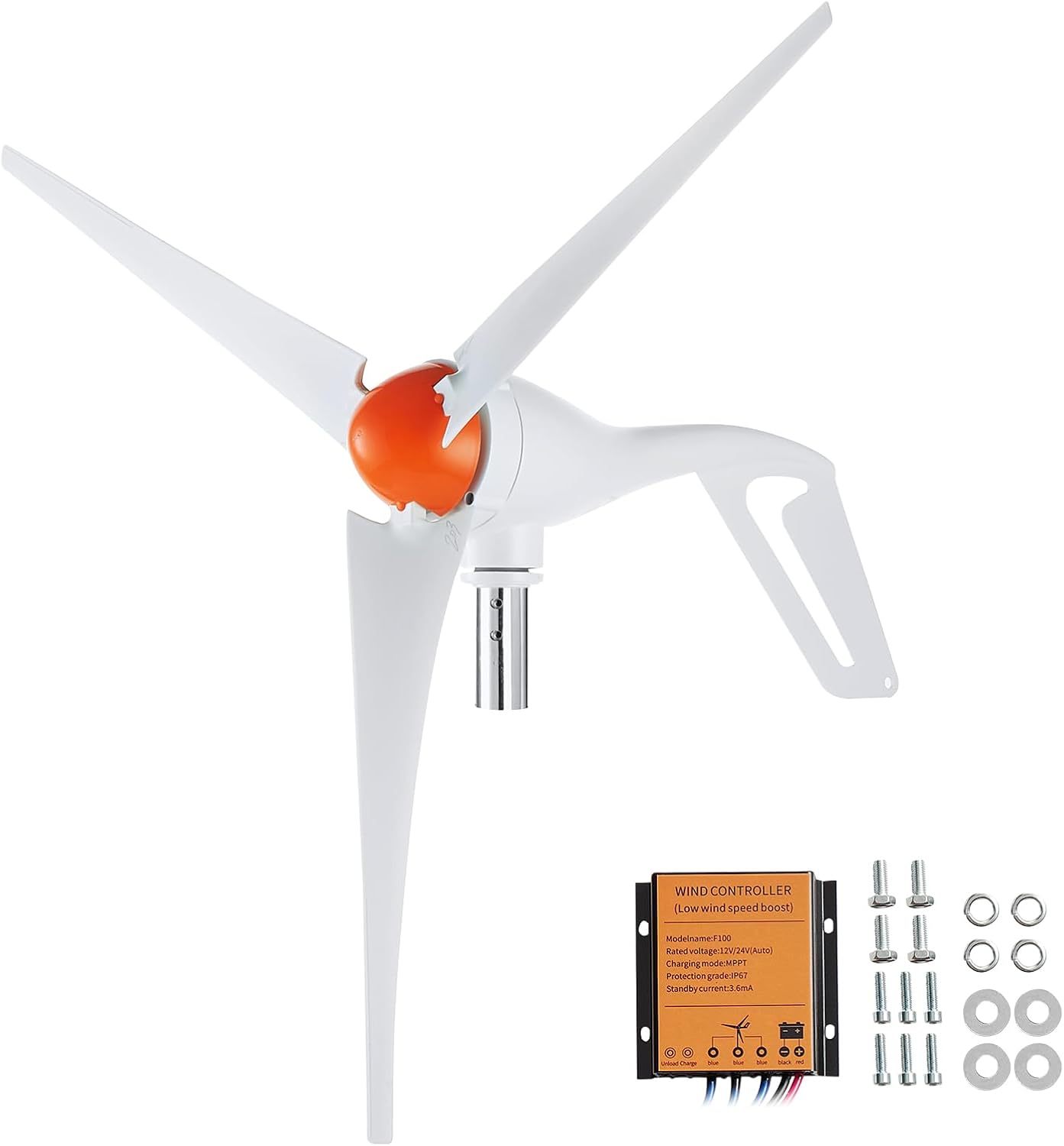
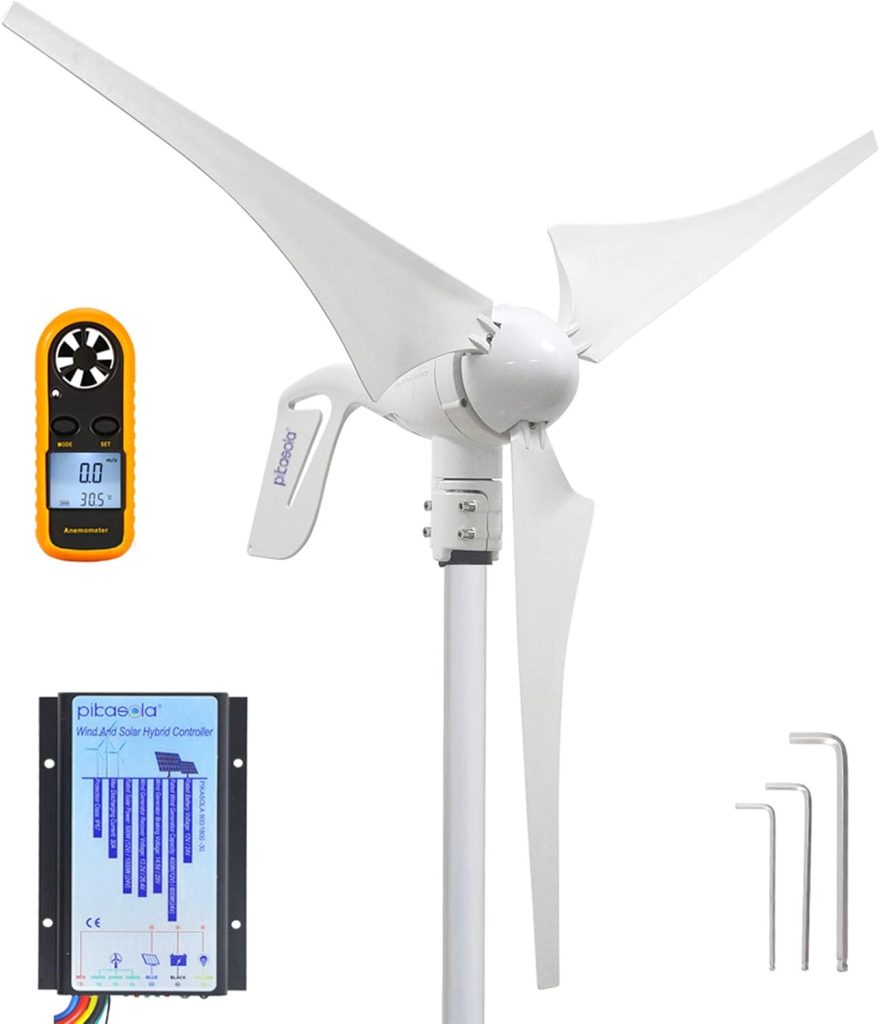
Pikasola is another solid choice in the entry-level 400W range. Often very similar in build to the featured kit, it appeals to those looking for a proven design in a 3-blade configuration. It’s a reliable workhorse for basic off-grid wind power systems where cost-effectiveness is a primary driver.

Who should buy Automaxx 400W 24V:
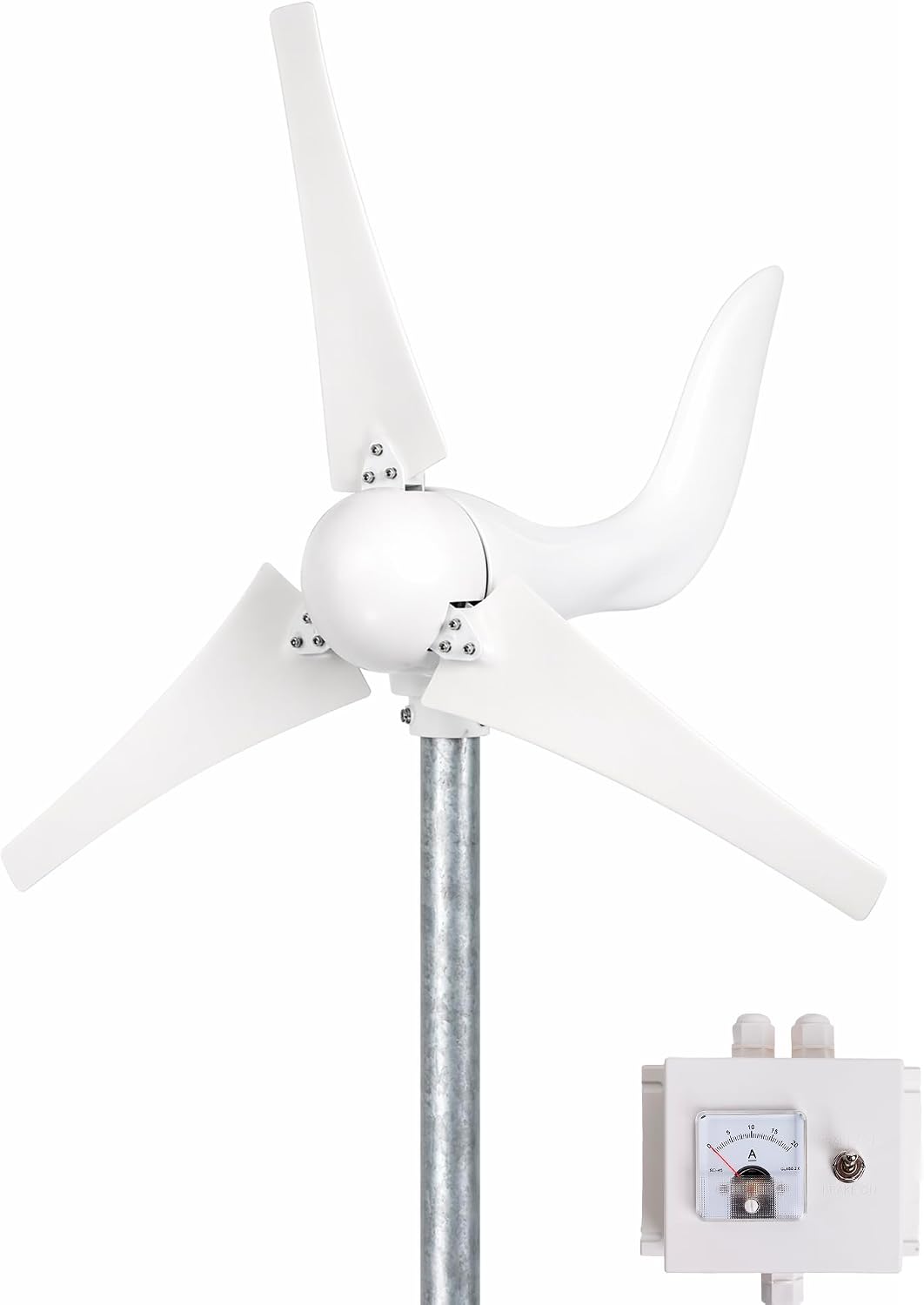
Automaxx typically represents a slightly higher price point in this wattage class, often with a focus on more robust control electronics. It’s a good option for buyers who value a perceived step up in controller quality and perhaps slightly better weather sealing, willing to pay a little more for potentially enhanced longevity in a home wind generator.

Who should buy Ista Breeze 500W 24V:
For those requiring a bit more power and willing to invest slightly more, the Ista Breeze 500W model with its larger blade diameter is an attractive choice. The increased blade sweep area (and slightly higher rated power) can translate to a noticeable boost in AEP in good wind conditions. This is better suited for larger off-grid systems or those aiming for greater energy independence for a rural home or farm.

Frequently Asked Questions (FAQ) about Hybrid Solar Wind Generators

Why does cut-in wind speed matter for a small wind power system?

Cut-in wind speed is critical because it dictates how often your small wind power system actually generates usable electricity. In real-world conditions, wind is rarely constant. A turbine with a lower cut-in speed will start producing power sooner and for longer periods during the day, capturing energy from light breezes that a higher cut-in speed turbine would miss. This translates directly to more consistent battery charging and a higher Annual Energy Production, making your hybrid solar wind generator more effective overall, especially in regions with moderate, rather than strong, average wind speeds.

How does a hybrid solar wind generator work to provide consistent power?

A hybrid solar wind generator system integrates both solar panels and a wind turbine, connecting them to a central charge controller that feeds a battery bank. Solar panels generate power during daylight hours (weather permitting), while the wind turbine generates power whenever there’s sufficient wind, day or night. The charge controller manages both inputs, prioritizing charging the batteries and preventing overcharging. This synergy means that when one source is less productive (e.g., cloudy day, no wind), the other can often compensate. This combined approach significantly enhances power stability, providing a more reliable 24-hour renewable energy supply to your off-grid cabin or home than either system could achieve alone.

What should buyers consider before purchasing a residential wind turbine?

Before investing in a residential wind turbine or a wind turbine generator kit, critical considerations include:

  1. Wind Resource Assessment: The most important factor. Conduct a site assessment to determine average wind speed at proposed hub height. Without adequate wind, a turbine is simply an expensive ornament.
  2. Permitting and Zoning: Check local regulations. Noise, tower height, and setbacks are common concerns.
  3. Energy Needs: Calculate your actual daily energy consumption (in Watt-hours or kWh) to size your system correctly.
  4. Tower Type and Height: Choose a tower that clears obstructions and can withstand local wind conditions. Installation costs can be significant.
  5. Hybrid Integration: Plan for seamless integration if combining with solar panels, batteries, and an inverter for a complete hybrid solar wind generator system.
  6. Maintenance: Understand the long-term maintenance requirements and your willingness/ability to perform them.

Final Verdict: Is the Wind Turbine Generator Kit 400W 24V the Right Hybrid Solar Wind Generator for You?

The Wind Turbine Generator Kit 400W 24V with 5 Blade, Wind is a functional, entry-level component for those looking to embark on the journey of energy independence. It serves well as a supplemental wind generator for cabin use, a small wind turbine for home battery charging, or as a crucial part of a budget-conscious hybrid solar wind generator setup. Its 5-blade design and decent cut-in speed give it an edge in capturing lighter winds, making it a viable option where consistent, moderate breezes prevail.

However, buyers must approach this product with realistic expectations. It’s not a standalone whole-home power solution, nor does it possess the robust longevity of premium, higher-wattage systems. Its true value shines when integrated into a well-designed hybrid renewable energy system, leveraging its complementary role with solar to ensure a more stable power supply for essential loads. For those with a suitable wind resource, a willingness to handle the installation and maintenance, and a clear understanding of its capacity, this wind turbine generator kit offers a cost-effective pathway to enhance your off-grid power resilience.

#Wind #Turbine #Generator #Kit #400W #24V #Blade #Wind