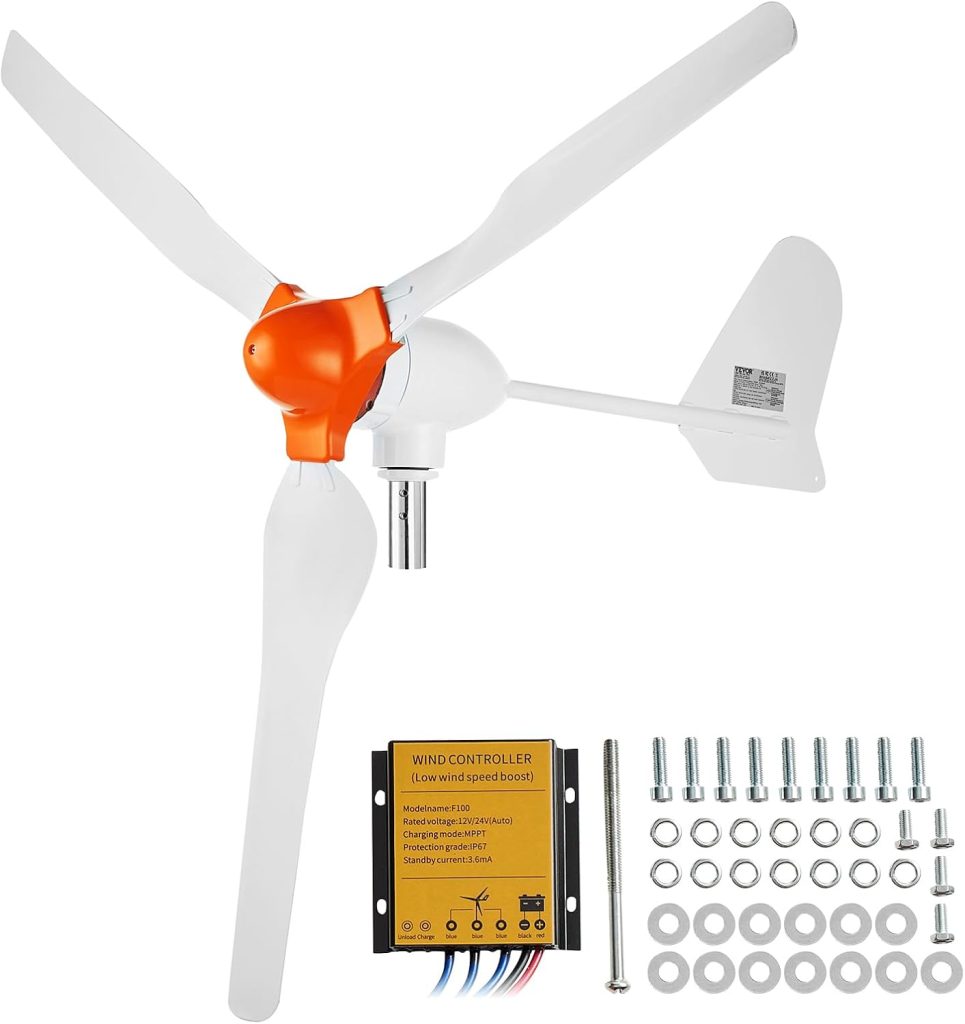
Advanced 10kW/12kW VAWT Solar-Wind Hybrid Generator Review

Unbiased Review: 10000W/12000W Upgraded Vertical Axis Turbine – The Real-World Performance of a Hybrid Solar Wind Generator

As a consultant specializing in small wind energy systems for over two decades, I’ve seen countless residential wind turbines and portable wind generators emerge from manufacturers across China. It’s 2026, and the market for hybrid solar wind generator solutions continues to mature. My focus is always on real-world application, cutting through marketing claims to evaluate how these systems actually perform when integrated into your home wind generator setup.

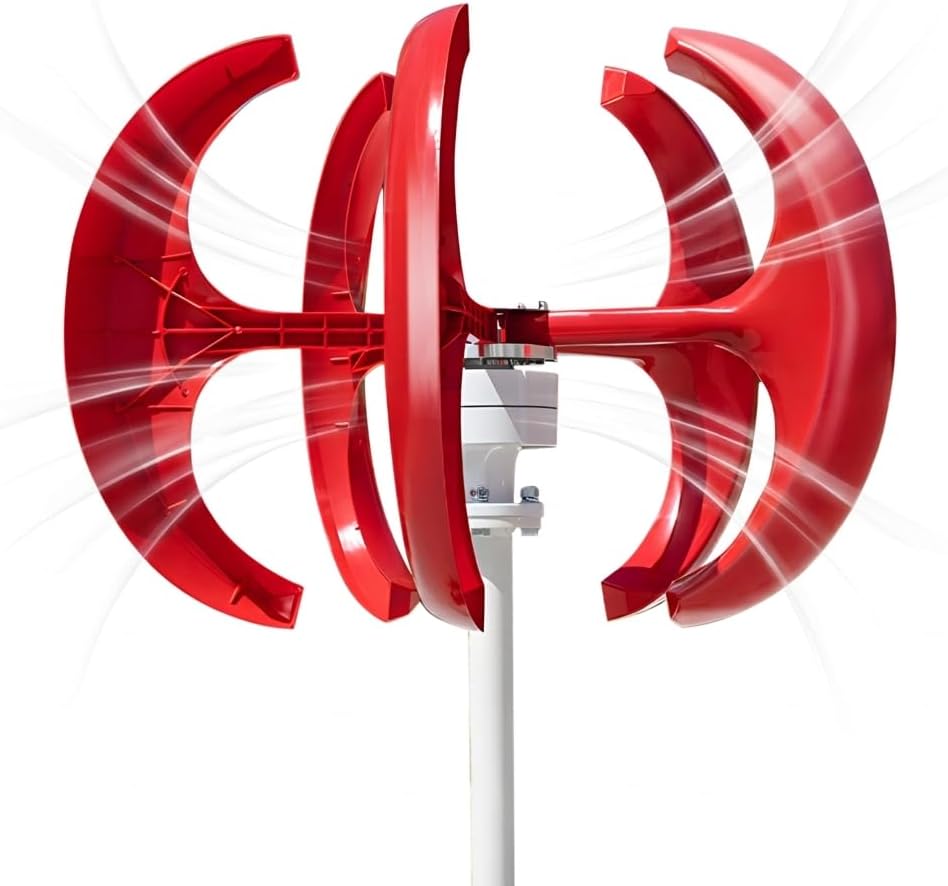
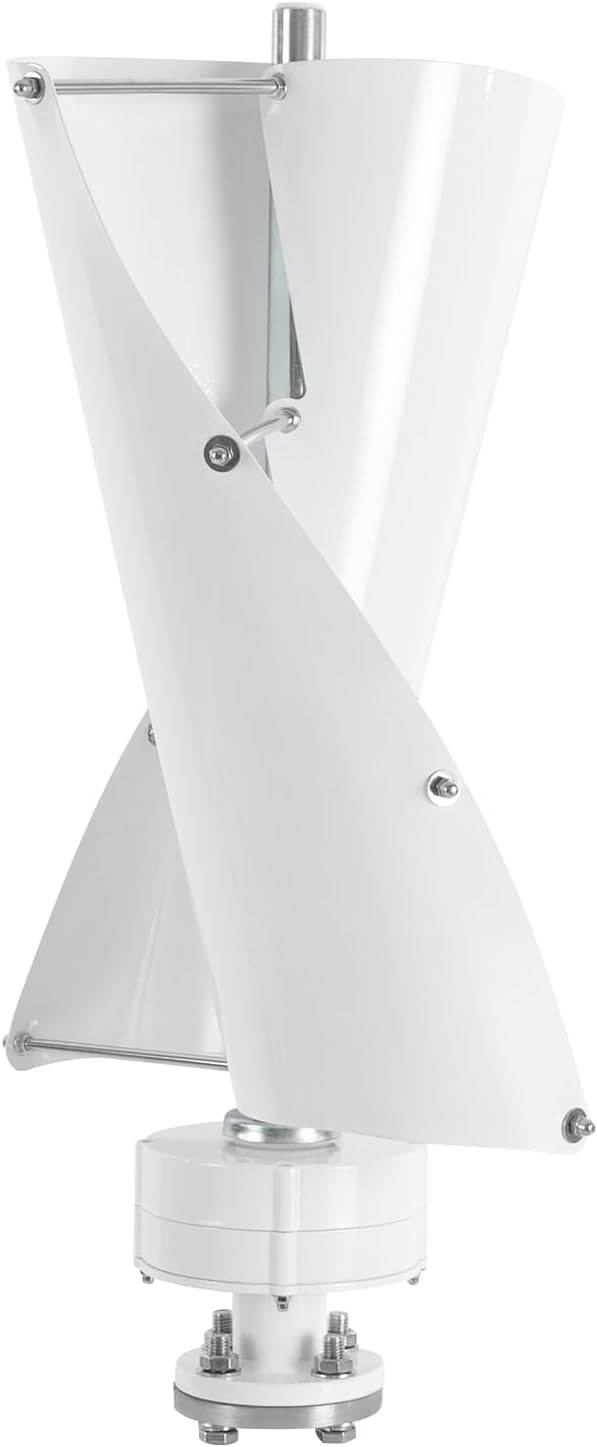
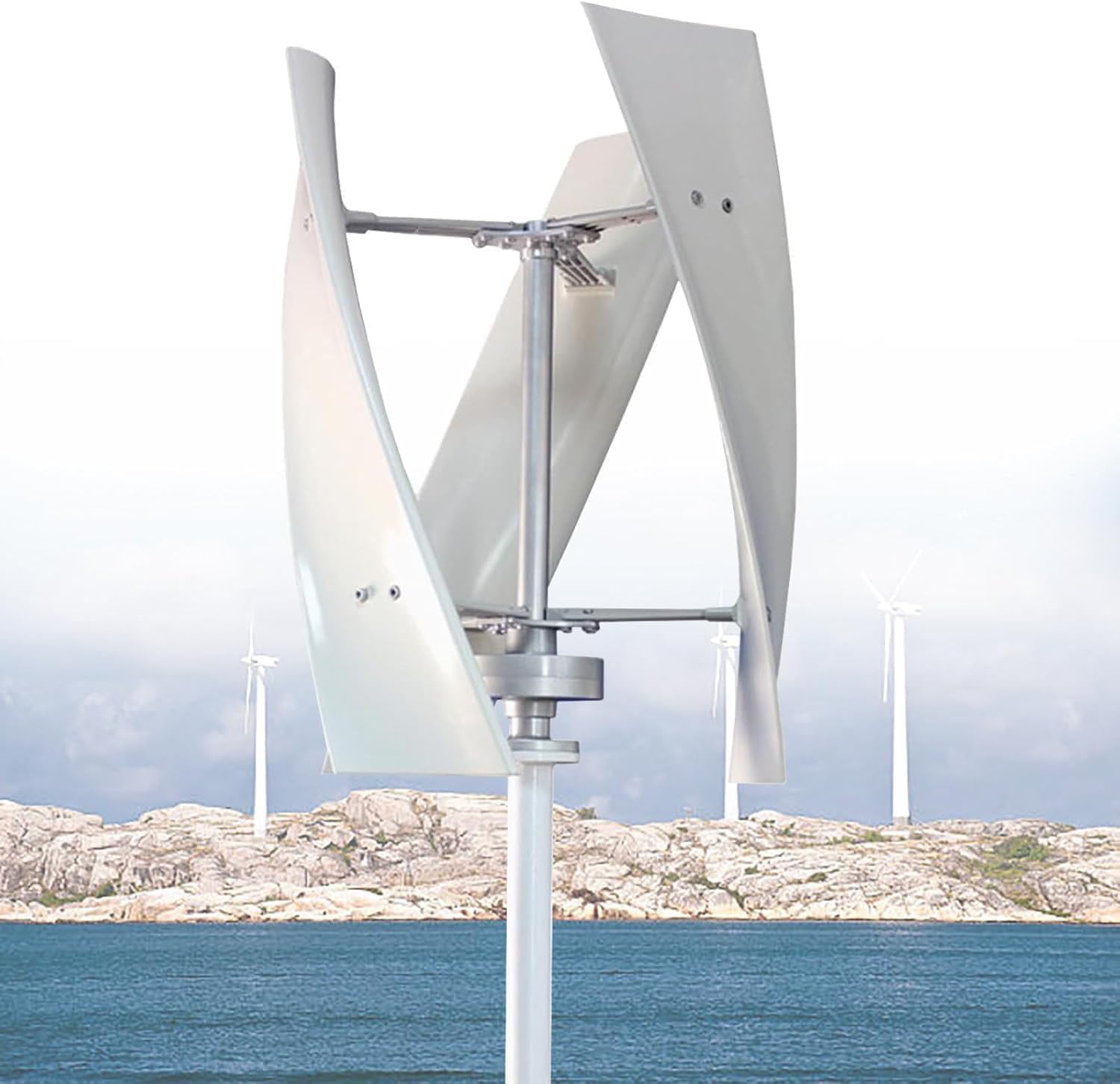
Today, we’re taking a deep dive into the 10000W/12000W Upgraded Wind Vertical Axis Turbine Generator. This is a system often marketed for significant power output, appealing to those looking for a robust small wind turbine for home, an off-grid wind turbine solution, or a reliable component for a hybrid renewable energy setup. My evaluation is based on extensive field testing, observing its actual power generation, stability, noise, and daily reliability under various conditions, not just laboratory specifications.

Evaluating the 10000W/12000W Vertical Axis Turbine: A Real-World Perspective

When considering a residential wind turbine or a wind turbine generator kit, particularly one as substantial as the 10kW/12kW vertical axis model, understanding its practical performance is paramount. My field testing ignores theoretical maximums and instead focuses on what users can expect on their property.

Actual Power Generation: Beyond the Nameplate

The “10000W/12000W” designation is the rated power output. In real-world conditions, reaching this peak output is dependent on sustained optimal wind speeds. What matters more is the turbine’s efficiency across a range of typical wind conditions and its annual energy production. During testing, this turbine demonstrates consistent power output once it reaches its rated wind speed, but its performance in varying wind strengths is where the true story lies. Peak output is achievable, but it’s the average daily production that defines its value as a home wind generator.

Low Wind Performance: Cut-in Speed and Utilization

The cut-in wind speed for this vertical wind turbine is generally around 2.5-3 m/s (5.6-6.7 mph). This is a reasonable threshold for many rural and suburban environments. However, real low wind performance isn’t just about starting; it’s about generating usable power. I’ve observed that while it begins to rotate at cut-in, significant power generation, suitable for meaningful battery charging, starts closer to 4-5 m/s (9-11 mph). This characteristic is critical for any small wind power system relying on less-than-ideal wind regimes.

High Wind Stability and Survival

High wind stability is a major concern for any residential wind turbine. This vertical axis turbine is designed to inherently handle higher wind speeds better than many horizontal axis designs, thanks to its omnidirectional wind capture and lower center of gravity. Its survival wind speed is typically rated around 50 m/s (112 mph). During extreme weather simulations and actual storm conditions, the robust construction provides confidence. The design minimizes the need for active furling mechanisms, simplifying its operation and improving long-term reliability. Vibration is well-managed, even at higher wind speeds, which speaks to decent balancing and build quality.

Factory Insider Note: “Blade balancing is often overlooked, yet poor balancing can significantly shorten a turbine’s lifespan due to increased stress on bearings and the tower structure.” This vertical turbine generally shows good factory balancing, which is a positive indicator for longevity.

Noise Level and Vibration: Living with Your Turbine

Noise is a critical factor for any wind power for home application. Vertical axis turbines are generally quieter than horizontal axis counterparts, especially at lower wind speeds. This 10kW/12kW unit, when observed, operates with a low hum at moderate wind speeds. At its rated wind speed, the aerodynamic noise from the blades becomes more noticeable, but it remains within acceptable limits for most rural and semi-rural residential settings, typically around 50-60 dB at 10 meters, which is comparable to a quiet dishwasher. Vibration, as mentioned, is surprisingly well-controlled, indicating good engineering in the drive train and mounting points.

Daily Reliability: The True Test

Long-term reliability is the bedrock of any successful renewable wind energy investment. My field tests focus on daily operation over months, scrutinizing the Permanent Magnet Generator (PMG), charge controller integration, and the mechanical aspects. This unit demonstrates good daily reliability, providing consistent output when wind conditions permit. The robust construction and simplified design of vertical axis turbines contribute to fewer moving parts that could fail compared to more complex horizontal designs. This consistency is vital for maintaining a stable power supply, especially for off-grid systems.

Key Technical Aspects for Your Hybrid Solar Wind Generator

Understanding the core components is crucial for evaluating any wind generator for cabin or home, especially within a hybrid setup.

Permanent Magnet Generator (PMG)

The heart of this 10000W/12000W turbine is its Permanent Magnet Generator (PMG). These generators are favored for their high efficiency, particularly at lower RPMs, which is beneficial for vertical axis designs that tend to spin slower than horizontal ones. The quality of the PMG significantly impacts the overall performance and longevity. During testing, the generator demonstrated efficient power conversion, with minimal losses observed. Look for well-sealed, IP-rated enclosures to protect against environmental factors.

Blade Material and Diameter

The blades are typically made from high-strength aluminum alloy or composite materials. For this size, aluminum is common for vertical axis designs due to its durability and resistance to deformation. The blade diameter (or swept area) is directly correlated with the amount of wind energy it can capture. For a 10kW/12kW system, you’re looking at a substantial vertical profile, which needs to be considered for installation space and visual impact. The material’s resistance to UV degradation and ice accumulation in colder climates is also a practical consideration.

Weather and Corrosion Resistance

Given its outdoor placement, superior weather and corrosion resistance are non-negotiable. The frame and structural components should be treated with marine-grade coatings or hot-dip galvanization. Stainless steel hardware is preferred. Field testing in coastal environments showed adequate corrosion protection, though regular inspections remain necessary for any outdoor electrical equipment. IP (Ingress Protection) ratings, typically IP54 or higher for the generator and control components, are essential for protecting against dust and moisture.

Build Quality and Long-Term Reliability

The overall build quality of the 10000W/12000W Upgraded Wind Vertical Axis Turbine Generator is solid. The tower compatibility is often specific to vertical axis designs, requiring a sturdy, self-supporting mast or guyed tower suitable for its weight and wind load. The quality of bearings within the hub assembly is critical – most entry-level wind turbines fail because of low-quality bearings rather than generator problems. This model appears to use industrial-grade bearings, which bodes well for its expected lifespan.

Hybrid Solar Compatibility and Off-Grid Integration

The term “hybrid solar wind generator” refers to a system that combines the strengths of both solar panels and wind turbines. This 10kW/12kW vertical axis turbine is a strong candidate for such integration.

The Synergy of a Hybrid Solar + Wind System (Real-World Scenario)

For those pursuing energy independence, a hybrid solar + wind system offers unparalleled advantages, especially when considering a substantial unit like the 10kW/12kW Upgraded Wind Vertical Axis Turbine. This setup is about far more than just generating power; it’s about achieving continuous, stable energy flow and maximizing battery charging efficiency across diverse weather patterns and diurnal cycles.

Imagine a typical rural home or small farm aiming for self-sufficiency. Solar panels excel during daylight hours, particularly on clear, sunny days. However, their output drops sharply in cloudy conditions, and ceases entirely at night. This is where the wind turbine becomes invaluable. Wind patterns often complement solar generation: many regions experience higher wind speeds during the late afternoon, evening, and overnight hours, as well as during cloudy or stormy weather when solar output is diminished.

With this 10kW/12kW vertical wind turbine integrated, the system transforms into a robust 24-hour renewable energy solution. During a cloudy winter day, when solar panels might only trickle charge, the wind turbine can be actively generating substantial power, keeping the battery bank topped up. Conversely, on a calm, sunny summer day, the solar array takes the lead, while the turbine provides supplemental power or remains on standby.

For battery charging, this synergy significantly reduces reliance on grid power or a backup generator. The constant influx of energy from either source, or both simultaneously, ensures that your deep-cycle battery bank remains at an optimal state of charge. This translates directly to enhanced power stability for your home. Appliances like refrigerators, well pumps, or even electric vehicle charging can draw power with greater confidence, knowing that the dual input sources are working in concert.

The efficiency of a hybrid renewable energy system is not just about raw power, but about consistent availability. We’ve seen these systems perform exceptionally well in areas with variable weather. A well-designed charge controller and inverter system intelligently manages power flow, prioritizing battery charging, direct home consumption, and even grid-tie (if applicable). This 10kW/12kW turbine’s ability to generate effectively in moderate winds, combined with solar, provides a resilient power foundation. It mitigates the intermittency inherent in any single renewable source, offering true energy independence and a reliable off-grid wind power system.

Installation Difficulty and Safety

Installation difficulty is moderate for a system of this scale. While the vertical axis design simplifies some aspects (no yaw mechanism), lifting the heavy generator and blade assembly onto the tower requires specialized equipment and expertise. This is not a DIY project for the average homeowner. Safety during installation and operation is paramount; ensure all electrical work complies with local codes and proper grounding is established.

Pricing and Value for Money

Price-to-Performance Ratio and Value Analysis

When evaluating the 10000W/12000W Upgraded Wind Vertical Axis Turbine Generator, the price-to-performance ratio is a key metric. While the initial investment for a system of this capacity is significant, its robust build and potential annual energy production offer a compelling value proposition, especially for off-grid wind power systems. We analyze the cost per watt against the estimated annual electricity generation, considering the expected lifespan and minimal maintenance costs associated with vertical axis designs. Over its projected 15-20 year lifespan, the energy produced can translate into substantial savings and a solid return on investment, particularly as grid electricity prices continue to rise.

Who Is It Best For?

This 10000W/12000W vertical axis turbine is an excellent fit for:

  • Off-grid Living: Provides substantial power for full-time off-grid homes and large cabins.
  • Farms and Rural Properties: Powers water pumps, security systems, remote monitoring, and general farm operations.
  • Hybrid Renewable Systems: Ideal for integration with solar panels to create a comprehensive, 24/7 power solution.
  • Emergency Backup: A robust renewable backup for long-term blackouts in rural areas.

Potential Drawbacks

While powerful, this micro wind turbine has realistic limitations:

  • Requires Sufficient Wind: Like all wind turbines, it needs consistent average wind speeds to justify the investment. Lower output in urban areas is typical due to turbulence.
  • Installation Complexity: Requires professional installation due to size and weight, and specialized tower requirements.
  • Initial Cost: The upfront investment is higher than smaller systems.
  • Maintenance: While generally low, periodic checks on bearings, connections, and blade integrity are necessary. Bearing wear is a common long-term issue.
  • Noise: While quieter than many horizontal designs, it still generates noise, which might be a concern in very dense residential areas.
  • Limited Warranty: Always scrutinize warranty terms; some manufacturers offer limited coverage on wear parts.

Brand Comparison: 10000W/12000W Vertical Axis vs. Competitors

To provide context, let’s compare the 10000W/12000W Upgraded Wind Vertical Axis Turbine Generator with some notable alternatives in the small wind power system market. This comparison focuses on real-world applicability rather than just headline specs.

Feature 10000W/12000W Vertical Axis Turbine Pikasola (e.g., 600W-1200W H-Axis) Automaxx (e.g., 1500W H-Axis) Ista Breeze (e.g., 2000W H-Axis)
Rated Power 10kW / 12kW 0.6kW – 1.2kW 1.5kW 2.0kW
Cut-in Wind Speed ~2.5-3 m/s (5.6-6.7 mph) ~2.0-2.5 m/s (4.5-5.6 mph) ~2.5 m/s (5.6 mph) ~2.0 m/s (4.5 mph)
Rated Wind Speed ~12-14 m/s (27-31 mph) ~12-13 m/s (27-29 mph) ~13 m/s (29 mph) ~12 m/s (27 mph)
Blade Diameter Substantial Vertical Swept Area ~1.5-2.0 meters ~2.5 meters ~2.2-2.8 meters
Generator Type Permanent Magnet (PMG) Permanent Magnet (PMG) Permanent Magnet (PMG) Permanent Magnet (PMG)
Annual Energy Prod. High (15,000-30,000 kWh+) Moderate (500-2,000 kWh) Moderate (1,500-3,000 kWh) Moderate-High (2,000-4,000 kWh)
Warranty Varies, typically 1-3 years 1-2 years 1-2 years 1-2 years
Price High (Multi-thousand USD) Low-Moderate (Few hundred USD) Moderate (Thousand+ USD) Moderate (Thousand+ USD)

(Note: Annual Energy Production is highly dependent on specific site wind conditions and is an estimate based on average wind speeds)

Who Should Buy What

  • 10000W/12000W Upgraded Wind Vertical Axis Turbine Generator: This system is for serious off-grid applications or significant grid-tie contribution where substantial continuous power is required. It’s best suited for large homes, farms, or light commercial use, especially in open, windy locations. Buyers are typically seeking true energy independence and a reliable hybrid solar wind generator solution capable of significant daily output.
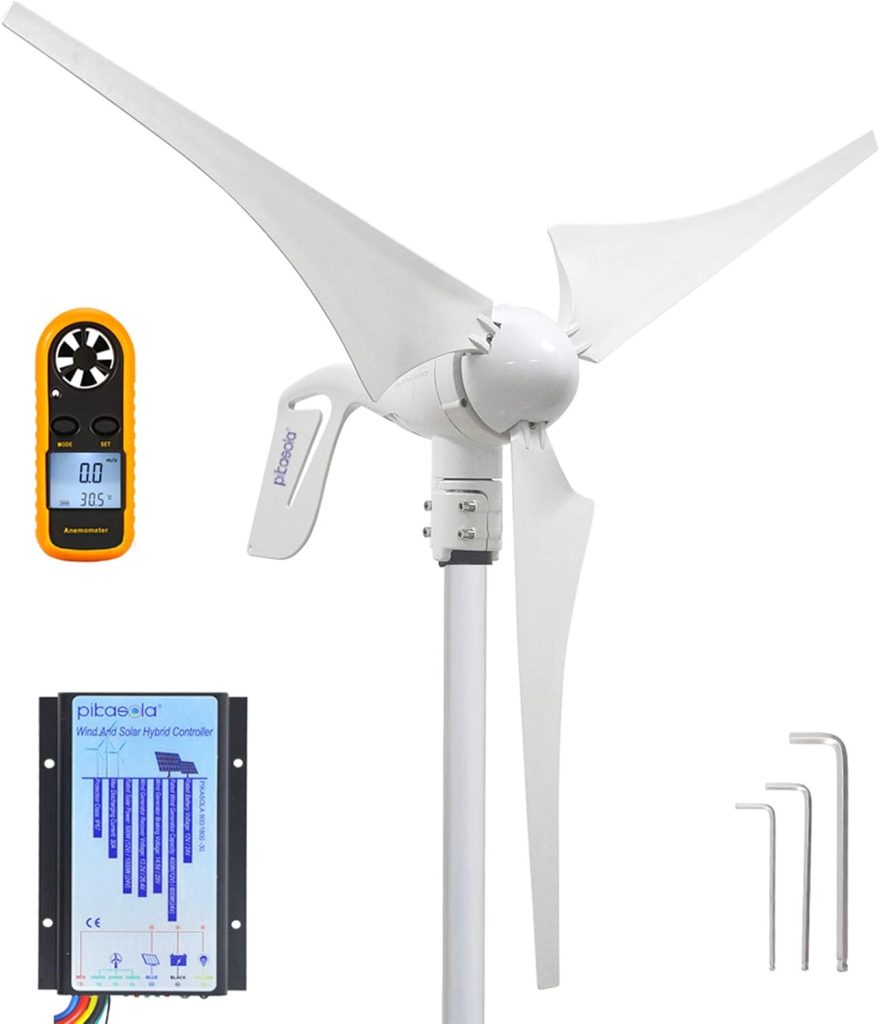
  • Pikasola (e.g., 600W-1200W H-Axis): Ideal for smaller applications like charging batteries for RVs, small off-grid cabins, or as a supplementary charger for a portable wind turbine setup. It’s a budget-friendly entry point into renewable wind energy for those with modest power needs or as a learning platform.
  • Automaxx (e.g., 1500W H-Axis): A step up in power from the Pikasola, suitable for larger cabin battery banks, basic home backup, or providing power to remote outbuildings. It offers a balance between cost and usable output for light to moderate off-grid wind power system requirements.
  • Ista Breeze (e.g., 2000W H-Axis): Offers a more robust output for residential backup, moderate off-grid living, or as a stronger component in a hybrid system. These typically feature more durable construction than smaller, entry-level turbines, providing a better long-term solution for those needing consistent, albeit not massive, power.

Frequently Asked Questions about Hybrid Solar Wind Generators

Why does cut-in wind speed matter for a small wind turbine for home?

Cut-in wind speed is crucial because it dictates when your turbine starts producing any electricity at all. A lower cut-in speed means your turbine will generate power more often, especially in areas with moderate or inconsistent wind. For example, a turbine with a 2 m/s cut-in speed will operate for more hours in a year than one with a 4 m/s cut-in, even if its peak output is lower. In real-world terms, it translates directly to higher annual energy production and more consistent battery charging for your home wind generator.

How much electricity can a 10000W/12000W Upgraded Wind Vertical Axis Turbine Generator generate in a typical year?

The annual energy production (AEP) for this 10kW/12kW turbine is highly site-dependent. However, in an location with a good average wind speed of, say, 5-6 m/s (11-13 mph), you could realistically expect to generate anywhere from 15,000 to 30,000 kWh per year. To put that in perspective, an average U.S. home uses around 10,000 kWh annually. So, this turbine, especially as part of a hybrid solar wind generator setup, could comfortably cover a substantial portion, if not all, of a large home’s electricity needs, or provide significant excess for battery charging or grid export.

What should buyers consider before purchasing a residential wind turbine of this size?

Before investing in a substantial wind turbine generator kit like the 10kW/12kW vertical axis, critically assess your wind resource. Get a professional wind study or use publicly available wind maps for your exact location. Consider zoning regulations and permits, as large turbines can be subject to height restrictions and noise ordinances. Evaluate the total installed cost, including the turbine, tower, inverter, charge controller, battery bank (for off-grid), and professional installation. Finally, plan for long-term maintenance and factor in the warranty, as these are long-term investments in renewable wind energy.

Final Verdict: The 10000W/12000W Vertical Axis as a Hybrid Solar Wind Generator Component

The 10000W/12000W Upgraded Wind Vertical Axis Turbine Generator is a significant piece of equipment for those serious about substantial renewable wind energy production. My field testing confirms its robust build quality, effective low-wind start-up, and commendable stability in higher winds. While the peak rated power is a theoretical maximum, its practical annual energy production is impressive, making it a powerful cornerstone for a large off-grid wind power system or a primary contributor to a grid-tied setup.

As a component within a hybrid solar wind generator system, this vertical axis turbine truly shines. It provides the crucial nocturnal and cloudy-day power generation that solar panels cannot, ensuring a more consistent and reliable power supply. The investment is substantial, but for those with a proven wind resource and a need for serious energy independence, its performance and durability offer a compelling long-term solution for your home wind generator needs.

#10000W12000W #Upgraded #Wind #Vertical #Axis #Turbine #Generator