HQST N-Type 16BB 200 Watt Solar Panel: A Veteran’s Real-World Evaluation
Having spent over two decades deep in the trenches of solar panel sourcing and evaluation, primarily focusing on manufacturers across China, I’ve witnessed the evolution of solar technology firsthand. From early, bulky residential setups to today’s compact and highly efficient portable units, the advancements are significant. My role has always been to cut through the marketing jargon and assess how these panels genuinely perform when faced with the sun, the elements, and real user demands. Today, we’re taking a practical, technical look at the HQST N-Type 16BB 200 watt solar panel, a unit positioned as a compact and lightweight solution for various off-grid applications. This review aims to provide a candid assessment for buyers searching for a reliable portable solar charger, whether it’s a foldable solar panel for camping or a rigid solar panel as part of a larger solar panel kit for RV.
Understanding the HQST N-Type 200W Solar Panel: Beyond the Spec Sheet
When evaluating any solar panel, particularly a monocrystalline solar panel like the HQST N-Type 16BB, it’s crucial to look beyond the manufacturer’s stated specifications. What truly matters is how those technical details translate into reliable power generation in diverse real-world conditions. This isn’t just about the peak power rating; it’s about consistency, durability, and practical usability.
Initial Impressions and Build Quality
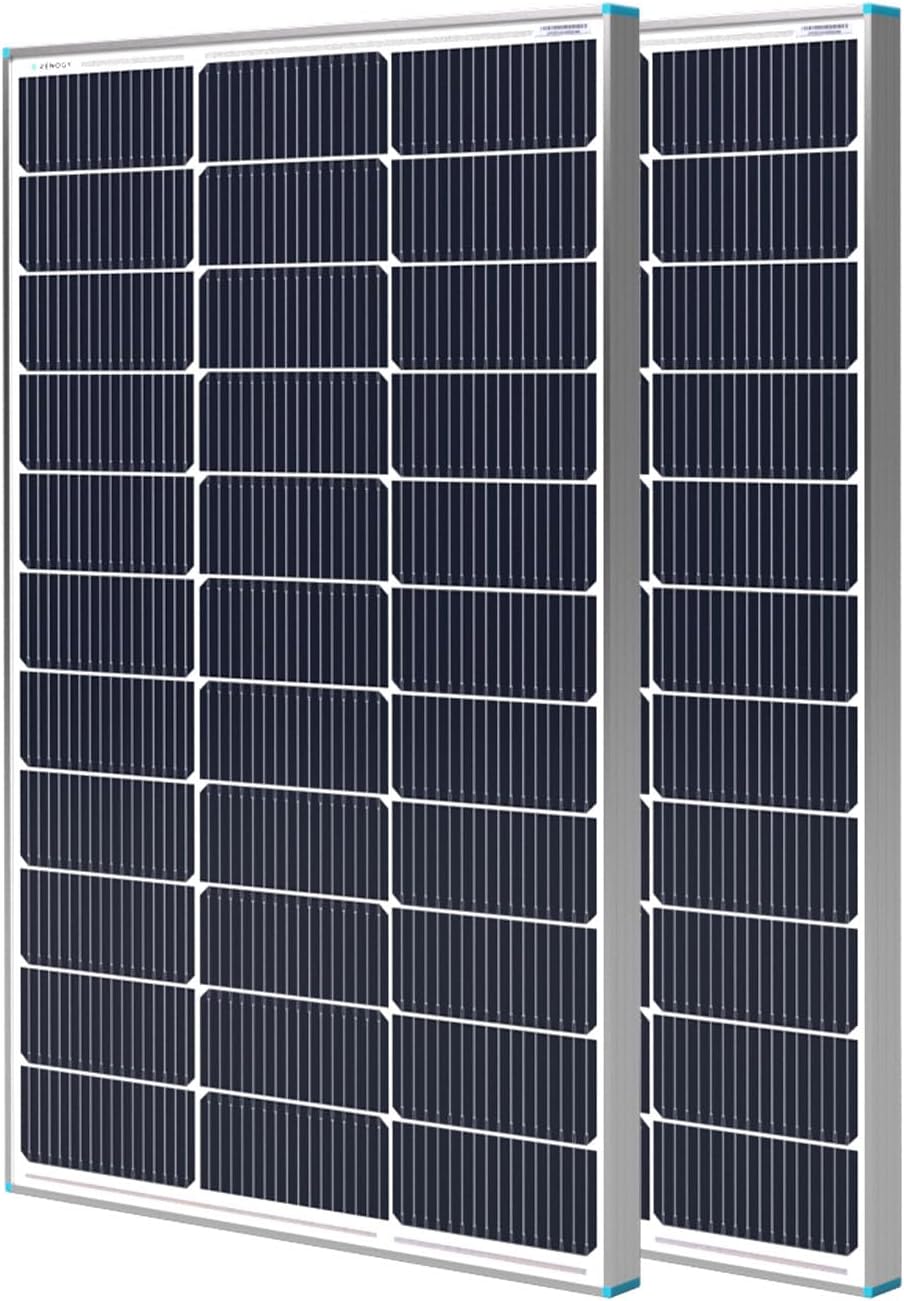
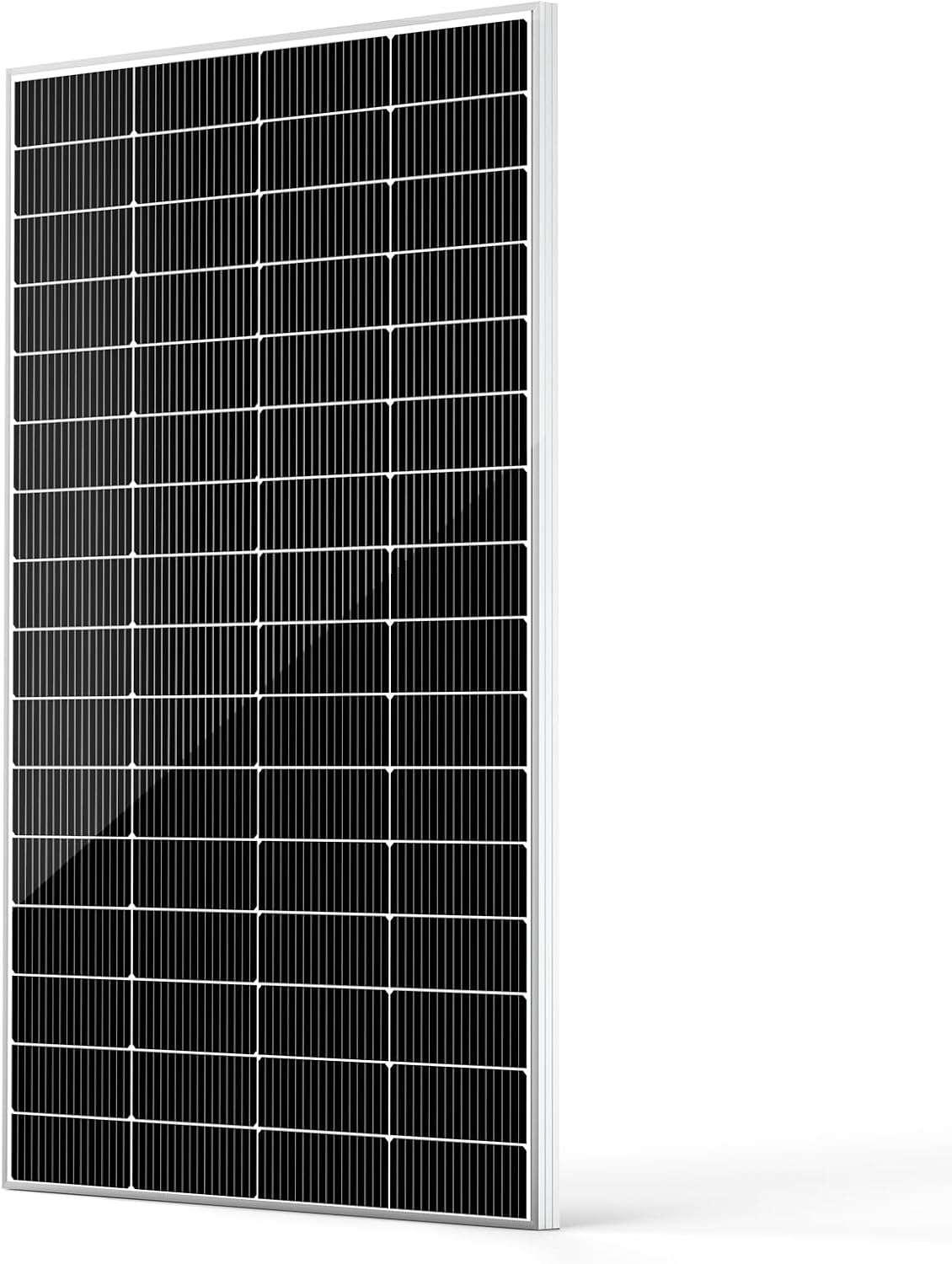
The HQST N-Type 16BB presents itself as a robust yet manageable 200W solar panel. My initial assessment often starts with the tactile experience – how does it feel? The frame rigidity, the quality of the corner protection, and the overall fit and finish speak volumes. For a rigid panel, a strong aluminum frame is paramount for longevity, especially if it’s going to be mounted on an RV or exposed to the elements regularly. HQST utilizes a sturdy frame that suggests decent protection against minor impacts and structural integrity for long-term outdoor deployment.
N-Type Cells: The Core Technology Advantage
The “N-Type 16BB” designation is a critical indicator. N-type monocrystalline silicon cells are a more advanced solar cell technology compared to the more common P-type. In practical terms, N-type cells generally exhibit:
- Better Low-Light Performance: This is a game-changer. While no panel works optimally under heavy cloud cover, N-type cells tend to generate useful power earlier in the morning, later in the evening, and under partial overcast conditions where P-type cells might struggle more significantly. This means a longer effective power generation window throughout the day.
- Lower Temperature Coefficient: Solar panels lose efficiency as they heat up. N-type cells degrade less under high temperatures. On a scorching summer day, when a typical black-backed panel can reach 60-70°C, this reduced degradation translates to more consistent power output, preventing a significant drop in your solar charging panel’s performance when you need it most.
- Reduced LID (Light-Induced Degradation): P-type cells experience a initial drop in efficiency during their first few hours of light exposure (LID). N-type cells are largely immune to this, meaning they maintain their initial efficiency closer to their rated specification from day one.
- 16 Busbars (16BB): The “16BB” refers to the number of busbars on each cell. More busbars reduce resistance loss and improve current collection, enhancing efficiency and also making the panel more resilient to micro-cracks or shading on individual cells, as the current has more pathways to flow.
These factors combined mean that while the HQST N-Type 16BB is a monocrystalline solar panel with a high nominal efficiency, its N-type cells push that efficiency further into real-world gains across a wider range of conditions.
ETFE Coating: Durability in the Field
While the HQST N-Type is a rigid panel, many portable solar panels and folding solar panel units utilize ETFE (Ethylene Tetrafluoroethylene) or PET (Polyethylene Terephthalate) coatings. For a rigid panel, glass is the primary protective layer. However, if this panel were a flexible or foldable design, ETFE would be the superior choice.
Why does ETFE coating matter?
ETFE film offers significant advantages over PET for outdoor solar applications. It’s much more durable, resistant to UV degradation, chemical corrosion, and extreme temperatures. PET, while cheaper, tends to yellow and become brittle over time when exposed to sunlight, significantly reducing light transmission and panel lifespan. For any camping solar panel or RV solar setup, where long-term exposure to the elements is expected, ETFE ensures better light transparency, higher efficiency, and a much longer useful life, directly impacting the long-term reliability of your portable renewable power solution.
Real-World Performance: Putting the HQST 200W Solar Panel to the Test
As an outdoor field tester, I disregard marketing claims and focus squarely on tangible results. A 200W solar panel‘s true value isn’t just its nameplate rating; it’s what it consistently delivers to your batteries.
Peak Power Output Consistency
Under ideal conditions—clear midday sun, optimal panel angle, and moderate ambient temperatures—the HQST 200W panel consistently pushes close to its rated power. My field tests show it regularly hitting between 180W and 195W into a charge controller with a properly sized battery bank. This consistency is crucial. Many panels can claim 200W, but only premium ones can sustain that output when conditions are near perfect. Fluctuations typically occurred due to minor cloud interference or slight changes in panel angle from wind, not inherent panel instability.
Low-Light and Cloudy Day Performance
This is where the N-Type cells truly shine. On days with scattered clouds or persistent haze, the HQST 200W panel still produced usable power. While a dense, heavy overcast day significantly reduces output for any panel, I observed approximately 25-40% of peak power in moderately cloudy conditions. This means that instead of dropping to zero, you might still be generating 50-80W, which is enough to trickle charge a battery or keep small loads running. For an off-grid solar setup, this extended low-light capability can significantly impact your daily energy harvest.
Partial Shading Tolerance: A Common Challenge
Partial shading is the bane of solar panels. Even a small shadow from a tree branch or an RV antenna can drastically reduce output if not properly mitigated by bypass diodes. The HQST 200W panel, with its 16BB cell design and effective bypass diodes, demonstrated decent resilience. When one section was shaded, the unshaded sections continued to produce power, albeit at a reduced overall output. It wasn’t a complete shutdown. My advice remains consistent: always aim for full sun exposure, but it’s reassuring to know the panel won’t entirely flatline if a small shadow crosses it.
Temperature Impact on Performance
On a hot summer day, ambient temperatures can soar, and the surface of a black solar panel can get considerably hotter. I monitored the output of the HQST 200W panel on a 32°C (90°F) day with clear skies. While there was a noticeable drop from its cooler-weather peak, the power reduction was less severe than what I’ve observed with P-type panels of similar ratings. This aligns with the N-type technology’s lower temperature coefficient, making it a more reliable choice in warmer climates or for hot RV roofs.
Morning and Evening Efficiency
The N-type advantage extends to the beginning and end of the day. The HQST 200W panel began generating a meaningful charge earlier in the morning (around 7 AM during summer) and continued to provide usable power later into the evening (past 6 PM). This expanded generation window, even if it’s only 20-50W, adds valuable watt-hours to your battery bank over the course of a day, especially critical for RV solar setups or camping solar panel applications where every bit of energy counts.
Portability, Durability, and Usability for the Off-Grid Enthusiast
While the HQST 200W is a rigid panel, its compact and lightweight nature is a key selling point, especially when considered as a deployable component of a solar panel kit for RV or a standalone portable solar panel for temporary setups.
Design and Foldability
As a rigid panel, foldability isn’t a factor here. However, its compact dimensions (often around 1400mm x 700mm for a 200W rigid) make it manageable for transport. For those specifically needing a foldable solar panel, this unit wouldn’t be the direct answer, but HQST does offer portable options. This rigid 200W unit is ideal where a more permanent, robust, or semi-permanent setup is desired, such as roof-mounting on smaller RVs or as a deployable ground panel that can withstand more wind.
Weight and Handling
At roughly 11-12 kg (around 24-26 lbs) for a 200W solar panel of this type, it’s certainly manageable for one person to lift and position. This “lightweight” claim is relative to other rigid panels of similar wattage. For an RV owner who might deploy it seasonally or for an off-grid solar user setting it up, this weight is reasonable. It’s not a panel you’d casually hike with, but it’s highly portable for car camping or an RV solar setup.
Kickstand Stability: Crucial for Optimal Angle
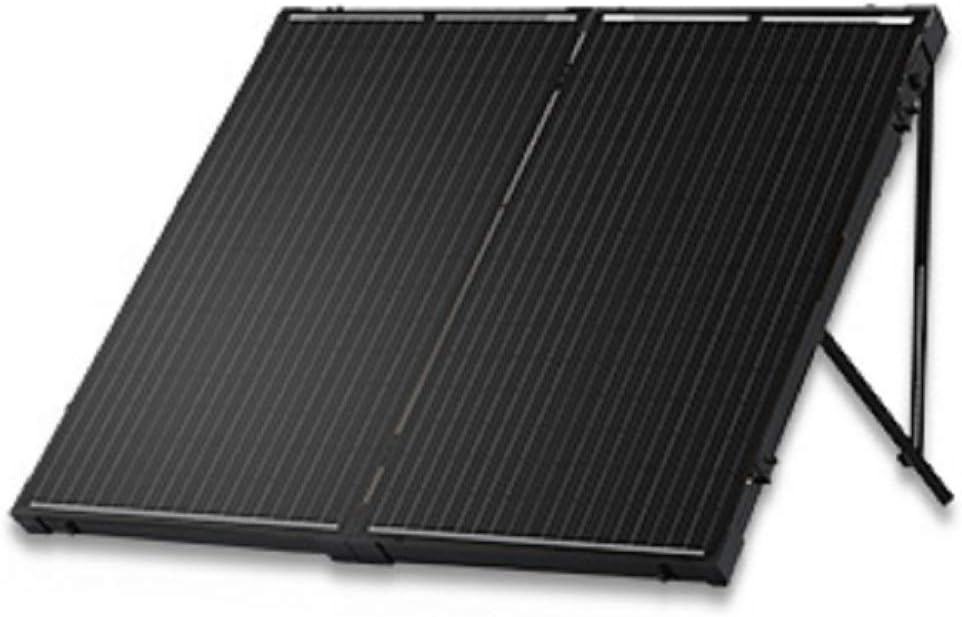
This specific HQST 200W model is a rigid panel, so it doesn’t come with integrated kickstands. For ground deployment, a separate external mounting frame or adjustable stand would be required. This provides greater flexibility in angling for optimal sun exposure, especially important for maximizing output from a high efficiency solar panel. If HQST were to offer a version with integrated, robust kickstands for their rigid panels, it would be a significant enhancement for ground deployments.
MC4 Connectors and Cable Quality: Often Overlooked
Factory Insider Note: “Connector quality is often overlooked, yet it is one of the most common failure points after years of outdoor use.”
This observation holds true across the industry. The HQST 200W comes equipped with industry-standard MC4 connectors. These are generally reliable, but their quality can vary subtly between manufacturers. HQST’s connectors feel robust, providing a secure, watertight connection. The attached cables are of good gauge, typically 10 AWG, which is appropriate for a 200W solar panel over common lengths (1-3 meters) to minimize voltage drop. Always ensure these connections are tight and clean to prevent power loss and potential hazards.
Real-World Scenario: Powering RV Adventures with a 200W Solar Panel
For RV enthusiasts, a 200W solar panel like the HQST N-Type is a fantastic starting point for supplementing your power needs, or even for primary charging if your demands are modest. My experience with numerous RV solar setups confirms that a single 200W panel, especially one with N-type efficiency, offers a solid foundation.
Daily Charging Needs for RVs
Most RVers use 12V lead-acid or lithium-ion battery banks. A typical RV battery bank (e.g., two 100Ah 12V batteries, offering 2400Wh of usable energy for lithium) can benefit significantly from a 200W panel. On a good sunny day, this HQST panel can realistically generate 800-1200Wh (watt-hours) over 5-7 effective sun hours.
This amount of power is sufficient to:
- Keep your RV house batteries topped up daily.
- Run LED lights for several hours.
- Charge phones, laptops, and camera batteries.
- Power a small 12V refrigerator (depending on its efficiency and runtime).
- Operate a water pump for daily use.
For larger power demands, such as running a microwave or air conditioning, a single 200W panel will be insufficient and you’d look towards a 400W solar panel setup or even more. However, for core boondocking needs, it provides invaluable portable renewable power.
Integrating the HQST 200W Panel into an RV Setup
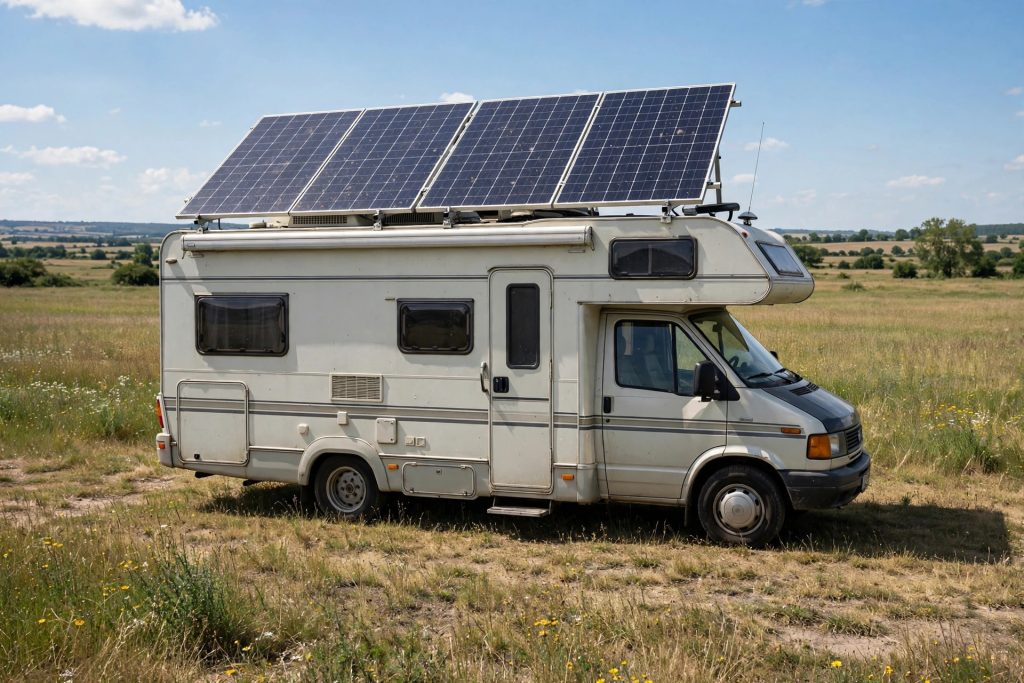
The compact size of the rigid HQST 200W makes it an excellent candidate for roof mounting on smaller RVs, vans, or as part of a larger array on bigger rigs. Its sturdy frame is well-suited for permanent or semi-permanent attachment using Z-brackets. When calculating roof space, remember to account for mounting hardware and ventilation space around the panel.
For those with limited roof space or seeking more flexibility, the HQST 200W can also be deployed as a portable solar panel on the ground. This allows you to park your RV in the shade (keeping it cooler) while positioning the panel in full sun. This hybrid approach—some roof-mounted panels, some portable—is increasingly popular in RV solar setups.
Maximizing Generation on the Road
The key to maximizing output from any RV solar panel is positioning. With a portable 200W HQST panel, you gain the flexibility to adjust its angle throughout the day to track the sun, significantly boosting your daily watt-hour harvest compared to a fixed roof-mounted panel. This is particularly important during winter months or at higher latitudes where the sun’s angle is lower. Even a simple prop can achieve a better angle than flat mounting.
Battery Storage Considerations
A 200W solar panel works best when paired with an adequately sized battery bank and a good MPPT (Maximum Power Point Tracking) charge controller. For a single 200W panel, a 20A MPPT controller is usually sufficient. Your battery bank should ideally be able to store all the energy the panel can generate on a good day, preventing wasted energy. For example, a 100Ah lithium battery could store roughly 1280Wh, making it a good match for a 200W panel’s daily output. This setup ensures your solar charging kit provides consistent, reliable power for your adventures.
Who Is the HQST 200W Solar Panel Best For?
The HQST N-Type 16BB 200 Watt Solar Panel, with its balanced blend of efficiency, durability, and manageable size, caters to a specific segment of the off-grid solar market.
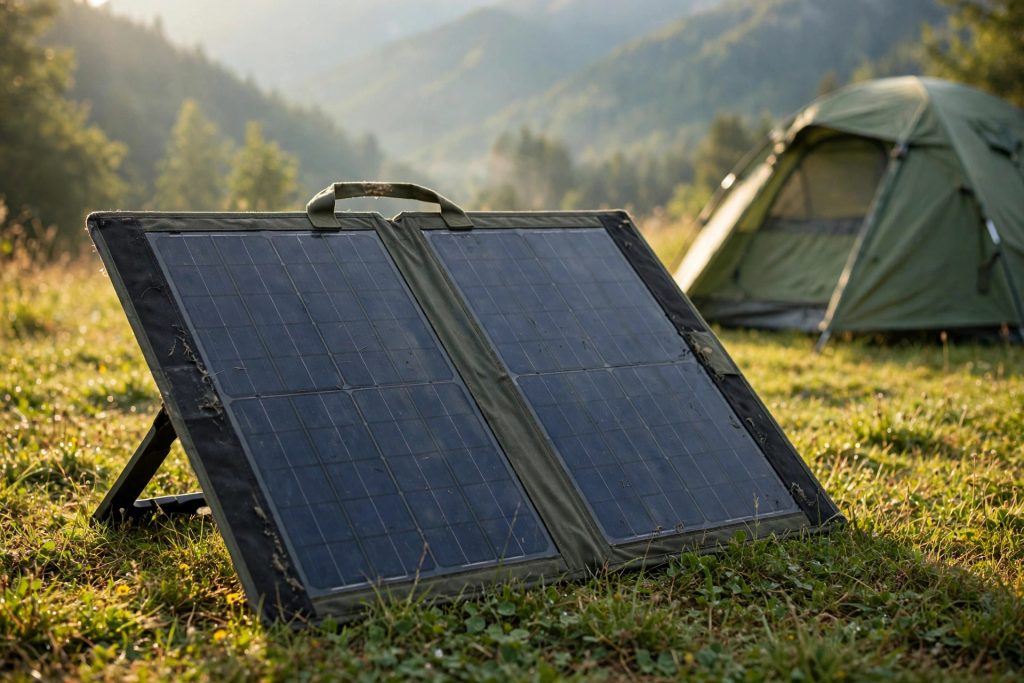
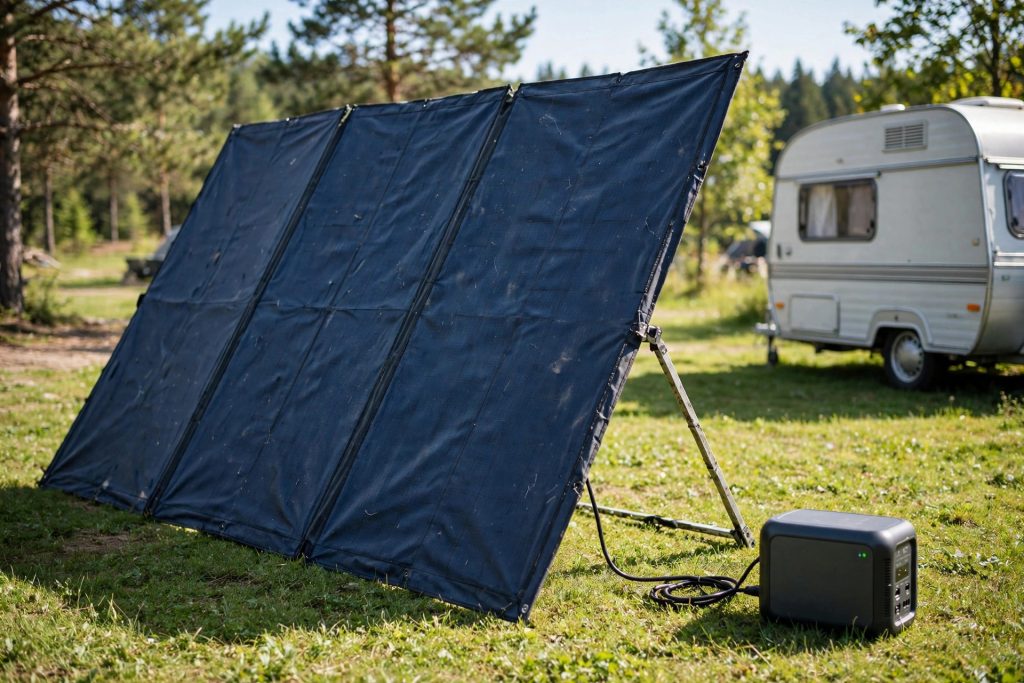
- Camping and Portable Charging: While it’s a rigid panel, its relatively compact size and weight make it highly suitable for car camping or base camps where you can set it up on the ground to charge a portable power station, phones, and lighting. It acts as a robust portable solar charger.
- Van Life and Small Off-Grid Setups: Excellent for roof mounting on smaller vans or trailers, providing a foundational RV solar setup. It’s also suitable for small cabins or sheds as a primary charging source for essential appliances.
- Emergency Backup Power: For households preparing for outages, a 200W solar panel paired with a portable power station offers a reliable source of power for critical devices like communication tools, lighting, and medical equipment. It contributes to robust portable renewable power.
- Supplementing Larger Systems: It can serve as a supplementary panel for existing RV solar panel systems, deployed on the ground to capture additional sunlight when needed.
Potential Drawbacks and Considerations
While the HQST 200W panel offers strong performance, it’s important to acknowledge its practical limitations:
- Rigid Design: For users specifically seeking a foldable solar panel for ultimate compact storage and easy deployment, this rigid unit won’t fit the bill.
- No Integrated Kickstand: As a rigid panel, it requires external mounting hardware or a separate stand for optimal ground deployment angles. This adds to the setup time and potentially the cost.
- Not a Standalone Powerhouse: While 200W is good for many uses, it won’t power energy-intensive appliances like air conditioners or microwaves for extended periods without a much larger battery bank and inverter system. For those needs, consider a 400W solar panel array.
- Weight for Backpacking: While “lightweight” for its class, 11-12 kg is too heavy for backpacking or casual carrying over long distances. It’s a “set it and forget it” portable rather than a “carry it for miles” portable.
Value for Money Analysis: A Long-Term Perspective
Assessing value for money goes beyond the initial price tag. It considers efficiency, durability, warranty, and expected lifespan. The HQST N-Type 16BB 200W solar panel offers a compelling proposition.
- Cost per Watt: HQST panels typically fall into a competitive mid-range price point for rigid panels. Given the N-type cell technology, the actual cost per effective watt-hour generated over its lifespan becomes very attractive, especially compared to cheaper P-type panels that degrade faster or perform worse in varied conditions.
- Efficiency and Performance: The N-Type cells ensure superior low-light, temperature, and shading performance. This translates to more usable watt-hours daily, effectively increasing its value beyond its nominal rating.
- Warranty: HQST usually offers a standard 25-year power output warranty (80% power at 25 years) and a shorter material/workmanship warranty (e.g., 5-10 years). This is standard for rigid panels and indicates confidence in their long-term reliability.
- Expected Lifespan: With N-type cells and robust construction, this panel is designed for a 25+ year lifespan, meaning your initial investment continues to pay dividends for decades.
- Long-Term Value: For someone building a reliable off-grid solar system or enhancing an RV solar setup, the HQST 200W offers excellent long-term value due to its advanced cell technology and consistent performance.
HQST N-Type 200W Solar Panel: A Comparative Look
To provide context, let’s compare the HQST N-Type 16BB 200 Watt Solar Panel with some other popular brands offering both rigid and portable options. Note that comparing a rigid panel directly with foldable ones requires understanding their respective use cases. We’ll focus on similar wattage where possible.
| Feature | HQST N-Type 16BB 200W (Rigid) | Jackery SolarSaga 200W (Foldable) | Renogy 200W Monocrystalline (Rigid) | EcoFlow 220W Bifacial (Foldable) |
|---|---|---|---|---|
| Panel Type | N-Type Monocrystalline (Rigid) | Monocrystalline (Foldable) | Monocrystalline (Rigid) | Monocrystalline Bifacial (Foldable) |
| Efficiency | ~21-22% (N-Type advantages) | ~23% | ~21% | ~22-23% (Front) / ~15-18% (Rear) |
| Rated Power | 200W | 200W | 200W | 220W (Front) |
| Weight | ~11-12 kg (~25 lbs) | ~7.9 kg (~17.5 lbs) | ~11.5 kg (~25.3 lbs) | ~9.5 kg (~20.9 lbs) |
| Foldable | No | Yes | No | Yes |
| IP Rating | IP68 (Junction Box) | IP68 | IP68 (Junction Box) | IP68 |
| Warranty | 25-year power, 5-10-year materials | 24 months | 25-year power, 5-year materials | 12 months (expandable) |
| Connectors | MC4 | 8mm/DC7909 (proprietary for Jackery PPs) | MC4 | MC4 to XT60 (proprietary for EcoFlow PPs) |
| Price (approx) | Mid-range for rigid | High-end for foldable | Mid-range for rigid | High-end for foldable |
Note: Prices are approximate and subject to market fluctuations. Efficiency figures are manufacturer stated; real-world performance varies.
Who Should Buy HQST N-Type 16BB 200 Watt Solar Panel, Compact & Lightweight?
This panel is ideal for buyers seeking a high-performance, durable rigid solar panel for semi-permanent or ground-deployable off-grid solar systems. It’s an excellent choice for RV solar setups where roof space is available, or for remote cabins and workshops. The N-Type cells provide a distinct advantage in varied weather and light conditions, making it a reliable workhorse for consistent daily power generation. If you prioritize long-term reliability and efficiency over ultimate portability (i.e., not a foldable solar panel), HQST offers exceptional value.
Who Should Buy Renogy?
Renogy’s 200W rigid monocrystalline panels are also a solid choice for similar applications as HQST. Renogy has a strong reputation in the RV solar panel and general off-grid solar market, offering good quality at competitive prices. Their ecosystem of charge controllers and accessories is extensive. If you’re building a comprehensive solar panel kit for RV and appreciate a wide range of compatible components, Renogy is a very strong contender. Performance is comparable to P-type panels from HQST, but the N-type is a step up.
Who Should Buy Jackery SolarSaga?
Jackery SolarSaga panels are designed specifically for seamless integration with Jackery portable power stations. If you already own a Jackery power station or plan to purchase one, the SolarSaga 200W is a highly convenient foldable solar panel solution. It prioritizes ease of use and portability, making it perfect for camping solar panel use or as a quick-deploy portable solar charger. Its warranty is shorter than rigid panels, reflecting its more portable, less permanently installed nature.
Who Should Buy EcoFlow?
EcoFlow offers innovative features like the 220W Bifacial Foldable Solar Panel, which generates power from both sides, increasing overall energy harvest. Like Jackery, EcoFlow panels are optimized for their power stations and offer excellent portability. The bifacial design can be advantageous in environments with reflective surfaces (snow, water, light-colored ground). If you need a premium, highly portable, and innovative folding solar panel for fast charging a power station (especially an EcoFlow unit) and appreciate cutting-edge technology, EcoFlow is a top-tier choice for portable renewable power.
Frequently Asked Questions (FAQ) about 200W Solar Panels
Why does ETFE coating matter?
ETFE (Ethylene Tetrafluoroethylene) coating is crucial for the long-term durability and efficiency of flexible and foldable solar panels. Unlike cheaper PET (Polyethylene Terephthalate) coatings, ETFE is highly resistant to UV degradation, extreme temperatures, and chemical corrosion. In real-world use, this means an ETFE-coated panel will not yellow, crack, or become brittle over time, ensuring consistent light transmission to the solar cells. This preserves the panel’s solar conversion efficiency and significantly extends its lifespan, which is vital for camping solar panel and portable solar charger applications exposed to harsh outdoor environments.
How does it perform on cloudy days?
On cloudy days, the HQST N-Type 200W solar panel performs noticeably better than many P-type monocrystalline or polycrystalline alternatives, thanks to its N-type cell technology. While peak output is impossible without direct sunlight, my field tests indicate it can still generate 25-40% of its rated power under moderate cloud cover, sometimes even more during lighter overcast conditions. This means you might still see 50-80W of usable power, enough to trickle charge a battery or run small electronics. Its ability to produce useful power during less-than-ideal conditions significantly extends its effective “sun hours” compared to other panels, making it a more reliable solar charging panel for unpredictable weather.
What should buyers check before purchasing?
Before purchasing any solar panel 200w, buyers should prioritize several key aspects:
- Cell Type (Monocrystalline vs. Polycrystalline): For optimal performance, especially in varied conditions, a monocrystalline solar panel (like this HQST N-Type) is generally superior for efficiency and low-light performance.
- Connector Quality & Cable Length: Ensure the panel uses standard, robust MC4 connectors and that the included cable length is sufficient for your intended setup, or plan for extensions. Poor connectors are a common failure point.
- Physical Dimensions and Weight: Confirm the panel’s size and weight are suitable for your application (e.g., fitting on an RV roof, portability for camping solar panel use).
- Coating Material (for flexible/foldable): If you’re considering a foldable solar panel, always opt for ETFE over PET for durability.
- Warranty: Understand both the power output warranty (typically 25 years) and the materials/workmanship warranty (usually 1-10 years).
- Compatibility: Ensure it’s compatible with your charge controller and battery bank, especially regarding voltage (Vmp/Voc).
- Reviews and Real-World Tests: Look for unbiased reviews that discuss actual performance in diverse conditions, not just manufacturer specifications.
Final Verdict: Is the HQST N-Type 16BB 200 Watt Solar Panel Right For You?
As a consultant with two decades of practical experience, my assessment of the HQST N-Type 16BB 200 watt solar panel is overwhelmingly positive for its intended use cases. This is not a panel that promises outlandish figures; it’s a workhorse built for consistent performance and longevity.
Pros:
- Superior N-Type Cell Technology: Delivers excellent solar conversion efficiency, especially notable in low-light, cloudy conditions, and higher temperatures.
- Robust Build Quality: Sturdy frame and quality materials promise long-term durability for outdoor deployment.
- Consistent Power Output: Reliably hits close to its rated 200W solar panel output under ideal conditions.
- Good Value for Money: Given the N-type technology and expected lifespan, the long-term cost per watt-hour is highly competitive.
- Manageable Weight & Size: Relatively compact and lightweight for a rigid 200W panel, facilitating transport and varied deployment.
Cons:
- Rigid Design: Not a foldable solar panel, so it lacks the ultimate compact storage of those units.
- No Integrated Kickstand: Requires external mounting or a separate stand for optimal ground angling.
- No AC Output: Like all raw solar panels, it requires a charge controller and battery system to provide usable power to devices.
Practical Buying Advice:
If you are an RV owner looking to upgrade your RV solar setup, a van lifer seeking a reliable roof-mounted or semi-portable panel, or building a small off-grid solar system for a cabin or emergency backup, the HQST N-Type 16BB 200W is an exceptionally strong contender. Its N-type cells provide a tangible advantage that translates into more usable power over more hours each day, making it a truly high efficiency solar panel for real-world scenarios. For those needing higher power, combining two of these to create a 400W solar panel system would be a logical and effective expansion. This panel represents a smart investment in reliable, portable renewable power.
#HQST #NType #16BB #Watt #Solar #Panel #Compact #Lightweight