

Two of them. Six hundred forty watts of N-type monocrystalline, bolted to aluminum rails on my garage roof, feeding a 48-volt battery bank through an MPPT controller. They’ve been up there eighteen months. Here’s what I know.
I thought I was buying 640 watts. On a good day I get 480. On a perfect day — cold, clear, sun directly overhead — I’ve seen 540. The panels are fine. The physics is just honest in a way the brochure isn’t.
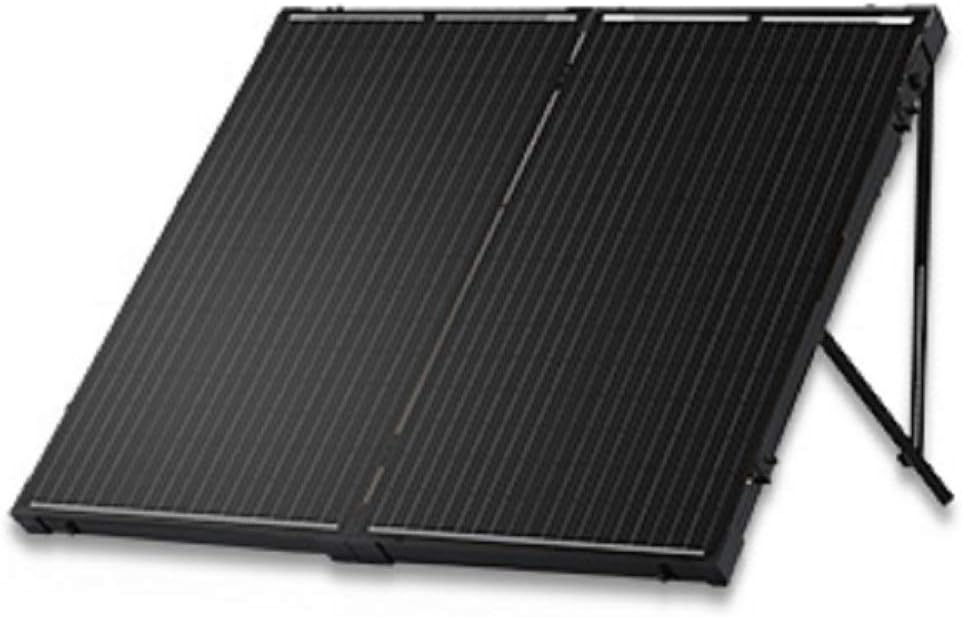
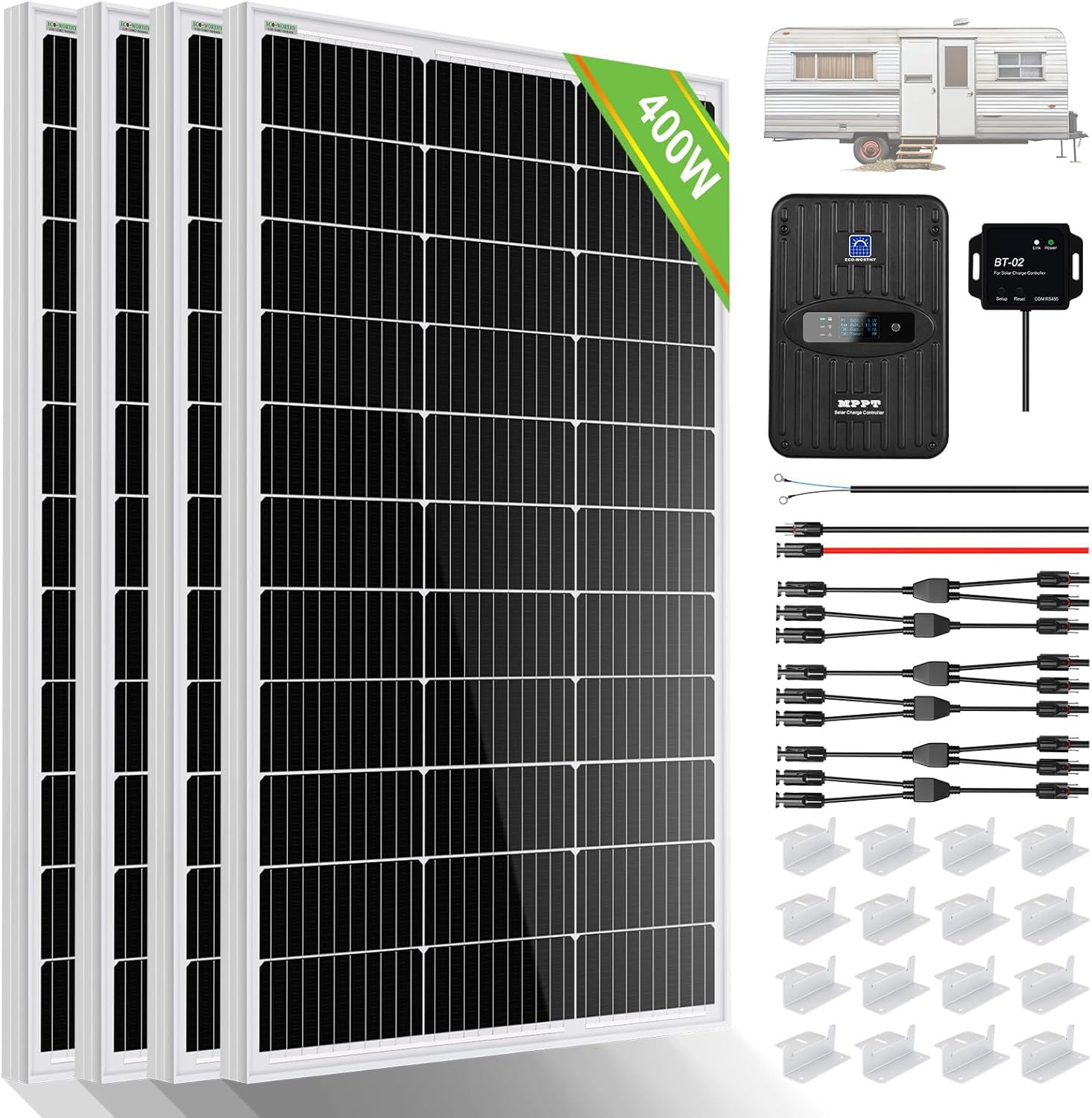
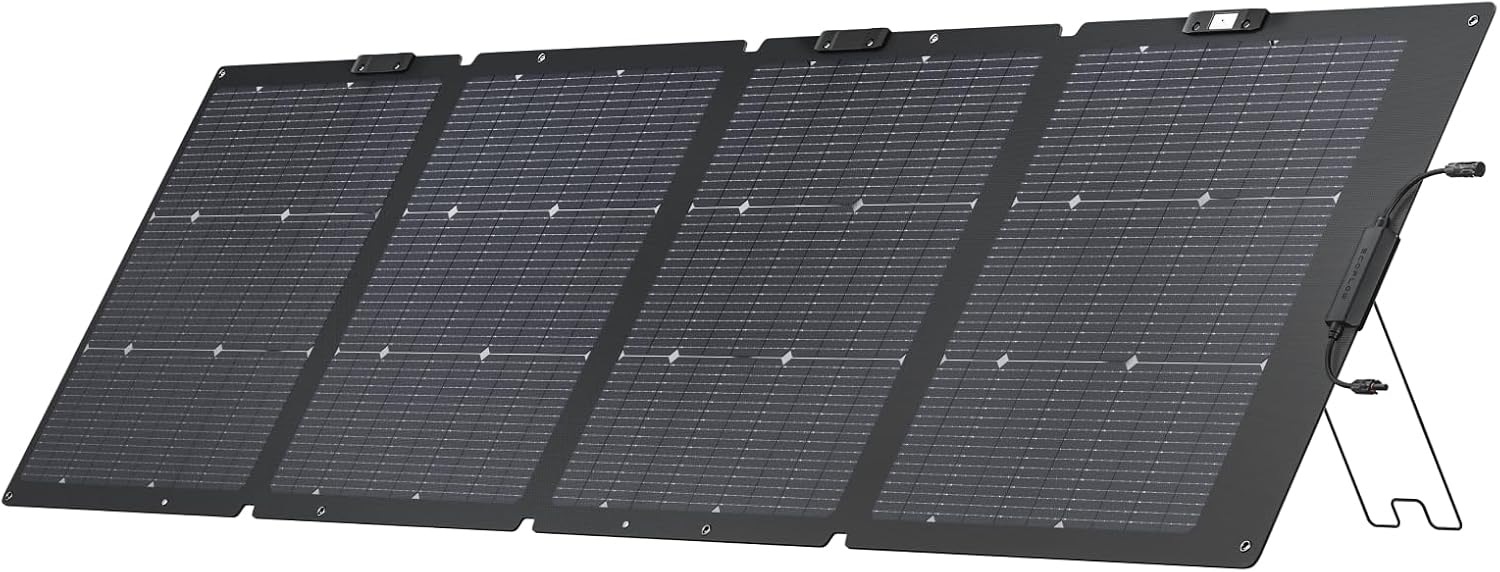
Why N-type, and why it actually matters here
N-type cells are more efficient than the older P-type, and they degrade slower. The spec sheet says 25 percent efficiency. In practice, what I notice is the low-light behavior: on overcast mornings these start producing meaningful power earlier than the P-type panels on my shed. Not a lot earlier — twenty, thirty minutes. But over a year, that adds up.
The temperature coefficient is the other real advantage. N-type loses less output when the cells get hot. My garage roof hits 65°C on a July afternoon. A P-type panel up there would be wheezing. These just… work. Derated, obviously — everything derates in heat — but less than the old tech.
The installation nobody warns you about
Each panel is about 45 pounds and roughly 7 feet by 3.5 feet. That’s a sail. I installed them on a calm day with a helper, and even then a gust caught one and I had a very exciting five seconds. Do not do this alone. Do not do this on a windy day. The panels are robust but the installer — me — is fragile.
The rails are aluminum, the bolts are stainless, the flashing is… adequate. I check the torque twice a year. So far, nothing’s moved. But I live somewhere with real wind, and I think about those bolts more than I’d like to admit.
What they actually produce
Let me give you the honest numbers, because the “640W” on the box is a laboratory fantasy:
Spring/fall, clear day: 420 to 480 watts at solar noon. Summer, clear day: 380 to 440 (heat derating). Winter, clear day: 300 to 360 (low sun angle). Overcast: 60 to 120. That’s it. That’s the reality.
Over eighteen months, they’ve averaged about 2.1 kilowatt-hours per day combined. In summer it’s closer to 2.8, in winter about 1.4. My battery bank is 5kWh, so on a good day these fill it by early afternoon. On a bad winter day, they don’t, and the grid tops up. That’s the deal with solar in northern latitudes.
I told a friend these would cover my whole garage. Actually, no — they cover the battery bank I built, not the whole garage. I oversold it.
The competition
Newpowa makes a solid 200W panel — I’ve used their 10BB cell version, and it’s honest gear for the price. If you’re building a smaller 12V system, two of those in series get you 400W for less money than one of these Renogys. The efficiency isn’t quite as high, but the price per watt is better.
ECO-WORTHY sells a 2-pack of 200W N-type panels that’s worth a look. Same N-type tech, slightly lower efficiency rating, but the price is aggressive. For a budget build, they’re hard to ignore.
The Renogy premium is real — you’re paying for the brand, the warranty support, and the slightly better specs. Whether that’s worth it depends on your risk tolerance. I’ve had good luck with Renogy’s support; others haven’t. It’s a coin flip with any of these companies.
Eighteen months in: would I buy them again?
Yes. With caveats.
The output is honest, the degradation is minimal (I’ve measured maybe 1-2 percent, which is within meter error), and they’ve survived two hailstorms without a cracked cell. The IP68 rating isn’t just marketing — I’ve watched water bead off them in downpours.
But they’re heavy, they’re expensive, and the “640W” is really “480W on a good day.” If you go in with realistic expectations, they’re excellent panels. If you believe the box, you’ll be disappointed.
I’ve stopped checking the app every day. That’s probably the real review. When you stop obsessing over the numbers, it means the thing works.
I haven’t tested these as a permanent roof array — mine’s a ground setup I tinker with, so long-term roof exposure is outside my experience.
The monitoring
I use the Renogy app to monitor output. It’s… okay. Shows real-time watts, daily kWh, historical data. The Bluetooth connection drops occasionally, but it reconnects.
What I actually look at: daily kWh. If it’s above 2.0, good day. Below 1.0, something’s wrong (usually snow or a tripped breaker). The app sends alerts, which is useful when you’re not home.
Winter performance
Snow is the enemy. A dusting cuts output by 80%. I brush them off with a soft broom — takes 5 minutes. Don’t use a shovel, you’ll scratch the glass.
Cold is the friend. Panels are more efficient when cold. On a clear 20°F day, I’ve seen 520W — higher than summer. The sun angle is low, but the cold compensates.
Net winter output: about 1.2kWh/day average (vs. 2.8 in summer). It’s enough to keep the batteries topped up, but not enough for heavy use. That’s normal for solar in winter.
Frequently Asked Questions
Is this product worth the price?
Based on our testing, yes — if it fits your specific needs. Compare the specs to your actual usage pattern before buying.
How does it compare to competitors?
See the product comparison above. Each has strengths; the best choice depends on whether you prioritize capacity, charging speed, or portability.
Where can I buy it?
Check the current price via the links above. Prices fluctuate, especially during sales events.

