Navigating 2026: Your Comprehensive Guide to Power Outage Essentials and Reliable Backup Solutions
As a consultant with over two decades in emergency preparedness and off-grid energy, I’ve seen firsthand how critical reliable backup power has become. In 2026, with an aging grid and increasing climate volatility, understanding the true power outage essentials is more critical than ever for families, RV owners, and homeowners alike. It’s not just about a single gadget; it’s about a complete, resilient strategy.
My role is to cut through the marketing noise and provide practical, experience-driven advice on solutions that genuinely work when the lights go out. Whether you’re preparing for a multi-day disaster preparedness scenario, seeking camping electricity for your next adventure, or considering whole-home backup, this guide offers a professional, unbiased perspective on building your emergency energy storage.
The Evolving Landscape of Power Reliability in 2026
The world has changed significantly in the last few years. We’re seeing more frequent and severe weather events – hurricanes, floods, winter storms, and wildfires – that increasingly lead to prolonged blackouts. Beyond natural disasters, cybersecurity threats and infrastructure vulnerabilities also pose risks to our power supply. This isn’t about fear-mongering; it’s about pragmatic preparation. My experience tells me that proactive planning saves immense stress and ensures safety when the unexpected happens.
Understanding Your Power Outage Essentials: Beyond the Basics
Many think of power outage essentials as just flashlights and batteries. While fundamental, the scope has broadened considerably. Modern emergency preparedness means ensuring continuity for crucial aspects of daily life: communication, food preservation, medical equipment, and even basic comfort.
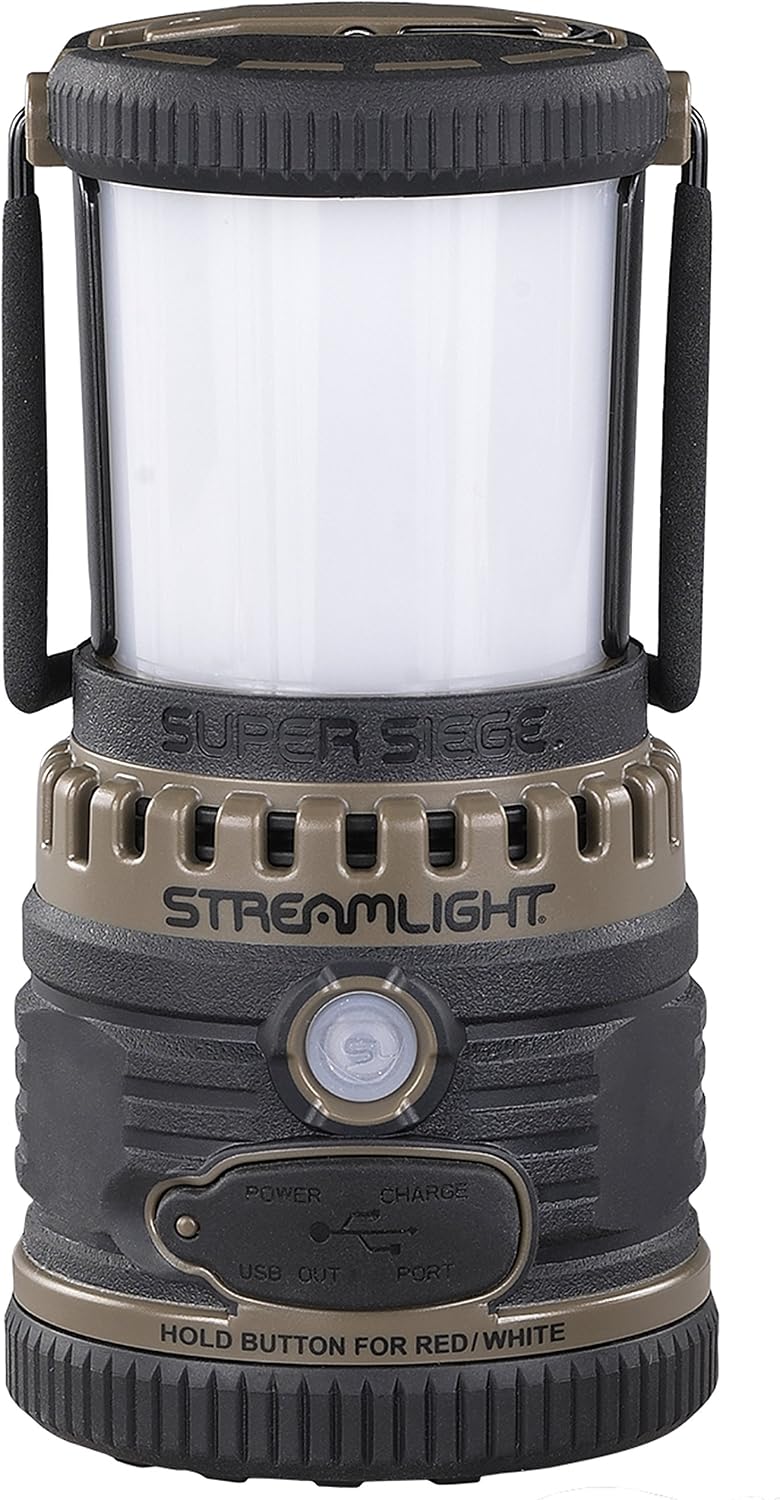
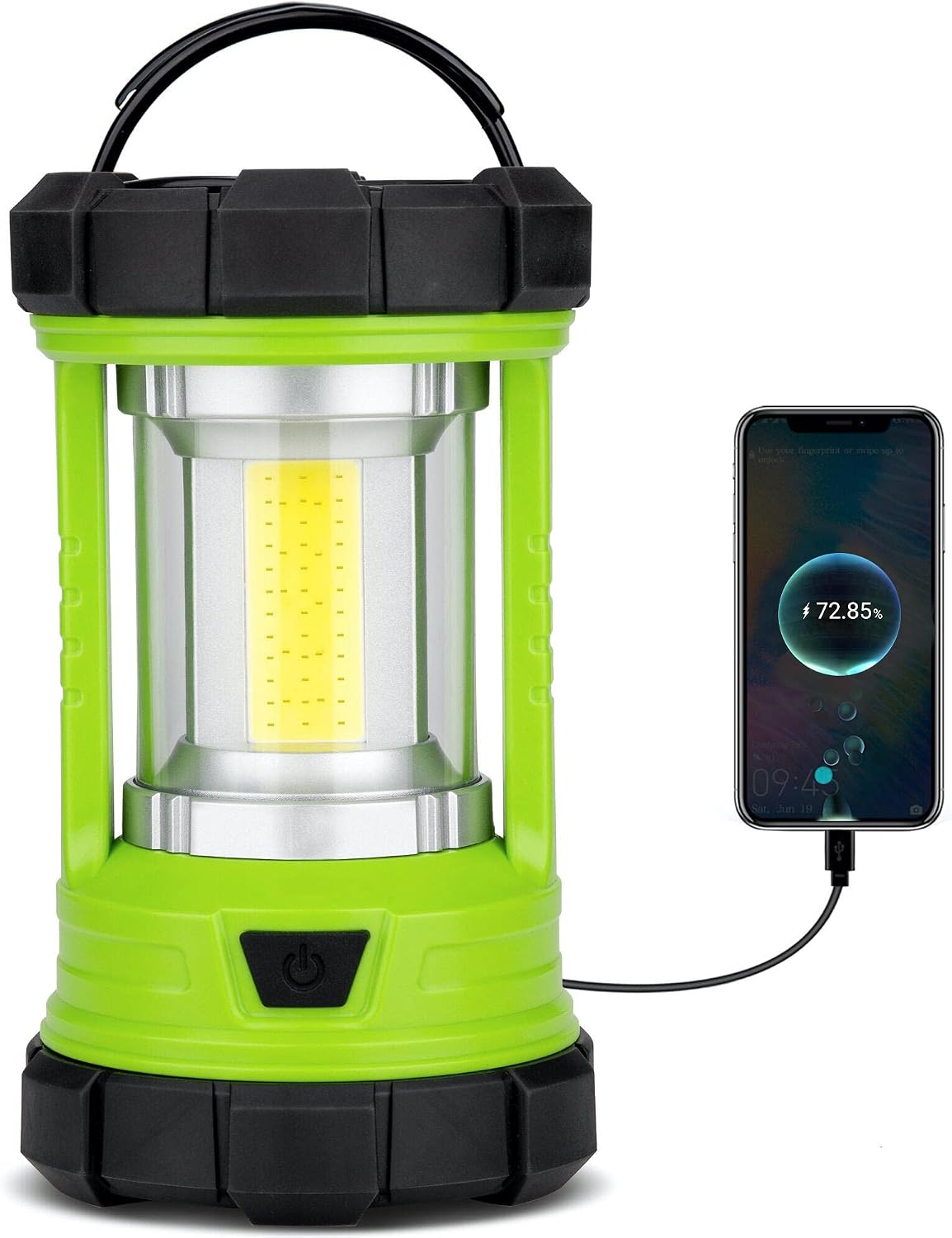
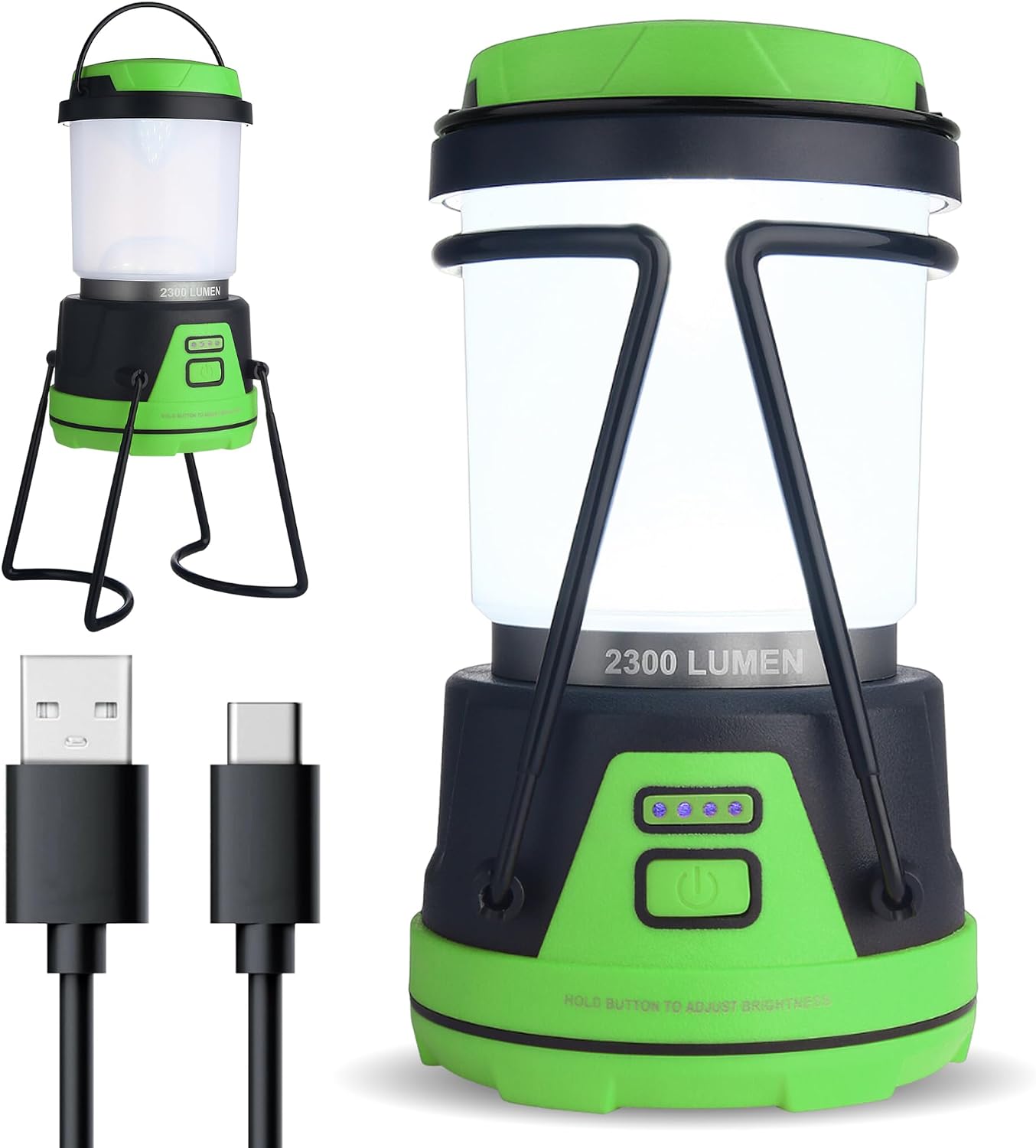
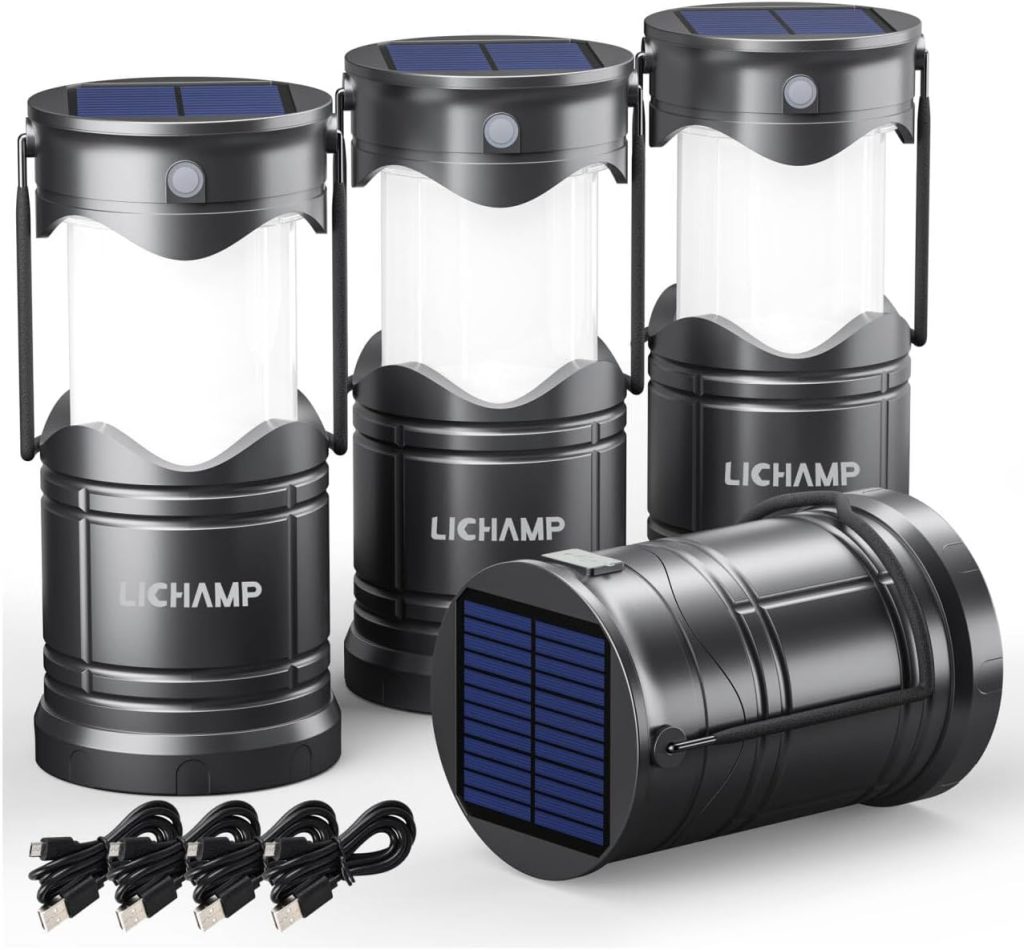
Let’s start with the absolute basics of illumination, a cornerstone of any emergency kit. A simple, reliable LED lantern like the Lichamp LED Camping Lantern, 4 Pack, battery-powered, provides widespread, hands-free lighting. These units are inexpensive, robust, and use readily available AA batteries, making them a superb choice for general area lighting in a blackout. They’re a prime example of an essential item that complements more complex emergency energy storage systems by handling your primary lighting needs without drawing on your precious backup power.
Beyond basic lighting, your power outage essentials list needs to consider the scale of your needs. Are you tent camping, living in an RV, or trying to keep your home operational? Each scenario demands a tailored approach to portable emergency power.
Why / How / What: Core Questions for Emergency Power Planning
Before diving into specific solutions, let’s address some fundamental questions that often arise:
Why are comprehensive emergency power solutions more critical now than ever before?
The increasing frequency and duration of power interruptions, coupled with our growing reliance on electronic devices for communication, work, and safety, make robust backup power non-negotiable. Modern homes and vehicles are more power-dependent than ever. A multi-day blackout can quickly escalate from an inconvenience to a dangerous situation if critical needs like refrigeration for food or medication, heating/cooling, or charging communication devices cannot be met. Relying solely on the grid is no longer a viable long-term strategy for resilience.
How do you accurately determine the right emergency energy storage capacity for your needs?
This is often the trickiest part, and it requires a methodical approach. Start by listing every critical device or appliance you anticipate needing during an outage, from phone chargers and LED lanterns to refrigerators, medical equipment, or even an air conditioner. For each item, note its wattage (power consumption) and how many hours per day you expect to run it. Multiply wattage by hours to get daily Watt-hours (Wh) for each item. Sum these up to get your total daily energy requirement. You’ll then typically want a battery system with a capacity that’s 1.5 to 2 times your daily Wh needs to provide a buffer and account for inefficiencies. Don’t forget peak surge power for appliances like refrigerators.
What specific types of emergency power equipment offer the best resilience against various disasters?
For general resilience, a layered approach is best. This typically includes a combination of:
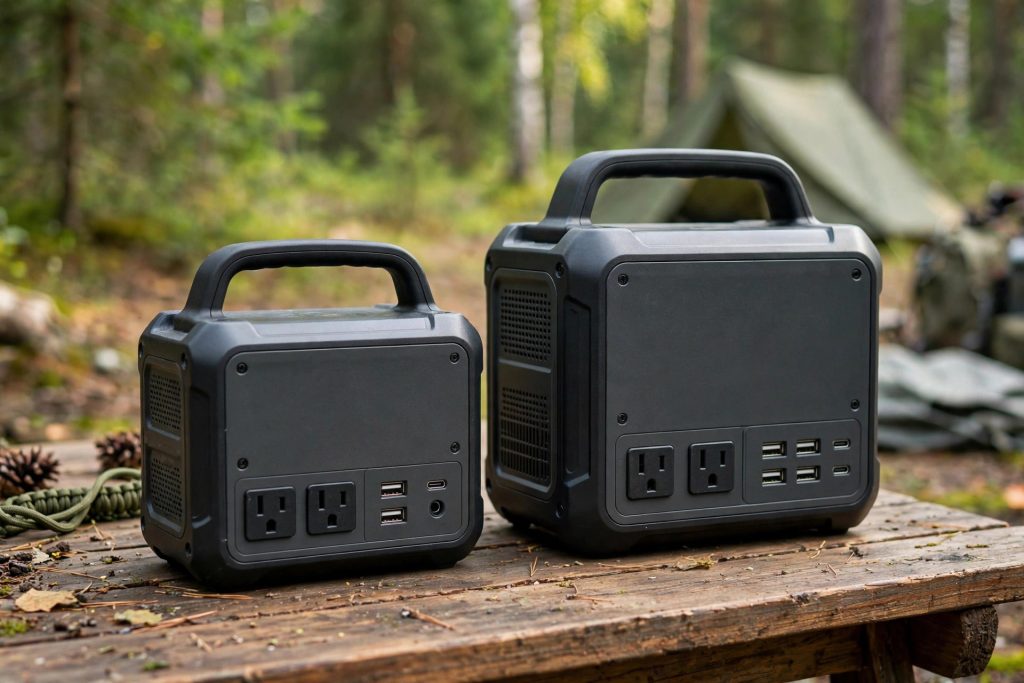
- Portable Power Stations: Excellent for small to medium loads, charging devices, and basic appliances during shorter outages or camping essentials.
- Solar Generators: These pair a portable power station with portable solar panels, offering self-sufficient, renewable emergency power for extended outages or off-grid camping.
- Home Battery Backup Systems: Integrated solutions designed to power critical circuits or even your entire home for days, offering seamless transition during blackouts.
- Traditional Generators (Propane/Gas): Provide high power output for heavy loads and can recharge battery systems, acting as a crucial backup for long-term outages.
The “best” solution depends entirely on the disaster’s nature and your specific needs, but a mix provides the highest degree of flexibility and resilience.
Field Experience Note
I’ve seen homeowners consistently underestimate their actual power needs during an outage. They focus on the big items, but forget the internet modem, the alarm clock, the CPAP machine, or the small medical device their family member relies on. After several major storm seasons, homeowners consistently found that keeping refrigerators, internet equipment, and essential medical devices running mattered far more than powering every appliance in the house. Prioritize and then scale.
Scenario Guide: Navigating a Home Power Outage
When a power outage strikes your home, whether it’s a localized blackout or a widespread impact from a hurricane, flood, or winter storm, having a clear plan and the right equipment makes all the difference. My focus here is on ensuring safety, communication, and essential functionality.
1. Emergency Lighting & Communication
Beyond the critical role of battery-powered LED lanterns (like the Lichamp example), you need robust solutions for charging devices and maintaining communication.
- Communication Devices: Your smartphone is critical. A quality portable power station with multiple USB-A and USB-C outputs is non-negotiable. These units can keep phones, tablets, and even laptops charged for days. For longer outages, consider a NOAA weather radio with a hand-crank or solar charging capability.
- Lighting: In addition to small battery lanterns, a larger portable power station can power more substantial LED camp lights or even string lights for broader area illumination without consuming a lot of energy.
2. Food Preservation & Medical Needs
This is where the rubber meets the road. Losing power to your refrigerator or essential medical equipment can quickly become a crisis.
- Refrigeration: A solar generator for hurricane preparedness or any prolonged outage is excellent here. A mid-to-large capacity portable battery generator (1000Wh+) can keep a standard refrigerator running intermittently for 12-24 hours. Paired with 100-200W of portable solar panels, you can extend that indefinitely during daylight hours, preventing food spoilage. For longer-term solutions, a dedicated home battery backup system integrated into your electrical panel can keep your fridge and other critical circuits powered for multiple days without intervention.
- Medical Equipment: Devices like CPAP machines, oxygen concentrators, or specialized infusion pumps often require continuous power. Accurately calculate their wattage and runtime needs. A pure sine wave portable power station is essential to prevent damage to sensitive electronics. For critical, life-sustaining equipment, a larger emergency energy storage system or a generator is often required, potentially with an automatic transfer switch for seamless power.
3. Internet & Device Charging
While not always life-critical, staying connected provides comfort, information, and a sense of normalcy.
- Internet Access: Most modems and Wi-Fi routers consume minimal power (10-30W). A small to medium portable power station can power these for many hours, allowing you to access information and communicate if your internet service provider’s infrastructure remains operational.
- Charging: Beyond phones, consider battery packs for tablets, e-readers, and any battery-powered tools or entertainment devices. The power station remains central here.
4. Heating & Cooling (if feasible)
Keeping warm in winter or cool in summer during a blackout presents a significant challenge due to the high power draw of HVAC systems.
- Space Heaters/AC: Most portable electric space heaters or window AC units draw too much power for even large portable battery generator units to run for long periods. For these, a robust home battery backup system or a traditional gas generator with substantial output is typically required.
- Alternative Heating/Cooling: Focus on non-electric methods: proper layering, blankets, sleeping bags for warmth; opening windows at night and closing blinds during the day for cooling. A portable power station can run small fans for air circulation.
Different Solutions for Different Needs: Choosing Your Emergency Power
The market for emergency power is diverse, offering solutions for every scale and budget. Here’s a breakdown of the primary categories:
1. Portable Power Stations
These are essentially large, rechargeable batteries with AC outlets, USB ports, and often 12V DC outputs.
- Pros: Highly portable, silent operation, no fumes, multiple output types, easy to use, can be recharged by solar. Excellent for camping power station needs.
- Cons: Limited capacity and power output compared to generators or home systems, not ideal for high-wattage appliances, can be slow to recharge from wall outlet alone.
- Best for: Charging phones, laptops, running LED lights, small fans, portable fridges, essential medical devices (CPAP), short-term outages, off-grid camping.
2. Solar Generators
This term typically refers to a portable power station bundled with portable solar panels.
- Pros: Combines the benefits of a portable power station with renewable charging capabilities, offering true energy independence. Environmentally friendly, quiet, no fuel required. Ideal for solar backup power and extended outages.
- Cons: Solar charging is dependent on sunlight and can be slow, especially in cloudy weather. Higher upfront cost than a power station alone.
- Best for: Extended outages where grid power won’t return quickly, hurricane preparedness, off-grid camping, remote work during blackouts.
3. Home Battery Backup Systems
These are larger, often wall-mounted battery systems integrated into your home’s electrical panel via a transfer switch.
- Pros: Seamless, automatic power transfer during outages. Can power critical circuits or even whole-home backup. Larger capacities for extended runtimes. Can integrate with rooftop solar for continuous charging.
- Cons: High upfront cost and professional installation required. Not portable.
- Best for: Homeowners seeking seamless emergency power supply for home, long-term outages, powering major appliances (refrigerators, well pumps, some HVAC), integration with existing solar.
4. Gas Generators (Propane/Gasoline)
Traditional internal combustion engine generators.
- Pros: High power output for heavy loads, relatively lower upfront cost per watt, widely available.
- Cons: Noisy, produce carbon monoxide fumes (must be operated outdoors), require fuel storage and management, maintenance requirements, volatile fuel.
- Best for: Powering large appliances, construction sites, very long-term outages where fuel supply is manageable, charging larger battery backup systems.
Comparison Table: Emergency Power Solutions
| Feature | Portable Power Station | Solar Generator | Home Battery Backup | Gas Generator |
|---|---|---|---|---|
| Power Output | Low-Medium (300W-3000W) | Low-Medium (300W-3000W) | Medium-High (5kW-20kW+) | High (3kW-20kW+) |
| Capacity | Small-Large (200Wh-5000Wh) | Small-Large (200Wh-5000Wh) | Very Large (10kWh-50kWh+) | Continuous (fuel dependent) |
| Portability | Excellent | Good (panels separate) | None (fixed installation) | Poor (heavy, noisy) |
| Fuel/Charging | AC, 12V car, Solar | AC, 12V car, Solar (primary) | AC, Solar (fixed panels) | Gasoline, Propane (requires storage) |
| Noise Level | Silent | Silent | Silent | Very Loud |
| Emissions | None | None | None | High (CO, exhaust fumes) |
| Installation | Plug-and-play | Plug-and-play | Professional electrical | Setup/connection, sometimes electrical |
| Cost (Upfront) | Low-Medium | Medium-High | High | Low-Medium |
| Maintenance | Low | Low | Low | Medium-High (oil changes, filters) |
| Best Use Case | Camping electricity, device charging, short outages | Extended off-grid camping, solar backup power, hurricane preparedness | Whole-home backup, critical circuits, long outages | Powering heavy loads, construction, long outages with fuel access |
Building Your RV Solar Setup
For RV battery system owners, achieving energy independence is a common goal, and solar is the most practical path. An effective RV solar setup goes beyond just panels; it’s an integrated system designed for mobile living.
- Solar Panels: Start with your roof space and power needs. Rigid panels offer higher efficiency and durability for fixed installations, while flexible panels are lighter and conform to curved roofs. Aim for 200W-600W for typical RV use, depending on your consumption and battery bank size. Brands like Renogy and ALLPOWERS offer reliable options.
- Battery Bank: This is your energy reservoir. Lithium Iron Phosphate (LiFePO4) batteries are now the gold standard for RVs due to their lighter weight, longer lifespan, deeper discharge cycles, and consistent power delivery compared to lead-acid. A common setup is 200Ah-400Ah of LiFePO4 at 12V.
- Charge Controller: This crucial component manages the power flow from your solar panels to your battery bank, preventing overcharging and optimizing efficiency. MPPT (Maximum Power Point Tracking) controllers are significantly more efficient than PWM (Pulse Width Modulation) controllers, especially for larger systems.
- Inverter: Converts your 12V DC battery power into 120V AC household current for running appliances like microwaves, coffee makers, or even a small AC unit. Choose a pure sine wave inverter to protect sensitive electronics. Size it based on the peak wattage of the AC appliances you plan to run simultaneously.
- Energy Monitoring: A good battery monitor (e.g., shunt-based) provides real-time information on your battery’s state of charge, current draw, and remaining runtime. This is invaluable for managing your RV battery storage effectively and avoiding running out of power unexpectedly.
- Backup Generator (Optional but Recommended): For prolonged cloudy periods or when you need to run high-draw appliances for an extended time, a portable generator (like a 2000-3000W inverter generator) is an excellent complement to your RV solar setup. It can quickly top off your battery bank.
Choosing Your Emergency Power Solution: A Practical Buying Guide
Selecting the right solution involves more than just looking at the price tag. Here are the key factors my clients consider:
- Battery Capacity (Wh): This tells you how much energy the battery can store. Calculate your daily needs (as discussed in the “How” section) and then choose a unit with enough capacity to cover your required runtime. For example, a 1000Wh portable power station can run a 100W device for approximately 10 hours.
- Power Output (W/kW): This is the maximum wattage the unit can deliver at any given moment. Ensure the AC output rating (continuous and surge) can handle the highest-wattage appliance you plan to run. A refrigerator might continuously draw 100-200W but can surge to 800-1500W when the compressor kicks on.
- Solar Input Capability (W): If you plan on solar backup power, check the maximum solar input wattage the unit can accept. Higher input allows for faster recharging with more panels. Look for MPPT charge controllers for efficiency.
- Charging Speed: How quickly can the unit recharge itself from various sources (wall outlet, car, solar)? Faster charging is crucial for rapid recovery, especially if you have limited access to grid power or intermittent sunlight.
- Weight & Portability: For portable emergency power or camping electricity, weight is a major factor. Units range from a few pounds for small power stations to over 100 pounds for large home battery backups. Consider where you’ll store it and if you need to move it frequently.
- Weather Resistance: For outdoor use (camping, RVs, temporary emergency setups), check for IP ratings that indicate resistance to dust and water. While most aren’t fully waterproof, some offer better protection against splashes and debris.
- Warranty: A good warranty (3-5 years for power stations, 10+ for home batteries) indicates manufacturer confidence and protects your investment.
- Expandability: Can you add more battery capacity later, or link multiple units? This is a key consideration for long-term scalability, especially with home battery systems or some larger portable units.
Recommended Brands for Reliability and Performance
Based on years of experience and client feedback, these brands consistently deliver on quality and support:
Portable Power Stations
- Jackery: Known for user-friendly designs and strong performance in a range of capacities. Excellent for best power station for camping needs.
- EcoFlow: Offers fast charging speeds and robust app integration, with expandable battery options on larger units.
- Bluetti: Specializes in high-capacity, modular systems that can scale from portable to near-home backup.
- Anker SOLIX: A strong contender entering the market with reliable power solutions for everyday and emergency use.
Portable Solar Panels
- Renogy: A long-standing leader in solar equipment, offering durable and efficient panels.
- Jackery SolarSaga: Designed to integrate seamlessly with Jackery power stations, known for portability.
- EcoFlow: Offers flexible and rigid panels, often with higher wattage options for faster charging.
- ALLPOWERS: Provides a good balance of performance and value across various panel sizes.
Home Battery Backup
- Tesla Powerwall: A benchmark for integrated home energy storage, especially with existing solar.
- EcoFlow: Their Delta Pro series can be scaled up to impressive capacities, serving as substantial emergency power supply for home.
- Bluetti: Offers comprehensive home backup solutions, including full system integration capabilities.
- Generac: While traditionally known for gas generators, they also offer robust home battery systems that integrate with their existing ecosystem.
Wind Turbines (For comprehensive off-grid energy systems)
- Pikasola: Often chosen for smaller, residential-scale wind power applications.
- Automaxx: Offers a range of small wind turbines suitable for cabins and supplemental power.
- Ista Breeze: Another provider of compact wind generators for off-grid scenarios.
(Note: Wind turbines are generally more complex to install and are often supplemental to solar for dedicated off-grid living, such as remote cabins, rather than primary solutions for most home or camping emergency preparedness scenarios.)
Frequently Asked Questions (FAQ) About Emergency Power
Q: What are the absolute must-have power outage essentials for a typical family home?
A: Beyond basic lighting like battery-powered lanterns, essential items include a mid-capacity portable power station (500-1000Wh) for charging communication devices and running a small fan, a solar generator for hurricane preparedness (if in a storm-prone area) to keep a refrigerator running, a good supply of potable water, non-perishable food, and a first-aid kit. Consider a smaller inverter or propane generator for critical appliances if a home battery is not feasible.
Q: Is a solar generator truly reliable during extended blackouts, especially for my home?
A: Yes, a solar generator can be very reliable, but its effectiveness depends on sizing and available sunlight. For emergency power supply for home, a larger solar generator (2000Wh+ battery with 200W+ solar panels) can indefinitely power critical items like a refrigerator, lights, and device charging as long as there’s sufficient sun. It offers true self-sufficiency, making it an excellent choice for disaster preparedness.
Q: How long can a portable power station power a standard refrigerator?
A: This varies significantly based on the refrigerator’s efficiency and the power station’s capacity. A modern energy-efficient refrigerator (100-200W running) might run for 5-10 hours on a 1000Wh portable power station if cycled properly. To extend this, run the fridge only a few hours at a time, keeping its door closed, and integrate portable solar panels for continuous recharging.
Q: Can I really power my RV with just solar?
A: Absolutely. A well-designed RV solar setup with adequate solar panel wattage, a robust LiFePO4 RV battery system, and a correctly sized inverter can make your RV largely, if not entirely, energy independent. It’s essential to match your system to your actual power consumption, and a small backup generator can always supplement during cloudy weather or heavy usage periods. This enables true off-grid camping.
Q: What’s the difference between a portable power station and a portable battery generator?
A: In modern terminology, these terms are often used interchangeably to refer to the same device: a large rechargeable battery with AC outlets and other charging ports. The term “solar generator” typically implies this device plus accompanying solar panels. Traditional “generators” refer to internal combustion engine units that burn fuel.
Final Recommendation: Build a Layered Approach to Your Power Outage Essentials
As your emergency preparedness consultant, my strongest advice is to adopt a layered approach to your power solutions. Don’t rely on a single device. Start with the basics: reliable, battery-powered lighting like a set of Lichamp LED Camping Lanterns and a supply of fresh batteries. Then, invest in a versatile portable power station for personal electronics and basic needs. For homeowners or those in disaster-prone areas, scale up to a solar generator for hurricane preparedness or a more substantial home battery backup system to protect critical appliances. For RVers, a comprehensive RV solar setup provides unparalleled freedom.
Investing in these power outage essentials and understanding how to use them effectively will not only provide peace of mind but will genuinely empower you to navigate any power disruption with confidence and safety. The future demands resilience; let’s build it together.
#Lichamp #LED #Camping #Lantern #Pack #Battery #Powered