ECOFLOW RIVER 2 Pro 700 Review: 716Wh Portable Home Backup Power

Securing Your Home’s Future: A Veteran’s Guide to Emergency Power Supply for Home

As an emergency preparedness and off-grid energy consultant with over two decades in the field, I’ve witnessed firsthand the growing need for reliable backup power. It’s 2026, and power outages, whether from severe weather like hurricanes, floods, winter storms, and wildfires, or unexpected grid failures, are becoming more frequent and impactful. Having a robust emergency power supply for home is no longer a luxury; it’s a critical component of family safety and disaster preparedness.

This guide isn’t about selling a single gadget. It’s about empowering you with the knowledge to choose a complete, resilient energy solution that works when the lights go out. We’ll explore everything from compact portable power stations to comprehensive whole-home backup systems, ensuring you’re ready for any scenario.

Why Should Every Home Have Emergency Backup Power?

From my perspective, born from countless post-disaster assessments, the “why” is simple: resilience and safety. When the grid fails, modern life grinds to a halt. Food spoils, medical devices lose power, communication lines go down, and heating or cooling systems cease functioning. A reliable emergency power supply for home protects your family, preserves your resources, and maintains a sense of normalcy during stressful times. It’s about more than just lights; it’s about peace of mind.

How Do You Prepare for a Multi-Day Power Outage?

Preparing for an extended outage goes beyond just having a power source. It requires a multi-faceted approach. First, understand your essential loads: what absolutely must run? This usually includes refrigeration, essential medical equipment, communication devices (phones, internet router), and perhaps some lighting and a way to charge small electronics.

Next, size your emergency energy storage accordingly. A multi-day outage requires significant battery capacity or a renewable charging solution. Develop a charging strategy – can you recharge your portable battery generator with solar panels? Do you have enough fuel for a gas generator if that’s part of your plan?

Finally, integrate non-power solutions: stock non-perishable food, water, first-aid supplies, and alternative heating/cooling methods. Communication plans with family and neighbors are also vital. It’s a holistic approach to disaster preparedness.

What Emergency Power Equipment Should Every Family Own?

The specific equipment varies by need and budget, but I recommend a tiered approach for a comprehensive emergency power supply for home:

  1. Baseline: Portable Power Stations: These are the workhorses for immediate, short-term needs. Great for charging phones, running LED lights, and keeping small medical devices operational.
  2. Mid-Tier: Solar Generators: Essentially a portable power station paired with solar panels. This offers sustainable power during extended outages, ideal for keeping a refrigerator running intermittently or powering essential electronics day after day.
  3. Advanced: Home Battery Backup Systems: For seamless, whole-home backup of critical circuits or even your entire home, these are integrated solutions that automatically kick in.
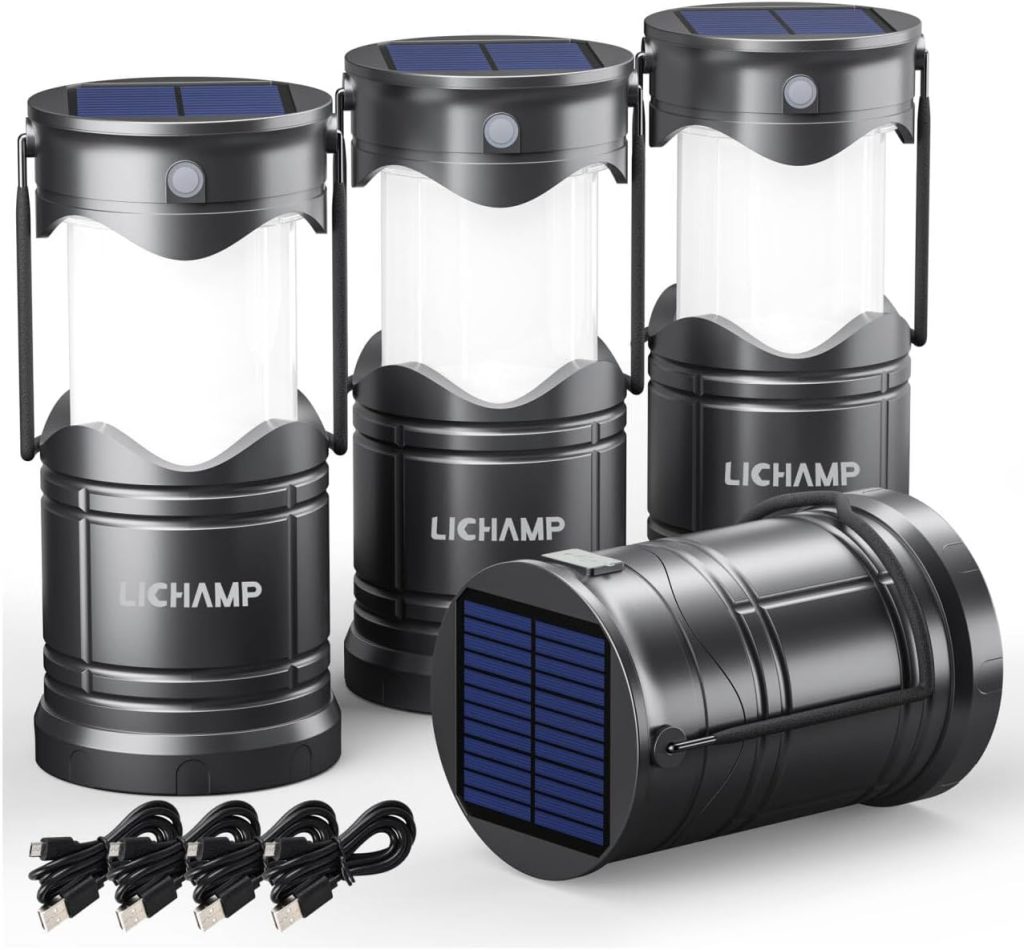
  4. Support Equipment: Don’t forget high-quality flashlights, battery-powered lanterns, an NOAA weather radio, and a way to charge smaller devices (e.g., a hand-crank charger for a phone).

Field Experience Note: After several major storm seasons, homeowners consistently found that keeping refrigerators, internet equipment, and essential medical devices running mattered far more than powering every appliance in the house. Prioritizing is key.

Understanding Your Options: The Landscape of Emergency Energy Storage

When it comes to securing your emergency power supply for home, the market offers a diverse range of solutions. Understanding the strengths and weaknesses of each is crucial for making the right choice for your specific needs, whether it’s for camping electricity or whole-home backup.

Portable Power Stations (PPS)

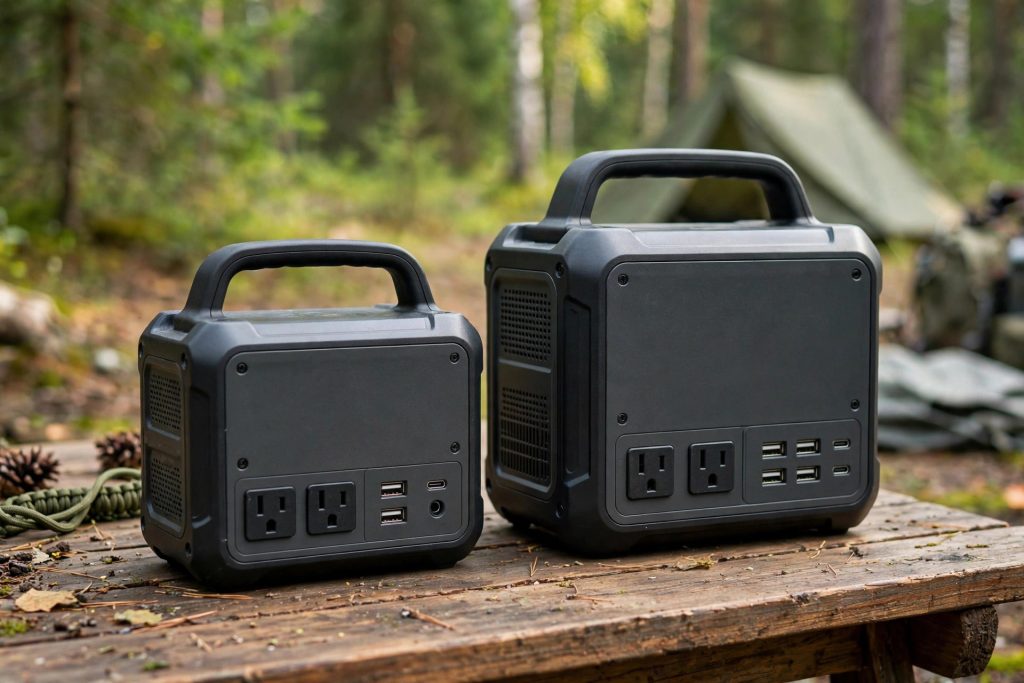
Portable Power Stations are essentially large battery packs with AC outlets, DC ports, and USB chargers. They are compact, quiet, and produce no emissions, making them safe for indoor use. They’re excellent for portable emergency power for smaller loads.

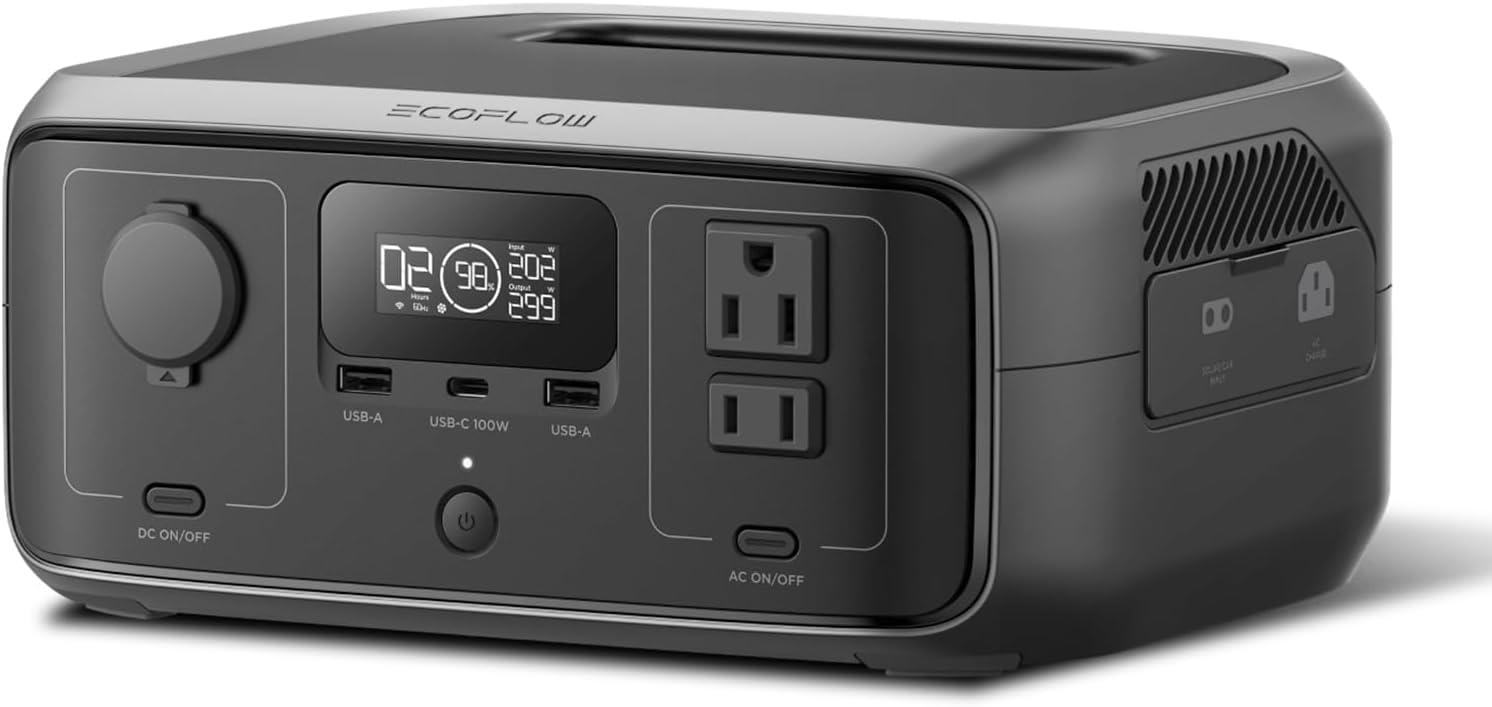
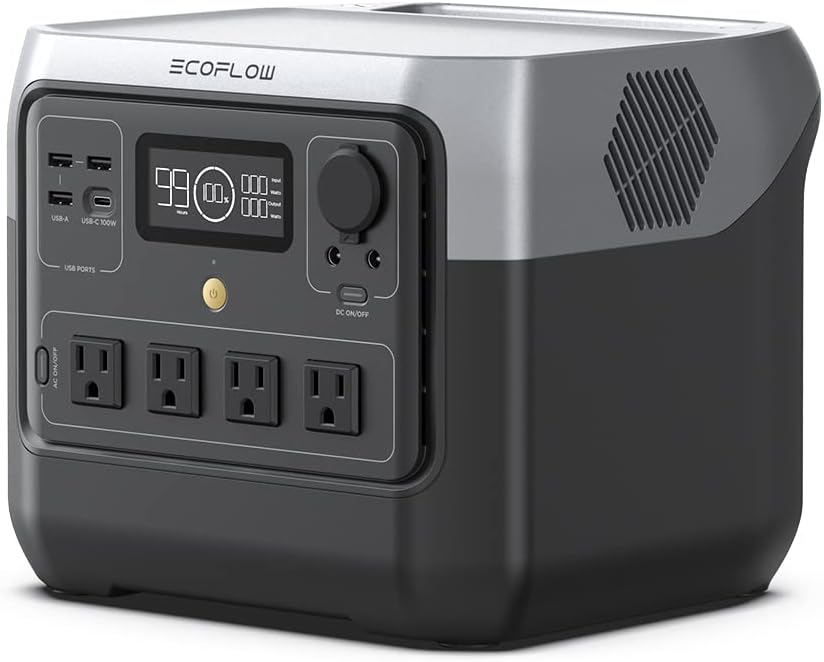
The EF ECOFLOW Portable Power Station RIVER 2 Pro 700, 716Wh is a prime example of a robust portable power station that I frequently recommend for families. With 716Wh of capacity and 700W (peak 1400W) output, it can power a wide range of essentials. This unit, and others like it, are fantastic for keeping a mini-fridge running for several hours, charging multiple laptops and phones, or powering a CPAP machine through the night. Its fast charging capabilities mean you can top it up quickly when grid power is briefly available or via solar.

Pros:

  • Quiet, no emissions – safe for indoor use.
  • Plug-and-play simplicity.
  • Maintenance-free.
  • Highly portable for camping electricity or moving around the home.
  • Excellent for camping essentials and small medical devices.

Cons:

  • Limited capacity and power output compared to larger systems.
  • Requires recharging, often from grid power, though solar is an option.
  • Not suitable for high-wattage appliances like central AC or electric water heaters.

Solar Generators

A solar generator is simply a portable power station bundled with one or more portable solar panels. This combination provides a renewable charging source, making it an ideal solar backup power solution for extended outages, solar generator for hurricane preparedness, or off-grid camping. The solar panels allow you to replenish the battery during daylight hours, extending your run time indefinitely, as long as there’s sun.

Brands like EcoFlow and Jackery offer excellent integrated solar generator packages, often pairing a portable power station with their own high-efficiency foldable solar panels.

Pros:

  • Sustainable, renewable power with solar input.
  • Quiet and emission-free operation.
  • Independent of fuel supply, great for disaster survival.
  • Versatile for home use and RV solar setup or remote cabins.

Cons:

  • Charging speed is dependent on sunlight and panel efficiency.
  • Higher upfront cost than a power station alone.
  • Solar panels require clear sky and proper positioning.

Home Battery Backup Systems

These are larger, more permanent installations designed to provide whole-home backup or power critical circuits for extended periods. Brands like Tesla Powerwall, Bluetti EP series, EcoFlow Power Kits, and Generac PWRcell offer robust solutions that integrate with your home’s electrical panel. They often come with smart energy management features, allowing you to monitor usage and optimize charging.

For a true emergency power supply for home that handles major appliances, this is the direction to go. They often incorporate solar panels for continuous recharging, forming a powerful renewable emergency power system.

Pros:

  • High capacity and power output, capable of running major appliances.
  • Automatic transfer switch for seamless power during outages.
  • Can integrate with residential solar for energy independence.
  • Virtually silent operation.

Cons:

  • Significant upfront investment and professional installation required.
  • Not portable.
  • Can be complex to expand after initial installation.

Traditional Gas Generators

While not my primary recommendation for everyday emergency power supply for home due to their drawbacks, gas generators still have a place, particularly for very high power demands or as a backup to a battery system. They run on gasoline, propane, or natural gas.

Pros:

  • High power output, can run almost anything in your home.
  • Relatively lower upfront cost per watt compared to battery systems.
  • Readily available fuel (for gasoline/propane models, assuming supply isn’t interrupted).

Cons:

  • Loud and produce dangerous carbon monoxide emissions – never use indoors.
  • Require fuel storage and regular maintenance.
  • Fuel can be scarce during prolonged outages or natural disasters.
  • Less environmentally friendly.

Choosing the Right Emergency Power Supply for Home: Key Factors

Selecting the ideal emergency power supply for home involves carefully evaluating several factors. It’s not just about the biggest battery; it’s about what fits your needs, budget, and lifestyle.

Battery Capacity (Wh / kWh)

This is the amount of energy the system can store. Measured in Watt-hours (Wh) or Kilowatt-hours (kWh).

  • Small (200-700Wh): Good for charging phones, laptops, and LED lights. Ideal for camping power station needs or basic home essentials. (e.g., EF ECOFLOW RIVER 2 Pro at 716Wh)
  • Medium (1000-3000Wh): Can run a refrigerator, power tools, or multiple devices for several hours. A strong contender for portable emergency power during multi-day outages.
  • Large (5kWh+): Designed for whole-home backup, running major appliances for days.

How to Choose: List all the devices you want to power, find their wattage, and estimate how many hours you’ll need them to run. Multiply wattage by hours to get total Wh required. Add a buffer for efficiency losses.

Power Output (W / kW)

This indicates how many watts the system can deliver at any given moment.

  • Continuous Wattage: The power it can sustain.
  • Peak/Surge Wattage: The momentary higher wattage it can provide to start motors (like refrigerators).

How to Choose: Identify the device with the highest starting wattage you need to run. Ensure the system’s surge rating meets or exceeds this. Then, sum the continuous wattage of all devices you plan to run simultaneously; this should not exceed the system’s continuous output.

Solar Input (W)

If you’re considering a solar generator, the solar input rating (e.g., 220W, 400W) tells you how quickly the unit can recharge its battery using solar panels. Higher wattage means faster charging on sunny days.

How to Choose: For solar generator for hurricane preparedness or off-grid energy systems, prioritize higher solar input capabilities, especially if you anticipate long outages or continuous use without grid power. Consider the available space for deploying panels.

Charging Speed (AC, Solar, Car)

How fast can the battery system recharge?

  • AC Wall Charging: Typically the fastest. Look for systems that can fully charge in 1-2 hours.
  • Solar Charging: Varies greatly by solar panel wattage, sunlight conditions, and charge controller efficiency.
  • Car Charging: Slower but useful for topping up on the go (e.g., during RV camping).

How to Choose: Fast AC charging is crucial for short power windows. Rapid solar charging is vital for sustained solar backup power.

Weight & Portability

Will you need to move the unit frequently (e.g., best power station for camping, moving between rooms during an outage)?

  • Lightweight (<20 lbs): Very portable, good for smaller needs and camping. (e.g., smaller EcoFlow RIVER series units).
  • Mid-weight (20-60 lbs): Still portable with handles/wheels, good for home and RV battery system backup.
  • Heavy (>60 lbs): Less portable, often semi-permanent installations or large portable units.

How to Choose: Balance capacity needs with portability requirements. Don’t buy a massive unit if you primarily need something for camping essentials.

Weather Resistance

If using outdoors (e.g., solar panels, outdoor-rated home battery backups), look for IP ratings indicating dust and water resistance. Portable power stations are generally not waterproof.

How to Choose: For RV solar setup or outdoor off-grid energy components, ensure they can withstand the elements.

Warranty

A good warranty provides peace of mind. Standard for portable power stations is 2-5 years, while home battery systems may offer 10+ years.

Expandability

Can you add more battery capacity or additional solar panels later? Some systems are modular, allowing you to grow your emergency energy storage as your needs evolve.

Scenario Guide: Navigating a Home Power Outage

A power outage can range from a brief inconvenience to a life-altering event. Here’s how different solutions provide a robust emergency power supply for home depending on the situation.

Short-Term Blackout (Few Hours to Overnight)

For a typical short blackout, perhaps due to a localized fault or a minor storm, your primary goal is to maintain basic comfort and communication.

  • Recommendation: A Portable Power Station like the EF ECOFLOW Portable Power Station RIVER 2 Pro 700, 716Wh is perfect here. It can power a few LED lanterns, charge multiple phones and tablets, run your internet modem/router for connectivity, and even keep a small fan going. It’s quiet, safe for indoor use, and easily moved from room to room.
  • Essentials: Keep fully charged, high-quality flashlights and battery-powered LED lighting readily accessible. Ensure cell phones and power banks are charged. An emergency radio with NOAA weather alerts is crucial for staying informed.

Multi-Day Outage (24-72+ Hours)

This is where disaster preparedness really shines. Sustained power, food preservation, and communication become critical.

  • Recommendation: A Solar Generator system is ideal. Pair a larger portable power station (e.g., EcoFlow DELTA series, Bluetti AC200MAX) with portable solar panels. During daylight hours, deploy your panels to recharge the battery, which then powers your essentials overnight. This cycle can be maintained indefinitely with sufficient sunlight. This is key for solar generator for hurricane preparedness or winter storms.
  • Food Preservation: An electric cooler running intermittently or keeping your refrigerator/freezer running for a few hours daily (cycling power) helps significantly.
  • Medical Equipment Backup: If continuous power is needed for medical devices like a CPAP or oxygen concentrator, ensure your solar generator has sufficient capacity and output. Redundancy is wise.
  • Communication Devices: Beyond phones, consider a satellite messenger for remote areas or if cellular networks fail.

Severe Weather Events (Hurricanes, Wildfires, Major Winter Storms)

These events often lead to widespread, prolonged outages and potential evacuations. Your emergency power supply for home plan needs to be robust.

  • Recommendation: A Home Battery Backup System is the gold standard for whole-home backup in these scenarios. Integrated with your electrical panel, it provides seamless power to critical circuits, allowing your refrigerator, well pump, furnace fan, and medical equipment to run without interruption. Often paired with a substantial RV solar setup (on your roof) or residential solar panels, these systems provide energy independence.
  • Water Storage: Beyond power, these events necessitate ample water storage (at least 1 gallon per person per day).
  • Food Preservation: Freeze water bottles or ice packs to keep freezers cold longer. Have a supply of non-perishable food.

Beyond the Home: Emergency Power for Other Adventures

The concepts of portable emergency power extend far beyond just your house.

Best Power Station for Camping & Off-Grid Living

For weekend adventures or living remotely, efficient and reliable power is a game-changer.

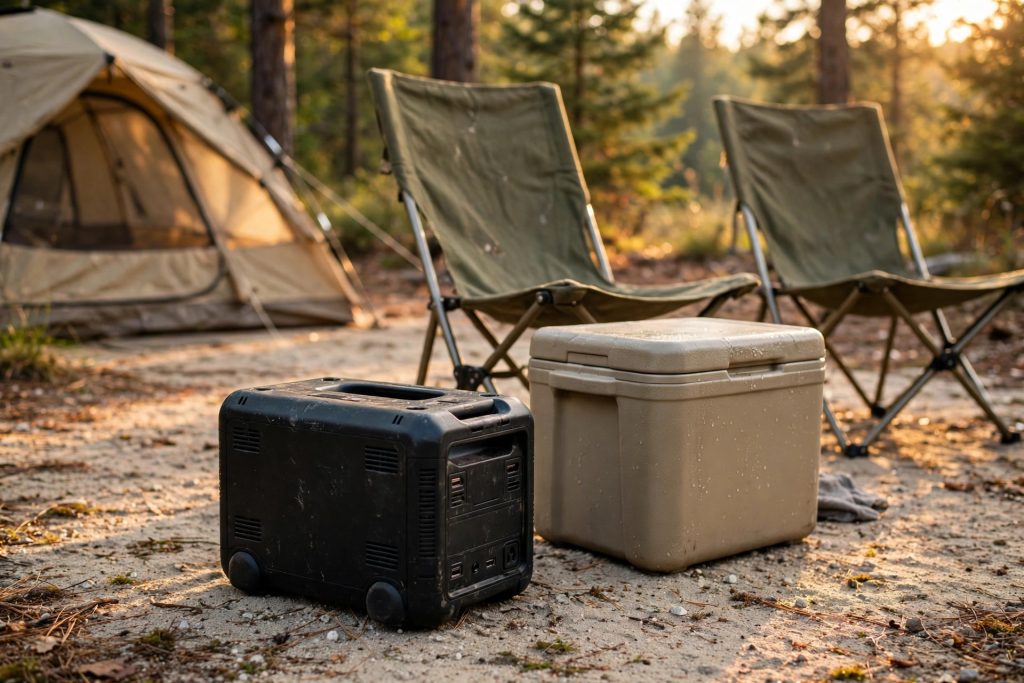
  • Recommendation: A mid-sized Portable Power Station (like the EF ECOFLOW Portable Power Station RIVER 2 Pro 700, 716Wh) combined with foldable solar panels is my go-to for camping electricity and off-grid camping. It handles essential needs like running an electric cooler, charging devices, and powering LED lighting for a comfortable experience. I’ve seen campers bring oversized power stations that weighed more than their coolers. In reality, most weekend trips only require enough capacity to run a portable fridge, lights, and device chargers.
  • Cooking Equipment: Consider small induction cooktops or electric kettles that can run off larger portable power stations, reducing reliance on propane.

RV Solar Setup: Power on the Go

For RV camping or van life, an integrated RV solar setup provides freedom and reduces reliance on shore power or noisy generators.

  • Recommendation: A dedicated RV battery system (deep cycle lithium-ion batteries are excellent) paired with roof-mounted solar panels, a charge controller, and an inverter is the core. This off-grid energy system allows you to power your RV’s appliances. A portable generator (gas or larger portable power station) can serve as backup for cloudy days or high-demand periods.
  • Energy Monitoring: Install a good energy monitor to track battery state, solar input, and consumption, helping you manage your power effectively.

Comparison of Emergency Power Solutions

To help you visualize the differences, here’s a comparison of the main categories of emergency power supply for home and beyond:

Feature Portable Power Station (e.g., EcoFlow RIVER 2 Pro) Solar Generator (PPS + Solar Panels) Home Battery Backup (e.g., Powerwall) Gas Generator
Capacity Small to Medium (200Wh – 3kWh) Small to Large (200Wh – 3kWh+, sustainable) Large (5kWh – 20kWh+) Unlimited (fuel dependent)
Power Output Low to Medium (300W – 3kW) Low to Medium (300W – 3kW) High (5kW – 15kW+) Very High (3kW – 20kW+)
Noise Silent Silent Silent Very Loud
Emissions None None None High
Indoor Use Yes Yes Yes (installed) No (fatal CO risk)
Installation None (plug-and-play) Minimal (deploy panels) Professional Required Minimal (outdoor)
Fuel Req. None (recharge via AC/solar) None (recharge via solar/AC) None (recharge via grid/solar) Yes (gas, propane, NG)
Portability High Medium (panels add bulk) None Medium (on wheels)
Cost (Typical) Low to Medium Medium to High High Low to Medium
Best For Camping essentials, small home needs, portable emergency power Solar generator for hurricane preparedness, off-grid camping, extended outages Whole-home backup, disaster preparedness, long-term energy independence High-power emergency, short-term, outdoor
Pros Quiet, clean, easy to use Sustainable, renewable, independent Seamless, high capacity, integrated High power for low cost, versatile fuel options
Cons Limited capacity, requires recharging Sun-dependent, higher initial cost High cost, fixed installation Noisy, fuel-dependent, emissions, maintenance

Recommended Brands & Solutions for Reliable Backup Power

In my decades of work, I’ve seen many products come and go. The following brands consistently deliver reliable performance and innovation in the emergency energy storage space.

Portable Power Stations

For reliable portable battery generator solutions, these brands are leaders:

  • EcoFlow: Known for their fast charging technology and a wide range of products from the compact RIVER series (like the EF ECOFLOW RIVER 2 Pro 700, 716Wh for small home needs or best power station for camping) to the larger DELTA series for more substantial portable emergency power. Their EcoFlow Power Kits are excellent modular solutions for RV battery system integration.
  • Jackery: Pioneers in the portable power station market, offering robust and user-friendly Explorer series units, often bundled with their SolarSaga panels for solar backup power.
  • Bluetti: Offers high-capacity and high-output units like the AC200MAX or AC300 series, suitable for powering more demanding appliances for longer durations.
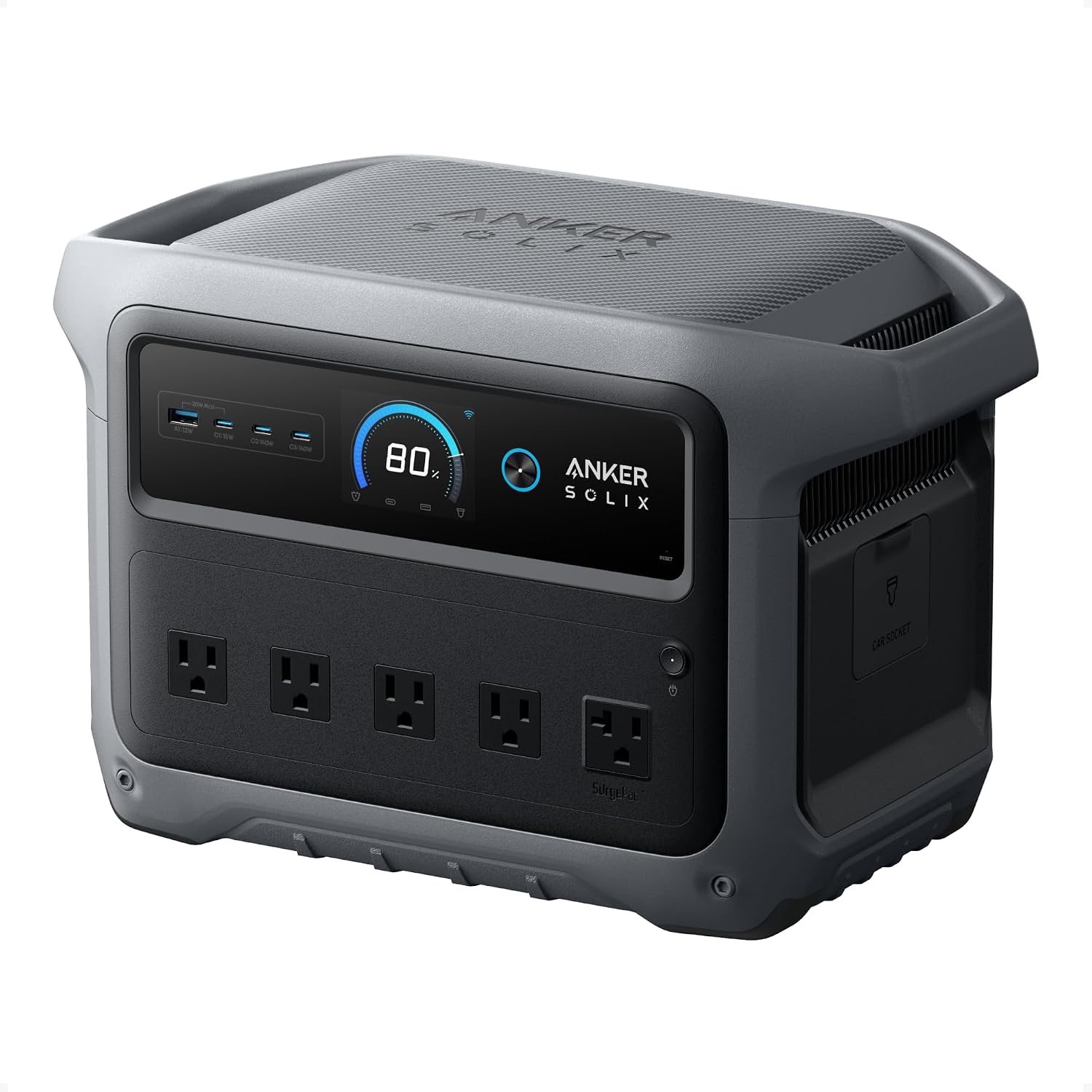
  • Anker SOLIX: A strong contender with reliable and well-built portable power stations, often featuring durable designs and good warranties.

Solar Panels

To get the most out of your solar backup power setup, quality panels are essential:

  • EcoFlow: Their proprietary foldable solar panels are efficient and designed to integrate seamlessly with their power stations.
  • Jackery SolarSaga: Similarly, designed to work perfectly with their Explorer series power stations.
  • Renogy: A long-standing name in solar, offering a variety of rigid and flexible panels for permanent installations (like RV solar setup) and portable foldable options.
  • ALLPOWERS: Provides a good balance of performance and value for portable solar panels.

Home Battery Backup

For whole-home backup and true emergency power supply for home:

  • Tesla Powerwall: A well-known, integrated system offering high capacity and smart energy management, often paired with residential solar.
  • EcoFlow Power Kits & DELTA Pro Ecosystem: Offers modular solutions that can be scaled for full home backup or off-grid energy systems, integrating well with solar.
  • Bluetti EP Series: High-capacity home battery backup solutions designed for seamless integration and robust performance.
  • Generac PWRcell: Offers comprehensive home energy storage solutions, often paired with their smart energy management system.

Wind Turbines (For True Off-Grid Living)

While not a common emergency power supply for home solution for most suburban settings, for remote cabins or extreme off-grid living, wind turbines can be a powerful complement to solar, especially in areas with consistent wind. Brands like Pikasola, Automaxx, and Ista Breeze offer smaller residential turbines that can contribute to your renewable emergency power system. They are generally not recommended for temporary emergency backup due to installation complexity and specific site requirements.

FAQ: Your Emergency Power Questions Answered

Q: How long can a portable power station like the EF ECOFLOW RIVER 2 Pro power my refrigerator during an outage?
A: The EF ECOFLOW RIVER 2 Pro, with its 716Wh capacity, can typically run an average energy-efficient refrigerator (drawing 50-100W when running, less when idle) for several hours to perhaps half a day of continuous use. However, for a multi-day outage, I recommend cycling the refrigerator on for a few hours at a time, or pairing the power station with solar panels for sustained emergency power supply for home during daylight. This is a common strategy for power outage essentials.

Q: Is a solar generator a good investment for hurricane preparedness?
A: Absolutely. A solar generator provides renewable emergency power that isn’t dependent on fuel delivery, which can be severely disrupted during hurricanes. It allows you to continuously recharge your portable battery generator as long as there’s sunlight, providing vital power for communication, medical devices, and food preservation. It’s a key component of disaster preparedness.

Q: What’s the biggest difference between portable emergency power and a whole-home backup system?
A: Portable emergency power solutions, like portable power stations or solar generators, are designed for flexibility and powering essential devices or specific zones. A whole-home backup system, typically a large battery bank or a powerful gas generator integrated with your electrical panel, is designed to automatically power multiple circuits, or your entire home, for extended periods, providing a seamless transition when the grid fails.

Q: Can I really rely on solar for all my power needs during an emergency power supply for home?
A: For most homes, relying solely on solar during an emergency requires a robust home battery backup system and a substantial solar array. For smaller needs or off-grid camping, portable solar generators are highly effective. The key is to match your solar input to your consumption and battery capacity. Cloudy days will reduce charging rates.

Q: What maintenance is required for these emergency power systems?
A: Portable power stations and solar generators generally require very little maintenance—just keep them charged, clean the solar panels, and store them in a cool, dry place. Home battery backup systems will have specific maintenance schedules outlined by the manufacturer, typically involving periodic checks by a professional. Gas generators require regular engine maintenance, fuel stabilization, and exercise runs.

Final Recommendation

In 2026, investing in a robust emergency power supply for home is an essential step towards safeguarding your family and property. Don’t wait for the next storm or outage to realize the critical need for reliable backup power.

Start with understanding your most critical needs. Will you prioritize camping electricity and small device charging with a compact unit like the EF ECOFLOW Portable Power Station RIVER 2 Pro 700, 716Wh, or do you need a more extensive solar generator for hurricane preparedness? For seamless whole-home backup, consider an integrated battery system.

My advice remains consistent: build a resilient power strategy that combines different solutions for different scenarios. Be prepared, be proactive, and secure your energy independence.

#ECOFLOW #Portable #Power #Station #RIVER #Pro #716Wh