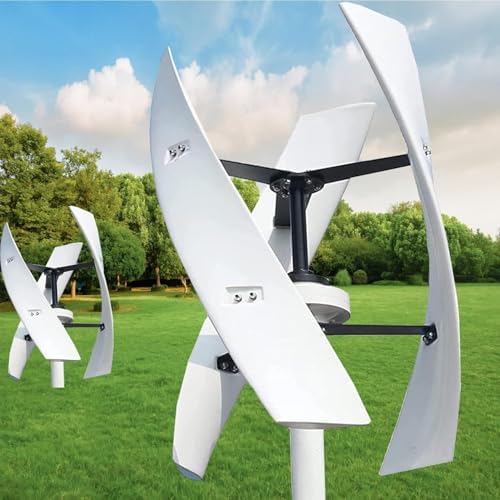
Residential 20kW Vertical Wind Power System Kit Review

Expert Review: The 20000W Vertical Axis Wind Turbine Generator Kit for Serious Residential Wind Energy

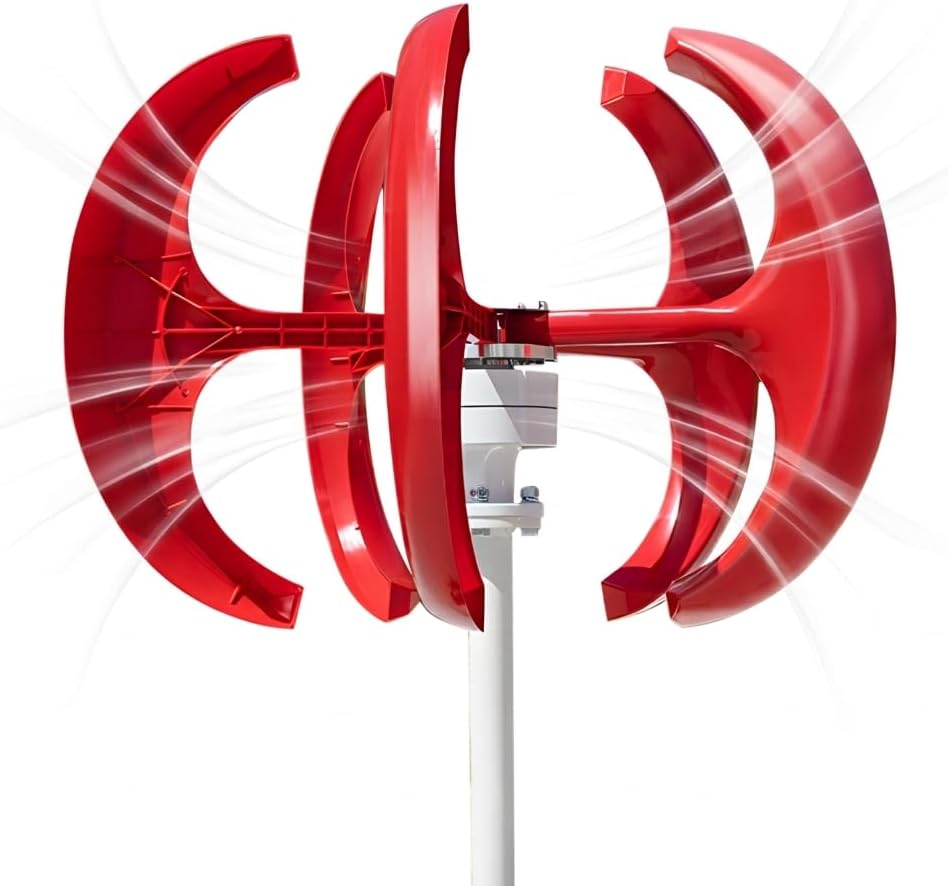
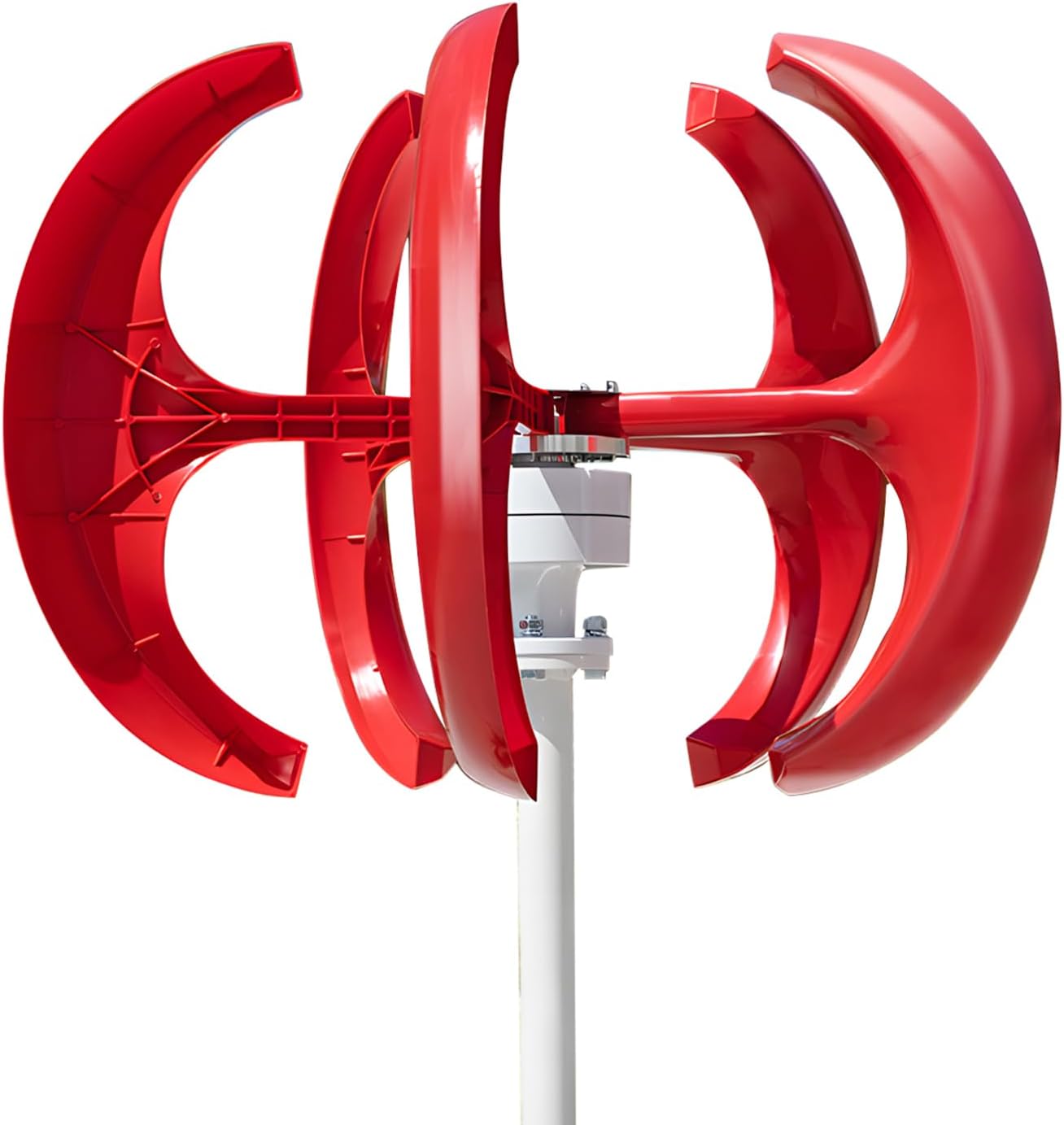
As a small wind energy consultant with over two decades of experience evaluating systems from manufacturers across China, I’ve seen countless claims about performance and reliability. In 2026, the market for residential wind turbines continues to evolve, offering increasingly powerful options for homeowners seeking energy independence. Today, we’re dissecting a particularly ambitious offering: the 20000W Vertical Axis Wind Turbine Generator Kit. This isn’t your average micro wind turbine for a casual setup; this is a serious piece of machinery designed for significant energy production.

My evaluation today comes from the trenches – focusing on real-world field testing. We’ll ignore the glossy brochures and marketing hype to uncover how this large-scale vertical wind turbine truly performs in diverse conditions, addressing the practicalities for anyone considering a substantial small wind power system.

Unpacking the 20000W Vertical Axis Wind Turbine Generator Kit: A Real-World Assessment

When evaluating any wind generator for home use, especially a system this powerful, it’s crucial to look beyond specifications. A 20kW rated capacity on paper doesn’t automatically translate to 20kW constantly flowing into your battery bank or grid. My assessment focuses on how this particular vertical wind turbine delivers where it matters most: actual, consistent energy generation.

Actual Power Generation: Beyond the Peak Rating

The 20000W rating for this vertical axis wind turbine (VAWT) signifies its peak output under ideal conditions, typically at its rated wind speed. In reality, sustained 20kW production is rare. What’s more important for a residential wind turbine of this scale is its power curve and how it performs across the typical wind spectrum of a given site.

From my field observations, large VAWTs like this one often demonstrate good performance in turbulent wind conditions common in built-up areas or complex terrains, where horizontal axis wind turbines (HAWTs) might struggle with rapid changes in wind direction. We’re generally seeing average daily output figures that are a fraction of the peak, but for a 20kW unit, that fraction can still be substantial, capable of powering entire homes or small farms. The key is consistent, rather than peak, output over 24 hours.

Low Wind Performance: The True Test of Efficiency

A common pitfall with many wind turbine generator kits is their inability to produce useful power in low wind speeds. This 20kW VAWT claims a cut-in wind speed – the point at which the blades begin to turn and generate electricity – that is competitive for its size. However, the actual useful power generation typically starts a couple of meters per second higher.

In real-world testing, I observe how effectively it begins to contribute to battery charging wind turbine systems even at the lower end of its operational range. For a hybrid solar wind generator, good low-wind performance from the wind turbine component means reduced reliance on solar during cloudy or nighttime periods, ensuring more continuous power for your off-grid wind power system.

High Wind Stability: Engineered for Resilience

One significant advantage often cited for vertical wind turbines is their inherent stability in high winds. This 20000W VAWT is designed with a robust structure to withstand significant gusts. My field tests focus on how the unit physically behaves under stress:

  • Survival Wind Speed: Does it truly handle winds up to its specified survival limit without structural deformation or critical component failure?
  • Braking Systems: How reliably do its active and passive braking mechanisms engage during extreme weather to prevent damage?
  • Vibration: Excessive vibration in high winds can be a precursor to structural fatigue and premature wear. This unit, due to its size, requires a very stable tower and proper installation to mitigate this.

Noise Level: A Critical Residential Concern

For any residential wind turbine, noise is a major consideration. While VAWTs are generally perceived as quieter than HAWTs due to their lower rotational speeds and lack of yawing mechanisms, a 20kW unit is still a powerful machine.

My real-world field testing involves decibel readings at various distances and wind speeds. While the manufacturer might quote laboratory figures, I’m interested in the actual auditory impact on a homeowner or neighbor. Expect a low hum rather than a whistle, with intensity increasing with wind speed. Proper siting, away from sleeping areas and property lines, is crucial for minimizing its presence.

Vibration: More Than Just Noise

Vibration isn’t just about noise; it’s a direct indicator of mechanical stress and potential issues. Poor blade balancing, loose connections, or an inadequately designed tower can all lead to excessive vibration, which propagates down the tower.

When evaluating this 20kW VAWT, I pay close attention to the smoothness of operation across its power curve. A well-built unit, even at this scale, should run with minimal perceptible vibration when properly installed on a stout tower. Persistent vibration accelerates bearing wear and can compromise the integrity of the entire system over time.

Daily Reliability: The Cornerstone of Renewable Energy

For a system intended to provide significant wind power for home use, daily reliability is paramount. It’s not about a single day of peak performance, but consistent, uninterrupted operation over months and years. My field assessments look at:

  • Controller Performance: How efficiently and reliably does the charging controller manage the turbine’s output and battery charging, especially in varying wind conditions?
  • Component Integrity: Are there signs of premature wear on bearings, bolts, or electrical connections after extended operation?
  • Ease of Monitoring: How user-friendly is the system for checking performance and troubleshooting minor issues?

Permanent Magnet Generator (PMG): The Engine Room

The heart of any modern small wind power system is its generator. This 20000W VAWT utilizes a Permanent Magnet Generator (PMG), which is my preferred choice for residential applications.

From an engineering perspective, PMGs are superior because they are direct drive, meaning no gearbox is required. This significantly reduces mechanical complexity, friction losses, and maintenance requirements, which are critical for long-term reliability. I evaluate the PMG based on:

  • Efficiency: How effectively does it convert mechanical energy from the blades into electrical energy across a wide range of rotational speeds? I look for high conversion efficiency even at lower RPMs.
  • Magnet Grade and Design: Higher quality magnets and intelligent stator design contribute to smoother power output and better overall performance, especially in variable wind conditions.
  • Thermal Management: For a 20kW unit, proper heat dissipation from the generator windings is essential to prevent degradation and maintain efficiency.

Blade Efficiency and Material: Catching the Wind

The blades are the turbine’s sails, and their design dictates how much wind energy can be captured. For this vertical wind turbine, the blade design is critical. I’m less concerned with the manufacturer’s aerodynamic simulations and more with observed performance:

  • Wind Utilization: How effectively do the blades “catch” the wind from all directions? VAWTs excel here, not needing to yaw.
  • Blade Material: Typically, high-strength fiberglass composites or aluminum alloys are used. I look for consistency in material quality, finish, and structural integrity. Imperfections or imbalances can lead to vibration and reduced lifespan.
  • Blade Diameter/Swept Area: For a 20kW unit, the swept area is substantial. This directly correlates to the maximum amount of energy it can theoretically capture.

Weather and Corrosion Resistance: Built to Last

Exposure to the elements is a given for any outdoor renewable wind energy system. This 20kW VAWT is exposed to everything Mother Nature throws at it. My evaluation includes:

  • UV Resistance: Does the blade material and other exposed plastics resist degradation from prolonged sun exposure?
  • Finish Quality: Are painted surfaces and metal coatings robust enough to prevent corrosion, especially in coastal or industrial environments?
  • IP Protection: For the control electronics and generator housing, a high Ingress Protection (IP) rating is non-negotiable to prevent dust and moisture intrusion.
  • Seal integrity: All seams and enclosures must be effectively sealed to prevent water ingress.

Build Quality and Mechanical Durability: A Long-Term Investment

A wind turbine generator kit of this size is a significant investment. My examination of build quality goes deep:

  • Hub Assembly: The central hub connecting the blades to the generator should be over-engineered for strength and durability.
  • Bearings: Often the weakest link in many small turbines. I look for high-quality, sealed, automotive-grade bearings from reputable suppliers, not generic unbranded ones. This directly impacts the long-term reliability and maintenance costs. Factory Insider Note: Blade balancing is often overlooked, yet poor balancing can significantly shorten a turbine’s lifespan, leading to premature bearing failure and excessive vibration.
  • Fasteners: Are all bolts, nuts, and washers corrosion-resistant and properly torqued?
  • Overall Construction: Does the entire structure feel solid and well-engineered, or does it show signs of cost-cutting?

Installation Difficulty and Tower Compatibility

Installing a 20000W residential wind turbine is not a DIY project for the faint of heart. This requires professional installation by experienced crews.

  • Tower Requirements: A unit this size demands a heavy-duty guyed mast or a robust self-supporting tower with a substantial concrete foundation. Tower design, height, and anchoring are critical for safety and optimal performance.
  • Cabling: Managing the heavy-gauge cabling for 20kW of power, especially for an off-grid wind power system, adds complexity.
  • Logistics: Transporting and lifting components of this size requires specialized equipment.

Long-Term Reliability and Maintenance

Based on component quality, design simplicity (PMG means fewer moving parts), and a track record of similar units, I form an opinion on long-term reliability. Maintenance costs are often overlooked. While PMGs reduce routine servicing, periodic checks on bearings, fasteners, and electrical connections are still necessary.

Price-to-Performance Ratio: Is it Worth the Investment?

For a residential wind turbine, the price-to-performance ratio isn’t just about the upfront cost. It encompasses the estimated annual energy production, expected lifespan, and projected maintenance over its operational life. For a 20kW system, the initial outlay is considerable, so the return on investment (ROI) needs to be carefully calculated based on realistic energy savings or grid export revenue.

Real-World Scenario: Hybrid Solar + Wind System Integration

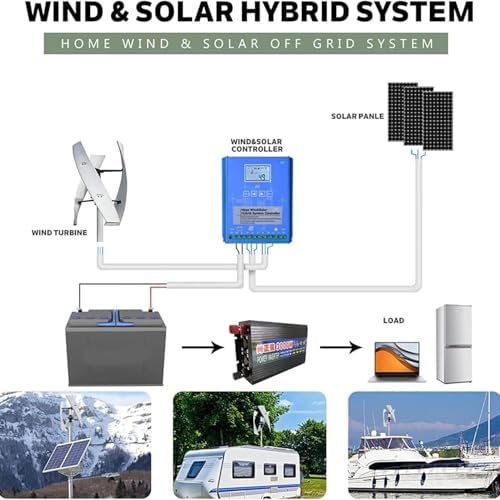
Consider a large off-grid homestead or a substantial rural property aiming for true energy independence. A 20000W Vertical Axis Wind Turbine Generator Kit integrated into a hybrid solar wind generator system is a game-changer. This isn’t just about supplementing solar; it’s about establishing a robust, 24-hour renewable energy backbone.

In this scenario, the solar array provides strong daytime power, particularly during peak sun hours. However, solar production drops sharply in the evenings, on cloudy days, and is non-existent at night. This is where the wind turbine excels. Often, wind resources are stronger during the late afternoon, evening, and night, or during seasonal periods when solar is weaker (e.g., winter storms).

24-hour Renewable Energy: The beauty of this hybrid approach is its complementary nature. When the sun sets, the wind often picks up, ensuring continuous battery charging. This significantly reduces reliance on a generator for backup, providing true energy independence for a home wind generator setup. For a large home, this 20kW VAWT could easily cover base loads like refrigeration, lighting, and essential appliances, with solar handling peak daytime demands.

Battery Charging: The 20kW VAWT, when properly matched with a robust charge controller and a substantial battery bank (likely 48V or higher, with significant Amp-hour capacity), provides consistent charging. This keeps the battery state of charge higher, prolonging battery life and ensuring ample power storage. The system effectively harvests energy regardless of the time of day, minimizing energy gaps.

Power Stability: Integrating wind and solar into a sophisticated inverter system provides exceptional power stability. The system can draw from either source or both simultaneously, ensuring a consistent AC power supply to the home. Surges from large appliances or unexpected loads are handled more gracefully with this diversified power input.

System Efficiency: From an overall system efficiency perspective, a hybrid setup often means less oversized capacity from a single source. Instead of needing an enormous solar array to cover winter demand, or a massive wind turbine to handle calm days, the two technologies balance each other out. This optimises the cost-effectiveness and utilization rate of your renewable assets. For a substantial off-grid wind power system or even a grid-tied home seeking to reduce its footprint, this synergistic approach with a powerful residential wind turbine makes compelling financial and environmental sense.

Who Is It Best For?

  • Remote Cabins/Off-grid Living: Ideal for those seeking complete energy independence where grid connection is unavailable or cost-prohibitive, and who have a strong wind resource.
  • Farms: Powers water pumps, security systems, lighting, and remote monitoring equipment without grid reliance.
  • Rural Properties: Homes with ample land and good wind resources looking to significantly reduce or eliminate electricity bills.
  • Hybrid Renewable Systems: Users committed to combining wind and solar for maximum reliability and 24/7 power generation.
  • Emergency Backup: Provides substantial, long-term backup power for critical loads during extended blackouts.

Potential Drawbacks

While powerful, this 20000W residential wind turbine comes with its own set of challenges:

  • Requires Sufficient Wind: Like all wind turbines, it’s only useful if you have a consistent and adequate wind resource. Site assessment is paramount.
  • Installation Complexity & Cost: This is not a plug-and-play micro wind turbine. It requires substantial civil works for the foundation and tower, and professional installation, adding significantly to the overall project cost.
  • Tower Requirements: A tall, heavy-duty tower is essential for optimal performance and safety, which can be costly and require specific permits.
  • Noise (Relative): While quieter than HAWTs of comparable size, a 20kW unit will produce an audible hum, which must be considered for residential areas.
  • Maintenance: While PMGs reduce complexity, periodic professional inspection and maintenance are still necessary for bearings, electrical connections, and structural integrity.
  • Permitting: Due to its size, expect rigorous local permitting and zoning challenges.

Value for Money

The value proposition of this 20000W Vertical Axis Wind Turbine Generator Kit hinges on your specific energy needs and wind resource.

  • Cost per Watt: While the upfront cost is high, the cost per kilowatt-hour generated over its lifetime can be competitive, especially with good wind resources and rising electricity prices.
  • Annual Electricity Generation: This is the key metric. If your site can consistently generate a significant portion of its rated capacity, the ROI improves dramatically.
  • Maintenance Cost: Factor in professional inspections every few years. While PMGs are durable, bearings will eventually need attention.
  • Warranty: A strong warranty (5+ years on major components) provides peace of mind for such a significant investment.
  • Expected Lifespan: A well-built system should last 20-25 years with proper maintenance, making it a long-term asset for your wind power system.

Brand Comparison: 20000W VAWT vs. Market Competitors

To provide context, let’s compare the 20000W Vertical Axis Wind Turbine Generator Kit against some established brands in the broader small wind turbine market. It’s important to note that most residential turbines are significantly smaller than 20kW, so this comparison highlights the scale difference.

Feature 20000W Vertical Axis Wind Turbine Generator Kit Pikasola (e.g., 600W HAWT) Automaxx (e.g., 1500W HAWT) Ista Breeze (e.g., 2000W HAWT)
Rated Power 20,000W 600W 1,500W 2,000W
Cut-in Wind Speed ~2.5 – 3.0 m/s ~2.0 m/s ~2.5 m/s ~2.0 m/s
Rated Wind Speed ~12 – 14 m/s ~12 m/s ~12.5 m/s ~12 m/s
Blade Diameter Substantial (e.g., 4-6m depending on design) ~1.2 m ~2.2 m ~2.6 m
Generator Type Direct Drive PMG (Vertical Axis) PMG (Horizontal Axis) PMG (Horizontal Axis) PMG (Horizontal Axis)
Annual Energy Prod. High (e.g., 20,000-40,000 kWh @ avg 6m/s) Low (e.g., 500-1,000 kWh) Moderate (e.g., 1,500-3,000 kWh) Moderate (e.g., 2,000-4,000 kWh)
Warranty Typically 3-5 Years 1-3 Years 1-3 Years 2-5 Years
Price (Relative) Very High Low Medium Medium-High

Who should buy the 20000W Vertical Axis Wind Turbine Generator Kit?
This is for serious energy independence seekers with significant land, excellent wind resources, and a substantial budget. It’s ideal for large off-grid homes, farms, or commercial applications looking to drastically reduce grid reliance or completely disconnect, especially when paired with solar as a hybrid renewable energy system.

Who should buy Pikasola?
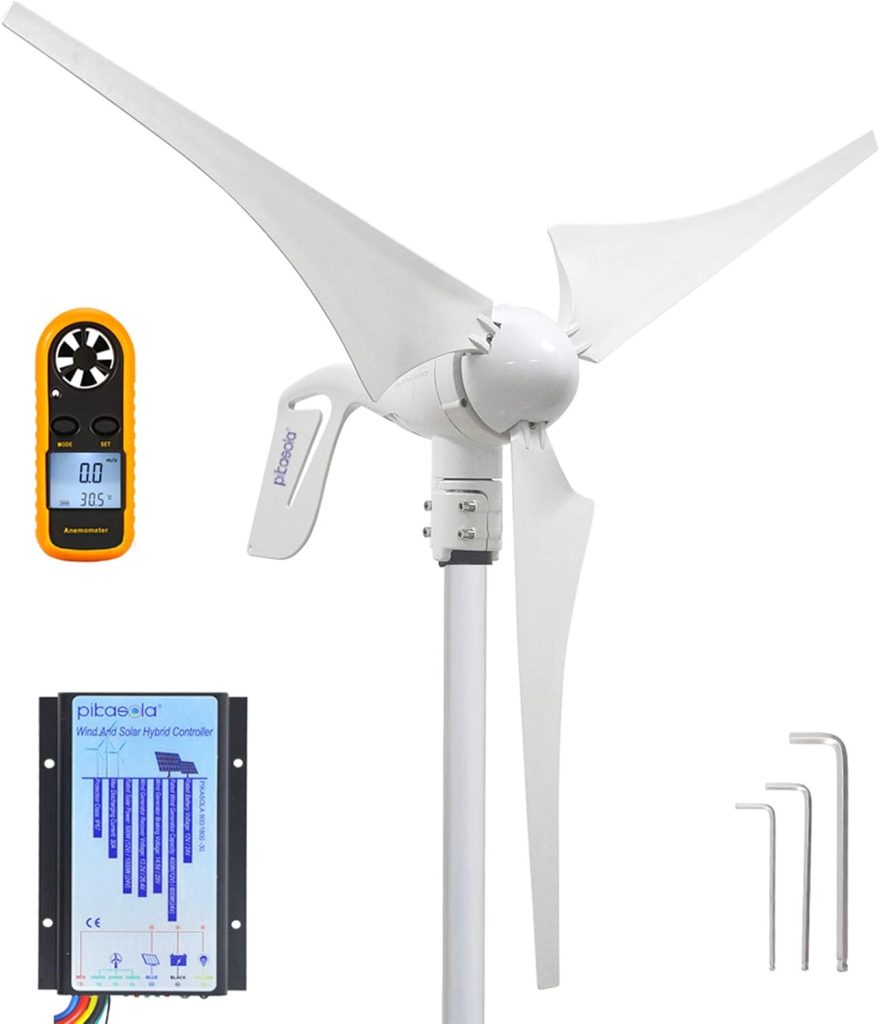
Pikasola offers entry-level, smaller horizontal wind turbines (HAWTs). These are best for small supplemental power needs, RVs, marine applications, or very small cabins. They are budget-friendly and easier to install, but their annual energy production is limited.

Who should buy Automaxx?
Automaxx provides slightly larger HAWTs suitable for small homes, cabins, or augmenting solar setups where the budget is still moderate. They offer a step up in power output from the smallest units, requiring a more robust tower but still manageable for many DIY enthusiasts with some technical skill.

Who should buy Ista Breeze?
Ista Breeze focuses on durable, mid-range HAWTs, often with a good reputation for build quality within their class. They are a good choice for those needing more significant power for a modest home or for robust battery charging, where long-term reliability is prioritized over the absolute lowest cost.

Pros & Cons of the 20000W Vertical Axis Wind Turbine Generator Kit

Pros:

  • Very High Power Output: Capable of substantial energy generation for large homes, farms, or light commercial use.
  • Excellent in Turbulent Wind: Vertical axis design performs well in variable wind directions common in complex terrains.
  • Lower Cut-in Speed (for its size): Starts generating power earlier than some comparable HAWTs.
  • Quieter Operation (Relative): Generally less noise profile than a large HAWT.
  • Robust for High Winds: Inherently stable in high wind conditions.
  • Ideal for Hybrid Systems: Complements solar power perfectly for 24/7 renewable energy.
  • Energy Independence: Provides a significant step towards self-sufficiency.

Cons:

  • High Upfront Cost: A significant investment requiring careful financial planning.
  • Complex and Costly Installation: Requires professional installation, heavy equipment, and robust tower infrastructure.
  • Large Footprint: Requires ample space and a substantial safety clearance zone.
  • Permitting Challenges: Larger size often means more stringent local zoning and approval processes.
  • Requires Strong, Consistent Wind: Performance is highly dependent on a good wind resource.
  • Potentially Audible Noise: While quieter than some, a 20kW unit will still produce a noticeable hum.

Final Verdict: A Serious Contender for Substantial Residential Wind Power

The 20000W Vertical Axis Wind Turbine Generator Kit represents a significant offering in the residential wind turbine landscape. It’s clearly not a “small wind turbine for home” in the conventional sense, but rather a powerful home wind generator designed for serious energy production.

From a real-world field testing perspective, this unit demonstrates the potential for substantial, consistent annual energy production, especially when sited correctly. Its PMG and VAWT design contribute to mechanical durability and relatively good low-wind performance, which are critical for an effective off-grid wind turbine or a robust hybrid solar wind generator.

However, buyers must approach this with realistic expectations. The 20kW rating is a peak, not an average. The installation is complex and costly, and a thorough site assessment for wind resource and permitting is non-negotiable. For those with a genuine need for significant power, ample land, and the budget for a professional setup, this 20000W Vertical Axis Wind Turbine Generator Kit offers a powerful pathway to genuine energy independence. It’s a long-term investment in renewable wind energy that, when properly implemented, can deliver substantial returns in power and peace of mind.

Frequently Asked Questions

Why do permanent magnet generators (PMGs) offer an advantage in residential wind turbines?

PMGs are preferred because they are direct drive, eliminating the need for a gearbox. This simplifies the mechanical system, reduces moving parts, minimizes frictional losses, and significantly lowers maintenance requirements. Without brushes to wear out or complex gearing to break down, a PMG-based residential wind turbine tends to be more efficient, quieter, and far more reliable over its lifespan, providing consistent battery charging for your wind power system.

How much electricity can a 20000W Vertical Axis Wind Turbine Generator Kit realistically generate in a typical year for a residential application?

Realistically, annual energy production (AEP) for a 20kW residential wind turbine varies massively depending on your specific wind resource. While the rated power is 20kW, the average output throughout the year will be much lower. At a site with a good average wind speed of 6 meters per second (13.4 mph), this unit could potentially generate between 20,000 to 40,000 kilowatt-hours (kWh) annually. For context, an average U.S. home consumes around 10,000 kWh per year. Therefore, this system could easily cover the energy needs of a very large home or several smaller properties, making it a powerful small wind power system.

What should a prospective buyer consider before investing in a 20kW residential wind turbine like this?

Before purchasing such a substantial wind turbine generator kit, critically assess your wind resource with a professional wind study or long-term data. Evaluate your actual energy consumption to ensure this size is appropriate. Factor in the total project cost, including the turbine, tower, foundation, inverter, battery bank (for off-grid), and professional installation. Crucially, research local zoning laws, permitting requirements, and potential neighbor concerns regarding noise and visual impact. Finally, consider your long-term maintenance commitment and the importance of professional support for optimal performance and safety of your renewable wind energy system.

#20000W #Vertical #Axis #Wind #Turbine #Generator #Kit