
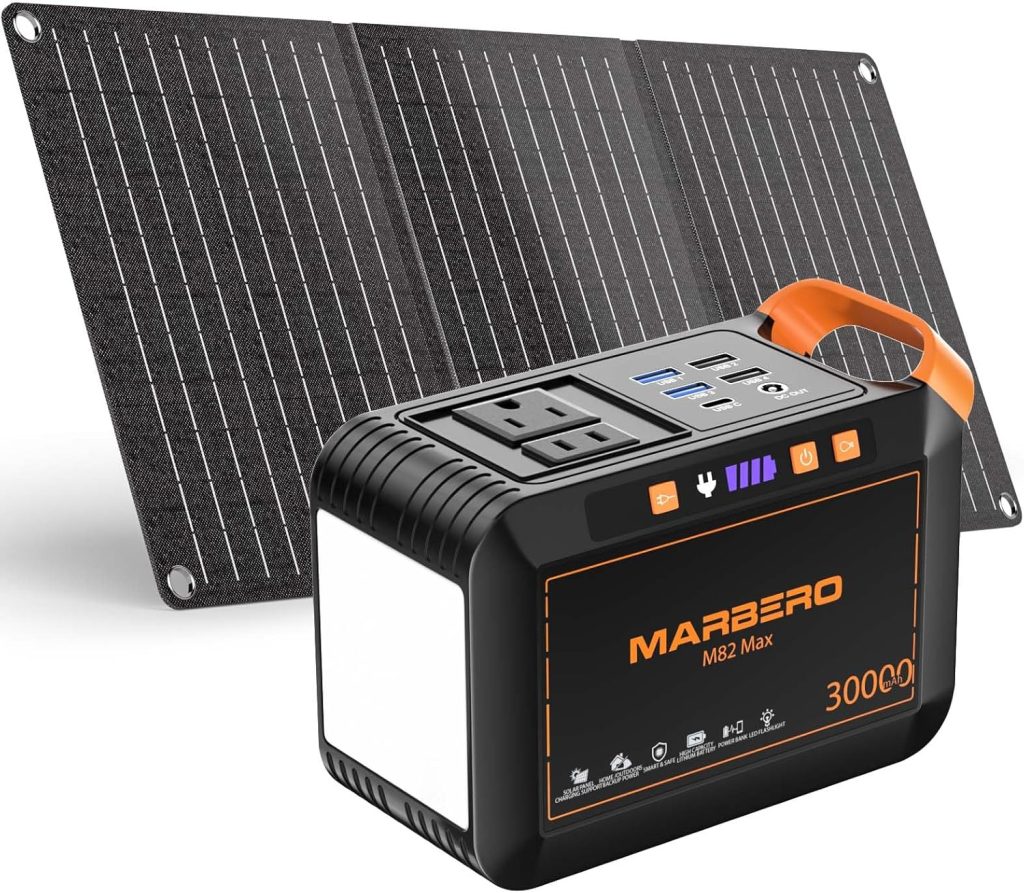
Before I bought it, I thought 111Wh meant 111 watts of freedom. That’s what the number looks like when you don’t know anything — a big number, a promise. Then I did the division. A phone battery holds about 15Wh. A laptop, 60. A little camping fan, call it 10W per hour. So 111Wh is seven phone charges, or not quite two laptop charges, or eleven hours of fan. That’s the real shape of the number. Smaller than the box suggests. I learned this the expensive way, after trusting a different brand’s “200W” station that wheezed out at 90 watts and taught me to never believe a headline number again.
The MARBERO kit is honest about what it is, which is more than I can say for half this category. 111Wh station, 30W folding panel in the box, two AC outlets, a couple USB ports. No claims about running your house. No “unlimited power” nonsense. Just a small box and a small panel for small jobs. I respect that. I didn’t respect it at first — I almost skipped the listing because it wasn’t promising enough, which tells you how warped my expectations had gotten.
Compare Compact Solar Generator Kits
Three small solar kits with panels included.
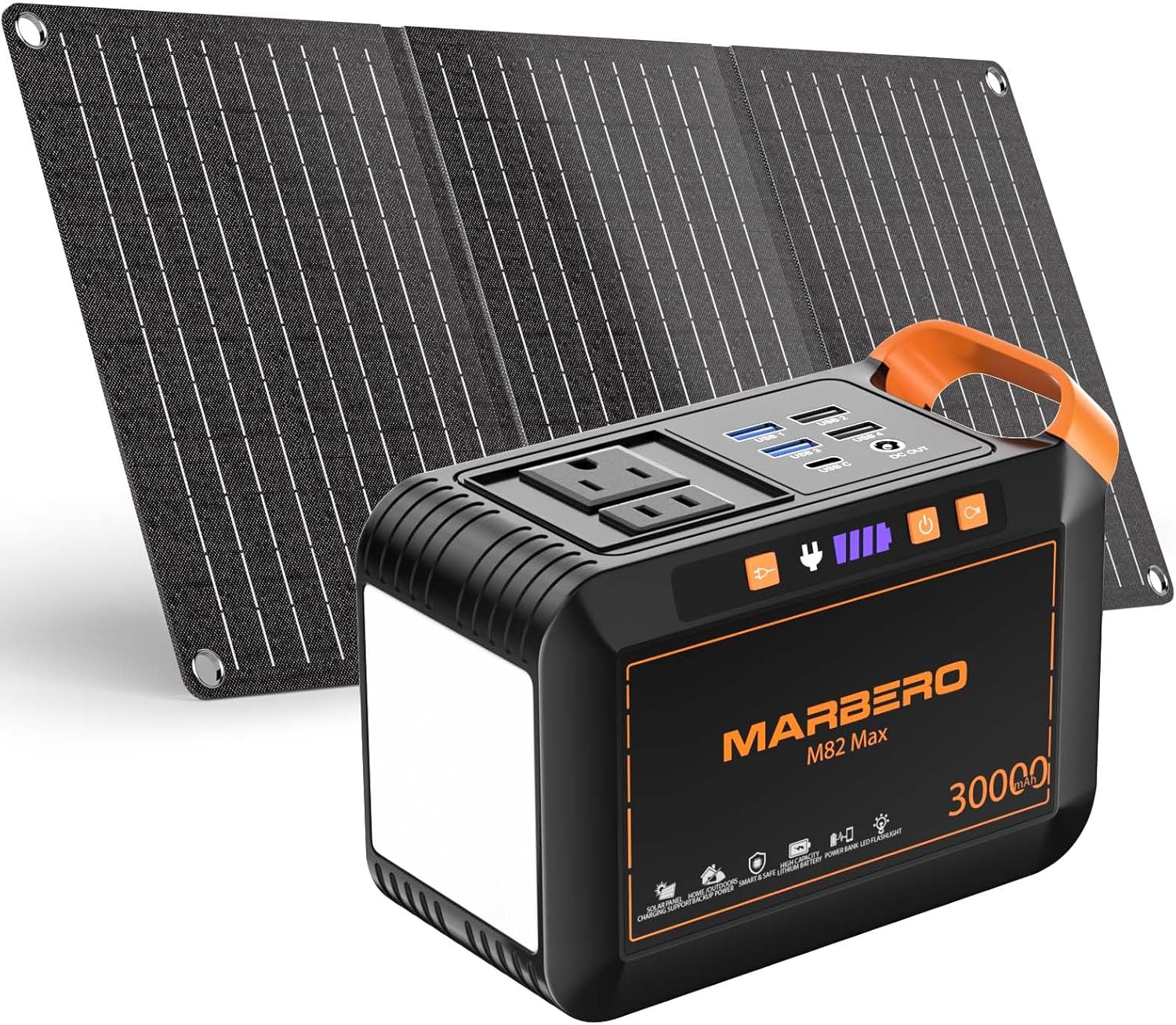
Prices and availability may vary — tap any product to check the current listing.
Here’s what I actually use it for. Car camping, two nights. Phones, a headlamp, a string of LED lights, and once, a little 12V fan when the tent turned into a sauna. It handled all of it. The 30W panel trickle-charged the station during the day while we hiked — slowly, painfully slowly, the way 30W does. On a clear day you’re looking at maybe 20 watts of real input, which over six hours puts back about half the battery. I measured this. Twice. The second time because the first result annoyed me.
Thirty watts of panel. Twenty real.
And that’s the part nobody warns you about with these kits. The panel in the box is sized for marketing, not for physics. 30W sounds like it belongs with a 111Wh station until you realize a full solar recharge takes the better part of two sunny days. Two days. For a station you’d drain in one evening of heavy use. The math doesn’t close. It never closes at this size. The panel is a top-up device, a slow drip, not a refuel. Anyone who tells you otherwise is counting on you not doing the division.
What the kit is good at: weight. The station’s under three pounds. The panel folds flat. Together they’re lighter than the cooler I bring. For a weekend where the heaviest electrical load is two phones and a Bluetooth speaker, it’s plenty. I’ve stopped bringing the big station on short trips because of this thing. The big one stays home, judging me from the garage shelf.
The category criticism I can’t let go of: the wattage shell game. “150W peak!” on the box, in letters three times bigger than the 111Wh that actually matters. Peak watts are a party trick — a split-second burst the inverter can sustain just long enough to print on packaging. What runs your devices is continuous output and total capacity, the two numbers printed smallest. I bought a station once based on the big number. It couldn’t run a 100W light bulb for an hour. An hour. I keep that dead station in my garage as a reminder, the way some people keep a photo of an ex.
Still have it. Still annoyed.
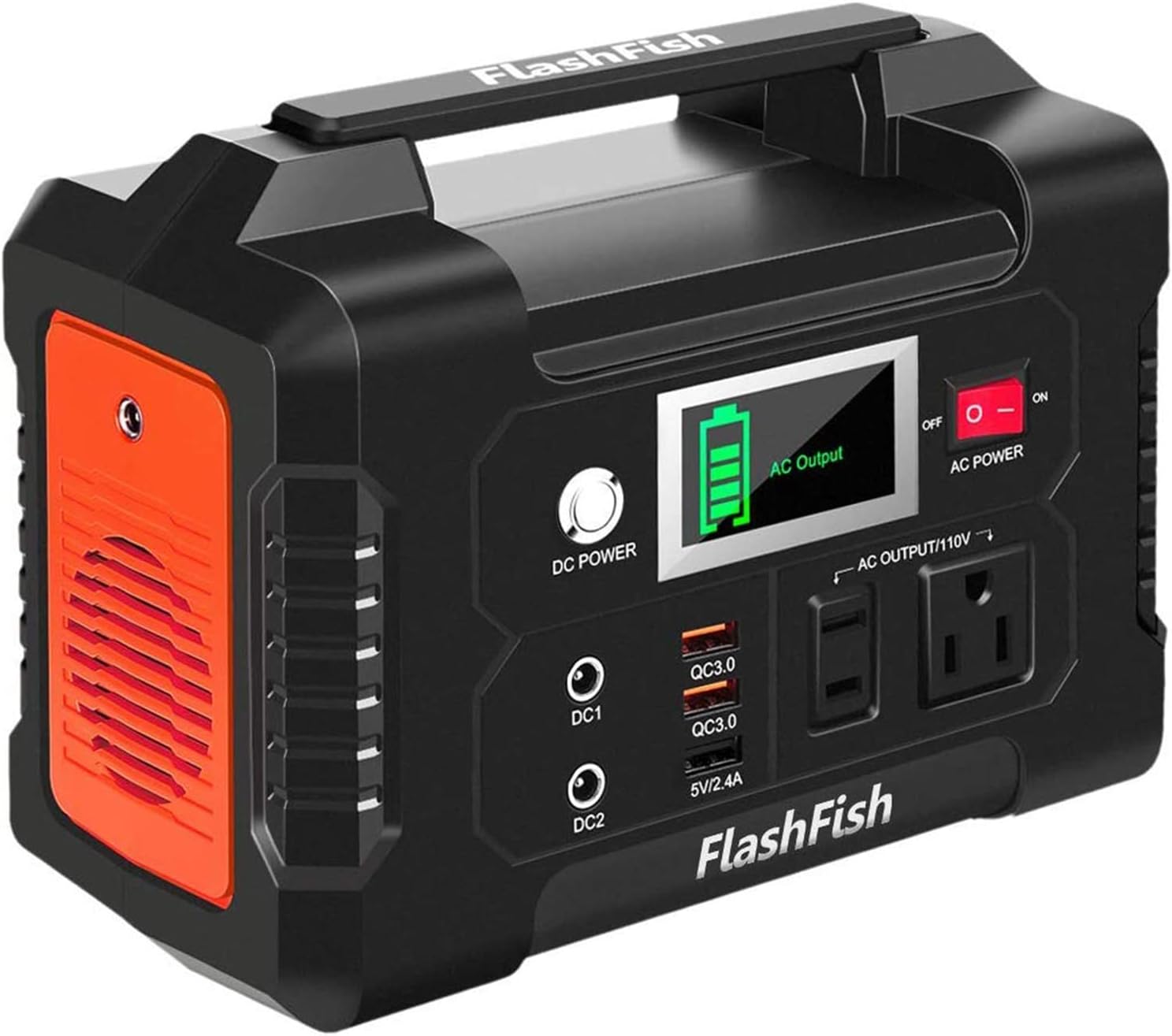
The MARBERO’s AC outlets are rated 150W peak, 100W continuous, and for once the small number is the honest one. It runs what it says it’ll run. Phone chargers, LED lights, a small fan, a camera battery. It won’t run a hair dryer. It won’t run a coffee maker. It doesn’t pretend it will, and in this market, that restraint is rarer than it should be.
Charging options: wall, car, solar. The wall brick fills it in a few hours. The car charger works if you’re driving anyway. The solar panel works if you’re patient and the sky cooperates and you’ve made peace with the concept of slow. I haven’t tested it in real rain — the panel’s water-resistant, the station isn’t something I’d leave out in a downpour. That scenario I haven’t run, and my gear budget has opinions about me trying.
Would I recommend it? If you camp the way I camp — car nearby, modest needs, phone as camera as map as everything — yes. It’s the right size for that life. If you’re trying to power a full camp kitchen or run a mini fridge for a week, this isn’t your box, and no 111Wh box is. The number is the number. I wish someone had told me that before I bought the lying one. Now I’m telling you.
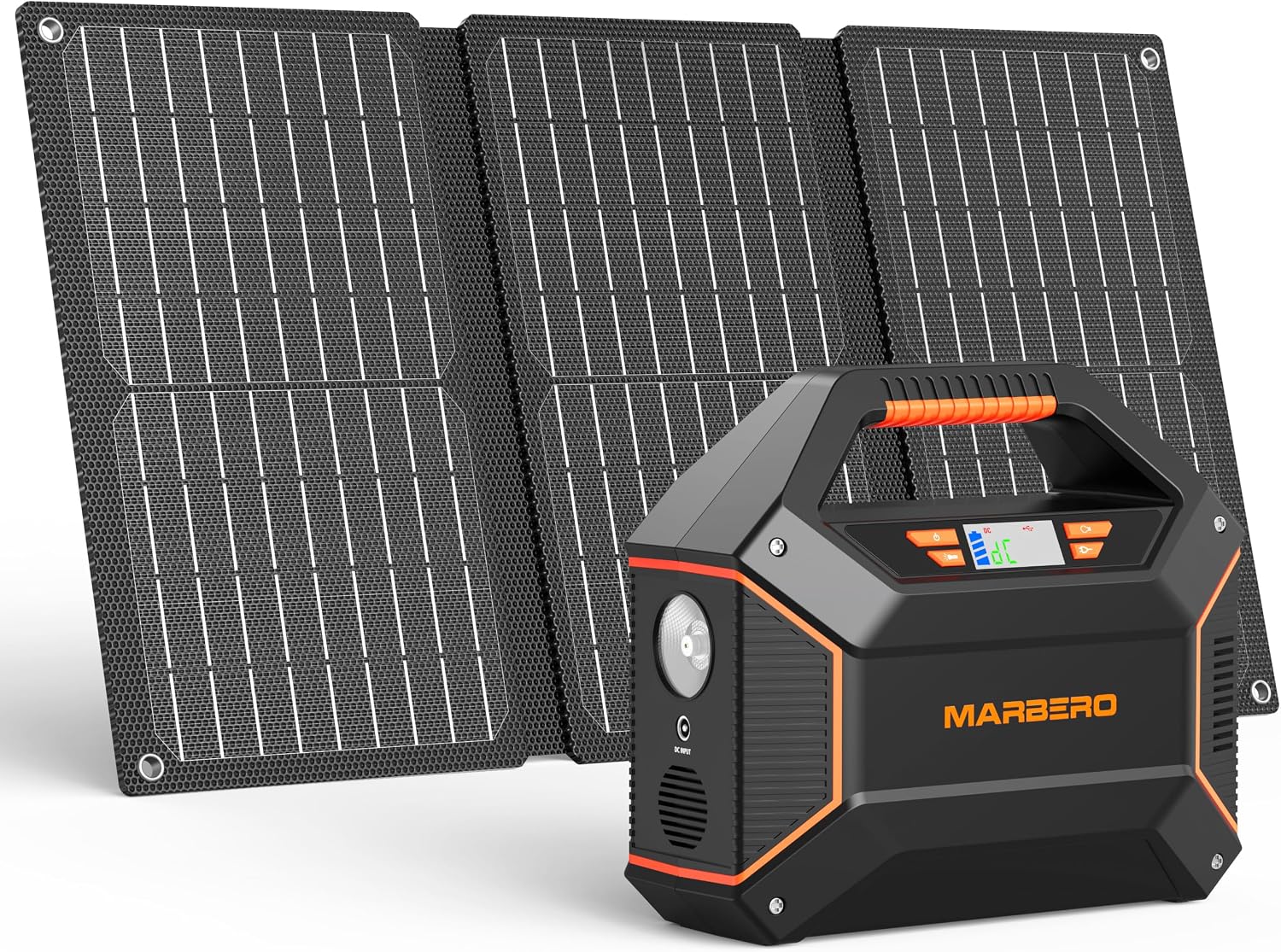
The dead station is still in the garage. I should throw it out. I won’t. It’s earned its shelf.


