Your Essential Guide to Emergency Power Supply for Home: Be Prepared for Any Outage (2026 Edition)
As a consultant who’s spent over two decades navigating the complexities of emergency power and off-grid solutions, I’ve seen firsthand how critical a reliable emergency power supply for home has become. It’s 2026, and the landscape of power outages – from unexpected blackouts to the devastating impacts of hurricanes, floods, winter storms, and wildfires – demands proactive preparation. My goal here is not to sell you a single gadget, but to equip you with the knowledge to build a robust, multi-layered emergency power strategy that truly works when the grid goes down.
Why You Need a Reliable Emergency Power Supply for Home
The question isn’t if your power will go out, but when and for how long. Relying solely on the grid is a gamble that puts your family’s safety, comfort, and essential needs at risk. A well-planned emergency power supply for home provides more than just lights; it offers peace of mind.
Consider the increasing frequency and intensity of severe weather events. Hurricanes can knock out power for weeks, leaving communities isolated. Winter storms cause widespread blackouts, making heating and cooking impossible. Wildfires threaten infrastructure, and even localized grid failures can disrupt daily life unexpectedly. In these scenarios, having a backup plan for portable emergency power can be life-saving. It ensures critical medical devices remain operational, food stays preserved, communication lines stay open, and your home remains a safe haven. It’s an indispensable part of comprehensive disaster preparedness.
Understanding Your Emergency Power Needs: What to Prioritize
Before investing in any system, you must assess what you absolutely need to power. What emergency power equipment should every family own? It starts with the essentials. During a crisis, the goal isn’t to power every appliance in your house, but to maintain critical functions.
My experience has shown that most families prioritize:
- Refrigeration: To preserve food and medications.
- Lighting: Basic visibility and safety.
- Communication: Charging phones, radios, and maintaining internet access (if available).
- Medical Devices: CPAP machines, oxygen concentrators, or medication requiring refrigeration.
- Heating/Cooling: Small fans or electric blankets, depending on the season and severity.
- Water: If you rely on a well pump.
Field Experience Note: After several major storm seasons, homeowners consistently found that keeping refrigerators, internet equipment, and essential medical devices running mattered far far more than powering every appliance in the house. Prioritize and scale your solutions accordingly.
Understanding these priorities helps you avoid oversizing or undersizing your emergency energy storage solutions. For some, a small portable battery generator might suffice for critical devices, while others might need a full whole-home backup system.
Navigating Solutions for Home Power Outages
How do you prepare for a multi-day power outage effectively? It involves understanding the different types of backup power available and how they fit into a comprehensive strategy. Each solution has its strengths and weaknesses, making a combination often the most resilient approach.
Portable Power Stations: Immediate, Flexible Backup
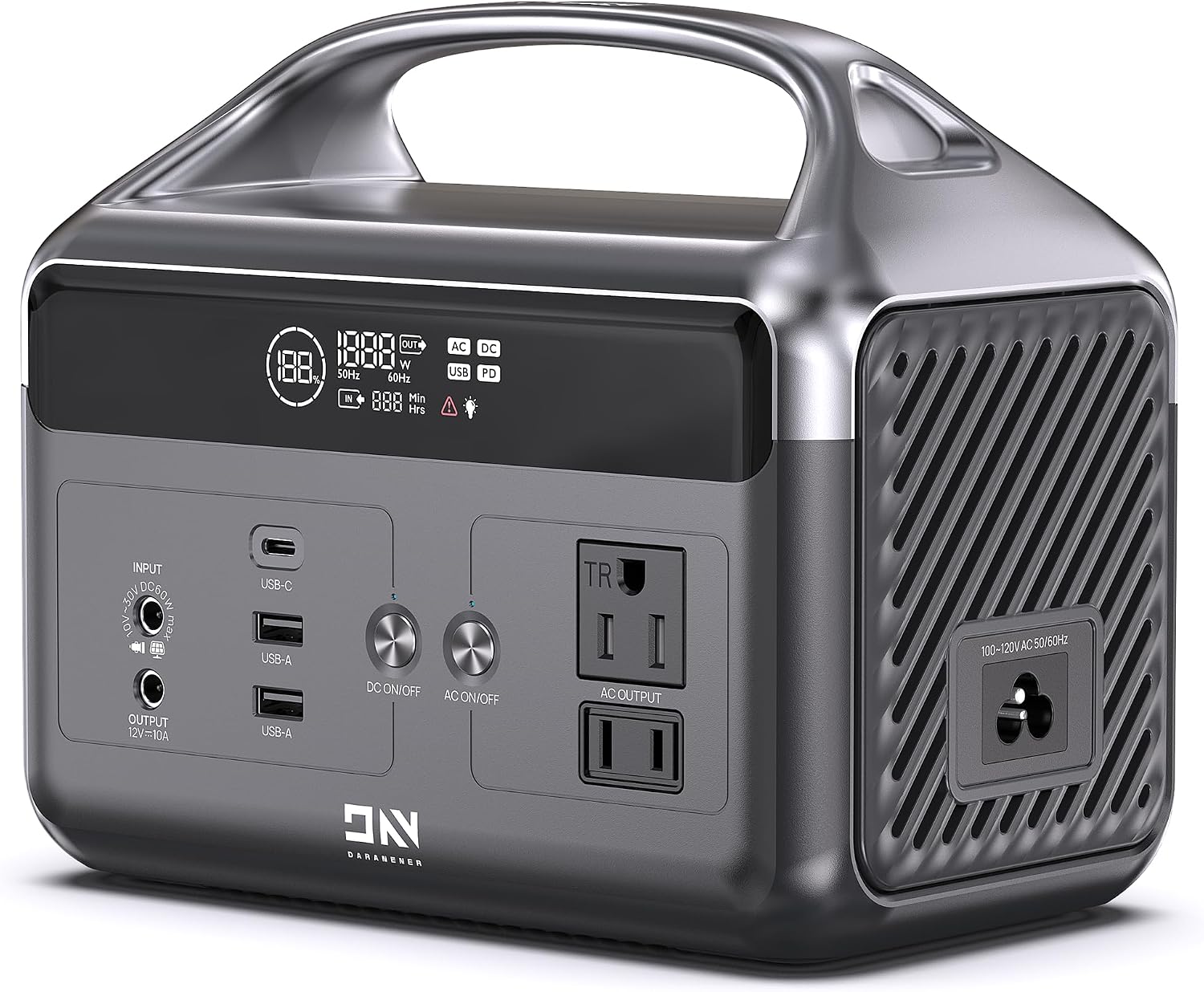
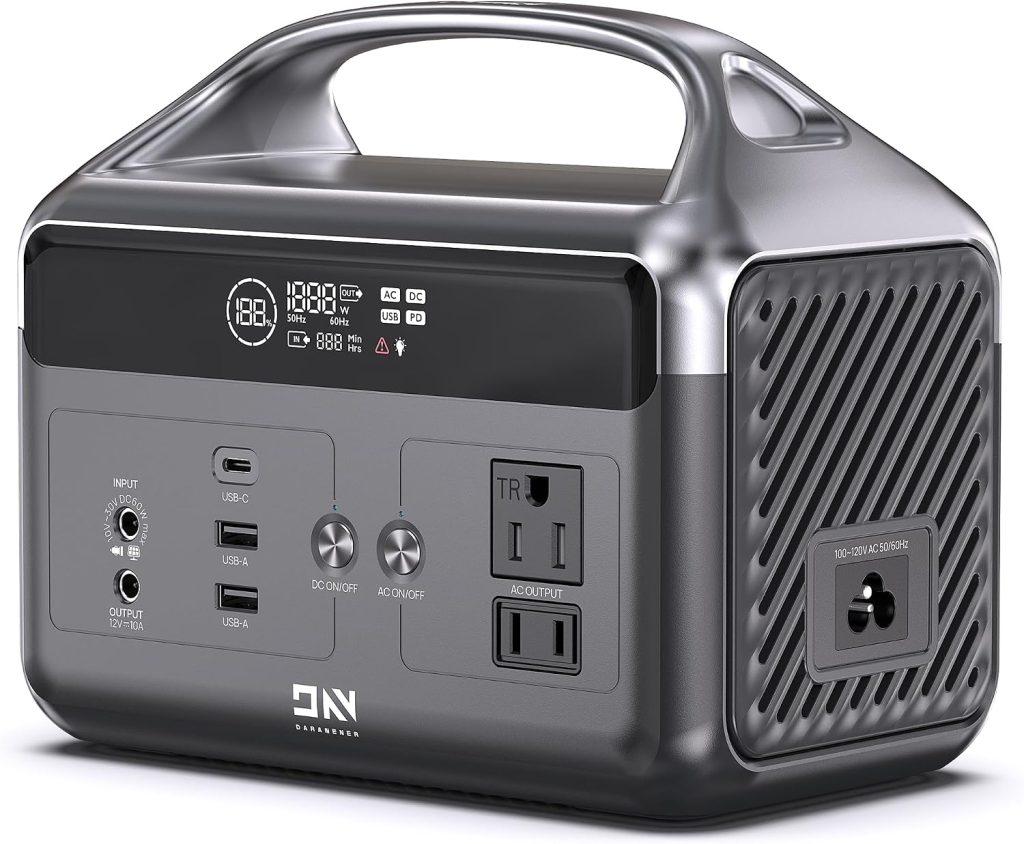
Portable power stations are essentially large, rechargeable batteries with various output ports (AC outlets, USB, DC carports). They are excellent for providing instant, clean power to smaller appliances and devices. For instance, a compact unit like a DaranEner 192Wh LiFePO4 Portable Power Station is perfect for charging phones, running a small fan, or keeping a CPAP machine operational for a few hours. It’s not designed to power your entire home but excels at supporting individual critical devices during shorter outages or as a vital part of your camping electricity setup.
Pros:
- Portability: Easy to move and deploy anywhere.
- Clean Power: No fumes, no noise, safe for indoor use.
- Ease of Use: Plug and play.
- Versatile: Great for phones, laptops, small medical devices, and camping essentials.
Cons:
- Limited Capacity: Cannot power large appliances for extended periods.
- Recharge Time: Can be slow without solar input.
When to Use: Short power outages (a few hours to a day), powering essential electronics, individual medical devices, or as part of your power outage essentials kit for communication.
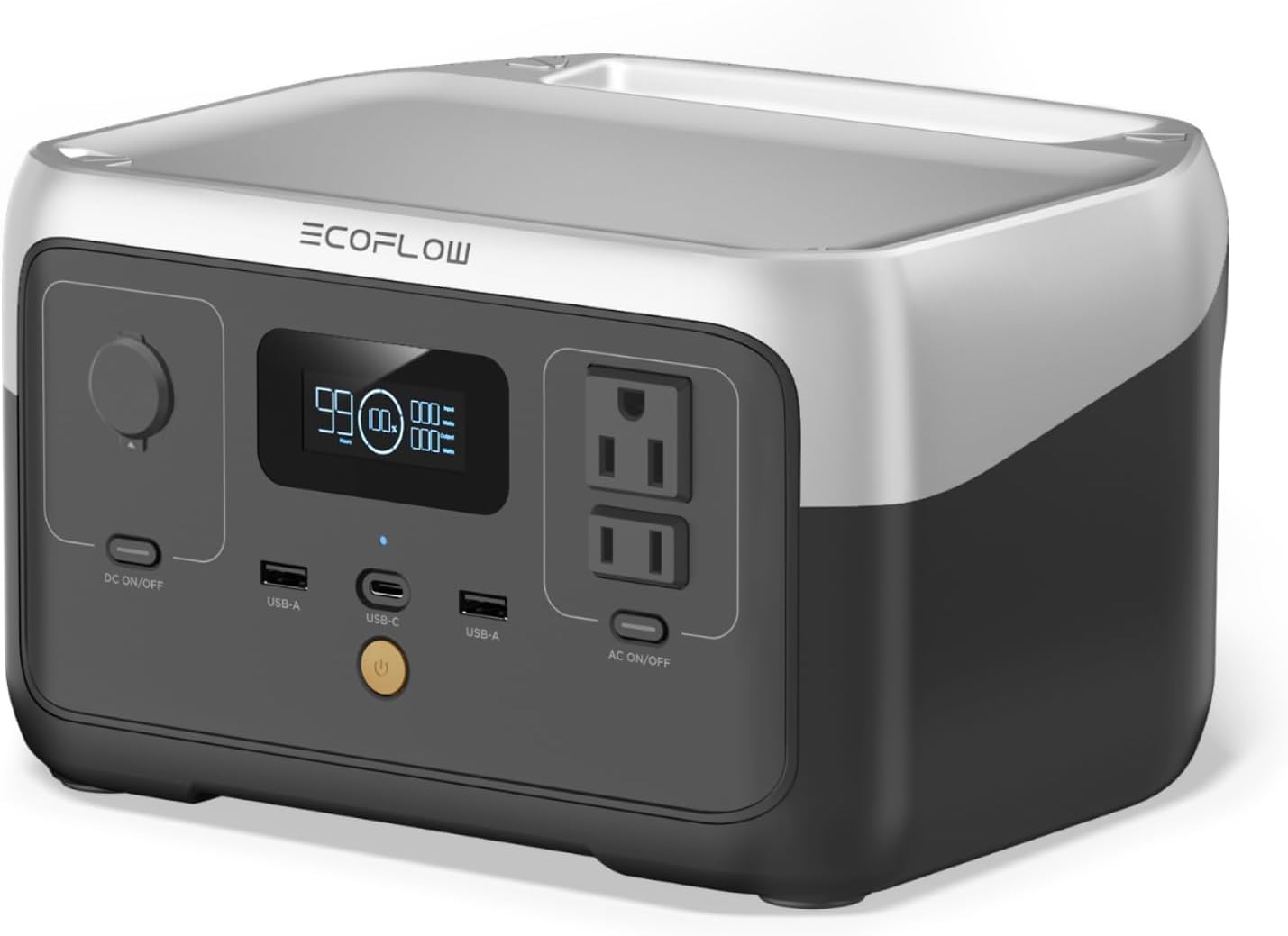
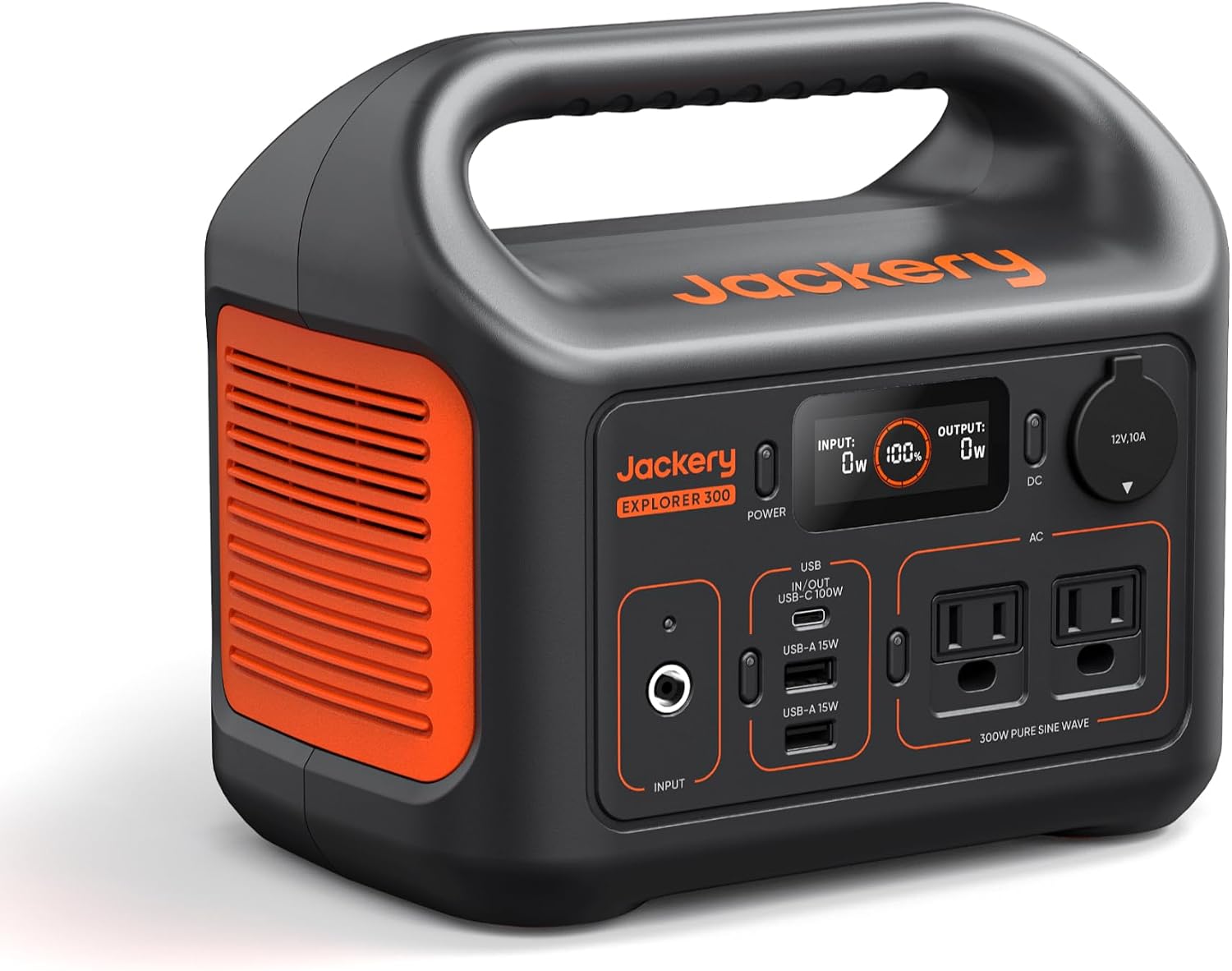
Recommended Brands: Jackery, EcoFlow, Bluetti, Anker SOLIX offer a range of sizes and capacities.
Solar Generators: Harnessing Renewable Energy
A solar generator is essentially a portable power station bundled with one or more portable solar panels. This combination allows for continuous recharging, making it an ideal choice for extended outages or for off-grid camping. For solar generator for hurricane preparedness, this system offers energy independence. You can charge the battery during daylight hours and use the stored power at night, providing a sustainable source of solar backup power.
Pros:
- Renewable Charging: Self-sufficient with sunlight.
- Environmentally Friendly: No emissions.
- Extended Runtime: Can power essentials indefinitely with sufficient sunlight.
- Quiet Operation: Ideal for residential areas.
Cons:
- Sunlight Dependent: Performance varies with weather conditions.
- Higher Initial Cost: More expensive than a standalone power station.
- Bulkier: Transporting panels adds to the setup.
When to Use: Multi-day power outages, powering critical loads (refrigerator, lights, communication) during prolonged emergencies, or for dedicated renewable emergency power.
Recommended Brands: EcoFlow and Bluetti integrate their robust power stations with high-efficiency portable solar panels (e.g., EcoFlow DELTA series with EcoFlow Solar Panels, Bluetti AC200MAX with ALLPOWERS or Renogy panels).
Home Battery Backup Systems: The Ultimate Whole-Home Solution
For seamless and extensive protection, a home battery backup system is the gold standard for emergency power supply for home. These systems, like the Tesla Powerwall or larger units from EcoFlow and Bluetti, are typically integrated directly into your home’s electrical panel. When the grid goes down, they automatically switch over, often instantaneously, allowing critical circuits or even your entire home to continue running without interruption. They can be charged from the grid when power is available or integrated with rooftop solar panels for continuous, self-sufficient operation.
Pros:
- Seamless Transition: Automatic power transfer during outages.
- High Capacity: Can power multiple large appliances and critical circuits.
- Quiet and Clean: Operates silently with no emissions.
- Energy Independence: Excellent for whole-home backup and reducing reliance on the grid.
Cons:
- High Upfront Cost: Significant investment for installation and equipment.
- Professional Installation Required: Complex integration with home electrical systems.
- Less Portable: Fixed installation.
When to Use: Homeowners seeking comprehensive, automatic whole-home backup for extended outages, especially those with consistent grid instability or a desire for true off-grid energy independence.
Recommended Brands: Tesla Powerwall, EcoFlow (Power Kits), Bluetti (EP series), Generac (PWRcell).
Traditional Gas Generators: Powerful but Noisy
Traditional gas generators run on gasoline, propane, or natural gas. They offer significant power output for their cost, capable of running multiple large appliances. However, they come with substantial drawbacks.
Pros:
- High Power Output: Can run heavy-duty appliances.
- Relatively Lower Initial Cost: Cheaper per watt than battery systems.
- Fuel Readily Available: (In non-crisis situations).
Cons:
- Noise and Fumes: Cannot be used indoors; require proper ventilation.
- Fuel Storage: Requires significant and safe storage of flammable fuels.
- Maintenance: Requires regular upkeep and fuel stabilization.
- Environmental Impact: Emissions from burning fossil fuels.
When to Use: As a backup for very heavy loads in prolonged outages, particularly when quieter battery solutions are insufficient or prohibitively expensive, and when safe outdoor operation is guaranteed.
Choosing Your Emergency Power Supply for Home: What to Look For
Selecting the right emergency power supply for home requires careful consideration of several factors:
- Battery Capacity (Wh/kWh): This determines how long your devices can run. Watt-hours (Wh) measure energy storage. A 1000Wh battery can power a 100W appliance for 10 hours. For a refrigerator (150-200W, running intermittently) and a few lights and phone chargers, you’d want at least 1500Wh for a day or two of essential backup. How can you calculate the battery capacity you need? List all devices you need to power, their wattage, and how many hours you expect to run them. Sum these up to get your total Wh requirement.
- Power Output (W/kW): This is the maximum wattage the unit can deliver at one time. Ensure the continuous output can handle the total wattage of all devices you plan to run simultaneously. Also, check for peak or surge power, which is important for appliances with motor starts (like refrigerators) that temporarily draw more power.
- Solar Input Capability: For extended outages, the ability to recharge with solar panels is crucial. Look for a system with a high solar input wattage (e.g., 200W, 400W, or more) to minimize recharge times.
- Charging Speed: How quickly can the unit recharge from a wall outlet, car, or solar panels? Faster AC charging means you can top it off quickly when grid power briefly returns.
- Weight & Portability: For smaller portable battery generator units, weight matters if you plan to move it frequently, whether for home use, camping electricity, or evacuation.
- Weather Resistance: If you plan to use solar panels outdoors, ensure they are rated for outdoor use (e.g., IP65 waterproof rating). Some power stations also offer enhanced durability.
- Warranty & Expandability: A good warranty indicates manufacturer confidence. For larger systems, consider if you can add more battery modules or solar panels later to increase capacity or expand your RV solar setup.
Scenario Guide: Home Power Outage Preparedness
Let’s walk through preparing for a multi-day home power outage, a common scenario for hurricanes, winter storms, or widespread grid failures.
- Assess Critical Needs: Identify your absolute essentials: refrigerator, specific medical devices, internet router, a few lights, phone chargers.
- Layered Power Strategy:
- Tier 1 (Immediate & Short-Term): Portable power station (e.g., 500-1000Wh) for charging phones, running LED lighting, and powering a critical medical device like a CPAP for a night or two. This is part of your power outage essentials.
- Tier 2 (Extended Essentials): A larger solar generator (2000-5000Wh with 400W+ solar panels) to keep your refrigerator running intermittently, charge all family devices, power your internet equipment, and provide additional lighting. This is crucial for solar generator for hurricane preparedness.
- Tier 3 (Whole-Home Resilience): A fully integrated home battery backup system (10-20kWh+) for seamless whole-home backup of critical circuits, including well pumps, water heaters, and potentially a few HVAC zones.
- Communication & Information: Keep fully charged power banks for phones. Own a NOAA weather radio (hand-crank or solar rechargeable). Ensure your internet equipment can be powered by your backup system.
- Food & Water: Stock non-perishable food. Have at least a 3-day supply of water (1 gallon per person per day). Use your portable power station or solar generator to run an electric cooler for sensitive items if your main fridge goes down.
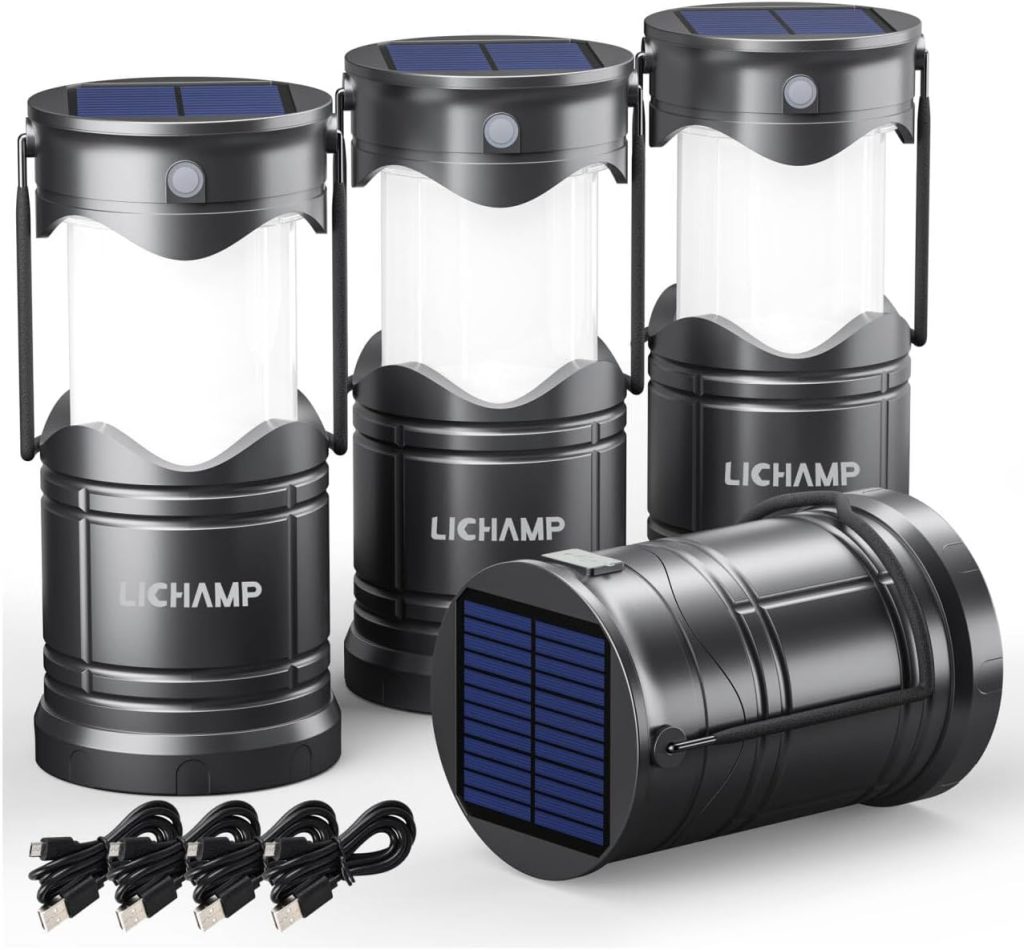
- Lighting: Flashlights with extra batteries, headlamps, and battery-powered LED lanterns are much safer than candles.
- Medical Preparedness: If anyone in your household has medical needs dependent on electricity, ensure your backup system can support those devices for the anticipated duration of the outage. Have an emergency supply of prescription medications.
- Fuel Management: If you have a gas generator as a backup, ensure you have stable fuel stored safely. However, prioritize clean, quiet battery solutions for most household needs.
By combining these elements, you create a robust emergency power supply for home that covers various needs and durations, enhancing your disaster survival capabilities.
Beyond the Home: Extending Your Emergency Power Solutions
While this guide focuses on your emergency power supply for home, many of these solutions offer dual-purpose value, enhancing other aspects of your life.
Camping & Outdoor Adventures
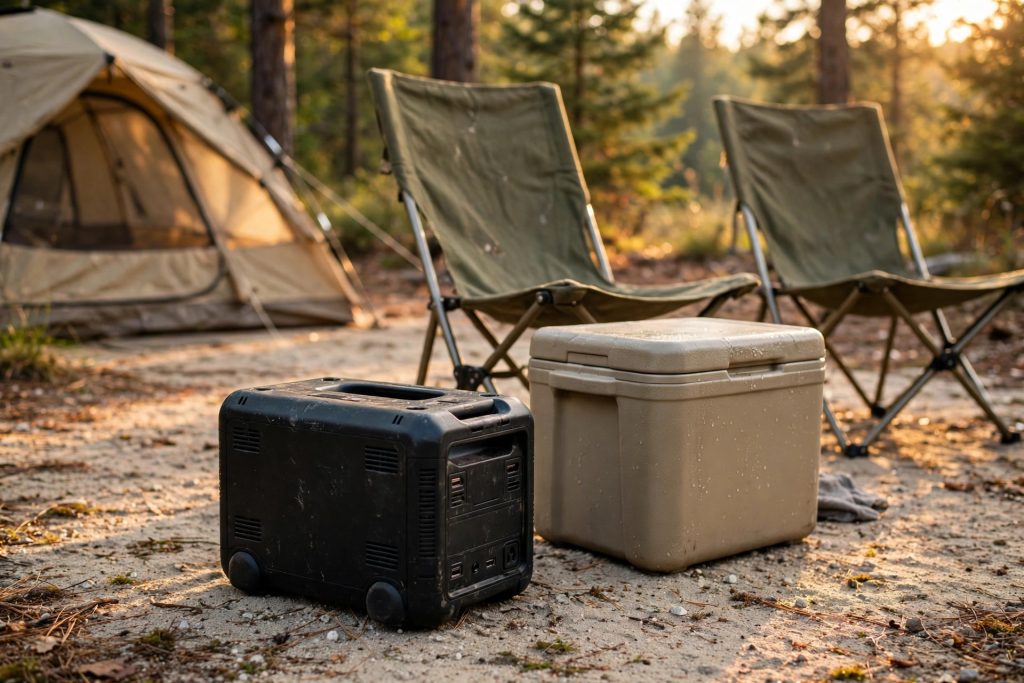
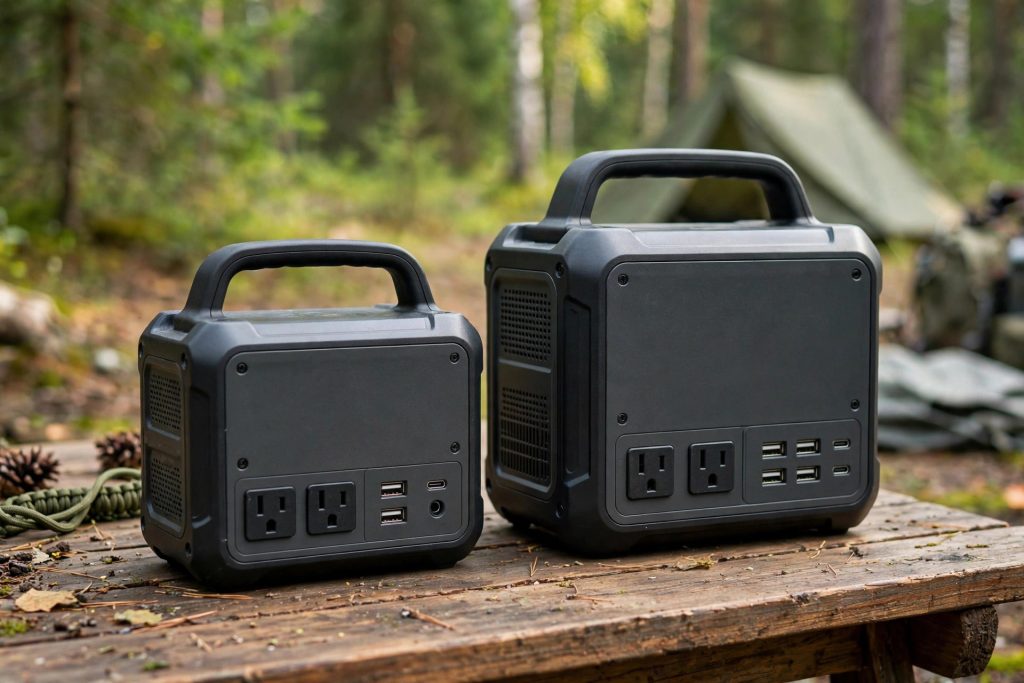
The principles of portable emergency power translate directly to the great outdoors. A reliable camping power station is a game-changer for tent campers, allowing you to run:
- Electric coolers: Keeping food fresh without ice.
- LED lighting: Bright, efficient illumination for your campsite.
- Device charging: Keeping phones, cameras, and headlamps powered.
- Inflatable mattresses: Making setup much easier.
Pairing a portable power station with foldable solar panels creates a self-sufficient solar camping system, ensuring you have camping electricity for extended trips. Think Jackery Explorer series with SolarSaga panels for effortless off-grid camping.
RV & Van Life
For those living or traveling in an RV or van, an effective RV solar setup is fundamental to energy independence. This typically involves:
- Roof-mounted solar panels: Renogy, EcoFlow, or ALLPOWERS offer durable options for permanent installation.
- A robust RV battery system: Deep-cycle lithium (LiFePO4) batteries are preferred for their longevity and performance.
- Charge controller: To regulate power from the solar panels to the battery bank, protecting your batteries.
- Inverter: To convert DC battery power into AC power for household appliances.
- Energy monitoring system: To track power consumption and battery status.
This comprehensive RV battery storage setup provides reliable backup electricity on the road or when boondocking, making your mobile home truly self-sufficient.
Emergency Power Supply Solutions: A Comparative Overview
Understanding the nuanced differences between solution types is key to choosing the right emergency power supply for home.
| Feature | Portable Power Station | Solar Generator | Home Battery Backup System | Gas Generator |
|---|---|---|---|---|
| Capacity | Low to Medium (200Wh – 3kWh) | Medium to High (1-5kWh+, expandable) | High (10-20kWh+, expandable) | Very High (unlimited with fuel) |
| Cost | Low to Medium | Medium to High | High (requires professional installation) | Low to Medium (plus ongoing fuel costs) |
| Noise | Silent | Silent | Silent | Very Loud |
| Fuel | Internal Rechargeable Battery | Sunlight (and internal battery) | Grid / Solar Panels (and internal battery) | Gasoline, Propane, Natural Gas |
| Installation | None (Plug & Play) | Minimal (setup panels) | Professional Electrical Integration | Minimal (requires proper ventilation & setup) |
| Ideal Use | Short outages, specific devices, camping electricity | Extended outages, off-grid living, solar backup power | Seamless whole-home backup, long-term resilience | Heavy-duty loads, last resort, severe prolonged outages |
| Portability | High | Medium | Low (Fixed) | Medium (Wheeled) |
| Emissions | None | None | None | High (CO, Noise) |
This table highlights why a diverse strategy for your emergency power supply for home is often the most effective.
Frequently Asked Questions About Emergency Power Supply for Home
Q: What is the best emergency power supply for home?
A: There’s no single “best” solution. The ideal emergency power supply for home depends on your specific needs, budget, and the duration of outages you anticipate. For basic essentials and short outages, a solar generator or larger portable power station is excellent. For seamless, long-term whole-home backup, a professionally installed home battery system is unmatched.
Q: Can a portable power station really power a refrigerator?
A: Yes, many mid-to-large capacity portable power stations (e.g., 1000Wh+) can power a standard refrigerator intermittently. Refrigerators cycle on and off, so while their surge wattage might be high, their average running wattage is lower. A 2000Wh power station could potentially keep a fridge running for 10-20 hours, depending on its efficiency and how often its compressor runs. For extended periods, combining it with solar panels is crucial.
Q: How much solar charging capacity do I need for my home?
A: This depends on your consumption and desired recharge speed. To continuously power essentials like a refrigerator (average 50W-100W/hour for 24 hours), lights, and charging, you might consume 1-2 kWh per day. To replenish this with solar, especially considering varying sunlight, you’d want at least 400W to 800W of solar panels for a portable setup, or significantly more (kilowatts) for a full home solar array charging a large battery bank.
Q: Are solar generators reliable for long-term outages?
A: Absolutely. Modern solar generators with LiFePO4 batteries are highly reliable. With sufficient solar panel input, they can provide indefinite power, making them a cornerstone of disaster preparedness and solar generator for hurricane preparedness. Their ability to recharge daily means you’re not limited by a finite fuel supply.
Q: What are the basic emergency power outage essentials?
A: Beyond power, basic power outage essentials include flashlights, a NOAA weather radio, a first-aid kit, a 3-day supply of food and water, blankets, and a whistle. Your emergency power supply for home then augments these by keeping communication devices charged, food preserved, and critical medical equipment operational.
Final Recommendations from an Emergency Preparedness Expert
In my two decades of helping families prepare for the unexpected, the most valuable lesson is that preparedness is not a luxury; it’s a necessity. Investing in a robust emergency power supply for home is one of the most impactful decisions you can make for your family’s safety and comfort.
Start by assessing your critical needs, then consider a multi-tiered approach. A portable power station can handle short-term needs and provide portable emergency power for personal devices. A solar generator expands your capacity for multi-day outages, ensuring you have solar backup power that can recharge indefinitely. For true peace of mind and seamless operation, a home battery backup system offers the most comprehensive whole-home backup.
Don’t wait for the next storm or grid failure. Take action now to secure a reliable emergency power supply for home. Your future self will thank you.
#DaranEner #Portable #Power #Station #192Wh #LiFePO4 #Battery