
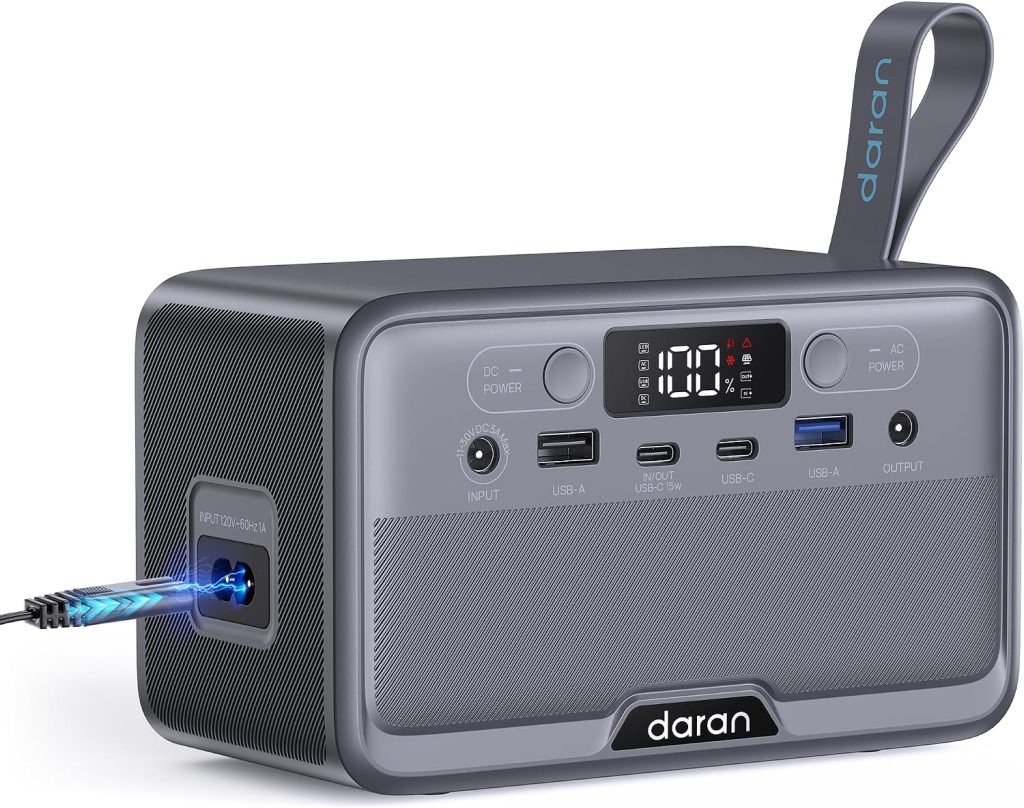
Before I ran the numbers, I thought this thing was a tiny power station. After I ran the numbers, I realized it’s a phone charger with ambitions. That’s not an insult. It’s a job description.
89.6Wh. 100W of AC output. Two and a half pounds. The listing calls it an “ultra-light portable power station for on-the-go emergency backup,” and every word of that is doing careful work to avoid saying what it really is: the biggest battery you can carry onto a plane without paperwork.
The 100Wh Line, and Why 89.6 Is Not an Accident
Airlines cap spare lithium batteries at 100Wh without special approval. 89.6Wh slides under that line with room to spare. This product doesn’t exist because someone needed 89.6 watt-hours specifically. It exists because 89.6 is the largest number that fits in a carry-on without a conversation with the gate agent.
Once you see that, the whole design makes sense. The 100W AC outlet — enough for a laptop brick, a camera charger, a drone battery. The USB-C PD ports. The weight, 2.54 pounds, light enough to forget in a daypack. This is a travel power brick that grew an AC outlet, not a shrunken home backup unit.
I bought my first one thinking “emergency backup for the house.” Wrong category in my head. It’s emergency backup for your backpack.
What 89.6Wh Actually Covers
Phone batteries hold around 12 to 15Wh. So 89.6Wh is roughly six full phone charges, minus conversion losses — call it five in the real world. A laptop with a 60Wh battery gets about one full charge. A mirrorless camera battery, maybe four or five charges. LED camp lights for a very long evening.
What it doesn’t cover: anything with a heating element, anything with a motor bigger than a fan, and — the one that surprises people — a full-size laptop running at full tilt while charging. A 100W outlet sounds like plenty until your workstation pulls 90W sustained and the station’s fan starts screaming.
I mapped my actual travel kit against it: laptop, two camera batteries, phone, headlamp, drone batteries. Everything on that list sips. The 100W ceiling never came up. The capacity did — by day three of a trip, I was rationing.
The Rationing Problem
Here’s the honest limitation of the whole ultra-light class. 89.6Wh is a day and a half of heavy phone-and-camera use, or three days if you’re careful. There’s no solar input fast enough to change that math in the field — 40W of solar in, if you even carry a panel, means two-plus hours of good sun per full refill.
So you ration. Phone on airplane mode overnight. Camera batteries charged one at a time. Laptop charged only to 80 percent because the last 20 is slow and wasteful. It works, but it’s camping with a spreadsheet.
Compare that to just carrying a 20,000mAh power bank at a third of the weight and a quarter of the price, and the AC outlet has to earn its keep. For me it does — drone batteries and camera chargers need real AC, and USB-C PD doesn’t cover everything. If you’re still deciding what size to bring outdoors, my best portable power station for camping roundup covers the step-up options honestly, including where the ultra-light class stops being enough.
The Airport Test
Small tangent, but it’s the reason this category exists. I’ve carried mine through security a dozen times. It goes in the bin with the laptop, nobody blinks, because 89.6Wh is printed right on the case and every TSA agent knows the 100Wh rule better than I know my own phone number.
A 256Wh station — the next size up, the one that would actually cover a long trip — goes in checked luggage exactly never, and in carry-on only with airline approval you won’t get at the counter. So the choice isn’t really 89Wh versus 256Wh. It’s 89Wh versus leaving the AC outlet at home.
That constraint shapes everything. The manufacturers aren’t being timid with capacity. They’re designing to a regulation.
What the Listings Won’t Say
“Emergency backup” in the title. For the house? A 89.6Wh box keeps a router alive for eight hours and that’s about the whole story. One router. Not the fridge, not the sump pump, not the furnace blower. If your emergency plan fits in 89Wh, your emergency is a dead phone, and that’s fine — just call it that.
The category also loves showing these next to tents with string lights, implying a weekend of power. A weekend of string lights, sure — LEDs sip. A weekend of actual devices, no. The photos aren’t lying, exactly. They’re just very selective about which devices count.
My own contribution to the confusion: I once recommended one of these to a friend for “camping power” without asking what he camped with. He runs a 12V fridge. The little box ran it for about four hours and he texted me a photo of the dead display at 2am. I deserved that text.
What About the Competition?
Three options at the small end, depending on whether you want to stay ultra-light or step up a class.
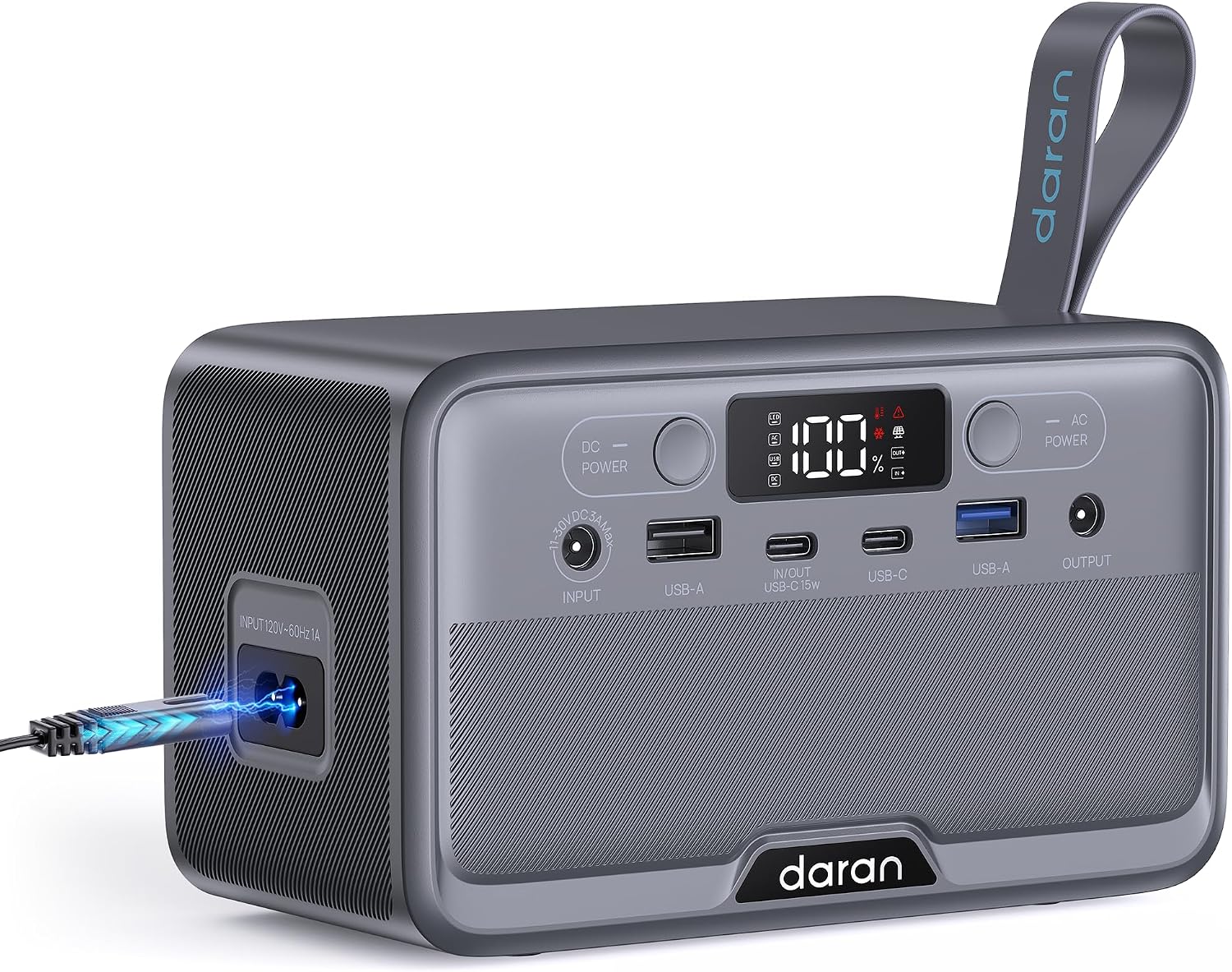
100W 89.6Wh Mini Power Station
100W, 89.6Wh, 2.5 lb. An AC outlet that fits in a daypack and flies anywhere.
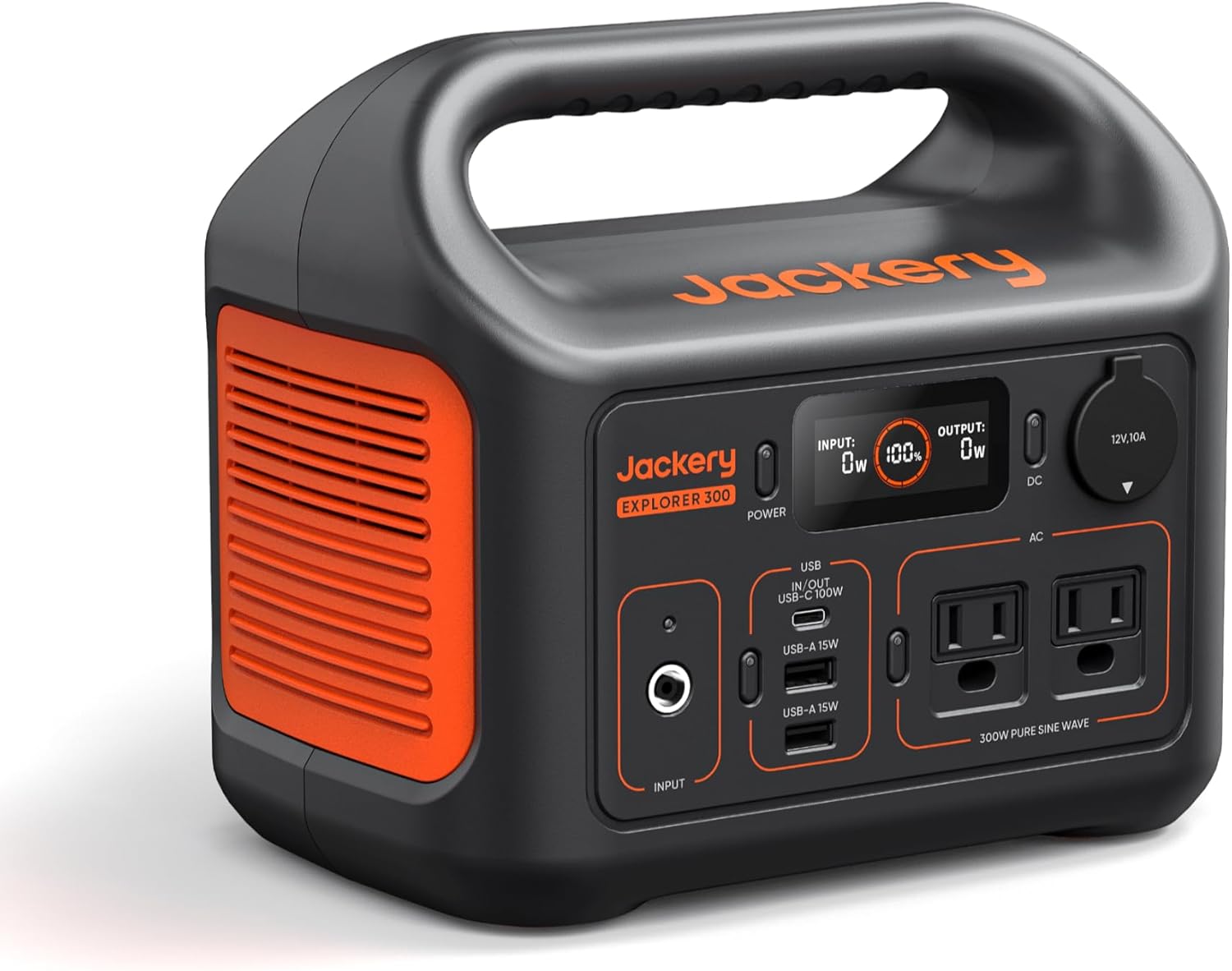
Jackery Explorer 300
293Wh, the benchmark 300W unit. The one every other small station gets compared to.
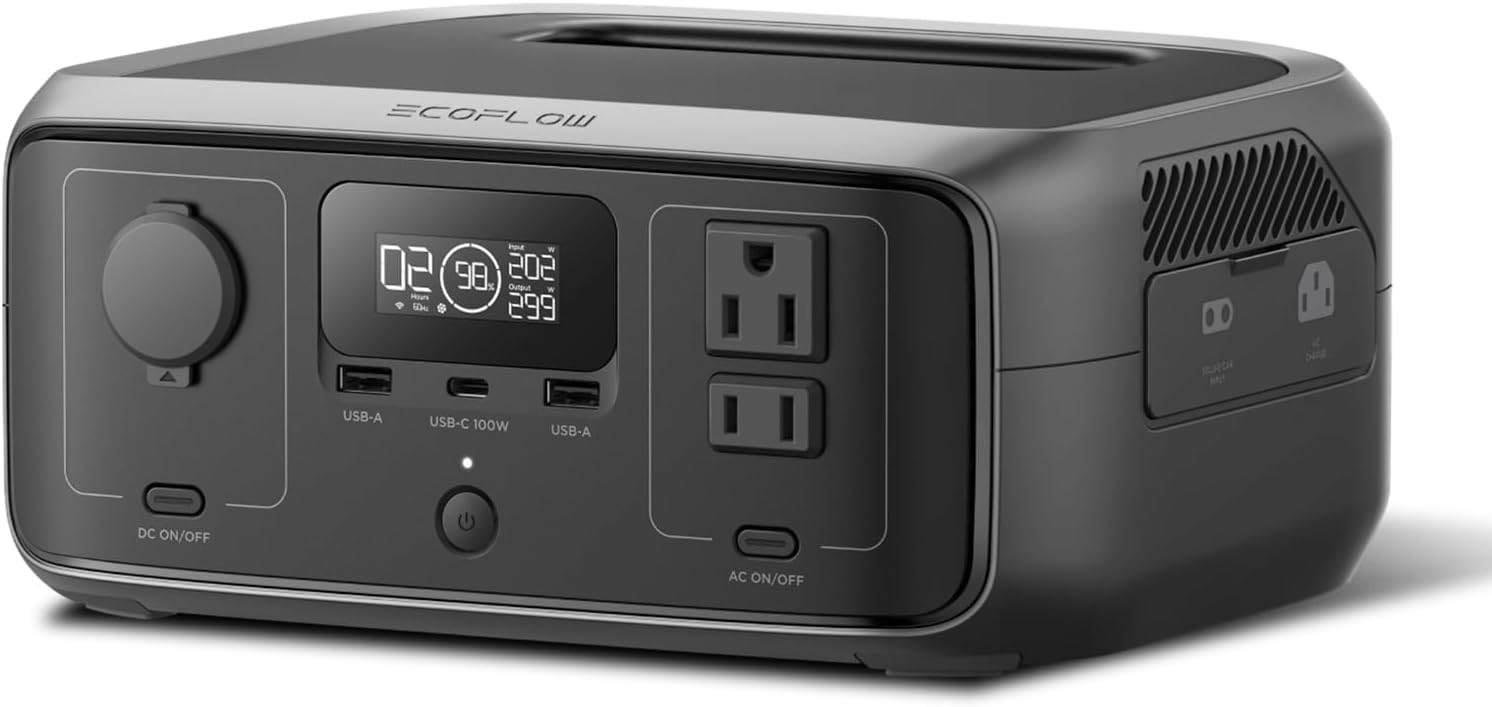
Take the 100W/89.6Wh mini if your kit is cameras, drones, and laptops on travel days — the AC outlet in a 2.5-pound package is genuinely useful, and it flies anywhere. Take the Jackery Explorer 300 or EcoFlow River 3 if the trip runs longer than a weekend and you can carry the extra pounds. The Howerasy 98Wh review covers a close sibling in this exact size class if you want a second opinion on the ultra-light trade-offs.
Skip the mini if everything you own charges over USB-C. A good power bank does the same job for less money and less weight, and I say that owning the mini and liking it.
It’s sitting in my daypack right now, at 100 percent, for a trip next week. Three days, two cameras, one drone. I ran the numbers again last night — phone, camera batteries, drone, headlamp — and it covers the trip with one careful day. Barely. I keep thinking about the bigger unit. Then I remember the airport line, the bin, the agent who didn’t blink, and I zip the daypack shut.
This site contains affiliate links. We may earn a commission on qualifying purchases.

