
Shopping for a 300W power station feels easy until you line up five listings and realize they all say the same things: 300W, solar generator, emergency backup, CPAP friendly. Same words, different boxes, prices spread across two hundred dollars.
I’ve owned three units in this class. Two were fine. One taught me what to actually look for, which is the only reason this guide exists.
The Wh Number Is a Cell Number, Not a Plug Number
Start here because everything else follows. The watt-hour rating on the box is measured at the cells. What comes out of the AC outlet is 15 to 20 percent less after the inverter takes its cut. A “293Wh” station gives you roughly 235Wh at the plug. A “220Wh” one gives you about 175.
This single correction reframes the whole shelf. Two stations labeled 20Wh apart can deliver nearly the same usable energy once you account for inverter efficiency differences — and nobody prints inverter efficiency on the box. I estimated 80 percent across the board because the alternative is trusting marketing, and I’ve stopped doing that.
When a listing brags about watt-hours without saying “usable” or “AC output,” mentally shave a fifth off. You’ll rarely be wrong. The longer walkthrough of what size portable power station you need builds on exactly this correction.
300W Is a Line, Not a Suggestion
What 300W runs: laptops, phones, tablets, cameras, drones, routers, LED lights, small fans, a CPAP machine through the night. The CPAP case is worth lingering on — I dug into the best portable power station for CPAP numbers separately because 40 to 60W for eight hours is 320 to 480Wh, which means a 300Wh-class station covers most of a night but not all of it.
What 300W doesn’t run: kettles, hair dryers, microwaves, space heaters, toasters, coffee makers. Heat is the wall. Anything that converts electricity directly into heat draws four to ten times what these boxes deliver, and the overload protection will just shut the party down.
The surge rating — usually 600W in this class — covers motor startups for a second or two. A small fan kicking on, a mini-fridge compressor. Don’t plan around it. Surge is a safety net, not a feature.
Battery Chemistry Is the Quiet Spec
Two chemistries dominate this shelf. Older lithium-ion (NMC) packs more energy per pound but ages faster — roughly 500 to 800 cycles before serious degradation. LiFePO4 is heavier for the same capacity but shrugs off 2,000 to 4,000 cycles.
For a box that sits in a closet between outages, cycle life barely matters; calendar aging gets it first either way. For a box that cycles weekly on camping trips, LiFePO4 is worth real money. I killed an NMC unit in two seasons of heavy use. My LiFePO4 replacement is on year three and still holds its charge like day one. Roughly. I haven’t run a capacity test this year — this number I’m not sure about, and I’ll say so instead of inventing one.
Check the listing’s fine print for the chemistry. If it doesn’t say, assume the cheaper one.
Charging Speed Decides How You Actually Use It
A 300Wh station that charges in two hours gets used. One that takes seven gets left in the closet. This sounds obvious and it governs everything — the best battery is the one that’s full when you need it.
AC charging in this class runs 60 to 150W input, so full refills take two to five hours. Solar input is usually capped around 100W, which in real sun means three to four hours, and in casual sun means all day. Car charging via the 12V socket trickles at 60 to 90W — fine for a road trip, useless in a hurry.
Buy for your refill reality. If your power goes out twice a year, AC speed barely matters. If you camp monthly, fast AC charging and decent solar input are worth more than an extra 50Wh of capacity. I learned this backwards, obviously.
The Drawer of Abandoned Cables
Off-topic, but related to how these things actually live in a house. I have a drawer — everyone has this drawer — full of charging cables, wall warts, and adapters accumulated over a decade. When I got my first power station, I spent an evening testing which of my devices could charge from its USB ports directly and which needed their bricks.
The answer reorganized the drawer. Half the bricks went in a bag labeled for the station. The other half stayed for wall use. There’s something satisfying about a power outage kit where every cable is already the right cable, and something deeply annoying about discovering at 11pm that your laptop needs its proprietary brick and the brick is at the office.
Audit your cables before the outage, not during. This advice cost me one dark evening to learn.
The Three Tricks of the 300W Shelf
Trick one: the photo with the fridge. A 300W station and a full-size fridge in the same product image is a fantasy novel cover. The station runs the fridge for maybe an hour before the compressor cycles bankrupt it. Mini-fridges, 40 to 60W — those work. Full-size — no.
Trick two: “solar generator” bundles where the panel costs more than the station. A 100W panel at a $150 markup on a $200 station is a bad deal wearing a bundle discount costume. Price the panel separately. Often the same panel sells alone for half the bundle premium.
Trick three, and this one’s on us buyers: buying 500Wh “for headroom” when the load list says 200. I did this. The bigger box sat heavier, charged slower, and got used less. Headroom you never use is just weight you paid for. Match the box to the list.
What About the Competition?
Three 300W-class units that cover the spread: the benchmark, the budget pick, and the fast charger.
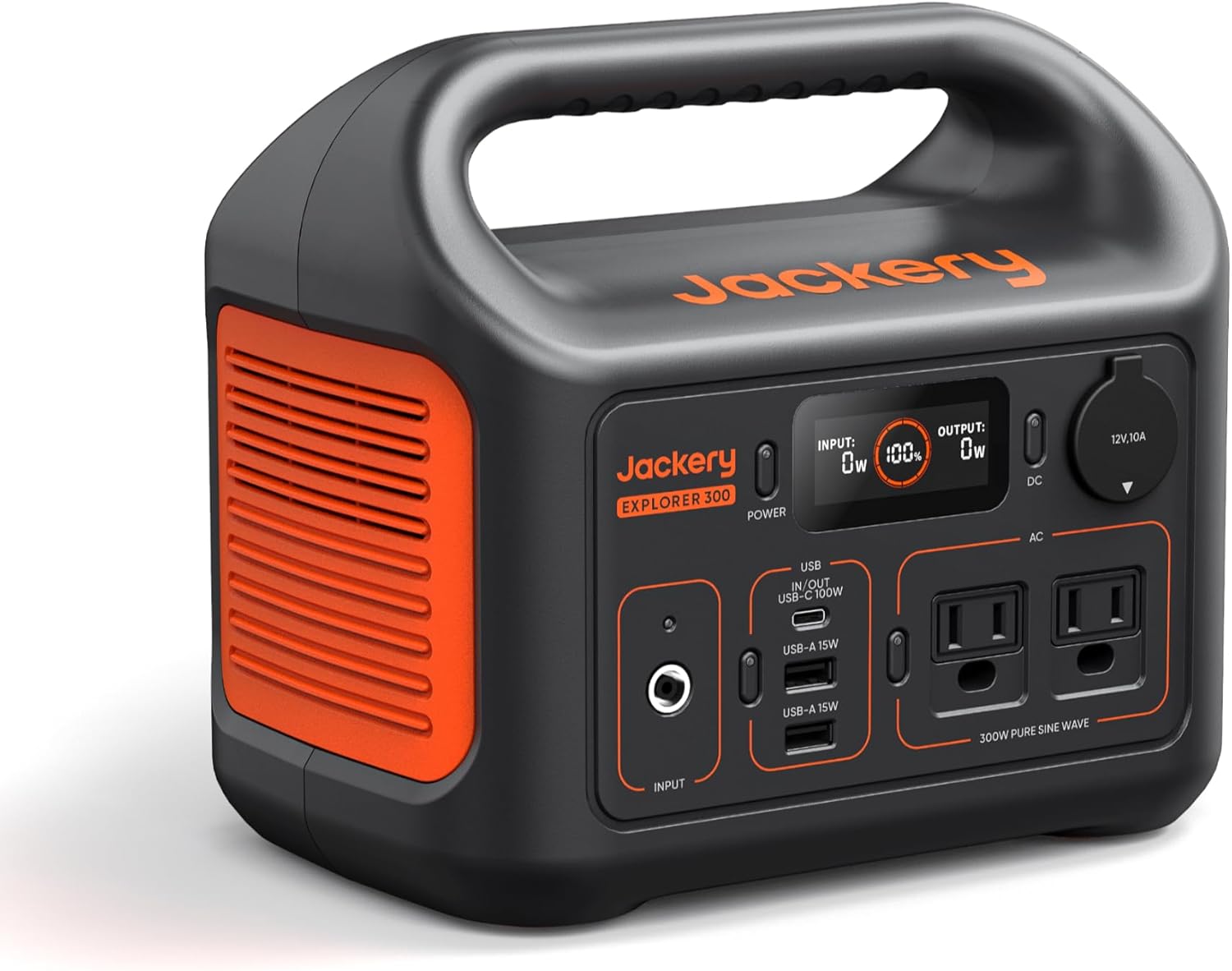
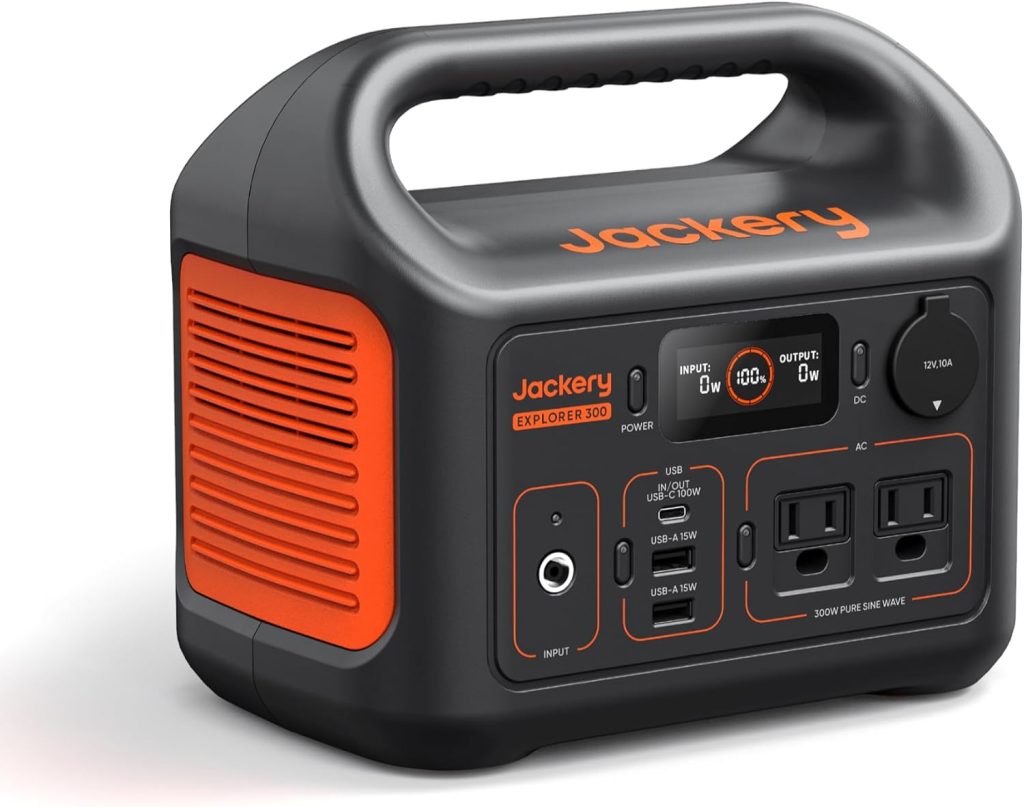
Jackery Explorer 300
293Wh, the benchmark 300W unit. The one every other small station gets compared to.
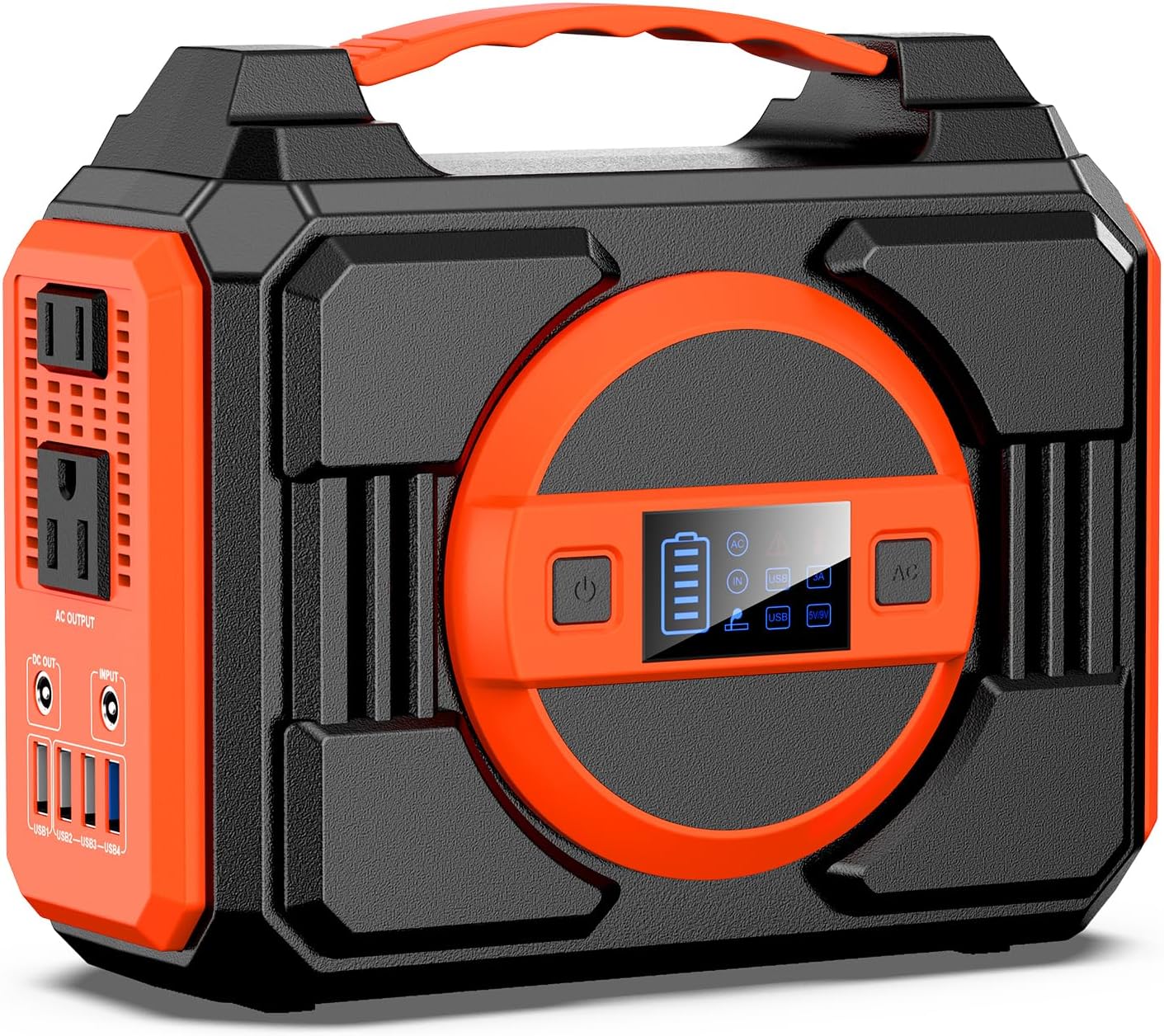
300W 220Wh Portable Power Station
300W/220Wh generic. Covers router, lamp, and phones overnight at a budget price.
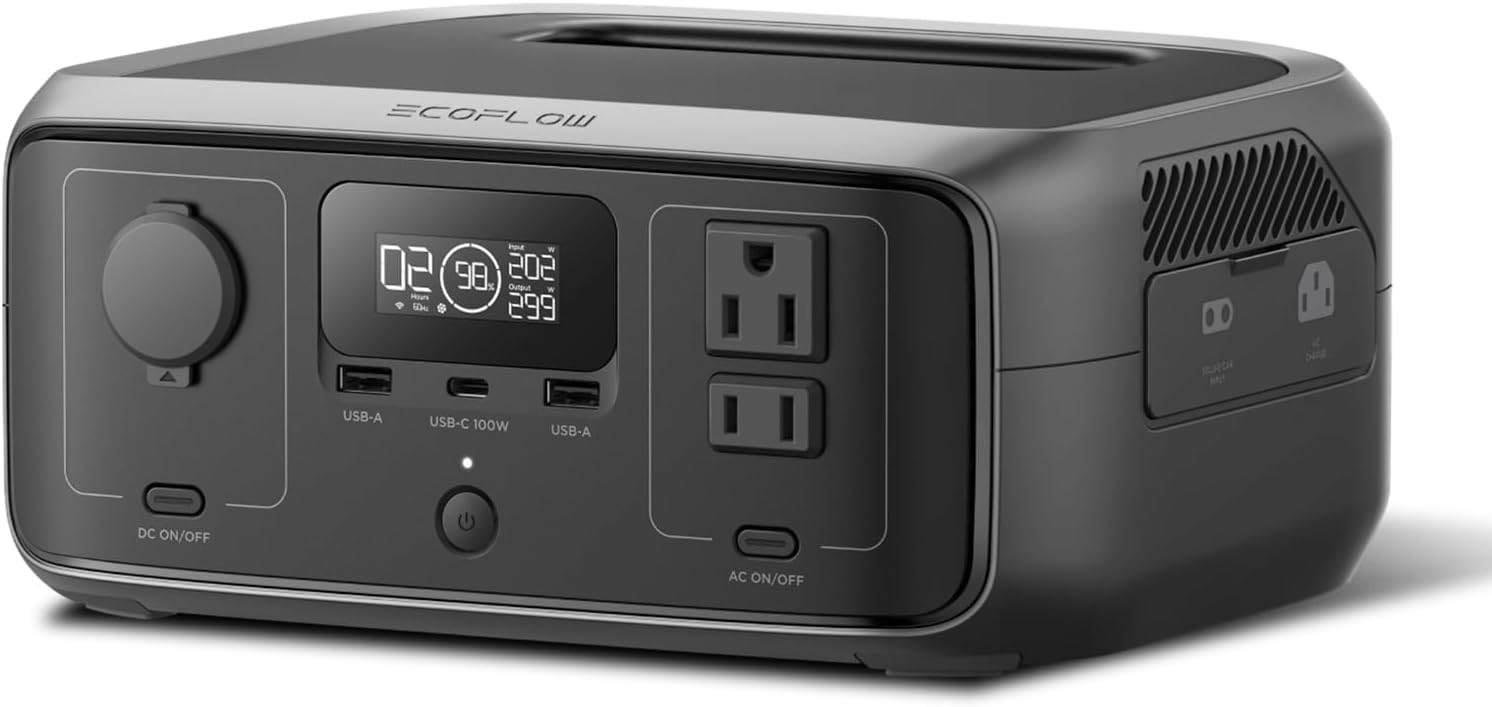
Buy the Jackery Explorer 300 if you want the reference unit for this class — 293Wh, the one every other 300W box gets measured against, with the longest owner history. Buy the generic 300W/220Wh unit if the price gap is big and your loads are light; fewer frills, same basic job. Buy the EcoFlow River 3 if recharge speed matters — getting back to full in half the time changes how often the box is actually ready.
Skip the class entirely if your list has a CPAP plus a fridge, or any heating appliance. That’s the next size up, and no 300W box negotiates with physics.
The one that taught me all this — the second unit, the fine one — is still in the closet, still holding charge, still running the router during the last outage. Four hours, then the power came back. I sat there in the lamplight doing the usable-watt-hour math one more time, out of habit. Old lessons stick around. So does the drawer of cables, now properly labeled, waiting for the next dark evening.
This site contains affiliate links. We may earn a commission on qualifying purchases.


