The storm took the power at 9pm and the house went dark in that total way it only does in the suburbs — no streetlights, no neighbor’s TV glow, just black. I found the lantern by muscle memory, third shelf of the hall closet, and thumbed the switch.
Light. Immediate, 360-degree, no warm-up. My kid stopped crying. That’s the whole review, really. Everything below is just details.
1500 Lumens Is a Lot, Briefly
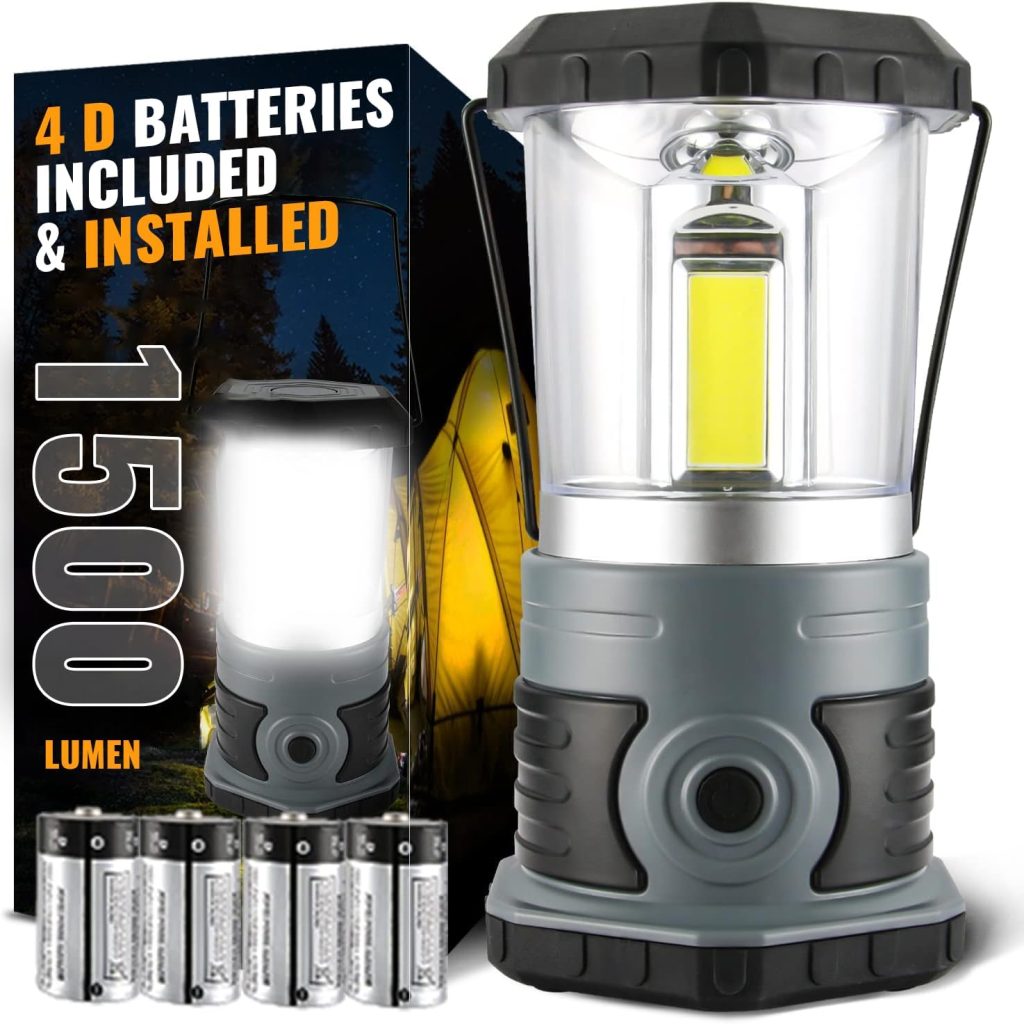
The innofox lantern’s headline number — 1500 lumens on high — is genuinely bright. Bright enough to light a whole room, bright enough to cook by, bright enough that you squint if you look at it. It runs that bright for about an hour and a half on the four D batteries, maybe two if they’re fresh alkalines.
Then the modes step down: 900 lumens medium, 500 low, 90 lumens on the night-light setting. The low modes are where this lantern actually lives. At 500 lumens you’ve got comfortable reading light for the evening. At 90, it’s a nightlight that runs for days — the listing claims up to 75 hours on the lowest draw, and low-draw LED math makes that plausible.
This is the pattern with every high-lumen lantern: the big number is for the box, the small numbers are for your life. Buy for the low modes. You’ll use high for ten minutes and low for ten hours.
D Batteries: the Honest Trade
Four D cells. Included in the box, which is nice. They weigh — I put them on the kitchen scale because I was curious — about 560 grams together. More than a pound of battery in a lantern that weighs roughly two pounds total.
Here’s why D batteries are actually the right call for an emergency lantern, and why I argued with myself about it before agreeing. Rechargeable lanterns are great until the outage outlasts their charge — then they’re a brick with a handle. D batteries sit in the closet for years (alkalines hold charge for most of a decade), and when they die you swap in fresh ones in thirty seconds. No outlet required. No planning required.
The trade is weight and ongoing cost. If you camp monthly, rechargeable wins on economics — the BioLite AlpenGlow 500 review covers a good rechargeable in that role. If the lantern lives in a closet for hurricanes, D cells win on readiness.
What IPX4 Survives
IPX4 means splash-proof from any direction. Rain, yes. A drop in the bucket, no. A drop in the lake, absolutely not. For a camping and emergency lantern, IPX4 is the right rating — it handles storms and wet hands and condensation in the tent.
What it doesn’t handle is the thing people actually do: leave it outside overnight in the rain and find it sitting in a puddle. Puddle is submersion. IPX4 doesn’t do submersion. Hang it under the rainfly, not on the groundsheet.
The build feels solid enough — chunky plastic, a handle that doubles as a hanging hook, a recessed hook on the bottom for hanging it upside down from a tent ceiling. I’ve dropped mine off a tailgate onto dirt. It bounced. The batteries stayed in. Good enough.
The Night the Grid Stayed Down
Sideways story. Different storm, two years earlier, before I owned a decent lantern. We had candles — romantic for twenty minutes, then just a fire hazard with a toddler — and one phone flashlight that died by midnight. I spent the night navigating by the microwave clock’s fading glow, which is a sentence that tells you everything about my preparedness level at the time.
The next morning I bought three lanterns. Not one. Three. One for the closet, one for the car, one for my parents’ house. Overkill? The car one has been used exactly once, during a roadside stop in the rain. The parents’ one gets used every time their block flickers. The closet one’s the hero.
Preparedness isn’t one perfect item. It’s the same adequate item in three places. The lantern covers light; for information and phone charging in an extended outage, I keep an emergency radio with NOAA alerts next to it. Different job, same shelf.
The Lantern Category’s Little Lies
Lie one: the lumen-hour math in the product photos. “1500 lumens!” next to “75 hours runtime!” — never at the same time, obviously, but the layout lets your brain merge them. High lumens OR long runtime. Pick one. Physics doesn’t do both.
Lie two: “rechargeable via USB” presented as pure upside. It is an upside, until you realize the rechargeable lantern you forgot to charge is a paperweight during the outage you bought it for. Rechargeable needs a maintenance habit. D batteries need a closet. Know which person you are.
Lie three — mine, from the early days: buying the brightest lantern instead of the most useful one. Lumens are cheap now. What matters is the low mode you’ll actually use, the battery you’ll actually have, and whether you can find the thing in the dark. I put glow-in-the-dark tape on mine. Best accessory I own. Costs nothing.
What About the Competition?
Two lanterns and the upgrade path, for the “what lights up my campsite” question.
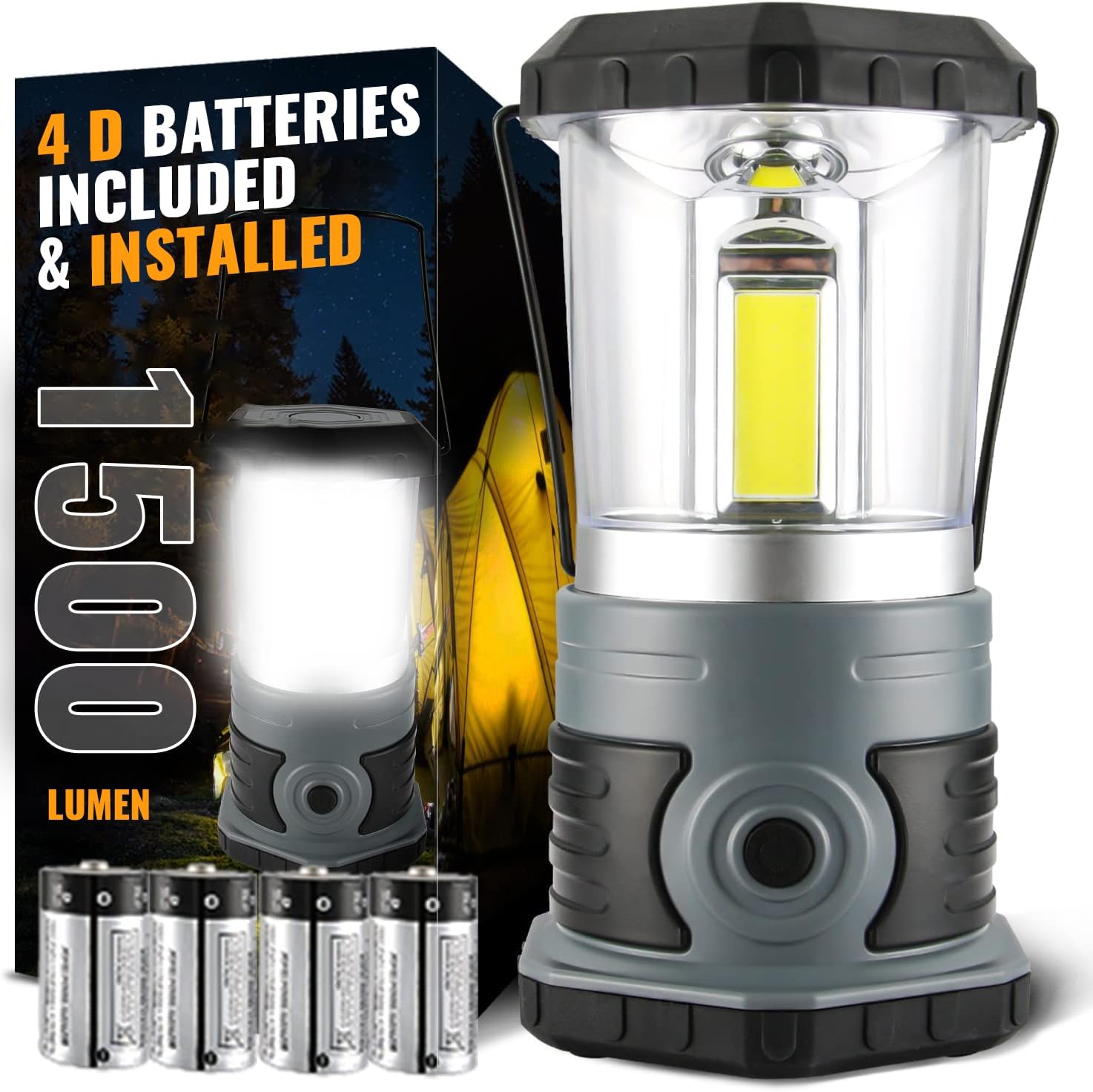
innofox 1500LM LED Camping Lantern
1500 lumens, 4 D batteries included. Closet-ready brightness for outages.
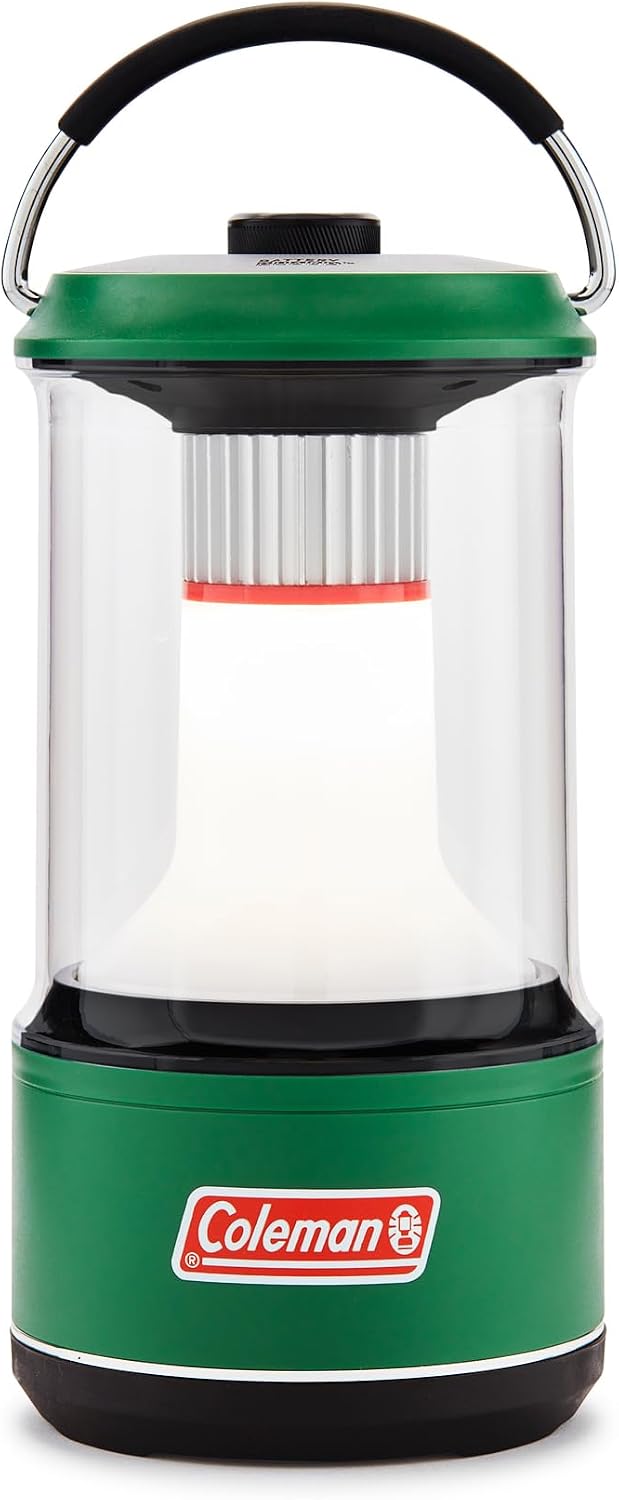
Coleman 1000L LED Lantern
1000 lumens with BatteryGuard. The established name for stored-ready lanterns.
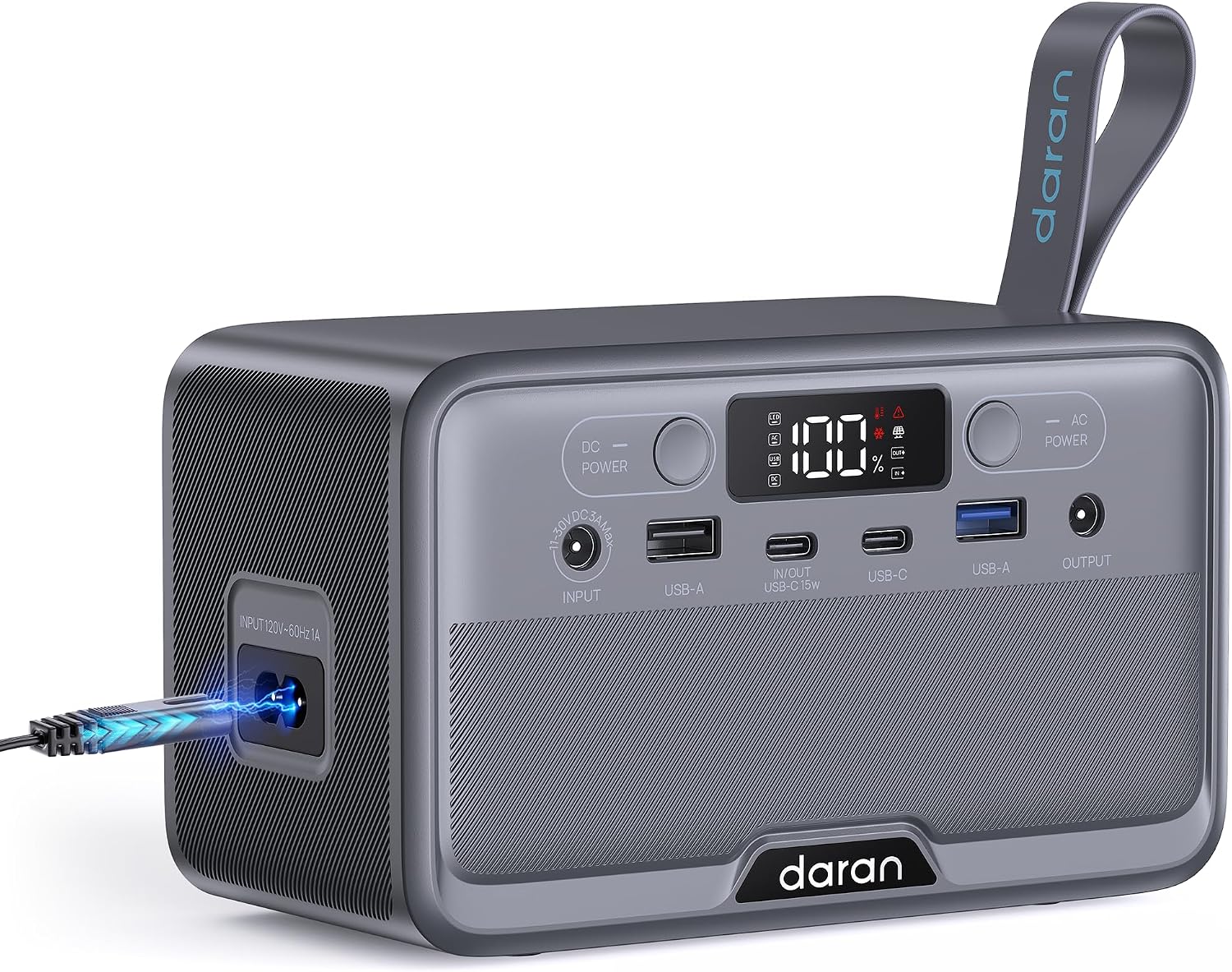
100W 89.6Wh Mini Power Station
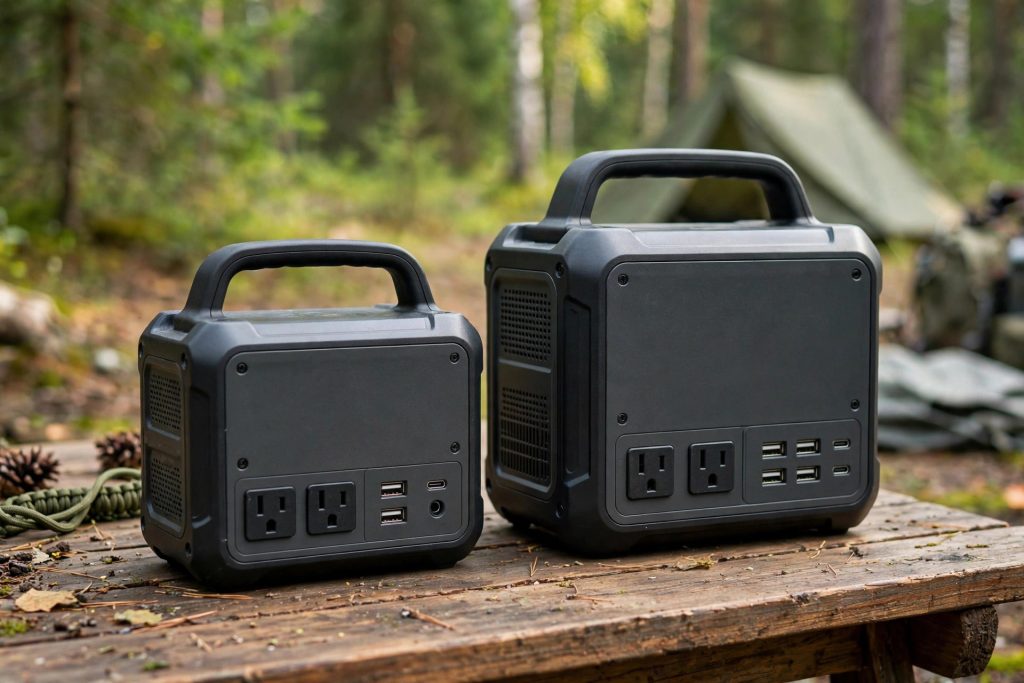
100W, 89.6Wh, 2.5 lb. An AC outlet that fits in a daypack and flies anywhere.
Buy the innofox 1500LM if you want maximum brightness with D-battery readiness — 1500 lumens high, four modes, batteries included, the closet-ready pick. Buy the Coleman 1000L if you prefer the established name and its BatteryGuard trickle protection; 1000 lumens is plenty for most rooms and the batteries last longer in storage. Buy the little 100W power station if you want light plus phone charging plus a lot more — it runs a lantern for days and charges everything else too.
Skip the high-lumen arms race if your actual use is reading in a tent. A 500-lumen low mode beats a 2000-lumen high mode you’ll never sustain.
The storm lantern is back on the third shelf of the hall closet, batteries fresh, glow tape on the handle. The kid is older now and thinks power outages are an adventure — flashlights, shadows on the wall, the specialness of the dark house. She’s right, actually. The lantern just makes the adventure visible.
This site contains affiliate links. We may earn a commission on qualifying purchases.