Goal Zero Lighthouse 600 Review: 600 Lumens + USB Power Hub
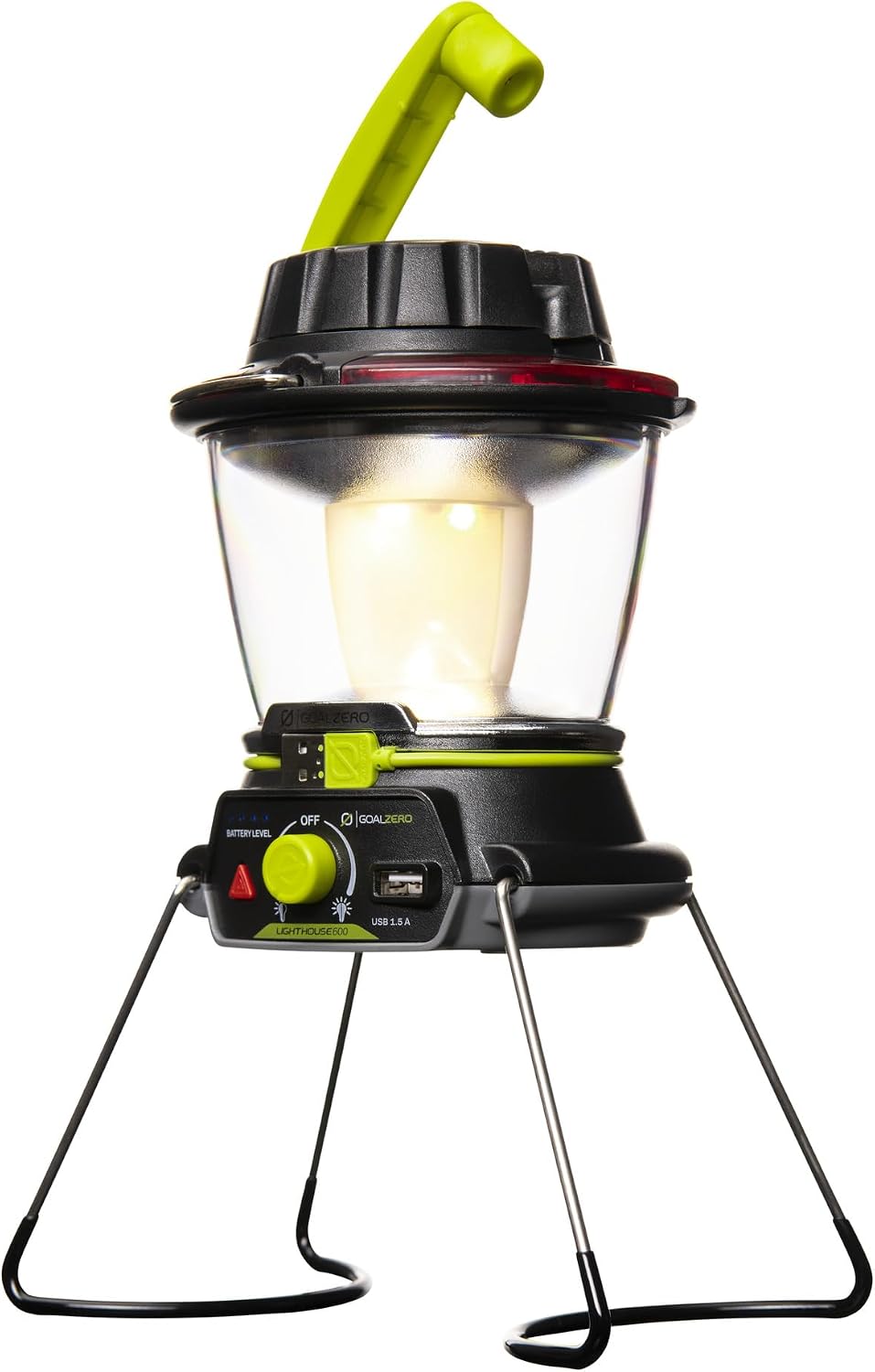
Buying your first camping lantern feels like it should be simple. It’s a light. You turn it on. But then you’re staring at lumens, runtimes, charging methods, and battery sizes — and the cheap one at the checkout counter starts looking suspiciously different from the one experienced campers actually recommend. The Goal Zero Lighthouse 600 sits in the sweet spot for first-time buyers: up to 600 lumens of warm-white light, a battery big enough to top up your phone, and three ways to recharge it when outlets are nowhere in sight. This guide explains what to look for in a first lantern, and where this one fits.
Quick Answer
The Goal Zero Lighthouse 600 is an easy first lantern to buy right. You get up to 600 lumens of adjustable warm-white light, a 5200mAh battery that doubles as a USB phone charger, and recharging via USB, solar panel, or hand crank. The trade-offs: the battery is a partial phone charge, not a full power bank, and the hand crank is an emergency trickle — not a primary charging method.
Compare Top Camping Lanterns
Three proven picks side by side — choose the one that fits your needs.
Prices and availability may vary — tap any product to check the current listing.
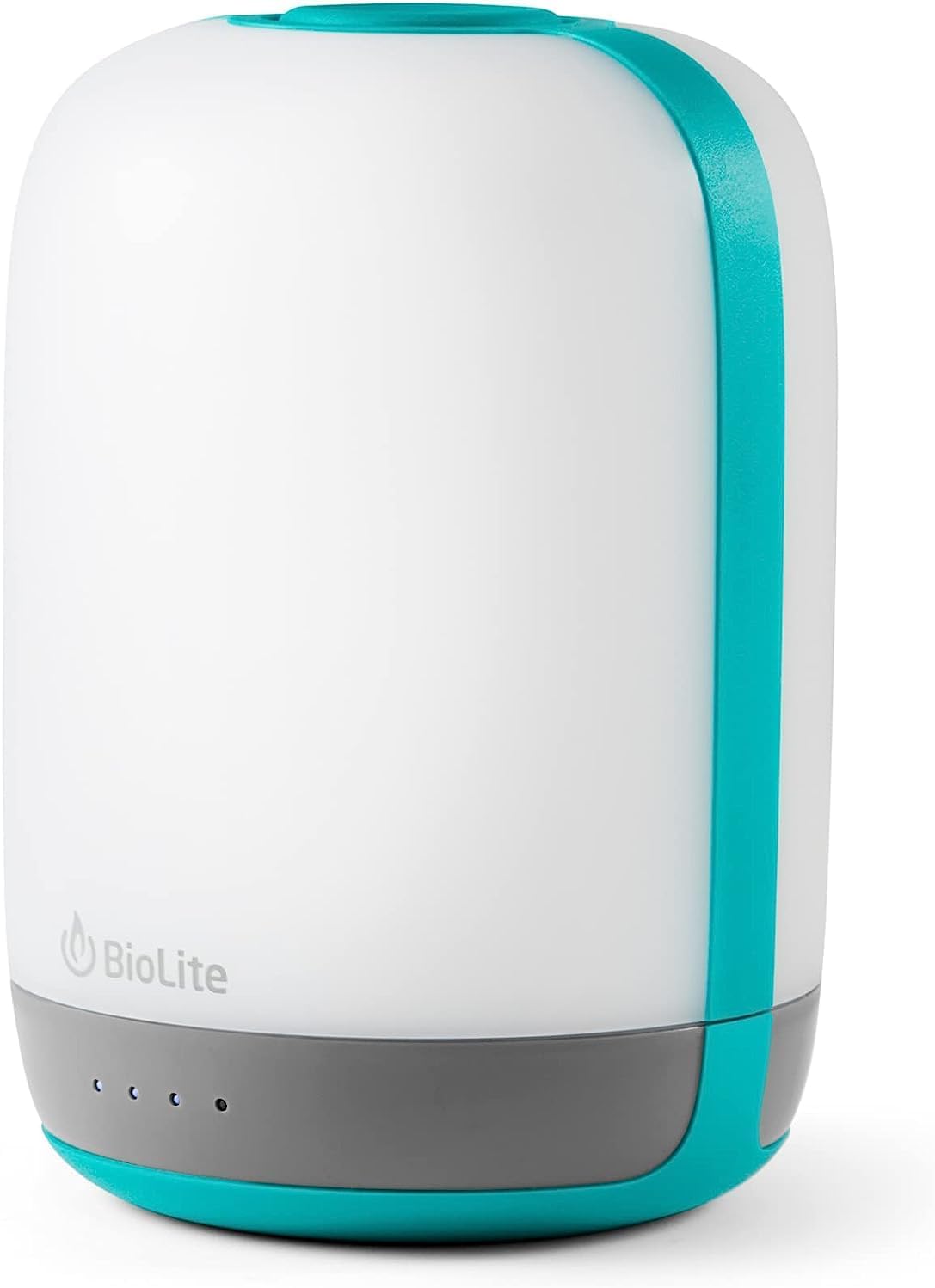
We have also reviewed the BioLite AlpenGlow 500 and the Streamlight Super Siege if you want to compare lantern options.
What to Look For in Your First Camping Lantern
A lantern is one of those purchases where beginners overthink the wrong thing and underthink the right one. They fixate on brightness and ignore runtime. They forget about how the thing charges. They buy the brightest box on the shelf and wonder why it’s dead by 10 p.m. Here’s what experienced campers actually check, in order of how much it matters on a real trip.
Brightness: What Lumens Mean at Camp
Lumens measure total light output. Around 300–600 lumens lights a campsite comfortably — enough to cook by, read by, and see across the picnic table. The Lighthouse 600 tops out at 600 lumens, which is genuinely bright for a lantern this size, and it dims down smoothly for everything quieter.
But here’s the thing beginners miss: more lumens isn’t automatically better. A 1000-lumen lantern on full blast will eat its battery in a few hours and turn your tent into an interrogation room. Dimming matters more than the maximum number. The Lighthouse’s warm-white 3500K LEDs are part of this — warm light feels dimmer than cool white at the same lumen rating, but it’s far more pleasant to sit under for hours. Cool white is for task lighting; warm white is for living.
And light color affects more than mood. Warm light attracts fewer bugs than cool white, which anyone who’s cooked dinner under a cool-white floodlight in July can confirm.
Runtime: The Spec That Actually Matters
Runtime is where cheap lanterns fall apart. The Lighthouse 600 runs up to 320 hours on its lowest setting with one side lit — that’s effectively forever for a weekend trip. On full 600-lumen brightness with both sides on, it’s around 2.5 hours. That range tells you everything about how to use it: low for ambient evening light, high for bursts of task lighting.
The mistake is treating runtime as a single number. It’s always a trade-off between brightness and hours. Half-lantern mode exists precisely for this — light one side instead of both and you stretch the battery dramatically. Multi-night trips without recharging are entirely doable if you live in the lower settings.
There’s a reason this category keeps showing up in conversation — it solves a real annoyance, which is watching your only light die on night two.
Charging Options: Three Ways In
The Lighthouse 600 charges three ways: any USB port, a Goal Zero solar panel, or the built-in hand crank. USB is the primary method — charge it at home before the trip and you’re set. Solar works well for extended trips: leave the panel out during the day, top up the lantern, repeat.
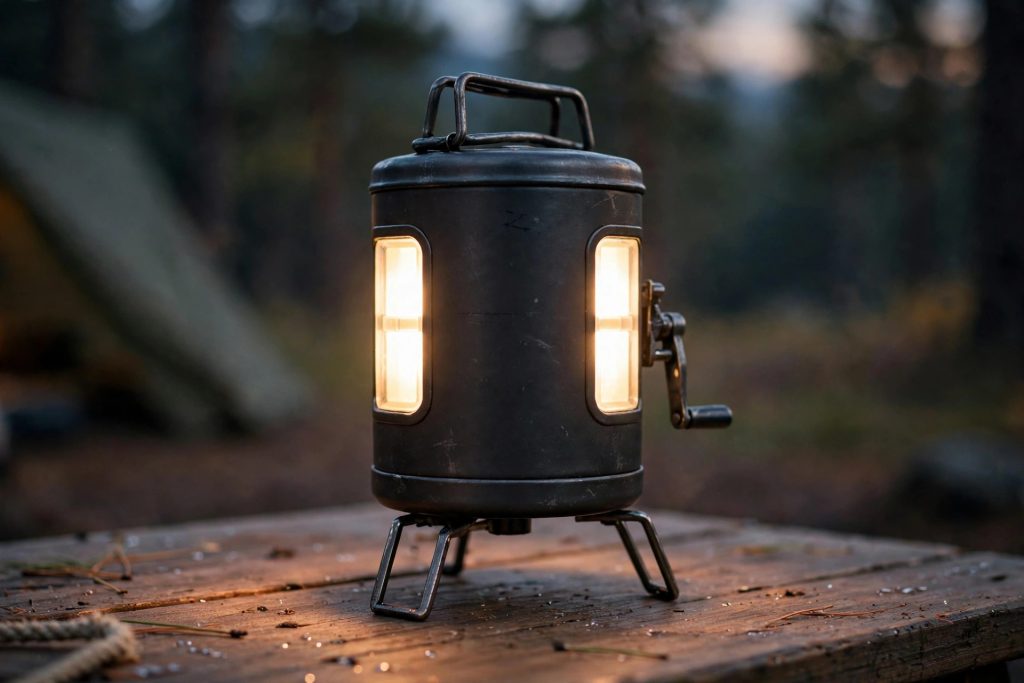
The hand crank deserves an honest paragraph. One minute of cranking gives roughly ten minutes of light on low. That ratio sounds bad, and it is bad — as a primary charging method. But it’s not a primary charging method. It’s an emergency trickle for the situation where everything else failed and you need light right now. Cranks exist for the night the battery dies and there’s no sun until morning. Judge it on that basis, not as a charger.
USB Power Hub: Light Plus a Phone Top-Up
The 5200mAh internal battery has a USB output for phones, headlamps, and small devices. This is the feature that makes the Lighthouse 600 a two-job device instead of a one-job device. One thing in your pack covers evening light and keeps your phone reachable.
Keep expectations honest, though. 5200mAh is a partial phone charge for most modern phones — enough to get you through the night and the drive home, not enough to fully recharge a dead phone twice. And every milliamp you send to your phone is light you’re not getting later. On a short trip, that’s fine. On a long trip, bring a dedicated power bank and let the lantern be a lantern.
Weather Resistance
Camp gear gets wet. It rains, tents leak, dew soaks everything. A lantern without decent weather resistance is a lantern with an expiration date. The Lighthouse 600 handles typical camp moisture — rain, splashes, damp mornings — without drama.
It’s not a dive light, obviously. Don’t submerge it. But for the rain-and-dew reality of camping, it’s built for the job. This is one of those specs where “good enough” is genuinely good enough, and anything less is a reason to keep shopping.
Hanging and Placement
Where the light goes matters as much as how much light there is. The Lighthouse 600 has fold-down legs for tabletop use and a hanging handle for tent loops and branches. At just over a pound, it hangs from places that would drop a heavier lantern.
Hang it high for area light, set it low for table light. That’s the whole technique. One practical note: hang it from the tent’s gear loop, not from a branch you might bump — a swinging lantern casts moving shadows that are more annoying than darkness.
Match the Lantern to Your Life
Two very common buyers, two slightly different priorities. See which one you are.
The First-Time Tent Camper
You’ve got the tent, the sleeping bag, and a growing list of things you didn’t know you needed. The lantern is near the top of that list because your phone flashlight is terrible for everything except finding your shoes.
For this person, simplicity wins. The Lighthouse 600 needs no explanation: charge it via USB before you leave, hang it in the tent, dim it down for the evening. The USB output covers the “my phone is at 20%” panic without a second device. The hand crank sits there as insurance you’ll probably never use — and that’s fine, insurance is supposed to be boring.
What you don’t need yet: multicolor party modes, app control, or a lantern that costs as much as your tent. Get the fundamentals right first.
The Emergency-Prep and Backyard Host
You want one light that lives in the hall closet for power outages and pulls double duty for backyard dinners. Different job, same lantern.
Here the three charging methods earn their keep. USB for everyday readiness, solar for extended outages, hand crank for the true worst case. The warm 3500K light matters more at home than at camp — it doesn’t make your living room feel like a parking garage. And the 320-hour low-mode runtime means even a multi-day outage is manageable if you’re disciplined about brightness.
The limitation to plan around: 5200mAh won’t run your household’s phones for a week. For serious outage prep, pair it with a larger power station and let the lantern do what it’s good at — being a lantern.
How the Tiers Compare
Lanterns sort into clear tiers. The right one depends on how you camp — and how much you care about features beyond light.
| Type / Tier | Best For | Price Tier | Key Feature | Watch Out |
|---|---|---|---|---|
| Basic battery lantern | Occasional backyard use | Budget | Cheap and simple | Weak runtime; disposable batteries |
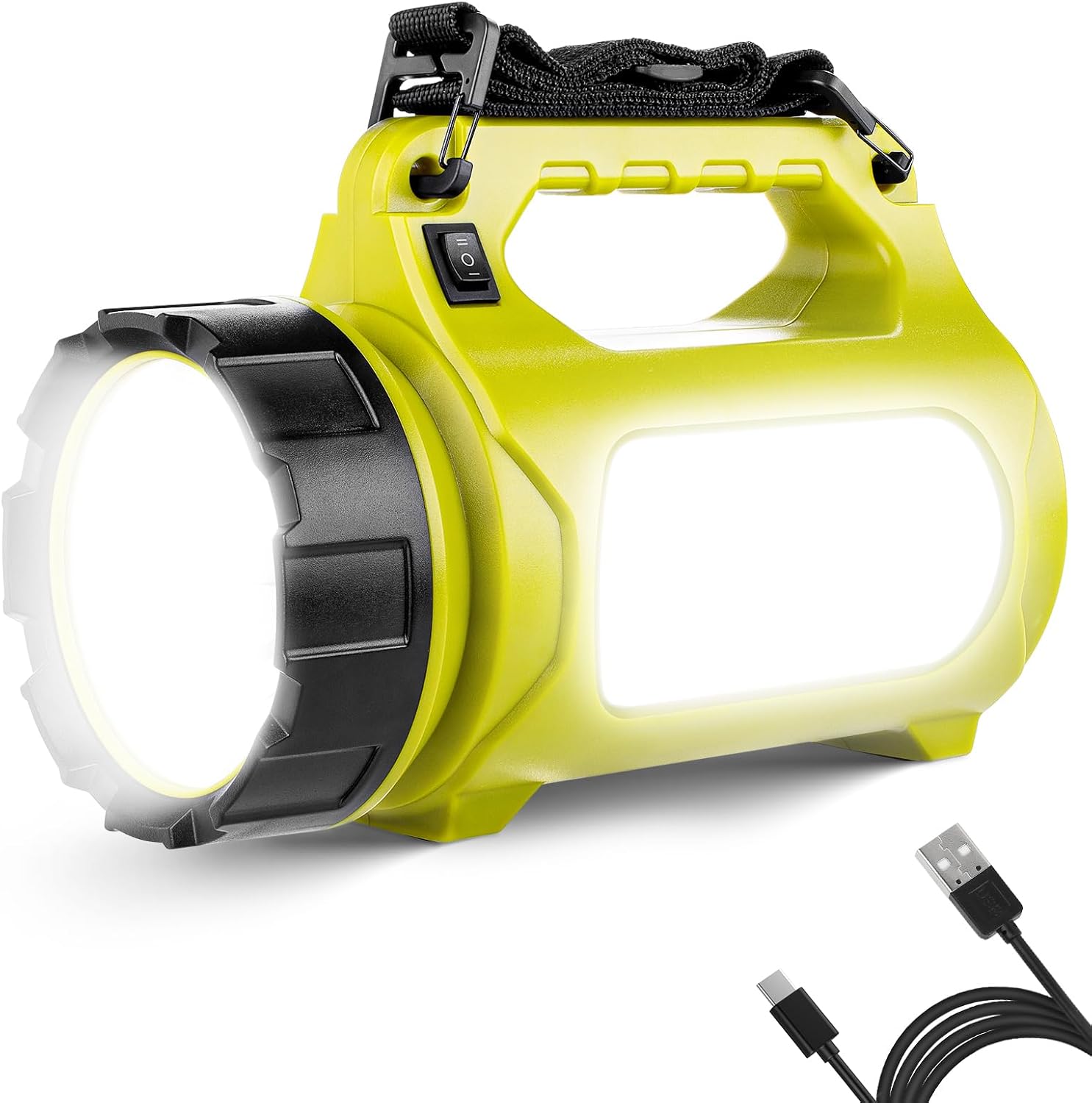
| High-output budget (LE 1000LM) | Big groups, work sites | Budget | Very bright, doubles as power bank | Bright drains fast; bulkier feel |
| Mid-range all-rounder (Lighthouse 600) | First-time campers, emergency kits | Mid-range | Balanced brightness, USB hub, 3 charging ways | Partial phone charge; crank is emergency-only |
| Feature-heavy multicolor (BioLite AlpenGlow 500) | Ambiance lovers, group hangs | Premium | Color modes, excellent light quality | You’re paying for fun, not function |
A basic battery lantern is fine for the patio and a poor choice for the backcountry — disposable batteries die fast and you can’t recharge them at camp.
The high-output budget tier, like the LE 1000LM, is the brightness bargain: huge light, power-bank function, friendly cost. The trade-off is efficiency — all that light costs battery.
The mid-range all-rounder is where the Lighthouse 600 lives, and it’s the tier most first-time buyers should land in: enough of everything, nothing you don’t need.
The multicolor premium tier, led by the BioLite AlpenGlow 500, is for people who want their campsite to feel like an experience — candle flicker, color cycling, the works. Genuinely delightful. Genuinely optional.
Your First Camping Trip: One Lantern, Three Jobs
Picture the first evening. You arrive at camp, hang the Lighthouse 600 from the tent’s gear loop on medium, and set up in actual light instead of phone-flashlight gloom. Dinner gets cooked under the lantern on high — or better, hang a second cheap light over the cooking area and keep this one for the table.
After dinner, dim it down. This is the part beginners skip: you don’t need full brightness all evening. Low warm light is plenty for conversation, cards, and winding down, and it sips the battery. Your phone goes on the USB output for an hour while you eat — not a full charge, but enough.
Night two, same routine. If you were disciplined about brightness, the battery indicator still shows plenty. That’s the whole skill of lantern ownership: brightness discipline. High is a tool, not a lifestyle.
When the Power Goes Out at Home
Outages are the lantern’s second life. One Lighthouse 600 on low lights a room well enough to move around safely, and on medium it’s comfortable for an evening. The 320-hour low-mode figure means runtime is the last thing to worry about — fuel for thought: a single evening of conservative use barely dents the battery.
The practical setup: keep it charged and somewhere you can find in the dark. Hall closet, kitchen drawer, the spot by the door. A dead lantern in a blackout is just a paperweight with a handle. Top it up every few months if it sits unused — lithium batteries self-discharge slowly, and “I charged it last year” is how people end up in the dark.
And resist the urge to run it on high all evening during an outage. Same rule as camp. Low is plenty.
Common Mistakes Buyers Make
Shopping by lumens alone. The brightest lantern on the shelf usually has the worst runtime and the least pleasant light. For camp living, dimmability and light color matter more than the maximum number. A 600-lumen lantern you can dim beats a 1000-lumen lantern you can’t stand.
Ignoring how it charges. A lantern with no USB charging and no solar option is a lantern that dies and stays dead on a multi-day trip. Check the charging methods before you check anything else. The hand crank on the Lighthouse 600 is a bonus — the USB port is the feature.
Hanging it wrong. Too low and it blinds everyone at the table. Too close to the tent wall and half the light is wasted. Hang it high and central, or set it on the table with the legs out. And never hang it where you’ll walk into it — a swinging lantern is worse than no lantern.
Treating the USB hub like a power bank. 5200mAh is a top-up, not a charging station. Plan your phone power separately on longer trips — a dedicated power bank, or the car charger on the drive. The lantern’s battery is for light first.
Questions People Ask Before Buying
These are the questions shoppers actually type into search and AI assistants when they’re close to buying. Straight answers, no fluff.
Is the Goal Zero Lighthouse 600 worth it?
Yes, for first-time campers and emergency kits — it’s one of the easiest lantern purchases to get right. You get up to 600 lumens of pleasant warm-white light, a battery that doubles as a phone top-up, and three charging methods including solar and a hand crank for true off-grid situations. It’s not the brightest or the cheapest lantern available, but as a balanced all-rounder for someone buying their first serious lantern, it covers every base that matters.
Buy it if you want one device for light plus emergency phone power. Skip it if you specifically want multicolor ambiance or maximum brightness — other lanterns do those single things better.
How long does the Lighthouse 600 last on a charge?
It depends entirely on brightness: up to 320 hours on the lowest setting with one side lit, and around 2.5 hours at full 600-lumen brightness with both sides on. In practice, most campers live in the middle — medium brightness for a few evening hours — which stretches a single charge across a long weekend without recharging. Use half-lantern mode to light one side and extend runtime further.
The takeaway: runtime is a brightness decision, not a fixed number. Dim it and it lasts for days.
Can the Lighthouse 600 charge a phone?
Yes, via its USB output — but treat it as a top-up, not a full recharge. The 5200mAh internal battery holds roughly a partial charge for most modern phones, enough to get through the night and stay reachable. Every charge you give your phone is light you won’t have later, so on longer trips bring a dedicated power bank and let the lantern focus on being a lantern. For a weekend trip, though, the built-in hub genuinely replaces a second device.
Lighthouse 600 vs BioLite AlpenGlow 500 — which should I buy?
Buy the Lighthouse 600 if you want straightforward utility: brighter maximum output, three charging methods including a hand crank, and a no-nonsense design. Buy the BioLite AlpenGlow 500 if ambiance matters to you — its multicolor modes, candle flicker, and excellent color rendering make a campsite feel special in a way the Lighthouse doesn’t try to match. The BioLite also has a larger 6400mAh battery and USB output, so it’s no slouch on utility either.
Honest summary: Lighthouse for function, AlpenGlow for feel. Most first-time buyers are better served by function.
What should I look for in my first camping lantern?
Five things, in this order: rechargeability via USB (so it doesn’t die permanently on day two), usable runtime at medium brightness (enough for a weekend), dimming (because full blast all evening is miserable), a hanging option (placement matters), and weather resistance (camp gear gets wet). Brightness maximum is less important than beginners think — 300 to 600 lumens covers real campsite needs. The Lighthouse 600 checks all five, which is exactly why it keeps coming up as a first-lantern recommendation.
Why, How, What: Quick Answers
Why do warm-white LEDs matter at camp?
Because you’ll be sitting under the light for hours, and light color shapes the whole evening. Warm white (around 3500K, like the Lighthouse 600) feels like firelight — relaxing, easy on the eyes, and less attractive to bugs. Cool white feels like a parking lot: great for finding a dropped tent stake, terrible for conversation. Task lighting wants cool; living wants warm. A lantern is for living.
How do you stretch one charge across a long weekend?
Brightness discipline. Use high only for tasks — cooking, setup, finding things — then drop to low or medium for the evening. Light one side with half-lantern mode instead of both. Turn it off when you’re in the sleeping bag; you don’t need ambient light to sleep. Most campers who complain about short runtime are running full brightness all night. The battery isn’t the problem. The habit is.
What makes a lantern “emergency-ready”?
Three things: multiple ways to recharge, long low-mode runtime, and a battery that can share power. The Lighthouse 600 has all three — USB, solar, and hand crank charging; up to 320 hours on low; and a USB output for phones. A lantern with only one charging method is a lantern with a single point of failure. Redundancy is the whole point of emergency gear.
Frequently Asked Questions
How do you recharge the Lighthouse 600?
Three ways: any USB port (the primary method — charge it at home before the trip), a Goal Zero solar panel for extended off-grid use, or the built-in hand crank for emergencies. USB is what you’ll actually use; solar is the off-grid extender; the crank is the last resort that earns its keep about once a year.
Is the hand crank actually useful?
As an emergency trickle, yes. As a charger, no. Roughly a minute of cranking gives about ten minutes of light on low — nobody’s charging a dead battery that way. But when everything else has failed and you need light right now, ten minutes of light from one minute of cranking is genuinely valuable. It’s insurance, not infrastructure.
Can it survive rain?
Yes for normal camp weather — rain, splashes, and damp mornings are all fine. It’s built for the reality of outdoor use, not for a shelf. Don’t submerge it and don’t leave it sitting in a puddle, but a rainy night at camp is well within what it handles.
Is 600 lumens enough for a campsite?
Comfortably. 300–600 lumens lights a campsite for cooking, eating, and moving around; 600 on full is genuinely bright for a lantern this size. What matters more than the maximum is dimming — you’ll spend most evenings well below full brightness. If you’re lighting a big group area or a work site, that’s when brighter lanterns earn their keep.
How heavy is it, and does it hang well?
Just over a pound, which is light enough to hang from a tent gear loop or a branch without worry. The fold-down legs handle tabletop duty and the hanging handle covers everything overhead. Hang it high and central for area light; low and close for table tasks.
What does half-lantern mode do?
It lights one side of the lantern instead of both, roughly halving power consumption and dramatically extending runtime. It’s the mode for long evenings and multi-night trips — you rarely need full 360-degree light, and half mode still lights a tent or a table just fine. Think of it as the eco mode of the lantern world.
Final Recommendation
The Goal Zero Lighthouse 600 is the lantern I’d hand to someone buying their first one. Not because it’s the brightest or the cheapest, but because it gets the fundamentals right: pleasant warm-white light you can dim, a battery that stretches across a weekend with sensible use, USB charging plus solar and crank backup, and a phone top-up built in. The trade-offs are honest ones — partial phone charge, emergency-only crank — and neither should surprise anyone who reads the specs.
Want maximum brightness on a budget? The LE 1000LM is the value play. Want your campsite to feel magical? The BioLite AlpenGlow 500’s color modes are genuinely delightful. But for the first lantern — the one that lives in the closet for outages and rides along on every trip — the Lighthouse 600 is hard to beat.
Decision Tree: Which Lantern Fits You?
First lantern, keep it simple? → The Lighthouse 600. Balanced, honest, hard to get wrong.
Big group or work site, need max brightness cheap? → The LE 1000LM. Brightness bargain.
Want ambiance — colors, candle flicker, the vibe? → The BioLite AlpenGlow 500. Delightful, optional.
Just the patio, occasional use? → A basic battery lantern. Don’t overbuy.
Key Takeaways
• The Goal Zero Lighthouse 600 offers up to 600 lumens of warm-white (3500K) light with smooth dimming and half-lantern mode.
• Its 5200mAh battery doubles as a USB phone top-up — partial charge, not a full power bank.
• Three charging methods: USB (primary), solar panel, and hand crank (emergency trickle).
• Runtime ranges from ~2.5 hours on full to up to 320 hours on low — brightness discipline is the skill.
• Just over a pound, with fold-down legs and a hanging handle for tent, table, or outage duty.