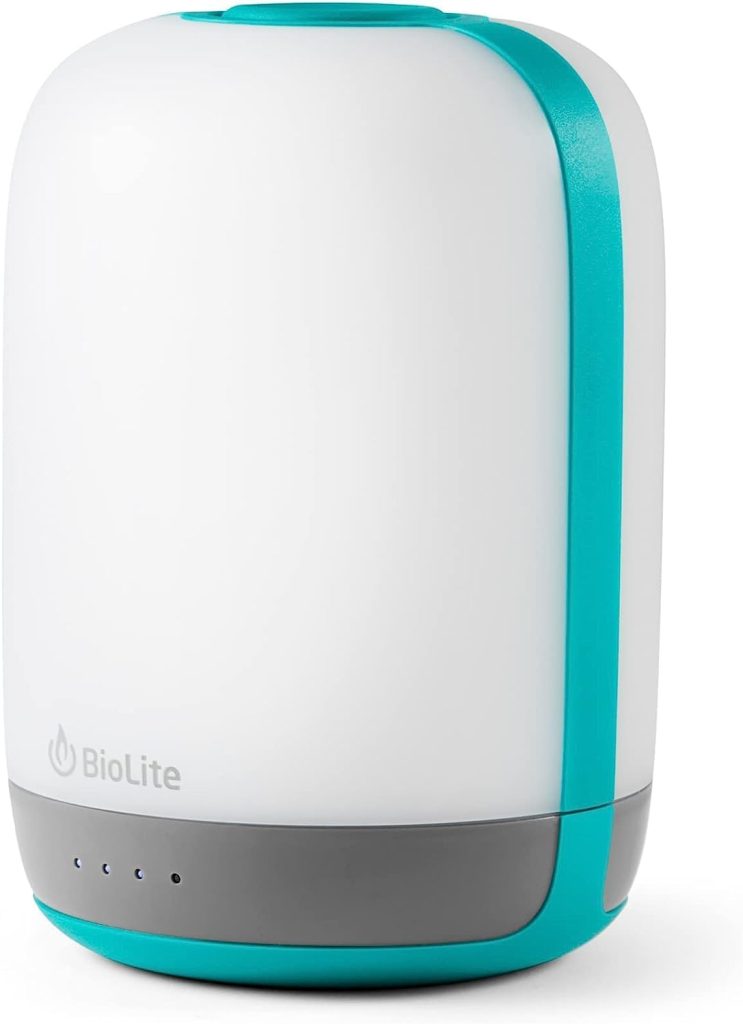
BioLite AlpenGlow 500 Review: 500-Lumen Rechargeable Lantern That Doubles as a Phone Charger
If you’re searching for the BioLite AlpenGlow 500, you’re probably tired of camping lanterns that die at midnight or eat through disposable batteries. This guide walks through everything that actually matters when choosing a rechargeable camping lantern — real-world brightness, runtime across modes, charging flexibility, and whether the color modes are a gimmick or genuinely useful. It’s written for campers who want one lantern that covers both campsite lighting and emergency phone charging without fuss.
Quick Answer
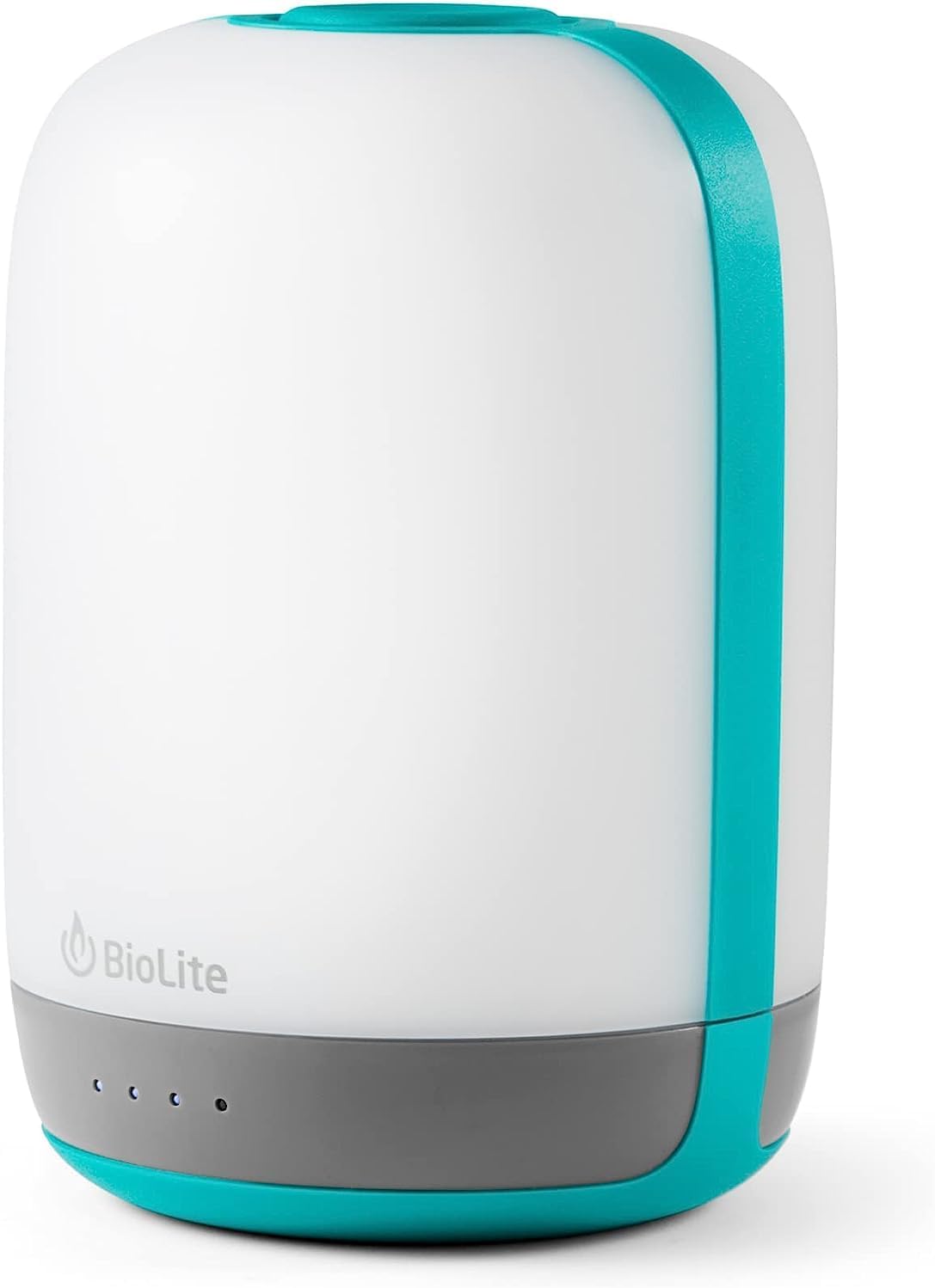
The BioLite AlpenGlow 500 is a 500-lumen USB-rechargeable camping lantern with a candlelight flicker mode, full multicolor modes, and a USB output that can top up a phone. It’s the strongest pick for car campers and families who want campsite mood lighting plus backup phone charging in one device. If you only need simple tent lighting and nothing else, a smaller budget lantern will do the job for less.
Compare Top Camping Lanterns
Three proven picks side by side — choose the one that fits your needs.
BioLite AlpenGlow 500 Multicolor USB Lantern
500-lumen multicolor lantern with candlelight flicker and phone-charging USB output — the all-rounder for campsite ambiance.
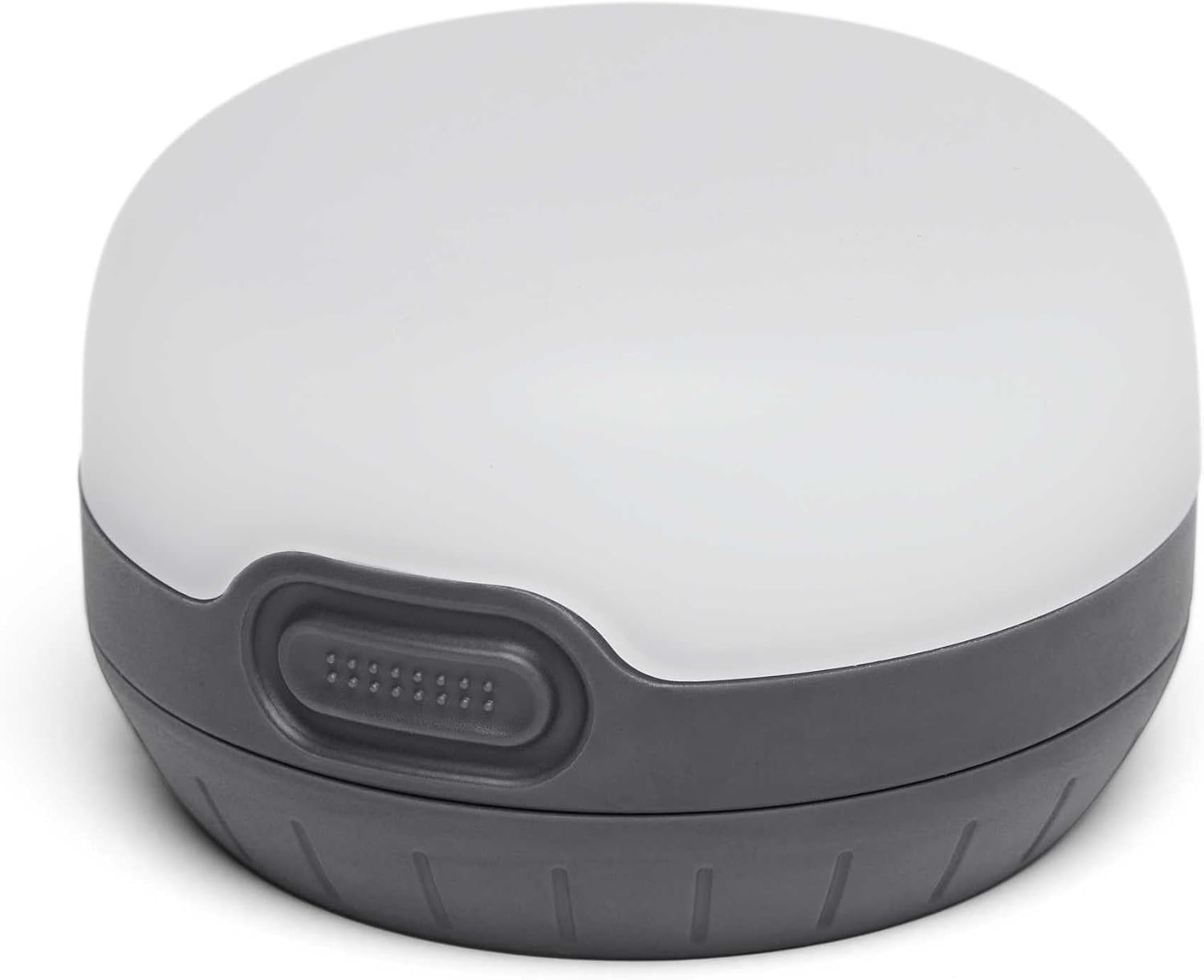
Black Diamond Moji Lantern (200 Lumens)
Small, affordable, runs on three AAA batteries — fine for basic tent light, but far dimmer with fewer modes than the AlpenGlow 500.
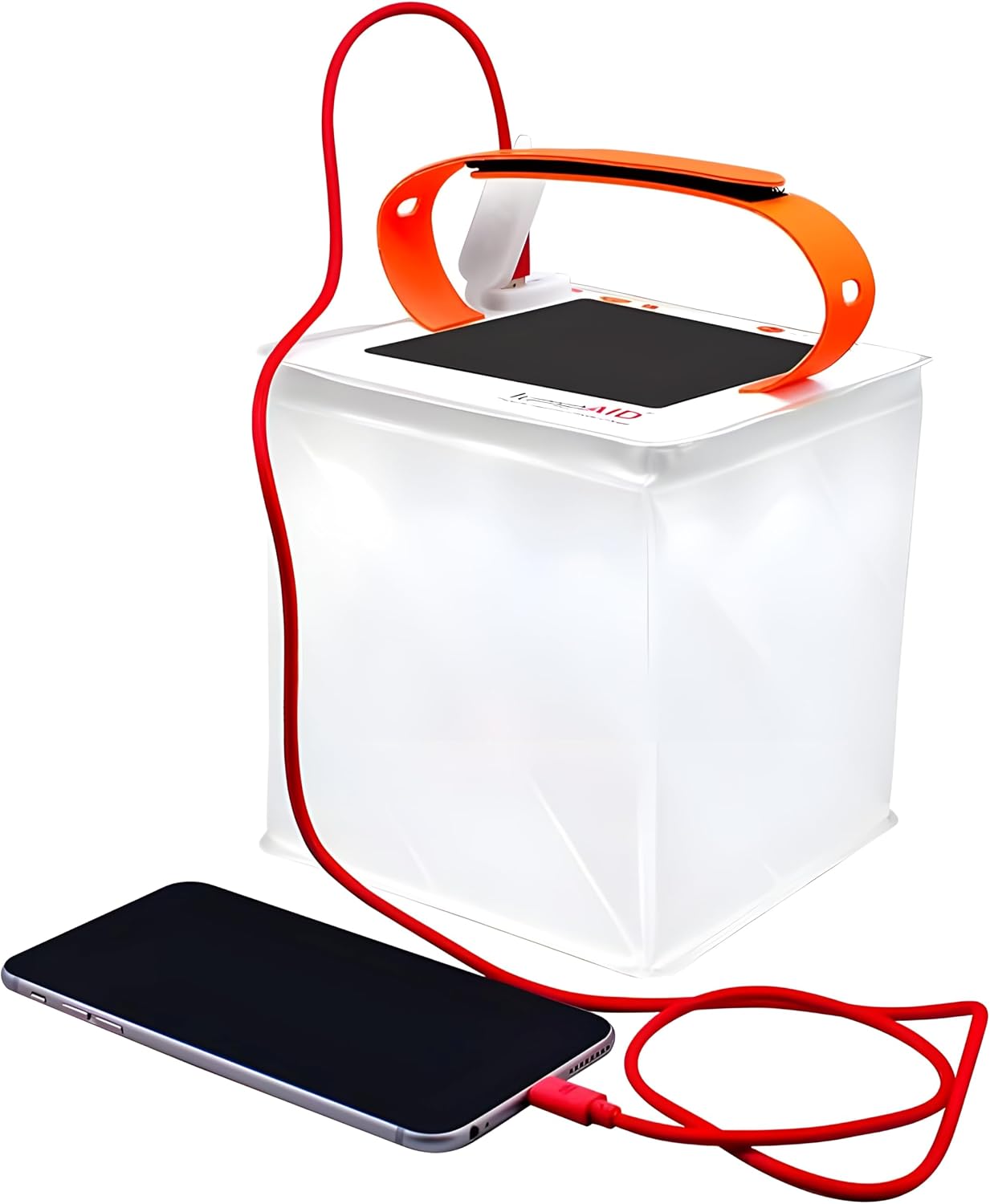
LuminAID PackLite Titan 2-in-1 Solar Lantern & Phone Charger
Inflatable, packs flat, solar self-charging with IP67 waterproofing — ideal for emergency kits, though color modes are much simpler.
Prices and availability may vary — tap any product to check the current listing.
We have also reviewed the Goal Zero Lighthouse 600 and the Streamlight Super Siege if you want to compare lantern options.
What to Look For in a Rechargeable Camping Lantern
The box screams one number — lumens — and nearly everyone buys on that alone. Big mistake. A 500-lumen lantern with harsh, one-directional output is worse at a campsite than a dimmer one with a frosted, 360-degree body. The AlpenGlow 500’s tube shape spreads light in a circle, which is why it works as a table centerpiece instead of a spotlight you keep turning away from.
Think in brightness bands, not raw numbers: a low glow for inside the tent (you don’t want 500 lumens six inches from your face), medium task lighting for cooking and cards, and full blast for the whole site. The AlpenGlow 500 dims smoothly across that range, which sounds trivial and isn’t. Plenty of cheap lanterns jump from “way too bright” to “basically off” with nothing usable between.
Runtime marketing gets slippery fast. The real question is whether it survives a full evening at a comfortable medium brightness — that’s how you’ll actually use it. Multi-night trips raise a second question: how do you get power back in? USB recharging means your car’s port, a power station, or a small solar panel all work. Compare that with AAA batteries — fine for one night, annoying on day four.
The reverse-charging USB output is more useful than it first sounds. It won’t resurrect a dead phone to full — nobody should buy it for that. But it buys the 15-20% that gets you through the night: a map check, a message, an audiobook chapter. I’ve seen people overspend on features they never touch. This one actually gets used.
Color and mood modes are where the AlpenGlow line separates from the pack. The candlelight flicker is a warm, shimmering glow that doesn’t torch your night vision; the color cycle marks your tent in a crowded campground. None of it is essential. All of it makes the evening nicer. The trade-off: more modes mean more battery drain and a higher price than a single-mode white lantern.
Last, the boring factors people skip: stability and size. A lantern lives in a gear bin, gets knocked over by dogs, and sits out in dew. The AlpenGlow 500’s squat cylinder doesn’t tip easily and hangs when you want it to. On weight, be honest — this is a car-camping lantern, not a thru-hike one.
Matching the Lantern to Your Kind of Camping
The family car camper. You drive to a site, set up the tent or unroll pads in the SUV, and cook at the picnic table. Weight doesn’t matter; convenience does. The AlpenGlow 500 fits this life almost too well: bright enough for the table, dim enough for bedtime stories, candle mode for the late hang, USB output topping up a phone during dinner. One lantern covers the evening. Done.
The ultralight backpacker. You count every gram and already carry a headlamp. A full-size multicolor lantern is dead weight here — a mini lantern or solar inflatable belongs in that pack instead. The AlpenGlow 500 is the wrong tool for this trip. Great lantern, wrong job.
The outage-prep homeowner. You don’t camp much, but the power died twice last summer and the flashlight-and-candle routine got old. A rechargeable lantern with long low-mode runtime and a USB output lives in the utility drawer and earns its keep during blackouts. Arguably more practical at home than at a campsite — runtime matters more when the lights might stay out for days.
Camping Lantern Types Compared
| Type / Tier | Best For | Price Tier | Key Feature | Watch-Out |
|---|---|---|---|---|
| Premium multicolor rechargeable (BioLite AlpenGlow 500) | Car camping, family trips, home backup | Mid-range | 500-lumen output, candlelight + color modes, USB phone charging | Heavier than ultralight options; costs more than basic lanterns |
| Budget mini lantern (Black Diamond Moji) | Tent interior, kids’ gear, ultralight add-on | Budget-friendly | Tiny and simple, runs on AAA batteries | Much dimmer; no rechargeability or color modes |
| Solar inflatable lantern (LuminAID PackLite Titan) | Emergency kits, travel, thru-hiking | Mid-range | Packs flat, recharges via built-in solar, waterproof | Dimmer output; simple lighting modes only |
| Classic fuel lantern | Off-grid cabins, traditionalists | Budget to mid-range | Warm glow, runs for ages on fuel | Open flame risk; fuel smell; no electronics features |
The premium multicolor tier — the AlpenGlow 500’s home — is the sweet spot for car campers paying for versatility, not just brightness. The budget mini tier is the honest minimalist choice: it lights a tent, that’s the job, done cheaply. The solar inflatable tier wins on packability and self-sufficiency, trading raw brightness for recharge-anywhere freedom. The classic fuel lantern still glows beautifully, but open flame around tents, kids, and dry grass is a risk many campers now skip.
When Each Lantern Type Actually Shines
Weekend car camping with family
This is the AlpenGlow 500’s home turf. One lantern at medium brightness lights dinner; candlelight mode keeps the vibe after the kids go down; color mode entertains the little ones. The USB output tops up a phone while you eat. You drive up, you use it, you go to bed. Nothing heroic required.
Backpacking where every ounce counts
Different game. Your headlamp does the real work, and any lantern is a luxury. A mini lantern or solar inflatable slips into a side pocket and weighs almost nothing. The AlpenGlow 500 stays home — and honestly, that’s fine. The right tool for the wrong trip is how gear closets fill with regrets.
Storm season backup at home
The sleeper use case: a rechargeable lantern with multi-day low-mode runtime and a USB output is exactly what you want when the grid goes down. Charge it before storm season, run it low in the evenings, keep phones alive off the USB port. Some people buy camping gear and never camp. This one earns its keep regardless.
Common Mistakes People Make When Buying a Camping Lantern
Shopping by lumens alone. A 500-lumen flood with bad diffusion loses to a 300-lumen lantern with a frosted body. Look for diffused, 360-degree output — and be suspicious of anything that reads like a spotlight.
Forgetting the recharge plan. A USB lantern is only as good as your ability to refill it. On a three-night trip with no car, that means a power bank or small solar panel. Drain it on max night one and you’ll spend the rest of the trip annoyed. Plan the power chain, not just the lantern.
Treating color modes as the main event. They’re fun, not the reason to buy. If the white light is mediocre, no rainbow cycle saves it. Buy for brightness, runtime, and charging; treat colors as a bonus that happens to be genuinely nice.
Ignoring how it sits in camp. A lantern that rolls off the picnic table is a broken lantern. Flat, stable base, plus a hanging option — check before you fall in love with the specs. Sounds like common sense. Apparently it isn’t, judging by how many tippy cylinders get sold.
Why, How, and What — Quick Answers
Why do rechargeable lanterns keep replacing battery ones? Disposable batteries are a recurring cost and a recurring midnight hassle — they always die when the store is closed. A rechargeable lantern draws from the same USB ecosystem most campers already carry, and pays for itself in batteries not bought over a few seasons. Most people switch for the convenience, honestly.
How should you use the phone-charging feature? As an emergency top-up, not a primary charger. Charge when the lantern is idle or on low, not blazing at full — the battery shouldn’t fight itself. Overnight trickle charging works well: lantern low or off, phone plugged in, both healthier by morning. And bring the cable. USB output is useless without one.
What does “multicolor” actually get you? Three things, in order of real usefulness: warm or red modes that preserve night vision, candlelight flicker that makes a campsite feel like a campsite, and full color for finding your tent among fifty identical ones. The party cycle? Used twice, then forgotten. The night-vision modes are the ones people still use years later.
Key Takeaways
Buy the AlpenGlow 500 if you car camp or want a home backup lantern — its 500-lumen output, smooth dimming, candlelight and color modes, and USB phone charging make it the most versatile pick in its class.
Skip it if you’re an ultralight backpacker or just need a cheap tent light — a mini lantern does that job for less money and weight.
Remember that lumens are only half the story; light diffusion, runtime at usable brightness, and your recharge plan matter just as much.
Decision Tree: Which Lantern Should You Get?
Do you drive to your campsite? Yes → the AlpenGlow 500 is built for you. No, you carry everything → keep reading.
Is this mainly for inside a tent or an emergency kit? Yes → a budget mini lantern or a solar inflatable (like the LuminAID PackLite Titan) fits better. No → the AlpenGlow 500’s versatility wins.
Do you want phone charging from your light source? Yes → AlpenGlow 500 (USB output) or the LuminAID Titan (solar + USB). No → any solid lantern in your budget works.
Questions People Ask Before Buying
Straight answers, no fluff
Is the BioLite AlpenGlow 500 worth it over a cheap camping lantern?
Yes, if you’ll actually use the extras — the 500-lumen output lights a whole campsite table instead of just a tent corner, the smooth dimming gives usable light at every level instead of just on and off, and the USB output turns the lantern into emergency phone charging. A cheap mini lantern covers basic tent lighting for less, but can’t match the brightness, candlelight and color modes, or rechargeability. For car campers and families, the difference buys real versatility; for a tent nightlight, the cheaper option is smarter.
How does the AlpenGlow 500 compare to the Black Diamond Moji?
The AlpenGlow 500 is in a completely different class — it’s brighter, rechargeable over USB, offers candlelight flicker and full color modes, and can charge a phone, while the Moji is a small, simple lantern that runs on disposable AAA batteries. The Moji’s real edge is size and price: nearly weightless and far cheaper. For a basic tent light or a kid’s first lantern, the Moji is honestly plenty. For one lantern to light the whole campsite and serve as backup power, the AlpenGlow 500 justifies the step up.
How long does the BioLite AlpenGlow 500 last on a single charge?
It depends entirely on the mode — on low settings it runs for many hours and stretches across a full evening or more on a single charge, while max brightness drains it much faster, which is true of every lantern in the category. The practical takeaway: at medium brightness it comfortably survives a full evening, then recharges over USB during the day. For multi-night trips, pair it with a power bank or small solar panel so you’re not rationing light by night three.
Should I get the AlpenGlow 500 or the LuminAID PackLite Titan?
Get the AlpenGlow 500 if campsite ambiance and brightness are the priority — its 500-lumen output, candlelight flicker, and rich color modes sit in another league entirely, making it the clearly better table centerpiece for family camping trips that last all evening. Get the LuminAID PackLite Titan if packability and self-sufficiency matter more — it inflates, packs flat, recharges from its own solar panel, and is fully waterproof. They solve different problems: the AlpenGlow 500 is the better lantern, the PackLite Titan is the better survival gadget.
Can the AlpenGlow 500 really charge my phone?
Yes, it has a USB output that tops up a phone — think emergency trickle charge rather than a full recharge, enough for the 15-20% that gets you through the night for maps, messages, or an audiobook when the nearest outlet is miles away. It won’t replace a dedicated power bank, and charging works best with the lantern on low or off. For campers who carry a power bank, it’s a nice backup; for minimalists, it can be the backup itself.
Frequently Asked Questions
How do you switch between the light modes?
Tap through modes with the onboard button — white light with dimming, candlelight flicker, and color modes in sequence. A shake gesture jumps straight to candlelight or color. Thirty seconds to learn, then muscle memory.
Can I use it as a phone charger while the light is on?
Yes, the USB output works while lit. But running high brightness and charging a phone drains the battery from both ends, so runtime drops noticeably. For the longest combined use, dim to low while the phone charges.
Is it too big to pack for backpacking?
For ultralight or multi-day backpacking, yes — it’s sized for car camping, not for a pack where every ounce counts. Fine in a camp bin or daypack; thru-hikers want something lighter. Not a flaw, just a lantern built for a different trip.
Does it come with a charging cable?
Check the current listing for the exact box contents, since bundles can change. Generally a USB charging cable is included, but the wall adapter isn’t — plan to charge from a USB port, car charger, or power bank you already own.
Can it handle rain at the campsite?
It’s built for outdoor use and shrugs off dew and light splashes. Still, it’s a lantern, not a dive light — don’t leave it in a puddle or out in a downpour. A little common sense keeps it working for years.
Is the candlelight mode actually useful or just a gimmick?
Genuinely useful. The flickering warm glow preserves night vision far better than bright white light — ideal for late evenings when you don’t want stadium lighting. It’s also the mode people reach for most during home power outages.
Final Recommendation
The BioLite AlpenGlow 500 is the lantern I’d point most campers toward — not the brightest on the shelf or the cheapest, but the one covering the widest range of real situations with the fewest compromises: bright enough for the table, dim enough for the tent, atmospheric for the evening, and useful at home during outages.
Two honest caveats: thru-hikers should buy light and small, and anyone needing only a basic tent glow should grab a budget mini lantern instead. For everyone else — car campers, families, the outage-prep crowd — it earns its place. Check the current listing, compare the alternatives below, and pick your fit.
OUR TOP PICK
BioLite AlpenGlow 500 Multicolor USB Lantern
500-lumen multicolor lantern with candlelight flicker and phone-charging USB output — the all-rounder for campsite ambiance.