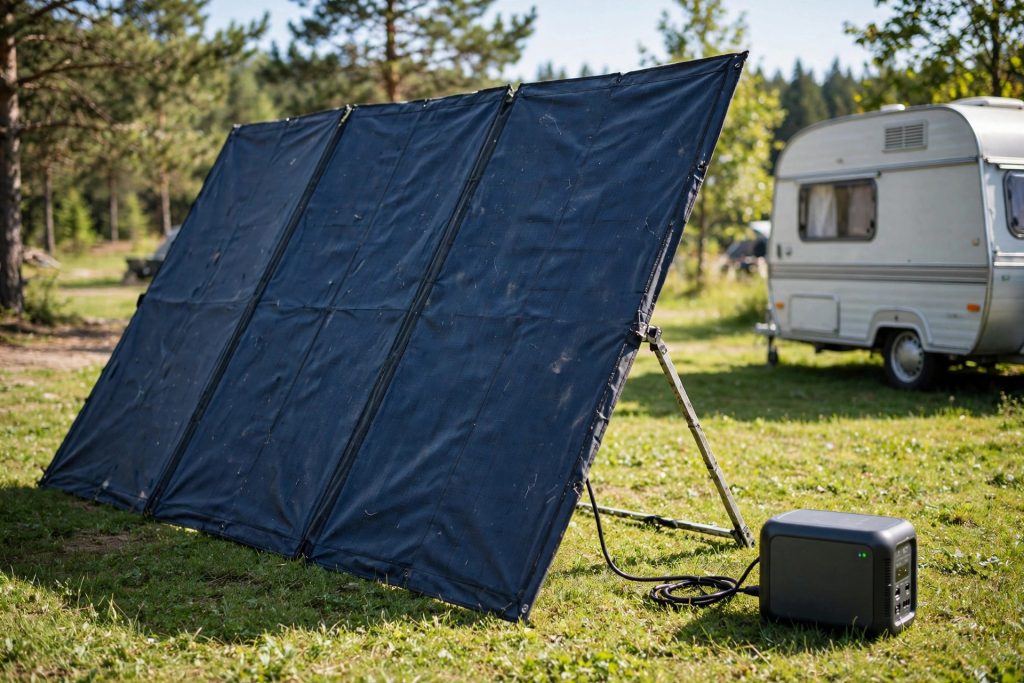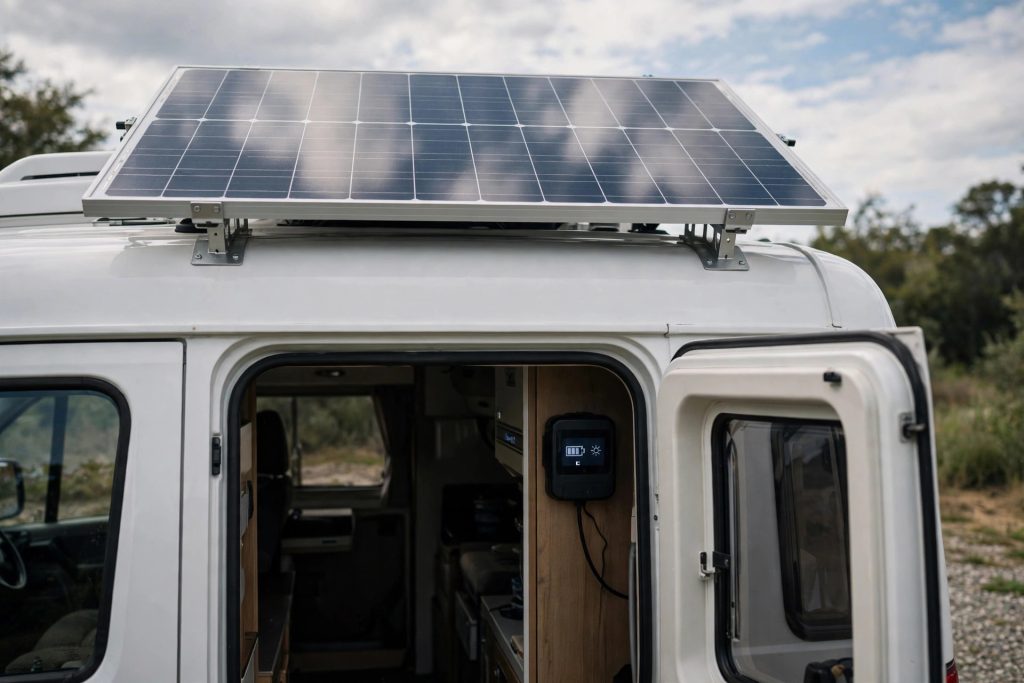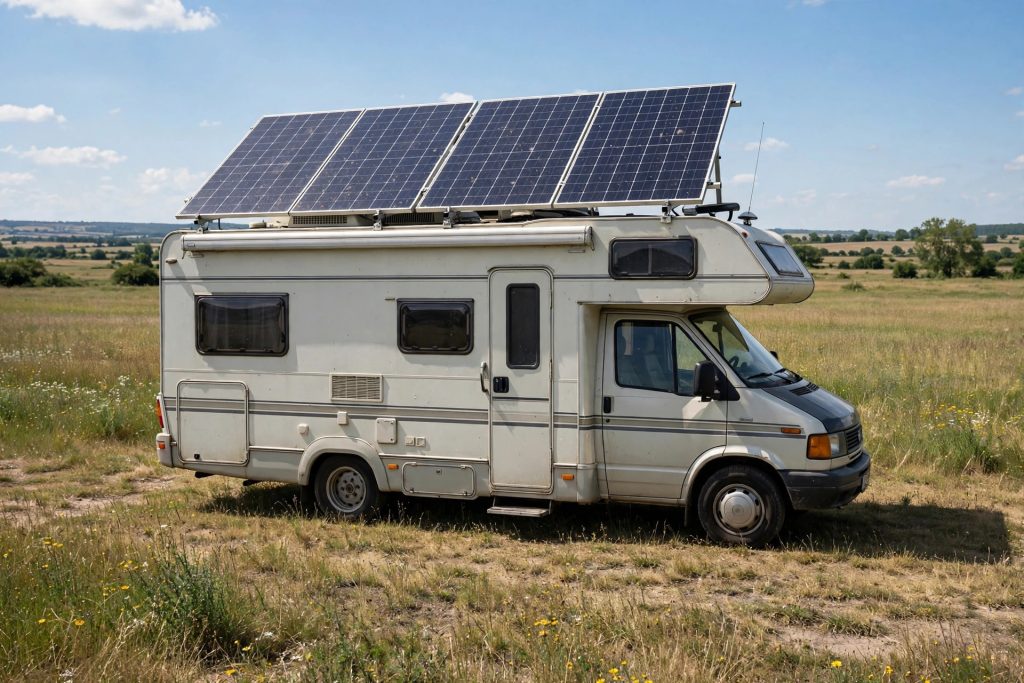
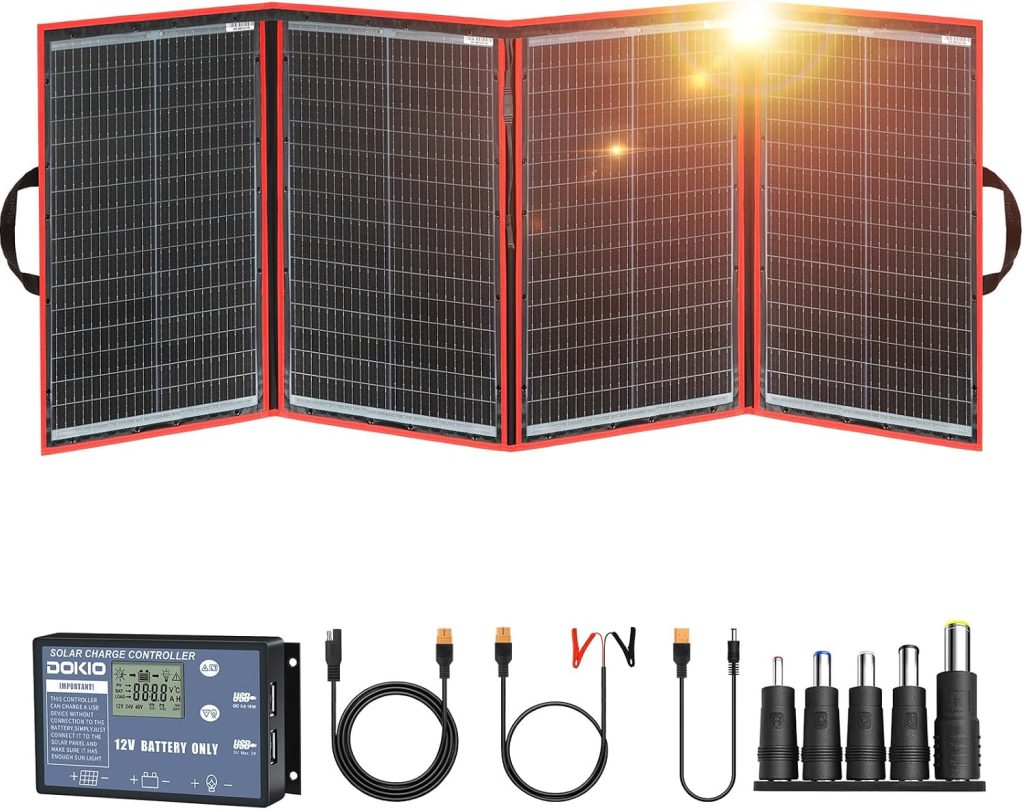
A folding panel lives or dies on a number nobody prints in large type: what it actually delivers at four in the afternoon, half shaded by the vehicle it is leaning against, angled by eye instead of by protractor. The DOKIO 200W kit promises 200 watts, and that figure is honest in the narrow way panel ratings are honest. It describes a laboratory sun. Your afternoon is not a laboratory, and the distance between the two is where this sort of product either earns its space in the truck or becomes one more flat thing stored against a garage wall.
Start with the shape of the thing, because that is the real product here. Folded, the current listing puts it at roughly 19 by 26 inches and 9.7 pounds, which matches the 20x27in in this page’s title closely enough. Nine point seven pounds is the whole argument. A rigid 200W panel weighs two to three times that and needs a roof, a rack, or a permanent tilt frame, and plenty of people carry one anyway and curse it at every stop. The DOKIO folds, has a handle, and leans against whatever is nearby. For a camper who moves every day or two, that trade — some output, given up in exchange for a panel that is genuinely portable — is the entire decision, and it is a legitimate one.
The arithmetic underneath it is less forgiving. Two hundred watts across five decent sun hours is a thousand watt-hours before losses, and losses arrive from every direction at once: heat on a dark panel surface, a flat-ish angle because the kickstand only goes so far, a cable run, and the charge controller sitting between the panel and the battery deciding what the battery is allowed to accept. Plan on 600 to 750 watt-hours into storage on a good day and you will rarely be disappointed. Plan on the full thousand and you will be, daily, and you will blame the panel for a promise the sky never made. If you are still sizing the rest of the setup, the page on what size solar panel kit do I need walks through the load side of that same math.
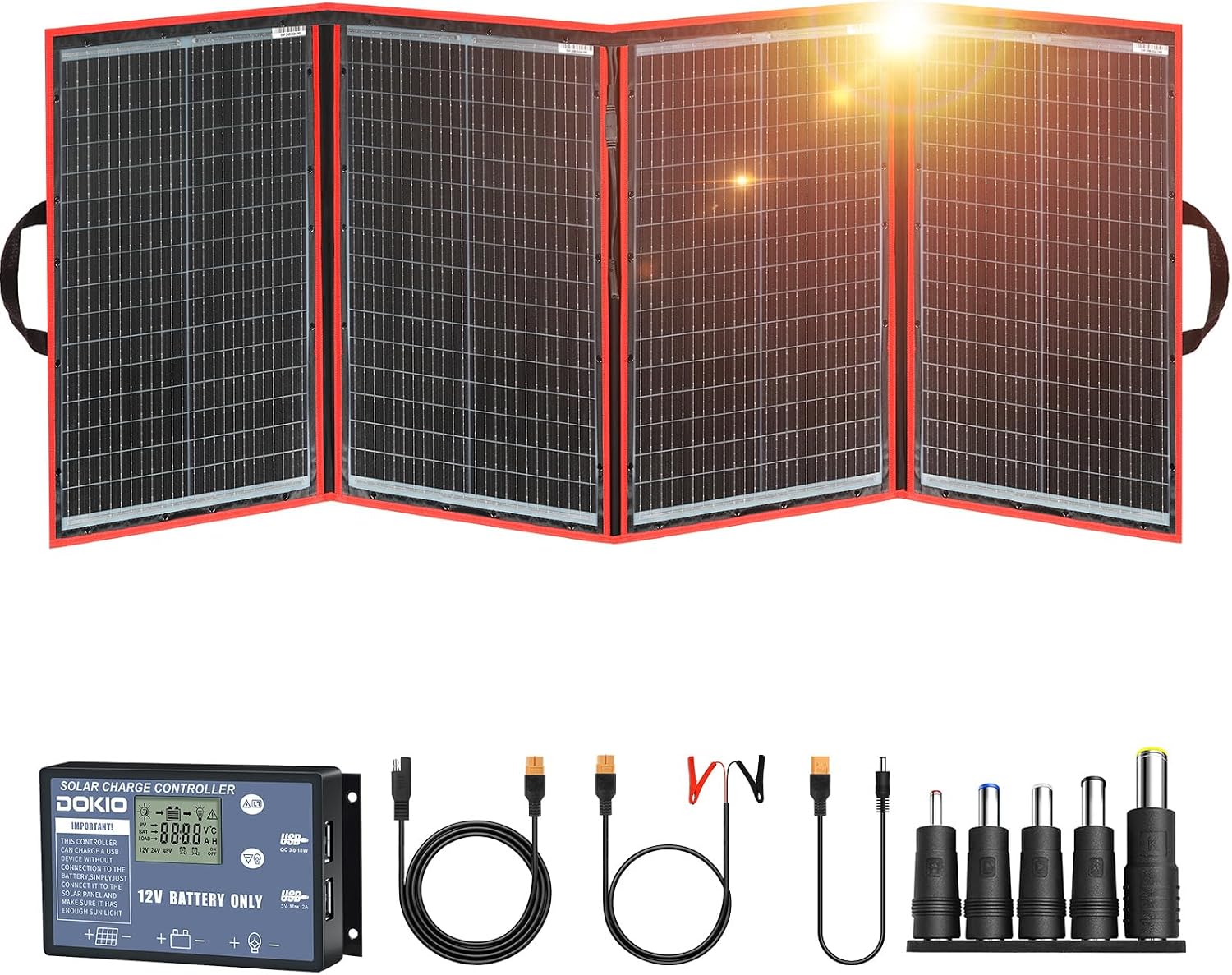
One detail separates this kit from the folding panels sold for power stations, and it catches people out. This is an 18-volt panel built around charging a 12V battery through a controller, with USB ports on the controller for small devices. It is old-school architecture: panel, controller, battery bank, and from there your 12V loads or a separate inverter. Owners of portable power stations sometimes buy folding panels like this expecting a direct plug-in harvest into their box, and sometimes it works through the station’s solar input and sometimes the voltage window argues about it. I have not tested this panel into every station on the market, and that pairing question is worth settling in the listing’s questions section before money moves, not after the panel is unfolded in a field somewhere.
Disclosure: this site earns a commission on qualifying purchases made through links on this page, at no extra cost to you. Prices and availability change; check the listing before you buy.
The controller deserves a paragraph of its own, because kit controllers are where folding sets quietly cut their costs. The bundled unit handles the basic job — keep a 12V battery from being overcharged, show you roughly what is happening — and that is about the ceiling of it. If the battery it feeds is lithium, check that the controller offers a lithium profile or a user setting that matches, because a controller happily applying a lead-acid absorption voltage to a lithium bank will report success while chronically underfilling it, the mirror image of the overcharge problem. Nobody warns you about that one. It surfaces months later as a bank that seems to have shrunk, and by then the panel gets blamed for the controller’s manners.
Weather, briefly, because folding panels meet more of it than roof panels do. The fabric back and the folding hinges are the wear points, and a panel that lives folded in a vehicle, opened on gravel and grass and the occasional picnic table, ages at its seams first. Output on a gray day falls to the usual fraction — forty, fifty watts from a panel this size under full cloud is a normal reading, not a defect — and the write-up on whether solar generators work on cloudy days covers why that fraction is physics rather than failure. Rain is the other thing. The listing describes outdoor use, and owners do leave these out in weather, but the controller and its USB ports are the parts I would keep under an awning edge rather than in the open, because electronics in a fabric kit bag earn their keep dry.
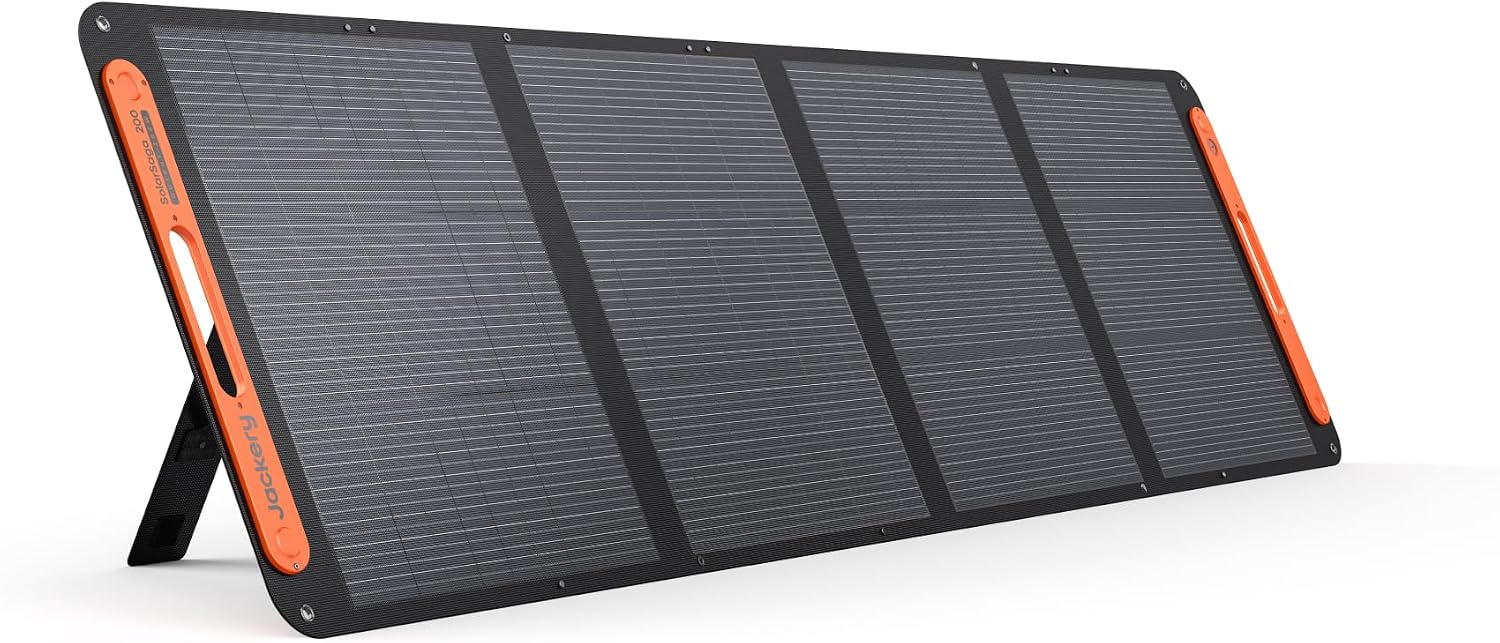
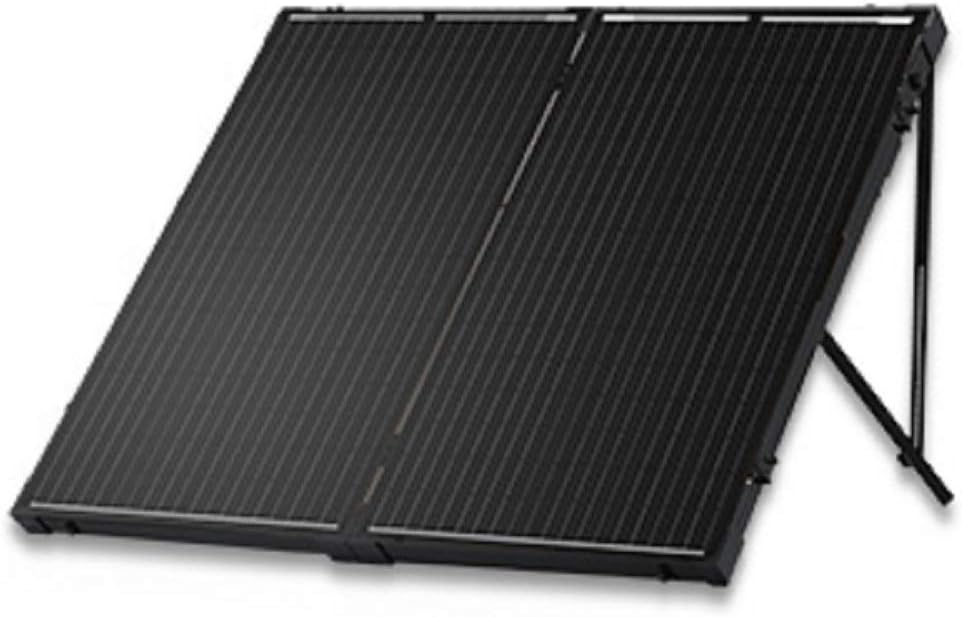
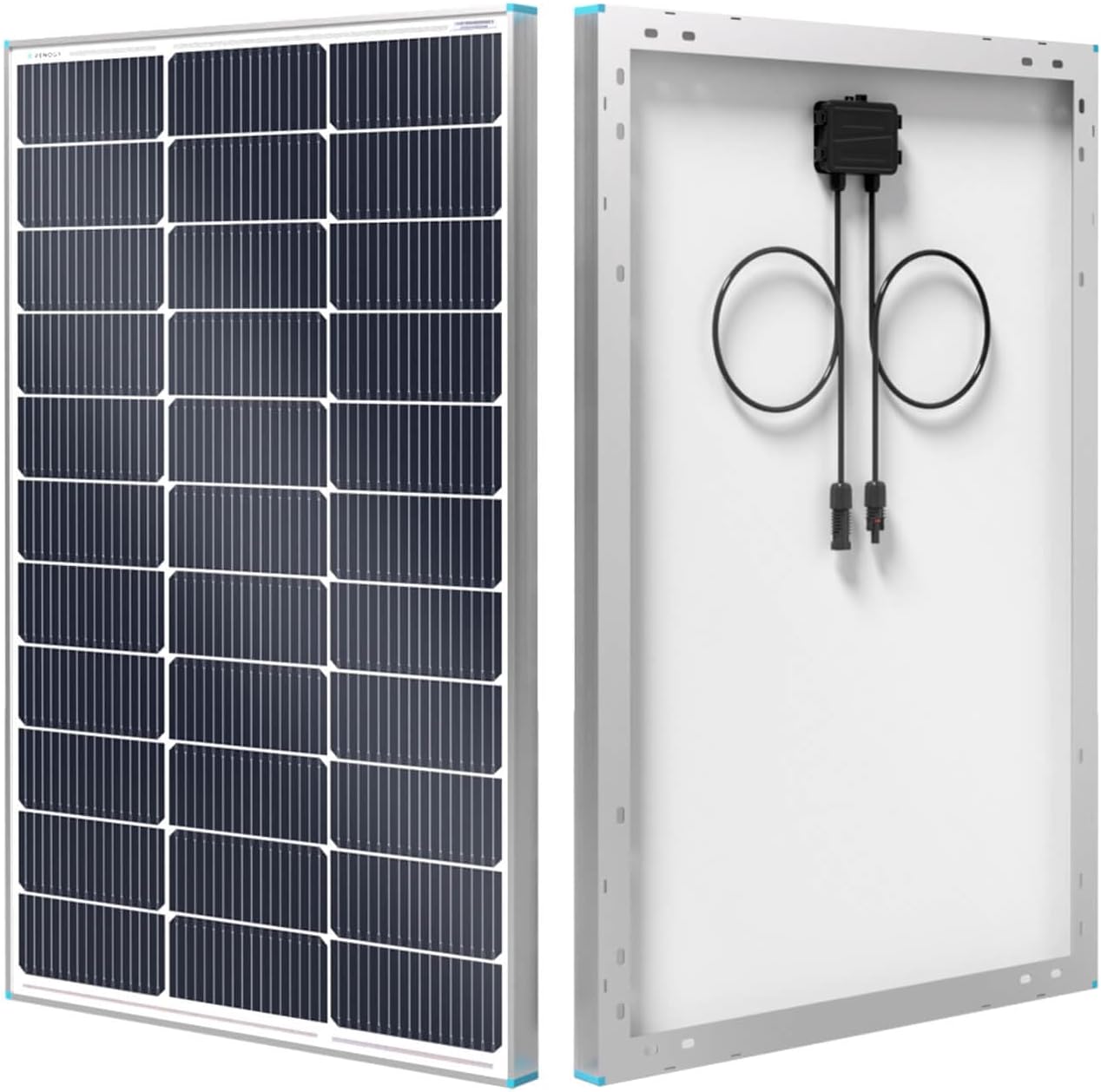
Against the alternatives in the boxes below, the DOKIO’s position is clear enough. A rigid suitcase set like the Renogy 200W costs more and weighs more and will outlive it, and a bifacial folding panel from a bigger brand carries better cells and a higher price for the same nominal watts. The DOKIO undercuts both by being light and simple. What it does not do is pretend to be a station accessory ecosystem. It charges batteries. That narrower promise is, oddly, a point in its favor — the failure mode of kits like this is usually the buyer’s plan, not the panel.
실제로, 위에 제가 쓴 틀에 한 가지 정정이 있습니다. 저는 하루 600~750와트시를 계획하라고 했는데, 그 범위는 패널을 최소 한 번은 위치를 바꾼다고 조용히 가정하고 있습니다. 아침에 놓아둔 곳에 그대로 기울어진 채 두면, 접이식 패널은 하루의 절반을 좋지 않은 각도에서 보내게 되고 솔직한 수치는 450 쪽으로 떨어집니다. 휴대성은 양날의 검입니다. 패널은 태양을 따라갈 수 있지만, 누군가 걸어가서 옮겨야만 하고, 여행 중에 그 누군가는 바로 당신이며, 더위 속에서 하루에 두 번입니다. 접이식 패널에서 좋은 수치를 얻는 사람들은 그것을 옮기는 일을 야영 준비의 일부로 여기는 사람들입니다. 나머지 모두는 130와트 패널을 200와트짜리 주의력 가격에 짊어지고 있는 셈입니다.
자주 묻는 질문
키트는 200W라고 하는데 제 배터리 모니터는 정오에 110W가 들어온다고 표시합니다. 패널에 결함이 있나요?
아마 아닐 것이고, 정오는 바로 이 혼란이 최고조에 달하는 때입니다. 200W 정격은 표준 시험 일조, 서늘한 패널, 완벽한 각도를 가정하는데, 여름 더위 속에서 킥스탠드에 세워둔 접이식 패널은 이 세 가지 모두에서 동시에 출력을 잃습니다. 뜨거운 셀만으로도 10분의 1 이상을 잃을 수 있고, 이미 거의 충전된 배터리는 컨트롤러가 패널이 낼 수 있는 것과 무관하게 전류를 줄이도록 만듭니다. 맑은 날 배고픈 배터리로 약 140~170W가 들어오는 것은 이 등급의 패널에게 건강한 신호입니다. 그보다 훨씬 낮다면, 패널을 확인하기 전에 각도와 그늘을 확인하세요. 한 부분에 드리운 그림자가 전체 스트링을 끌어내리기 때문입니다.
이 패널을 휴대용 파워 스테이션에 바로 꽂아도 되나요?
때로는 됩니다, 그리고 그 문장에서 ‘때로는’이라는 말이 실제로 중요한 역할을 하고 있습니다. 이 패널은 12V 배터리를 직접 충전하기 위한 자체 컨트롤러와 함께 판매되는 18볼트 제품이므로, 자연스러운 짝은 배터리 뱅크이지 스테이션이 아닙니다. 많은 스테이션이 명시된 전압 범위 내에서 태양광 입력을 통해 18V 패널을 받아들이고, 많은 소유자가 바로 이 조합을 별 탈 없이 사용합니다. 막히는 사람들은 보통 커넥터 불일치나 최소 입력 전압이 어정쩡하게 걸리는 스테이션을 발견합니다. 이 특정 조합은 제가 현재 스테이션 제품군 전반에서 시험해보지 않았으므로, 스테이션의 태양광 입력 범위를 읽고, 제품 목록에 있는 패널의 출력 수치와 비교한 뒤, 그 두 숫자로 결정하세요.
200W면 캠퍼 배터리가 12V 냉장고를 감당할 수 있나요?
괜찮은 날에는 대략 그렇고, ‘대략’이라는 말은 온화한 날씨에 하루 35암페어시, 차량 내부가 더울 때 60을 소비할 수 있는 냉장고를 포괄합니다. 컨트롤러가 몫을 가져간 뒤 패널이 뱅크에 600와트시 남짓을 넣는 것은 12볼트에서 약 45암페어시이며, 이는 온화한 날씨의 냉장고는 감당하고 더운 냉장고에는 서서히 밀립니다. 그것이 솔직한 형태입니다. 이 키트는 봄과 가을에는 선을 지키지만, 여름 최악의 시기에는 도움—주행, 두 번째 패널, 전원 보충—이 필요합니다. 자신의 부하에 맞춰 용량을 정하는 것은 가정에 필요한 태양광 패널 수와 같은 작업이며, 다만 숫자가 더 작고 냉장고가 더 중요할 뿐입니다.
동봉된 컨트롤러는 리튬 배터리에 괜찮나요?
상자에 든 버전에 따라 다릅니다. 짜증나는 답이자 정확한 답입니다. 이런 키트의 제품 목록은 대표 문구를 바꾸지 않고 컨트롤러 리비전을 바꾸며, 중요한 것은 해당 제품이 리튬 설정을 제공하는지 또는 충전 전압을 수동으로 설정할 수 있는지입니다. 납축전지 프로필에 고정된 컨트롤러도 리튬 뱅크를 충전하긴 합니다. 그것이 함정입니다. 다만 일찍 멈추거나 배터리가 원하지 않는 부동 충전을 유지할 뿐이고, 그 부족분은 당신이 비용을 지불했지만 결코 보지 못하는 용량으로 나타납니다. 주문 전에 제품 목록 사진에서 컨트롤러의 설정 페이지를 확인하세요. 리튬에 대해 밀봉되어 있고 아무 언급이 없다면, 작은 독립형 컨트롤러 예산을 잡고 동봉된 것은 예비품으로 취급하세요.
제가 이 글을 쓰는 지금 DOKIO는 문 옆 가방에 접힌 채 놓여 있고, 끈이 찢어져 교체하려고 계속 마음먹고 있는 캠프 의자 옆에 있습니다. 그리고 두 물건은 제 머릿속에서 같은 범주를 차지합니다. 그 물건의 최고 버전은 아니지만, 실제로 나가는 버전입니다. 집에 있는 경질 패널은 모든 측정 수치에서 더 낫고 올해 정확히 0번의 여행을 다녀왔습니다. 어떻게 해석하시든 자유입니다. 가방의 지퍼는 끝부분 근처에서 걸리고, 꽤 오래전부터 그러했으며, 저는 씨름하는 대신 마지막 2인치를 열어둔 채 두기 시작했습니다. 작고 어리석은 타협이지만, 상자에 적힌 어떤 와트 수치보다 값싼 접이식 장비의 장기 소유에 대해 더 많은 것을 말해줍니다.
Affiliate Disclosure: This article contains affiliate links. If you buy through one of these links, we may earn a commission at no extra cost to you.