
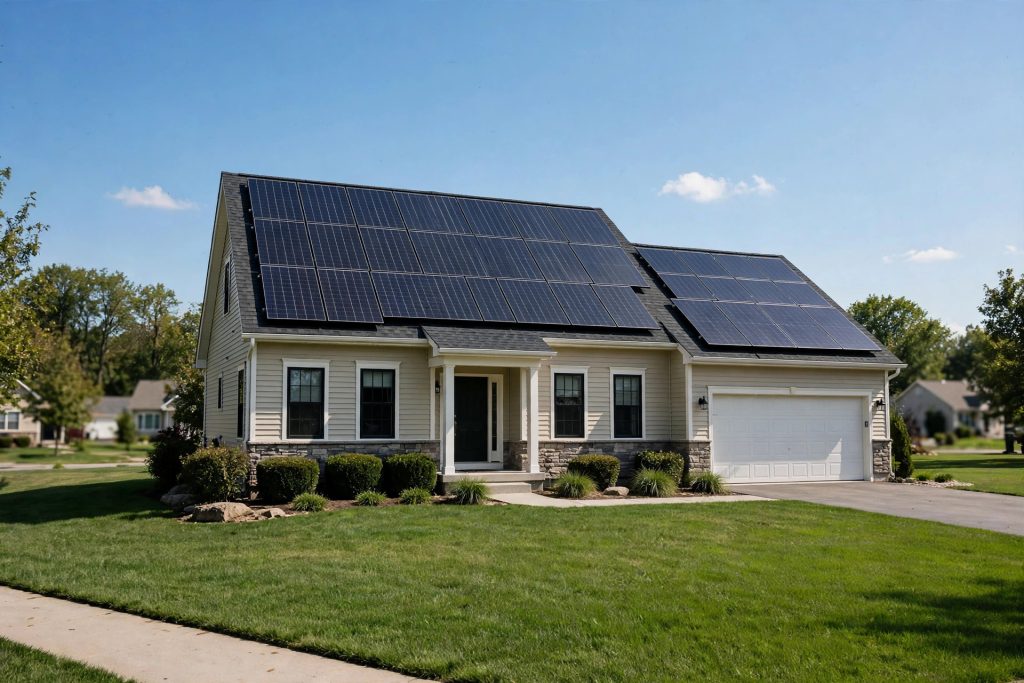
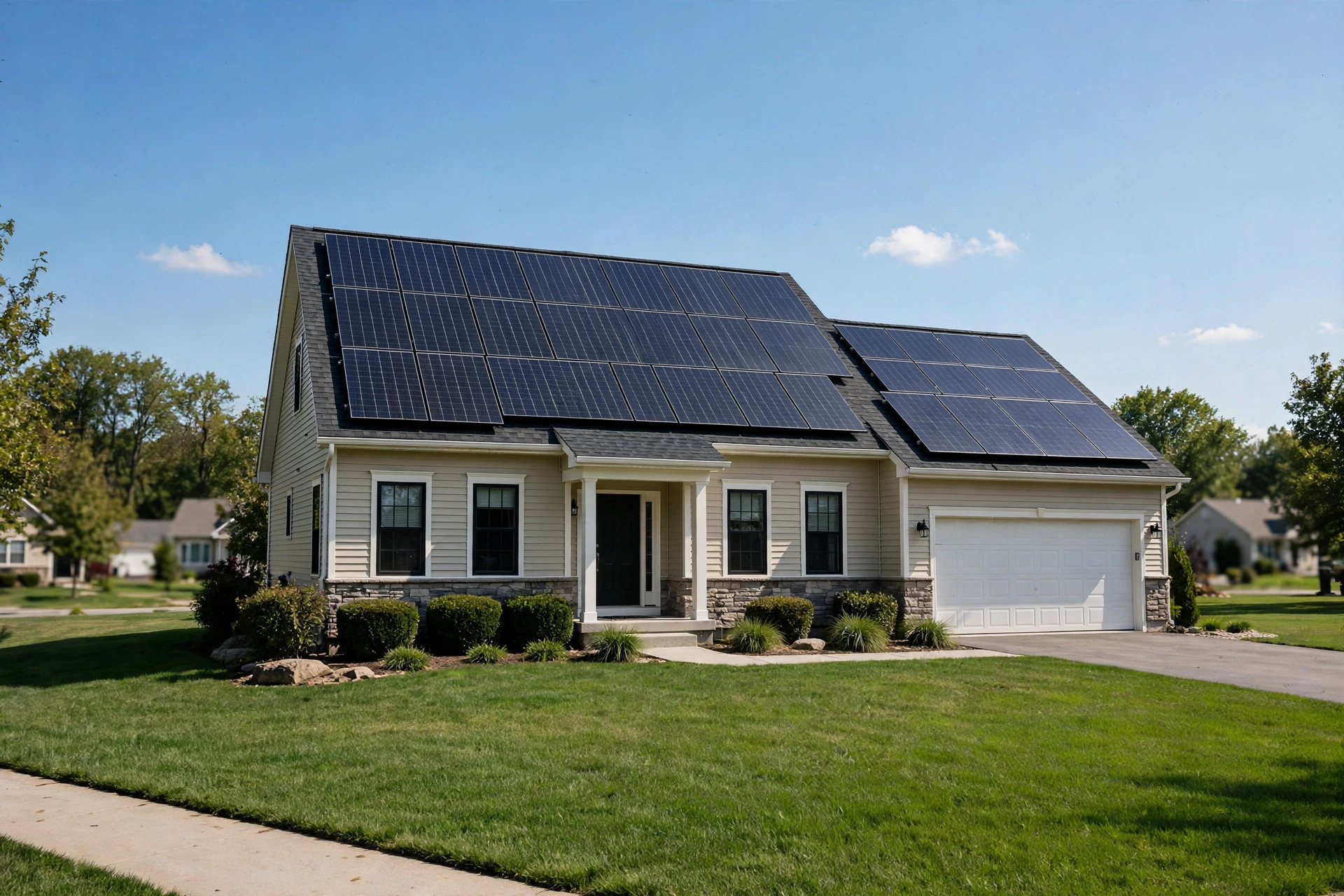
Short answer: Take your monthly electricity bill in kWh, divide by 30 to get daily kWh, then divide by (your panel’s wattage × your peak sun hours ÷ 1,000) and add about 15% for system losses. An average US home uses roughly 850–900 kWh per month — that works out to about 18–22 standard 400W panels on a reasonably sunny roof.
The number of solar panels you need is not a guess and not a sales pitch — it is three numbers multiplied together: your energy use, your sunlight, and your panel wattage. This guide shows you the exact formula, walks through a worked example, and covers the factors that push the number up or down.
The 3-step formula
panels needed = (daily kWh × 1.15) ÷ (panel watts × peak sun hours ÷ 1,000). Everything else in this article is just finding those three inputs.
Step 1: Find your daily electricity use
Pull up your electric bill and find monthly kWh — not the dollar amount, the kilowatt-hours. Divide by 30 for daily use. If you only have annual data, divide the annual kWh by 365.
A typical US household lands around 850–900 kWh per month, which is roughly 28–30 kWh per day. But don’t assume average: a home with electric heating, a hot tub, or an EV charger can easily double that, while a small, efficient household may use half.
Step 2: Find your peak sun hours
“Peak sun hours” means the equivalent number of hours per day of full, direct noon sunlight — not hours of daylight. Most of the US gets 4–5 peak sun hours per day on an annual average; sunny states like Arizona and Nevada see 6+, while cloudier northern regions see closer to 3–4.
Use your annual average, not your sunniest month. If you want, look up your zip code on the NREL PVWatts calculator for a precise local number — it is free and takes two minutes.
Step 3: Pick your panel wattage and add losses
Residential panels sold today are typically 400–450W each. A 400W panel in 4.5 peak sun hours produces roughly 400 × 4.5 ÷ 1,000 = 1.8 kWh per day — before losses.
The ×1.15 multiplier in the formula covers real-world losses: inverter conversion, wiring resistance, heat (panels lose efficiency as they get hot), and dust on the glass. Solar professionals size with 10–20% losses as standard practice; skipping this step is the most common reason DIY calculations come up short.
Worked example: an average US home
about 19–20 panels of 400W for an average home in average sun — 16 in the Southwest, 24+ in the cloudy Northeast.
Let’s run the numbers for a home using 880 kWh per month:
- Daily use: 880 ÷ 30 ≈ 29.3 kWh/day
- Per-panel output: 400W × 4.5 sun hours ÷ 1,000 = 1.8 kWh/day
- Raw count: 29.3 ÷ 1.8 ≈ 16.3 panels
- With losses: 16.3 × 1.15 ≈ 18.7 → round up to 19 panels
That is roughly a 7.6 kW system (19 × 400W), which needs about 330–360 square feet of roof space — a standard panel is about 65 × 41 inches, and you need small gaps between rows.
The same home in Phoenix (6 sun hours) needs only about 14–15 panels; in Seattle (3 sun hours) it needs 26–28. Sunlight matters more than almost anything else.
What pushes your number up or down
roof direction, shading, and how much of your bill you want to cover are the three biggest levers after sunlight.
- Roof orientation. South-facing roofs produce the most energy in the Northern Hemisphere. East- or west-facing roofs typically produce 10–20% less, so you would need 2–3 extra panels for the same output. A north-facing roof usually isn’t worth paneling at all.
- Shading. Even partial shade from a chimney, dormer, or one tall tree can slash a string of panels’ output far beyond the shaded area — panels wired in series are only as strong as their weakest cell. A site survey (or your installer’s shade analysis) can shift the count by 10–30%.
- Partial vs. full offset. You don’t have to zero your bill. Many homeowners deliberately size for 70–80% of usage because the last few kWh are the most expensive to cover. Sizing for 75% of the example above means about 14 panels instead of 19.
- Higher-wattage panels. Moving from 400W to 450W panels cuts the count by about 10% — 17 panels instead of 19 in our example. The total system wattage stays the same; you just buy fewer, bigger panels.
- Roof pitch and climate. Steep or shallow tilt away from your latitude’s ideal angle trims output a few percent. Heat matters too: panels perform best in bright, cool conditions, so a scorching desert roof loses a bit more to temperature than a mild coastal one.
Grid-tied vs. off-grid: the count changes
grid-tied systems size to your annual average; off-grid systems must cover your worst winter month — plus batteries.
If you’re connected to the grid with net metering, summer overproduction credits winter shortfalls, so sizing to your average month works fine. Off-grid is a different animal:
- Size for the worst month, not the average — your shortest, darkest days set the requirement, which typically means 40–60% more panels than a grid-tied array.
- Add battery storage, because panels only produce in daylight. Sizing a battery bank is its own calculation — see our portable power station sizing guide for the same watt-hours math applied to storage.
- A generator backup is standard practice off-grid for stretches of bad weather; it is cheaper than sizing the array for a once-a-year storm week.
Common sizing mistakes
the expensive errors are skipping losses, sizing to summer sun, and forgetting that the inverter must handle the array.
- Forgetting the 15% loss factor. A raw calculation of 16 panels becomes 19 once you account for inverter, wiring, heat, and soiling losses. Installers who skip this leave you permanently underpowered.
- Sizing to your sunniest month. Annual average peak sun hours — not July’s — is the right input. Otherwise winter bills will surprise you.
- Matching panels to the inverter wrong. Your inverter’s capacity should roughly match (or slightly exceed) your array’s total watts. An undersized inverter clips your peak production every sunny day.
- Ignoring future loads. Planning an EV or a heat pump in the next few years? It’s much cheaper to add 3–4 panels during the initial install than to extend the array later — scaffolding and permits are the expensive part, not the panels themselves.
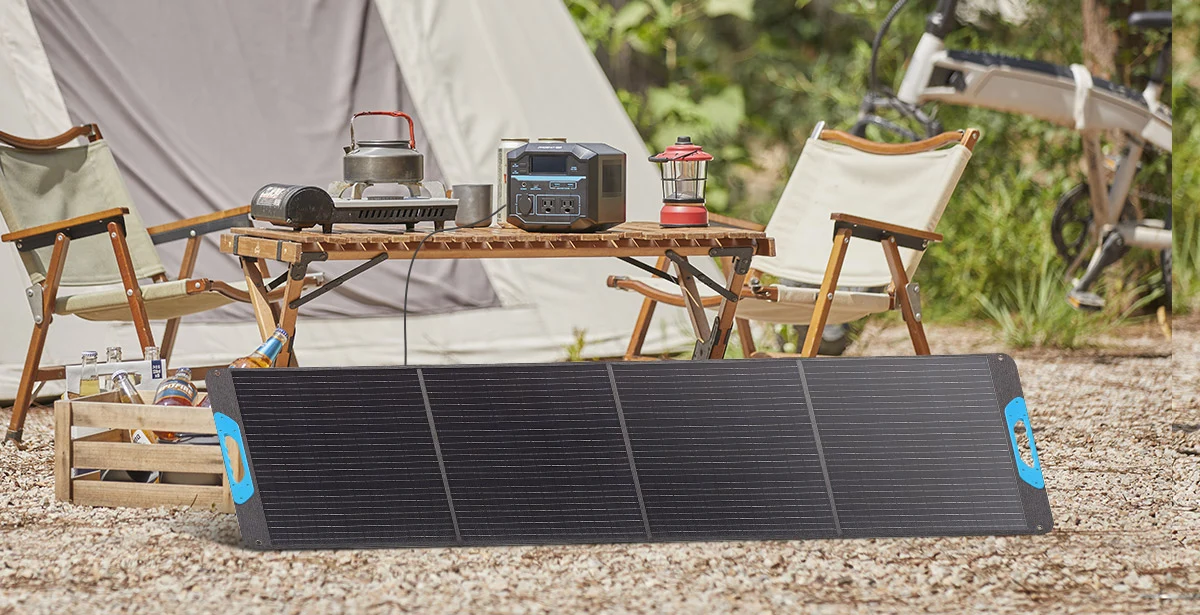
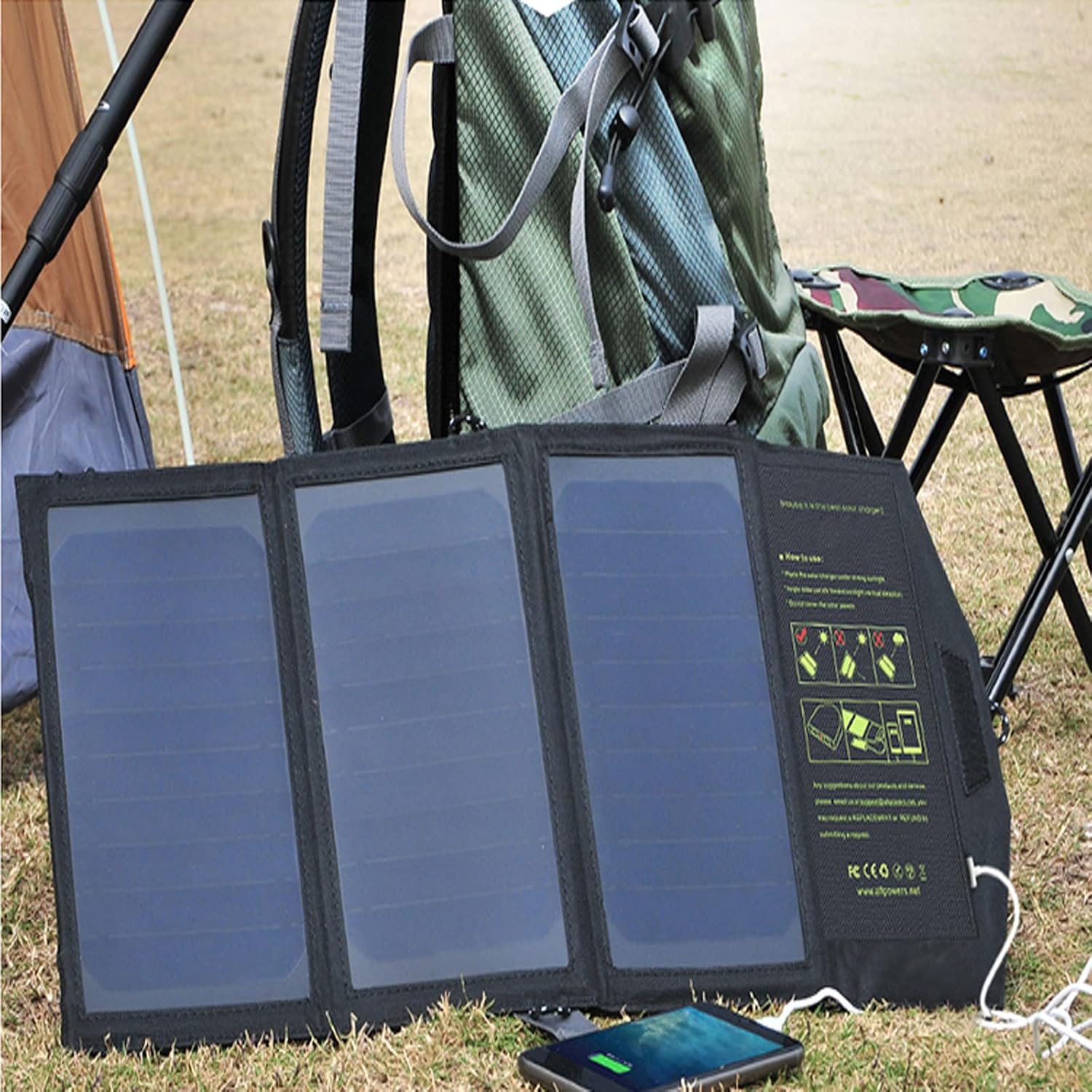
- Using nameplate wattage for portable panels. A portable 200W panel realistically delivers 130–160W most of the day. For charging a portable power station, budget for 70–80% of the rated wattage when estimating recharge times.
What kind of panels to buy
rigid 400W+ monocrystalline panels for rooftops; portable 100–200W panels for camping and power-station charging. Buy based on wattage and reputable brands, not headline efficiency claims.
Residential rigid panels (400W+)
For a rooftop install, look for 400–450W monocrystalline rigid panels from established brands — this is the size today’s residential installers actually use. Read our Renogy 320W panel review for a sense of how rigid panels perform.
Portable panels (100–200W)
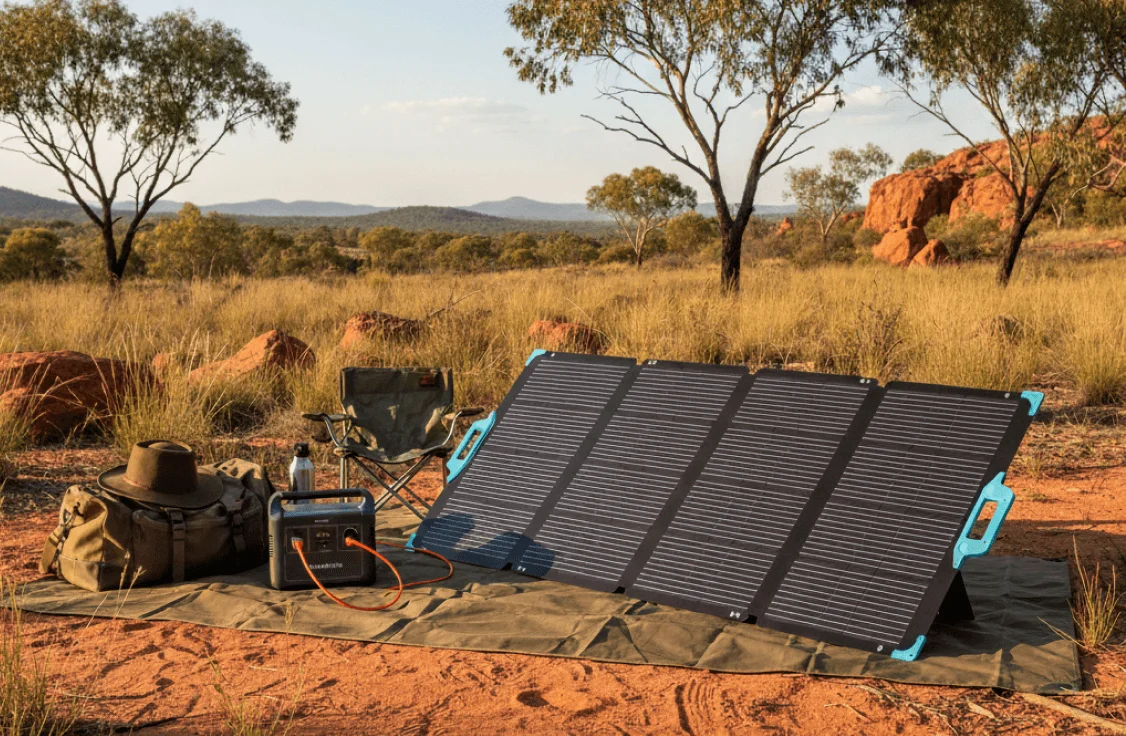
Pairing panels with a power station for camping or backup? Portable 100–200W panels are the practical range. See our Renogy 100W portable kit review and our 200W panel bundle review for real-world expectations.
Frequently asked questions
How many solar panels do I need for a 1,000 sq ft home?
Home size is a rough proxy at best — a 1,000 sq ft home typically uses 500–700 kWh per month, which works out to roughly 12–15 panels of 400W in average sun. Your actual bill matters far more than square footage, so always size from your kWh data.
Can I add more panels later if I underestimate?
Yes, but it costs more per panel than doing it all at once — you pay for another permit, another truck roll, and possibly a second inverter. If you’re on the fence, oversize the array by 2–3 panels now rather than extending it next year.
Do solar panels work on cloudy days?
Yes, at reduced output — typically 25–40% of sunny-day production under heavy cloud cover. This is already baked into annual “peak sun hours” averages, which is why you size from the annual average rather than a sunny-day measurement.
How many solar panels do I need to charge a portable power station?
Match panel wattage to your recharge goal: a 1,000Wh station charges in about 5–7 hours from a 200W portable panel in good sun (expect 70–80% of rated output). For faster recharging, two 200W panels in parallel roughly halve the time — check your station’s max solar input first so you don’t over-panel.
How much roof space do 20 panels need?
About 350–400 square feet. Each residential panel is roughly 65 × 41 inches (about 18.5 sq ft), plus small gaps between panels and setback margins required by fire codes.
Do I need batteries if I have solar panels?
Not for a grid-tied system with net metering — the grid acts as your battery. Batteries make sense if you want backup during outages, live where utilities offer poor net-metering terms, or are fully off-grid. See our large solar generator review for an all-in-one panel-plus-battery option.
divide your monthly kWh by 30, divide again by what one panel makes in your sun hours, add 15% for losses, and round up. For most homes that’s 18–22 panels of 400W — but run your own three numbers first, because your bill and your sunlight are what decide the real count.
Common Questions About How Many Solar Panels Do I Need for My Home
Quick Answers
Straight answers to the questions people ask most about this topic.
How Many Solar Panels Do I Need for My Home?
The short answer is yes — with the right expectations. The 3-step formula Conclusion: panels needed = (daily kWh × 1.15) ÷ (panel watts × peak sun hours ÷ 1,000).
The 3-step formula Conclusion: panels needed = (daily kWh × 1.15) ÷ (panel watts × peak sun hours ÷ 1,000).
How much should I expect to spend on how many solar panels do i need for my home?
Costs vary widely by capacity and brand, but the sweet spot for most buyers is a mid-range option that covers essential needs without overpaying for capacity you'll never use.
Match panel wattage to your recharge goal: a 1,000Wh station charges in about 5–7 hours from a 200W portable panel in good sun (expect 70–80% of rated output).
What should I look for when choosing how many solar panels do i need for my home?
Focus on capacity, charging speed, and build quality first — those determine everyday satisfaction far more than bonus features.
Read the specifications carefully and compare at least two or three options before deciding. Real user reviews reveal issues spec sheets hide.
What mistakes do people make with how many solar panels do i need for my home?
The most common mistake is buying too much or too little capacity — either wasting money or ending up short when it matters.
Measure your actual needs first. A little research up front prevents the two biggest regrets: overpaying and underpowering.
How do I get the most out of how many solar panels do i need for my home?
Follow the manufacturer's charging guidelines and store it properly between uses — that alone extends useful life significantly.
Bottom line: divide your monthly kWh by 30, divide again by what one panel makes in your sun hours, add 15% for losses, and round up.
Quick Answers
Straight answers to the questions people ask most about this topic.
How Many Solar Panels Do I Need for My Home?
The short answer is yes — with the right expectations. The 3-step formula Conclusion: panels needed = (daily kWh × 1.15) ÷ (panel watts × peak sun hours ÷ 1,000).
The 3-step formula Conclusion: panels needed = (daily kWh × 1.15) ÷ (panel watts × peak sun hours ÷ 1,000).
How much should I expect to spend on how many solar panels do i need for my home?
Costs vary widely by capacity and brand, but the sweet spot for most buyers is a mid-range option that covers essential needs without overpaying for capacity you'll never use.
Match panel wattage to your recharge goal: a 1,000Wh station charges in about 5–7 hours from a 200W portable panel in good sun (expect 70–80% of rated output).
What should I look for when choosing how many solar panels do i need for my home?
Focus on capacity, charging speed, and build quality first — those determine everyday satisfaction far more than bonus features.
Read the specifications carefully and compare at least two or three options before deciding. Real user reviews reveal issues spec sheets hide.
What mistakes do people make with how many solar panels do i need for my home?
The most common mistake is buying too much or too little capacity — either wasting money or ending up short when it matters.
Measure your actual needs first. A little research up front prevents the two biggest regrets: overpaying and underpowering.
How do I get the most out of how many solar panels do i need for my home?
Follow the manufacturer's charging guidelines and store it properly between uses — that alone extends useful life significantly.
Bottom line: divide your monthly kWh by 30, divide again by what one panel makes in your sun hours, add 15% for losses, and round up.


