
Short answer: A solar generator is worth the money if you use it often — daily campers, van-lifers, or homes with frequent outages will get their money’s worth. For the average household that only loses power once or twice a year, a solar generator is mostly an insurance purchase: the value is reliability and silence, not savings on your electric bill.
Solar generators promise free electricity from the sun. The real question is not whether the technology works — it does — but whether you will get your money back in dollars, convenience, or peace of mind. This guide breaks down the real costs, the payback math, and the situations where a solar generator pays off — and where it doesn’t.
The verdict
solar generators are worth it for frequent, real-world use; they are a luxury convenience purchase for occasional backup. Run your own use case through the math below before you buy.
Unlike rooftop solar, which quietly pays you back through lower utility bills, a portable solar generator only “earns” when it replaces electricity you would otherwise have paid for or a gas generator you would otherwise have run. Light users may never recover the purchase price in dollars. Heavy users — people who run one daily — often break even within a few years and keep going on free sunshine for the battery’s remaining life.
What a solar generator actually costs in 2026
expect roughly $150–$400 for a small camping unit, $600–$1,200 for a mid-size station, and $1,500–$4,000 for a large home-backup system — plus $100–$500 for panels if they aren’t bundled.
Prices cluster around capacity (measured in watt-hours, Wh):
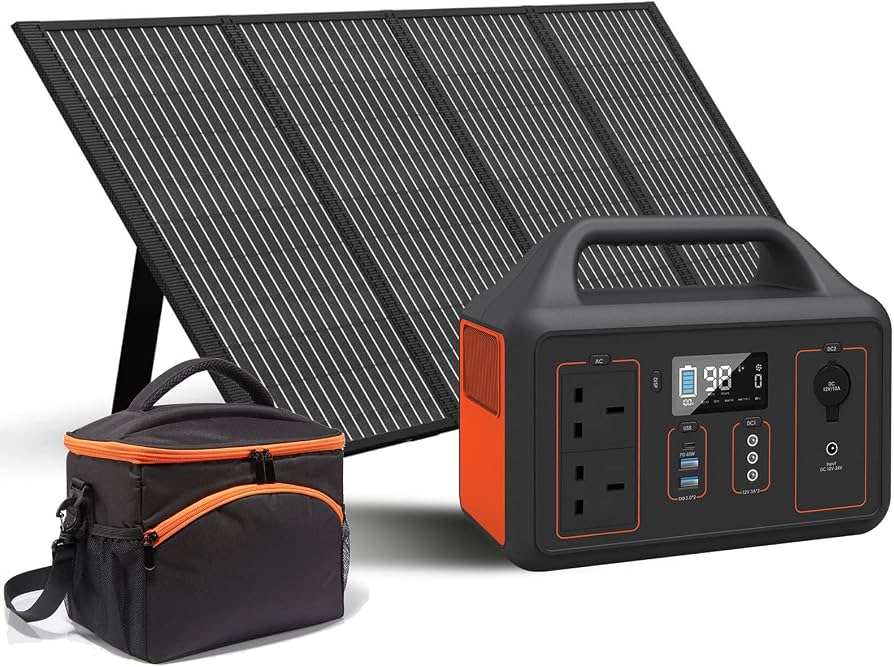
- Small (200–500Wh): roughly $150–$400. Powers phones, laptops, camera gear, and small lights for a weekend of camping. Solar panels are often sold separately in this class.
- Mid-size (1,000–1,500Wh): roughly $600–$1,200. Runs a full-size fridge for several hours, powers a home office through an outage, and often ships as a panel bundle. This is the sweet spot for most buyers — see our BLUETTI AC180 bundle review and our Anker SOLIX C1000 review.
- Large (2,000–4,000Wh): roughly $1,500–$4,000, expandable with extra batteries. Can carry a household through a multi-day outage with careful load management. Our Jackery Explorer 2000 Plus review covers this class.
Add 100–200W portable panels ($100–$300) or a 400W rigid setup ($300–$500) if the bundle doesn’t include them. A solar generator without panels is just a big battery — the value story depends on recharging it from the sun.
The payback math: will it ever pay for itself?
with daily use, a mid-size system typically pays back in about 3–6 years; with occasional outage-only use, the dollar payback can stretch past the battery’s useful life — buy it for reliability, not ROI.
Here’s how to run the numbers. Take a mid-size 1,152Wh station used to cycle about 1 kWh of electricity per day (say, keeping a fridge and a few devices running off solar instead of the grid):
- Value of that energy: US residential electricity averages around $0.17 per kWh. So 1 kWh per day is worth roughly $0.17/day, or about $62/year.
- System cost: about $700–$1,000 for the station plus a 200W panel.
- Payback: $800 ÷ $62 ≈ 13 years at grid-electricity prices — a sobering number.
Now compare against the real competitor: a gas generator. Fuel, oil changes, and maintenance put a gas generator’s running cost at roughly $0.30–$0.60 per kWh of electricity produced — two to four times the grid rate. If your solar generator replaces gas-generator runtime rather than grid power, the same $800 system pays back in roughly 3–6 years of regular use.
And the third scenario — the most common one — is pure backup: the unit sits in a closet and runs only during rare outages. Financially, this “pays back” almost never. You are buying insurance, silence (no 60-decibel gas engine at 2 a.m.), and fuel-free operation, not an investment.
When a solar generator is worth it
it’s a clear win for off-grid living, frequent camping, work-from-anywhere setups, and outage-prone areas — anywhere it replaces fuel or grid power regularly.
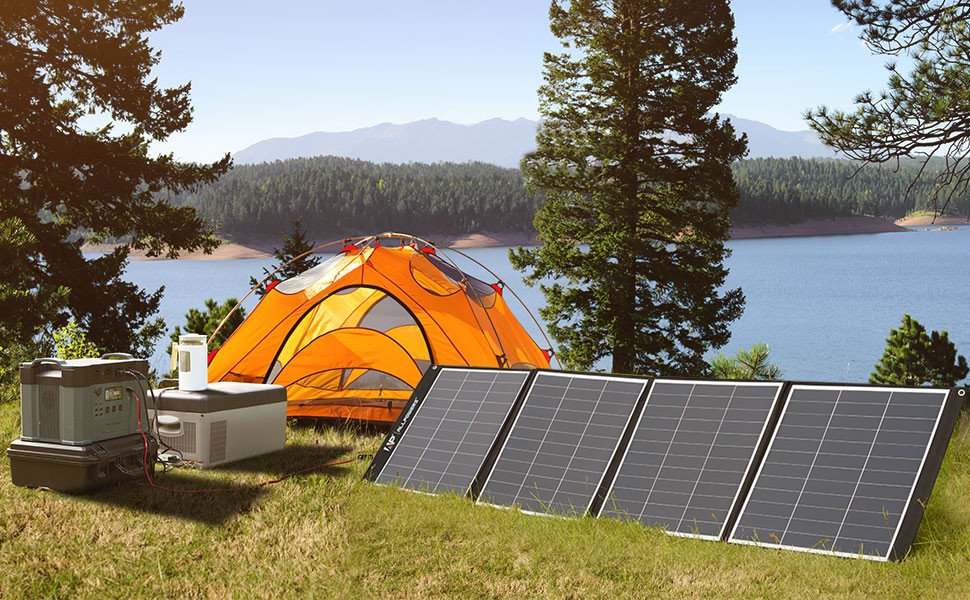
- Off-grid cabins and vans. If your alternative is a generator humming all evening or no power at all, solar pays for itself quickly — in fuel savings and in sleep quality.
- Frequent camping and overlanding. People who camp 20+ nights a year report that a solar generator is the single most-used piece of gear they own: fridge, lights, cameras, and fans, all silent.
- Frequent or long outages. In storm- and wildfire-prone regions where multi-day blackouts are normal, a large station with panels is a practical lifeline — and solar recharge beats hunting for gasoline during an emergency.
- Anyone who needs power without noise or fumes. Indoor-safe, apartment-friendly, no fuel storage — there is no gas-generator equivalent of that.
When it’s not worth it
skip it (or spend less) if you want whole-home backup, run high-draw heating appliances, or expect it to cut your utility bill meaningfully.
- Whole-home backup on a budget. An average home uses 28–30 kWh per day. A 2,000Wh station holds 2 kWh — barely 7% of that. Powering a whole house through an outage requires a 20–40 kWh battery bank and tens of thousands of dollars. For that job, a solar generator is a Band-Aid, not a solution.
- Heating, cooking, and hot water. Electric heaters, kettles, and ovens draw 1,500–2,000W continuously and drain even a large station in under an hour. Solar generators excel at electronics, lighting, fridges, and fans — not at replacing the stove.
- Chasing utility-bill savings alone. As the math above shows, replacing cheap grid electricity with a solar generator is a decade-plus payback. Rooftop solar is the tool for that job, not a portable box.
What affects the value most
battery chemistry and usable lifespan decide whether a solar generator is a 3-year purchase or a 10-year one — prioritize LiFePO4, real solar input, and expansion.
- Battery chemistry. LiFePO4 batteries typically last 3,000–4,000 charge cycles before dropping to 80% capacity — roughly 10 years of daily use. Older NMC chemistry manages about 500–1,000 cycles. The same sticker price on an NMC unit is a much worse deal.
- Solar input speed. A station that accepts only 200W of solar takes all day to recharge; one that accepts 800W+ recharges in a couple of hours. Slow recharge is the most common buyer’s regret — check the max solar input watts, not just the battery size.
- Expandable capacity. Units that accept add-on batteries let you start mid-size and grow later, which protects the investment if your needs change.
- Warranty. Five-year warranties are now common in the mid-to-large class; treat a one- or two-year warranty on an expensive unit as a red flag.
What to buy (and what to skip)
match the station to your biggest realistic load, buy LiFePO4 with fast solar input, and size panels to your recharge goal — not to the marketing headline.
If you’re not sure where to start, our sizing guide walks through the watt-hours math. Two solid starting points:
Mid-size stations (1,000–1,500Wh)
The best value class for most buyers: enough for a fridge, home office, or full weekend of camping. Look for LiFePO4, 500W+ solar input, and panel bundles. Our AC180 review shows what this class delivers.
Large stations (2,000Wh+)
For multi-day outages and heavy use: expandable capacity, 800W+ solar input, and enough output to run a fridge plus essentials. Read our Jackery 2000 Plus review before sizing up.
Frequently asked questions
Are solar generators cheaper than gas generators in the long run?
Usually yes for regular use. A gas generator is cheaper to buy but costs roughly $0.30–$0.60 per kWh in fuel and maintenance. A solar generator costs more upfront but the fuel is free, so frequent users typically come out ahead within a few years — and get silent, fume-free operation as a bonus.
How long do solar generators last?
LiFePO4 models typically hold 80% capacity after 3,000–4,000 cycles — about 10 years of daily use, far longer with occasional use. Solar panels themselves degrade slowly (around 0.5% per year) and keep producing for 20–25 years. The electronics and warranty (aim for 5 years) are the practical limits.
Can a solar generator power my whole house?
Not practically at consumer prices. A portable station holds 1–4 kWh; an average home uses 28–30 kWh per day. Solar generators are for essential circuits — fridge, lights, internet, devices — not whole-home backup. Our sizing guide explains how to plan essential-load backup.
Do solar generators work at night or on cloudy days?
They work at night from stored battery charge — the panels just can’t recharge until daylight returns. On cloudy days panels typically produce 25–40% of their sunny output. Size your panels and battery so one cloudy stretch doesn’t leave you empty; a bigger battery is the cloudy-day insurance.
Is it worth buying solar panels with the generator?
Almost always yes, if you plan any off-grid or outage use. Panels are what make the “generator” part real — without them you just have an expensive battery that charges from the wall. A 200W panel is a sensible starting point for mid-size stations.
What’s the biggest mistake first-time buyers make?
Buying too small. People size for their phone and laptop, then discover they really wanted to run a fridge, a fan, and a coffee maker. Add up your realistic loads in watts and watt-hours first — then buy the station that covers them with headroom, not the cheapest box that fits the cart.
a solar generator is worth the money when it works for a living — daily off-grid use, frequent camping, or regular outages. Bought as rare-outage insurance, it’s a comfort purchase, not an investment — which is fine, as long as you’re buying it for the right reason.
Common Questions About Are Solar Generators Worth the Money
Quick Answers
Straight answers to the questions people ask most about this topic.
Are Solar Generators Worth the Money?
The short answer is yes — with the right expectations. The verdict Conclusion: solar generators are worth it for frequent, real-world use; they are a luxury convenience purchase for occasional backup.
The verdict Conclusion: solar generators are worth it for frequent, real-world use; they are a luxury convenience purchase for occasional backup.
How much should I expect to spend on are solar generators worth the money?
Costs vary widely by capacity and brand, but the sweet spot for most buyers is a mid-range option that covers essential needs without overpaying for capacity you'll never use.
What to buy (and what to skip) Conclusion: match the station to your biggest realistic load, buy LiFePO4 with fast solar input, and size panels to your recharge goal — not to the marketing headline.
What should I look for when choosing are solar generators worth the money?
Focus on capacity, charging speed, and build quality first — those determine everyday satisfaction far more than bonus features.
Read the specifications carefully and compare at least two or three options before deciding. Real user reviews reveal issues spec sheets hide.
What mistakes do people make with are solar generators worth the money?
The most common mistake is buying too much or too little capacity — either wasting money or ending up short when it matters.
Measure your actual needs first. A little research up front prevents the two biggest regrets: overpaying and underpowering.
How do I get the most out of are solar generators worth the money?
Follow the manufacturer's charging guidelines and store it properly between uses — that alone extends useful life significantly.
Prices cluster around capacity (measured in watt-hours, Wh): Small (200–500Wh): roughly $150–$400.
Quick Answers
Straight answers to the questions people ask most about this topic.
Are Solar Generators Worth the Money?
The short answer is yes — with the right expectations. The verdict Conclusion: solar generators are worth it for frequent, real-world use; they are a luxury convenience purchase for occasional backup.
The verdict Conclusion: solar generators are worth it for frequent, real-world use; they are a luxury convenience purchase for occasional backup.
How much should I expect to spend on are solar generators worth the money?
Costs vary widely by capacity and brand, but the sweet spot for most buyers is a mid-range option that covers essential needs without overpaying for capacity you'll never use.
What to buy (and what to skip) Conclusion: match the station to your biggest realistic load, buy LiFePO4 with fast solar input, and size panels to your recharge goal — not to the marketing headline.
What should I look for when choosing are solar generators worth the money?
Focus on capacity, charging speed, and build quality first — those determine everyday satisfaction far more than bonus features.
Read the specifications carefully and compare at least two or three options before deciding. Real user reviews reveal issues spec sheets hide.
What mistakes do people make with are solar generators worth the money?
The most common mistake is buying too much or too little capacity — either wasting money or ending up short when it matters.
Measure your actual needs first. A little research up front prevents the two biggest regrets: overpaying and underpowering.
How do I get the most out of are solar generators worth the money?
Follow the manufacturer's charging guidelines and store it properly between uses — that alone extends useful life significantly.
Prices cluster around capacity (measured in watt-hours, Wh): Small (200–500Wh): roughly $150–$400.


