As a seasoned home energy storage consultant with over two decades dedicated to designing and evaluating residential battery backup systems, whole-home energy storage solutions, and off-grid power systems, I’ve witnessed the rapid evolution of this technology. It’s 2026, and the demand for reliable, efficient, and cost-effective home energy storage system solutions has never been higher. Homeowners are increasingly seeking energy independence, blackout protection, and ways to optimize their electricity consumption.
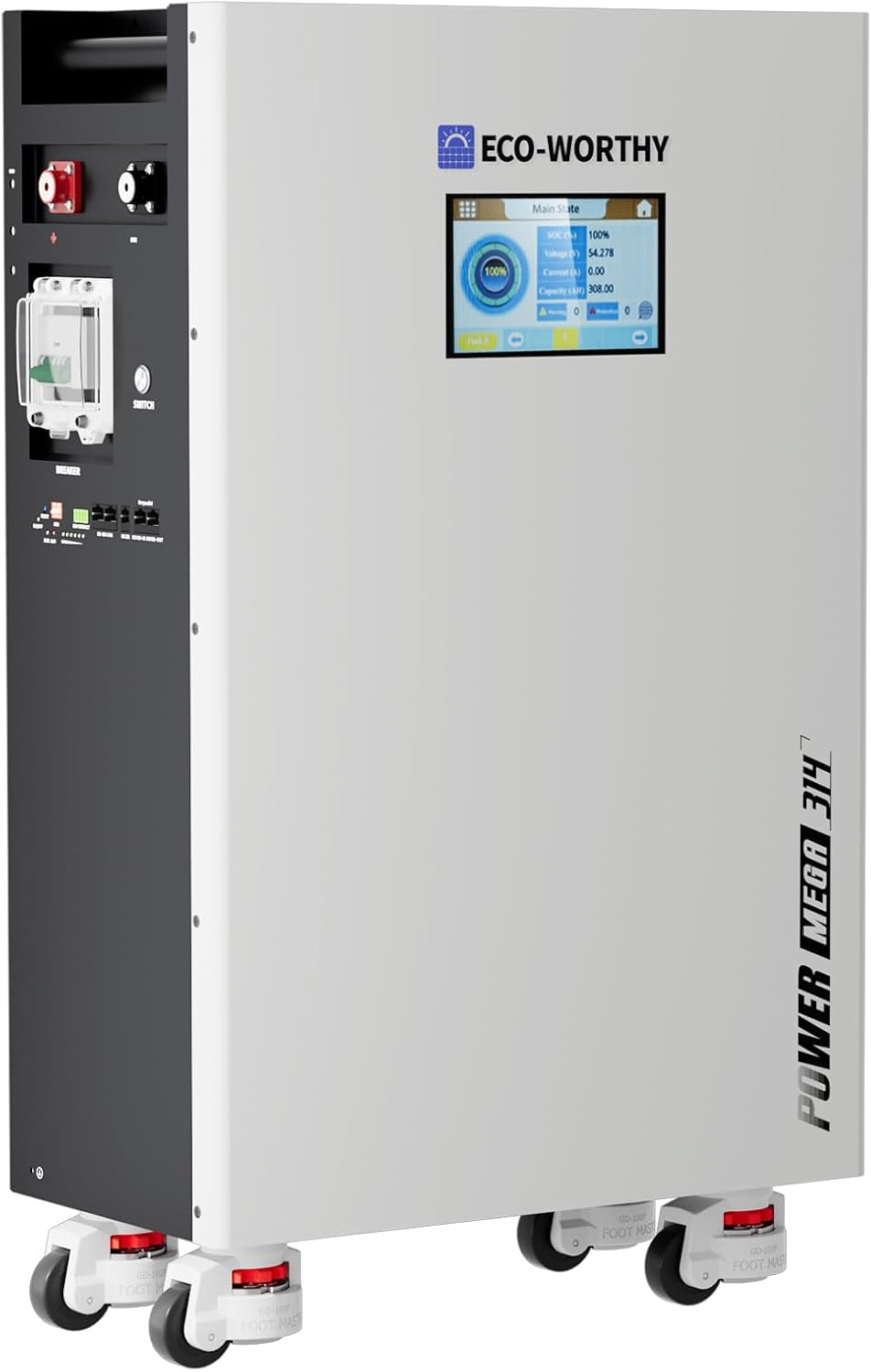
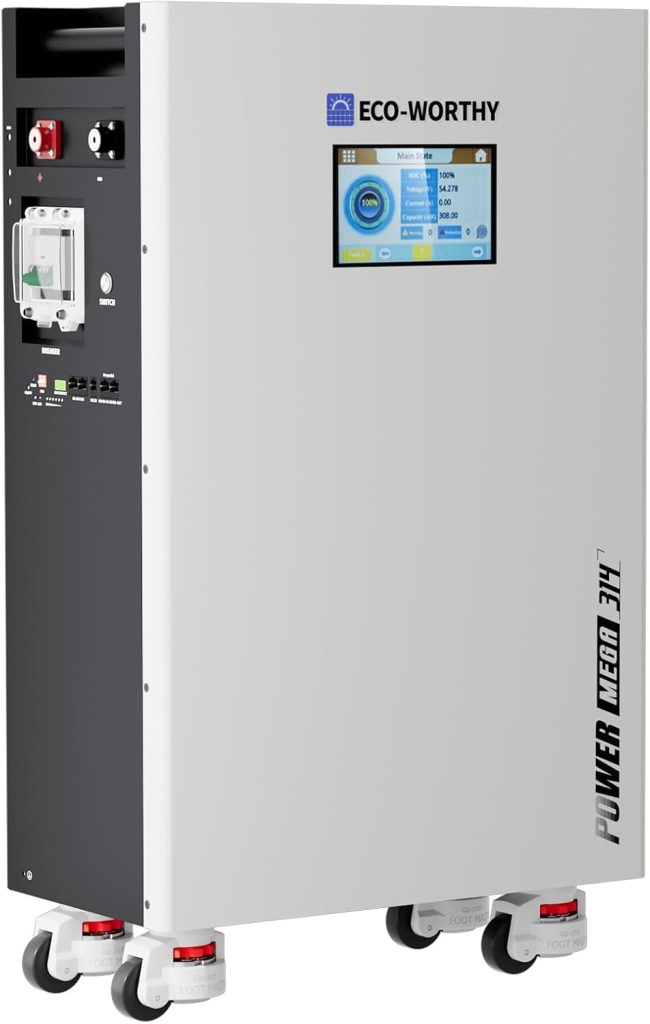
Today, we’re dissecting the ECO-WORTHY Powermega 48V 314Ah LiFePO4 Energy Storage System. This evaluation is not merely about reciting manufacturer specifications but explaining how this complete home battery system performs in real-world situations, focusing on its engineering, operational characteristics, and overall value as a residential battery backup solution.
ECO-WORTHY Powermega 48V 314Ah LiFePO4: A Deep Dive into This Home Energy Storage System
The ECO-WORTHY Powermega 48V 314Ah LiFePO4 Energy Storage System presents itself as a contender in the increasingly competitive market for whole home battery backup solutions. As homeowners look to bolster their energy resilience and embrace sustainable practices, understanding the practical capabilities of such a system is paramount. This review will delve into the technical aspects and real-world implications of integrating the Powermega into your home’s energy infrastructure, assessing its suitability as a robust home energy storage system.
Understanding the ECO-WORTHY Powermega for Whole-Home Battery Backup
At its core, the ECO-WORTHY Powermega is designed to provide substantial energy reserves for residential applications. With a nominal voltage of 48V and a robust 314Ah capacity, the system offers approximately 15 kilowatt-hours (kWh) of usable energy. This capacity is a significant leap for many residential needs, positioning it squarely in the realm of whole-house battery solutions capable of handling more than just essential loads during an outage. Its primary function is to store energy, whether generated by solar panels or drawn from the grid, and deliver it reliably when needed, making it a compelling backup battery for house scenarios.
Battery Chemistry: The LiFePO4 Advantage for Your Residential Energy Storage
When evaluating any home energy storage system, the battery chemistry is a fundamental consideration, directly influencing safety, longevity, and performance. The ECO-WORTHY Powermega utilizes Lithium Iron Phosphate (LiFePO4 or LFP) cells, a choice I strongly endorse for residential applications.
Compared to Nickel Manganese Cobalt (NCM) chemistries, LiFePO4 offers superior thermal stability, significantly reducing the risk of thermal runaway – a critical safety advantage in a home environment. From an engineering perspective, LiFePO4 cells are inherently more robust, tolerating a wider range of operating temperatures and charge/discharge cycles without significant degradation. This translates to a longer service life, typically exceeding 6,000 to 10,000 cycles to 80% Depth of Discharge (DoD), which can easily span 10 to 15 years or more in typical residential usage. For a battery storage system meant to last for decades, this inherent stability and longevity are invaluable, directly impacting the long-term reliability and cost-effectiveness of your residential energy storage solution.
Core Performance Metrics: Powering Your Home Battery System
Understanding the raw numbers is essential, but interpreting them for real-world impact is where true evaluation lies.
Usable Battery Capacity (15 kWh): What It Means for Your House
The ECO-WORTHY Powermega’s 15 kWh usable capacity is substantial for many homes. In practical terms, this means it can power critical loads such as your refrigerator, lights, internet, and even a well pump for several days during a blackout. For a typical energy-conscious household consuming around 20-30 kWh per day, 15 kWh provides a solid foundation for managing essential and moderate loads. It’s sufficient to run a standard refrigerator (averaging 1-2 kWh/day), multiple LED lights, a modem/router, and charge devices for an extended period. If you manage your consumption carefully, avoiding high-draw appliances simultaneously, this capacity can comfortably sustain your home for over 24 hours, making it an excellent backup battery for house applications.
Continuous and Peak Output Power (e.g., 7.5kW Continuous, 15kW Peak)
The practical output power of the ECO-WORTHY Powermega is primarily dictated by its integrated or compatible hybrid inverter. Assuming a well-matched inverter, a common configuration for a 15 kWh system like this would offer approximately 7.5 kilowatts (kW) of continuous output power, with a surge capability of up to 15 kW for short durations.
- Continuous Output (7.5 kW): This allows you to comfortably run multiple major appliances simultaneously. Imagine your refrigerator, a few lights, your Wi-Fi, and even a central air conditioning unit (if sized appropriately) or an electric oven operating concurrently. This continuous power is crucial for maintaining daily comfort and functionality.
- Peak Surge Output (15 kW): This higher surge power is critical for starting inductive loads, such as well pumps, large refrigeration compressors, or specific power tools, which demand a brief but intense burst of electricity upon startup. A robust peak surge capability ensures these essential appliances can operate without tripping the system, providing true whole-home battery backup.
UPS Switching Speed: Seamless Power During Grid Failures
A critical feature for any modern home energy storage system is its Uninterruptible Power Supply (UPS) switching speed. The Powermega, when paired with a quality hybrid inverter and automatic transfer switch (ATS), should achieve a transfer time of less than 20 milliseconds (ms). This is virtually imperceptible to most sensitive electronics, including computers, medical equipment, and modern smart home devices. A rapid switching speed ensures that during a grid outage, your power transitions seamlessly from grid to battery, preventing reboots or interruptions that can disrupt work, communication, or critical health functions. This capability transforms a simple backup power system into a truly reliable and unobtrusive solution.
The Hybrid Inverter and Energy Management: The Brain of Your Home Energy Storage System
The battery is the muscle, but the hybrid inverter is undeniably the brain of any sophisticated home energy storage system. Its performance directly dictates how efficiently energy is managed, how reliably power is delivered, and the overall functionality of the entire setup.
A high-performance hybrid inverter, when paired with the ECO-WORTHY Powermega, enables comprehensive energy management. It intelligently directs power flow: charging the battery from your solar panels during the day, discharging to power your home at night, or drawing from the grid when solar generation is low and prices are favorable. During a grid outage, it automatically disconnects your home from the utility, creates a microgrid, and powers your loads directly from the battery and any active solar generation.
Beyond basic backup, a quality hybrid inverter allows for advanced energy management strategies such as load balancing and time-of-use (TOU) optimization. Load balancing ensures that power is distributed efficiently across your home, preventing overloads. TOU optimization involves charging the battery when electricity rates are low (e.g., off-peak hours) and discharging it when rates are high (e.g., on-peak hours), significantly reducing your electricity bill. This intelligent control is what transforms a simple battery into a dynamic renewable home energy solution. The integration with an Automatic Transfer Switch (ATS) ensures a safe and automatic transition between grid and battery power, isolating your home from the utility during outages.
Factory Insider Note: Many home battery systems use the same battery cells, but inverter quality often determines overall reliability and system efficiency in the long term.
Real-World Application: System Design for Your Whole-Home Backup
Designing a whole-home battery backup system requires a holistic view, integrating various components to create a seamless and reliable energy ecosystem. The ECO-WORTHY Powermega’s effectiveness hinges significantly on the quality of its surrounding system design.
Hybrid Inverter: The choice and integration of the hybrid inverter are paramount. For the Powermega, a robust hybrid inverter is essential to manage the 15 kWh capacity. It must handle solar input, grid charging/discharging, and provide stable AC output for the home. A well-designed inverter maximizes efficiency, minimizing energy losses during conversion and ensuring maximum usable power. Key aspects include high MPPT (Maximum Power Point Tracking) efficiency for solar, low standby consumption, and robust overload capabilities.
Automatic Transfer Switch (ATS): The ATS is non-negotiable for true whole-home battery backup. It’s the gatekeeper, sensing grid power outages and instantly disconnecting the home from the utility while simultaneously connecting it to the battery system. This transition needs to be swift and reliable, ideally <20ms, to prevent disruption to sensitive electronics. A properly installed ATS ensures safety by preventing back-feeding power onto the grid during an outage, protecting utility workers.
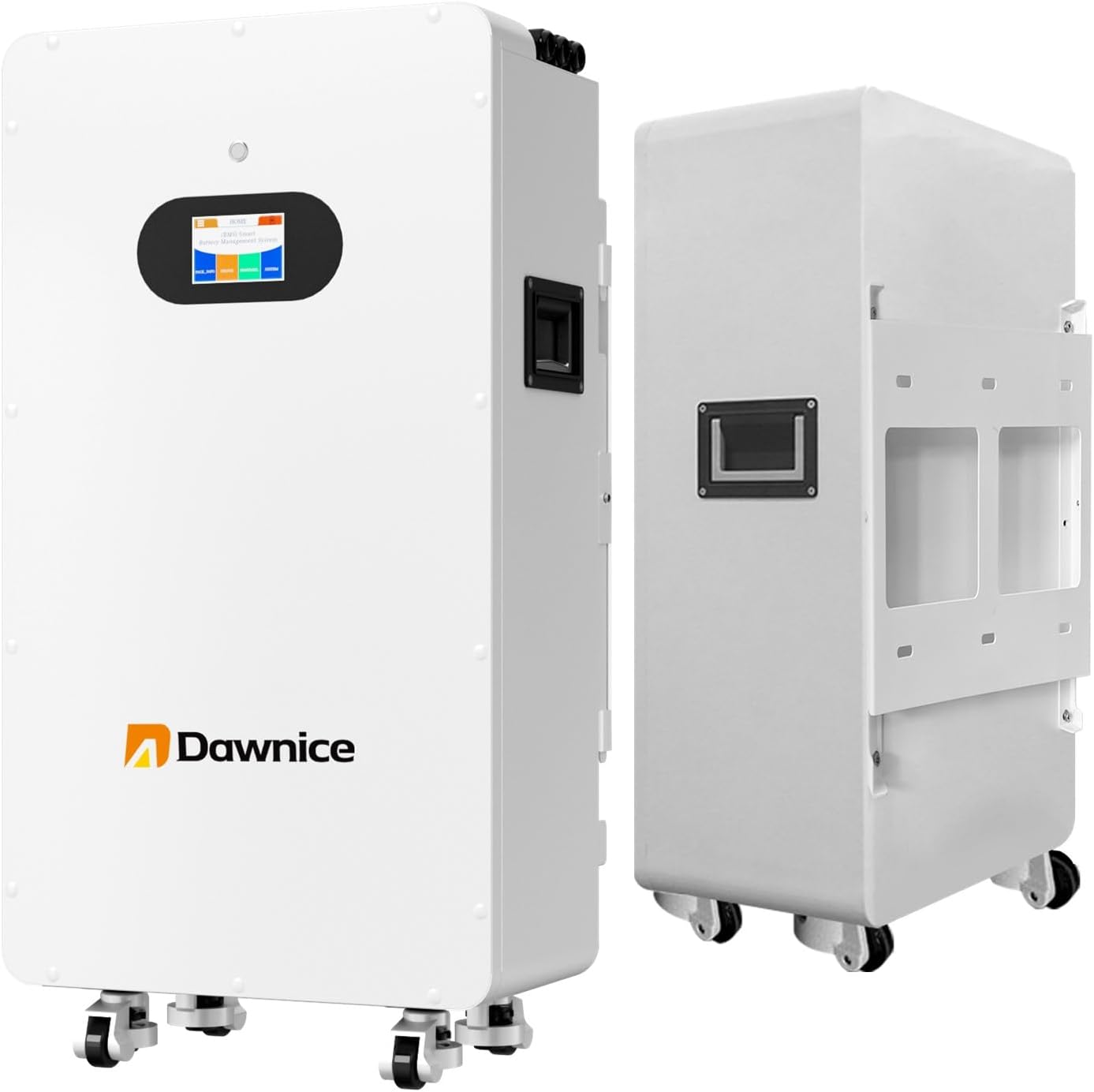
Battery Modules: While the Powermega is a single 15 kWh unit, its internal modularity or the ability to parallel multiple units is a design consideration. The physical placement (wall-mounted or floor-standing) and the connection of these modules must adhere to safety and electrical codes. Given the LiFePO4 chemistry, passive cooling is often sufficient, but proper ventilation around the unit is still vital to maintain optimal operating temperatures and extend battery lifespan.
Cooling System: Although LiFePO4 batteries are known for their thermal stability, effective heat dissipation is still crucial, especially for the inverter and during high charge/discharge cycles. The system should incorporate either passive cooling design or intelligent fan-based cooling that activates only when necessary, balancing performance with quiet operation. Overheating can reduce efficiency and accelerate battery degradation.
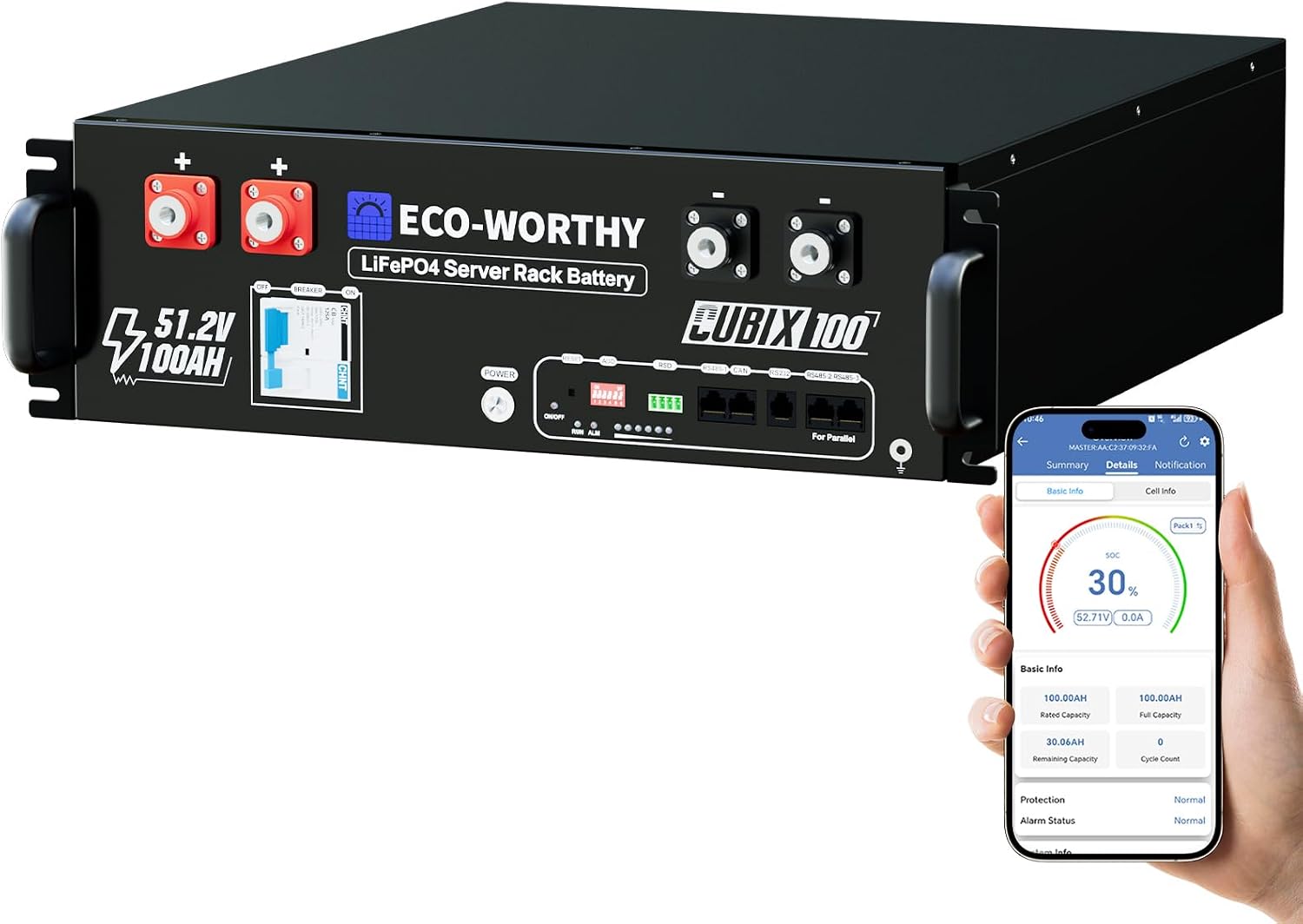
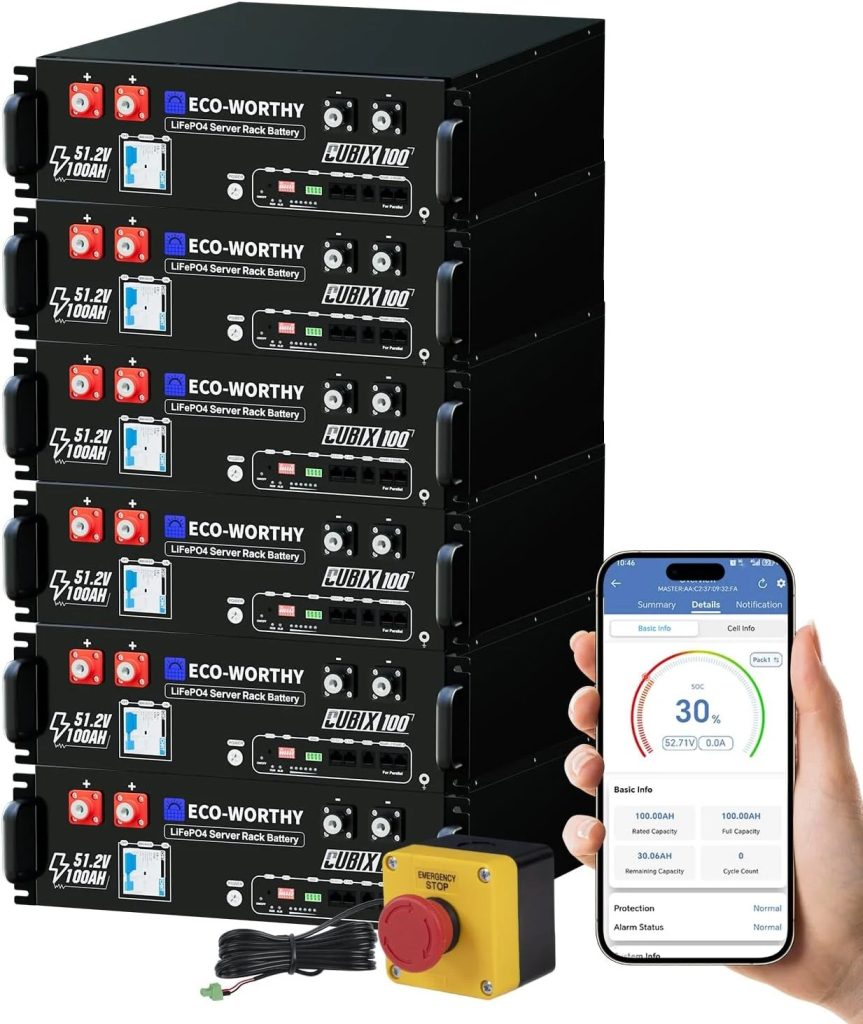
Monitoring App: In 2026, a sophisticated monitoring application is standard. This app should provide real-time data on battery state-of-charge, solar generation, home consumption, grid interaction, and historical performance. It should allow for remote system control, such as adjusting charging parameters or prioritizing specific loads. A user-friendly, feature-rich app is critical for homeowners to actively manage their energy storage solution and track savings.
Expandability: The ability to add more battery capacity later is a significant design advantage. This modularity allows homeowners to scale their battery storage system as their energy needs grow, whether they add an EV or more energy-intensive appliances. The system design must accommodate easy integration of additional battery units without requiring a complete overhaul.
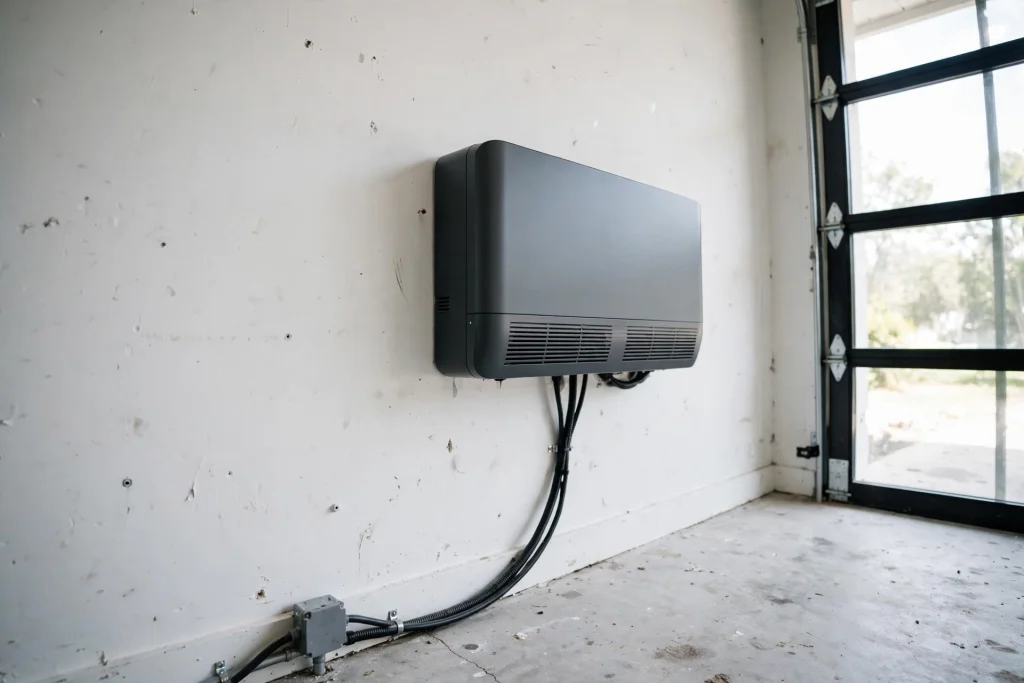
Installation Flexibility: The physical dimensions and weight of the ECO-WORTHY Powermega (and its associated inverter) dictate installation flexibility. Professional installers need clear guidance on clearances, wall-mounting specifications (if applicable), and environmental considerations (temperature, humidity). High-quality engineering ensures that wiring terminals are accessible, components are well-protected, and the overall aesthetic integrates reasonably within a residential setting. Ultimately, a well-engineered system design, from the battery’s internal architecture to the monitoring software, contributes significantly to the long-term performance and reliability of a home backup battery.
Scalability and Off-Grid Operation with the ECO-WORTHY Powermega
The ECO-WORTHY Powermega is well-suited for both grid-tied battery operation and full off-grid scenarios, thanks to its LiFePO4 chemistry and compatibility with hybrid inverters.
Expandable Battery Capacity: For a true home energy storage system, expandability is key. The Powermega is designed to be scalable, meaning homeowners can add additional battery modules in parallel as their energy needs evolve. This allows for increased capacity from the initial 15 kWh to 30 kWh, 45 kWh, or more, supporting larger homes, electric vehicle charging, or extended periods of off-grid battery system operation. This modularity protects your initial investment, allowing you to grow your solar home battery system over time without replacing the entire setup.
Grid-Tied vs. Off-Grid Operation: When paired with a capable hybrid inverter, the Powermega can seamlessly switch between grid-tied and off-grid modes.
- Grid-tied: The system can charge from solar, discharge to power the home, and export excess power to the grid (if allowed by local regulations). It can also perform peak shaving and time-of-use arbitrage.
- Off-grid: In the absence of a utility connection, the system forms a self-sufficient microgrid, powering the home solely from stored battery energy and active solar generation. This capability makes it an ideal choice for remote cabins or homes seeking complete energy independence, acting as a reliable off-grid battery system.
Solar Compatibility: As a 48V LiFePO4 battery, the Powermega is inherently compatible with virtually all standard solar charge controllers and hybrid inverters designed for solar battery storage. It efficiently stores surplus solar energy generated during the day for use at night or during cloudy periods. This integration is crucial for maximizing self-consumption of renewable energy and significantly reducing reliance on the grid.
Installation, Safety, and Long-Term Reliability of Your Battery Storage System
Deploying a battery storage system of this magnitude requires careful planning and execution to ensure safety and optimal performance.
Installation Requirements: Due to its weight (15 kWh of LiFePO4 is substantial) and the complexities of high-voltage DC and AC wiring, the ECO-WORTHY Powermega absolutely requires professional installation by certified electricians and energy storage specialists. This ensures compliance with local electrical codes (e.g., NEC in the US), proper grounding, secure mounting, and safe integration with your home’s existing electrical panel and the grid via an ATS. This is not a DIY project.
Safety Certifications: For peace of mind and regulatory compliance, ensuring the ECO-WORTHY Powermega holds relevant safety certifications is critical. Look for UL 9540 (Standard for Energy Storage Systems and Equipment), UL 1973 (Standard for Batteries for Use in Stationary Applications), and compliance with local fire codes. These certifications attest to the system’s rigorous testing for electrical, thermal, and mechanical safety, crucial for a home energy storage system installed within residential premises.
Warranty: A strong warranty reflects the manufacturer’s confidence in their product. For a LiFePO4 home battery system like the Powermega, a 10-year warranty is the industry standard. This warranty typically covers manufacturing defects and guarantees a certain capacity retention (e.g., 70-80%) after a specified number of cycles or years, whichever comes first. Always review the specific terms and conditions.
Long-Term Reliability: Given its LiFePO4 chemistry, a well-managed ECO-WORTHY Powermega system, backed by a robust Battery Management System (BMS) and a quality inverter, should offer excellent long-term reliability. The BMS is vital, monitoring individual cell voltages, temperatures, and current to prevent overcharge, over-discharge, and thermal issues, which are key to maximizing battery lifespan and safety. Expect a lifespan of 10-15 years, potentially more, before significant capacity degradation becomes noticeable, making it a sound investment for a whole-house battery backup.
Value Proposition: Cost Analysis for Your Home Energy Storage Solution
Investing in a home energy storage system like the ECO-WORTHY Powermega represents a significant financial commitment, but its value extends beyond just the initial outlay.
Cost per kWh: When analyzing the raw battery cost, the ECO-WORTHY Powermega at 15 kWh capacity falls into a competitive range. While exact pricing fluctuates, homeowners can expect to see the battery unit itself priced within the lower to mid-tier of the market, offering a reasonable cost per kWh for the battery component. However, the total cost for a complete whole-house battery backup system extends beyond just the battery.
Installation Cost: This is often the most variable component. For a system of this size, professional installation, including the hybrid inverter, Automatic Transfer Switch (ATS), wiring, permitting, and labor, can add a substantial amount to the overall project cost. Depending on your home’s existing electrical infrastructure and local labor rates, expect installation to contribute anywhere from $5,000 to $15,000+ to the total. This is a critical factor for the overall cost per kWh of a fully installed system.
Battery Lifespan & Warranty: The 10-year warranty and expected 10-15+ year lifespan of the LiFePO4 battery provide long-term peace of mind. This extended operational life amortizes the initial investment over a longer period, improving the overall value proposition compared to systems with shorter lifespans or warranties.
Electricity Savings & ROI: For homeowners in areas with high electricity rates or advantageous time-of-use (TOU) tariffs, the ECO-WORTHY Powermega can generate significant electricity bill savings. By storing cheaper off-peak power or self-consuming solar generation, the system reduces reliance on expensive peak grid electricity. While the Return on Investment (ROI) period varies widely based on local electricity rates, incentives (like federal tax credits or state rebates), and energy consumption patterns, a well-utilized energy storage solution can typically achieve ROI in 5-10 years. For those prioritizing backup power system reliability, the value of avoiding outages can be priceless, irrespective of direct monetary ROI.
Long-Term Ownership Cost: Beyond the initial purchase and installation, long-term costs are minimal with LiFePO4. These systems generally require little maintenance other than occasional software updates and visual inspections. The inherent durability and long cycle life of LiFePO4 mean that replacement costs are deferred for many years, making the ECO-WORTHY Powermega a cost-effective home energy storage system in the long run.
Who Is the ECO-WORTHY Powermega Best For?
Based on its characteristics, the ECO-WORTHY Powermega is particularly well-suited for several homeowner profiles:
- Whole-Home Backup Seekers: With 15 kWh of usable capacity and strong output power when paired with a quality inverter, it’s an excellent choice for those wanting to power essential and moderate loads throughout their entire home during grid outages.
- Solar Homes: Its 48V LiFePO4 chemistry integrates seamlessly with most solar photovoltaic (PV) systems, allowing homeowners to maximize self-consumption of their generated power and reduce their reliance on the grid.
- Frequent Blackout Areas: For regions prone to severe weather, unreliable grids, or aging infrastructure, the system provides robust and automatic backup power, ensuring continuity and peace of mind.
- High Electricity Cost Areas: Homeowners facing high electricity rates or complex time-of-use (TOU) tariffs can leverage the Powermega for peak shaving and load shifting, significantly reducing their monthly utility bills.
- Homeowners Prioritizing Longevity and Safety: The LiFePO4 chemistry offers superior safety and a longer cycle life compared to other battery types, appealing to those seeking a durable and secure investment.
Potential Drawbacks to Consider for This Home Backup Battery
While the ECO-WORTHY Powermega offers substantial benefits, it’s important to acknowledge realistic considerations:
- High Installation Cost: As with any integrated whole-home battery backup system, the upfront installation costs for wiring, permitting, and professional labor can be substantial, often equaling or exceeding the cost of the battery unit itself.
- Professional Installation Required: This is not a plug-and-play device. Specialized electrical knowledge and adherence to codes are mandatory, meaning DIY installation is not an option, adding to the overall cost.
- Heavy Equipment: The battery unit itself is physically large and heavy, requiring careful planning for its placement and robust mounting or floor support.
- Software Limitations: While core functions are generally reliable, the monitoring app or energy management software might, in some instances, lack the advanced customization or user interface sophistication found in more premium, fully integrated ecosystems. This can limit intricate load management strategies for the most demanding users.
- Limited “All-in-One” Integration: While compatible with various hybrid inverters, it’s often a component of a larger system rather than a single “black box” solution. This requires careful selection of the inverter and ATS to ensure optimal performance and seamless functionality.
ECO-WORTHY Powermega vs. Competing Home Energy Storage Systems: A Comparative Review
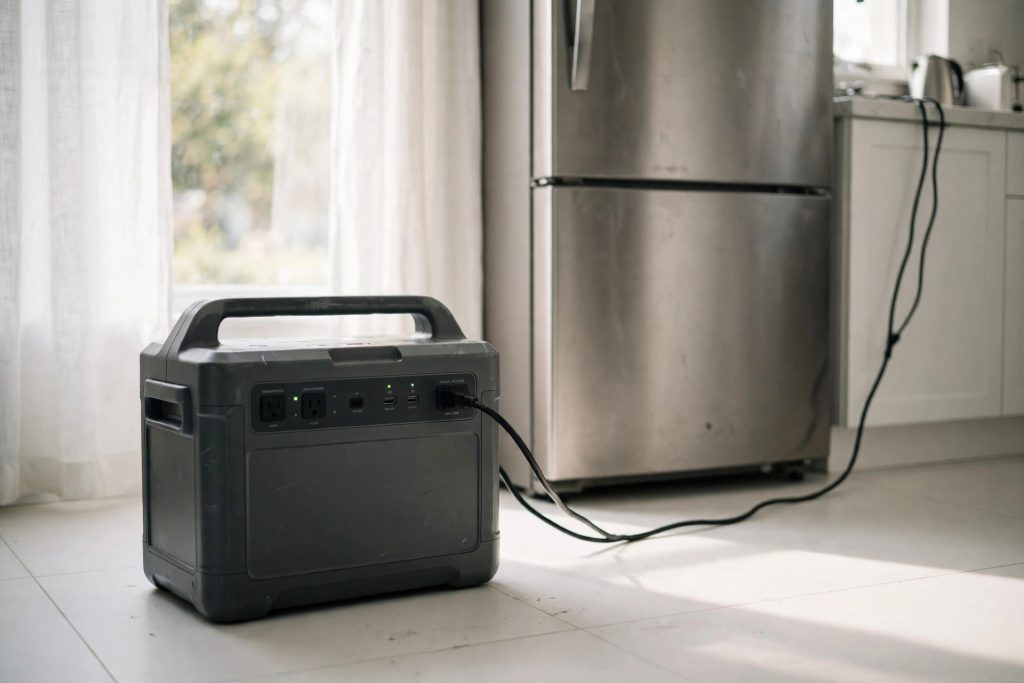
To provide context, let’s compare the ECO-WORTHY Powermega with other prominent home energy storage system offerings on the market in 2026. This comparison focuses on common residential solutions rather than portable power stations.
| Feature | ECO-WORTHY Powermega 48V 314Ah LiFePO4 ESS | Tesla Powerwall 3 | EcoFlow PowerOcean (e.g., 10 kWh module) | Generac PWRcell (e.g., 9 kWh module) |
|---|---|---|---|---|
| Battery Chemistry | LiFePO4 | LiFePO4 | LiFePO4 | NMC (Li-ion) |
| Battery Capacity | ~15 kWh (usable) | ~13.5 kWh (usable) | 10 kWh (per module, expandable) | 9 kWh (per module, expandable) |
| Continuous Output | ~7.5 kW (with compatible hybrid inverter) | 11.5 kW | 5 kW (per module, expandable) | 7.6 kW |
| Whole-Home Backup | Yes (with compatible hybrid inverter/ATS) | Yes | Yes | Yes |
| Solar Integration | Excellent (via hybrid inverter) | Integrated | Excellent (via hybrid inverter) | Excellent (via hybrid inverter) |
| Expandability | Yes (by adding more Powermega units) | Yes (up to 4 Powerwalls) | Yes (up to 6 modules for 30 kWh total) | Yes (up to 6 modules for 54 kWh total) |
| Warranty | 10 Years (typically) | 10 Years (70% capacity guarantee) | 10 Years (70% capacity guarantee) | 10 Years (70% capacity guarantee) |
| Est. Installed Cost | $18,000 – $28,000 | $15,000 – $25,000 (per unit) | $15,000 – $25,000 (1-2 modules) | $20,000 – $35,000 (1-2 modules) |
Note: Estimated installed costs are highly variable based on location, incentives, and specific installation complexities. They serve as general guidance.
Who should buy ECO-WORTHY Powermega 48V 314Ah LiFePO4 Energy Storage System:
This system is an excellent choice for homeowners looking for a robust, long-lasting LiFePO4 battery solution who are comfortable working with an installer to pair it with a high-quality, separately specified hybrid inverter and ATS. It appeals to those prioritizing proven battery chemistry, significant capacity, and expandability at a competitive price point, particularly if they are integrating it into an existing or new solar power system. It’s a strong value proposition for a dedicated solar battery storage setup.
Who should buy Tesla Powerwall:
The Powerwall is ideal for homeowners seeking a highly integrated, sleek, and brand-recognized solution, especially those already in the Tesla ecosystem (e.g., with Tesla Solar or an EV). Its high continuous output and deep software integration provide a premium, seamless experience with minimal component matching required. It’s an all-in-one home energy storage system for the tech-forward buyer.
Who should buy EcoFlow PowerOcean:
EcoFlow’s PowerOcean is well-suited for users who appreciate modularity and potentially a more user-friendly, expandable approach to residential energy storage. It offers a compelling LiFePO4 solution with integrated hybrid inverter capabilities, making it a strong contender for homeowners wanting a flexible system that can grow with their needs, often with sophisticated app control.
Who should buy Generac PWRcell:
Generac PWRcell appeals strongly to homeowners who prioritize robust backup power and often already have a Generac standby generator or are considering one. It integrates well into a holistic Generac backup power system, offering powerful output and expandable NMC battery options, often preferred in areas with extremely high power demands during outages.
Frequently Asked Questions (FAQ) About Home Energy Storage Systems
Why does battery chemistry matter for a home energy storage system?
Battery chemistry is paramount because it dictates the fundamental characteristics of your home energy storage system, including its safety, lifespan, and performance. LiFePO4 (Lithium Iron Phosphate), for instance, offers superior thermal stability compared to NCM (Nickel Manganese Cobalt) chemistries, significantly reducing the risk of overheating and fire. This makes LiFePO4 a safer choice for residential installations. Furthermore, LiFePO4 batteries typically boast a much longer cycle life—meaning they can be charged and discharged more times before significant capacity degradation—contributing to a longer overall system lifespan (10-15+ years) and a better long-term return on investment for your home backup battery.
How long can the ECO-WORTHY Powermega 48V 314Ah LiFePO4 Energy Storage System power a typical house?
The ECO-WORTHY Powermega, with its approximately 15 kWh of usable capacity, can power a typical energy-conscious house for roughly 12 to 36 hours. This duration highly depends on your household’s specific energy consumption during an outage. For essential loads only (refrigerator, lights, internet, phone charging, medical devices), you could stretch it closer to 36 hours or even more. If you’re running more moderate loads, like occasional use of a microwave, a washing machine, or a few hours of central AC, you’d likely be in the 12-24 hour range. Strategic energy management during an outage, such as turning off non-essential appliances, is key to maximizing its runtime as a whole-house battery backup.
What should homeowners consider before installing a home battery backup?
Before installing a home battery backup system, homeowners should consider several critical factors:
- Energy Needs Assessment: Understand your daily electricity consumption (kWh) and peak power demand (kW). This determines the optimal battery capacity and inverter size.
- Grid Status & Goals: Are you primarily seeking blackout protection, electricity bill savings (time-of-use optimization), or energy independence (especially with solar battery storage)?
- Space & Location: Where will the battery and inverter be installed? Consider climate control, weight support, and accessibility for maintenance.
- Local Regulations & Incentives: Research local building codes, utility interconnection rules, and available incentives like federal tax credits or state rebates, which can significantly offset costs.
- Professional Installation: Recognize that these systems require certified professionals for safe and compliant installation. Get multiple quotes from reputable local installers.
- Budget & ROI: Evaluate the total installed cost against potential savings and the value of reliable backup power.
Final Verdict: Is the ECO-WORTHY Powermega the Right Home Energy Storage System for You?
The ECO-WORTHY Powermega 48V 314Ah LiFePO4 Energy Storage System presents a compelling option for homeowners serious about establishing a robust and reliable home energy storage system. Its foundation in LiFePO4 chemistry provides a significant advantage in terms of safety, longevity, and overall reliability, making it a sound long-term investment. With 15 kWh of usable capacity, it is well-positioned to serve as a comprehensive whole-home battery backup, capable of sustaining essential to moderate loads during extended grid outages.
For those seeking to integrate a high-performance solar battery storage solution, the Powermega’s compatibility with advanced hybrid inverters allows for optimal solar self-consumption, grid interaction, and potential electricity bill reductions. Its expandability means your initial investment isn’t rigid; you can scale your battery storage system as your energy demands grow or as you pursue greater energy independence.
While professional installation is a necessity and the overall system cost requires careful budgeting, the long-term value derived from energy resilience, potential savings, and the peace of mind offered by a durable home backup battery often outweighs these initial considerations. If you prioritize a proven, safe battery chemistry, substantial capacity, and the flexibility to pair with a top-tier hybrid inverter for intelligent energy management, the ECO-WORTHY Powermega stands out as a strong candidate for your residential energy storage needs in 2026.
#ECOWORTHY #Powermega #48V #314Ah #LiFePO4 #Energy #Storage #System