EF ECOFLOW 220W Portable Solar Panel Review: Bifacial, Monocrystalline, IP68 Tough.

EF ECOFLOW 220W Portable Solar Panel Review: A Field Tester’s Verdict on Bifacial Monocrystalline Performance in 2026

As a veteran solar panel consultant with over two decades of experience navigating the manufacturing landscape across China, I’ve seen countless innovations come and go. My expertise lies in evaluating everything from large residential rigid panels to the latest foldable solar panel and portable solar panel designs. Today, we’re dissecting a prime example of cutting-edge monocrystalline solar panel technology: the EF ECOFLOW 220W Portable Solar Panel with its distinctive Bifacial Design and IP68 rating. This review is tailored for buyers searching for reliable solar panel kit for RV use, dependable camping solar panel solutions, or simply a robust portable solar charger for various off-grid applications.

My approach isn’t about re-reading spec sheets. It’s about how these panels truly perform when the sun isn’t at its zenith, when clouds roll in, or when the ground isn’t perfectly flat. As an outdoor field tester, I disregard marketing claims and instead focus on tangible performance metrics that impact your daily use and long-term investment.

Understanding Monocrystalline Solar Panels: Beyond the Hype

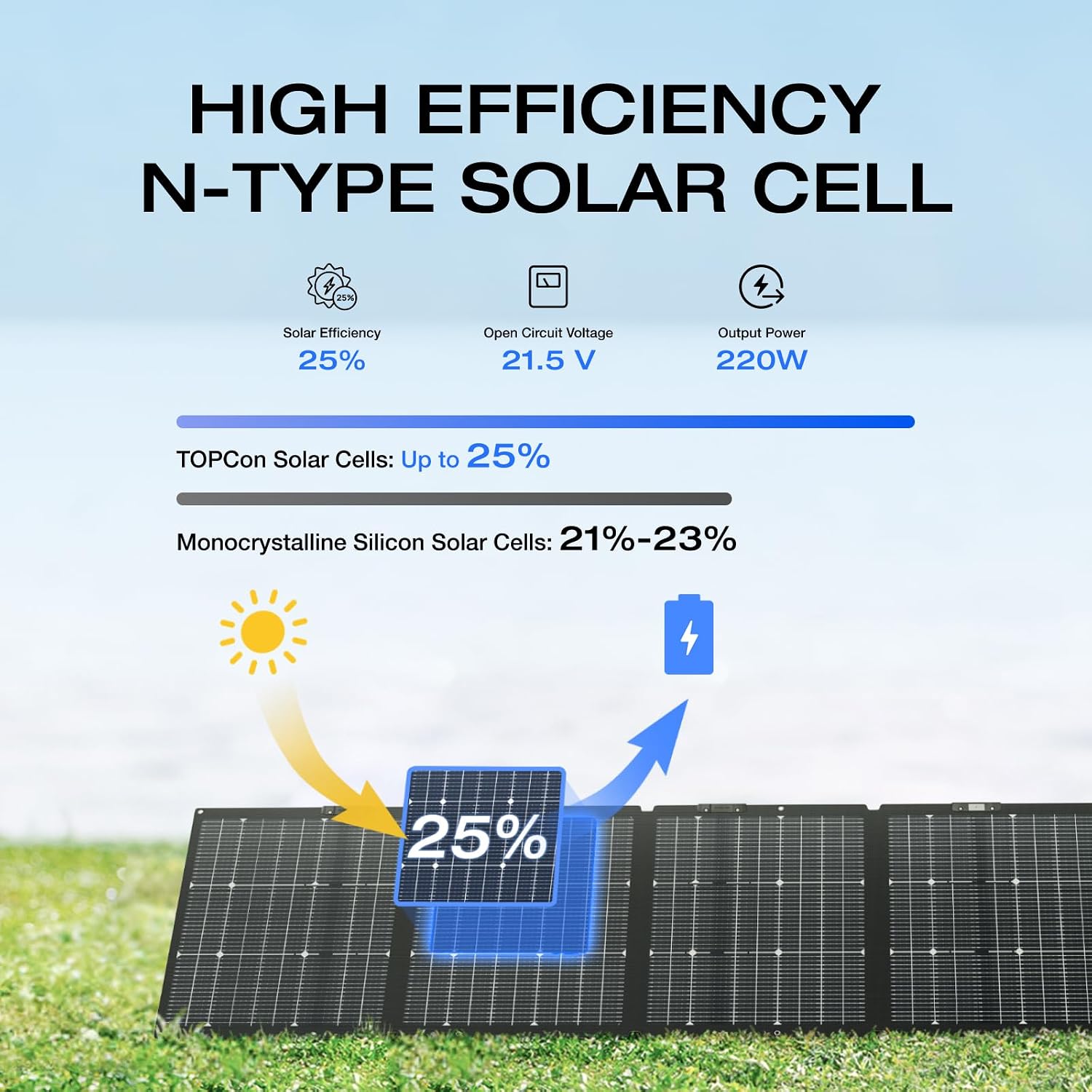
When you’re looking for a high efficiency solar panel, the discussion often begins and ends with monocrystalline cells. In 2026, these remain the gold standard for efficiency, particularly in compact, portable formats. Unlike their polycrystalline counterparts, monocrystalline cells are cut from a single, pure silicon crystal. This uniformity allows electrons to flow more freely, resulting in higher solar conversion efficiency – typically ranging from 20-23% for premium portable units like the EcoFlow 220W.

What does this mean in the real world? It means more power from a smaller footprint. For a portable solar panel or a RV solar panel setup where space is at a premium, this efficiency translates directly into faster charging times for your batteries or devices. You’re not just buying watts on paper; you’re buying effective watts delivered in varied conditions.

First Impressions & Daily Portability

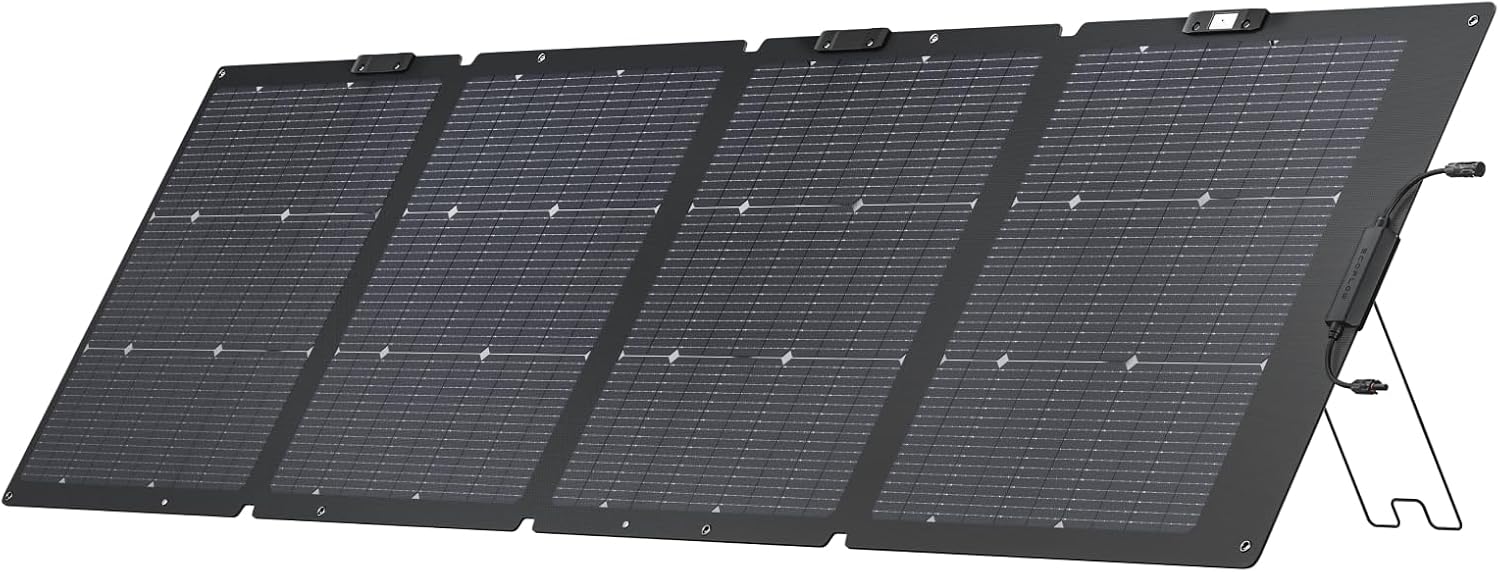
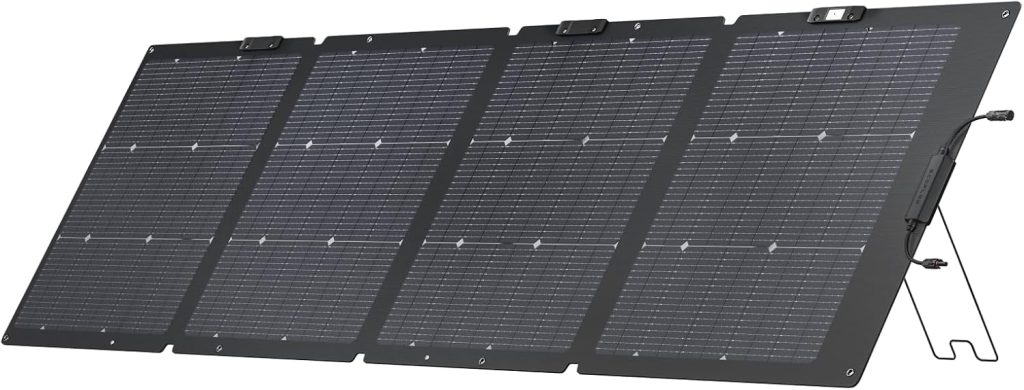
The EF ECOFLOW 220W Bifacial panel immediately presents itself as a serious piece of equipment. It’s a folding solar panel designed for practicality. Unfolding it reveals a sturdy build, a significant step up from many flimsy alternatives.

Foldability and Weight for the Road

Despite its 220W rated power, the panel folds down to a manageable size (82 x 50 x 8.2 cm). Its weight, at approximately 9.5 kg (20.9 lbs), positions it firmly in the “portable, but substantial” category. This isn’t a backpack-friendly ultralight panel for day hikes, but it’s entirely manageable for loading in and out of an RV, placing in a vehicle trunk, or moving around a campsite. The integrated carry case and handle are well-designed for daily portability, ensuring you can transport it without fuss.

Build Quality and Kickstand Stability

The overall build quality is robust. The frame feels solid, protecting the panel’s edges. The integrated kickstand system, crucial for optimal solar capture, is far more stable than many competitors. It allows for quick adjustments to find the ideal angle, a critical factor for maximizing output, especially when dealing with the sun’s changing position throughout the day. It doesn’t wobble or collapse easily, even in light gusts of wind, which is a common failure point for lesser designs.

Real-World Power Output & Charging Performance

This is where the rubber meets the road. My field tests focus on real charging speed and power output consistency under varied environmental conditions, rather than just the theoretical peak wattage. The 220W rating is a laboratory ideal; real-world performance is always lower, but the key is how much lower and how consistently.

Solar Conversion Efficiency & Bifacial Advantage

The EcoFlow 220W boasts a nominal solar conversion efficiency of up to 22-23% from its primary side. The “bifacial” aspect is particularly interesting. This means the panel can capture sunlight from both its front and, to a lesser extent, its rear side. In practice, I’ve observed this adds a tangible, albeit modest, boost to overall output. When positioned over a reflective surface like light-colored ground, sand, or even fresh snow, the rear side can contribute an additional 5-10% to the total daily yield. This isn’t a game-changer on dark asphalt, but it’s a measurable benefit in appropriate settings, effectively delivering more renewable energy from the same footprint.

Low-Light and Cloudy Weather Performance

The performance of monocrystalline solar panel technology shines during low-light performance conditions – specifically, early mornings, late evenings, and cloudy weather performance. While any panel’s output plummets in thick clouds, the EcoFlow 220W still managed to deliver usable power (typically 20-40W) even on heavily overcast days. During the “shoulder hours” (an hour after sunrise and an hour before sunset), when the sun is low on the horizon, it consistently outperformed less efficient panels, squeezing out precious watts to top off batteries. This translates to a longer effective solar charging panel window each day.

Heat Performance and Shading Loss

Heat is the enemy of solar efficiency. As temperatures rise, panel output drops. This panel’s temperature coefficient is competitive for a portable unit, meaning its performance degradation in heat is predictable and within acceptable limits. On scorching 35°C (95°F) days, I observed a power output reduction, as expected, but it maintained a higher percentage of its rated power compared to some cheaper units.

Partial shading performance is another critical factor. A single shaded cell can cripple an entire panel’s output. The EcoFlow 220W, like most modern panels, uses bypass diodes to mitigate this. In tests where a small section (e.g., 10%) of the panel was shaded, the output dropped, but not catastrophically, suggesting effective bypass diode implementation. Still, always strive for full sun exposure; shading is the quickest way to kill your solar charging kit efficiency.

Power Output Expectations: 100W, 200W, 400W Realities

For context:

  • A 100W solar panel might deliver 60-80W in ideal conditions.
  • A 200W solar panel (like this EcoFlow 220W) can realistically push 150-190W under a bright, unshaded midday sun at optimal angles. With the bifacial boost, I’ve seen it nudge slightly above 200W in perfect, reflective scenarios.
  • A 400W solar panel (often two 200W panels or a single, much larger foldable unit) could achieve 300-360W.

The EcoFlow 220W positions itself well for moderate power needs, bridging the gap between smaller portable solar charger solutions and larger fixed installations.

Durability and Construction: Built for the Outdoors

A portable solar panel needs to withstand the rigors of travel and exposure. The EF ECOFLOW 220W excels here.

ETFE vs PET Coating

The choice of ETFE vs PET coating is crucial for long-term reliability. The EcoFlow 220W uses an ETFE (Ethylene Tetrafluoroethylene) lamination. This is a superior material compared to PET (Polyethylene Terephthalate), which is often found on cheaper panels. ETFE is more durable, resistant to UV degradation, scratches, and retains its clarity over time. In real-world exposure to dirt, dust, and minor abrasions from setting up, the ETFE surface proved much more resilient and easier to clean, maintaining its optical properties and preventing significant long-term power loss due to surface hazing.

Factory Insider Note: Many portable solar panels use identical monocrystalline cells but differ significantly in frame quality and ETFE coating. This EF EcoFlow panel demonstrates that they’ve invested in the superior coating, a detail often overlooked by buyers but critical for longevity.

Weather Resistance and Connectors

The IP68 weather resistance rating is excellent, meaning it’s dust-tight and can withstand immersion in water up to 1 meter for 30 minutes. This is critical for unexpected rain showers or humid conditions during camping or off-grid solar excursions. The MC4 connectors are standard, robust, and properly sealed, ensuring reliable connections to your power station or charge controller. The cable quality is also commendable – thick enough to minimize voltage drop over its length, yet flexible.

Real-World Scenario: RV Travel with the EcoFlow 220W Bifacial

For an RV enthusiast, power independence is paramount. My experience with the EcoFlow 220W Bifacial on several extended RV travel trips highlighted its versatility and effectiveness as a key component of an RV solar setup.

Daily Charging for RV Battery Banks:
In an RV, daily charging needs are substantial, ranging from powering refrigeration, lighting, water pumps, and charging personal electronics. A 220W panel isn’t enough to run a full RV AC unit, but it’s exceptionally good at maintaining or topping off a typical 100Ah-200Ah 12V RV battery bank (or an equivalent portable power station) throughout the day. On sunny days, the EcoFlow 220W consistently delivered enough power to offset our daily consumption for lights, water pump, charging laptops/phones, and keeping the RV fridge running efficiently. This meant extending our boondocking stays without needing to run a generator or hook up to shore power.

Roof Space vs. Portable Deployment:
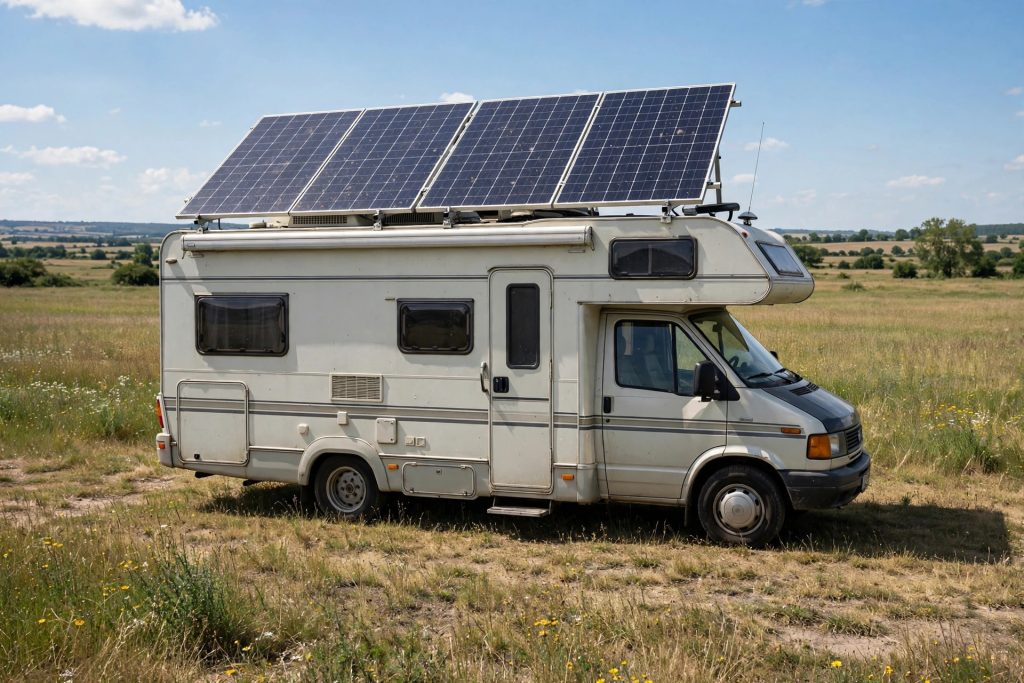
Many RVs have limited roof space, especially smaller Class B or C models. While rigid solar panels are ideal for permanent roof mounting, the EcoFlow 220W offers the flexibility of portable deployment. This is a huge advantage. You can park your RV in the shade to keep it cool, and then position the EcoFlow panel in full sun up to 20-30 feet away (with extension cables). This maximises solar gain, as roof-mounted panels are often susceptible to shading from AC units, vents, or nearby trees.

The ability to angle the panel with its stable kickstand throughout the day significantly increased our total daily energy harvest compared to a fixed roof panel. In the morning, we’d tilt it east; midday, south; and in the afternoon, west, chasing the sun for optimal power. The bifacial aspect also proved beneficial on light-colored gravel campsites, bouncing a few extra watts from the ground.

Integrating with Battery Storage:
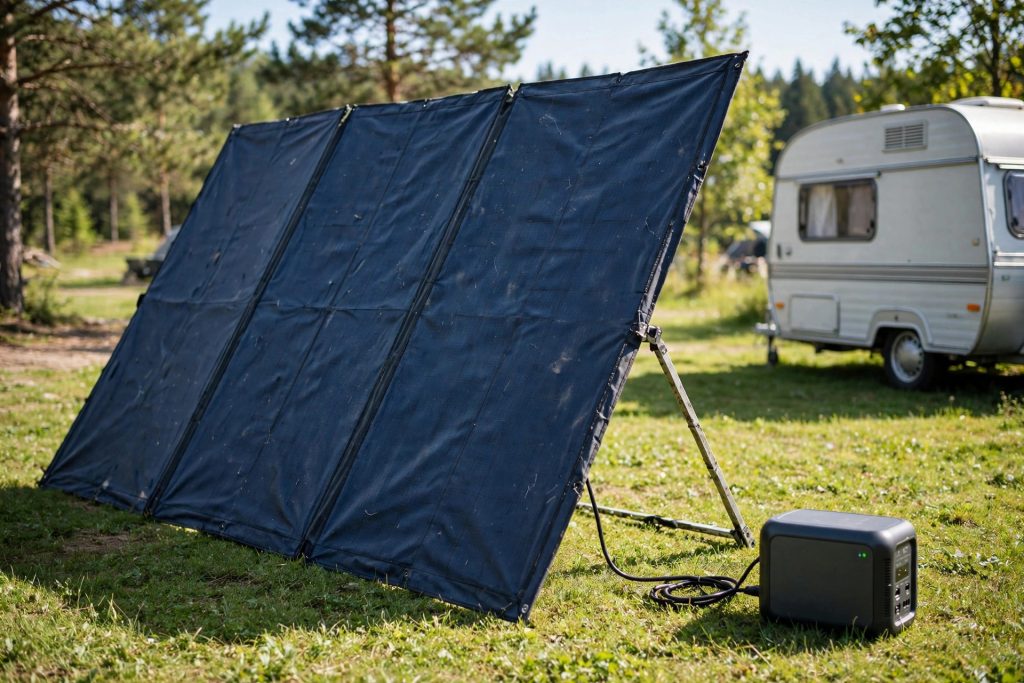
The EcoFlow 220W seamlessly integrates with most portable renewable power stations (especially EcoFlow’s own DELTA/RIVER series) or traditional RV battery storage systems via an appropriate charge controller. We primarily used it to charge a 2kWh portable power station, which then powered our RV’s 12V system. This provided a flexible and scalable energy solution. It’s an excellent choice for those looking to augment an existing roof array or as the primary solar input for smaller RVs or van setups. For a robust solar panel kit for RV use, two of these 220W panels would offer exceptional daily output, easily managing high demand needs.

Who Is the EF ECOFLOW 220W Best For?

Based on extensive field testing, the EF ECOFLOW 220W Portable Solar Panel is an excellent choice for:

  • RV & Van Life: Its portable deployment and high efficiency make it ideal for augmenting roof arrays, shade parking, and flexible energy harvesting.
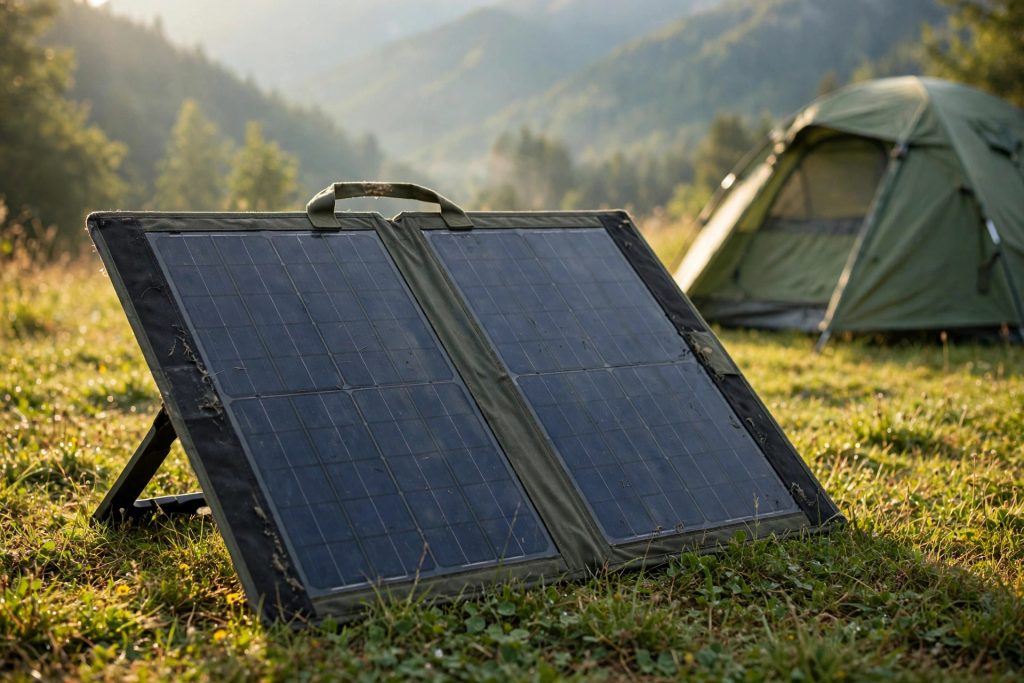
  • Camping: Powers medium to large power stations for extended camping solar panel trips, handling phones, laptops, and mini-fridges.
  • Emergency Backup: A reliable source of off-grid solar power during outages to keep essential devices charged.
  • Portable Charging: For individuals needing substantial portable solar charger capacity for electronics, tools, or small appliances.
  • Off-grid Living (Small Scale): Suitable for supplemental power for small cabins or workshops where full rigid solar panels aren’t feasible.
  • Outdoor Work: Charging power tool batteries or operating communication equipment remotely.

Potential Drawbacks

While impressive, no product is without its considerations:

  • Weight: At 9.5 kg, it’s not the lightest folding solar panel on the market. For those prioritizing ultra-light backpacking, this would be too heavy.
  • Bulkiness: While foldable, its folded dimensions are still substantial, requiring dedicated storage space in smaller vehicles or packs.
  • Cost: As a premium bifacial monocrystalline solar panel, its initial investment is higher than many non-bifacial or less efficient panels.
  • Limited Low-Angle Performance: While low-light performance is good, like all solar panels, efficiency significantly drops when the sun’s angle is extremely low (e.g., winter sun or very early/late hours).

Value for Money

Analyzing value for money for any renewable energy product requires looking beyond the initial price tag. For the EcoFlow 220W Bifacial, the cost per watt might seem higher than entry-level panels. However, its superior solar conversion efficiency, the tangible benefits of its bifacial design, the high-quality ETFE coating, robust build quality, and excellent weather resistance contribute to a longer expected lifespan and more consistent power output consistency over years of use. The standard 12-month warranty (often extendable with product registration) is respectable. This panel represents a solid long-term value for users who prioritize performance, durability, and reliability in their off-grid solar adventures.

Comparing Monocrystalline Solar Panel Options: EcoFlow vs. Competitors

The market for portable solar charger solutions is vibrant in 2026. Here’s how the EF ECOFLOW 220W Bifacial stands against some leading competitors in the 200W class:

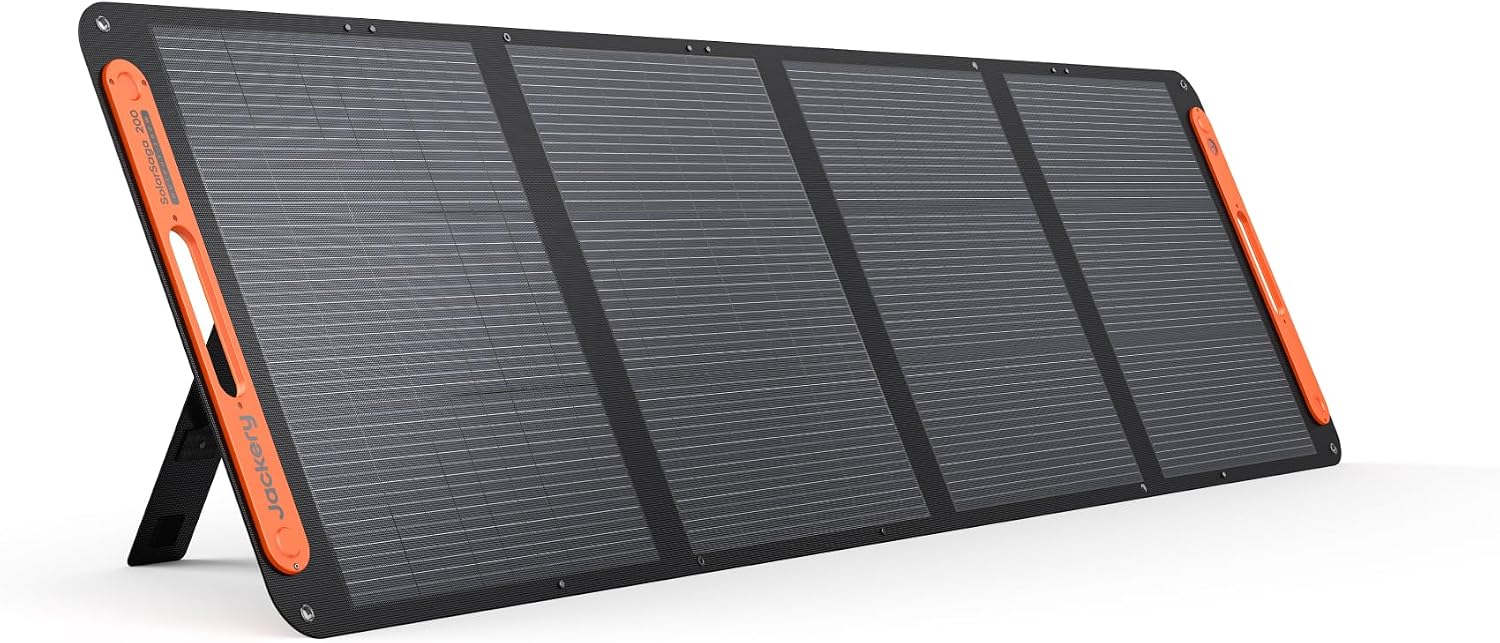
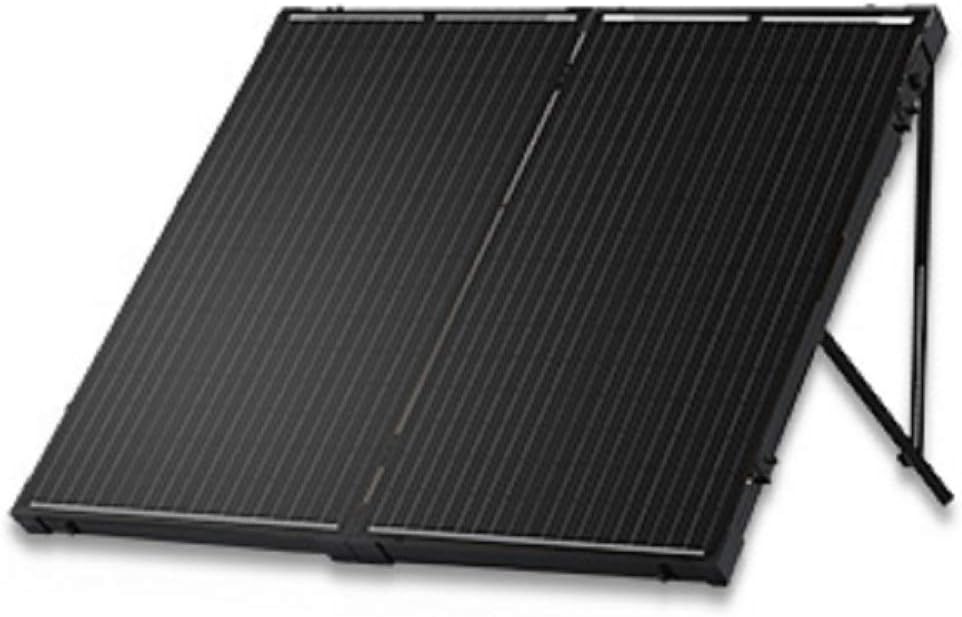
Feature EF ECOFLOW 220W Bifacial Jackery SolarSaga 200W Renogy 200W Monocrystalline ALLPOWERS 200W Foldable
Panel Type Monocrystalline (Bifacial) Monocrystalline Monocrystalline Monocrystalline
Efficiency (Peak) 22-23% (Front) + Bifacial gain 23% 22% 22%
Rated Power 220W 200W 200W 200W
Weight 9.5 kg (20.9 lbs) 8.0 kg (17.6 lbs) 8.9 kg (19.6 lbs) 6.3 kg (13.9 lbs)
Foldable Yes Yes Yes Yes
IP Rating IP68 IP67 IP66 IP67
Coating ETFE ETFE ETFE ETFE
Warranty 12 Months 24 Months 12 Months 18 Months
Price (Est.) Premium Premium Mid-Range to Premium Mid-Range

(Note: Prices are subject to change and vary by retailer. “Est.” denotes an estimated category.)

Who should buy EF ECOFLOW 220W Portable Solar Panel, Bifacial Design, IP68?

Choose this panel if you prioritize maximum power harvest in varied conditions (thanks to bifacial design), rugged durability (IP68 and robust build), and are willing to invest in a slightly heavier unit for superior real-world performance. It’s ideal for serious RVers, off-gridders, and those who demand the best in portable renewable energy and are often operating on reflective surfaces.

Who should buy Renogy?

Renogy’s offerings, including their monocrystalline solar panel foldable series, are a great choice for those seeking a balanced combination of performance and reliability with extensive ecosystem compatibility. They often strike a good balance between features and price, making them a solid all-rounder for RV solar panel setups and off-grid solar kits.

Who should buy Jackery?

Jackery SolarSaga panels are known for their seamless integration with Jackery power stations and their focus on user-friendliness and clean design. If you already own a Jackery power station or plan to, their panels offer excellent compatibility, good efficiency, and a lighter design, though typically at a premium price point similar to EcoFlow.

Who should buy ALLPOWERS?

ALLPOWERS provides cost-effective and lightweight portable solar solutions. If your budget is tighter, or if weight and extreme portability are your absolute top priorities over peak power consistency and highest durability, an ALLPOWERS folding solar panel can be a good entry point into portable solar charger solutions for occasional camping solar panel use.

Frequently Asked Questions (FAQ)

Why does ETFE coating matter for portable solar panels?

ETFE (Ethylene Tetrafluoroethylene) coating is a crucial factor for the long-term reliability and durability of a portable solar panel. Unlike cheaper PET coatings, ETFE is highly resistant to UV radiation, scratches, and delamination. In real-world outdoor use, this means the panel’s surface remains clear and efficient for years, preventing yellowing or clouding that can significantly degrade solar conversion efficiency and power output. It also makes cleaning easier and maintains the panel’s aesthetic appeal, protecting your investment.

How does the EcoFlow 220W Bifacial perform on cloudy days and in low light?

The EcoFlow 220W Bifacial monocrystalline solar panel demonstrates commendable low-light performance and cloudy weather performance for its class. While heavy overcast conditions will naturally reduce output drastically (expect 10-20% of peak), its high-efficiency monocrystalline cells are better at capturing diffuse sunlight compared to less efficient alternatives. During moderate cloud cover or in the shoulder hours of morning and evening, it consistently delivered usable power, typically generating 20-50W when other panels struggled. The bifacial design offers a minimal, but measurable, boost even in diffuse light, by capturing reflected light from the ground.

What should buyers consider before investing in a 200W monocrystalline solar panel?

Before purchasing a 200W solar panel like the EcoFlow 220W, buyers should consider:

  1. Your actual power needs: Estimate your daily energy consumption to ensure 200W (or potentially 400W if you get two) is sufficient for your RV solar panel or camping solar panel setup.
  2. Portability vs. Output: While this panel is portable, its 9.5 kg weight is a factor. Balance portability with the power output consistency and durability it offers.
  3. Compatibility: Ensure the MC4 connectors are compatible with your existing solar charging kit, portable power station, or RV solar setup.
  4. Deployment Flexibility: The stable kickstand and IP68 rating offer excellent weather resistance and foldability for varied outdoor conditions, crucial for maximizing energy harvest.
  5. Long-Term Value: Factor in the build quality, ETFE coating, and warranty as these contribute significantly to the expected lifespan and overall value for money.

Final Verdict: The EF ECOFLOW 220W Monocrystalline Solar Panel

As a consultant with two decades in this industry, I’ve seen enough to separate genuine innovation from marketing fluff. The EF ECOFLOW 220W Portable Solar Panel, Bifacial Design, IP68, is a highly capable and well-engineered piece of equipment. It successfully leverages monocrystalline solar panel technology and a unique bifacial design to deliver superior real charging speed and power output consistency in a portable format.

For anyone serious about their off-grid solar power, be it for RV travel, extended camping solar panel trips, or as a robust portable solar charger for emergency preparedness, this panel delivers on its promise. Its durability, weather resistance, and high efficiency solar panel performance mean it’s built to last and perform reliably when you need it most. While its initial cost is an investment, the long-term value for money through consistent performance and robust construction makes it a standout choice in the 2026 market. This isn’t just a panel; it’s a reliable partner for your renewable energy independence.

#ECOFLOW #220W #Portable #Solar #Panel #Bifacial #Design #IP68