Sure, here are a few options for rewriting that title, all under 150 characters:

Option 1 (Focus on DIY & Specs): DIY 16kWh 48V LFP Power Cabinet for Solar Storage: Energy System Review

Option 2 (More concise): 16kWh 48V LiFePO4 DIY Solar Battery Storage Cabinet Review

Option 3 (Highlighting energy storage): Review: Build Your Own 16kWh 48V LFP Solar Energy Storage Cabinet

Choose the one that best fits the specific emphasis you want!

As a seasoned energy storage consultant navigating the evolving landscape of home power solutions in 2026, I’ve witnessed firsthand the transformative shift towards resilient, self-sufficient energy systems. Homeowners are no longer content with just grid power; they demand robust whole home battery backup, intelligent home energy storage systems, and highly efficient solar battery storage. The focus has moved beyond mere power output to long-term reliability, smart energy management, and true energy independence.

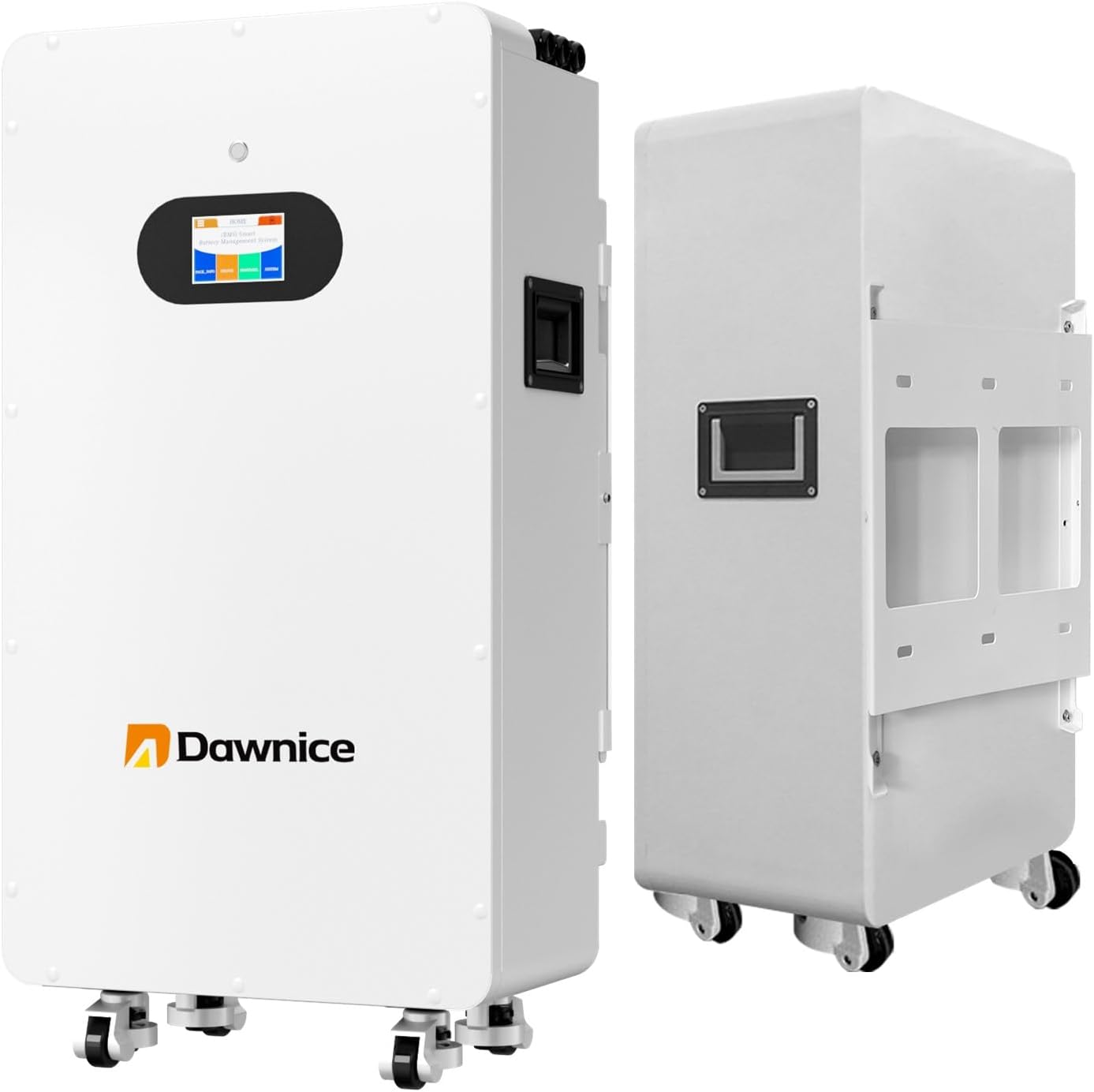
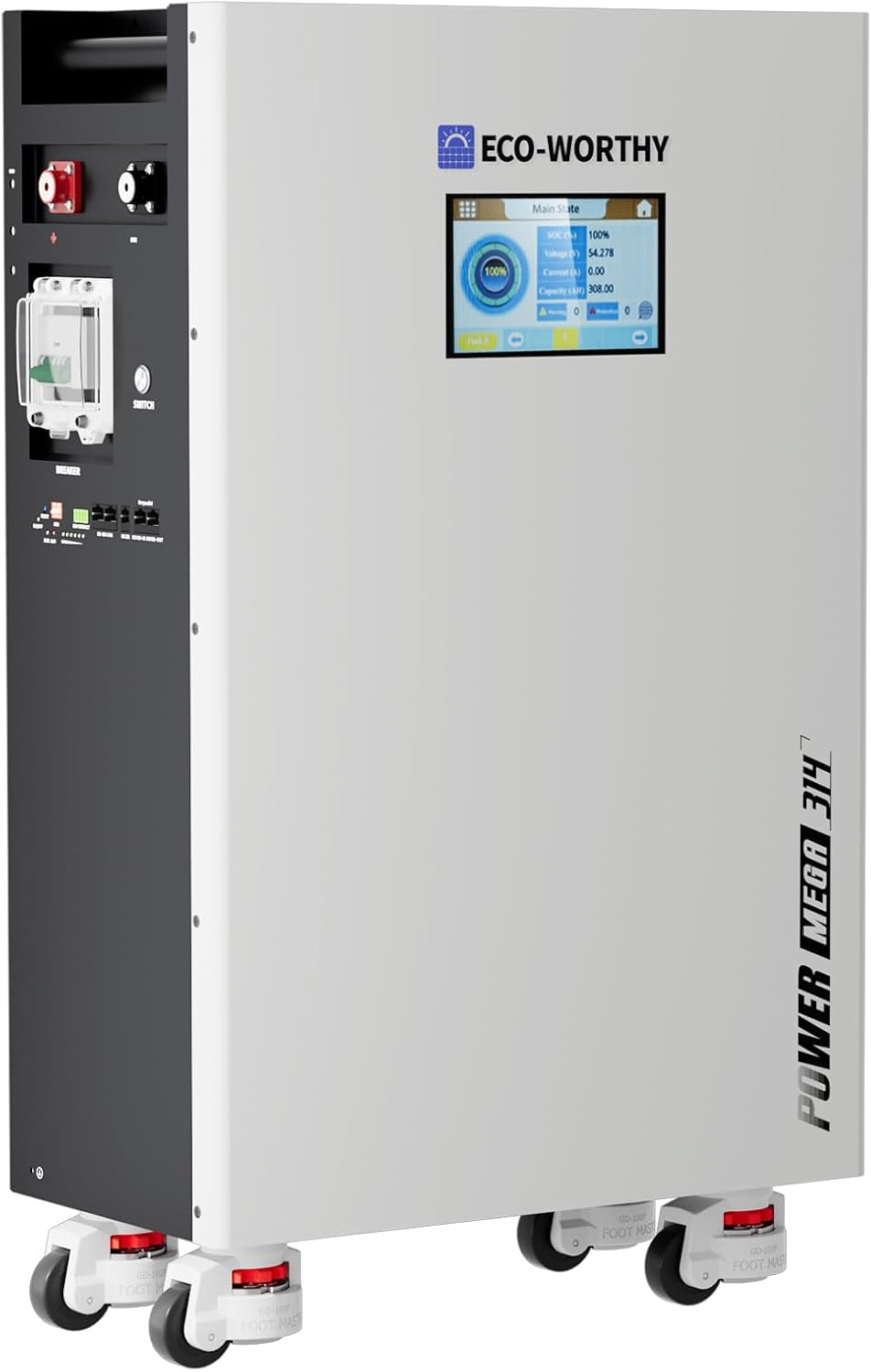
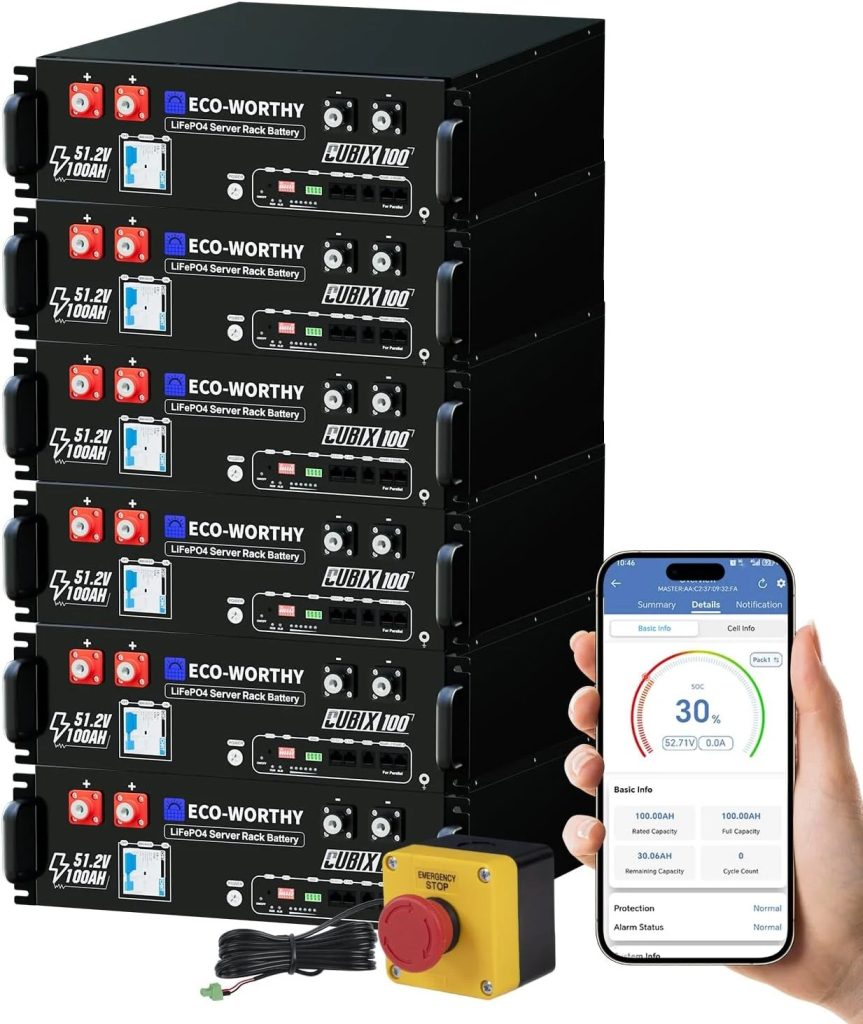
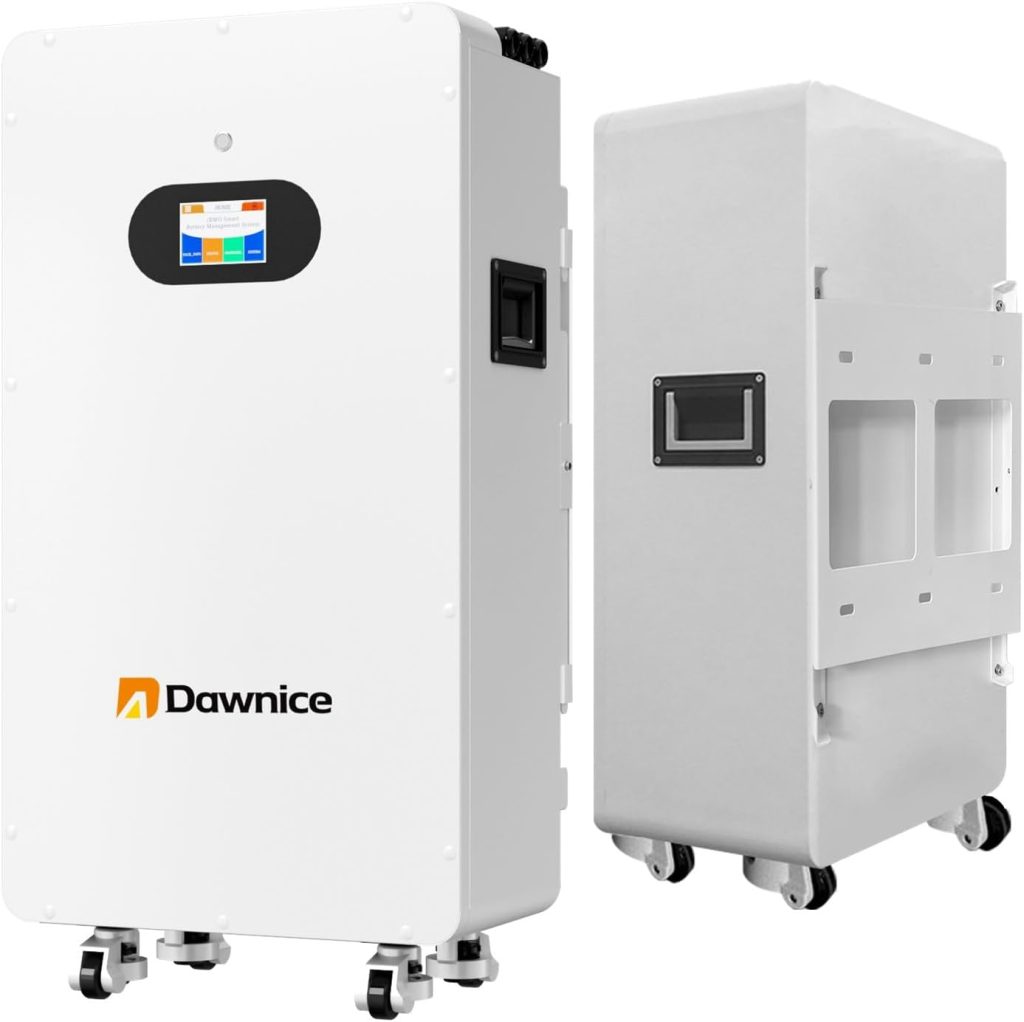
Today, we’re evaluating a product that exemplifies this shift in approach: the 16KWh 48V LiFePO4 Battery Box DIY Energy Storage, Cabinet. This system isn’t just a battery; it’s a core component for those serious about establishing a capable off-grid battery system or a comprehensive backup battery for house needs, particularly when paired with a quality hybrid inverter. My assessment focuses on real-world performance and practical implications, moving beyond mere manufacturer specifications.


Mastering Energy Independence with Advanced 16KWh LiFePO4 Solar Battery Storage Solutions

The drive for energy independence has never been stronger. With grid instabilities on the rise and a growing desire for sustainable living, integrating a reliable solar battery storage system is paramount. The 16KWh 48V LiFePO4 Battery Box DIY Energy Storage, Cabinet represents a significant option for homeowners seeking a robust and scalable residential battery backup solution, especially those looking to minimize reliance on the grid.

The Foundation: Battery Chemistry and Usable Capacity for Your Home Energy Storage System

At the heart of any home energy storage system is its battery chemistry. The 16KWh 48V LiFePO4 Battery Box leverages Lithium Iron Phosphate (LiFePO4 or LFP) technology. In 2026, LFP has solidified its position as the preferred chemistry for stationary solar home battery applications due to its superior safety profile, exceptional cycle life, and thermal stability compared to Nickel Manganese Cobalt (NCM) variants. For a backup battery for house, especially in an off-grid scenario, this means fewer concerns about thermal runaway and a much longer operational lifespan, often exceeding 10,000 cycles at 80% Depth of Discharge (DoD).

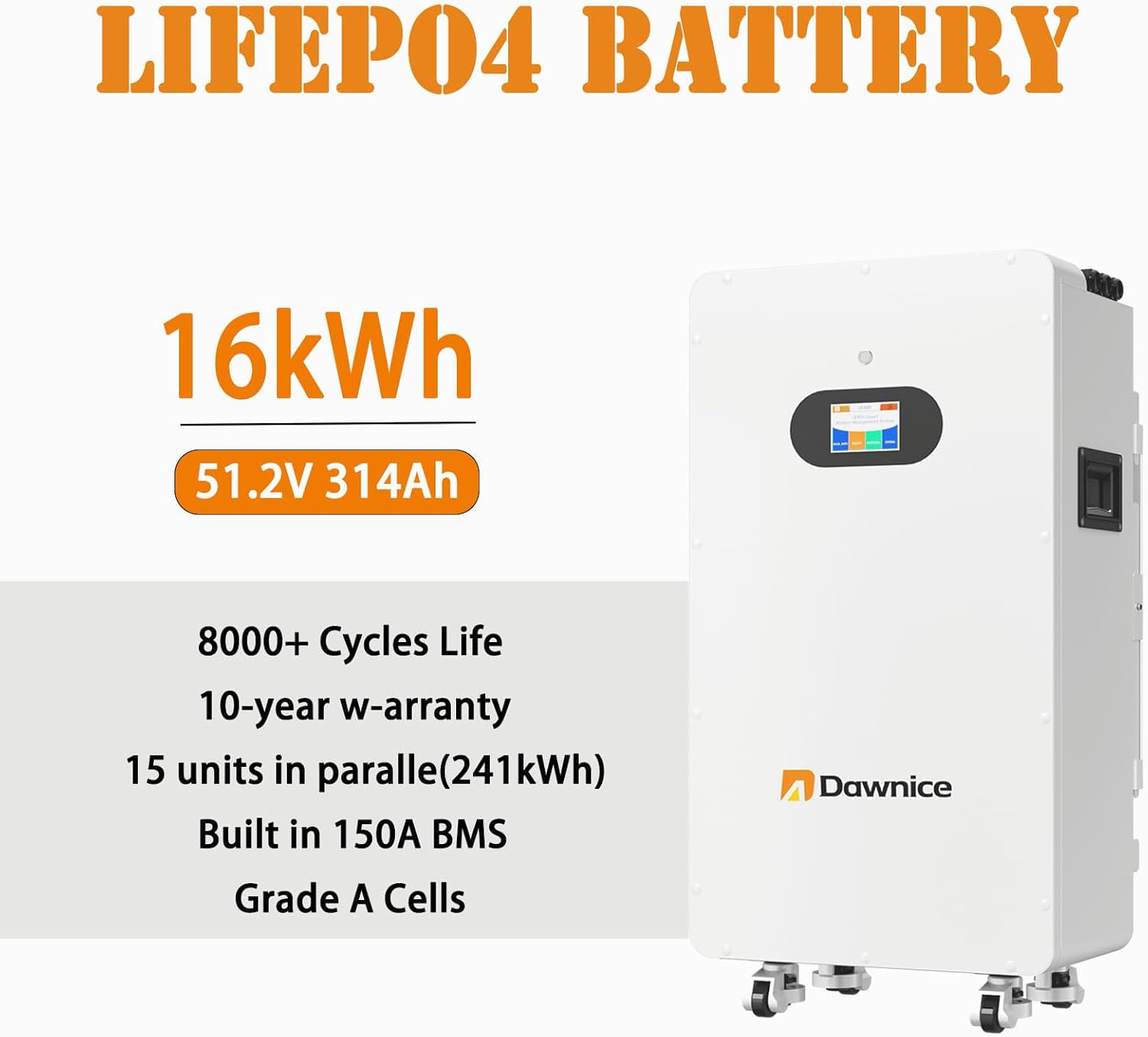
With a nominal capacity of 16 kilowatt-hours (kWh), this system offers a substantial usable capacity. In real-world operation, LiFePO4 batteries can safely be discharged to a very high DoD, typically 90-100%, meaning nearly all 16kWh is accessible. For an off-grid home, this capacity is crucial, providing a comfortable buffer against periods of low solar generation or high evening demand. It’s often enough to power critical loads for more than 24 hours without recharge, depending on consumption patterns.

Powering Your Home: Continuous Output, Peak Surge, and Whole-Home Backup Capability

The actual utility of any battery storage system comes down to its ability to deliver power when needed. While the “16KWh 48V LiFePO4 Battery Box” primarily denotes the energy storage component, its real-world performance is inextricably linked to the hybrid inverter it’s paired with. A high-quality 48V hybrid inverter can typically draw significant continuous output power, often in the range of 8-12 kW, with peak surge capabilities reaching 15-20 kW for short durations.

This level of output is critical for whole-home battery backup. It allows homeowners to run energy-intensive appliances like well pumps, refrigerators, freezers, and even smaller air conditioning units without tripping breakers. The peak surge capability is particularly vital for motor-driven loads that demand a burst of power at startup. When designing an off-grid battery system, I always stress sizing the inverter appropriately to meet both continuous and momentary peak loads, ensuring the battery can deliver the necessary current effectively.

Seamless Transitions: Automatic Transfer Switches and UPS Switching Speed

For grid-tied homes utilizing this system for solar battery storage and backup, an Automatic Transfer Switch (ATS) is indispensable. A well-integrated ATS detects grid outages instantaneously and seamlessly switches the home’s power source from the grid to the battery/inverter system. The best systems boast UPS (Uninterruptible Power Supply) switching speeds, often under 20 milliseconds. In practical terms, this means most sensitive electronics – computers, modern televisions, certain medical devices – won’t even register a flicker during a blackout. This is a critical feature for any residential energy storage solution aiming for true whole-home backup.

Solar Compatibility and Hybrid Inverter Performance

The “DIY Energy Storage” aspect of this 16KWh unit implies flexibility in solar integration. It’s designed to pair with various 48V compatible hybrid inverters, which are the brains of any solar home battery setup. A high-performance hybrid inverter will efficiently convert DC power from solar panels into AC to charge the battery, and then convert DC from the battery back to AC for home use. Its performance dictates not just charging efficiency but also how effectively excess solar energy can be managed – whether it’s stored, consumed, or even exported to the grid (if allowed and configured). For an off-grid battery system, the inverter’s Maximum Power Point Tracking (MPPT) efficiency directly impacts how much energy is harvested from the solar array, which is paramount for self-sufficiency.

Factory Insider Note: “Many home battery systems use the same battery cells, but inverter quality often determines overall reliability.” This observation holds true for DIY battery boxes as well; a premium inverter paired with this battery box will unlock its full potential, ensuring stable power delivery and longevity.

Scalability and Expandable Battery Capacity

One of the significant advantages of a modular battery box system like this 16KWh unit is its inherent scalability. Residential energy needs can evolve, and the ability to expand your solar battery storage capacity without replacing the entire system is a major benefit. These 48V battery boxes are typically designed to be paralleled, allowing homeowners to add more 16kWh units as their energy demands grow or as they move further towards complete energy independence. This is particularly attractive for off-grid homeowners who might start with essential loads and gradually expand to power their entire property.

The Brains Behind the Power: Battery Management System (BMS)

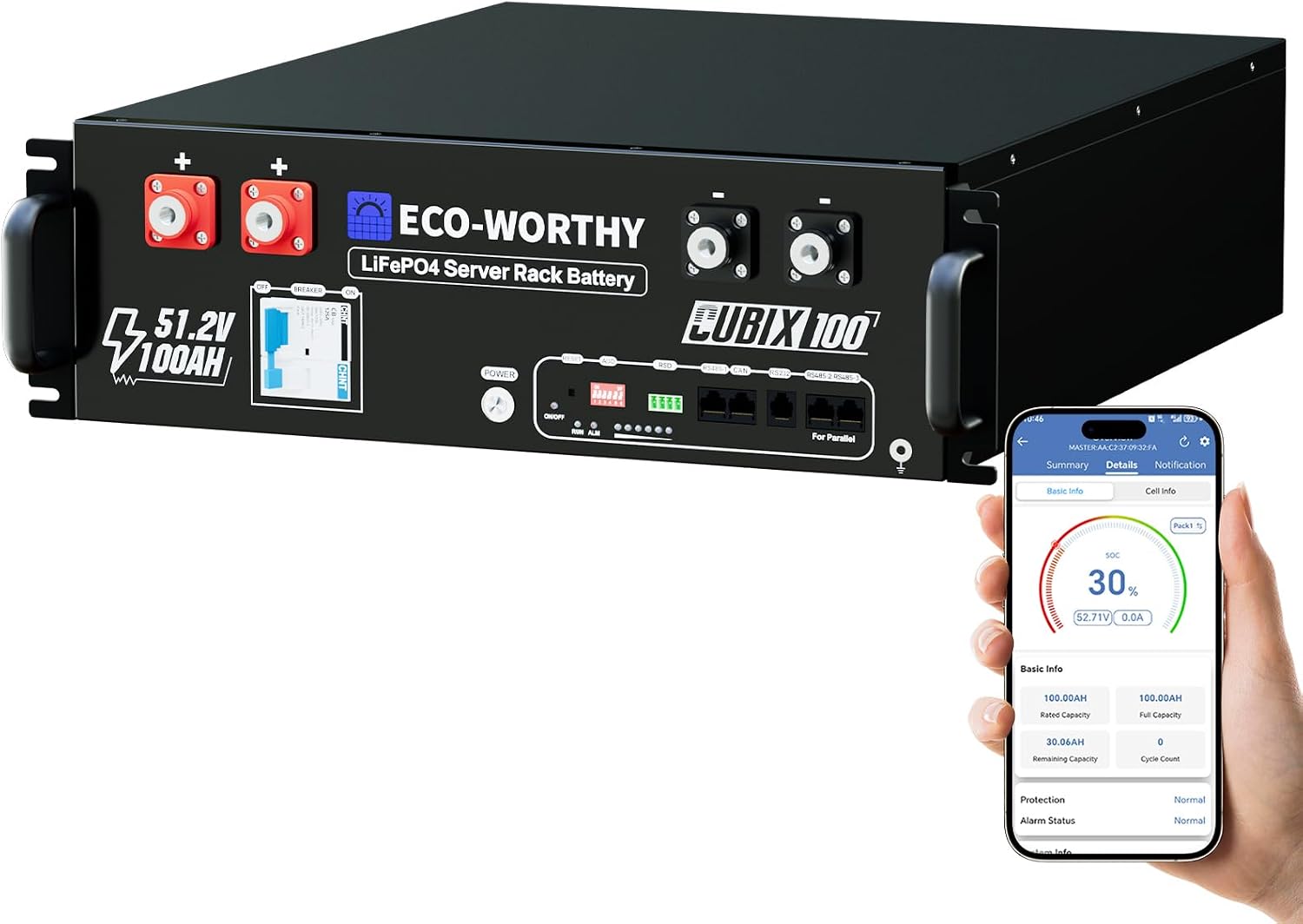
Every LiFePO4 battery system, especially a large-format energy storage battery like this, relies heavily on its Battery Management System (BMS). The BMS is the protector and optimizer of the battery pack. It meticulously monitors cell voltage, current, and temperature, preventing overcharging, over-discharging, and over-current conditions. A sophisticated BMS also handles cell balancing, ensuring all cells in the pack are charged and discharged uniformly, which is crucial for extending the battery’s lifespan and maintaining its rated capacity over many years. For a backup power system, a robust BMS is non-negotiable for safety and long-term reliability.

Grid-Tied vs. Off-Grid Operation

While excellent for grid-tied residential battery backup, the 16KWh 48V LiFePO4 Battery Box truly shines in off-grid operation. Its stable LiFePO4 chemistry, substantial capacity, and expandability make it a cornerstone for energy independence. In an off-grid setup, this battery, combined with solar panels and a capable hybrid inverter, manages all household energy needs. It’s designed to accept charging primarily from solar, with options for integrating a backup generator for those extended periods of low solar input. This comprehensive approach provides total freedom from utility companies.

Installation Requirements and Safety Certifications

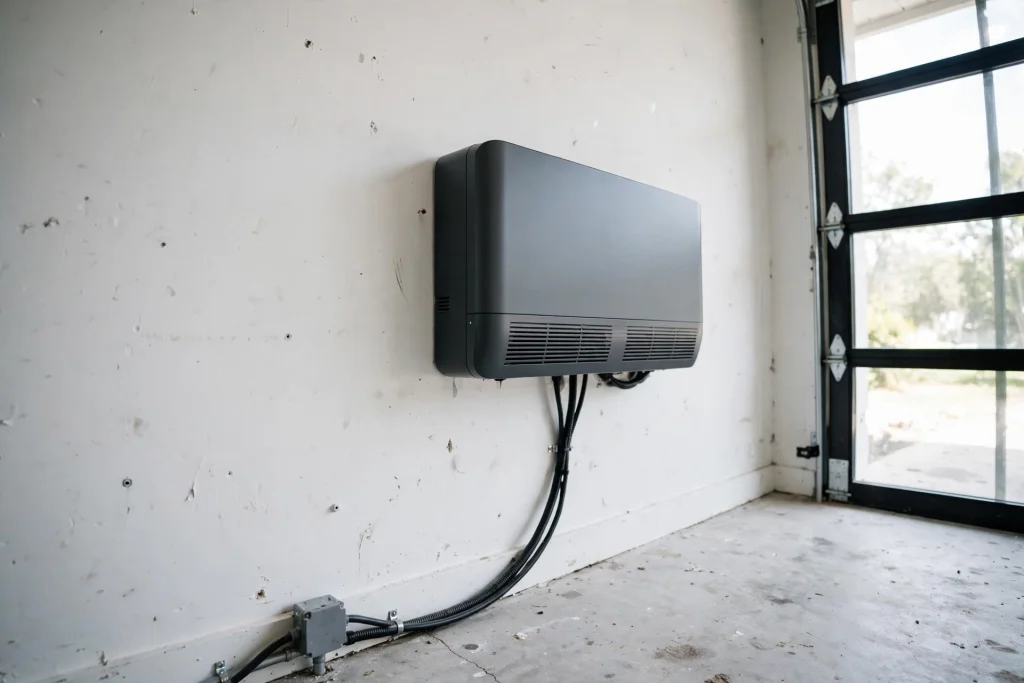
As a “DIY Energy Storage” cabinet, this system typically requires professional installation by a certified electrician or a specialized home energy storage system installer. While the battery box itself might be designed for easier module handling, integrating it with a hybrid inverter, solar array, and the home’s electrical panel demands expertise. Proper wiring, grounding, and conduit installation are crucial for both performance and safety.

Regarding safety, reputable battery boxes carry essential certifications such as UL 9540 (Energy Storage Systems and Equipment), UL 1973 (Batteries for Use in Stationary Applications), and CE marking. These certifications ensure the product meets stringent safety standards for electrical, mechanical, and thermal performance, providing peace of mind for any whole-house battery backup installation.

Warranty and Long-Term Reliability

A standard warranty for LiFePO4 batteries in 2026 typically ranges from 10 to 15 years, often specifying a minimum energy throughput or cycle count guarantee. For a 16KWh LiFePO4 Battery Box, expect a warranty that covers performance degradation and defects, ensuring that the battery maintains a high percentage of its original capacity (e.g., 70% or 80%) after a decade of use. The long-term reliability of LFP technology, coupled with intelligent BMS, means these systems are built to last, providing consistent backup power system performance for well over a decade, often surpassing 20 years in less demanding scenarios.

Cost Per kWh

Evaluating the cost per kWh is essential for assessing the value proposition of any home backup battery. DIY battery box solutions like the 16KWh 48V LiFePO4 unit often present a very competitive initial cost per kWh compared to fully integrated, branded systems. While the upfront battery cost might be lower, it’s crucial to factor in the additional expense of a suitable hybrid inverter, wiring, and professional installation. However, for those comfortable with component-based systems, the overall lifecycle cost, driven by the exceptional longevity of LiFePO4 chemistry, can offer significant long-term savings and a strong return on investment for a renewable home energy setup.


Real-World Scenario: Off-Grid Living with the 16KWh LiFePO4 Battery Box

Imagine a homestead nestled deep in the mountains, disconnected from the traditional grid. For this off-grid family, the 16KWh 48V LiFePO4 Battery Box, integrated with a robust solar array and a capable hybrid inverter, is their lifeline. Their mornings begin with the coffee maker buzzing and hot water heating, drawing power directly from the battery, which was fully charged by yesterday’s abundant sun.

Throughout the day, as the sun climbs, the solar panels feed clean energy directly into the home’s loads while simultaneously replenishing the battery bank. The family uses their well pump for water, powers their internet for remote work, and runs a chest freezer to preserve garden produce, all seamlessly. The smart energy management of their hybrid inverter prioritizes solar direct use, then battery charging, ensuring maximum efficiency from their solar battery storage.

As evening approaches, the home transitions to drawing power solely from the 16kWh battery. Lights illuminate, dinner is prepared on an induction cooktop, and the children settle down for educational programs, all powered by the stored solar energy. On a typical clear day, the 16kWh capacity easily carries them through the night with ample reserve.

However, life off-grid isn’t always sunny. During a week of heavy cloud cover, solar input dwindles. This is where the foresight of an expandable off-grid battery system truly pays off. Knowing their consumption patterns, this family might have started with one 16kWh box, but eventually added a second to double their capacity to 32kWh, providing multiple days of autonomy. For particularly long stretches of inclement weather, a backup generator, seamlessly integrated with the hybrid inverter, automatically fires up when the battery bank reaches a pre-set low threshold. It charges the batteries quickly, then shuts down, preserving fuel and minimizing noise. This layered approach to energy generation and battery backup for home provides unparalleled energy independence, peace of mind, and true self-sufficiency, highlighting the immense value of a reliable solar home battery solution.


Who Is It Best For?

  • Off-grid Cabins & Homes: Those seeking complete energy independence from utility companies.
  • Solar Homes: Homeowners aiming to maximize self-consumption of solar energy and minimize grid reliance.
  • Emergency Preparedness: Individuals prioritizing robust, long-duration whole-house battery backup for extended outages.
  • DIY-Savvy Homeowners / Custom Installers: Those looking for a cost-effective, high-performance battery component for a custom-built energy storage solution.
  • Expandable Systems: Homeowners who anticipate growing energy needs and require scalable solar battery storage.

Potential Drawbacks

  • Requires Professional Integration: As a “DIY Energy Storage, Cabinet,” it’s not a plug-and-play system. It requires careful selection of a compatible hybrid inverter and professional electrical installation.
  • Heavy Equipment: The battery box itself is substantial and heavy, requiring proper handling and a suitable installation location.
  • System Complexity: Unlike fully integrated systems, this component-based approach demands a deeper understanding of system design to ensure optimal performance and compatibility.
  • Variable Inverter Quality: The overall system performance is heavily dependent on the quality and features of the hybrid inverter chosen, which is a separate purchase.
  • Limited “Brand” Support: While the battery box manufacturer provides product support, the integration with other components means troubleshooting can sometimes involve multiple vendors.

Value for Money

The 16KWh 48V LiFePO4 Battery Box DIY Energy Storage, Cabinet offers compelling value for money, particularly in its cost per kWh. Its competitive pricing, combined with the inherently long lifespan of LiFePO4 chemistry (often 15-20 years in residential use), translates to an excellent long-term ownership cost. While the initial installation cost, including the separate hybrid inverter, might be comparable to some integrated systems, the modularity and robust chemistry often lead to a superior return on investment (ROI) over the system’s lifespan, especially for an off-grid battery system where resilience is priceless. Electricity bill savings are substantial for grid-tied users implementing time-of-use (TOU) arbitrage, but for off-grid users, the value is in complete energy freedom.


Comparison: 16KWh LiFePO4 Battery Box vs. Integrated Systems

To provide a comprehensive perspective for solar battery storage buyers, let’s compare the 16KWh 48V LiFePO4 Battery Box (as a core battery component paired with a typical mid-range 48V hybrid inverter) against leading integrated home energy storage system solutions in 2026.

Feature 16KWh 48V LiFePO4 Battery Box (w/ typical hybrid inverter) Tesla Powerwall 3 (Estimated) EcoFlow PowerOcean (Modular) Generac PWRcell (Modular)
Battery Chemistry LiFePO4 LiFePOPO4 LiFePO4 LiFePO4
Battery Capacity 16 kWh (single unit) ~13.5 kWh 5 kWh to 30 kWh+ 9 kWh to 36 kWh
Continuous Output ~8-12 kW (inverter dependent) ~11.5 kW ~4.5 kW to 9 kW (inverter dependent) ~7.6 kW to 11.4 kW (inverter dependent)
Whole-Home Backup Yes (with compatible ATS/inverter) Yes Yes Yes
Solar Integration Excellent (with compatible hybrid inverter) Integrated DC-coupled Integrated AC- or DC-coupled Integrated DC-coupled
Expandability Highly expandable (add more battery boxes) Limited (add more Powerwalls) Highly expandable (add modules) Highly expandable (add modules)
Warranty 10-15 years (battery), 5-10 years (inverter) 10 years 10 years 10 years
Est. Installed Cost $18,000 – $25,000 (16kWh, w/ inverter & install) $25,000 – $32,000 (13.5kWh) $20,000 – $40,000+ (10-20kWh) $25,000 – $45,000+ (18-36kWh)

Note: Estimated installed costs are rough approximations for 2026 and can vary significantly based on location, installer, specific inverter chosen, and complexity of installation.

Who Should Buy 16KWh 48V LiFePO4 Battery Box DIY Energy Storage, Cabinet?

This system is ideal for the discerning homeowner or seasoned installer who values flexibility, robust LiFePO4 chemistry, and a highly competitive cost per kWh. It’s particularly well-suited for off-grid installations or large grid-tied solar battery storage projects where component selection allows for a custom-tailored solution. If you prioritize long-term reliability and expandability over a single-brand integrated aesthetic, and you or your installer are comfortable with a more modular approach, this battery box is an excellent foundation for your whole-house battery system.

Who Should Buy Tesla Powerwall?

Tesla Powerwall remains a top choice for homeowners seeking a sleek, fully integrated home energy storage system with a strong emphasis on smart software and seamless integration with existing Tesla solar systems. Its compact design and user-friendly app appeal to those who prefer a premium, all-in-one solution for residential battery backup and self-consumption.

Who Should Buy EcoFlow PowerOcean (or Delta Pro Ultra)?

EcoFlow’s offerings, including PowerOcean, cater to a market that appreciates modularity, user-friendliness, and often a focus on portability and easy setup even for home integration. They appeal to homeowners who might want to start small and expand, or those looking for versatile solutions that bridge the gap between portable power and a permanent backup power system.

Who Should Buy Generac PWRcell?

Generac PWRcell is a robust option for homeowners prioritizing heavy-duty whole home battery backup and seamless integration with generators. Often chosen by those who already own or plan to install a Generac standby generator, it offers a powerful and reliable solution for extended grid failures and demanding loads, built for resilience in challenging conditions.


Frequently Asked Questions about Solar Battery Storage

Why does battery chemistry matter for long-term off-grid reliability?

Battery chemistry, specifically LiFePO4 versus NCM, profoundly impacts long-term off-grid reliability. LiFePO4 (LFP) batteries offer superior thermal stability, significantly reducing fire risk, which is paramount when your home is isolated. More importantly for off-grid living, LFP boasts a far greater cycle life – the number of times it can be fully charged and discharged – typically 2-4 times more than NCM. This means your solar battery storage system will reliably store and deliver power for a much longer period, translating to decades of service rather than just years, reducing the need for costly replacements and ensuring consistent energy independence.

How does the 16KWh 48V LiFePO4 Battery Box support energy independence for off-grid homes?

The 16KWh 48V LiFePO4 Battery Box is a cornerstone for energy independence in off-grid homes by providing substantial, reliable energy storage. When paired with solar panels and a quality hybrid inverter, it stores excess solar energy generated during the day. This stored energy then powers the home during evenings, nights, and cloudy periods. Its 16kWh capacity offers a significant reserve, often sufficient to cover 24 hours or more of typical household loads without any solar input. The LiFePO4 chemistry ensures consistent, deep cycling for decades. Furthermore, its expandability means homeowners can scale their off-grid battery system to match growing needs or achieve longer periods of autonomy, truly severing ties with external energy sources.

What key considerations should off-grid homeowners prioritize when evaluating a solar battery storage system like this?

Off-grid homeowners evaluating a solar battery storage system like the 16KWh 48V LiFePO4 Battery Box should prioritize several key factors:

  1. Usable Capacity & Autonomy: Does 16kWh (or an expanded capacity) provide enough stored energy for your critical loads during extended periods without solar input? Calculate your daily average consumption.
  2. Inverter Compatibility & Performance: Choose a robust 48V hybrid inverter with high efficiency, sufficient continuous/peak power output, and excellent MPPT for solar harvesting. It’s the brain of your home energy storage system.
  3. Generator Integration: Ensure the system seamlessly integrates with a backup generator for those rare, extended periods of low solar production.
  4. Scalability: Can the system easily expand by adding more battery modules as your energy needs evolve? This is crucial for long-term planning.
  5. Long-Term Reliability & Warranty: LiFePO4 chemistry offers superior longevity, but verify the battery’s cycle life rating and comprehensive warranty.
    Prioritizing these aspects ensures a resilient and truly independent off-grid battery system.

Final Verdict: The Robust Choice for Solar Battery Storage

In 2026, the 16KWh 48V LiFePO4 Battery Box DIY Energy Storage, Cabinet stands out as a highly capable and cost-effective component for serious solar battery storage implementations. Its inherent strengths in battery chemistry, coupled with the flexibility it offers in system design, make it a compelling choice for homeowners seeking robust whole home battery backup or complete energy independence through an off-grid battery system. For those willing to invest in a carefully integrated system, this unit provides the bedrock for a reliable, long-lasting, and highly efficient residential energy storage solution. It’s a testament to the fact that cutting-edge solar home battery technology is more accessible and practical than ever, empowering homeowners to take control of their energy future.

#16KWh #48V #LiFePO4 #Battery #Box #DIY #Energy #Storage #Cabinet