Review: 100W Portable Solar Generator for Hurricane Emergency Power.

As a consultant with two decades in emergency preparedness and off-grid energy, I’ve seen firsthand what works and what doesn’t when the lights go out. In 2026, the question isn’t if you’ll face a power outage, but when and for how long. From unexpected blackouts to the devastation of a hurricane, having a reliable backup power strategy is no longer a luxury – it’s a necessity for safety and peace of mind.

This guide is designed to cut through the marketing noise and offer practical, experience-driven advice on selecting the right solar generator for hurricane preparedness and a range of other emergency scenarios. We’ll explore complete emergency power solutions, from compact units perfect for camping electricity to robust whole-home backup systems.


Navigating Power Resilience: Your Guide to a Solar Generator for Hurricane Preparedness and Beyond

The modern world relies on electricity. When severe weather strikes, be it a hurricane, winter storm, or widespread blackout, the grid can fail, leaving homes dark, food spoiling, and critical communication systems silent. My goal here is to help you understand the most effective emergency energy storage solutions available today, ensuring your family, RV, or campsite remains powered and safe. We’ll delve into everything from portable emergency power options to advanced RV solar setup systems, and how they contribute to overall disaster preparedness.

Why Should Every Home Have Emergency Backup Power?

The statistics don’t lie. Power outages are increasing in frequency and duration across the globe, driven by an aging grid, extreme weather events, and increased demand. For families, this isn’t just an inconvenience; it can be a genuine threat. Keeping essential medical devices operational, preserving food, maintaining communication, and providing light and heat are non-negotiable during an extended outage. Relying solely on the grid means you’re vulnerable. A robust solar backup power system offers independence and resilience when it matters most.

The Realities of Solar Generator for Hurricane Preparedness

When a hurricane is bearing down, the grid is often the first casualty. Fueling a gas generator becomes impossible as stations run dry or lose power. This is where a solar generator for hurricane preparedness truly shines. It’s a clean, quiet, and fuel-free solution that can be critical for maintaining essential services when the grid is compromised for days or even weeks.

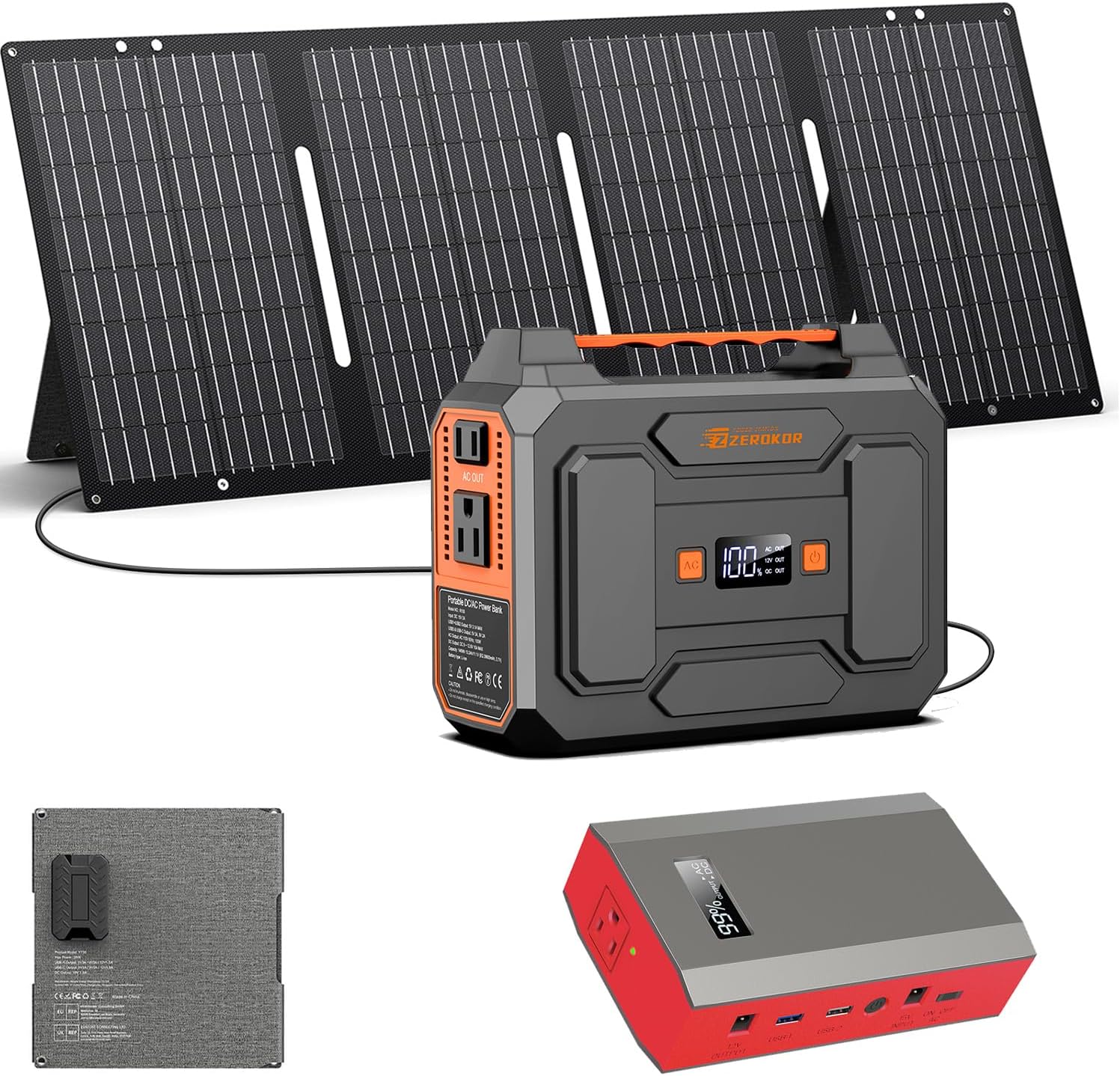
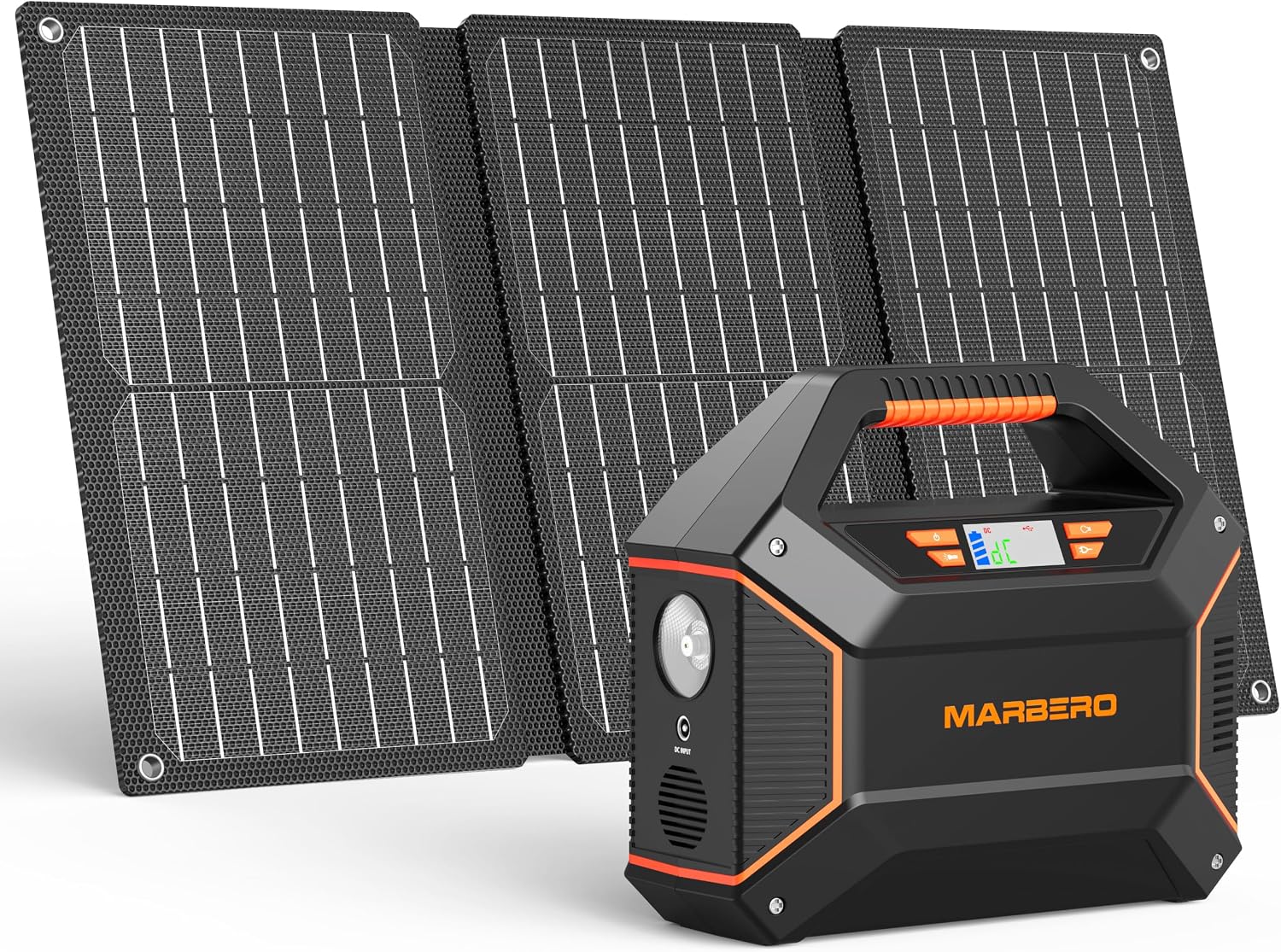
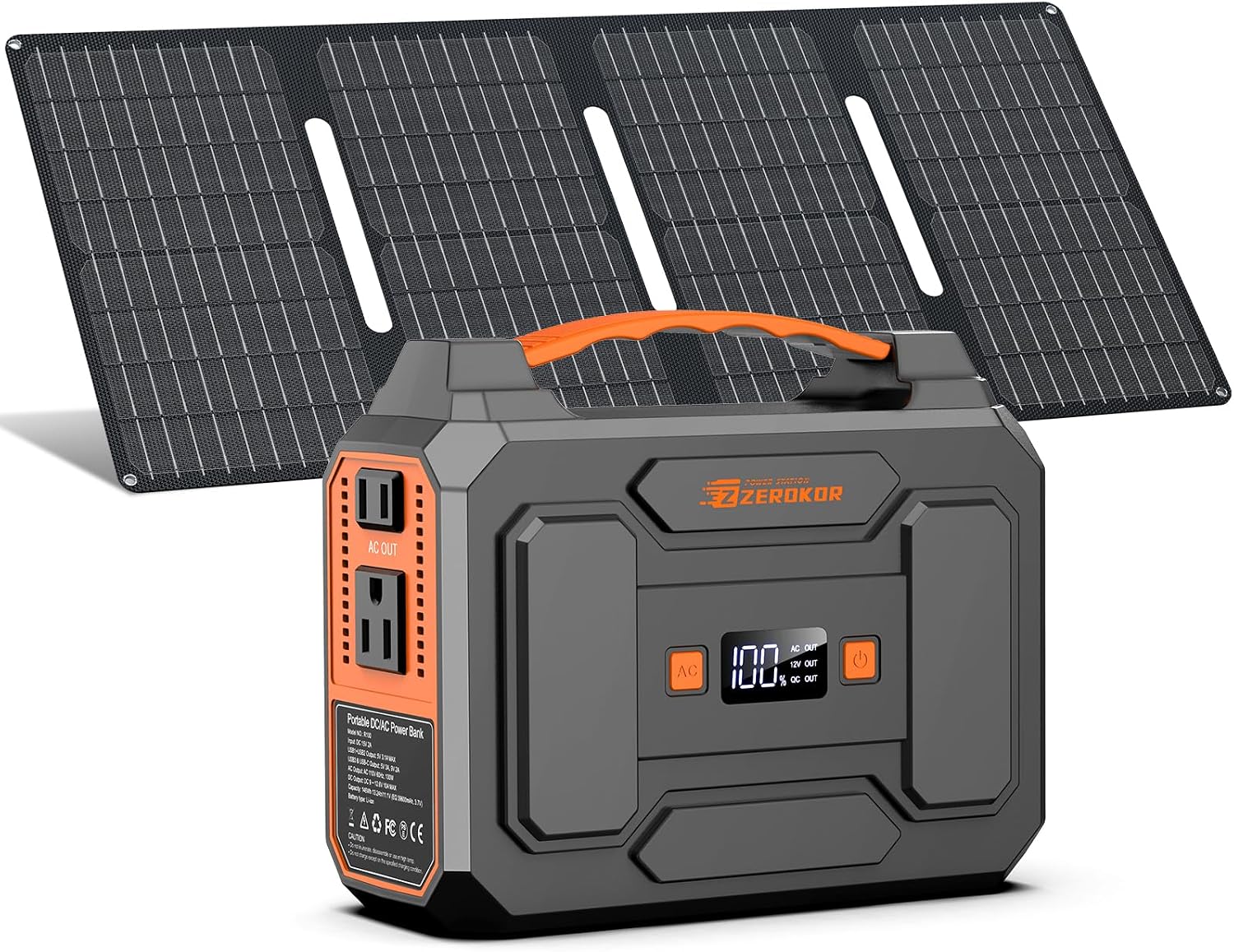
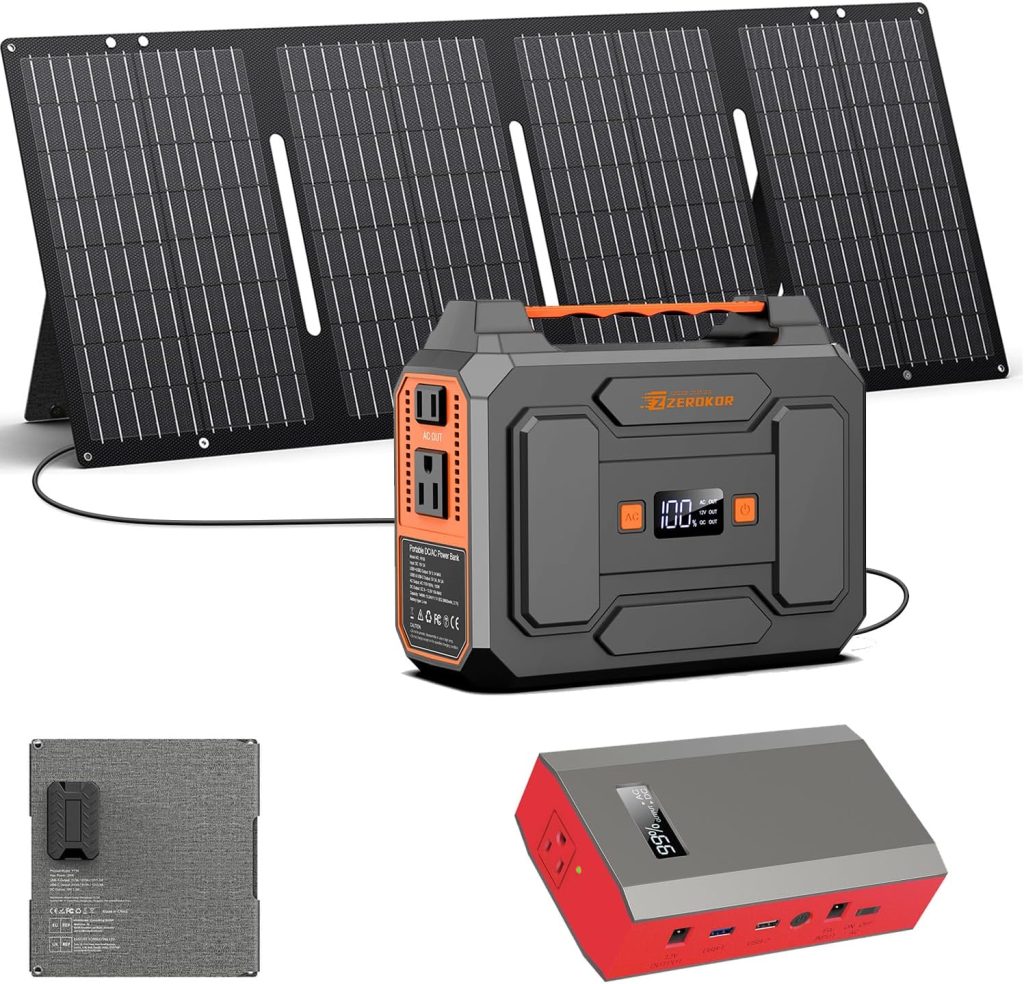
A true solar generator combines a portable power station (which houses the inverter, battery, and charge controller) with portable solar panels. This combination allows you to collect free energy from the sun to recharge your battery, ensuring sustained power during extended outages. While a Solar Powered Generator 100W might be an entry point, it’s crucial to understand that such a small unit will only power minimal devices. For true hurricane resilience, you’ll need significantly more capacity.

Pros and Cons of Solar Generators for Emergency Preparedness

Pros:

  • Fuel-Free Operation: No need for gasoline, propane, or diesel, eliminating fuel storage issues, cost, and availability concerns during a crisis.
  • Silent Operation: Unlike gas generators, solar generators run silently, a significant advantage for peace of mind and not disturbing neighbors.
  • Zero Emissions: No harmful fumes, making them safe for indoor use (unlike combustion generators) and better for the environment.
  • Low Maintenance: Generally require far less maintenance than gas generators, mostly just keeping panels clean.
  • Renewable Charging: As long as there’s sunlight, you can recharge your system, offering indefinite power during long outages.
  • Portability: Many models are designed for easy transport, making them ideal for camping power station needs or moving within the home.

Cons:

  • Initial Cost: Typically higher upfront investment compared to basic gas generators of similar output.
  • Weather Dependent Charging: Solar panel efficiency drops significantly on cloudy days or during heavy storms (like a hurricane’s direct impact). Panels need direct sunlight for optimal charging.
  • Limited Power Output (Historically): While rapidly improving, some older or smaller units may not power high-demand appliances simultaneously. Modern larger units address this.
  • Storage and Deployment of Panels: Panels need to be set up safely and securely, which can be challenging during or immediately after a severe weather event.

Understanding Emergency Power Supply for Home Solutions

When we talk about an emergency power supply for home, we’re looking at a spectrum of options, each suited for different needs and budgets. The goal is to keep critical systems running, whether it’s for a few hours or several days.

Field Experience Note: After several major storm seasons, homeowners consistently found that keeping refrigerators, internet equipment, and essential medical devices running mattered far more than powering every appliance in the house.

1. Portable Power Stations: Your Go-To for Quick Backup

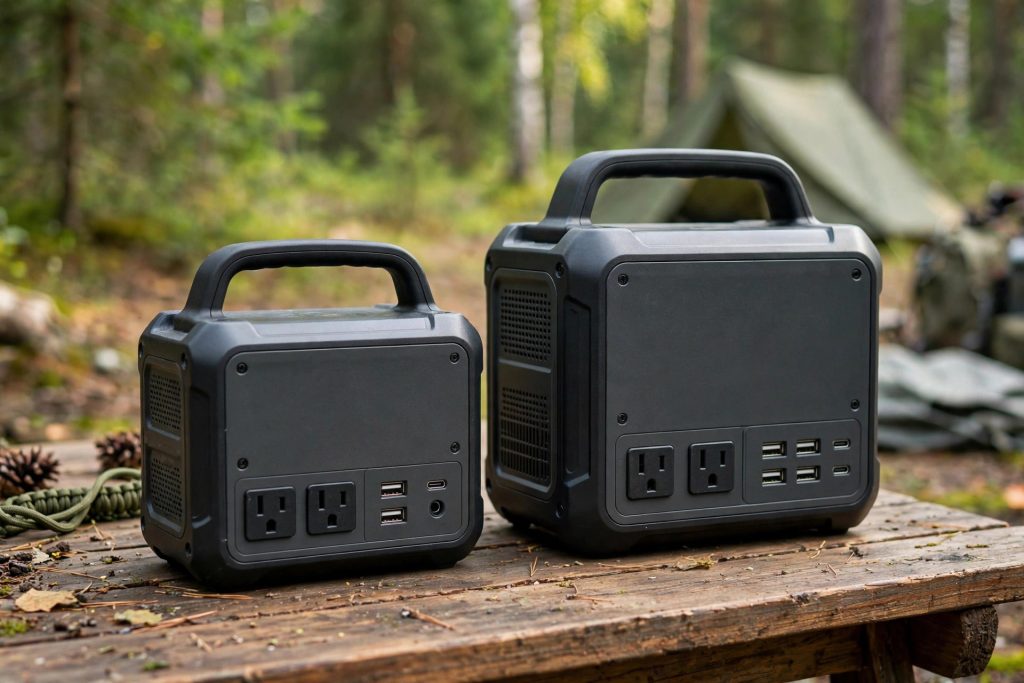
A portable power station is essentially a large battery pack with AC outlets, DC ports, and USB chargers, all in one compact unit. They are excellent for power outage essentials like charging phones, laptops, running LED lights, and even small medical devices like CPAP machines. For camping essentials and short blackouts, these are invaluable.

  • Best For: Short-term outages, powering crucial small electronics, camping electricity, RV battery storage for smaller rigs, or as a secondary backup.
  • Brands to Consider: Jackery, EcoFlow, Bluetti, Anker SOLIX.

2. Solar Generators: Extended Independence

As discussed, a solar generator is a portable power station paired with portable solar panels. This combination offers extended runtimes, making it a stronger contender for multi-day outages, disaster preparedness, and true off-grid camping. The ability to recharge from the sun means you’re not limited by the amount of fuel you can store.

  • Best For: Medium-to-long term outages, solar generator for hurricane preparedness, off-grid camping, remote work, or RV solar setup where portability is key.
  • Brands to Consider (Systems): Jackery, EcoFlow, Bluetti, Anker SOLIX (paired with their respective solar panels like Jackery SolarSaga, EcoFlow, ALLPOWERS).

3. Home Battery Backup Systems: The Ultimate Whole-Home Solution

For true whole-home backup, especially for critical infrastructure like well pumps, HVAC systems, or extensive medical equipment, dedicated home battery backup systems are the gold standard. These are often integrated directly into your home’s electrical panel via a transfer switch, providing seamless power during an outage. They can be charged by the grid, by rooftop solar panels, or a combination.

  • Best For: Long-term outages, continuous power for large loads, whole-home backup, renewable emergency power, and energy independence.
  • Brands to Consider: Tesla Powerwall, EcoFlow (Power Kits/PowerOcean), Bluetti (EP series), Generac (PWRcell).

How Do You Prepare for a Multi-Day Power Outage, Especially During a Hurricane?

Preparation is multi-faceted. Beyond having an emergency battery solution, you need to consider water storage, food preservation, medical equipment backup, and communication devices.

  1. Assess Your Power Needs: Prioritize. What absolutely must run? Refrigerator, a few lights, phone charging, a fan, or critical medical devices are common priorities. For hurricane preparation, a full-size refrigerator can be a power hog, but a portable electric cooler is far more efficient.
  2. Choose the Right System: Based on your needs assessment, select a portable battery generator, solar generator, or home battery backup system with sufficient capacity and output.
  3. Secure Your Fuel (Solar): Ensure your portable solar panels are accessible and can be deployed quickly and safely after the storm passes (or even before, if conditions allow). Understand their limitations during heavy cloud cover.
  4. Water Storage: Have at least one gallon of water per person per day for drinking and sanitation, for a minimum of three days.
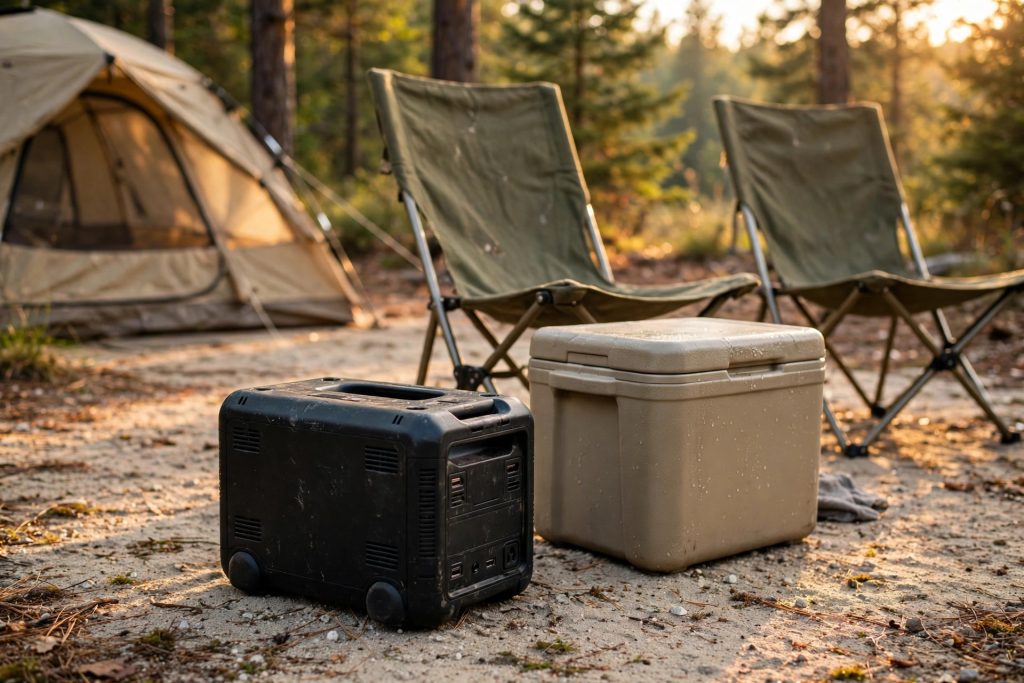
  5. Food Preservation: A well-charged portable cooler powered by your solar camping system can extend food life significantly. Have non-perishable foods readily available.
  6. Medical Equipment: If anyone in your household uses medical equipment, calculate its power draw and ensure your chosen backup system can support it for the required duration. This is paramount for disaster survival.
  7. Communication: Keep phones and other devices charged. A hand-crank or solar charger radio is a power outage essential for receiving weather alerts.
  8. Lighting: Flashlights with extra batteries or LED lighting powered by your portable power station are far safer than candles.

What Emergency Power Equipment Should Every Family Own?

Beyond the main power source, certain items complement your setup and significantly enhance emergency preparedness.

  1. Portable Power Station (Minimum 500Wh): Even if you have a larger system, a smaller portable power station serves as a quick grab-and-go option for charging phones, running a fan, or providing light.
  2. Portable Solar Panels: Crucial for recharging your portable battery generator or power station, ensuring indefinite power during long outages. Look for durable, foldable designs.
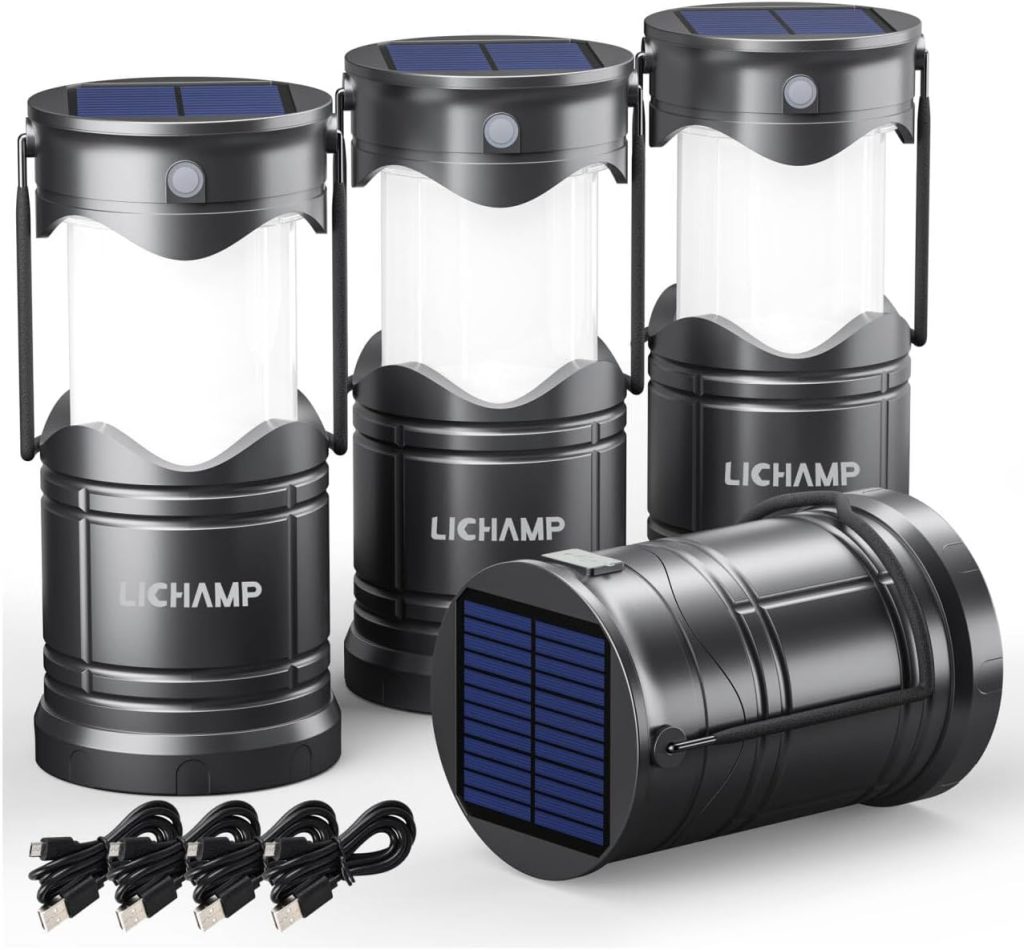
  3. LED Lighting: Energy-efficient lanterns and headlamps are vital.
  4. Electric Cooler/Portable Refrigerator: Far more efficient than a traditional cooler with ice, especially when paired with a power station. Helps with food preservation.
  5. Emergency Radio: A hand-crank/solar-powered NOAA weather radio keeps you informed.
  6. Heavy-Duty Extension Cords: For safely connecting appliances to your backup power source.

Choosing Your Emergency Power Solution: A Buying Guide

Selecting the right backup electricity solution involves understanding several key specifications and how they translate to real-world performance.

1. Battery Capacity (Watt-hours – Wh)

This measures how much energy the battery can store. Think of it as the size of your fuel tank.

  • Calculation: Add up the wattage of the devices you want to run, and multiply by how many hours you need them to run.
    • Example: A 60W light bulb running for 10 hours needs 600Wh.
  • Recommendations:
    • 200-500Wh: Charging phones, tablets, running small LED lights for a night or two. Good for best power station for camping or short outages.
    • 500-1500Wh: Keeping a mini-fridge or CPAP machine running for a day, charging laptops, multiple devices. Suitable for extended camping electricity and moderate power outage essentials.
    • 1500-5000Wh+: Running full-size refrigerators, microwaves, more critical medical equipment for several days. Essential for solar generator for hurricane preparedness and robust emergency power supply for home.
    • 5000Wh+ (Expandable): For true whole-home backup or extended off-grid energy.

2. Power Output (Watts – W)

This refers to the maximum power the inverter can deliver at any given moment. This determines what appliances you can run and how many simultaneously.

  • Continuous Wattage: The power it can deliver consistently.
  • Surge Wattage: The peak power it can handle for a short burst (e.g., when a motor starts).
  • Recommendations:
    • 300-600W: Small electronics, lights, fans.
    • 600-1500W: Refrigerators, blenders, some power tools.
    • 1500-3000W: Microwaves, coffeemakers, larger appliances.
    • 3000W+: For larger home loads, even electric water heaters or well pumps, often requiring a 240V output option.

3. Solar Input (Watts) & Charging Speed

This indicates how quickly the unit can recharge from solar panels. Higher solar input means faster charging.

  • Consider: The maximum wattage of solar panels the power station can accept. A 1000Wh battery with a 200W solar input will recharge roughly twice as fast as one with 100W input (assuming ideal sunlight).
  • Efficiency: Look for high-efficiency portable solar panels (e.g., 20-23%).

4. Weight & Portability

If you need to move it around for camping, RV solar setup, or between rooms, weight matters.

  • Consider: Handles, wheels, and overall footprint. Larger home battery backups are typically stationary.

5. Weather Resistance

Especially critical for solar generator for hurricane preparedness.

  • Panels: Should be durable, IP-rated (e.g., IP67 for water and dust resistance) and able to withstand strong winds when properly secured.
  • Power Stations: While most are not designed for direct exposure to heavy rain, some offer better dust and splash resistance. Keep them sheltered.

6. Battery Chemistry

  • Lithium-ion (NMC): Common, good energy density, lighter.
  • LiFePO4 (Lithium Iron Phosphate): Superior cycle life (more recharges), safer, better heat resistance, but often heavier and slightly more expensive. Increasingly preferred for longevity and reliability in emergency energy storage.

7. Warranty & Expandability

A good warranty provides peace of mind. Expandability means you can add more battery packs or connect additional solar panels later, scaling your system as needed. This is a valuable feature for growing off-grid energy requirements.


Comparing Emergency Power Solutions

Here’s a look at different types of backup power solutions to help you choose the best fit for your needs.

Feature Portable Power Station Solar Generator Home Battery Backup System Gas Generator
Primary Use Small device backup, camping electricity Extended portable power, off-grid camping, disaster preparedness Whole-home backup, energy independence Heavy-duty, short-term outages
Power Source Grid, Car (DC), Solar (optional) Grid, Car (DC), Solar (primary) Grid, Rooftop Solar Gasoline, Propane, Diesel
Fuel Type Electricity (stored in battery) Electricity (solar-rechargeable) Electricity (grid/solar-rechargeable) Fossil fuels (requires refueling)
Emissions None None None Harmful fumes (CO, NOX)
Noise Level Silent Silent Silent Very Loud
Maintenance Very Low Low (panel cleaning) Low Moderate to High (oil changes, spark plugs, fuel stabilizers)
Run Time Limited by battery capacity Indefinite (with sun) Days to Weeks (with solar/grid recharge) Limited by fuel on hand
Cost Low to Medium Medium to High High Low to Medium (plus fuel costs)
Installation Plug-and-play Plug-and-play, panel setup Professional electrician required Simple setup, transfer switch optional
Portability High Moderate Low (fixed installation) Low (heavy)
Hurricane Suitability Good for essentials Excellent for extended grid-down Excellent for long-term resilience Poor (fuel issues, noise, fumes)

Scenario Guide: Hurricane Preparation with Solar Power

Preparing for a hurricane means planning for the worst-case scenario: prolonged power outages, limited access to supplies, and potential isolation. A solar generator for hurricane preparedness is a cornerstone of this plan.

  1. Before the Storm:

    • Fully Charge Everything: Ensure your portable power station, solar generator, and RV battery system are at 100% capacity using grid power.
    • Secure Solar Panels: If you have rooftop solar, ensure they are rated for hurricane-force winds or consult with an installer about securing them. For portable panels, store them safely indoors until the storm passes.
    • Identify Critical Loads: Know exactly what you need to power: refrigerator, medical equipment backup, a few lights, phone chargers, and a weather radio.
    • Water & Food: Stock up on bottled water and non-perishable foods. Consider a portable electric cooler for perishables if your main fridge might not last.
  2. During the Storm (Grid Down):

    • Initial Power: Rely on your fully charged emergency battery systems. Use power conservatively.
    • Safety First: Keep power stations and any critical devices indoors and away from potential water damage.
    • Monitor Information: Use your charged communication devices and emergency radio to stay updated.
  3. After the Storm (Grid Down, Sun Out):

    • Deploy Panels: Once conditions are safe, deploy your portable solar panels in a sunny, secure location.
    • Recharge: Connect them to your solar generator or portable battery generator. This is where the ability to recharge indefinitely becomes invaluable.
    • Prioritize Charging: Focus on critical devices first. For instance, rotate charging between a refrigerator and medical equipment.
    • Stay Connected: Use the renewed power to keep your phone charged for emergency calls or checking in with loved ones.

Recommended Equipment for Hurricane Preparation

  • Primary Power Source: A solar generator with at least 2000Wh battery capacity and 1500W continuous output, coupled with 400-600W of foldable portable solar panels.
    • Examples: EcoFlow Delta Pro with 400W solar panels, Bluetti AC200MAX with PV200 solar panels.
  • Secondary Power Source (Optional but Recommended): A smaller portable power station (e.g., Jackery Explorer 1000) for lighter loads or as a redundant backup.
  • Food Preservation: An efficient electric cooler (e.g., Dometic or Costway models) drawing minimal power, kept running by your solar generator.
  • Communication: A hand-crank/solar NOAA weather radio (e.g., Midland WR120B) and multiple power banks for additional phone charging.
  • Medical: If applicable, ensure your medical equipment backup is sized appropriately for your primary solar generator.
  • Lighting: Durable LED lighting like Goal Zero Lighthouse lanterns.

Frequently Asked Questions About Emergency Power

Q: Are solar generators truly effective for hurricane preparedness?

A: Absolutely. While their solar charging is limited during the storm itself, their ability to quietly and cleanly recharge once the sun reappears, even if the grid is down for weeks, makes them far superior to gas generators for extended hurricane-induced outages where fuel delivery is compromised. They provide vital backup electricity for essentials.

Q: What’s the best power station for camping if I only go a few times a year?

A: For occasional camping electricity needs like charging devices, running a fan, or powering a portable fridge for a weekend, a portable power station in the 500-1000Wh range with 500-1000W output is often sufficient. Brands like Jackery Explorer 500/1000 or EcoFlow RIVER 2 Pro are excellent choices, often paired with 100-200W foldable portable solar panels for recharging.

Q: Can a solar generator power my entire home during an outage?

A: A typical solar generator (portable power station + panels) can’t power an entire home in the way a whole-home standby generator or integrated home battery backup system can. However, larger solar generator models (2000Wh+ capacity, 2000W+ output) can handle critical appliances like a refrigerator, lights, and communication for extended periods, especially when paired with enough solar input. For true whole-home backup, dedicated emergency energy storage systems like Tesla Powerwall or EcoFlow Power Kits are designed for this scale.

Q: How much solar input do I really need for my RV solar setup?

A: For an RV solar setup, it depends heavily on your consumption. A good rule of thumb is to match or exceed your daily average energy consumption with your solar input. If you typically use 100Ah (1200Wh) per day, you’d aim for at least 300-400W of RV solar panels to replenish that, accounting for less-than-ideal sun conditions. A robust RV battery system (LiFePO4 is recommended) is also crucial.

Q: Are portable battery generators safe to use indoors?

A: Yes. Because portable battery generators (portable power stations/solar generators) run on electricity and produce no fumes, they are perfectly safe for indoor use, unlike gas generators which emit carbon monoxide and must always be used outdoors in well-ventilated areas. This is a major advantage for power outage essentials during inclement weather.

Q: What’s the difference between a portable power station and a solar generator?

A: A portable power station is the battery, inverter, and ports in one unit. A solar generator is essentially a portable power station paired with compatible portable solar panels, allowing it to recharge using sunlight. The term “solar generator” emphasizes its ability to generate power from the sun, making it a complete solar backup power solution.


Final Recommendation: A Layered Approach to Disaster Preparedness

In 2026, relying on a single solution for emergency preparedness is shortsighted. The most resilient approach involves a layered strategy, blending portable emergency power with more robust emergency energy storage capabilities.

For hurricane preparedness, a high-capacity solar generator (2000Wh+ battery, 2000W+ inverter, 400W+ solar input) should be your primary focus. This will keep your refrigerator running, your phones charged, and your home lit for days, with the capacity to recharge indefinitely from the sun once the storm passes. Couple this with a smaller portable power station (e.g., 500-1000Wh) for grab-and-go tasks or secondary power.

Consider RV solar setup or expanding to a home battery backup system if your needs extend to continuous whole-home backup or true off-grid energy independence. For camping essentials and lighter recreational use, smaller portable power stations are still excellent.

Invest in quality, understand your specific needs, and practice using your equipment before an emergency strikes. Being prepared means being empowered, and a well-chosen solar generator for hurricane preparedness is a powerful step towards that goal.

#Solar #Powered #Generator #100W #Portable #Power #Station