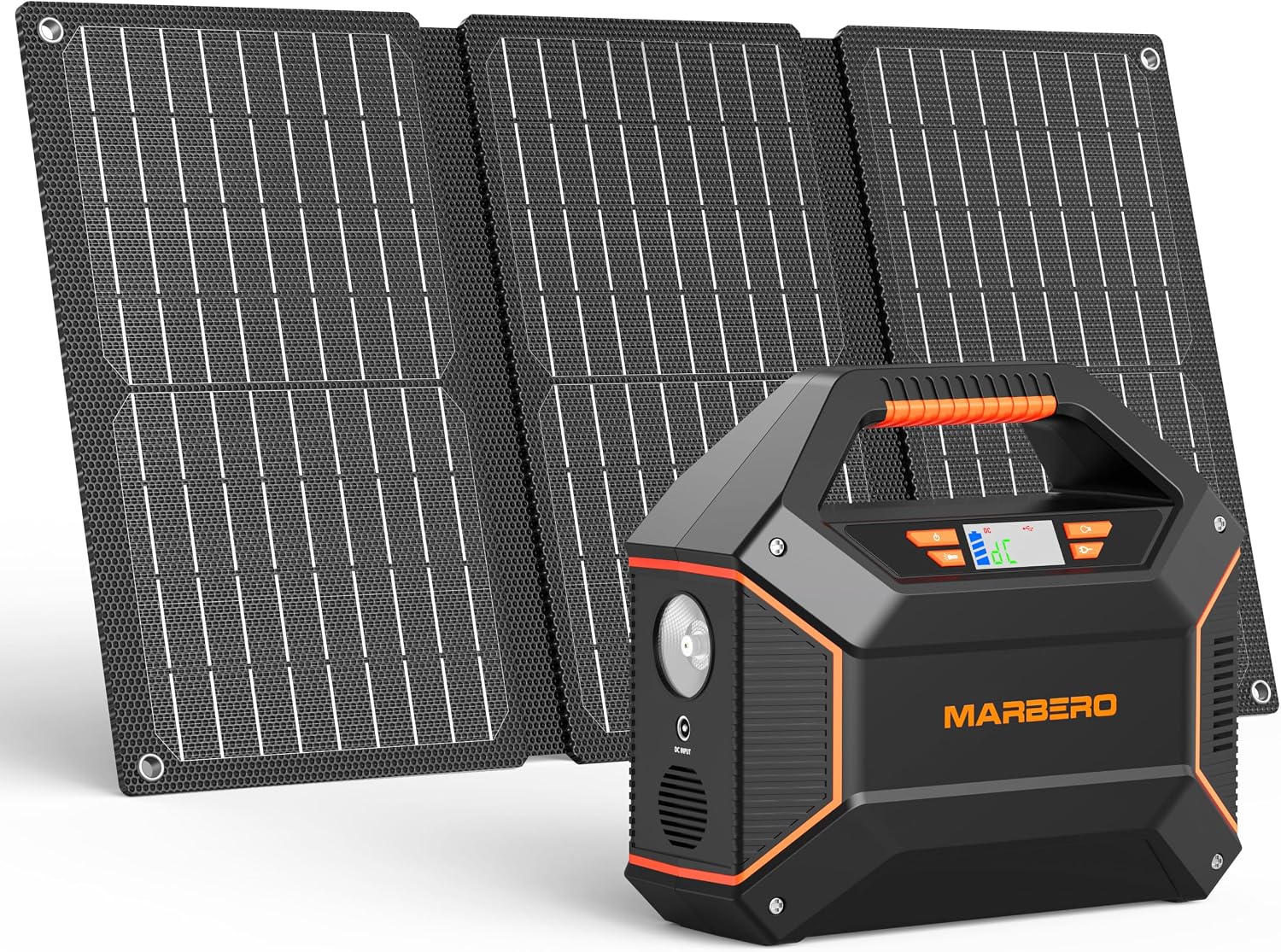
MARBERO 155Wh Portable Solar Power Station & 30W Panel Review: Hurricane Emergency Backup.

As a veteran emergency preparedness and off-grid energy consultant in 2026, I’ve spent over two decades guiding families, campers, RV owners, and homeowners through the complexities of backup power. The landscape of emergency power solutions has evolved dramatically, moving beyond noisy, fuel-guzzling generators to sophisticated, silent, and sustainable options. When considering a robust solar generator for hurricane preparedness, or any serious disaster preparedness strategy, it’s crucial to understand the full spectrum of available solutions and how they perform in real-world scenarios. This guide aims to cut through the marketing jargon and offer practical, experience-driven advice on selecting reliable backup power that genuinely works when you need it most.

Solar Generator for Hurricane Preparedness: Your Essential Guide to Reliable Emergency Power

Preparing for a hurricane isn’t just about boarding up windows; it’s about ensuring your family has sustained access to critical power, fresh water, and communication. While a small unit like the MARBERO 155Wh solar generator with its included 30W solar panel can handle basic device charging during a short blackout, a serious solar generator for hurricane preparedness demands significantly more capacity and robust features. This guide will help you navigate the options, from portable emergency power for quick trips to whole-home backup solutions for long-duration outages, ensuring you’re truly ready for whatever nature throws your way.

Why Are Solar Generators Becoming More Popular for Emergency Preparedness?

The shift towards solar generators isn’t just a trend; it’s a practical evolution in emergency energy storage. For years, gas generators were the go-to for backup electricity. However, their drawbacks—noise, fumes, fuel storage, and maintenance—are significant. Solar generators, essentially a portable power station paired with solar panels, offer a clean, quiet, and renewable alternative.

They excel in scenarios where fuel is scarce or inaccessible, a common problem during widespread disasters. Imagine a multi-day power outage after a hurricane; gasoline stations might be without power themselves, or roads could be impassable. A solar generator allows you to recharge your battery backup system as long as there’s sunlight, providing continuous renewable emergency power without ongoing fuel costs or emissions. This makes them an increasingly attractive and self-sufficient option for disaster survival.

How Do You Prepare for a Multi-Day Power Outage?

Preparing for an extended power outage, whether from a hurricane, winter storm, or widespread grid failure, requires a multi-faceted approach. It’s more than just having a power source; it’s about resilience.

  1. Assess Your Needs: Prioritize. What must run? This usually includes refrigeration for food preservation, medical devices, communication devices (phones, emergency radio), and lighting. Avoid the temptation to try and power your entire home with a portable solution.
  2. Layered Power Solutions: Don’t put all your eggs in one basket. A robust solar generator for hurricane preparedness should be complemented by smaller portable battery generators for essential devices, and even hand-crank options.
  3. Water & Food Storage: Have at least one gallon of water per person per day for a minimum of three days (ideally two weeks). Stock non-perishable food. Consider how you’ll cook if your stove is electric – a propane camping stove is invaluable.
  4. Communication Plan: Ensure you have multiple ways to communicate. Fully charged power banks, a weather radio, and even satellite communication devices if you’re in a very remote area.
  5. Home Hardening: Beyond power, physically protect your home from the elements. This includes securing loose items, having plywood for windows, and knowing how to shut off utilities.

Field Experience Note: After several major storm seasons, homeowners consistently found that keeping refrigerators, internet equipment, and essential medical devices running mattered far far more than powering every appliance in the house. Focusing on these critical loads drastically simplifies your power requirements.

What Emergency Power Equipment Should Every Family Own?

Every family’s needs are unique, but a baseline emergency preparedness kit should always include certain power essentials. This isn’t just for homeowners; even for off-grid camping or RV solar setup scenarios, these principles apply.

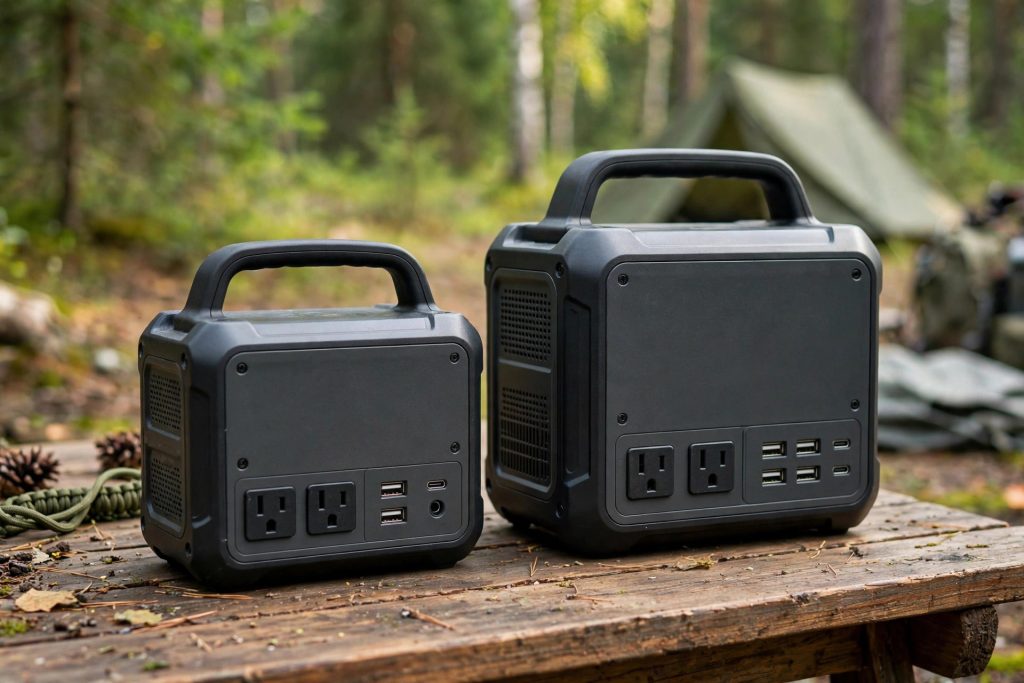
  1. Portable Power Station (or small Solar Generator): This is the heart of your immediate backup. For basic needs, a 500-1000Wh unit is a good starting point. For hurricane preparedness, aiming for 1000-2000Wh is more realistic to handle refrigerator cycling. Brands like Jackery, EcoFlow, Bluetti, or Anker SOLIX offer reliable options.
  2. Portable Solar Panels: To keep your power station charged during extended outages. Look for durable, foldable panels (e.g., Renogy, Jackery SolarSaga, EcoFlow, ALLPOWERS) that can output at least 100-200W to quickly recharge your portable battery generator.
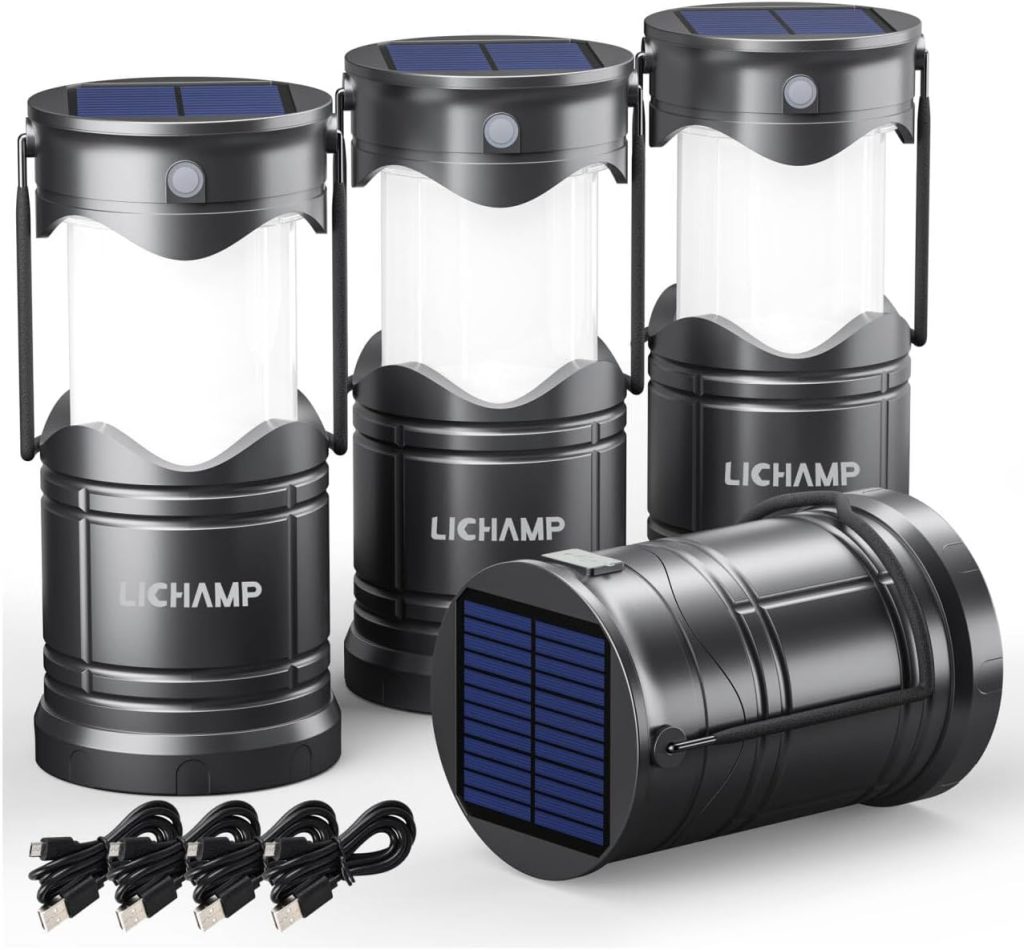
  3. Multiple Flashlights & Headlamps: Battery-powered and rechargeable options. Don’t forget extra batteries.
  4. Emergency Radio: A hand-crank or solar-powered NOAA weather radio is non-negotiable for critical alerts.
  5. Power Banks: Small, personal power banks for charging phones and tablets. Keep them charged.
  6. Extension Cords & Power Strips: To safely distribute power from your main backup unit.
  7. Propane/Butane Camping Stove: For cooking and boiling water if your primary stove is electric.

This comprehensive approach ensures you have redundant systems and capacity for critical tasks during various disaster preparedness scenarios.

Hurricane Preparation: Securing Your Home with Reliable Backup

When a hurricane threatens, the focus shifts to resilience and sustained operation. For hurricane preparedness, you’re not just looking for a momentary fix; you need a system that can endure.

Key Recommendations for Hurricane Preparation:

  • Emergency Battery (Large Capacity): Your primary emergency energy storage should be substantial. A minimum of 1500Wh, ideally 2000-3000Wh, is recommended to run a full-size refrigerator for several days, alongside critical medical equipment, communication devices, and lighting. Brands like Bluetti AC200MAX or EcoFlow Delta Pro can be excellent choices. These units serve as a powerful solar generator for hurricane preparedness when paired with appropriate solar panels.
  • Water Storage: Beyond drinking water, consider how you’ll flush toilets or perform basic hygiene. Rainwater collection systems or large storage barrels can be crucial.
  • Food Preservation: A reliable refrigerator/freezer backup is paramount. If you don’t have enough backup power for a full-size fridge, consider an electric cooler/portable fridge that draws less power, or focus on ice retention and consuming perishables first.
  • Medical Equipment Backup: If anyone in your household relies on medical devices (CPAP, oxygen concentrator, medication requiring refrigeration), this is your absolute top priority. Calculate their power draw precisely and ensure your portable emergency power solution can sustain them for the expected duration, with a significant buffer.
  • Communication Devices & Charging: Keep all phones, tablets, and a NOAA weather radio fully charged. Have multiple ways to recharge them, including car chargers, power banks, and your primary solar generator. Satellite messengers or radios are good for extreme situations.

Remember, the goal is self-sufficiency until utilities are restored, which can take days or even weeks after a major hurricane.

Choosing Your Emergency Power Solution: A Comprehensive Buying Guide

Selecting the right backup electricity solution for your needs—whether it’s for camping electricity, emergency power supply for home, or a full RV solar setup—involves understanding several key specifications. Don’t just look at the biggest numbers; consider what truly fits your use case.

1. Battery Capacity (Wh – Watt-hours)

  • What it means: How much energy the battery can store. This dictates how long it can run your devices.
  • How to choose:
    • Small (100-300Wh): Good for charging phones, tablets, small lights. Ideal for best power station for camping for a single night or a very brief power outage essentials. (e.g., MARBERO 155Wh mentioned earlier, good for device charging only).
    • Medium (500-1500Wh): Can run a portable fridge, multiple devices, laptops, CPAP machines. Suitable for weekend camping essentials, short home blackouts, or smaller RV battery system needs.
    • Large (2000-5000Wh+): Essential for solar generator for hurricane preparedness to keep refrigerators running for days, power essential home circuits, or run power tools. These are closer to whole-home backup solutions.
  • Calculation Tip: Sum the Wattage of all devices you want to run simultaneously, then estimate how many hours you need them. Example: A 60W portable fridge running 50% of the time for 24 hours uses 60W * 12 hours = 720Wh. Add a buffer.

2. Power Output (W – Watts)

  • What it means: The maximum power the unit can deliver at any given moment. This is critical for starting appliances.
  • How to choose:
    • Continuous Wattage: The power it can sustain.
    • Peak/Surge Wattage: A brief burst of higher power for starting motors (e.g., refrigerators, blenders).
    • Rule of Thumb: Match the continuous wattage to the highest-wattage appliance you need to run. Ensure the surge wattage can handle motor-driven appliances. For most home essentials (fridge, internet router, lights), 1500-2000W continuous output is a good target for emergency power supply for home.

3. Solar Input (W – Watts & V – Volts)

  • What it means: How quickly the unit can recharge using solar panels.
  • How to choose: Higher solar input (e.g., 200W, 400W, 800W) means faster recharging. For solar backup power, especially for solar generator for hurricane preparedness, maximize this. You want to replenish consumed energy during daylight hours. Ensure the solar panel voltage (V) matches the generator’s input specifications (e.g., typically 12-60V for portable units).

4. Charging Speed

  • What it means: How quickly the battery recharges from AC wall outlets, car chargers, or solar.
  • How to choose: Look for fast AC charging (e.g., 0-80% in 1 hour) for quick turnaround before an event. Parallel solar input can also dramatically reduce charging times during an outage.

5. Weight & Portability

  • What it means: How easy the unit is to move.
  • How to choose:
    • Small (under 10 lbs): True portable battery generator for hiking or quick moves.
    • Medium (15-40 lbs): Manageable for camping electricity, moving around the house.
    • Large (50+ lbs): Less portable, often featuring wheels or requiring two people. These are generally for stationary home backup or RV solar setup where it stays in place.
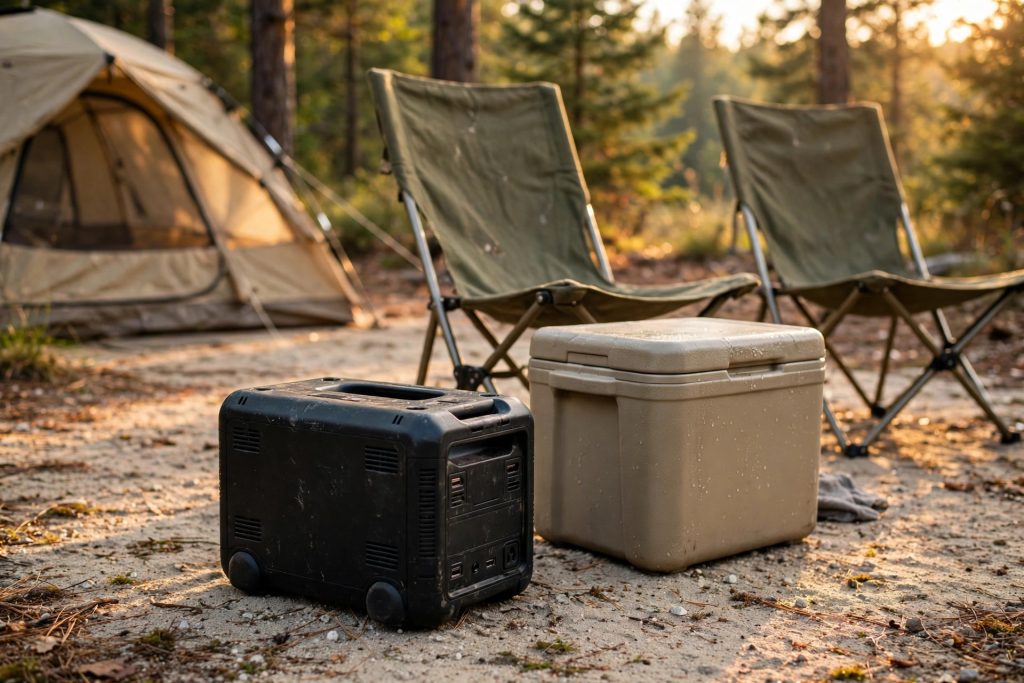
  • Field Experience Note: I’ve seen campers bring oversized power stations that weighed more than their coolers. In reality, most weekend trips only require enough capacity to run a portable fridge, lights, and device chargers.

6. Weather Resistance

  • What it means: Protection against dust and water.
  • How to choose: While most units aren’t fully waterproof, look for decent ingress protection (IP) ratings for outdoor use, especially for off-grid camping or disaster survival situations where rain might occur. Keep all units covered and protected from direct precipitation.

7. Warranty & Support

  • What it means: Manufacturer’s guarantee and customer service.
  • How to choose: A longer warranty (3-5 years) indicates confidence in the product. Good customer support is invaluable if issues arise, particularly with complex emergency energy storage systems.

8. Expandability

  • What it means: Can you add more battery capacity or link multiple units?
  • How to choose: For whole-home backup or extended hurricane preparedness, expandability is key. Many larger solar generators allow you to connect additional battery packs, significantly increasing your total backup electricity capacity.

Comparison of Emergency Power Solutions

Choosing the right solution often means understanding the trade-offs between different technologies. Here’s a comparison of common options for emergency power supply for home and other scenarios.

Feature Portable Power Station (Small to Medium) Solar Generator (Large PPS + Solar) Home Battery Backup (e.g., Powerwall) Gas Generator (Traditional)
Primary Use Case Camping electricity, device charging, short blackouts Solar generator for hurricane preparedness, extended outages, off-grid camping Whole-home backup, grid independence Heavy-duty, long-duration power for disaster preparedness
Power Output 300W – 1500W 1500W – 3600W+ 5kW – 10kW+ per unit 3kW – 15kW+
Battery Capacity 200Wh – 1500Wh 1500Wh – 7200Wh+ (expandable) 10kWh – 20kWh+ (expandable) N/A (fuel dependent)
Fuel/Charging AC, Car, Solar (slow) AC, Car, Solar (fast & renewable) Grid, Solar (integrated) Gasoline, Propane, Diesel
Noise Level Silent Silent Silent Very Noisy
Emissions/Fumes None None None Significant, requires ventilation
Portability High (best power station for camping) Moderate (portable battery generator) Low (fixed installation) Low (can be very heavy, some on wheels)
Maintenance Low Low Low High (fuel storage, oil changes, spark plugs)
Cost (Initial) Low to Medium Medium to High High (often includes installation) Low to Medium
Long-Term Cost Low (free solar recharge) Low (free solar recharge) Low (free solar recharge) High (ongoing fuel costs)
Pros Quiet, clean, convenient, highly portable Quiet, clean, renewable, scalable, independent, ideal for solar backup power Seamless automatic transfer, grid-tied options, maximum capacity High power output, long runtimes (with fuel), handles large loads
Cons Limited capacity, slow solar charging on smaller units Higher initial cost than small units, solar dependence on weather Very expensive, professional installation required, not portable Noisy, fumes, fuel dependency, maintenance, dangerous indoors, fuel storage issues

Recommended Brands for Your Emergency Power Ecosystem

When building out your emergency preparedness strategy, choosing reputable brands is paramount. My experience has shown consistent performance from the following:

Portable Power Stations (for camping essentials, portable emergency power, short outages)

  • Jackery: Known for user-friendly designs and portability. Their Explorer series are excellent for camping electricity and small home needs.
  • EcoFlow: Offers fast charging speeds and often higher output. The Delta series provides robust portable battery generator solutions.
  • Bluetti: Specializes in larger capacity units, often with expandability for emergency energy storage. Their AC series is popular for more demanding backup.
  • Anker SOLIX: A newer but rapidly growing player, offering reliable performance with a focus on battery longevity and smart features.

Portable Solar Panels (for solar backup power, RV solar setup)

  • Renogy: A long-standing leader in solar, offering durable and efficient panels suitable for off-grid energy systems and portable charging.
  • Jackery SolarSaga: Designed to seamlessly integrate with their power stations, offering good portability and efficiency.
  • EcoFlow: Offers high-wattage foldable panels that complement their fast-charging power stations.
  • ALLPOWERS: Provides a range of portable solar panels that offer good value and performance.

Home Battery Backup Systems (for whole-home backup, serious disaster preparedness)

  • Tesla Powerwall: A benchmark for integrated home solar and battery storage, offering seamless grid transition.
  • EcoFlow PowerStream/Smart Home Panel: Offers versatile integration with their Delta Pro series to provide more comprehensive emergency power supply for home.
  • Bluetti EP Series: Powerful modular systems designed for significant whole-home backup or extensive off-grid energy needs.
  • Generac PWRcell: A strong contender from a traditional generator company, now offering robust battery backup solutions.

Wind Turbines (for diversified off-grid energy systems, not primary for most emergencies)

While solar is primary for most emergency situations, for true off-grid living specialist scenarios, especially remote cabins with variable sun, diversifying with wind can be beneficial.

  • Pikasola: Often chosen for smaller, residential or RV-mounted wind solutions.
  • Automaxx: Offers a range of small wind turbines for supplemental power.
  • Ista Breeze: Another brand providing compact wind generation options.

FAQ: Your Top Questions About Emergency Power

Q1: What size solar generator for hurricane preparedness do I really need?

A1: For hurricane preparedness, a solar generator with at least 1500Wh battery capacity and 1500W continuous output is a good minimum to run a refrigerator intermittently, charge devices, and power lights. For extended outages or critical medical equipment, aim for 2000-3000Wh and expandable capacity.

Q2: Can a portable power station truly run my refrigerator during a blackout?

A2: Yes, many medium to large portable power stations (typically 1000Wh+) can run a standard refrigerator. Refrigerators cycle on and off, so while their surge wattage might be high, their average power consumption is lower. A 1000Wh unit might run a fridge for 10-15 hours, needing daily recharging, especially if paired with solar backup power.

Q3: Is an RV solar setup suitable for home emergency backup?

A3: An RV solar setup often shares components with a home emergency system: solar panels, a battery bank (RV battery system), and an inverter. If your RV system is robust enough (e.g., 2000W inverter, 200Ah+ battery), it can certainly provide emergency power supply for home for essential loads by parking it strategically and running extension cords.

Q4: How much camping electricity do I need for a weekend trip?

A4: For a typical weekend camping electricity setup (lights, phone charging, portable fridge), a 500-1000Wh best power station for camping unit is usually sufficient. Factor in device charging for everyone and how long your fridge will run.

Q5: What are the main benefits of a solar generator over a traditional gas generator for disaster preparedness?

A5: Solar generators are silent, produce no fumes (safe for indoor use), require no fuel refills, and can recharge indefinitely with sunlight, making them superior for renewable emergency power and scenarios where fuel might be unavailable. Gas generators, however, typically offer higher sustained power for heavy loads if fuel is abundant.

Q6: How does off-grid energy differ from emergency backup power?

A6: Off-grid energy systems are designed for continuous, primary power where there is no grid connection, often involving significant solar arrays, large battery banks, and sometimes wind turbines. Emergency backup power is supplemental, designed to kick in when the grid fails, typically focused on critical loads rather than a full independent lifestyle. However, a robust solar generator for hurricane preparedness can bridge the gap, offering capabilities closer to true off-grid living specialist solutions for temporary periods.

Final Recommendation: A Layered Approach to Hurricane Preparedness

For robust solar generator for hurricane preparedness, my recommendation is always a layered approach. Do not rely on a single device, especially not a minimal one like the MARBERO 155Wh for critical life support during a major storm.

  1. Primary Power Source: Invest in a large capacity solar generator (2000Wh+ battery, 2000W+ output) paired with high-wattage portable solar panels (200W-400W). This forms the core of your emergency power supply for home, keeping your refrigerator, modem, and medical devices operational.
  2. Secondary Power Source: Supplement with a mid-sized portable power station (500-1000Wh) for smaller, mobile needs, or for dedicated medical equipment backup. This provides redundancy.
  3. Communication & Lighting: Ensure you have battery-operated and hand-crank options for essential communication (weather radio, phone chargers) and ample LED lighting.
  4. Beyond Power: Don’t forget non-power essentials: a two-week supply of water, non-perishable food, first-aid kits, and a family emergency plan.

By combining powerful solar backup power solutions with practical disaster preparedness essentials, you empower your family to navigate the challenges of a hurricane or any extended outage with confidence and resilience. Your investment in a comprehensive solar generator for hurricane preparedness system is an investment in your family’s safety and well-being.

#MARBERO #155Wh #Solar #Generator #Solar #Panel #Included #30W