
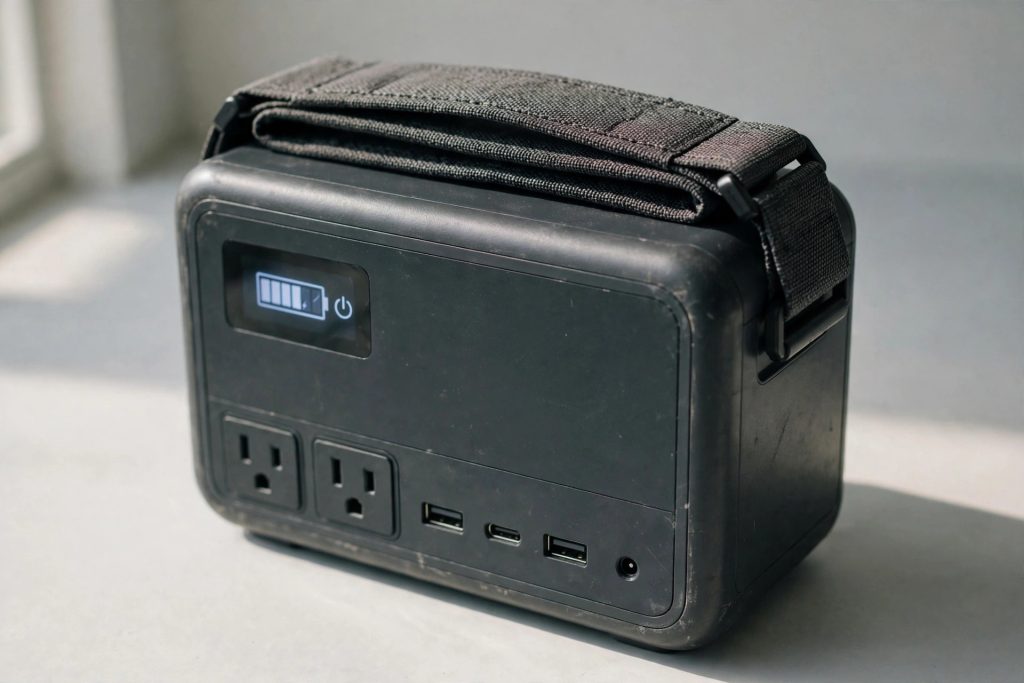
Jackery Explorer 300 Plus Review: Is This 300Wh Power Station Worth It?
Shopping for a small portable power station usually comes down to one nagging question: do you buy the cheapest box with a battery, or pay more for one that won’t let you down when the lights go out? This Jackery Explorer 300 Plus guide is for the second kind of buyer. Someone who wants reliable backup for camping trips and short outages, in a package light enough to actually carry. I’ve watched this category mature for years, and the 300Wh LiFePO4 class — where the 300 Plus sits — has quietly become the sweet spot.
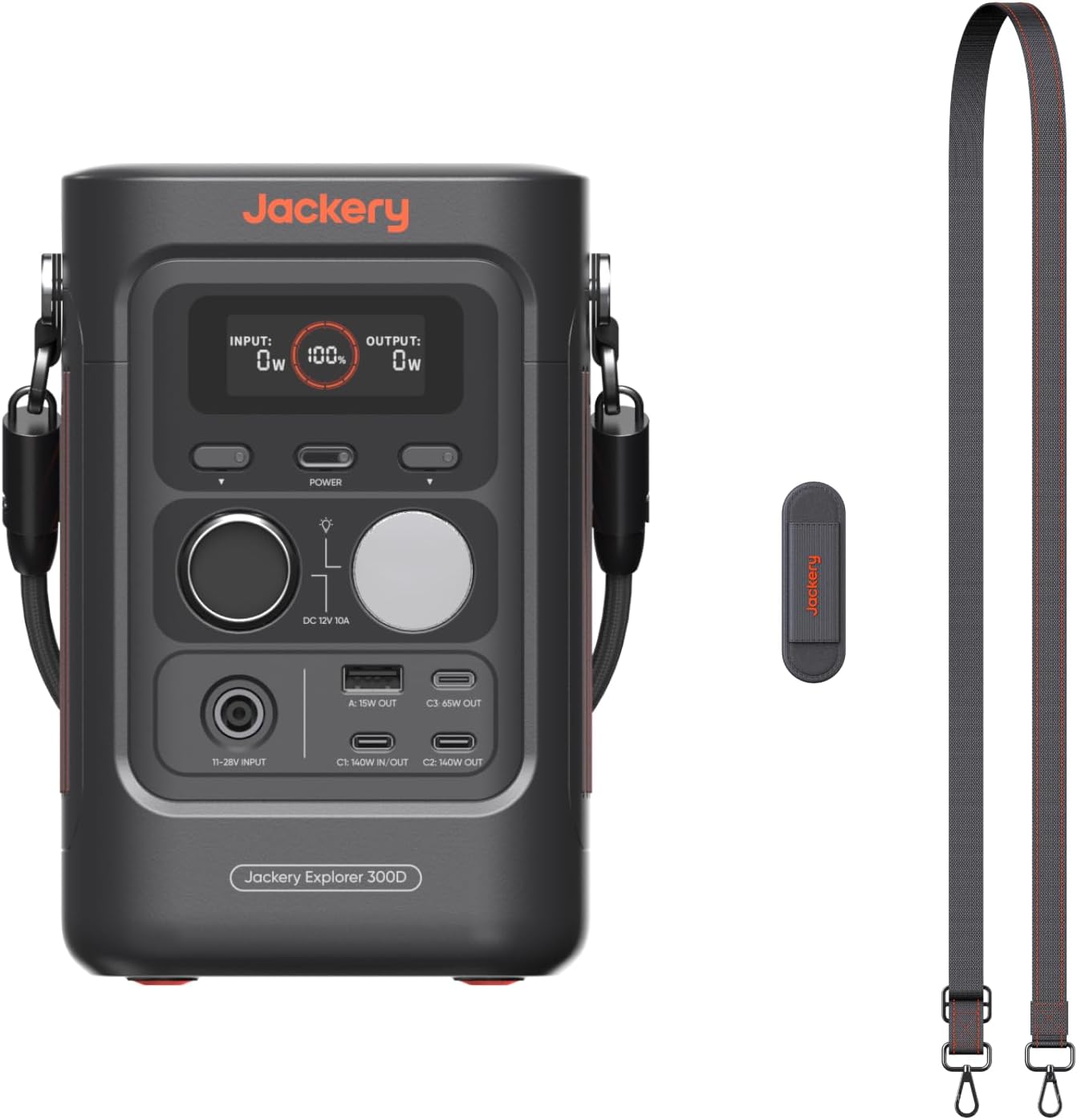
Quick Answer
The Jackery Explorer 300 Plus nails what most people actually need from a small power station: a long-lasting LiFePO4 battery, enough output for laptops and small appliances, and dual fast USB-C charging. It won’t run a full-size fridge for a weekend. But for phones, cameras, CPAP machines, and campsite comforts? It’s the tier where value peaks.
Compare Top 300Wh Power Stations
Three proven picks side by side — choose the one that fits your needs.
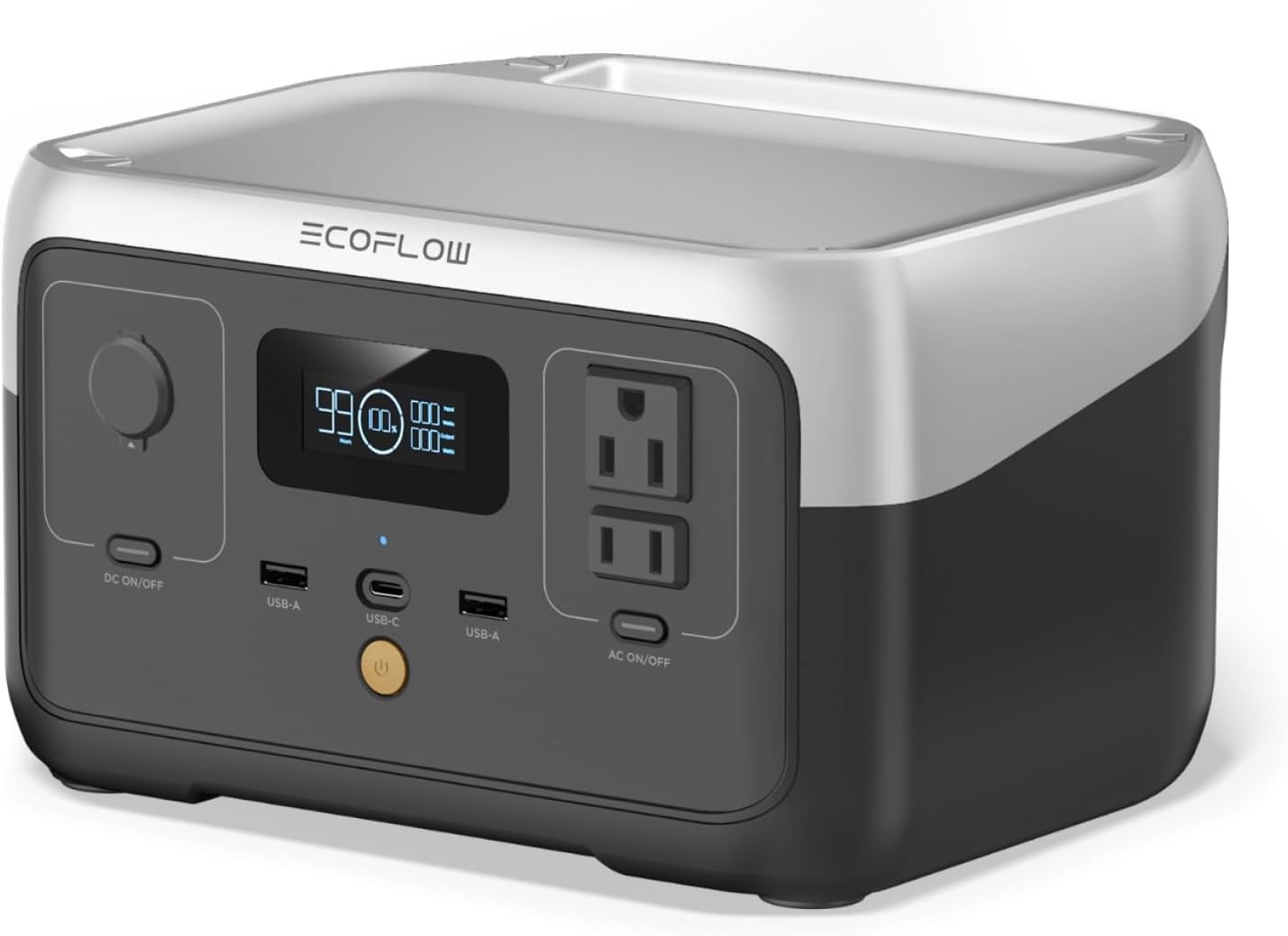
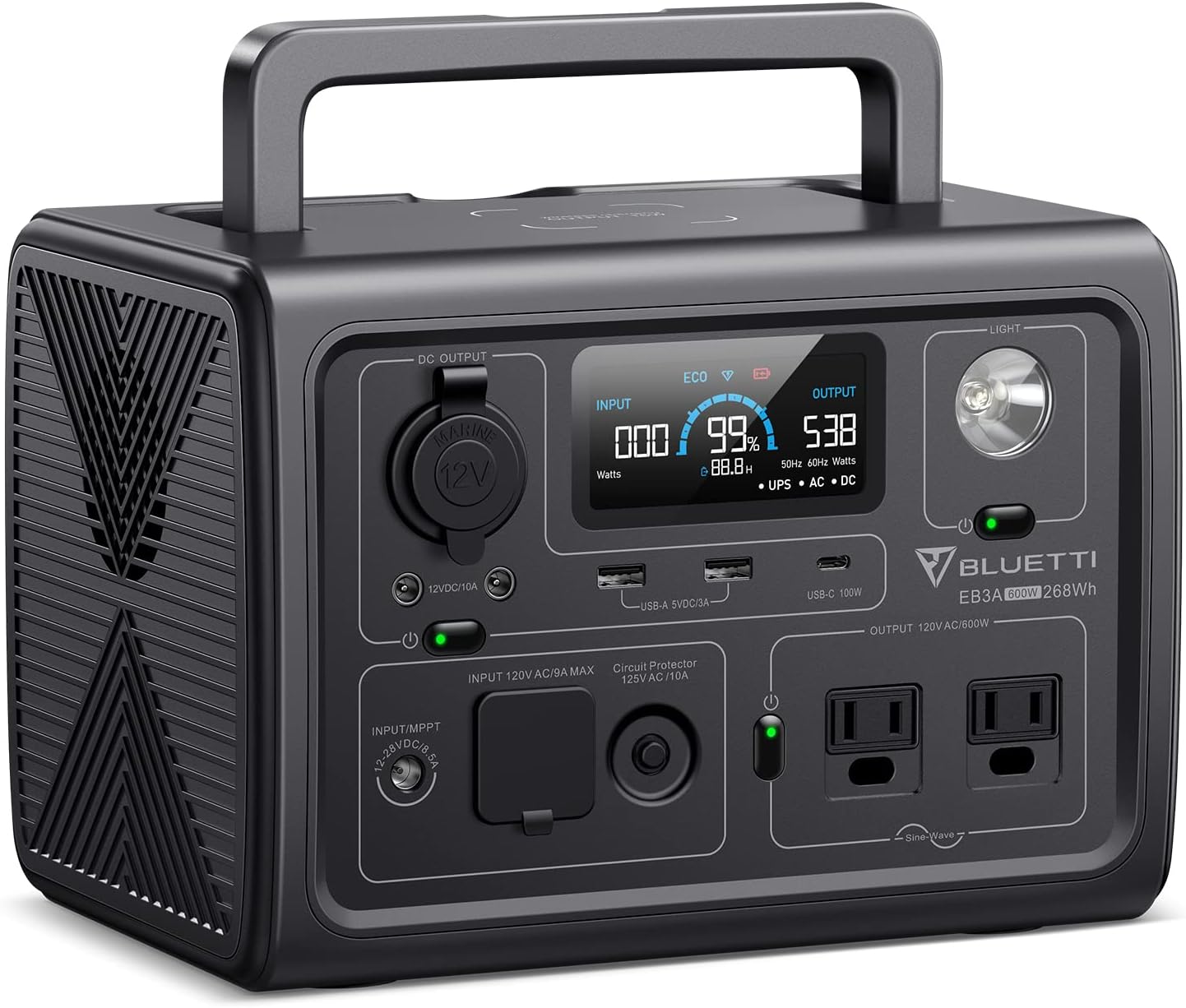
Prices and availability may vary — tap any product to check the current listing.
Still comparing? Our reviews of the EcoFlow RIVER 2 and the BLUETTI EB3A cover the two closest rivals in this class.
What to Look For in a Portable Power Station
Watt-hours alone don’t tell you whether the box in your garage can keep your phone alive and your cooler humming. Here’s what actually separates the keepers from the expensive paperweights.
Capacity: buy for your real outage, not the apocalypse
Watt-hours are the first number everyone fixates on, and the first one most people misjudge. A 300Wh-class station like the Explorer 300 Plus comfortably recharges a laptop several times over, runs a portable fridge for hours, or keeps phones and lights going for a full weekend of camping.
But here’s the trade-off the product photos skip: every extra watt-hour adds weight and cost. A 1kWh unit sounds reassuring until you’re lugging 25+ pounds to a campsite. And honestly? Most outages last hours, not days. Most camping trips need phones, lights, and a laptop — not a washing machine. Buying double the capacity “just in case” is how you end up with a station that lives in the garage because it’s too heavy to move.
Undersize it and you’ll watch the battery percentage like a hawk. Oversize it and it becomes furniture. The 300Wh class is the honest middle for most people.
Battery chemistry: LiFePO4 changed the math
This is the single biggest quality divider in the category right now. Older stations used standard lithium-ion cells; newer ones like the 300 Plus use LiFePO4 (lithium iron phosphate), which handles far more charge cycles before degrading. In plain terms: the battery stays healthy for years of regular use instead of fading after a couple of seasons.
There’s a reason this matters more than raw capacity. A cheap high-capacity station with older chemistry can end up holding less usable power than a smaller LiFePO4 unit after two years. When you’re comparison shopping, chemistry is the spec that predicts the future. It’s also why the reputable brands all moved to LiFePO4 — it was the right call, and the holdouts are telling on themselves.
Still, no chemistry defies physics. All batteries degrade eventually, and extreme heat is the enemy regardless of type. Store it somewhere reasonable and it’ll return the favor.
Output ports and wattage: count what you’ll actually plug in
The 300 Plus offers 300W of AC output plus dual 100W USB-C ports — and that second part is the sleeper feature. Modern laptops, drones, and camera batteries charge fastest over USB-C PD, and having two high-wattage ports means no daisy-chaining dongles at the campsite.
300W of AC covers the realistic list: laptops, phone chargers, LED lights, small fans, a portable fridge, CPAP machines. What it won’t do is run heating elements — kettles, hair dryers, space heaters are all off the table at this size. That’s not a flaw; it’s physics. Anyone promising 300W to boil your kettle is selling magic beans.
Check your must-run devices before buying anything. Add up their watts, leave headroom, and be honest about the kettle.
Charging speed: the spec you’ll feel every single trip
Here’s a truth the glossy reviews bury: a power station is only as convenient as its recharge time. A unit that takes eight hours to refill from a wall outlet becomes a planning chore; one that tops up in a couple of hours just… fits into your life. You plug it in after breakfast and it’s ready by lunch.
Solar input matters too, but keep expectations honest. A 100W panel in real-world sun delivers far less than its label for part of the day, and clouds don’t care about your itinerary. Solar extends your runtime meaningfully — it rarely replaces wall charging entirely on a short trip. Think of panels as a range extender, not a gas station.
The honest test: can you go from empty to usable during a lunch stop? If yes, the station disappears into your routine. If no, you’ll resent it.
Weight and portability: the gym membership test
A power station you won’t carry is a power station you won’t use. The 300Wh class generally lands in the genuinely portable zone — light enough to carry one-handed from car to tent, compact enough to ride in a trunk without a Tetris championship.
This is where the bigger-is-better instinct backfires hardest. I’ve seen people buy 1kWh+ units for “camping” and then leave them home because loading them feels like moving furniture. The best power station is the one that actually makes it into the car. Every. Single. Time.
Matching the Power Station to Your Life
Forget the spec-sheet arms race. The right station is the one that fits how you actually lose power — or leave the grid. See which of these sounds like you.
The weekend camper
Friday afternoon, car packed, cooler loaded. You need phones charged, camp lights glowing, maybe a portable fridge humming and a laptop for an evening movie. A 300Wh station covers a two-night trip comfortably, especially paired with a small solar panel for daytime top-ups. The weight stays manageable, the setup takes seconds, and teardown is just… unplug and go. This is the use case the 300Wh class was born for.
The outage prepper
You’re not building a bunker; you just hate sitting in the dark. Short outages — the four-to-eight-hour kind — are where a 300Wh station shines: router and phones stay alive, a lamp keeps the room usable, the CPAP runs through the night. The trade-off? It won’t carry a full-size refrigerator through a multi-day blackout. For that you need to step up a class or two. But for the outages most of us actually experience, this tier is the rational buy.
How the Tiers Compare
Portable power stations cluster into clear tiers. Knowing where the 300Wh class sits — and what you’d gain or lose by moving — is the fastest route to a confident buy.
| Type / Tier | Best For | Price Tier | Key Feature | Watch Out |
|---|---|---|---|---|
| Mini stations (~100Wh) | Phones and small gadgets | Budget-friendly | Pocketable, airline-friendly sizes | Won’t run laptops long or any AC appliance of substance |
| 300Wh class (300 Plus tier) | Camping, short outages | Mid-range | LiFePO4 longevity, true portability | No heating elements; limited for multi-day fridge duty |
| 500–600Wh class | Longer trips, CPAP + fridge | Mid-range to premium | Overnight-everything capability | Noticeably heavier; overkill for phone-and-lights trips |
| 1kWh+ class | Home backup, RVs | Premium | Runs full-size appliances, expandable | Heavy, pricey, needs a dolly — not a camping companion |
Mini stations are great phone bricks with delusions of grandeur — fine for gadgets, useless the moment you need real AC power.
The 300Wh class, where the Explorer 300 Plus lives, is where the value curve peaks for most buyers: enough capacity for real needs, light enough to actually carry, with modern LiFePO4 cells that last.
The 500Wh tier makes sense if a portable fridge or CPAP must run all night, every night — but you’re paying in both money and kilograms for capacity you’ll only sometimes tap.
1kWh+ units are home-backup appliances that happen to have handles. Superb at their job, miserable to haul to a tent.
Car Camping? Here’s the Real-World Math
Two nights, two people, one cooler. Phones need topping up, the camp lights run four hours each evening, someone wants to charge a laptop for a movie. Add it up and you’re looking at roughly half to two-thirds of a 300Wh station — comfortable, with margin for a cloudy morning.
Pair it with a 100W-class solar panel and the math gets even friendlier: daytime sun replenishes a meaningful chunk while you hike. You come back to a fuller battery, not an emptier one. That’s the rhythm that makes the system feel infinite, even though it isn’t.
One honest caveat. A portable fridge is the hungriest common campsite load, and in hot weather its compressor works overtime. If the fridge is non-negotiable and the forecast says heat wave, size up or bring the panel. Otherwise you’ll spend the trip doing battery arithmetic instead of relaxing.
Home Outages: What 300Wh Actually Covers
Let’s be concrete, because vague reassurance helps nobody. A 300Wh station keeps a WiFi router alive for the better part of a day. It charges a phone ten-plus times. It runs an LED lamp all evening and still has room for a laptop work session. A CPAP without the heated humidifier sips power gently through the night.
What it won’t do: keep a full-size fridge cold indefinitely, run a microwave, or power anything that heats. During a real outage, the winning strategy is triage — phones, lights, communications, medical devices first. The station is a lifeboat, not a generator. Used that way, it’s genuinely excellent.
Common Mistakes Buyers Make
1. Buying watt-hours instead of buying a use case
The most expensive power station is the one that stays in the garage. People buy 1kWh+ units for “camping,” then discover the weight means it never leaves home. Start from what you’ll actually power, on a real trip, and buy the smallest station that covers it with margin. Your back will thank you.
2. Ignoring battery chemistry
Two stations can both say “300Wh” while living completely different lives. Older lithium-ion cells fade noticeably after a few hundred cycles; LiFePO4 cells keep going for thousands. A cheaper station with dated chemistry can cost you more per year of useful life. Always check the chemistry before the capacity.
3. Forgetting about recharge time
Everyone obsesses over how long the battery lasts and nobody asks how long it takes to refill. A station that needs all day on a wall outlet becomes a logistics problem; one that recharges in a couple of hours just works. Solar input ratings deserve the same skepticism — real sun, real angles, real clouds.
4. Expecting it to replace a gas generator
A portable power station is silent, fume-free, and wonderful — and it is not a 3000W gas generator. Heating elements, power tools, and full-size appliances belong to a different class entirely. Buy the station for electronics and small appliances, and you’ll love it. Buy it to run your workshop and you’ll blame the wrong thing.
Questions People Ask Before Buying
These are the questions shoppers actually type into search and AI assistants when they’re close to buying. Straight answers, no fluff.
Is a 300Wh power station enough for camping?
For most two-to-three-day trips, yes. A 300Wh station comfortably handles phones, camp lights, a laptop, and even a portable fridge for a weekend — especially if you top up with a small solar panel during the day. It falls short only if you’re running power-hungry gear like electric kettles or multiple large appliances. Match the station to your actual load list and you’ll rarely feel constrained.
Jackery vs EcoFlow vs BLUETTI — which should I buy?
All three make proven 300Wh-class stations, so choose by priority. Pick the Jackery Explorer 300 Plus for LiFePO4 longevity and dual 100W USB-C ports. Pick the EcoFlow RIVER 2 if the fastest possible wall recharging matters most to you. Pick the BLUETTI EB3A if you want the highest AC output in this size class. Day-to-day reliability is close across all three — this is a features decision, not a quality gamble.
How long will a portable power station battery last?
With LiFePO4 chemistry, expect thousands of charge cycles before noticeable degradation — for most users, that’s many years of regular weekend use. Older lithium-ion stations fade much sooner. The practical advice: buy LiFePO4, avoid storing the unit fully depleted for months, and keep it out of extreme heat. Do that and the battery will outlast your enthusiasm for upgrading.
Can a portable power station run a refrigerator?
A portable 12V camping fridge, yes — that’s one of the best uses for a 300Wh station, and it’ll run for many hours. A full-size household refrigerator is a different story: it draws far more power, especially at compressor startup, and a 300Wh unit can only bridge short stretches. For multi-day home backup of a full fridge, you need to step up to the 1kWh class or beyond.
Are portable power stations safe to use indoors?
Yes — that’s one of their biggest advantages over gas generators. Battery stations produce no fumes, no carbon monoxide, and run silently, so they’re safe inside tents, RVs, and homes. The normal precautions still apply: don’t puncture or crush the unit, keep it dry, and don’t cover it while it’s working hard. But the indoor-safety question is exactly why so many people switched from generators in the first place.
Why, How, What: Quick Answers
Why does battery chemistry matter more than brand?
Because chemistry determines how the station ages, and aging is where cheap units reveal themselves. LiFePO4 cells tolerate thousands of cycles; older chemistries fade after hundreds. Two identically sized stations can diverge wildly by year three. Brands matter for support and build quality, but chemistry is the physics underneath — and physics always wins eventually. When comparing, check the cell type first and the logo second.
How do you size a power station for your needs?
List what you’ll actually run, note each device’s watts, and estimate hours of use — then multiply and add margin. A laptop at 60W for three hours is 180Wh; phones and lights are rounding errors by comparison. The fridge, if you bring one, dominates the math. Most campers land in the 200–400Wh zone, which is exactly why the 300Wh class exists. When in doubt between two sizes, remember that weight is the tiebreaker you’ll feel every trip.
What can you recharge with a 100W solar panel in a day?
In good sun, a 100W panel realistically replenishes roughly a third to half of a 300Wh station over a full day — less with clouds, bad angles, or partial shade. That’s genuinely useful: it extends a weekend trip meaningfully and can keep up with light loads like phones and lights indefinitely. What it won’t do is fully refill a depleted station while you’re also drawing power. Treat solar as a range extender that stretches your weekend, not a wall outlet replacement.
Frequently Asked Questions
Can the Explorer 300 Plus charge while it’s powering devices?
Yes, pass-through charging works — you can recharge the station from a wall outlet or solar panel while it powers your gear. Just know that doing both at once generates more heat and slows the net recharge. For the fastest refill, let it charge undisturbed. In practice, most people only notice this on solar, where every watt counts.
Is 300W of AC output enough for a laptop and phone together?
Easily. A laptop typically draws well under 100W and a phone under 20W, so you’ve got comfortable headroom. The 300W ceiling only becomes relevant with heating elements or motor-driven appliances — kettles, hair tools, power drills. For electronics, which is what most people actually plug in, 300W is plenty.
How heavy is it to carry on a camping trip?
It sits in the genuinely portable zone — light enough to carry one-handed from the car to the campsite without a second thought. That’s the whole point of the 300Wh class: it actually makes it into the car every time. Compare that with 1kWh+ units, which many owners admit they leave behind because loading them feels like a chore.
Can I take it on an airplane?
No — at around 300Wh it’s well over the 100Wh limit airlines set for carry-on batteries, with no realistic path to an exception. This is a car-camping and home-backup device, not a fly-with-it one. If you need power on planes, that’s what the sub-100Wh mini station tier is for.
Does it work with third-party solar panels?
Generally yes, as long as the panel’s voltage falls within the station’s solar input range and you have the right adapter cable. The station doesn’t care whose logo is on the panel — it cares about volts and amps. That said, matching brands usually means plug-and-play cables and fewer adapter headaches, which is worth something on a windy hillside.
How long can it run a CPAP machine overnight?
With the heated humidifier and heated tube turned off, most CPAP machines sip power gently enough for a full night on a 300Wh station, often with room to spare. Turn the heating features on and consumption jumps dramatically — that’s the difference between one night and a partial one. Check your machine’s draw without heat for the real number.
Not sure what fits your setup? Our what size portable power station you need walks through the real-world math.
Final Recommendation
So, is the Jackery Explorer 300 Plus worth it? For campers, outage preppers, and mobile workers who need reliable power in a genuinely portable package — yes, and it’s the tier where the decision is easiest. The LiFePO4 battery means it’ll still be healthy years from now, the dual 100W USB-C ports cover modern gear beautifully, and the weight means it’ll actually leave the house with you.
Skip it if your reality involves multi-day whole-fridge backup or power tools — that’s 1kWh territory, no way around it. But for the phones, laptops, lights, and portable fridges that make up real-world use, the 300Wh class is the rational buy. Size for your actual trips, respect the 300W ceiling, and it’ll pay you back every time the grid blinks.
Decision Tree: Should You Buy It?
→ Mainly camping, short outages, mobile work? Yes → strong candidate.
→ Need to run heating elements or power tools? Yes → step up to a much larger class.
→ Want the fastest possible recharge above all? Look closely at the EcoFlow RIVER 2’s charging speed.
→ Just charging phones on day hikes? A mini station is cheaper and lighter.
Key Takeaways
• The 300Wh class is the sweet spot for camping and short outages — enough for real needs, light enough to carry.
• LiFePO4 chemistry is the spec that predicts the future; it outlasts older cell types by years.
• Size for your actual device list, respect the 300W AC ceiling, and treat solar as a range extender.

