
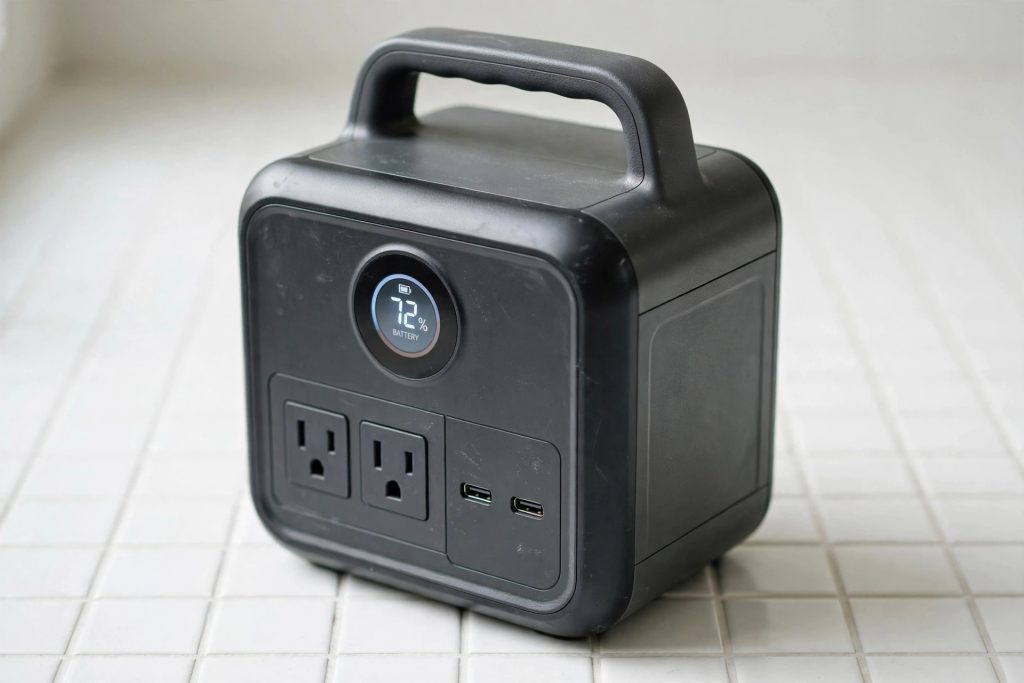
EcoFlow RIVER 2 Review: 256Wh LiFePO4 with 1-Hour Fast Charging
The EcoFlow RIVER 2 is the smallest member of the RIVER lineup, and it might be the most interesting one of the bunch. Most people shopping for a portable power station get stuck between “too small to matter” and “too heavy to carry” — the RIVER 2 lands in that narrow sweet spot. This review walks through what its 256Wh LiFePO4 battery actually covers on camping trips and during short outages, who should buy it, and where it falls short. Short version: it’s the fastest-charging small station in its class, and that single trait changes how you use it.
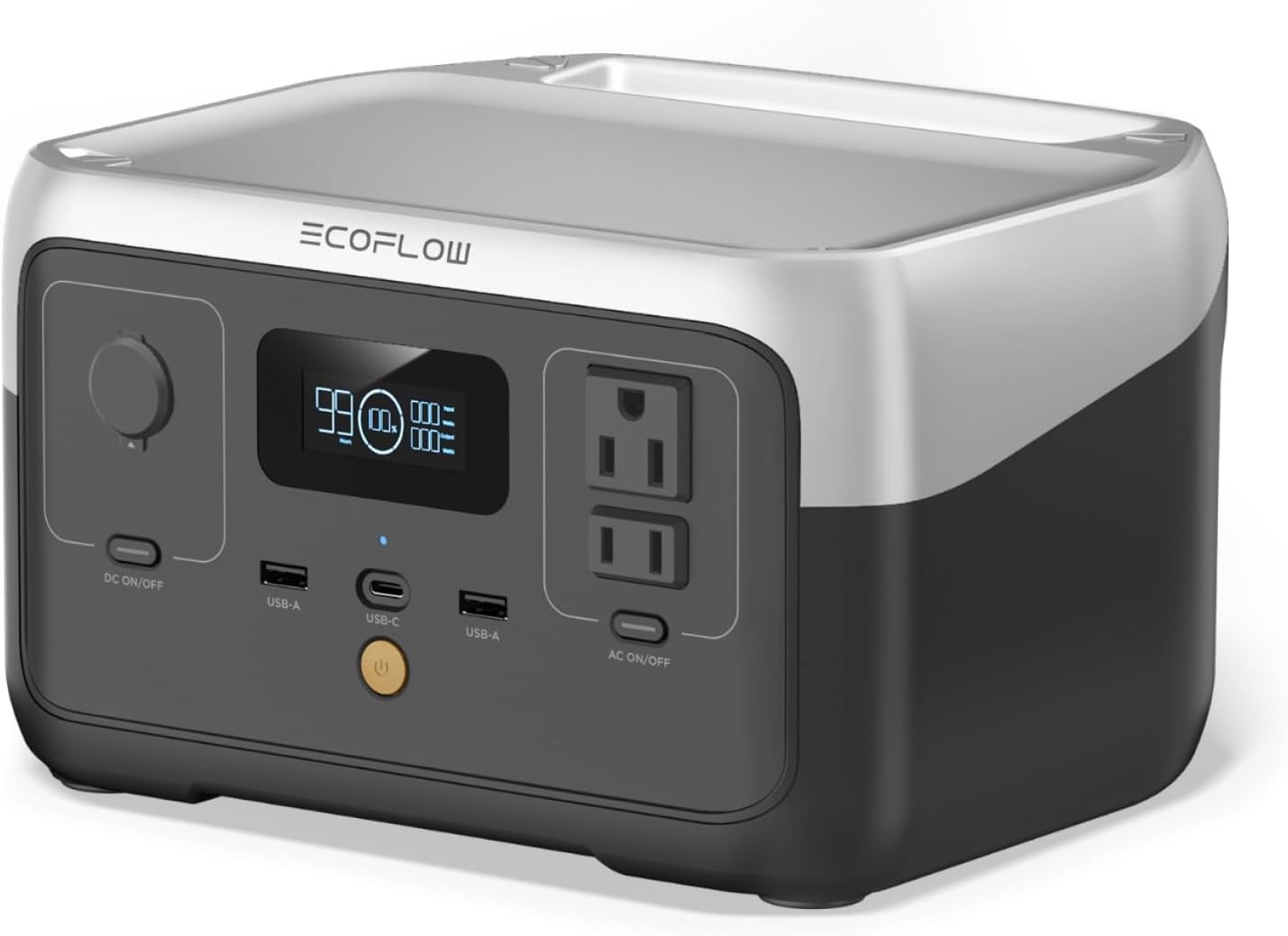
Quick Answer
The EcoFlow RIVER 2 is the pick for anyone who values fast recharging above everything else in a small power station. Its wall charging refills the 256Wh battery in about an hour — dramatically quicker than most rivals — while the LiFePO4 cells promise years of regular cycling. The trade-off: 300W of AC output and a modest capacity, so it’s a sprint specialist, not a marathon runner.
Compare Top Portable Power Stations
Three proven picks side by side — choose the one that fits your needs.
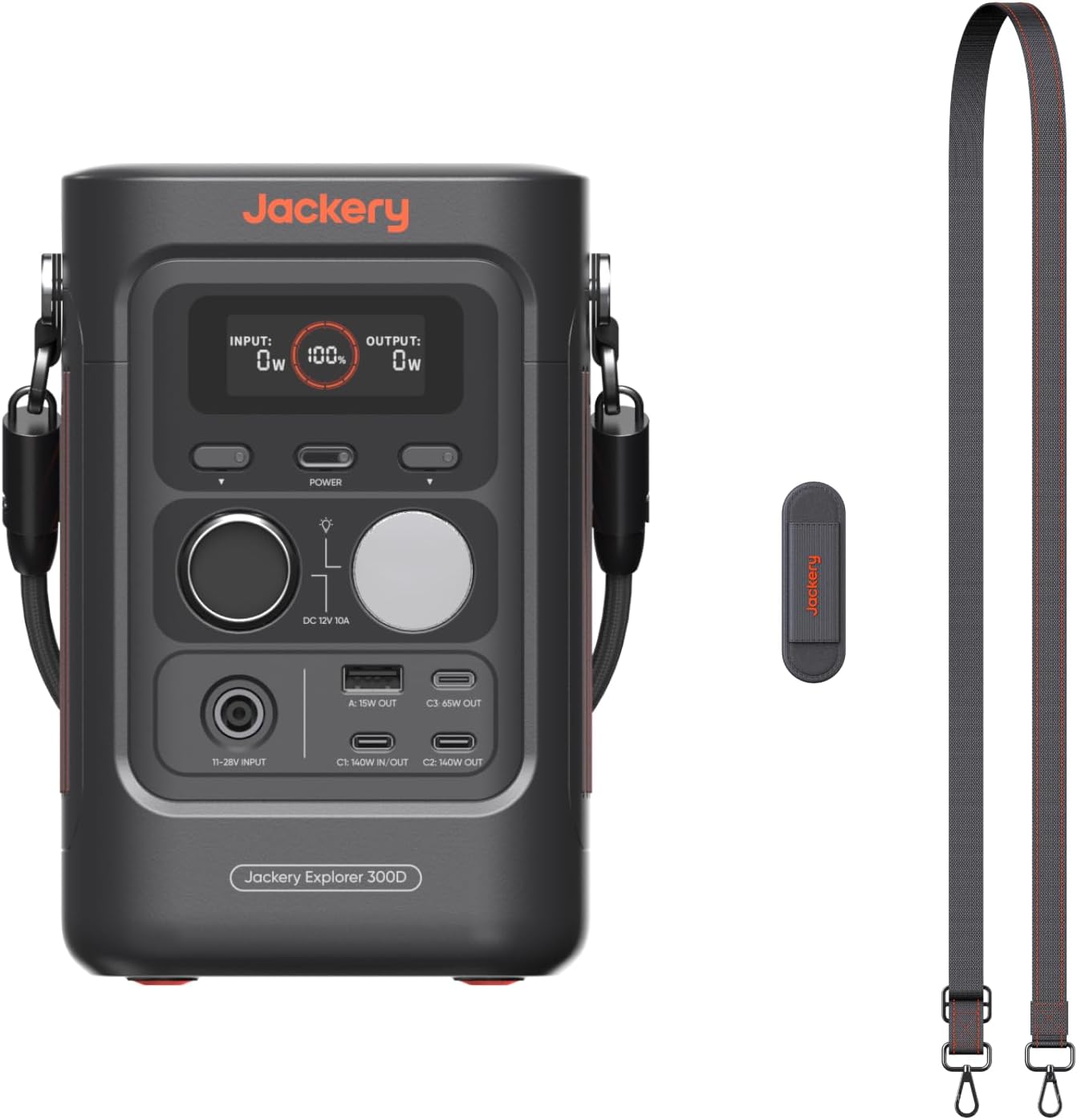
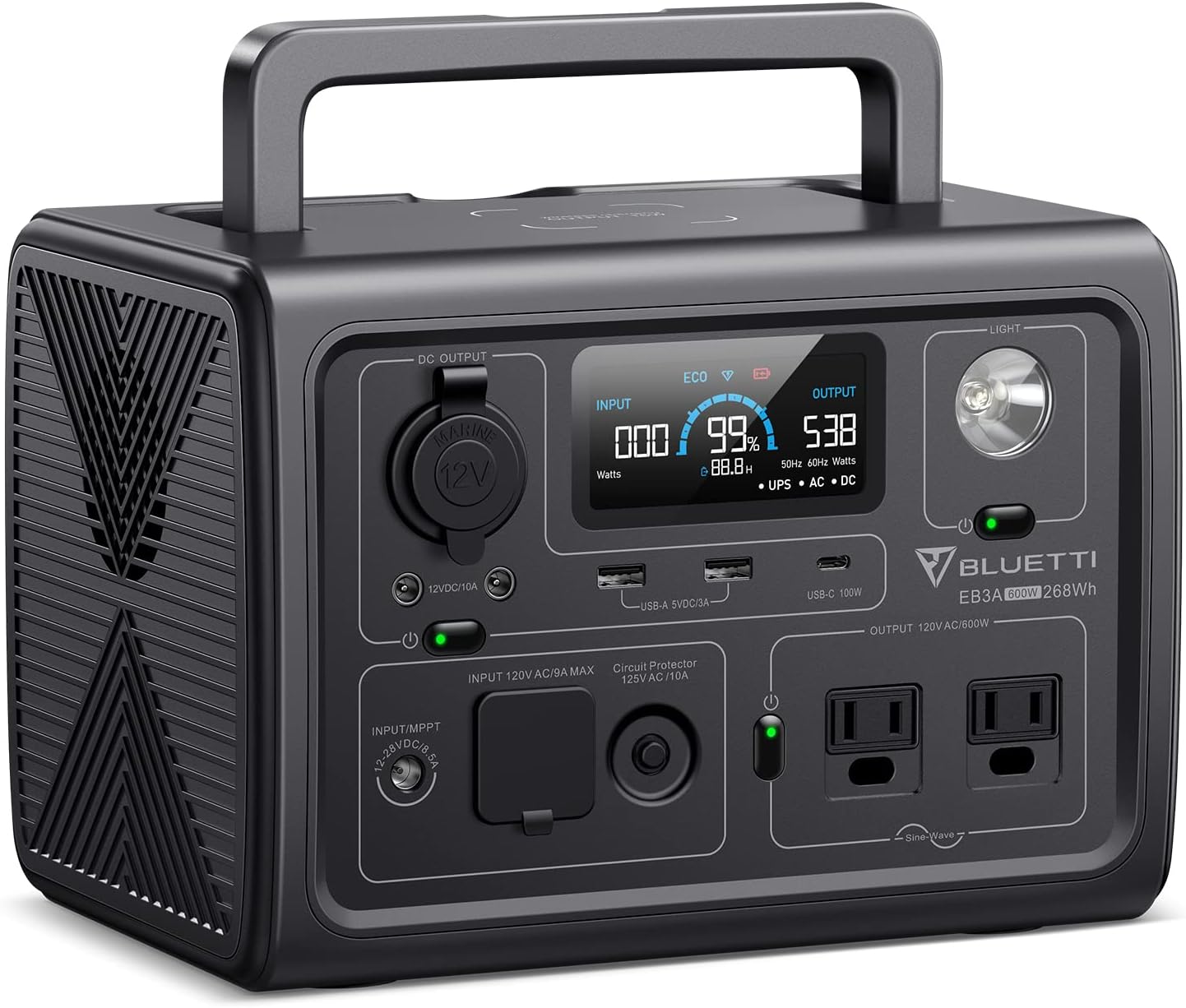
Prices and availability may vary — tap any product to check the current listing.
Still comparing? Our reviews of the Jackery Explorer 300 Plus and the EcoFlow RIVER 3 cover the two closest rivals in this class.
What to Look For in a Portable Power Station
Spec sheets list watt-hours and watts. They don’t tell you which numbers matter at 11pm in a tent. Here’s what actually decides whether you’ll love the thing or quietly resent it.
Capacity: what 256Wh means in plain English
Think of watt-hours as the size of your fuel tank. 256Wh won’t keep a full-size refrigerator alive through a weekend — anyone promising that is selling something. What it will do: recharge a phone roughly 15–20 times, run a laptop for several hours, or keep a portable fridge humming through a night and into the next morning.
The classic mistake is buying capacity for a fantasy outage instead of your real weekend. List the five devices you’d actually plug in, add a margin, and buy to that list. Oversized stations sit in closets; right-sized ones get used. The RIVER 2 is built for the second kind of buyer.
Battery chemistry: LiFePO4 changed the math
Here’s the spec that predicts the future better than any other: lithium iron phosphate (LiFePO4) cells. Older lithium-ion stations in this size class typically degrade noticeably after a few hundred cycles. LiFePO4 cells last dramatically longer — thousands of cycles before serious capacity loss. That’s the difference between a station you replace in three years and one you hand down.
For a station cycled hard — charged Friday, drained all weekend — chemistry matters more than brand. The RIVER 2’s LiFePO4 pack fits that pattern, and it’s more thermally stable too. Reassuring if it lives in a hot car trunk in July.
Charging speed: the RIVER 2’s whole personality
Most small power stations take three to five hours to refill from a wall outlet. The RIVER 2 does it in about an hour. That sounds like a party trick until you’ve lived with it. Arrive at a campsite with a dead station, plug in while you set up the tent, and you’re nearly full before dinner. During a rolling outage, that hour-long window might be your only chance at wall power all day.
The honest trade-off: speed comes from a beefy internal charger, and some buyers worry about long-term cell stress. LiFePO4’s tolerance for fast cycling is why this pairing works — it’s designed, not hacked. Still, when you’re not in a hurry, slower overnight charging is free insurance.
AC output: what 300W can and can’t do
The RIVER 2’s AC inverter tops out around 300W, which covers laptops, phone chargers, cameras, CPAP machines, portable fans, and LED lights without breaking a sweat. It will not run a microwave, a full-size electric kettle, or a space heater. Those devices pull four to eight times its limit.
If your load list is electronics and small comforts, 300W is plenty — a smaller inverter runs cooler and sips power efficiently. If you want to boil water electrically at camp, step up a class (the BLUETTI EB3A’s 600W is the obvious comparison). Know your list before you buy.
Ports: count what you’ll actually plug in, not what’s printed on the box
Marketing loves port counts. Reality loves the right ports. The RIVER 2 carries AC outlets, fast USB-C, USB-A, and a 12V car socket — the four families that cover basically everything a camper or outage prepper owns. Two people charging phones plus a laptop plus a string of camp lights? Covered.
Cheap stations pad the count with weak USB-A ports you’ll never touch. Here the mix is sensible, with fast USB-C doing the heavy lifting. Still own lots of legacy USB-A gear? Bring your own adapters — no station fixes that drawer.
Weight and portability: the under-eight-pound reality
At well under eight pounds, the RIVER 2 is genuinely one-hand carry. That matters more than people expect. A 20-pound station technically “goes camping” — it rides in the trunk and stays in the trunk. A seven-pound station gets carried to the picnic table, the tent, the tailgate, the neighbor’s porch during an outage.
Portability is the most underrated feature here. I’ve seen people overspend on capacity, then leave the heavy box home because it’s a pain to move. Buy the station you’ll actually carry.
Match the RIVER 2 to Your Life
Specs are abstract. Lives aren’t. Here’s who the RIVER 2 fits — and who should keep shopping.
The fast-turnaround camper
You camp most weekends from spring through fall, and your Friday routine is chaotic: leave work, throw gear in the car, realize the station is at 20%. The RIVER 2 was built for this exact person. An hour on the wall charger while you pack, and you’re rolling with a full tank.
On site it runs the essentials — phones, laptop, lights, fan — without drama, and the light weight means it actually leaves the car. Solar top-ups stretch a weekend nicely. An electric cooler? Fine overnight. A kettle at dawn? Not on 300W.
The apartment outage prepper
You live in an apartment, so a gas generator is out of the question — your building, your neighbors, and basic fire safety all say no. You need something quiet, fume-free, and small enough to live in a closet. During a blackout, the RIVER 2 keeps your phone alive, powers a laptop for remote work, and runs a few LED lights. That’s the realistic apartment survival kit.
The one-hour recharge is the killer feature here. When the grid flickers back for ninety minutes then dies again, slow-charging stations fail you — the RIVER 2 grabs the whole window. Multi-day fridge backup, though? Be honest: you need a bigger class, or a cooler full of ice.
How the Tiers Compare
Small stations aren’t one product — they’re four different answers to four different questions. Pick the tier, then pick the model.
| Tier | Best For | Price Tier | Key Feature | Watch Out |
|---|---|---|---|---|
| Mini stations (under 100Wh) | Day hikes, phone top-ups, ultralight kits | Budget | Tiny and featherweight | Can’t run a laptop or anything with a plug |
| 256–300Wh class (RIVER 2’s home) | Weekend camping, short outages, mobile work | Mid-range | Real AC outlets in a carryable box | 300W ceiling; one heavy appliance at a time |
| 500–1000Wh class | Multi-day trips, serious outage backup | Upper mid-range | Runs a fridge overnight comfortably | Heavy — trunk-dweller, not a carry |
| 1500Wh and up | Home backup, RV life, off-grid cabins | Premium | Near-generator capability, silently | Price and weight of a small appliance |
Minis are phone chargers with ambition — fine for trails, useless for real campsite loads. The 256–300Wh class is where value peaks: enough power to matter, light enough to move. The 500–1000Wh tier is the “stop worrying” tier, but you’ll feel every pound. The big boxes impress right up until you lift one into a car.
Weekend Camping? How Far 256Wh Really Goes
Let’s do the math the way a camper would. Friday night: two phones (roughly 15Wh each to fully charge), a laptop for a movie (50–60Wh), a string of LED camp lights (10Wh over the evening), and a portable fan on low (15–20Wh). Total: around 110Wh. You’ve used less than half the tank.
Saturday: phones again, camera batteries, the fan. A modest solar panel replaces a big chunk of daytime use. Sunday coffee? A 12V car kettle sips slowly and works; a 1000W electric kettle laughs at your 300W inverter. Plan around it.
Bottom line: for electronics-heavy camping, 256Wh covers a long weekend with solar help. For appliance-heavy camping, it doesn’t. Match the station to the trip you actually take.
Home Outages: The One-Hour Recharge Advantage
Outages come in two flavors: the clean multi-day blackout, and the messy rolling kind where power blinks back for an hour or two at a time. The RIVER 2 is oddly perfect for the second flavor and merely okay for the first.
During a rolling outage, a slow-charging station is a tragedy — the grid returns for 90 minutes and your station, needing four hours, barely sips. The RIVER 2 drinks the whole window. Phone, laptop, lights, router: all covered, then recharged before the next blackout. It’s the only small station I’d describe as “opportunistic.”
For a straight multi-day outage, 256Wh is a bridge, not a destination — a day or two of communications and laptop with careful rationing. Buy for the outage you get most often, not the once-a-decade ice storm.
Common Mistakes Buyers Make
1. Buying watt-hours instead of buying a use case
The classic error: maxing out capacity “just in case,” then owning a 40-pound box that never leaves the garage. Write the device list first. A station you carry beats one you store.
2. Ignoring battery chemistry
Two stations can share a watt-hour number and live completely different lives. An older-chemistry unit cycled every weekend fades within a couple of years; LiFePO4 keeps going. Check chemistry before you check the price tag.
3. Forgetting about recharge time
Everyone obsesses over drain speed; nobody asks about refill speed. Then the outage hits and the owner discovers their “backup” needs five wall hours they don’t have. Know the full recharge time from empty — it’s the number you’ll feel most.
4. Expecting it to replace a gas generator
A 256Wh station is not a generator. It won’t run your well pump or central air. What it does — silent, indoor-safe, instant-on power for small loads — a generator does badly. Different tools; stop grading it on generator homework.
Questions People Ask Before Buying
These are the questions shoppers actually type into search and AI assistants when they’re close to buying. Straight answers, no fluff.
Is the EcoFlow RIVER 2 enough for camping?
For electronics-heavy camping — phones, laptops, cameras, lights, a portable fan — yes, comfortably, especially with a small solar panel topping it up by day. It handles a two-to-three-day weekend without strain. It falls short only when the trip centers on electric cooking or heating, which exceed its 300W ceiling. Gadgets over kettles? The capacity is right.
Does the EcoFlow RIVER 2 really charge in one hour?
From a wall outlet, yes — fast AC charging refills the 256Wh battery in roughly an hour, dramatically faster than rivals needing three to five. That speed is the product’s defining trait. Solar and car charging take longer, as with every station. The payoff shows up during rolling outages and rushed Friday departures, where one hour of wall power becomes a full tank.
EcoFlow RIVER 2 vs Jackery Explorer 300 Plus — which should I buy?
Choose the RIVER 2 if recharge speed is your top priority — its roughly one-hour wall charging is in a different league, and it’s a touch lighter. Choose the Jackery Explorer 300 Plus for a bit more capacity and dual fast USB-C ports, if you don’t mind a slower refill. Both use long-lasting LiFePO4 cells, so it comes down to speed versus capacity.
Can the EcoFlow RIVER 2 run a refrigerator?
A portable 12V car fridge, yes — for roughly a night, since those sip power modestly. A full-size household fridge, no — the startup surge exceeds the 300W inverter and 256Wh wouldn’t last anyway. Overnight camp cooler? Solid fit. Multi-day home fridge backup? Step up a class.
How long will the EcoFlow RIVER 2 battery last?
The LiFePO4 cells are rated for thousands of cycles before significant capacity loss — many years of weekend-style use, far longer than older lithium-ion stations this size. Lifespan depends on cycling intensity and storage (cool, partially charged, not baking in a trunk all summer). Charged weekly, it’ll likely outlast your camping gear refresh cycle.
Why, How, What: Quick Answers
Why is fast charging such a big deal on a small station?
Because small stations get used in bursts, and bursts create urgency. Drain it all weekend, need it full before the next trip — or the grid flickers back for an hour and that’s your only window. Five hours to refill misses those windows; one hour catches them. That’s a lifestyle difference, not a spec difference.
How do you size a power station for a weekend trip?
List every device, estimate each one’s watt-hour appetite (phone ~15Wh, laptop ~60Wh, portable fridge ~40Wh overnight), multiply by days, subtract what solar replaces, add a 30% margin. Under 200Wh? The RIVER 2 covers it. At 400Wh you’re in the wrong tier — buying bigger beats buying twice.
What can you NOT run on the EcoFlow RIVER 2?
Anything with a heating element or big motor: kettles, microwaves, space heaters, hair dryers, full-size power tools — 800–1500W, multiples of the 300W ceiling. Also: several medium loads at once. Laptop plus fridge plus fan is fine; add a fourth hungry device and you’ll trip the inverter.
Frequently Asked Questions
Can I use the EcoFlow RIVER 2 while it’s charging?
Yes — you can run devices while it refills from the wall. Simultaneous charging and discharging generates more heat and slows net recharge, so for the fastest refill let it charge undisturbed. For keeping a laptop alive during a workday outage, pass-through is exactly what you want.
Can I charge the RIVER 2 with solar panels?
Yes, through its DC port — a 100–160W panel makes a genuinely useful weekend setup. A full solar recharge takes several hours of good sun; solar is a range extender here, not a fast charger. Drain at night, refill by afternoon. Just keep any third-party panel’s voltage within the station’s input range.
Is the EcoFlow RIVER 2 safe to use indoors?
Yes — no fumes, no carbon monoxide, no fuel to store, and nearly silent apart from a small fan under heavy load. LiFePO4 is more thermally stable than older lithium-ion types. Still: keep vents clear, don’t bury it under blankets, don’t charge it on a flammable surface.
Does the RIVER 2 have a UPS mode for my computer?
Not a true UPS — no near-instant switchover. If keeping a desktop or network gear alive through flickers matters, look at stations with an explicit UPS function (the BLUETTI EB3A is the natural comparison). For laptops with their own batteries, the distinction barely matters.
What’s the difference between the RIVER 2, RIVER 2 Max, and RIVER 2 Pro?
Same family, three sizes: the 256Wh ultralight, the Max with more capacity and output, the Pro for multi-day use. All share fast-charging DNA and LiFePO4 chemistry. Pick the smallest one covering your device list — most campers land on the base RIVER 2.
How heavy is the EcoFlow RIVER 2, really?
Well under eight pounds — a genuine one-hand carry from car to campsite. That weight is a big part of why the RIVER 2 gets used instead of stored. If portability ranks high, few in this class beat it.
Not sure what fits your setup? Our sizing guide for portable power stations walks through the real-world math.
Final Recommendation
Buy the EcoFlow RIVER 2 if fast recharging matters more than maximum capacity. That’s the whole decision in one sentence. Chaotic-schedule campers, apartment dwellers prepping for rolling outages, anyone who needs a station ready on short notice — this is your station.
Look elsewhere if your list includes heating appliances or multi-day fridge backup — no 256Wh box does that; the honest move is a bigger tier. But for “phones, laptop, lights, fan, and peace of mind,” one-hour charging plus LiFePO4 longevity plus carry-anywhere weight is hard to beat.
Decision Tree: Should You Buy It?
→ Need a station that’s full again in about an hour? Yes → this is the one.
→ Main loads are phones, laptop, lights, fan, portable fridge? Yes → strong fit.
→ Need to run kettles, microwaves, or heaters? Yes → step up to a higher-wattage class.
→ Need a true UPS for a desktop PC? Look at the BLUETTI EB3A instead.
→ Want more capacity and don’t mind slower charging? Check the Jackery Explorer 300 Plus.
Key Takeaways
• One-hour wall charging is the RIVER 2’s defining trait — it changes when and how you can recharge.
• 256Wh of LiFePO4 covers electronics-heavy weekends and short outages; 300W AC sets the appliance ceiling.
• Under eight pounds means it gets carried, not stored — portability you’ll feel every trip.
• No true UPS mode; desktop backup shoppers should compare the BLUETTI EB3A.

