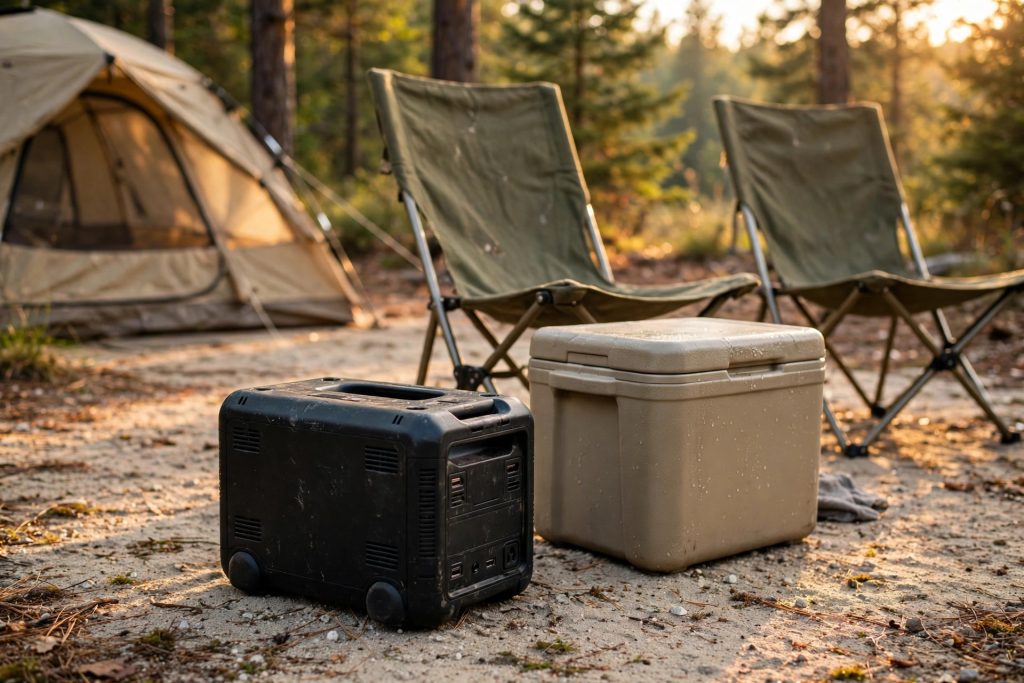
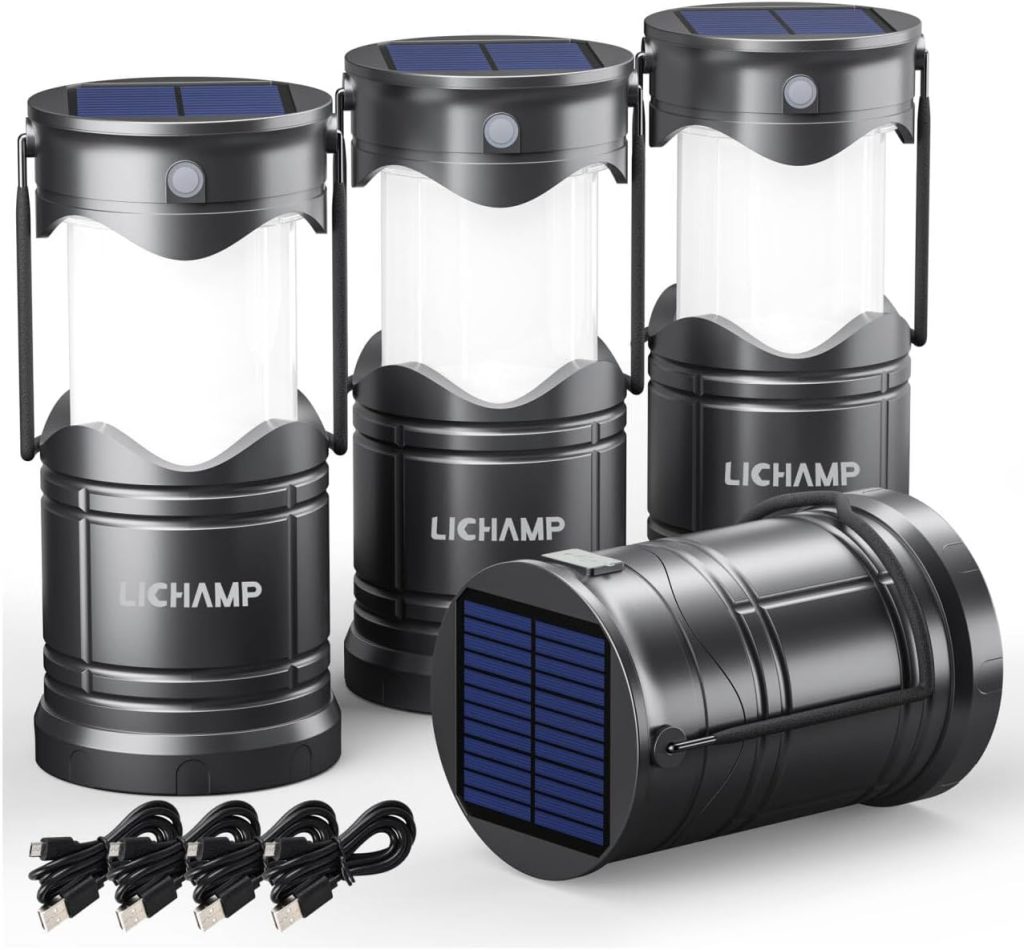
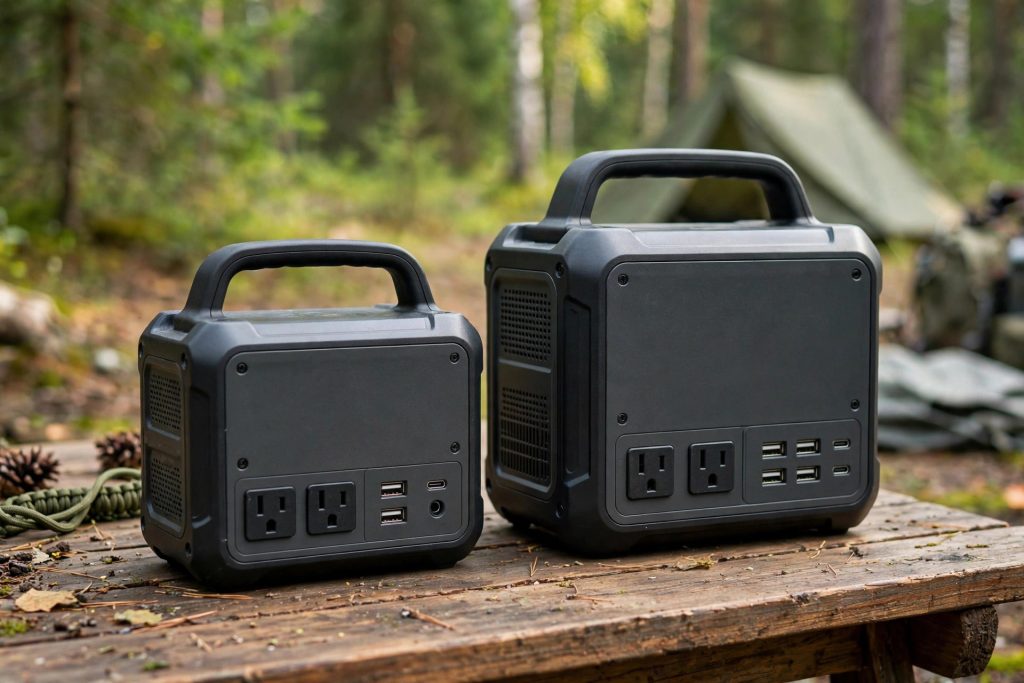
The hurricane warning came on a Wednesday, and by Thursday morning the store shelves were doing the thing they do — water gone, batteries gone, the particular quiet panic of people who waited. I wasn’t panicked. I was annoyed, because I’d been meaning to buy a small power station for exactly this scenario and hadn’t, and now I was doing the math on what I actually needed instead of what the empty shelves were offering. What I needed, it turned out, was small: phones, a router, some lights, a fan. Not a generator. Not a 2,000Wh beast. A box that keeps the small things alive for a couple of days.
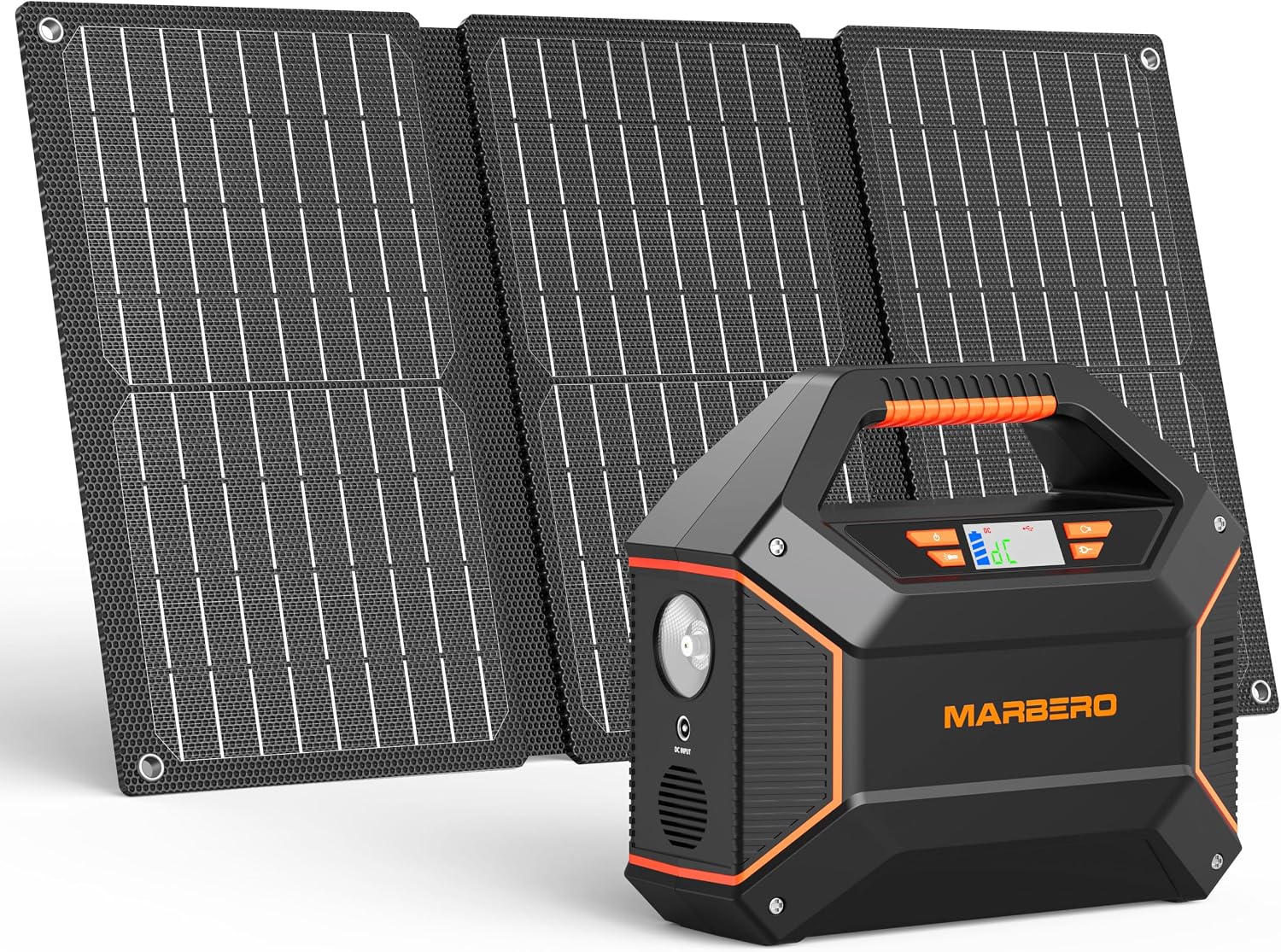
The MARBERO 155Wh with its 30W panel is built for exactly that buyer — the hurricane-prepper, the storm-watcher, the person whose outage plan is “keep the phones alive and the lights on until the grid comes back.” 155Wh. Let’s size it: usable AC power around 124Wh after inverter losses. A phone is 15Wh — eight full charges. A router at 10W runs twelve hours. LED lights at 5W run all night for a week. A small fan at 15W runs eight hours. None of these are impressive individually. Together, they’re the difference between a miserable outage and a boring one. Boring is the goal. Boring means the plan worked.
The 30W panel in the bundle is the part I want to be honest about. Thirty watts, in good sun, realistically 22-24W — and against a 155Wh station, that’s a full recharge in six to seven hours of sun. That’s genuinely fine. The small station and the small panel are correctly matched, which is rare in bundle land — usually the panel is decorative. Here the math works: drain the station overnight on phones and lights, refill it the next day from the panel, repeat. It’s a sustainable cycle, not a countdown. For a two- or three-day outage with decent sun, this loop holds. I checked the arithmetic three times because bundles have trained me to distrust them. The arithmetic held.
Cloudy hurricane days are the caveat, and it’s a real one. The day after a hurricane is often gray — rain bands, cloud cover, the sun taking its time. A 30W panel in heavy cloud makes 3-5W, which is a trickle, not a recharge. So the honest plan: the station covers the first night on a wall charge, the panel stretches day two, and without sun you’re rationing by day three. That’s not a flaw in the product. It’s weather. But it’s the reason the station should be charged from the wall before the storm — the panel is the backup’s backup, not the primary plan. Charge it Tuesday. The storm comes Thursday. That’s the drill.
What the 155Wh class does that bigger stations don’t: it stays charged. A big station is a project — you think about where to store it, you notice its weight, you put off topping it up. A 155Wh box is the size of a lunchbox. It lives on a shelf, it weighs nothing meaningful, and topping it up is plugging in a cable you already own. The best emergency gear is the gear with no friction, because friction is what turns “be prepared” into “I’ll do it tomorrow.” I’ve owned big stations that sat half-charged for months because charging them felt like a task. The small ones stay full because it’s easy. Easy wins.
Actually, ‘easy wins’ is glib — the real reason small stations stay charged is that the cable is already on the shelf, not in a drawer. Friction is physical, not motivational.
The output side: 155Wh stations typically offer 100-150W of AC output, plus USB. That’s phones, laptops (slowly — a 65W laptop brick will drain it in two hours, so plan accordingly), lights, fans, routers, camera batteries. Not a fridge — a fridge’s compressor surge alone would trip it, and even if it didn’t, 155Wh is an hour of fridge. Not heating elements. Not motors. The class boundary is clear and honest: gadgets and lights, not appliances. The listings sometimes don’t — they show the station next to a fridge, in the product photo hall of fame for misleading imagery — but the physics knows, and the physics always wins.
The step-up question comes up immediately: should I just buy bigger? Jackery’s 300 Plus at 288Wh is the next rung — nearly double the tank, 300W output, still very portable. EcoFlow’s RIVER 2 at 256Wh similar. The honest answer depends on your outage: if your outages are overnight-plus-a-day, 155Wh with the panel loop is enough. If they’re multi-day, or if you want to run a laptop all day for work, the 256-288Wh class is the safer buy. I own both sizes now — the small one for the car and the grab-bag, the bigger one for the house. Different tools. The small one gets used more, because small problems are more common than big ones.
A guide to small stations will tell you the same thing the math tells you: match the station to the load list, not the fear. Write down what you’ll actually power — phone, router, two lights, a fan — add up the watt-hours, add 25% margin, and buy that size. Most people’s lists come out under 200Wh for a two-day outage. The fear says buy 1,000Wh. The list says 155. The list is right, and the list costs a third as much. I wish I’d made the list before my first purchase instead of after my third.
Small stations that stay charged
155Wh for the grab-bag, 256-288Wh for the house. Small problems are more common than big ones.
MARBERO 155Wh Solar Generator (30W Panel Kit)
155Wh station bundled with a 30W panel; correctly matched, genuinely sustainable daily cycle.

EF ECOFLOW RIVER 2 Portable Power Station, 256Wh
256Wh LiFePO4, 300W output with surge for small motors, one-hour fast charging.

Jackery Explorer 300D Portable Power Station, 288Wh
288Wh LiFePO4, 300W output; Jackery’s long-running small-station line.
My gripe with the emergency-prep marketing around small stations: it sells fear, not planning. The listings show dark houses, worried families, the station glowing like a savior. The reality of a well-prepped outage is boring — phones charged, lights on, waiting it out. Boring doesn’t sell, so they sell the fear and let you discover the boring yourself. I’d rather the industry sold the boring: “keeps your phones alive for three days, runs your lights, costs less than a tank of gas.” That’s an honest pitch for an honest product. The MARBERO is an honest product. It deserves the honest pitch.
There’s also the gift dimension, which sounds cynical until you’ve lived through a storm season. A 155Wh station with a panel is the rare emergency gift that’s actually useful — not a novelty, not a gadget, a real tool for the next outage. I’ve given two. Both recipients called during the next storm to say the phones stayed alive. That’s the review that matters, the one that comes a year later, unprompted, from someone who needed it. No star rating. Just “it worked when it mattered.”
The hurricane that prompted all this missed us — turned east, spared the city, the usual anticlimax. The station sat charged on the shelf, the panel in its box, the whole plan undeployed. And I was glad. Glad to have overprepared for nothing. That’s the thing about emergency gear: the best outcome is never using it, and the worst outcome is needing it and not having it. The 155Wh lives on the shelf now, topped up every few months, waiting for the storm that probably won’t come. I hope it waits forever. It’s ready if it doesn’t.