ALLWEI 2400W Solar Generator & 200W Solar Panel Review for Power Outages

Power Outage Essentials: Your Guide to Reliable Backup Power in 2026

As a veteran consultant in emergency preparedness and off-grid energy, I’ve seen firsthand how unpredictable our world can be. From widespread blackouts caused by aging infrastructure to devastating hurricanes, floods, winter storms, and wildfires, having reliable power outage essentials isn’t just a convenience – it’s a non-negotiable aspect of modern safety and security. In 2026, the landscape of backup power solutions has evolved, offering more efficient, quieter, and cleaner options than ever before. This guide will walk you through choosing complete emergency power solutions that actually work when it counts, whether you’re securing your home, preparing for a major disaster, or seeking the best power station for camping or an RV solar setup.

Understanding Your Emergency Power Needs: More Than Just a Gadget

Before you invest in any backup power solution, it’s crucial to understand your specific requirements. A “one-size-fits-all” approach rarely delivers true peace of mind. Your needs for emergency power supply for home during a multi-day blackout will differ significantly from what you’d use for off-grid camping. We’re looking beyond product specifications to real-world utility in various emergency situations. This means evaluating what you absolutely need to keep running to maintain safety, communication, and comfort.

Why Solar Generators Are Becoming Your Go-To for Emergency Preparedness

Solar generators have surged in popularity over the last few years, and for good reason. Unlike traditional gas generators, they operate silently, produce zero emissions, and require no fuel beyond sunlight. This makes them ideal for indoor use, crucial for emergency power supply for home during inclement weather, and a fantastic option for noise-restricted camping areas.

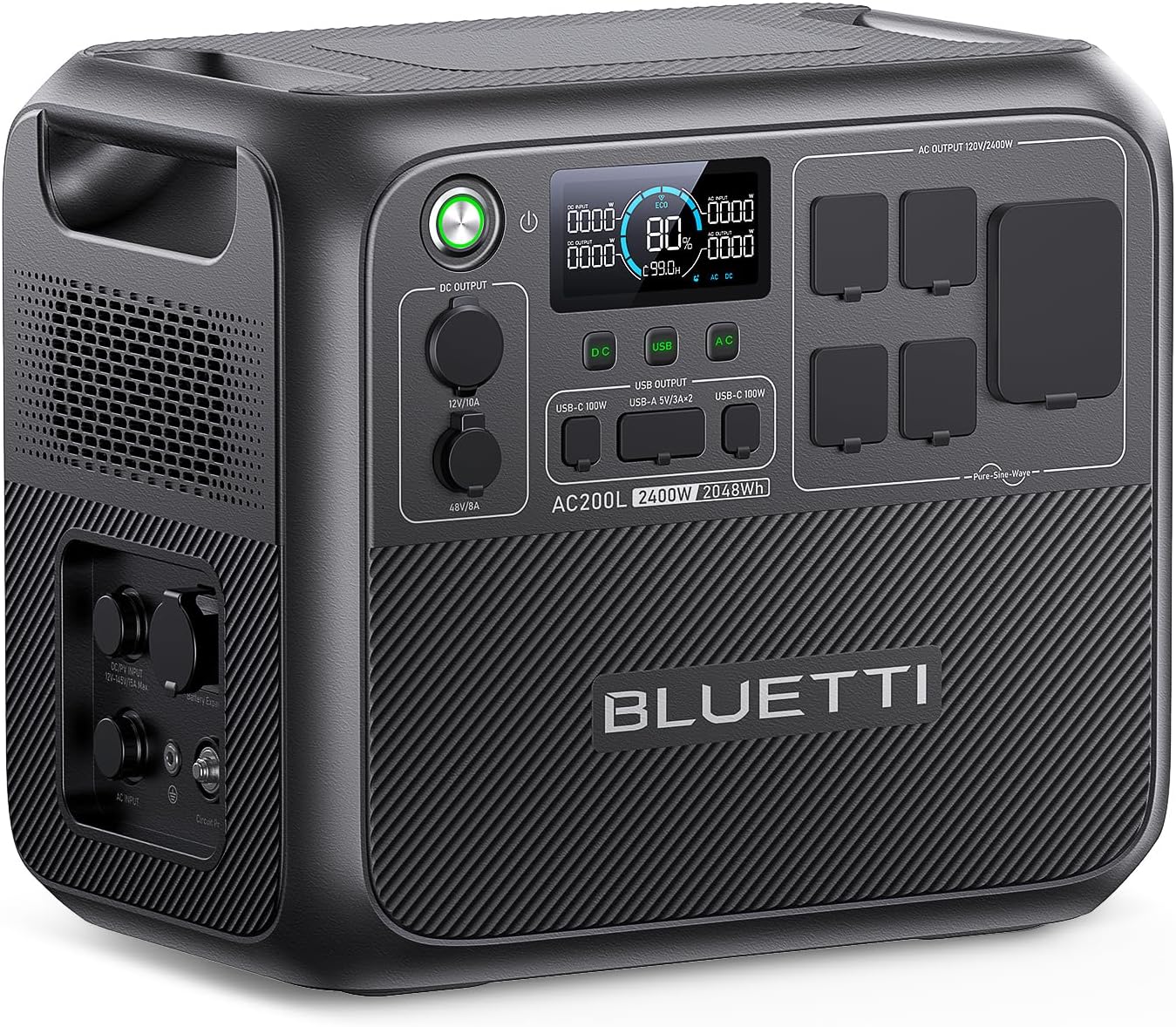
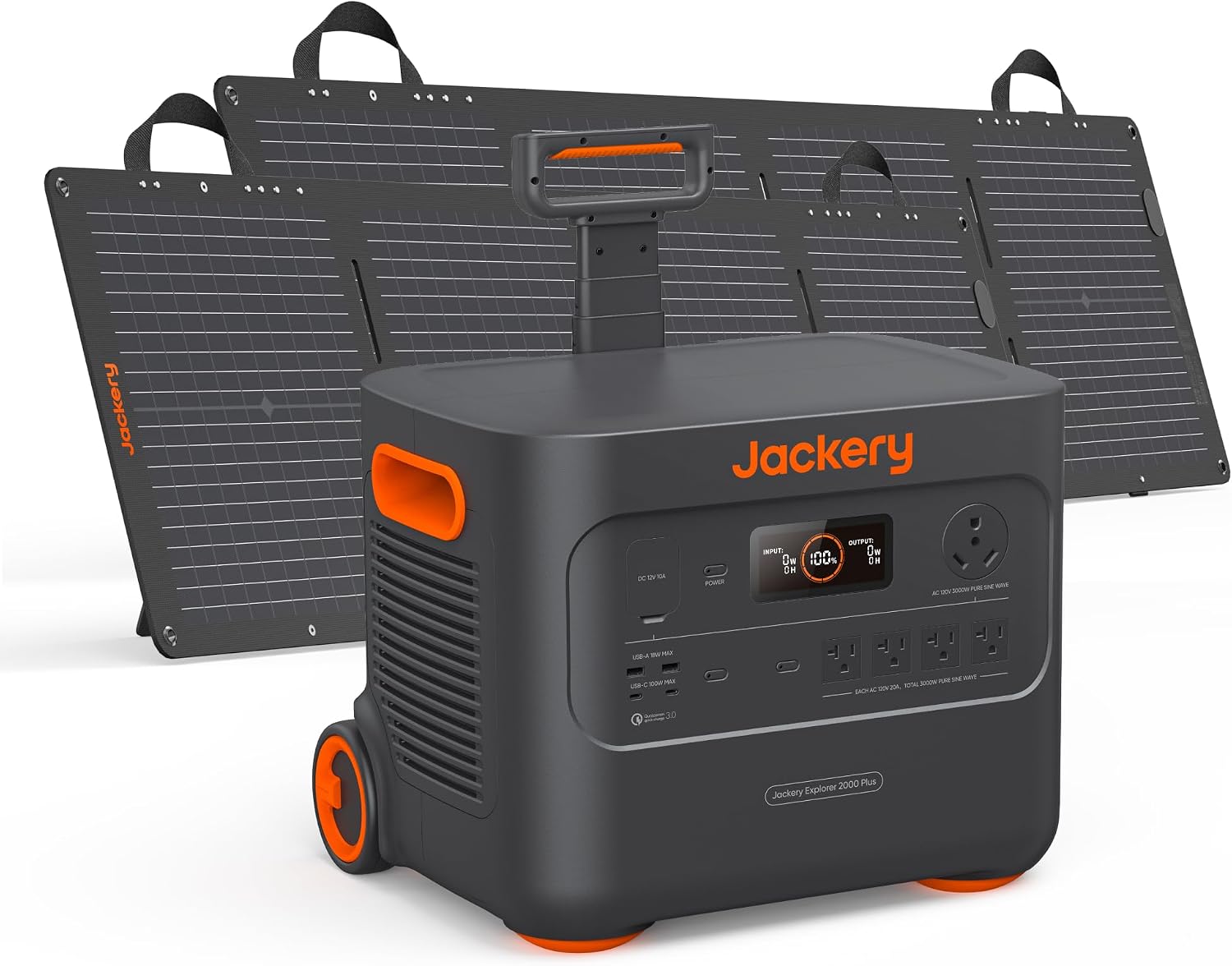
Consider a unit like the ALLWEI Solar Generator 2400W with 1x 200W Solar Panel. This kind of setup represents a significant step up from smaller portable power stations, offering enough output to run critical appliances like a refrigerator, medical equipment, or a robust communication hub for several hours or even days, especially when coupled with its solar panel for recharging. It’s a prime example of a portable emergency power solution that provides substantial capacity without the complexities of a fixed home system. For disaster preparedness, especially in scenarios like hurricane preparedness where fuel resupply might be impossible, a solar generator offers unparalleled resilience.

Pros of Solar Generators:

  • Quiet Operation: No noisy engine, making them suitable for residential areas and campgrounds.
  • Zero Emissions: Safe for indoor use (unlike gas generators).
  • Renewable Charging: Recharge with solar panels, providing indefinite power as long as the sun shines.
  • Low Maintenance: Fewer moving parts than gas generators, requiring less upkeep.
  • Versatility: Can power a wide range of devices, from small electronics to essential home appliances.

Cons of Solar Generators:

  • Initial Cost: Generally higher upfront investment than comparable gas generators.
  • Weather Dependent: Solar charging efficiency is reduced on cloudy days or at night.
  • Slower Recharge: Recharging from solar can take longer than refueling a gas generator.
  • Limited “Instant” Power: While many offer high surge ratings, their continuous output might be less than a large gas generator.

How to Prepare for a Multi-Day Power Outage: A Practical Roadmap

Preparing for a multi-day power outage requires a holistic approach, far beyond just acquiring a power source. It’s about building a resilient environment that can sustain your family through challenging times.

Beyond Power: Comprehensive Disaster Preparedness

While power is essential, it’s only one component of disaster survival.

  • Water Storage: Aim for at least one gallon per person per day for drinking and sanitation. Consider water purification tablets or a portable filter.
  • Food Preservation: Stock non-perishable food items that require no cooking. If you rely on refrigeration, a portable battery generator or solar generator becomes crucial for food preservation.
  • Communication Equipment: Hand-crank or solar-powered emergency radios, satellite communication devices (for extreme off-grid scenarios), and fully charged cell phones with backup power banks are vital.
  • First Aid: A comprehensive kit, including any necessary prescription medications.

Prioritizing Your Power Load During a Blackout

When the grid goes down, you can’t power everything. Smart energy management is critical. This is where your emergency energy storage strategy shines.

Field Experience Note: After several major storm seasons, homeowners consistently found that keeping refrigerators, internet equipment, and essential medical devices running mattered far more than powering every appliance in the house.

Focus on these priorities:

  1. Refrigeration: To preserve food and medications. A unit like the ALLWEI 2400W can typically keep a standard refrigerator running for 10-24 hours, depending on its efficiency and usage, with solar recharging extending that indefinitely.
  2. Medical Equipment: CPAP machines, oxygen concentrators, or other life-sustaining devices. Calculate their exact power consumption carefully.
  3. Communication: Charging phones, laptops, and powering internet modems/routers to stay informed and connected.
  4. Lighting: Efficient LED lighting is far superior to candles for safety and longer run times.
  5. Small Appliances: Fans for cooling or small heaters for warmth (use sparingly and with caution).

What Emergency Power Equipment Should Every Family Own?

Every family’s “power outage essentials” kit should be tailored, but a core set of equipment forms the foundation for reliable emergency power.

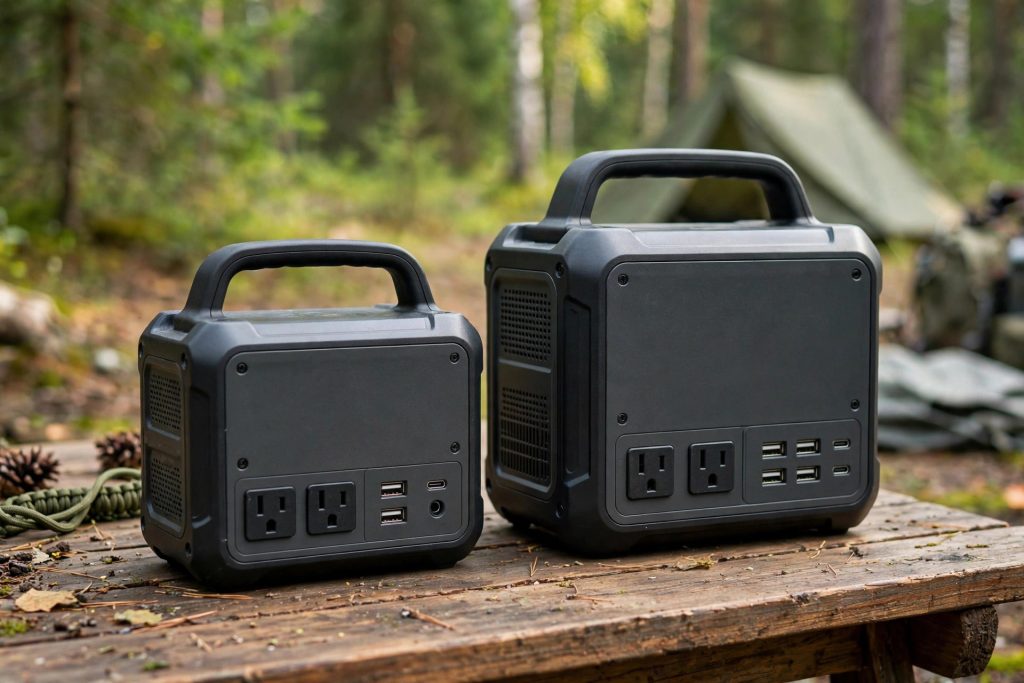
  • Portable Power Station (or Solar Generator): This is your central hub for portable emergency power. For smaller needs, a 500-1000Wh unit is good for camping electricity and device charging. For home backup, 1500-3000Wh units like the ALLWEI 2400W are a better starting point.
  • Portable Solar Panels: Crucial for extending runtimes indefinitely, especially for solar backup power. Foldable panels (100W-200W) are highly versatile.
  • Flashlights & Headlamps: Multiple reliable LED units with extra batteries.
  • Portable Battery Bank: Small, handheld units for charging phones and tablets.
  • Emergency Radio: Hand-crank/solar-powered NOAA weather radio.
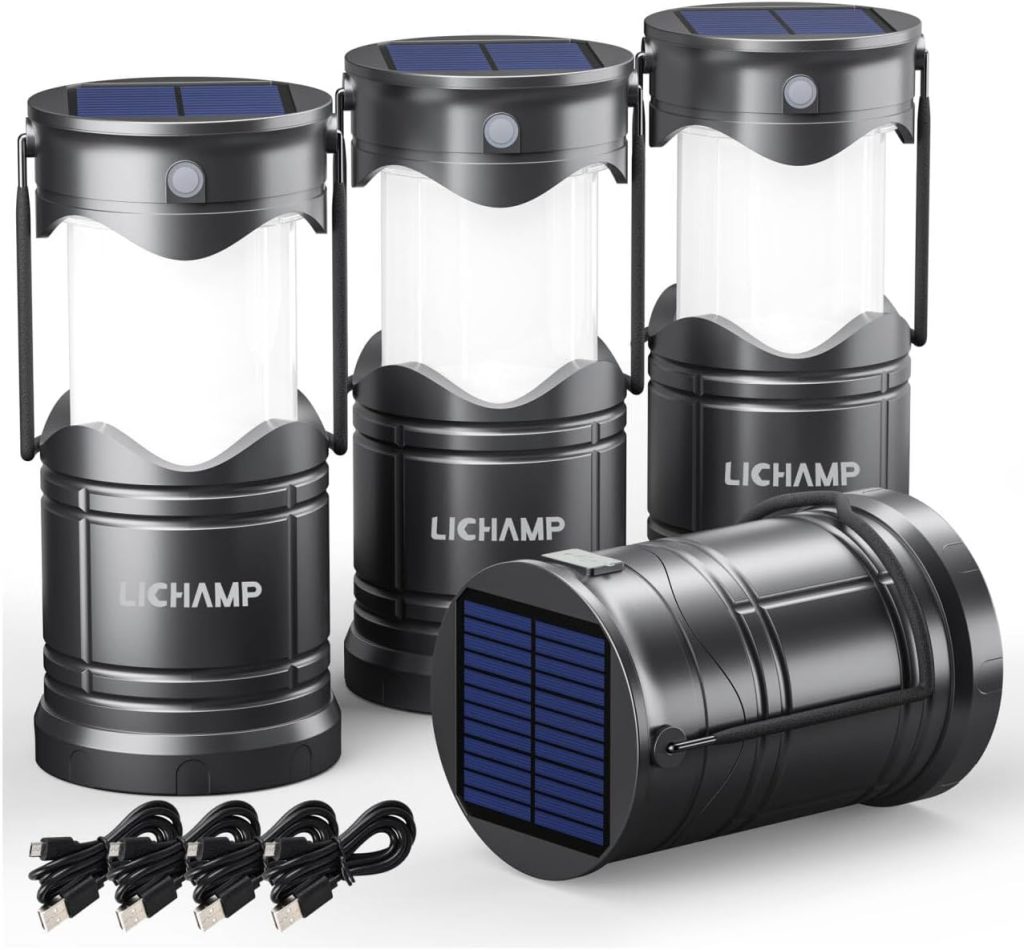
  • LED Lighting: Battery-powered lanterns or string lights for general illumination.

Hurricane Preparation: Building a Resilient Emergency Energy Storage Plan

Hurricane preparedness demands robust and reliable solutions. Power outages can last for days or weeks, and access to fuel might be impossible due to damaged infrastructure. This is where a solar generator for hurricane preparedness truly shines as a core component of your emergency energy storage.

Your Hurricane Prep Power Kit:

  • Primary Emergency Battery/Solar Generator: A high-capacity unit (2000Wh+) like the ALLWEI Solar Generator 2400W. This provides the continuous power for essentials. Its ability to recharge via solar panels means you won’t be reliant on a dwindling fuel supply.
  • Secondary Portable Power Station: A smaller unit (500-1000Wh) for charging smaller devices, acting as a redundant system, or for quick grab-and-go power.
  • Portable Solar Panels: Ensure you have enough wattage (e.g., 200W+ for a 2400Wh system) to recharge your main generator effectively, even on partially cloudy days.
  • Communication Devices: Keep all phones and tablets charged. Consider a satellite phone or a high-frequency radio if you’re in a very remote or vulnerable area. An emergency radio is a must for weather alerts.
  • Food Preservation Strategy: Beyond the solar generator powering your main fridge for critical items, consider a highly efficient electric cooler (powered by a portable power station) for daily access to perishable items, minimizing fridge door openings.
  • Medical Equipment Backup: If anyone in your household relies on powered medical devices, you need dedicated backup power sources, possibly even redundant systems, and clear communication with medical providers about power contingency plans.
  • Water Management: Power can also affect municipal water supplies. Have plenty of stored water and purification methods.
  • Lighting: Abundant LED lanterns and headlamps.

By integrating these elements, you create a layered defense against the disruption hurricanes can cause, turning a potential disaster into a manageable challenge.

Choosing Your Emergency Power Solution: A Buying Guide

Selecting the right emergency power equipment involves understanding several key technical specifications and how they translate to real-world utility.

Key Considerations for Reliable Portable Emergency Power

  1. Battery Capacity (Watt-hours – Wh): This indicates how much energy the battery can store.
    • Calculation: Appliances have wattage ratings. Multiply watts by hours to get Wh. (e.g., a 60W light bulb running for 10 hours needs 600Wh).
    • Recommendation:
      • Camping Electricity / Small Devices: 300-700 Wh (e.g., for a weekend best power station for camping).
      • Emergency Home Essentials / RV Battery System: 1000-2500 Wh (e.g., ALLWEI 2400W for critical home appliances).
      • Extended Home Backup / Off-Grid Living: 3000 Wh+ (often expandable home battery backup systems).
  2. Power Output (Watts – W): This is the maximum power the unit can deliver at any given moment.
    • Continuous Output: What it can sustain.
    • Peak/Surge Output: What it can provide for a very short burst (e.g., for motor startup).
    • Recommendation: Match this to your highest-wattage essential appliance. A refrigerator might surge to 1000-2000W on startup but run at 100-200W continuously. The ALLWEI 2400W Solar Generator, for instance, offers a 2400W continuous output, capable of handling most household refrigerators and even some power tools.
  3. Solar Input (Watts & MPPT): How quickly and efficiently the unit can recharge via solar panels.
    • Watts: The maximum wattage of solar panels it can accept. More watts mean faster charging.
    • MPPT (Maximum Power Point Tracking): A crucial technology that optimizes power conversion from solar panels, especially in varying light conditions. Always look for MPPT controllers.
    • Recommendation: For faster solar backup power, aim for a solar input that can fully recharge your battery within a day of good sunlight (e.g., 200-400W input for a 2000Wh battery).
  4. Charging Speed: How fast the unit recharges from AC wall power, car charger, or solar. Faster AC charging is convenient for rapid replenishment before a predicted outage.
  5. Weight & Portability: Crucial for best power station for camping, off-grid camping, or moving the unit around your home. Heavier units (30+ lbs) are less portable.
  6. Weather Resistance: While most portable power stations aren’t waterproof, some offer better dust and splash resistance, important for outdoor use or severe weather conditions during disaster preparedness.
  7. Warranty & Expandability: A good warranty indicates manufacturer confidence. Expandability, the ability to add extra battery packs, is vital for growing needs or whole-home backup aspirations.

Comparing Emergency Power Solutions: Portable vs. Permanent

Choosing the right emergency power supply for home or for your adventures means understanding the strengths and weaknesses of different solution types.

Feature Portable Power Station Solar Generator Home Battery Backup System Gas Generator (Portable)
Power Type Battery Battery + Solar Input Grid-tied Battery/Solar Gasoline/Propane
Primary Use Camping, device charging, small loads Extended camping, home essentials, off-grid Whole-home backup, energy management High power, construction, extended outage
Noise Level Silent Silent Silent Loud
Emissions None None None High (CO risks)
Fuel Req. Electricity (AC/Solar/Car) Sunlight, Electricity Sunlight/Grid Fuel (Gas/Propane)
Installation Plug & Play Plug & Play (panels extra) Professional (wired into home) Plug & Play (extension cords)
Cost (Avg.) Low-Mid Mid-High High Low-Mid
Scalability Limited (some expandable) Limited (some expandable) High (modular batteries) Low (can add more units)
Maintenance Low Low Low High (oil, filters, fuel storage)
Good For Best power station for camping, small power outage essentials, RV battery system Solar generator for hurricane preparedness, portable emergency power, off-grid camping Whole-home backup, energy independence, long-term power outage essentials High-demand emergency power, remote work sites

Pros & Cons by Solution Type:

Portable Power Station:

  • Pros: Highly portable, silent, no emissions, easy to use, ideal for camping electricity and small power outage essentials.
  • Cons: Limited capacity, slower charging than home systems, not designed for whole-home backup.

Solar Generator:

  • Pros: Combines portability with renewable charging, excellent for extended outages and off-grid scenarios, provides sustainable solar backup power. Example: ALLWEI Solar Generator 2400W is a robust option.
  • Cons: Higher initial cost than basic portable power stations, solar charging depends on weather, can be heavy.

Home Battery Backup System:

  • Pros: Seamless, automatic whole-home backup, integrated with your electrical panel, often pairs with rooftop solar for ultimate energy independence. Top-tier emergency energy storage.
  • Cons: Highest upfront cost, complex professional installation, not portable.

Gas Generator:

  • Pros: High power output for its price, rapid refueling, can run for extended periods with sufficient fuel.
  • Cons: Noisy, produces dangerous carbon monoxide emissions (cannot be used indoors), requires fuel storage and maintenance, not ideal for a silent camping experience.

Recommended Brands and Integrated Systems

When considering your emergency power supply for home or your next off-grid adventure, these brands have proven their reliability and performance.

Portable Power Stations

  • Jackery: Known for user-friendly designs and reliable performance, particularly popular for camping.
  • EcoFlow: Offers fast charging and high output, with a wide range of expandable options for growing needs.
  • Bluetti: Specializes in high-capacity, robust units, often featuring advanced battery technology.
  • Anker SOLIX: A newer entrant with a strong reputation for quality and innovation in portable power.

Portable Solar Panels

  • Renogy: A go-to for durable, efficient panels, suitable for both fixed RV solar setup and portable charging.
  • Jackery SolarSaga: Designed to integrate seamlessly with Jackery power stations, offering good efficiency and portability.
  • EcoFlow: Offers robust and highly efficient portable panels that pair well with their generators.
  • ALLPOWERS: Provides a range of affordable and effective portable solar panels, a good choice for general solar backup power.

Home Battery Backup & Whole-Home Backup Solutions

For serious whole-home backup, especially for long-term power outage essentials, these systems integrate directly into your home’s electrical system.

  • Tesla Powerwall: A leading name in integrated home battery storage, often paired with rooftop solar.
  • EcoFlow: With their DELTA Pro series and Smart Home Panel, EcoFlow offers scalable solutions that can provide substantial home backup power.
  • Bluetti: Their EP500 and EP900 series offer powerful, modular home backup solutions, capable of handling significant loads.
  • Generac: While traditionally known for gas generators, Generac also offers integrated home battery storage systems.

RV Solar Setups & Off-Grid Energy

For complete off-grid camping or RV solar setups, you’re often looking at a system of components rather than a single product.

  • Solar Panels: Renogy, GoPower!, Rich Solar are excellent choices for flexible or rigid RV rooftop installations.
  • Battery Bank: For an RV battery system, LiFePO4 (lithium iron phosphate) batteries from brands like Battle Born, Renogy, or SOK are superior due to their longevity, lighter weight, and consistent power delivery.
  • Charge Controllers: Victron Energy, Renogy, and GoPower! offer reliable MPPT charge controllers crucial for efficient solar charging.
  • Inverters: Pure sine wave inverters from Victron Energy, Renogy, or Xantrex are essential for safely powering sensitive electronics in your RV.
  • Wind Turbines: For truly off-grid cabins or supplemental charging, small wind turbines from Pikasola, Automaxx, or Ista Breeze can add another layer of renewable energy, especially useful in windy conditions or low sunlight.

Powering Your Adventures: Camping Electricity and RV Solar Setups

When you’re venturing outdoors, your power needs shift from emergency survival to enhancing comfort and capability. The best power station for camping needs to strike a balance between capacity and portability.

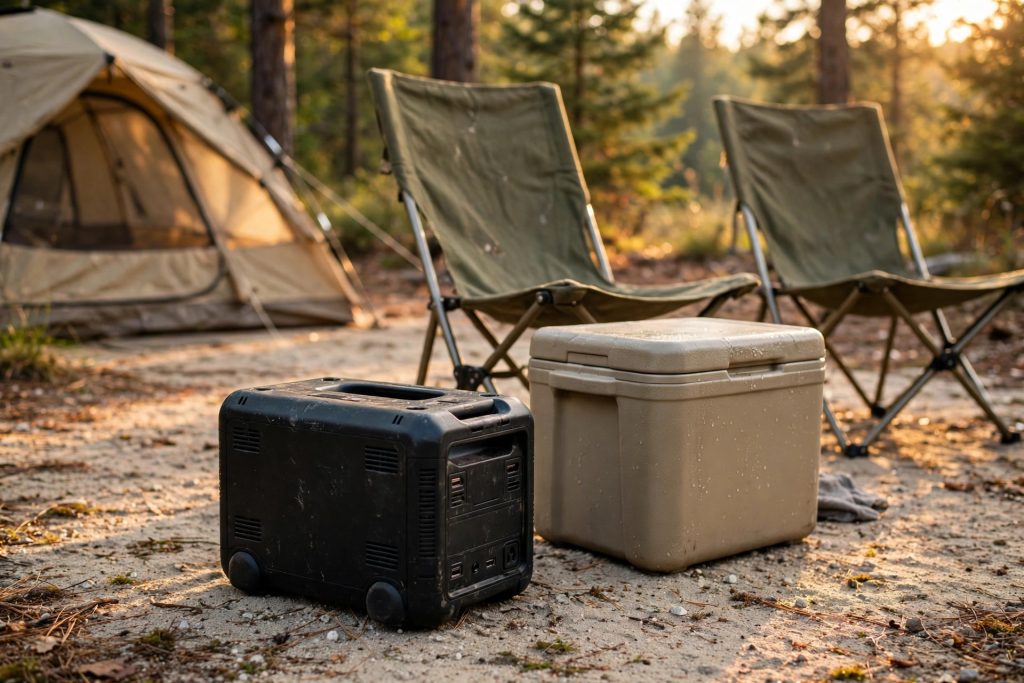
For a weekend tent camping trip, a 500-1000Wh portable power station (like a Jackery Explorer 1000) provides ample camping electricity for lighting, charging devices, and running a portable fridge/cooler. Paired with a 100-200W foldable solar panel, you have a robust solar camping system for extended stays. Remember your camping essentials: electric cooler, LED lanterns, and USB device chargers.

For RVers and van lifers seeking off-grid camping independence, a dedicated RV solar setup is the ultimate solution. This typically involves rooftop solar panels (e.g., 200W-600W+), a robust RV battery system (often 200Ah+ LiFePO4), an MPPT charge controller, and a pure sine wave inverter. This allows you to power everything from your microwave to your air conditioner (with sufficient battery and solar), transforming your RV into a truly self-sufficient mobile home. Brands like Renogy and Victron Energy are frequently used for their reliability in these more complex installations.

Frequently Asked Questions (FAQ) About Power Outage Essentials

Q: How often should I test my emergency power system?
A: It’s crucial to test your emergency power essentials at least every three to six months. Fully charge your portable power stations and solar generators, and test them by running essential appliances for a short period. This ensures everything is in working order and helps you understand runtimes.

Q: Can a portable power station really run a refrigerator?
A: Yes, many larger portable power stations and solar generators (like the ALLWEI Solar Generator 2400W) can run a standard refrigerator. A typical modern refrigerator uses about 100-200W when running, with a higher surge when the compressor kicks on. A 2000Wh+ unit could power a refrigerator for 10-24 hours depending on its efficiency, especially if supplemented by solar charging for extended outages.

Q: Is an ALLWEI Solar Generator 2400W suitable for whole-home backup?
A: While a 2400W solar generator is an excellent choice for powering critical power outage essentials and a significant upgrade for portable emergency power, it’s generally not designed for whole-home backup. Whole-home backup typically requires much larger capacities (10,000Wh+) and professional integration into your home’s electrical panel to power most or all circuits. However, it’s a vital part of a comprehensive disaster preparedness plan.

Q: What’s the difference between a portable power station and a solar generator?
A: Functionally, they are very similar. A “portable power station” is the battery unit itself, capable of being charged by AC wall power, car, or often solar (with separate panels). A “solar generator” typically refers to a portable power station bundled with solar panels, emphasizing its renewable charging capability. The terms are often used interchangeably, but a “solar generator” explicitly highlights the solar input component.

Q: What are the most important camping essentials for power?
A: For camping electricity, the most important power outage essentials are a reliable portable power station (matched to your needs), foldable solar panels for recharging, LED lighting (lanterns/headlamps), and a quality electric cooler to keep food fresh without ice.

Final Recommendation: Empowering Your Preparedness

In 2026, equipping your home, RV, or campsite with reliable power outage essentials is no longer a luxury but a fundamental aspect of preparedness and quality of life. From sudden blackouts to the structured challenges of hurricane preparedness, having the right emergency power supply for home or the best power station for camping can make all the difference.

My advice, based on two decades in the field, is to invest in a layered approach. A robust solar generator like the ALLWEI Solar Generator 2400W with its accompanying solar panel can serve as your primary portable emergency power hub, capable of handling significant loads and offering sustainable solar backup power. Supplement this with smaller portable battery generators for lighter loads and truly portable needs. For those aiming for true energy independence, especially in an RV solar setup or an off-grid cabin, consider a fully integrated system with an advanced RV battery system and expandable solar capabilities.

Ultimately, your success in navigating power disruptions or enjoying seamless off-grid camping hinges on thoughtful planning and selecting solutions tailored to your specific requirements. Don’t wait for the next outage – take action today to secure your power outage essentials and build a resilient future.

#ALLWEI #Solar #Generator #2400W #200W #Solar #Panel