As a veteran emergency preparedness and off-grid energy consultant with over 20 years in the field, I’ve seen firsthand how quickly situations can change. From unexpected blackouts in urban centers to multi-day outages caused by hurricanes, floods, winter storms, or wildfires, reliable backup power isn’t just a convenience in 2026—it’s a critical component of safety and resilience. Whether you’re planning an adventure and need the best power station for camping or preparing your home for the next major grid disruption, understanding your options is the first step.
This guide is designed to cut through the marketing jargon and offer practical, experience-driven advice. We’ll explore complete emergency power solutions, from compact portable units to integrated home systems, ensuring you have the emergency power supply for home you need, the camping electricity for your adventures, and robust solar generator for hurricane preparedness to keep your family safe and comfortable.
The Foundation of Preparedness: Why, How, What
Before diving into specific equipment, it’s vital to address the core questions that shape effective preparedness strategies.
Why is a portable power station a cornerstone of modern disaster preparedness?
In 2026, portable power stations have evolved significantly, making them indispensable for modern disaster preparedness. Unlike traditional gas generators, they operate silently, produce zero emissions, and require no fuel storage or dangerous exhaust ventilation. This makes them safe for indoor use, crucial during severe weather or overnight outages. Their plug-and-play simplicity means anyone can operate them, providing instant portable emergency power for charging devices, running essential medical equipment, or powering lights. For those focused on camping essentials, their ease of use and clean power output make them the best power station for camping, eliminating the need for noisy, fume-spewing alternatives. They represent a versatile, user-friendly bridge between total blackout and full restoration.
How can you determine the right battery capacity for your specific emergency needs?
Calculating the right battery capacity (measured in Watt-hours, Wh) requires a simple energy audit. Start by listing the essential appliances and devices you need to power during an emergency, along with their wattage (W) and how many hours (h) you’ll run them.
For example:
- Smartphone charging: 10W x 2 hours/day = 20Wh
- LED Lantern: 5W x 6 hours/night = 30Wh
- Portable Fridge (camping): 40W x 12 hours/day = 480Wh
- CPAP machine: 40W x 8 hours/night = 320Wh
- Internet Router: 15W x 24 hours/day = 360Wh
Sum these up for a daily total. If your essential daily need is, for instance, 1000Wh, and you want two days of backup, you’d aim for a power station with at least 2000Wh capacity. Always factor in a buffer for efficiency loss and unexpected needs. For camping power station decisions, prioritize what you absolutely need (lights, fridge, phones) versus luxuries.
What essential emergency power equipment should every household consider owning in 2026?
A multi-tiered approach to emergency energy storage is often the most effective.
- Portable Power Station: The foundational element for immediate, flexible power. Ideal for charging devices, running LED lights, and smaller appliances.
- Portable Solar Panels: To pair with your power station, offering solar backup power for extended outages and enabling true off-grid camping.
- Home Battery Backup System: For seamless, automatic power to critical circuits (refrigerator, medical devices, well pump, internet) during longer grid failures. This provides true whole-home backup capability for essential loads.
- Lighting: Redundant LED flashlights, headlamps, and battery-powered lanterns are non-negotiable.
- Communication Devices: A NOAA weather radio (hand-crank/solar optional) and reliable charging solutions for cell phones.
These items, combined, form a robust emergency preparedness system, addressing everything from a quick blackout to multi-day disaster survival scenarios.
Understanding Your Emergency Power Options in 2026
The landscape of backup power has diversified significantly. Let’s look at the primary solutions:
Portable Power Stations: Versatility in a Box
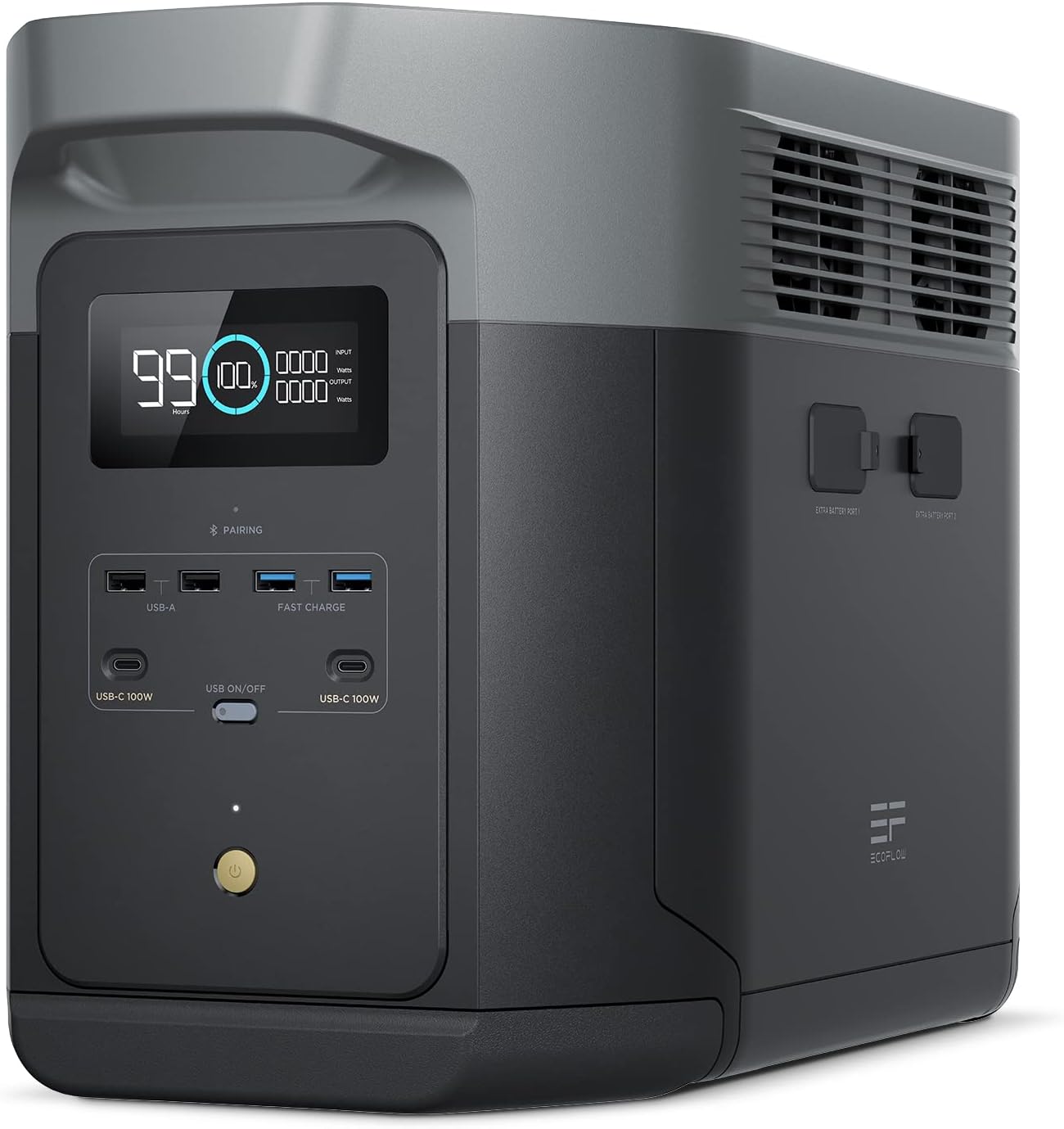
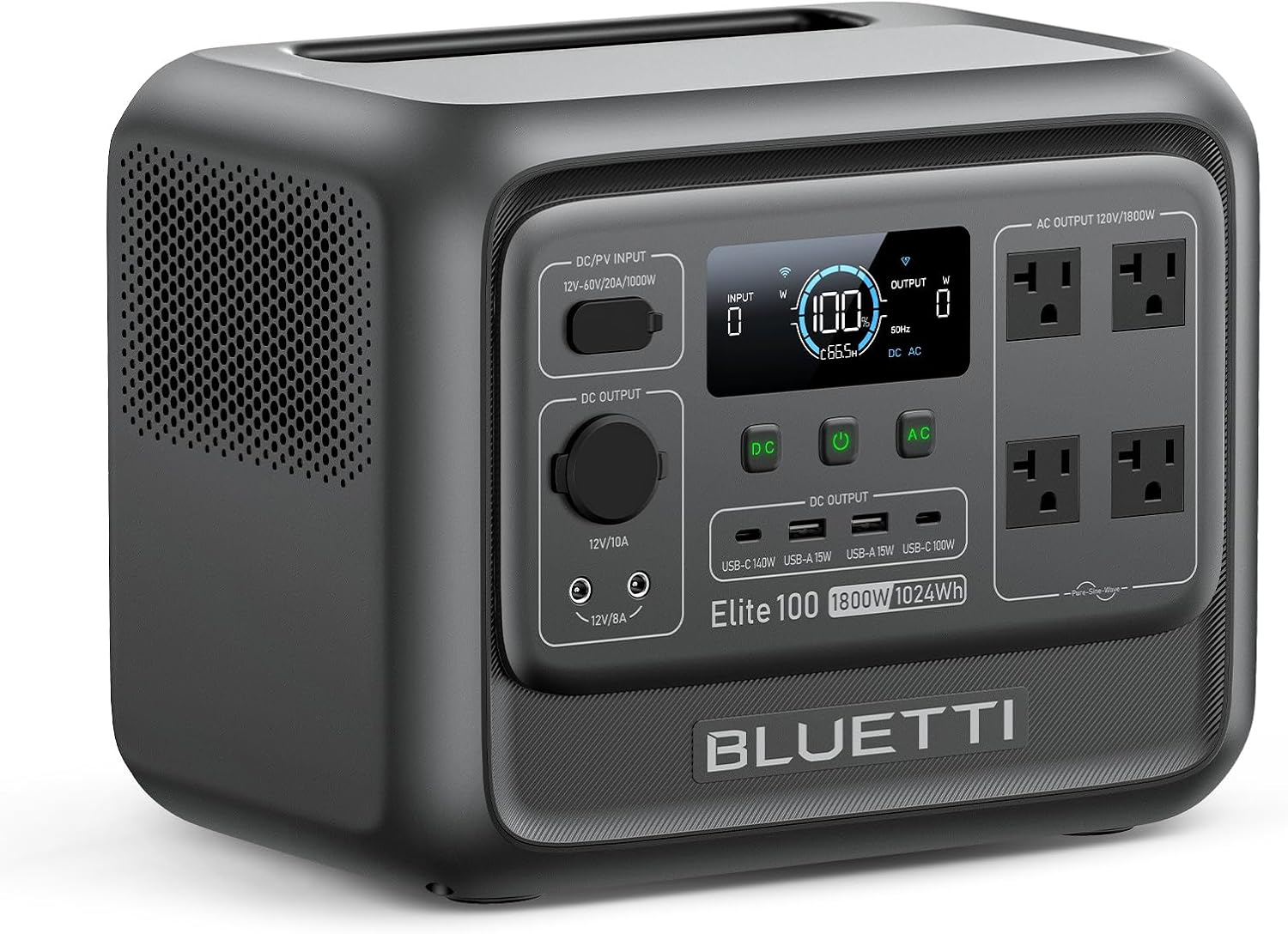
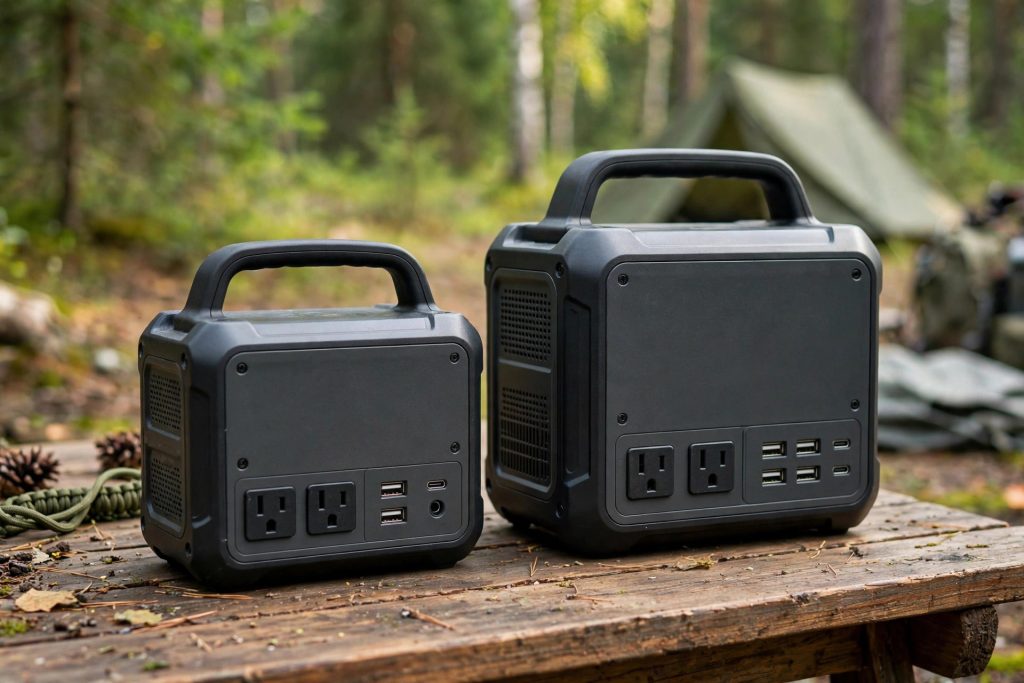
These are compact, self-contained units with a large internal battery, multiple output ports (AC outlets, USB-A, USB-C, DC car port), and various input options (wall, car, solar). They are the go-to for localized power needs. For instance, the BLUETTI Elite 100 V2 Portable Power Station, with its 1024Wh LFP battery, represents a solid example of a unit well-suited for weekend camping, tailgating, or powering essential items during a short home outage. Its LiFePO4 (LFP) battery chemistry offers longevity and safety, which is a key consideration in 2026 for any reliable unit.
Pros: Highly portable, silent, no emissions, easy to use, versatile.
Cons: Limited capacity compared to home systems, dependent on recharging.
Solar Generators: Sustainable Resilience
A solar generator is essentially a portable power station bundled with portable solar panels. The panels continuously recharge the power station’s battery, providing an endless supply of renewable emergency power as long as the sun shines. This combination is ideal for extended off-grid scenarios, hurricane preparedness, or anyone seeking energy independence.
Pros: Sustainable, fuel-free, quiet, environmentally friendly, long-term power.
Cons: Initial cost can be higher, performance is sun-dependent, panels add bulk.
Home Battery Backup Systems: Integrated Security
These are larger, often fixed installations designed to automatically provide power to select circuits or even your entire home when the grid goes down. Systems like the Tesla Powerwall or integrated solutions from EcoFlow and Bluetti (e.g., their larger ‘Power Kits’ or ‘EP’ series) can seamlessly take over when an outage occurs. They often integrate with rooftop solar arrays, storing excess energy for later use. This is the ultimate solution for whole-home backup, offering peace of mind and minimal disruption.
Pros: Automatic, seamless power transfer, high capacity, can integrate with home solar.
Cons: High upfront cost, professional installation required, not portable.
RV Solar Systems: Power on the Go
For those living on the road or frequently enjoying RV camping, a dedicated RV solar setup offers true energy independence. This typically involves roof-mounted solar panels, a charge controller, an inverter, and a robust RV battery system (often lithium iron phosphate). This setup powers everything from your refrigerator to your air conditioning, reducing reliance on shore power or noisy gas generators.
Pros: Freedom from hookups, quiet power, customizable to specific needs.
Cons: Initial investment, installation complexity, sun-dependent.
Scenario Guide: Navigating a Home Power Outage
As an emergency preparedness expert, I’ve guided countless families through preparing for and responding to home power outages. These events, whether from a localized blackout or a widespread grid failure, demand a clear strategy and the right equipment.
Immediate Needs: Lights, Communication, Food Preservation
When the lights go out, your priorities shift quickly.
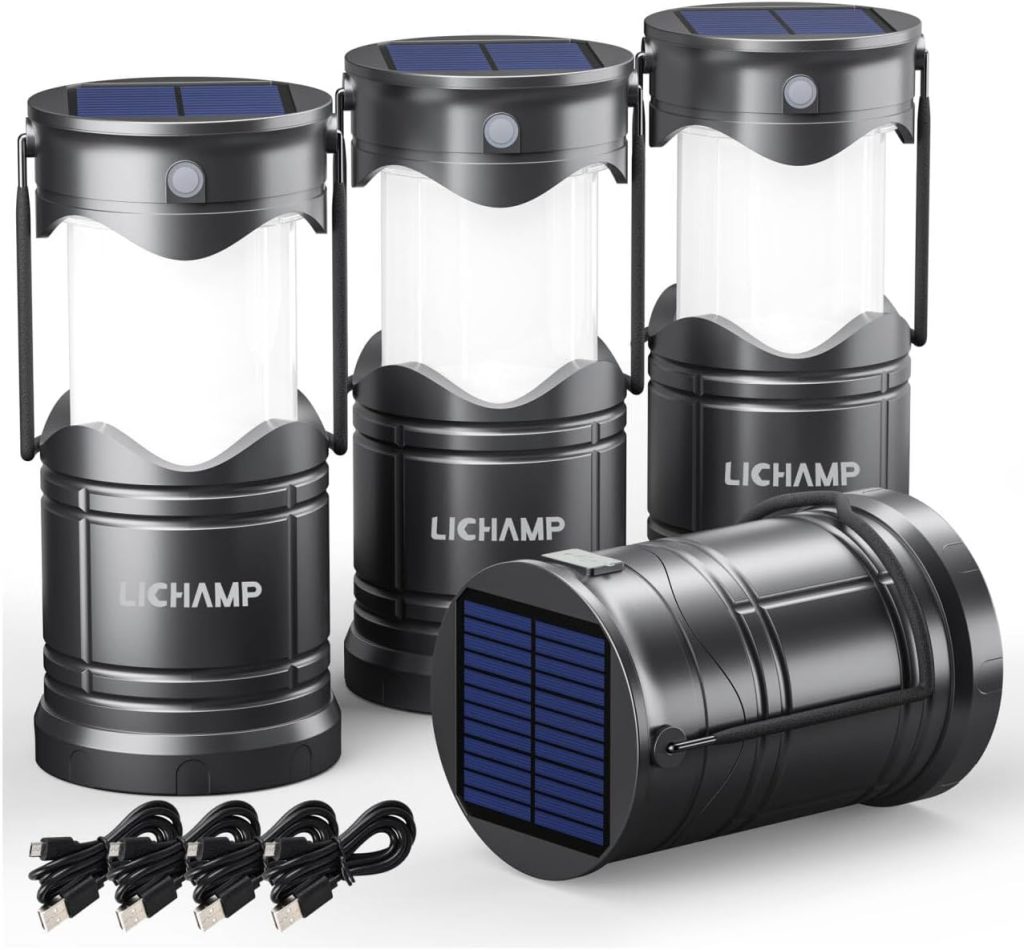
- Lighting: Forget candles. Invest in multiple LED flashlights, headlamps, and battery-powered lanterns. They’re safer, brighter, and more efficient. A small portable power station can keep these recharged, or power an entire room with an attached LED string light.
- Communication: Keeping phones charged is critical for emergency updates and contacting loved ones. Even a small portable power station (300-500Wh) can charge multiple phones and tablets for days. Larger units ensure your internet router stays live, providing crucial access to information.
- Food Preservation: This is where a mid-sized portable power station or a solar generator for hurricane preparedness really shines. A 1000-2000Wh unit can often keep a modern refrigerator running intermittently for 12-24 hours. A dedicated electric cooler, powered by a 500-1000Wh power station, can also extend the life of perishables for days.
Beyond the Basics: Medical Devices, Internet, Entertainment
For longer outages, or homes with specific needs, the demands on your backup power grow.
- Medical Devices: CPAP machines, oxygen concentrators, or medication refrigeration are non-negotiable. These often require continuous, reliable power. For critical medical equipment, I typically recommend a larger solar generator (2000Wh+) or even a professionally installed home battery backup system, due to their capacity and seamless operation.
- Internet: Many depend on the internet for work, school, and essential communication. Powering your router and modem with a portable power station (100-300Wh is often enough for these devices) ensures you stay connected.
- Limited Entertainment: While not a primary necessity, being able to power a small TV or laptop for a few hours can be a significant morale booster during a prolonged outage.
Field Experience Note: “After several major storm seasons, homeowners consistently found that keeping refrigerators, internet equipment, and essential medical devices running mattered far more than powering every appliance in the house. Prioritization of critical loads is paramount.”
Recommended Equipment for Home Power Outage:
- Battery Backup (Fixed): For critical circuits like refrigerators, well pumps, and medical equipment. Look at solutions from EcoFlow (DELTA Pro ecosystem), Bluetti (EP series), or Generac (PWRcell).
- Solar Generator (Portable + Panels): For versatile, extended backup electricity. A 2000-3000Wh unit paired with 400-600W of foldable solar panels is a robust solution. Brands like Jackery (Pro series), EcoFlow (DELTA Max/Pro), and Bluetti (AC200MAX/AC300) offer excellent systems.
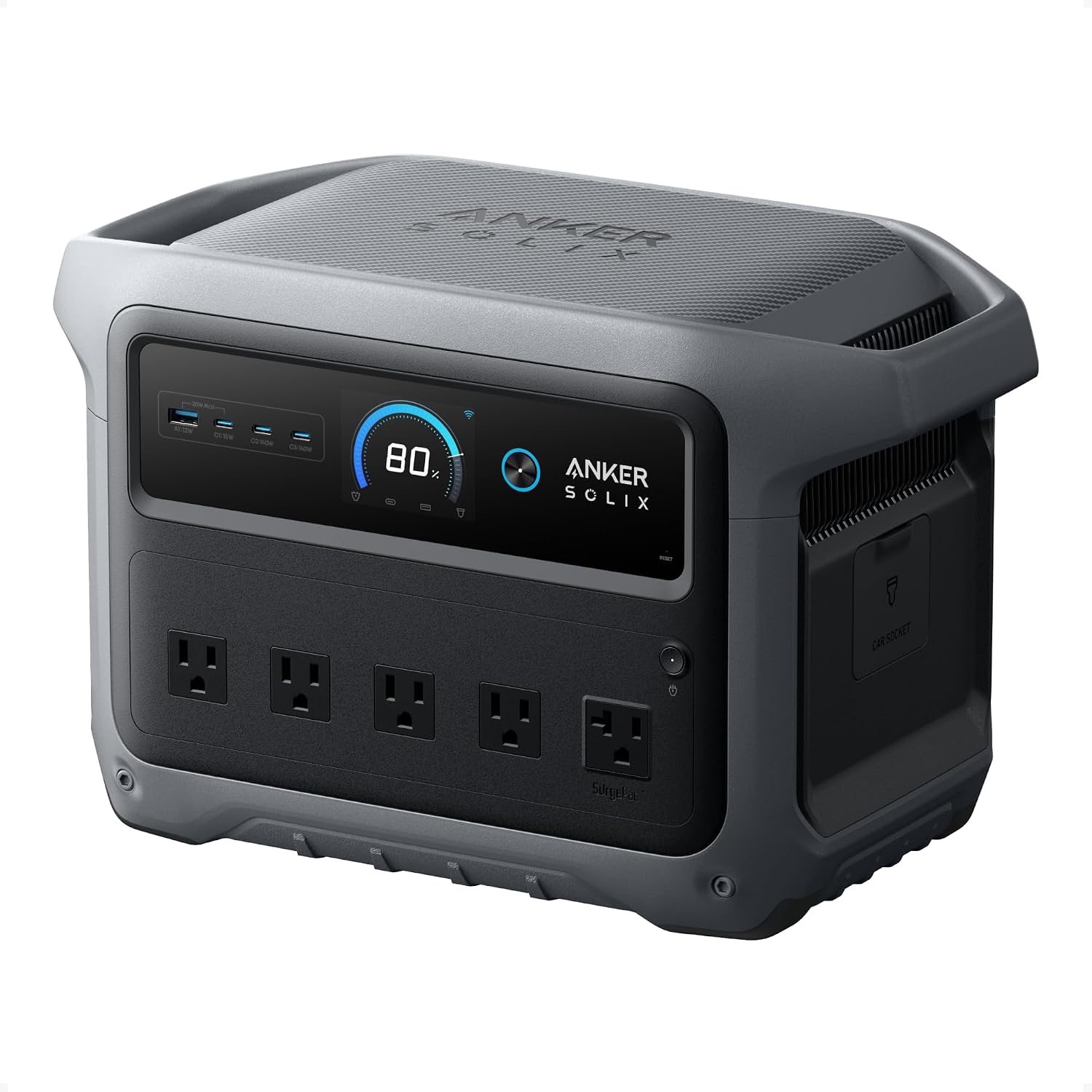
- Portable Power Station (Entry/Mid-level): For charging phones, lights, and small electronics. Units like the BLUETTI Elite 100 V2 (1024Wh) or similar from Anker SOLIX are excellent for this tier.
- Flashlights & Headlamps: Multiple Fenix or Streamlight LED units with spare batteries.
- Communication Equipment: A Midland weather radio and a charging hub for multiple USB devices.
Choosing Your Power Solution: A Comprehensive Buying Guide
Selecting the right power solution requires careful consideration of several key factors, regardless of whether you’re looking for the best power station for camping or a full home setup.
- Battery Capacity (Wh): This is the total energy the unit can store. As discussed, calculate your daily needs and add a buffer. For light camping or short outages, 500-1000Wh might suffice. For a longer off-grid camping trip or critical home loads, 1500Wh+ is often necessary.
- Power Output (W/kW): This is the maximum wattage the unit can deliver simultaneously to run your appliances. Check the “continuous” and “surge” (peak) wattage. A portable fridge might need 60W continuous, but a coffee maker could demand 1500W. Ensure the power station’s output rating meets the highest wattage requirement of your intended devices.
- Solar Input (W): For solar backup power and extended use, a higher solar input rating (e.g., 200W, 400W, 600W) means faster recharging times when paired with compatible solar panels. This is crucial for maintaining power during prolonged grid failures or when truly off-grid.
- Charging Speed (AC/DC): How quickly can the unit recharge from a wall outlet (AC), car port (DC), or solar? Some modern units can go from 0-80% in under an hour, which is a significant advantage in rapidly evolving emergency situations. Look for technologies that allow simultaneous charging and discharging (pass-through charging).
- Weight & Portability: Extremely important for the best power station for camping or any portable battery generator. Evaluate handles, wheels, and overall dimensions. A 1000Wh unit can weigh anywhere from 25-40 lbs.
- Weather Resistance (IP Rating): If you plan to use the unit outdoors frequently, especially for emergency preparedness during storms, look for an IP rating (e.g., IP54) that indicates protection against dust and splashing water. Most portable power stations are not fully waterproof.
- Warranty: As a significant investment, a robust warranty (typically 2-5 years) provides peace of mind regarding the battery and internal components. LiFePO4 batteries generally offer a much longer cycle life.
- Expandability: Can you link additional batteries to increase capacity, or integrate with a home transfer switch? This offers flexibility as your needs evolve.
Comparing Emergency Power Solution Types
Choosing the right solution means understanding the trade-offs. Here’s a comparative overview:
| Feature | Portable Power Station | Solar Generator | Home Battery Backup | Gas Generator (Traditional) |
|---|---|---|---|---|
| Primary Use | Camping, small devices, light backup | Extended outages, off-grid power | Critical/whole-home backup | Heavy-duty, construction, large loads |
| Fuel Source | Internal battery (AC/Solar/Car) | Sun (solar panels) + Battery | Grid/Solar + Battery | Gasoline, Propane, Diesel |
| Noise Level | Silent | Silent | Silent | Very Loud |
| Emissions | None | None | None | Carbon Monoxide, NOx |
| Setup Complexity | Plug & Play | Moderate (panel placement) | Professional installation | Refueling, ventilation, maintenance |
| Runtime | Limited by battery size | Indefinite with sun | Long, grid-tied options | Limited by fuel supply |
| Cost | Low to Mid | Mid to High | High | Low to Mid (plus fuel costs) |
| Portability | High | Moderate (panels) | Low (fixed installation) | Low (heavy) |
| Maintenance | Low | Low | Low | High (oil changes, spark plugs) |
| Pros | Portable, clean, easy to use | Sustainable, fuel-free, quiet | Seamless, automatic, reliable | High power output, widely available |
| Cons | Limited capacity | Sun dependent, initial cost | High upfront cost, fixed | Noisy, fuel needed, emissions, maintenance |
Powering Your Adventures: The Best Power Station for Camping & RV Life
The great outdoors presents unique power challenges, but modern solutions make off-grid camping more comfortable than ever.
Tent Camping & Day Trips: Lightweight & Essential
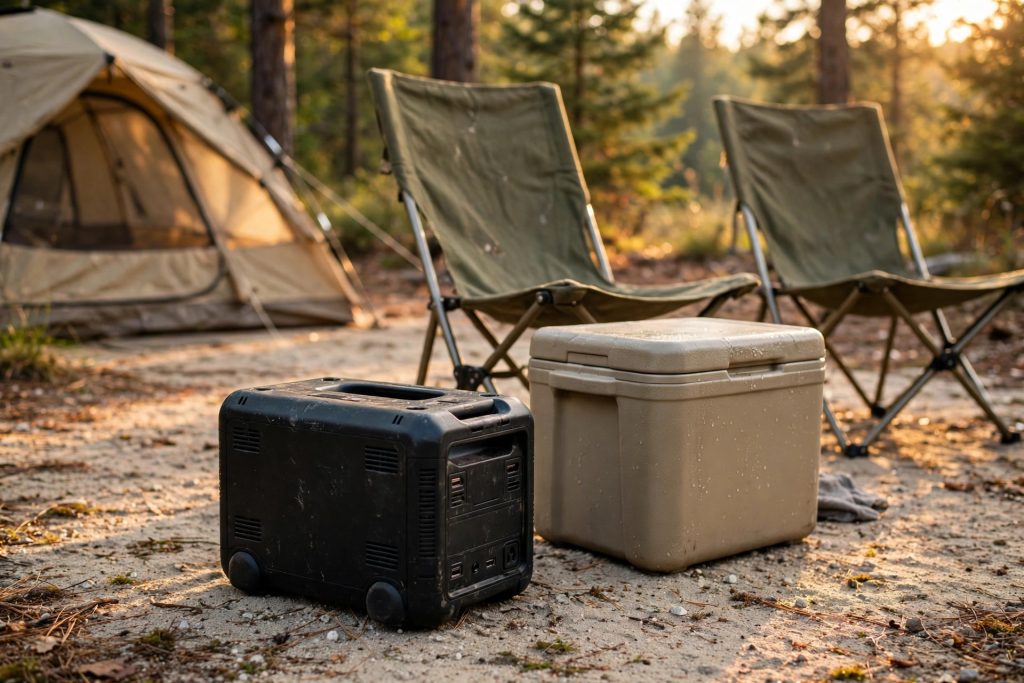
For short trips, portability is king. You’re typically looking for camping electricity for lights, charging phones, perhaps a portable fan, or a small electric cooler.
- Recommended: A smaller to mid-sized portable power station (500-1000Wh), such as the BLUETTI Elite 100 V2 (1024Wh). It offers enough juice for a weekend without being overly heavy.
- Paired with: A compact, foldable solar panel (e.g., 100-200W) to top up the battery during the day. This provides excellent solar camping system capability.
- Brands to consider: Jackery (Explorer series), EcoFlow (RIVER series), Anker SOLIX (F series). These are often the best power station for camping due to their balance of size and capacity.
Overlanding & Van Life: Robust & Rechargeable
These lifestyles demand more significant power. You’re likely running a dedicated fridge, cooking appliances, laptops, and various device chargers, often for extended periods away from grid power.
- Recommended: A larger portable power station (1500-3000Wh) or a more integrated RV battery system. The ability to recharge quickly from multiple sources (vehicle alternator, shore power, robust solar) is crucial.
- Solar is paramount: Pair with high-wattage foldable or rigid solar panels (300-600W).
- Brands to consider: Bluetti (AC series), EcoFlow (DELTA series), which offer modular designs and higher power output.
RV Solar Setup: True Freedom
For the dedicated RV enthusiast, a permanent RV solar setup offers the ultimate in energy independence.
- Components: This typically involves multiple rigid solar panels mounted on the roof (e.g., from Renogy or ALLPOWERS), a high-efficiency MPPT charge controller, a powerful inverter, and a dedicated deep-cycle RV battery system (Lithium Iron Phosphate is the standard in 2026).
- Benefits: This system handles your daily power needs, reducing reliance on noisy generators and expensive campground hookups. It’s the pinnacle of renewable emergency power for mobile living.
- Supplementary power: Even with a robust RV solar system, a portable battery generator can be invaluable for peak loads (like running an AC for a short burst) or as a backup on cloudy days.
Emergency Preparedness: Beyond Just Power
While this guide focuses on power, remember that electricity is just one piece of the disaster survival puzzle.
- Water and Food: Store at least 1 gallon of water per person per day, and a 3-day supply of non-perishable food. Consider water filtration systems.
- Medical & First Aid: Essential medications, a comprehensive first aid kit, and knowledge of basic first aid.
- Shelter & Warmth: Blankets, sleeping bags, and potentially a tent if evacuation is necessary.
- Communication: In addition to charged devices, a hand-crank or solar-powered NOAA weather radio is vital.
- Sanitation & Hygiene: Personal hygiene items, garbage bags, and sanitation supplies.
True emergency preparedness requires a holistic approach, where reliable power empowers your ability to manage all other aspects of safety and comfort.
Recommended Brands in 2026
While technology evolves, certain brands consistently deliver reliable and innovative solutions.
- Portable Power Stations:
- Jackery: Known for user-friendly designs and reliable performance, particularly their Explorer series.
- EcoFlow: A leader in fast-charging technology and expandable systems like their DELTA Pro.
- Bluetti: Offers a wide range from compact units like the Elite 100 V2 to robust home backup solutions.
- Anker SOLIX: A strong contender with durable builds and integrated features.
- Solar Panels:
- Renogy: A long-standing name in solar, offering a variety of rigid and flexible panels for RVs and homes.
- Jackery SolarSaga: Designed for seamless integration with their power stations, highly portable.
- EcoFlow (portable series): Excellent efficiency and foldable designs.
- ALLPOWERS: Provides good value and performance for portable solar.
- Home Battery Backup:
- Tesla Powerwall: A well-known, integrated solution often paired with home solar.
- EcoFlow (Power Kits/Delta Pro ecosystem): Modular systems that bridge portable and fixed home backup.
- Bluetti (EP series): Offers powerful, expandable solutions for critical load or whole-home backup.
- Generac (PWRcell): A comprehensive home energy storage system from a traditional generator manufacturer.
- Wind Turbines (for truly remote, off-grid cabins):
- Pikasola, Automaxx, Ista Breeze: These brands offer smaller-scale wind solutions that, when combined with solar and battery storage, can provide significant energy independence for remote dwellings.
FAQ: Your Emergency Power Questions Answered
Q: What is the primary difference between a portable power station and a solar generator?
A: A portable power station is the battery unit itself, with various output ports. A solar generator is a portable power station bundled with solar panels, allowing it to recharge indefinitely using sunlight. All solar generators include a portable power station, but not all portable power stations are sold as part of a solar generator kit.
Q: Can a portable power station really power a refrigerator during an outage?
A: Yes, many mid-to-large capacity portable power stations (1000Wh+) can power a modern, energy-efficient refrigerator for several hours or even overnight. It’s crucial to check your refrigerator’s wattage (often 60-150W running, with a higher surge when the compressor kicks on) and match it to the power station’s output and capacity. Intermittent use can extend runtimes significantly.
Q: How much solar panel wattage do I need to recharge my power station effectively?
A: This depends on the power station’s solar input limit and how quickly you need to recharge. As a general rule, aim for at least 100W of solar panels for every 1000Wh of battery capacity if you want a decent recharge rate on a sunny day. For faster charging or less ideal conditions, you’ll need more wattage. A 400W solar input on a 2000Wh battery can typically recharge it in 5-8 hours of peak sunlight.
Q: Is a gas generator ever a better option than an electric one for home backup?
A: For certain heavy-duty applications or very large whole-home backup needs, traditional gas generators still have a place. They offer high power output for running multiple large appliances simultaneously (like central AC units) for extended periods, limited only by fuel supply. However, their noise, emissions, fuel storage requirements, and maintenance make them less ideal for general emergency power supply for home compared to clean, quiet electric solutions for essential loads. For the best power station for camping, gas generators are rarely superior due to their bulk, noise, and fumes.
Q: What’s the ideal capacity for the best power station for camping trips?
A: For weekend tent camping, a 500-1000Wh power station like the BLUETTI Elite 100 V2 is often ideal, covering lights, phone charging, and a portable fridge. For extended trips, RVs, or those with higher demands (e.g., electric cooking, CPAP), 1500-3000Wh or more, often combined with an RV solar setup, would be more appropriate. Always match capacity to your specific projected usage.
Final Recommendation & Conclusion
In 2026, investing in reliable backup power is investing in peace of mind. The era of noisy, fume-spewing generators being your only option is long past. Today’s market offers clean, quiet, and efficient solutions tailored to every need, from the casual camper to the diligent homeowner preparing for severe weather.
My advice as a seasoned consultant is to adopt a tiered approach to emergency energy storage. Start with a versatile, high-quality portable power station – such as the BLUETTI Elite 100 V2 (1024Wh LFP) for its balanced capacity and robust battery chemistry – as your primary portable emergency power source for immediate needs and camping essentials. Complement this with portable solar panels for extended resilience. For ultimate disaster survival and comfort at home, consider an integrated home battery backup system for critical circuits.
By assessing your specific needs, prioritizing essential loads, and choosing the right combination of modern power solutions, you can ensure your family is prepared for anything the future holds. A reliable power station is not just the best power station for camping; it’s a foundational element of a truly prepared home. Plan your system, understand its capabilities, and ensure your readiness.
#BLUETTI #Elite #Portable #Power #Station #1024Wh #LFP