Review: Renogy 12V 100Ah Self-Heating LiFePO4 for Off-Grid Power.

As a veteran home energy storage consultant with over two decades in the field, I’ve seen the evolution of residential power solutions from basic lead-acid banks to the sophisticated lithium-ion systems of today. It’s 2026, and the demand for energy independence and reliable backup power continues to accelerate. Homeowners are increasingly looking beyond simple portable generators, seeking robust solutions that integrate seamlessly with their lives, especially when considering an off-grid battery system.

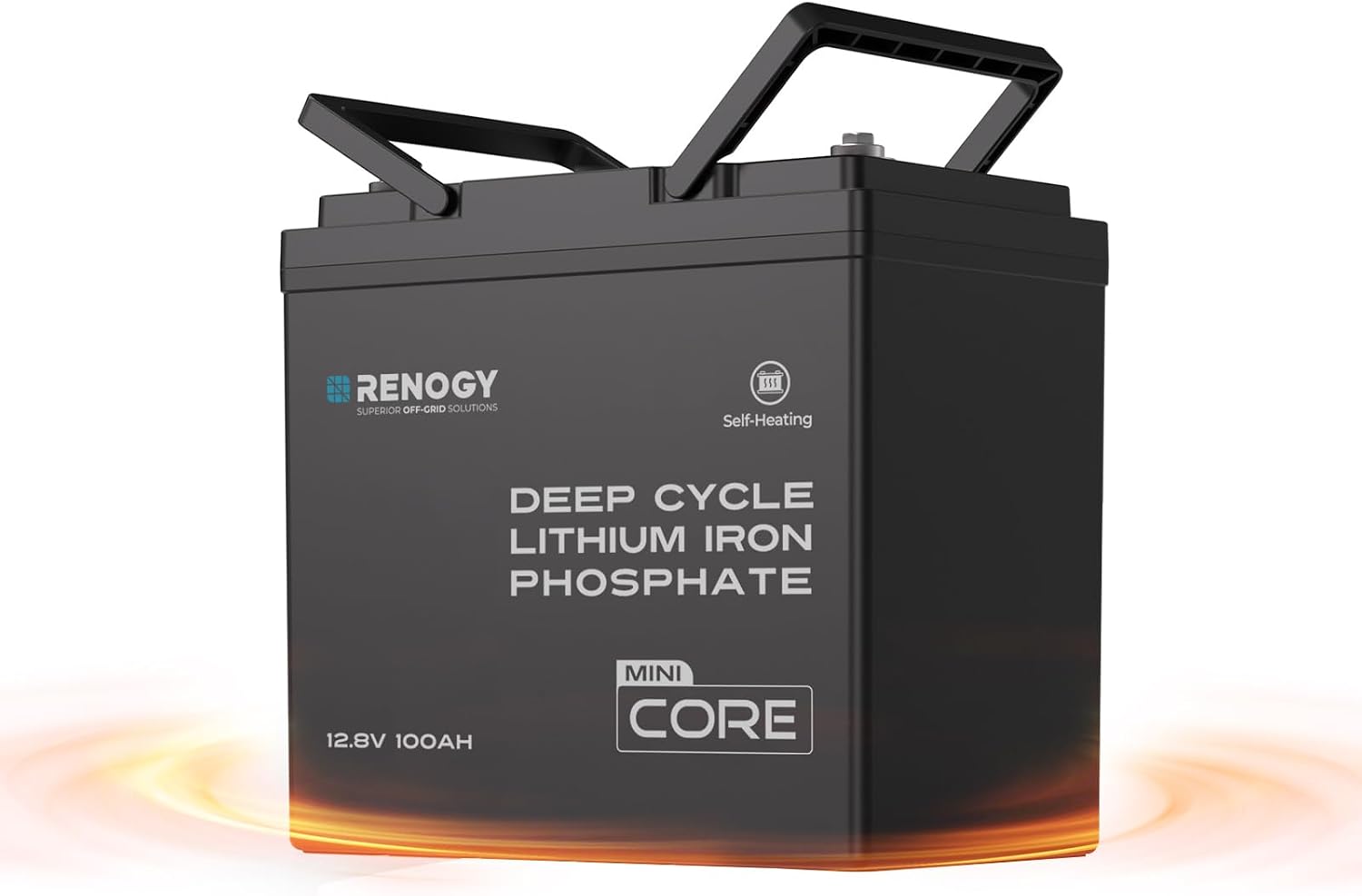
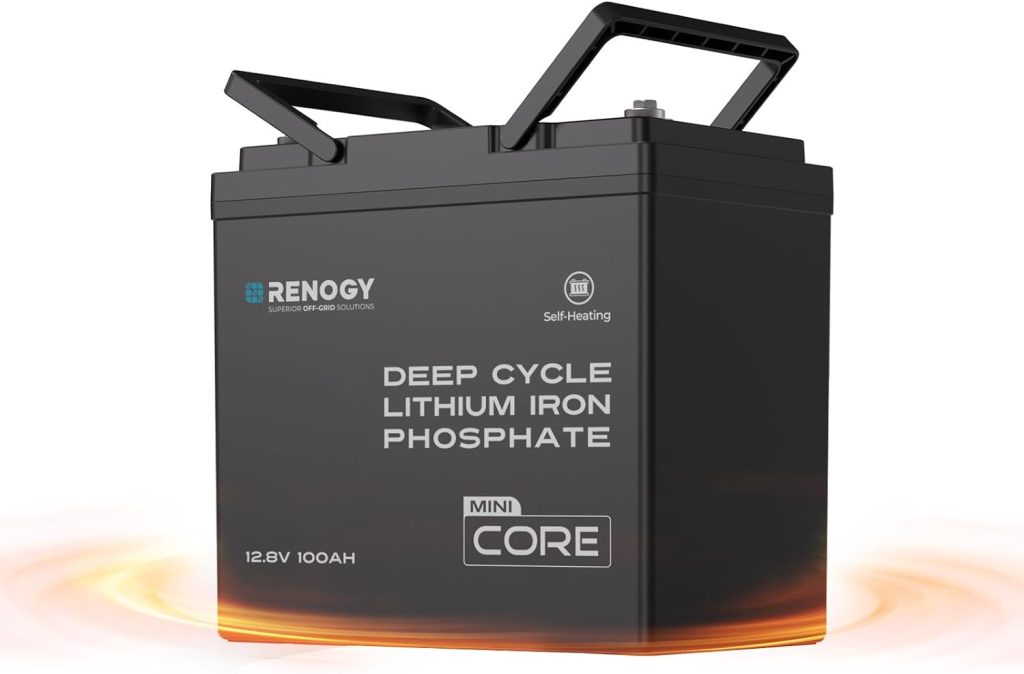
Today, we’re dissecting a popular component often considered for these advanced setups: the Renogy 12V 100Ah Lithium LiFePO4 Battery with its self-heating feature. While a single unit is not a standalone whole home battery backup or home energy storage system, it serves as a foundational building block. My evaluation will explain how this battery, when integrated into a carefully designed system, performs in real-world scenarios, particularly for those envisioning an off-grid battery system.

Understanding the Renogy 12V 100Ah LiFePO4: A Foundation for Your Off-Grid Battery System

The Renogy 12V 100Ah LiFePO4 battery is a high-quality component within the broader landscape of residential battery backup and solar battery storage. It’s essential to understand its characteristics as a standalone unit before discussing its integration into a comprehensive off-grid battery system.

Battery Chemistry: LiFePO4 vs. NCM

The Renogy battery utilizes Lithium Iron Phosphate (LiFePO4 or LFP) chemistry. This is a crucial distinction. In 2026, LiFePO4 remains the preferred chemistry for most stationary home backup battery applications due to its superior safety profile, longer cycle life, and thermal stability compared to Nickel Manganese Cobalt (NCM) batteries. While NCM offers higher energy density (meaning more power in a smaller, lighter package, often found in EVs and some premium portable power stations), LiFePO4 chemistry is less prone to thermal runaway, making it a safer choice for a backup battery for house installations, especially those intended for an off-grid battery system where reliability is paramount. This translates to greater peace of mind and a system that lasts longer, delivering more usable cycles over its lifetime.

Usable Battery Capacity: Practical kWh

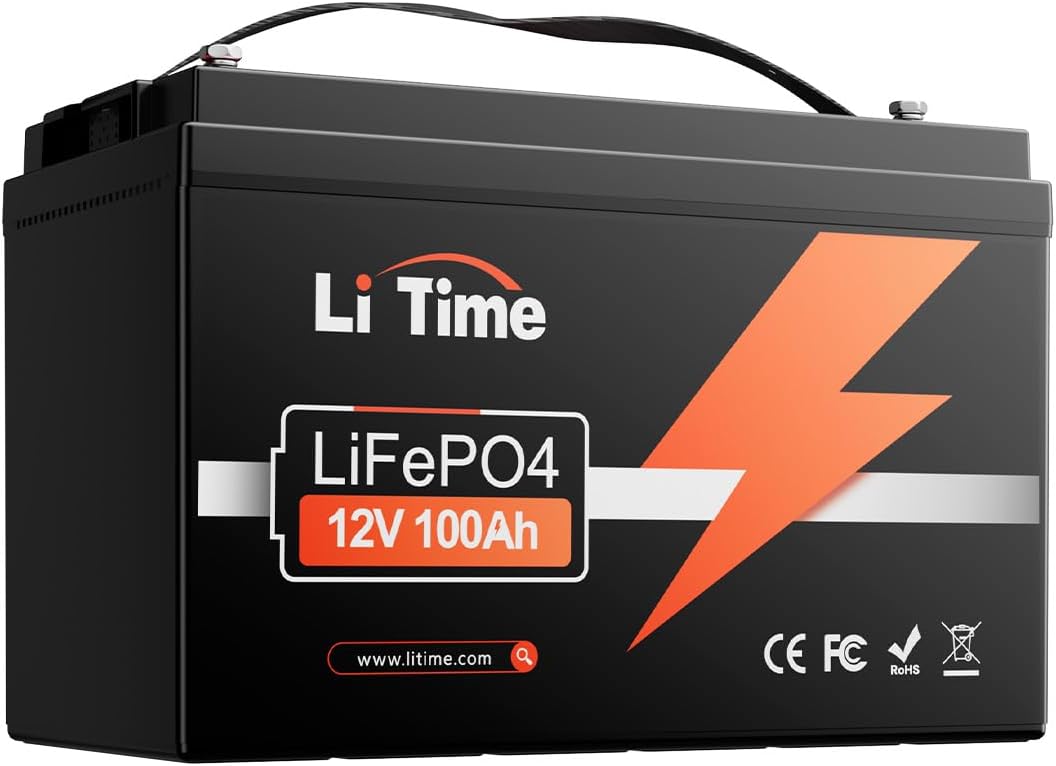
A single Renogy 12V 100Ah battery provides approximately 1.28 kWh of nominal energy (12.8V * 100Ah). Crucially, LiFePO4 batteries allow for a very high depth of discharge (DoD), often up to 100%, without significant impact on their lifespan. This means nearly all 1.28 kWh is usable, unlike lead-acid batteries where usable capacity might be only 50%. For a typical off-grid battery system, this capacity needs to be multiplied. A single unit is suitable for very modest loads—think lighting, charging devices, or running a small DC fridge in an RV or tiny cabin. Achieving whole-home battery backup capability with these batteries requires a bank of multiple units wired in parallel and/or series, scaled to match the energy demands of the residence.

The Self-Heating Feature: A Cold Climate Advantage

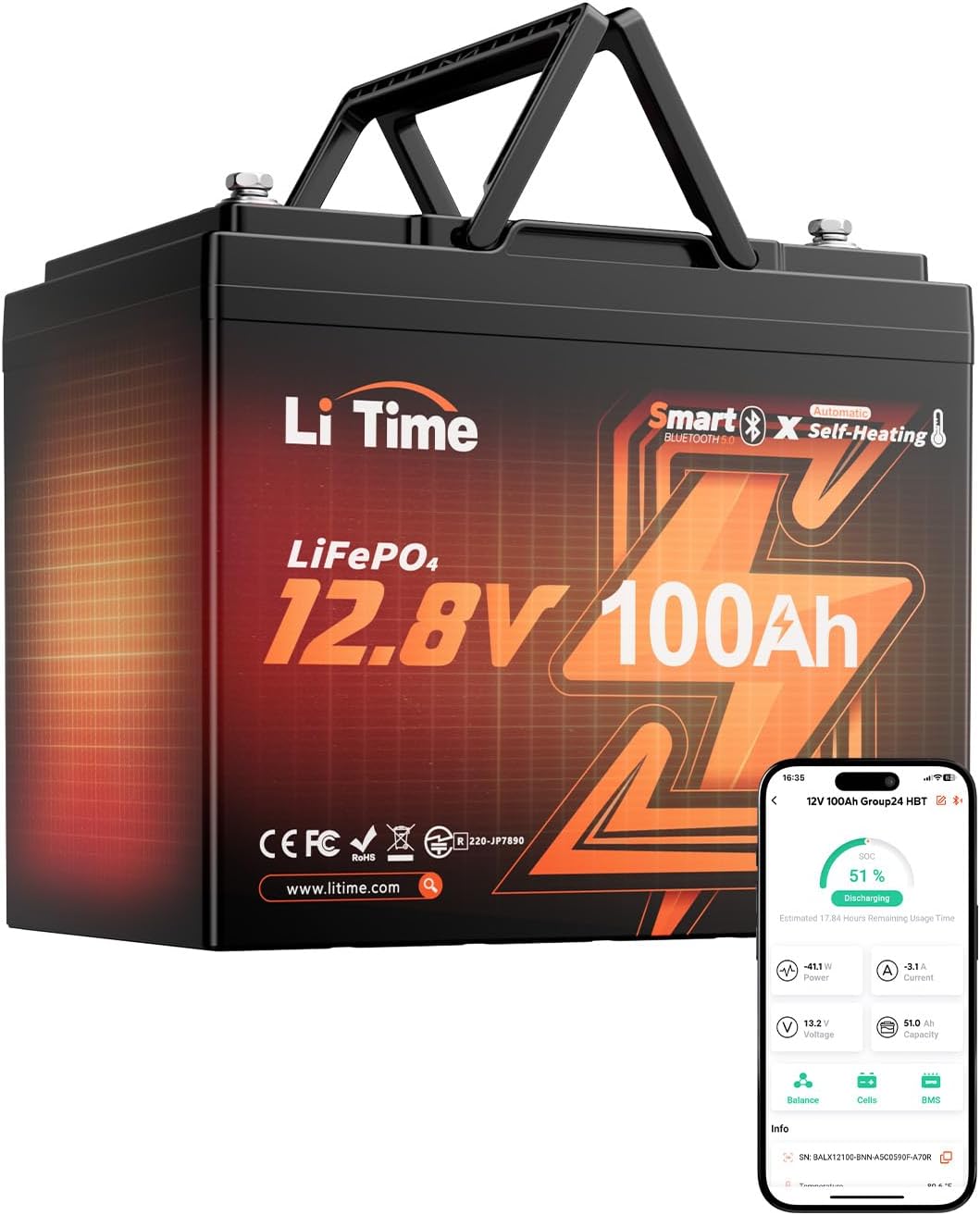
One notable feature of this Renogy battery is its integrated self-heating element. This is not just a comfort feature; it’s a critical operational enhancement for any off-grid battery system in colder climates. Lithium batteries, especially LiFePO4, perform poorly and can even be damaged if charged below freezing temperatures (typically 0°C or 32°F). The self-heating function intelligently warms the battery to an optimal temperature before allowing charging to commence, ensuring efficient and safe operation year-round, extending the lifespan of your solar home battery in diverse environments.

Integrated Battery Management System (BMS)

Each Renogy LiFePO4 battery includes a robust Battery Management System (BMS). This isn’t an optional extra; it’s the brain of the battery, critical for safety and longevity. The BMS monitors cell voltage, current, temperature, and state of charge. It protects against overcharging, over-discharging, over-current, short circuits, and extreme temperatures. For an off-grid battery system composed of multiple individual batteries, a reliable BMS in each unit ensures consistent performance and prevents any single battery from becoming a weak link, safeguarding the entire energy storage solution.

Building an Off-Grid Battery System with Renogy Batteries

While the Renogy 12V 100Ah is a single battery, its true potential for homeowners seeking energy independence lies in its ability to be integrated into a larger, custom-designed off-grid battery system.

Scalability and Expandable Battery Capacity

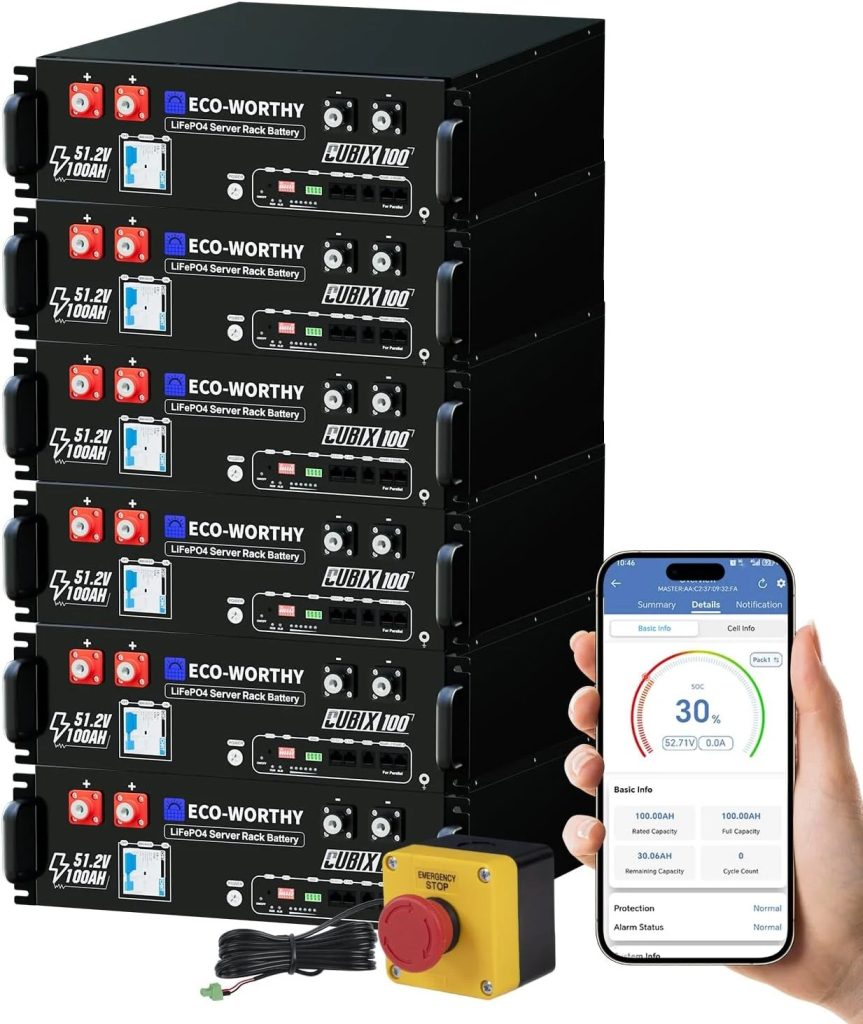
This is where the Renogy battery shines for DIY enthusiasts and custom off-grid battery system integrators. Multiple 12V 100Ah units can be wired in parallel to increase total amp-hour capacity (e.g., four in parallel create a 12V 400Ah bank, approximately 5.12 kWh). They can also be wired in series to increase voltage (e.g., four in series create a 48V 100Ah bank, also 5.12 kWh). This modularity allows for highly customized solar battery bank sizes, from small cabins to larger residential energy storage needs, offering significant flexibility that pre-packaged whole-house battery systems might not.

Continuous and Peak Output Power: The Inverter’s Role

The battery itself does not dictate continuous or peak output power for AC appliances. That’s the domain of the inverter. For an off-grid battery system, selecting the right hybrid inverter is paramount. It must be capable of converting the battery’s DC power into the necessary AC power for your home, handling both continuous loads (like refrigerators) and peak surges (like well pumps or power tools starting up). A properly sized inverter, paired with a sufficiently large Renogy battery bank, can deliver thousands of watts continuously and often double that for short surges, ensuring all essential and non-essential loads are covered.

Solar Compatibility and Hybrid Inverter Performance

The Renogy 12V 100Ah LiFePO4 is an ideal solar home battery component. It’s designed for deep cycling, perfectly suited for the daily charge-discharge cycles characteristic of solar energy harvesting. For a robust off-grid battery system, it needs to be connected to a high-quality hybrid inverter system with an integrated solar charge controller. This hybrid inverter intelligently manages power flow: charging the Renogy battery bank from solar panels, supplying loads directly from solar, and drawing power from the batteries when solar isn’t available. Many home battery systems use the same battery cells, but inverter quality often determines overall reliability. A premium hybrid inverter ensures maximum efficiency in converting solar energy to usable power and storing it in your Renogy battery bank.

Generator Compatibility for Robust Off-Grid Systems

Even the most well-designed off-grid battery system benefits from a backup generator. For extended periods of low solar production (e.g., cloudy winter weeks) or unexpected high consumption, a generator can recharge the Renogy battery bank. A smart hybrid energy storage inverter will automatically start and stop the generator based on battery state of charge, ensuring seamless backup power system operation and true energy independence without constant manual intervention.

Real-World Application: Off-Grid Living with Renogy Power

Imagine an off-grid cabin in the mountains, disconnected from utility lines, where a Renogy-based off-grid battery system serves as the heart of its power. This is where the practical considerations of such a setup truly come to life.

In this scenario, energy independence is the primary driver. The cabin relies solely on renewable sources and stored energy. During daylight hours, a carefully sized array of solar panels generates electricity, directly powering the cabin’s loads – lights, a refrigerator, a water pump, and perhaps a Starlink internet dish. Simultaneously, any excess solar power is fed into the Renogy 12V 100Ah LiFePO4 battery bank. For a modest cabin, this might involve eight or twelve such batteries wired to achieve a 48V system with 10-15 kWh of usable storage, feeding into a robust 5-8 kW hybrid inverter.

As evening approaches and the sun dips below the horizon, the solar panels cease production. The hybrid inverter system then seamlessly draws power from the Renogy battery bank, maintaining uninterrupted electricity for the cabin’s inhabitants. This allows for night-time lighting, cooking on electric appliances, entertainment, and essential services like a medical device or heating system fan. The high discharge rate capability of the LiFePO4 batteries, managed by their internal BMS, ensures that peak demands, such as starting a well pump, are handled without issue.

However, even with a substantial battery bank, periods of extended cloudy weather or increased winter loads can deplete reserves. This is where the backup generator compatibility becomes crucial for a truly resilient off-grid battery system. When the battery bank’s state of charge falls to a pre-set threshold (e.g., 30%), the hybrid inverter automatically signals the generator to start. The generator then provides power to the cabin and simultaneously recharges the Renogy batteries. Once the batteries are sufficiently charged (e.g., 80-90%), the generator shuts down, preserving fuel and minimizing noise, allowing the solar array to take over again. This orchestrated interplay between solar, batteries, and generator ensures continuous power, proving the Renogy batteries as reliable components for self-sufficient, renewable home energy living, eliminating reliance on the grid. This setup epitomizes true energy independence, offering peace of mind even in the most remote locations.

Whole-Home Backup vs. Component Battery: Setting Expectations

It’s critical to differentiate between a single Renogy 12V 100Ah LiFePO4 battery and a complete whole-home battery backup system. While the Renogy battery is an excellent building block, achieving whole home battery backup capability for a modern residence requires a much larger investment in multiple batteries, a high-capacity inverter, and associated balance-of-system components.

Automatic Transfer Switch (ATS) and UPS Switching Speed

These features are functions of the overall backup power system‘s inverter and control electronics, not the battery itself. For whole-home battery backup, an Automatic Transfer Switch (ATS) is essential. It detects a grid outage and instantaneously switches the home’s critical loads from utility power to battery power. The quality of the ATS and inverter determines the UPS (Uninterruptible Power Supply) switching speed. High-quality hybrid inverter systems, typically integrated into comprehensive home energy storage system packages, offer near-instantaneous (sub-20ms) switching, meaning sensitive electronics like computers won’t even flicker during a blackout. While a Renogy battery bank provides the energy, the inverter and ATS deliver the seamless transition.

Grid-Tied vs. Off-Grid Operation

The Renogy 12V 100Ah battery is inherently versatile. Its primary use case as a standalone unit or in a small bank is often for purely off-grid battery system applications. However, when paired with a sophisticated grid-tied battery inverter (a hybrid energy storage system), it can participate in both grid-tied operations (e.g., self-consumption, time-of-use optimization, selling excess solar back to the grid) and off-grid scenarios during blackouts. This flexibility allows homeowners to start with an off-grid battery system mindset and later expand to a grid-interactive solution if desired.

Installation, Safety, and Long-Term Value

Integrating Renogy batteries into an off-grid battery system or a larger residential energy storage solution involves several practical considerations beyond just the battery itself.

Installation Requirements

Installing a single Renogy 12V 100Ah battery is relatively straightforward for someone familiar with DC electrical systems (e.g., in an RV). However, building a multi-battery whole-house battery backup or a complete off-grid battery system is a complex undertaking. It involves high-voltage/high-current DC wiring, AC wiring, inverter installation, solar panel integration, grounding, and often conduit work. This level of home energy storage system installation typically requires professional installation by certified electricians and solar installers to ensure safety, code compliance, and optimal performance.

Safety Certifications

For any backup battery for house application, safety certifications are paramount. Reputable batteries like the Renogy LiFePO4 typically carry certifications such as CE, RoHS, UN38.3 (for transport), and often UL listings (e.g., UL 1973 for battery safety). When selecting an inverter and other components for your off-grid battery system, ensure they also meet relevant safety and electrical code standards (e.g., UL 1741, NEC compliance in North America). These certifications indicate that the products have undergone rigorous testing for fire safety, electrical safety, and performance, which is vital for peace of mind.

Warranty and Long-Term Reliability

Renogy typically offers a 5-year warranty on their LiFePO4 batteries. This is standard for quality LiFePO4 products. However, the expected lifespan for these batteries, considering their cycle life (often 4,000+ cycles at 80% DoD), can easily extend to 10-15 years or more under typical usage patterns in an off-grid battery system. This long-term reliability is a significant advantage over lead-acid batteries and contributes to the overall long-term value of your energy storage solution.

Cost Per kWh

The upfront cost per kWh for a single Renogy 12V 100Ah LiFePO4 battery is competitive within the modular LiFePO4 market. However, it’s crucial to factor in the total system cost when evaluating a whole-house battery or off-grid battery system. This includes the inverter, charge controller, wiring, fuses, circuit breakers, disconnects, potential battery enclosures, and installation labor. While the Renogy battery itself offers good value, the estimated installed cost per kWh for a complete system built around these components can range significantly depending on the inverter choice and installation complexity.

Who Is the Renogy 12V 100Ah LiFePO4 Best For?

The Renogy 12V 100Ah Lithium LiFePO4 Self-Heating battery, primarily as a component, is best suited for:

  • Off-grid Cabins: Provides reliable energy storage when scaled appropriately, especially with the self-heating feature for year-round performance.
  • Solar Homes (Modular Approach): For homeowners who prefer a DIY or custom-built solar home battery solution over pre-packaged systems.
  • Emergency Preparedness: As part of a larger, expandable residential battery backup system for critical loads.
  • RV and Marine Applications: Its original design intent, offering robust, lightweight power.
  • Small Backup Power Systems: For specific circuits or modest backup power system needs, where 1-5 kWh of storage is sufficient.

Potential Drawbacks and Practical Considerations

While an excellent product, integrating the Renogy 12V 100Ah into a comprehensive off-grid battery system or whole home battery backup does come with considerations:

  • High Installation Cost (for a full system): While individual batteries are affordable, the total cost for a robust whole-house battery backup system (inverter, wiring, ATS, labor) can be substantial.
  • Professional Installation Required: For anything beyond a small, basic setup, professional installation is highly recommended for safety and compliance. This adds to the overall cost.
  • Scalability Requires Expertise: While highly expandable, correctly wiring and configuring a large solar battery bank in series/parallel requires electrical knowledge to ensure balancing and longevity.
  • Inverter Dependence: The battery’s performance in a home energy context is entirely dependent on the quality and sizing of the external hybrid inverter system and charge controller. Poor quality peripherals will limit system efficiency and reliability.
  • Software Limitations: Unlike integrated home energy storage system solutions with sophisticated apps, the Renogy battery itself relies on external inverter/charge controller software for advanced monitoring and energy management.
  • Physical Space: A large off-grid battery system composed of many individual Renogy batteries will require dedicated physical space, which might be more spread out than a compact, integrated unit.

Value for Money: A Component Perspective

Evaluating the Renogy 12V 100Ah LiFePO4 for value for money requires a nuanced perspective, seeing it as a superior component rather than a complete home energy storage system.

  • Cost per kWh: At its individual unit price, the Renogy battery offers a very competitive cost per kWh for high-quality LiFePO4 chemistry, especially considering its self-heating feature and robust BMS. This makes it attractive for those building custom systems.
  • Installation Cost: This is highly variable. If you’re building a modest off-grid battery system yourself (e.g., small cabin), your installation cost is primarily materials. For a comprehensive whole-house battery backup, professional installation labor will be a significant factor.
  • Battery Lifespan & Warranty: With a 5-year warranty and an expected lifespan of 10-15+ years due to its LiFePO4 chemistry and high cycle life, the long-term cost of ownership for the battery itself is excellent. This longevity contributes significantly to the ROI.
  • Electricity Savings & ROI: Direct electricity bill savings aren’t driven by the battery alone but by the entire solar battery storage system it’s part of. For off-grid battery system users, the ROI is energy independence. For grid-tied users, savings come from time-of-use optimization, peak shaving, and avoiding high utility rates by using stored solar power. The Renogy battery enables these savings by providing reliable storage.

Off-Grid Battery System Comparison: Renogy vs. Integrated Solutions

Let’s compare the Renogy 12V 100Ah LiFePO4 (as a building block for a custom off-grid battery system) against some popular integrated home energy storage system solutions available in 2026. This comparison aims to clarify which solution fits different residential energy storage needs.

Feature Renogy 12V 100Ah LiFePO4 (as a System Component) Tesla Powerwall 3 EcoFlow PowerOcean (Modular) Generac PWRcell (Modular)
Battery Chemistry LiFePO4 LiFePO4 LiFePO4 LiFePO4
Battery Capacity 1.28 kWh (per unit, highly scalable) 13.5 kWh (usable) 5 kWh (per module, up to 15 kWh) 9 kWh (per module, up to 36 kWh)
Continuous Output Inverter-dependent (e.g., 3-12 kW+ for a full system) 11.5 kW 5 kW (per inverter, scalable) 7.6 kW or 11.4 kW (per inverter, scalable)
Whole-Home Backup Achievable with sufficient battery bank and appropriately sized inverter/ATS Yes, fully integrated, with critical load panel or whole home Yes, with multiple modules and compatible inverter/ATS Yes, with multiple modules and compatible inverter/ATS
Solar Integration Excellent, compatible with external charge controllers/hybrid inverters Integrated Hybrid Inverter, AC or DC coupled Integrated Hybrid Inverter, AC or DC coupled Integrated Hybrid Inverter, AC or DC coupled
Expandability Highly expandable (parallel/series wiring of individual batteries) Limited per unit, multi-unit installations possible Yes, by adding 5 kWh battery modules and additional inverters Yes, by adding 3 kWh battery modules and additional inverters
Warranty 5 Years (battery); inverter/BOS components vary 10 Years 10 Years 10 Years
Est. Installed Cost Highly variable ($5,000 – $25,000+ for a full home system, ex-solar) $15,000 – $20,000 (ex-solar, installed) $10,000 – $25,000 (ex-solar, installed, scalable) $12,000 – $30,000+ (ex-solar, installed, scalable)
  • Note: Estimated Installed Costs are approximate for 2026, exclude solar panels, and vary significantly by region, installer, and specific system configuration.

Who should buy Renogy 12V 100Ah Lithium LiFePO4 Battery Self-Heating?

Homeowners looking to build a custom off-grid battery system or solar battery bank from the ground up. This includes DIY enthusiasts, those with specific power requirements for cabins or RVs, and individuals who want full control over their energy storage solution components, choosing their own inverter and balance-of-system parts. It’s an excellent option for those prioritizing competitive component pricing and modularity over a single, integrated appliance.

Who should buy Tesla Powerwall?

Homeowners seeking a sleek, integrated, and high-performance whole-home battery backup solution with minimal footprint. The Powerwall offers a robust hybrid energy storage system with excellent software integration and often pairs seamlessly with Tesla Solar. It’s ideal for those who prefer a single-brand, hands-off experience for their home energy storage system.

Who should buy EcoFlow PowerOcean?

Those who appreciate modularity within an integrated ecosystem. EcoFlow PowerOcean appeals to users who might start with a smaller backup power system and scale up their residential energy storage capacity over time by adding battery modules. Its easy installation and smart energy management features make it attractive for homeowners who want a modern, flexible solution for solar battery storage.

Who should buy Generac PWRcell?

Homeowners who prioritize robust whole-home battery backup, especially if they already have or are considering a Generac standby generator. PWRcell offers impressive power output and scalability, making it suitable for larger homes with significant power demands during outages. It integrates well into a comprehensive backup power system strategy, ensuring critical and non-critical loads are covered.

Expert Q&A on Off-Grid Battery Systems

Here are some common questions I encounter from homeowners considering an off-grid battery system.

Why does battery chemistry matter for off-grid battery system longevity?

Battery chemistry is fundamental to the performance, safety, and lifespan of any off-grid battery system. For long-term residential energy storage, LiFePO4 (Lithium Iron Phosphate) is generally superior to NCM (Nickel Manganese Cobalt) and traditional lead-acid batteries. LiFePO4 offers a much longer cycle life (e.g., 4,000+ cycles vs. 500-1,500 for NCM and 200-500 for lead-acid), which means your solar home battery will last for many more years, reducing the need for costly replacements. LiFePO4 batteries are also inherently safer, with greater thermal stability and a lower risk of thermal runaway, a critical factor for an off-grid battery system that will be housed on your property. This translates directly to a lower total cost of ownership and greater peace of mind over the life of your energy storage solution.

How can the Renogy 12V 100Ah LiFePO4 contribute to powering a home off-grid?

While a single Renogy 12V 100Ah LiFePO4 battery (1.28 kWh) is suitable for very small loads or RVs, it becomes a powerful component in an off-grid battery system by being part of a larger battery bank. For example, to power a modest off-grid home with essential appliances (refrigerator, lights, internet, water pump), you might need 10-20 kWh of usable storage. This can be achieved by wiring 8-16 Renogy 12V 100Ah batteries in series and parallel to create a 48V bank. This battery bank is then connected to a high-quality hybrid inverter system that converts the battery’s DC power into usable AC power for your home, manages charging from solar panels, and can even integrate with a backup generator. The expandability of these individual units allows homeowners to scale their off-grid battery system precisely to their needs, ensuring robust backup power system performance and energy independence.

What defines a truly reliable off-grid battery system?

A truly reliable off-grid battery system is defined by the seamless integration and robust performance of all its components, not just the battery. Beyond a high-quality battery bank (like one built with Renogy LiFePO4 units), reliability hinges on:

  1. Correctly Sized Inverter/Charger: A hybrid inverter system with sufficient continuous and surge output to handle all anticipated loads, and an efficient charge controller to optimize solar battery storage.
  2. Redundancy and Oversizing: Often, the solar array and battery bank are slightly oversized to account for cloudy days and unexpected power demands. A backup generator for extended periods of low solar input is also a critical component of emergency preparedness.
  3. Advanced Monitoring and Management: A system with comprehensive monitoring capabilities allows you to track energy production, consumption, battery state of charge, and system health, enabling proactive maintenance and optimization.
  4. Robust Safety Features: This includes a sophisticated Battery Management System (BMS) within the batteries, proper circuit protection (fuses, breakers), grounding, and compliance with all electrical codes to prevent hazards.
  5. Professional Design and Installation: While DIY can work for small systems, a complex off-grid battery system benefits immensely from expert design and installation to ensure efficiency, safety, and long-term performance.

Final Verdict: The Renogy 12V 100Ah LiFePO4 in Your Off-Grid Battery System Journey

In 2026, the Renogy 12V 100Ah Lithium LiFePO4 Battery with its self-heating feature stands out as an exceptionally reliable and cost-effective component for building out an off-grid battery system. Its LiFePO4 chemistry offers a proven track record of safety, durability, and a long cycle life—critical for any home energy storage system. The integrated BMS ensures intelligent management and protection, while the self-heating element uniquely extends its operational viability into cold climates, enhancing its practicality for solar battery storage in diverse geographical regions.

However, it’s crucial for homeowners to understand that this is a building block. Achieving a comprehensive whole home battery backup or a fully functional off-grid battery system requires integrating multiple Renogy units with a high-quality hybrid inverter system, an automatic transfer switch, and appropriate safety components. For those with the technical aptitude or a trusted installer, these batteries offer unparalleled modularity and scalability, allowing for a truly custom residential energy storage solution tailored to specific needs and budgets. For those seeking an all-in-one, plug-and-play solution, integrated systems like Tesla Powerwall or Generac PWRcell might be a more straightforward, albeit less customizable, path.

For the homeowner determined to achieve true energy independence through a robust, expandable, and highly efficient off-grid battery system, the Renogy 12V 100Ah LiFePO4 battery is an excellent foundation that delivers significant long-term value and reliability.

#Renogy #12V #100Ah #Lithium #LiFePO4 #Battery #SelfHeating