The power went out on a Tuesday at 6:40 in the evening. August. Ninety-one degrees outside, and my refrigerator had about four hundred dollars of groceries in it. I stood in the kitchen with my phone flashlight on, listening to the compressor wind down, doing the kind of math nobody teaches you until you're standing in a dark kitchen.
How long does food stay safe in a dead fridge? About four hours, if you don't open the door. I opened the door eleven times that night.
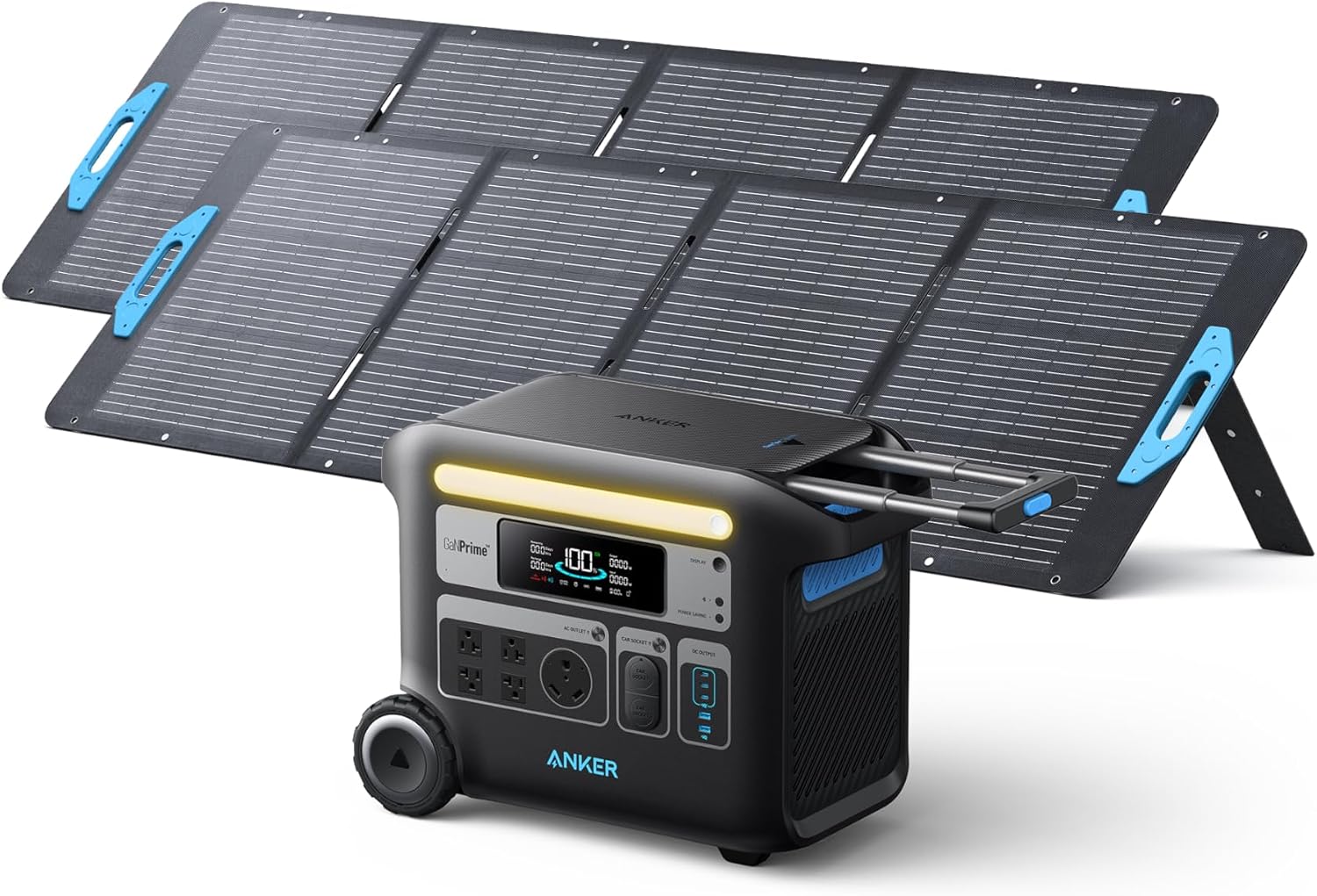
I'd been circling portable power stations for weeks by then. The Anker SOLIX F2000 — which is the same machine as the PowerHouse 767, just a different name on the box — kept showing up. 2048Wh. That number looked big. It looked like a whole day of power. I believed it for about three days, until I did the arithmetic properly.
What 2048Wh actually buys you
Here's the arithmetic nobody puts in the ad. 2048Wh sounds like two kilowatt-hours of freedom. It's not. Inverter loss eats roughly 20% of it before a single watt reaches your appliance. So 2048Wh on the label becomes about 1640Wh you can actually use. I ran that number three times because I didn't want to believe it.
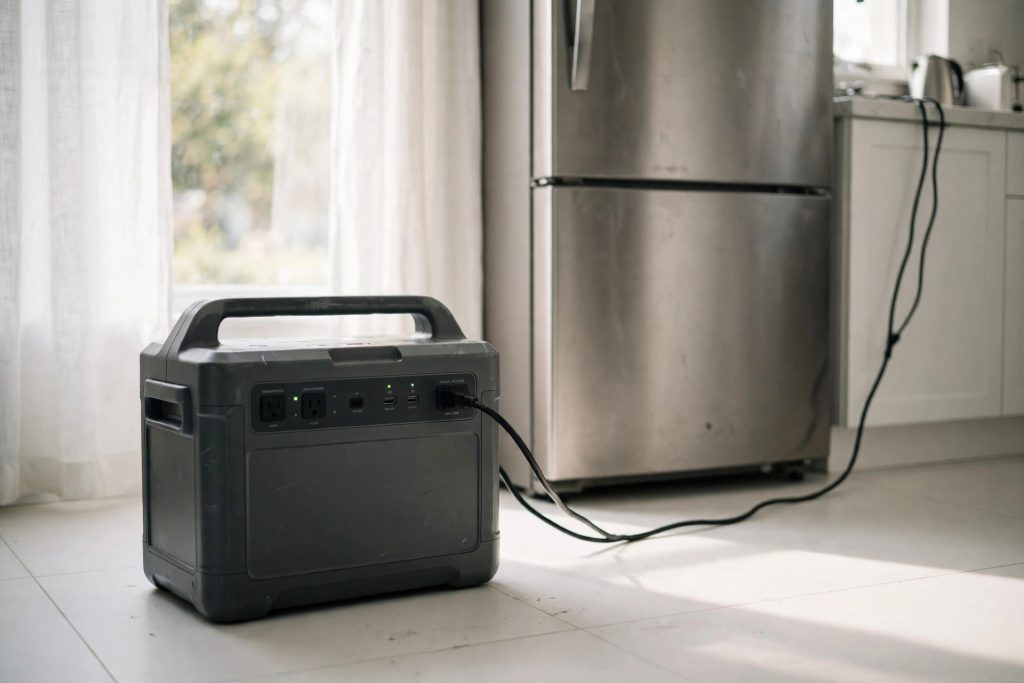
My fridge is rated at 150W. Fine. But the compressor doesn't run continuously — it cycles. Over 24 hours, a modern fridge in a warm kitchen eats roughly 1 to 1.5 kWh. Which means the F2000, in a heat-wave outage, buys my food somewhere around a day and a day. I first told my wife it would last four hours of straight runtime. Actually, no. That's not right. What I meant was the runtime question is wrong entirely, because nothing in your house runs straight. The right question is: how many hours until the milk goes bad? And the answer is longer than the marketing makes you think, and shorter than your anxiety wants it to be.
Not even close to what the brochures imply, though. Some of these brands show a smiling family running a fridge, a TV, and a fan off a unit like this like it's nothing. The TV and the fan are nothing. They're 60 watts combined. The thing that kills you is the microwave. Ten minutes of reheating dinner at 1000W is about 167Wh — a tenth of the usable capacity, gone in the time it takes to scroll your phone. Two of those and you've burned a fifth of the battery making leftovers hot.
The grocery store that night was a scene. The freezer aisle was a wake. Neighbors were out on porches grilling everything they owned because it was either cook it or lose it, and I remember thinking: this is the off-topic part of the evening that the spec sheets never prepare you for. Outages are social events before they're technical problems. Somebody's kid was doing homework by car headlights. Somebody else had a gas generator screaming on their driveway at 11pm, and the whole street hated them a little. The F2000, for all its math, is silent. That matters more than I expected. In a subdivision at midnight, silence is a feature nobody lists.
The marketing vs. the math
Now the rant part, because I can't help it. The whole category calls these things "solar generators" and I want to argue with the name every time I see it. A generator generates. This is a battery with an inverter bolted on. It doesn't generate a single watt unless you buy the panels separately, haul them into the yard, and hope the sun cooperates. And then there's the "run your home" language. No. It runs your fridge, your phones, your router, and your lights. It does not run your home. Your central AC will eat 2048Wh in forty-five minutes and ask for more. The marketing guys know this. They show the unit next to a house like it's a whole-home solution, and I keep thinking somebody's going to buy one for a heat wave, plug in a window AC, and learn physics the expensive way.
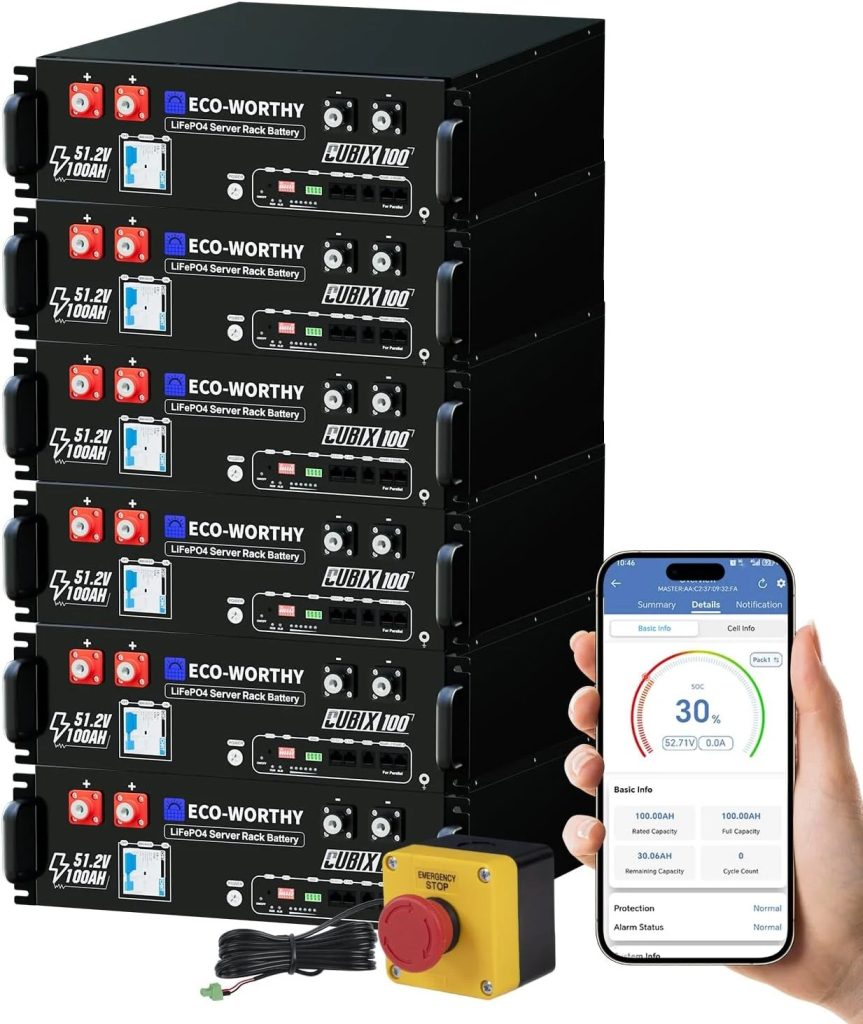
What about the F2000 itself, though, inside all that complaining? It's fine. Honestly it's one of the saner units in this class. LiFePO4, 2300W of AC output which is enough to start a fridge compressor — that startup surge is the thing that trips smaller inverters, 3 to 5 times the rated draw for a second — and it expands to 4096Wh with a second battery if you ever get serious. The ten-year-ish lifespan claim on the cells? This scene I haven't tested. That's a "get your actual device and watch" situation. I don't trust cycle-life marketing from any brand, and I don't pretend I've been running one for a decade.
One criticism, directed at myself and people like me: I almost bought a smaller unit first because it was cheaper and the pictures looked the same. A 1000Wh box would have kept my phone alive for a week and my food alive for maybe ten hours, and I would have spent the whole outage doing freezer triage anyway. The buyer's mistake — my mistake — was shopping by price instead of shopping by the compressor's appetite. Add up your loads. Then buy the battery. That order matters.
Would I buy it? For the fridge-plus-basics job, the math clears. For "keep the whole house normal during an outage," no battery in this price class does that, and anyone who tells you otherwise is selling something. My router stayed up that night. My phone charged. The ice cream lived. The milk lived. The house was still 84 degrees and miserable and nobody slept well. The battery did its job. The job is just smaller than the box makes it look.
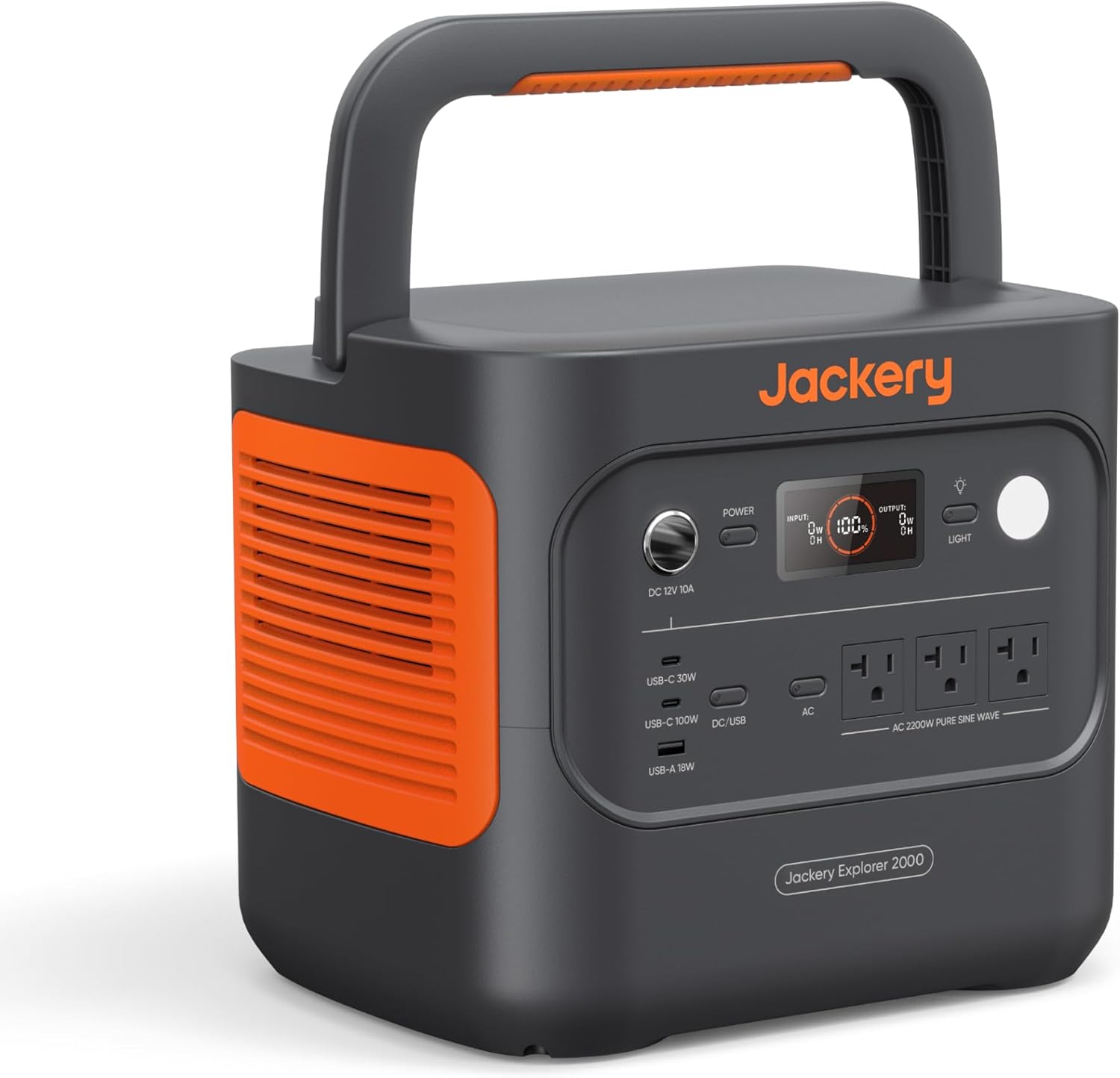
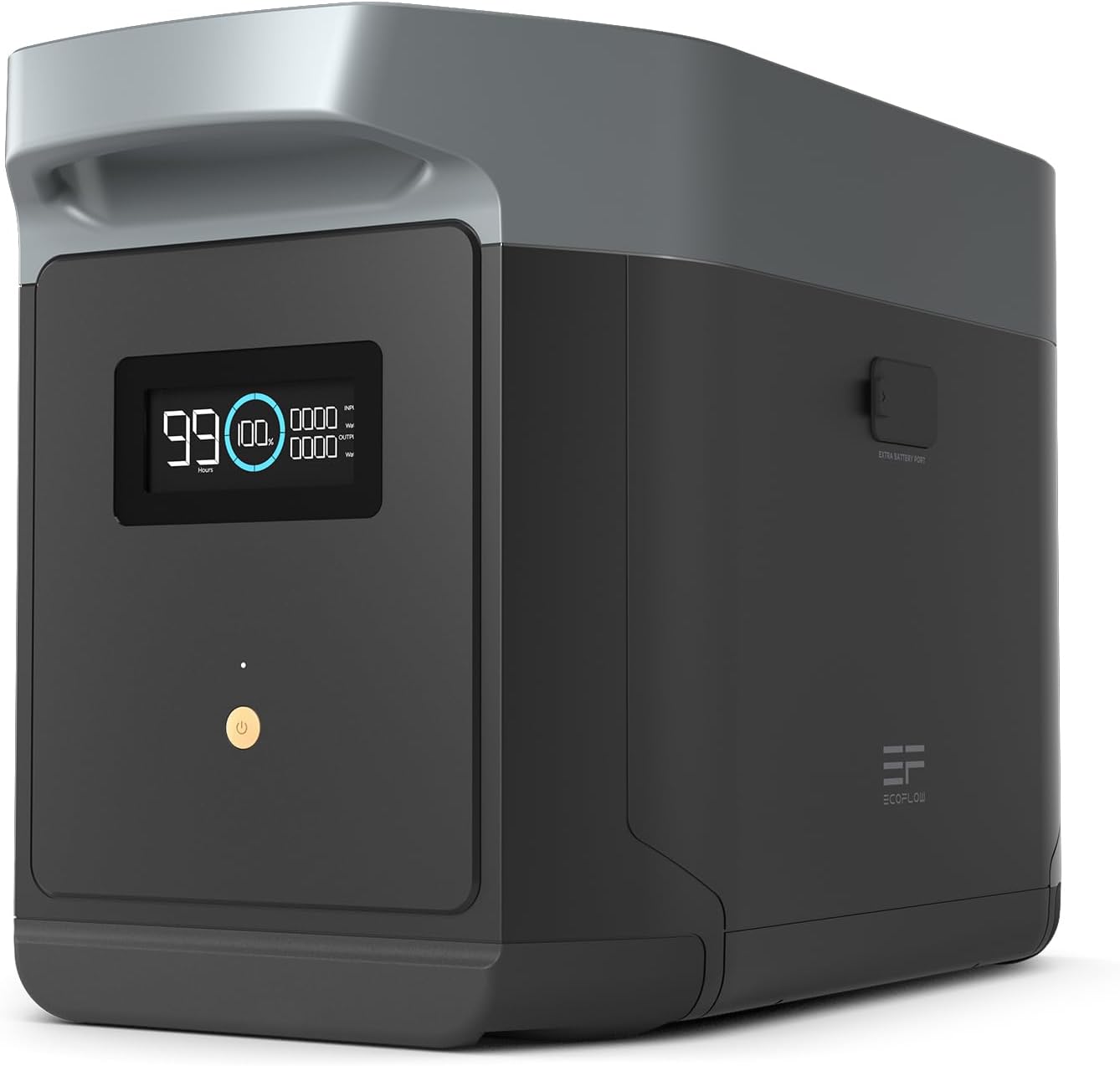
Related reading: what size power station your home actually needs the Jackery Explorer 2000 Pro in the same class EcoFlow's 2048Wh DELTA 3 Max Plus
The outage ended at 4am. I woke up to the hum of the fridge kicking back on, grid power, everything fine. I never did buy the expansion battery.
Three worth comparing