Mastering Your RV Solar Setup: Expert Guide to Off-Grid Power in 2026
As a veteran emergency preparedness and off-grid energy consultant with over two decades in the field, I’ve seen firsthand the evolution of backup power solutions. In 2026, the demand for reliable, sustainable energy is higher than ever, especially for those embracing the open road. A well-designed RV solar setup isn’t just a luxury anymore; it’s a foundation for energy independence, comfort, and safety, whether you’re enjoying remote campsites or navigating unexpected outages.
This guide isn’t about promoting a single product. It’s about understanding the complete ecosystem of portable emergency power that keeps your lights on, your food cold, and your devices charged, from the backcountry to your driveway. We’ll explore why dedicated RV solar setup solutions, ranging from comprehensive kits with substantial battery banks and solar panels to versatile portable power stations and solar generators, are essential for modern adventurers and preparedness-minded families.
Why Solar is Now Central to Energy Independence
For years, many relied solely on noisy, fuel-guzzling generators for their mobile power needs. While gas generators still have their place as a robust backup, the rise of advanced battery technology and efficient solar panels has ushered in a new era. Solar offers quiet, clean, and renewable energy, freeing you from fuel dependency and allowing you to operate in noise-restricted areas.
Why are solar generators becoming more popular?
Solar generators, which integrate a battery, inverter, and charge controller into a single unit, have seen a massive surge in popularity due to their convenience and versatility. They offer immediate, clean power without the fumes, noise, or maintenance of traditional gas generators. For everything from camping electricity to providing an emergency power supply for home essentials, their plug-and-play simplicity and ability to recharge directly from the sun make them a go-to solution for disaster preparedness and everyday use.
How does an RV solar setup work?
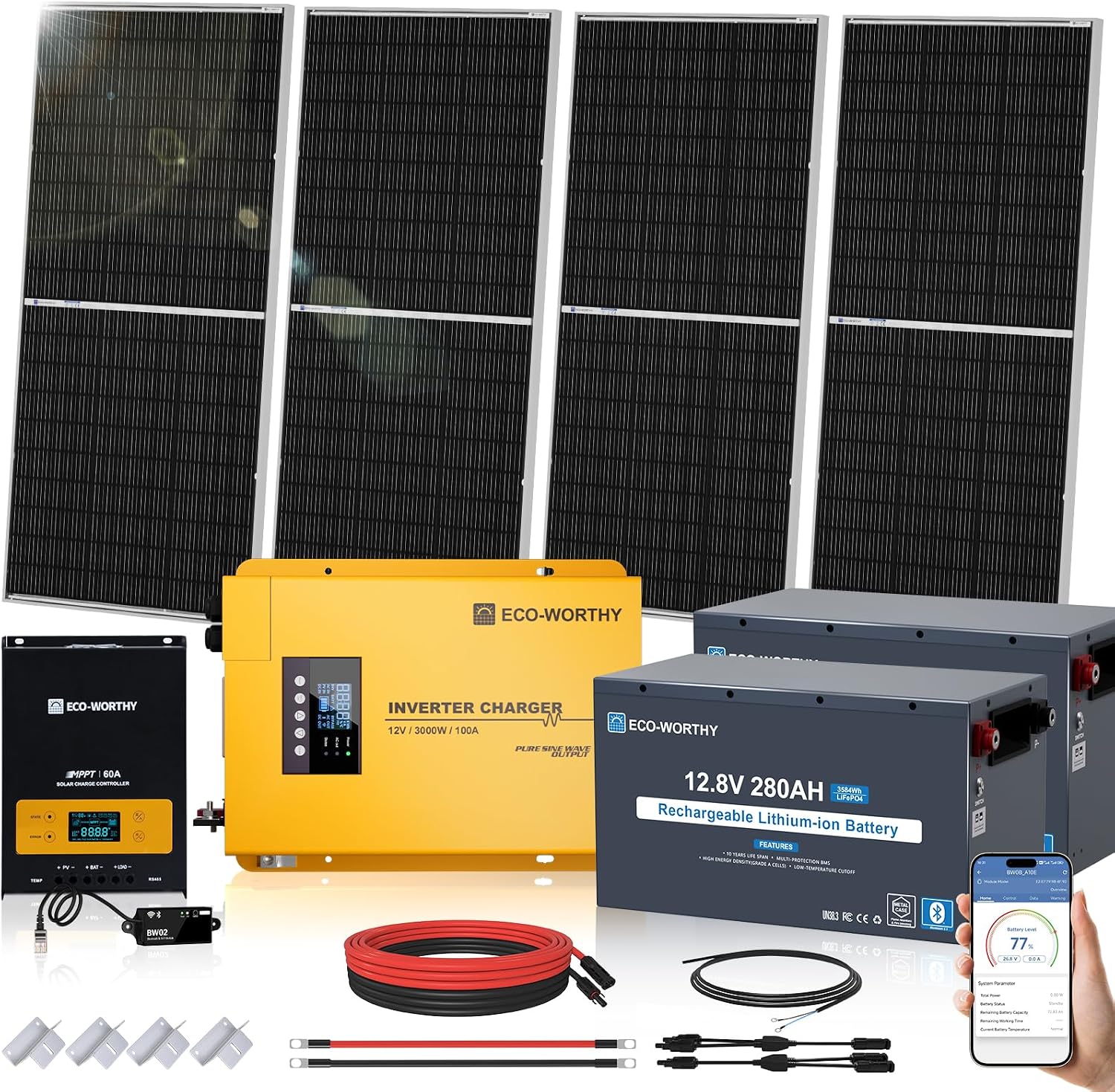
An RV solar setup is an integrated system designed to capture solar energy, convert it into usable electricity, and store it for later use. It typically consists of:
- Solar Panels: These convert sunlight into direct current (DC) electricity.
- Charge Controller: This regulates the voltage and current coming from the solar panels, protecting your batteries from overcharging.
- Battery Bank (RV battery system): This stores the DC electricity generated by the panels. For RVs, deep-cycle batteries (lithium-ion, AGM, or gel) are common, often offering capacities measured in kilowatt-hours (kWh).
- Inverter: This converts the DC electricity from the battery bank into alternating current (AC) electricity, which is what most of your standard appliances use.
- Energy Monitoring System: This allows you to track power production, consumption, and battery state of charge, crucial for efficient off-grid camping.
Together, these components create a self-sufficient energy hub, keeping your RV powered, quiet, and environmentally friendly.
What size portable power station is enough for camping?
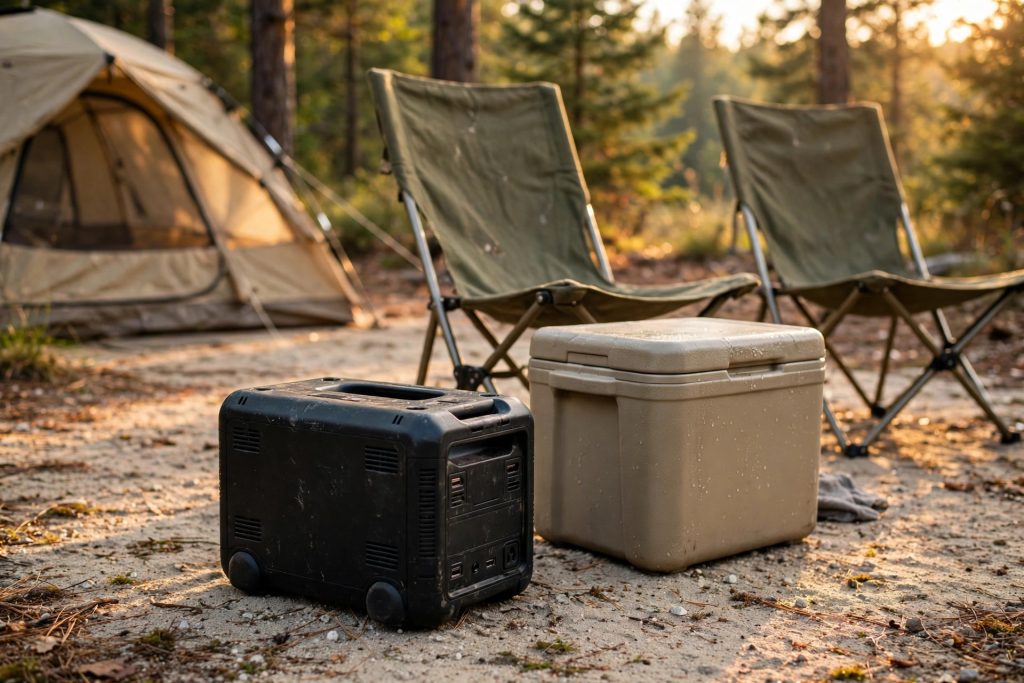
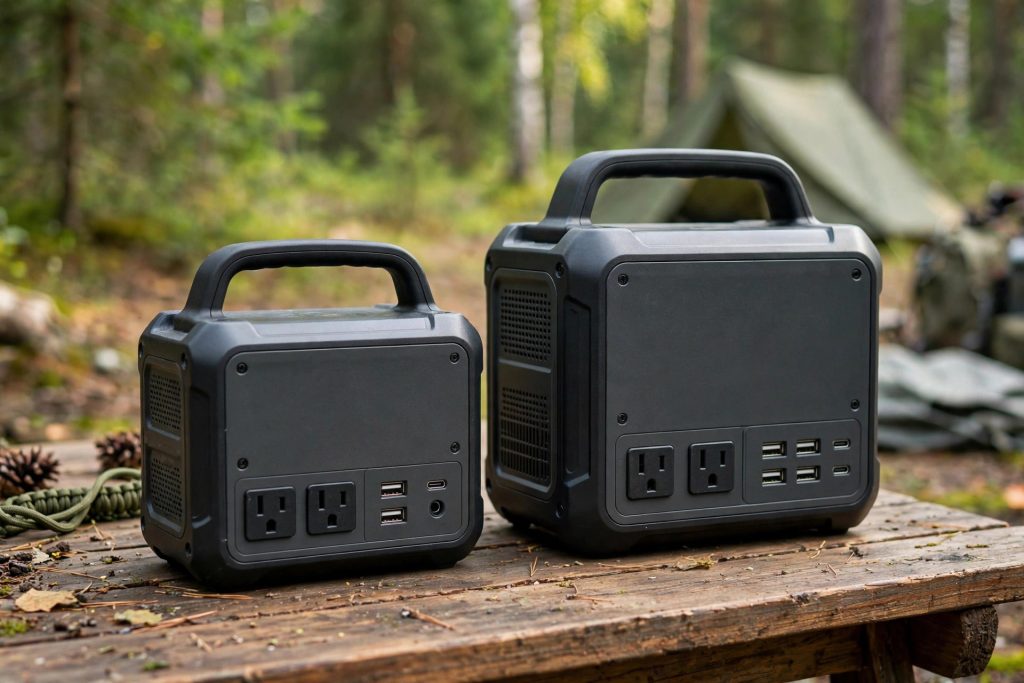
The ideal size for a portable power station for camping largely depends on your specific needs and duration. For a weekend trip, I’ve seen campers bring oversized power stations that weighed more than their coolers. In reality, most weekend trips only require enough capacity to run a portable fridge, lights, and device chargers. A unit with 500-1000Wh (watt-hours) and an inverter output of 500-1000W is usually sufficient for typical camping essentials, covering small appliances, charging phones, and running LED lights. For longer trips or more power-hungry devices, you’d look towards units in the 1000-2000Wh range, often paired with foldable solar panels for recharging.
The Ultimate RV Solar Setup: Components and Considerations
Building a reliable RV solar setup requires careful planning. It’s about more than just slapping panels on the roof; it’s about creating a harmonious RV battery system that meets your energy demands.
Solar Panels: Capturing the Sun’s Power
For an RV solar setup, you typically have two main panel types: rigid and flexible.
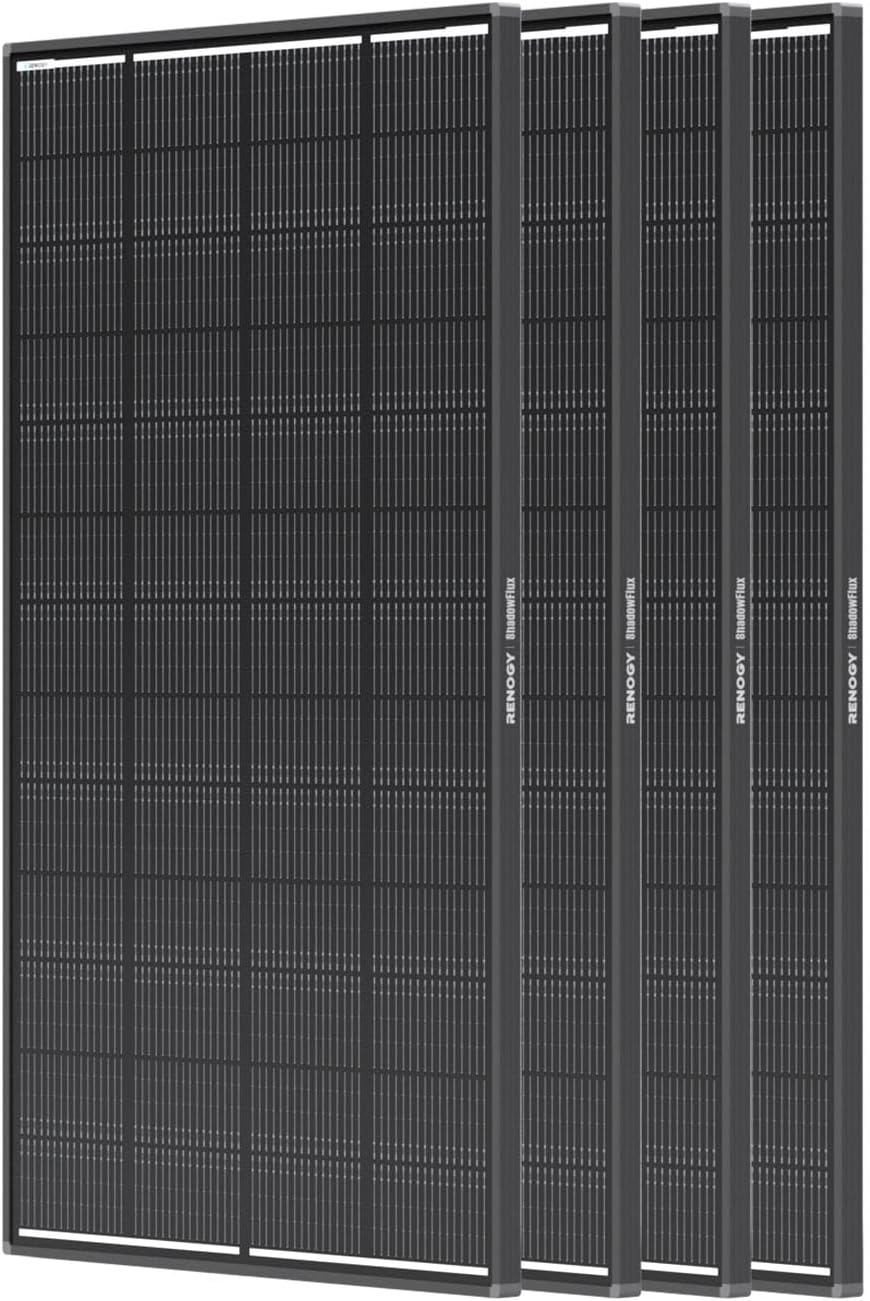
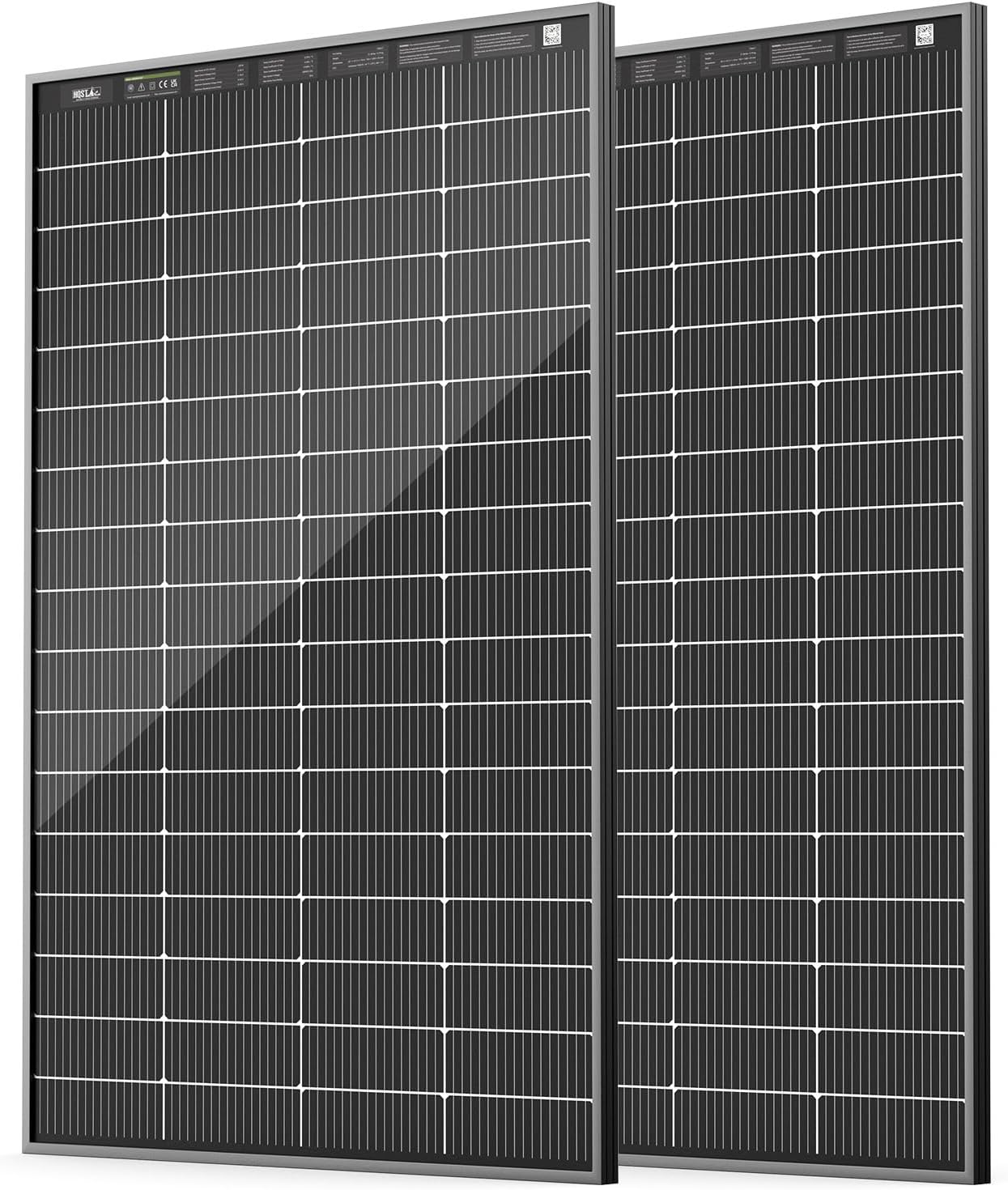
- Rigid Panels: These are the most common, offering high efficiency and durability. They are best for permanent rooftop installations. A comprehensive system might feature 800W or more of rigid solar panels, capable of generating substantial power even on partly cloudy days.
- Flexible Panels: Lighter and thinner, these can conform to curved surfaces. While convenient for smaller setups or supplementary power, they often have lower efficiency and a shorter lifespan than rigid panels.
- Portable Solar Panels: Crucial for supplementing fixed panels, especially if your RV is parked in the shade. These foldable units can be positioned directly in the sun and connected to a portable power station or your RV’s charge controller.
Field Experience Note: I’ve seen campers bring oversized power stations that weighed more than their coolers. In reality, most weekend trips only require enough capacity to run a portable fridge, lights, and device chargers. Matching your gear to your actual power needs prevents unnecessary bulk and expense.
The Heart of Your System: The Battery Bank (RV Battery System)
Your battery bank is where all your solar-generated power is stored. Modern RVs increasingly favor lithium-ion (LiFePO4) batteries due to their:
- Higher Usable Capacity: You can discharge them more deeply without damage.
- Longer Lifespan: Thousands of charge cycles compared to hundreds for lead-acid.
- Lighter Weight: Crucial for RVs where every pound counts.
- Faster Charging: Can accept higher charge currents.
A substantial RV battery system, like the 7.168kWh capacity often found in high-end systems, provides ample emergency energy storage to run refrigerators, lighting, entertainment systems, and even air conditioning for extended periods when off-grid camping.
Charge Controllers and Inverters: The Brains of the Operation
- Charge Controller: This device is non-negotiable. It protects your expensive battery bank by ensuring optimal charging from your solar panels, preventing overcharging and excessive discharge. MPPT (Maximum Power Point Tracking) controllers are more efficient than PWM (Pulse Width Modulation) controllers, especially for larger systems.
- Inverter: To power standard AC appliances (microwaves, coffee makers, laptops), you need an inverter. A pure sine wave inverter is recommended for sensitive electronics, ensuring clean, stable power that won’t damage your devices. Match the inverter’s continuous output wattage to your highest expected simultaneous load.
Energy Monitoring: Staying Informed
A good monitoring system lets you see exactly how much power your panels are generating, how much your appliances are consuming, and your battery’s state of charge. This insight is invaluable for managing your renewable emergency power and making informed decisions about your energy usage, preventing unexpected power outages in your RV.
Scenario Guide: Equipping Your RV for Off-Grid Living
Let’s break down the ideal RV solar setup for true off-grid camping and disaster preparedness.
RV Solar Setup Scenario: You’re spending a week in a remote national park, far from hookups, relying entirely on your own power.
Recommendations:
- Fixed Solar Panels: Install at least 400W–800W of rigid solar panels on your RV roof. This provides a consistent baseline charge. Look for monocrystalline panels for best efficiency.
- Robust Battery Bank: A 4kWh–8kWh LiFePO4 RV battery system is ideal. This capacity allows you to comfortably run a refrigerator, lights, water pump, and charge devices, even enabling short bursts for a microwave or coffee maker. Brands like Battle Born, Victron, or complete systems offered by Bluetti or EcoFlow provide excellent deep-cycle solutions.
- High-Efficiency Charge Controller & Inverter: An MPPT charge controller (e.g., Victron SmartSolar) and a pure sine wave inverter (e.g., Victron MultiPlus or capable integrated inverter in a large portable power station) are crucial for reliability and device safety.
- Portable Generator (as Backup): Even with a robust solar setup, a small, quiet inverter generator (like those from Honda or Yamaha) provides peace of mind for cloudy days or unexpectedly high power demands. It’s an excellent emergency energy storage recharge option when solar isn’t enough.
- Energy Monitoring System: A smart shunt (e.g., Victron SmartShunt) connected to a display or app allows you to precisely track your power usage and battery status, empowering you to manage your off-grid energy efficiently.
- Supplementary Portable Solar Panels: A 100W–200W foldable solar panel kit (e.g., Renogy, Jackery SolarSaga, ALLPOWERS) is great for adding power when your fixed panels are shaded or you need to direct panels towards the sun for optimal charging. This also serves as a fantastic solar camping system for smaller portable power stations.
- Propane Appliances: Integrate propane for high-draw appliances like water heaters, stoves, and furnaces. This significantly reduces your electrical load, preserving your RV battery system.
This integrated approach provides true energy independence and prepares your RV for virtually any power outage essentials scenario.
Buying Guide: Choosing Your Emergency Power Solution
Selecting the right solution for portable emergency power or a comprehensive RV solar setup requires understanding key specifications.
How to Choose Your Emergency Power Solution:
- Battery Capacity (Wh or kWh): This tells you how much energy the system can store. Calculate your daily energy needs (wattage x hours used for each appliance) and add a buffer. For instance, a 7.168KWH system provides substantial emergency energy storage.
- Power Output (W or kW): This indicates how much power the system can deliver at once (continuous output) and for short bursts (peak output). Ensure the continuous output can handle your most power-hungry appliance or the sum of simultaneous loads.
- Solar Input (W): For solar-integrated systems, this specifies the maximum wattage of solar panels the unit can accept. Higher input means faster solar recharging.
- Charging Speed: Look at how quickly the unit can recharge from various sources (wall, car, solar). Fast charging is critical during short periods of sun or when you need a quick top-up.
- Weight & Portability: For camping electricity or portable battery generator use, weight is paramount. For fixed RV solar setups, components are less about individual portability and more about the overall weight impact on your RV.
- Weather Resistance: Especially for outdoor panels or units, look for IP ratings indicating resistance to dust and water.
- Warranty: A longer warranty signals manufacturer confidence in durability and performance. Quality brands typically offer 3-5 years or more.
- Expandability: Can you add more batteries or solar panels later? This is key for future-proofing your RV solar setup or whole-home backup system.
Comparison: Portable Power Stations vs. Solar Generators vs. Home Backup vs. Gas Generators
Understanding the different types of power solutions helps you decide what best fits your needs, whether it’s a dedicated RV solar setup or a versatile emergency power supply for home.
| Feature / Solution Type | Portable Power Station (P.P.S.) | Solar Generator (P.P.S. + Solar Panels) | Home Battery Backup System | Gas Generator | RV Solar Setup (Fixed) |
|---|---|---|---|---|---|
| Primary Use Case | Mobile charging, small appliance power, camping electricity | Off-grid camping, solar backup power, mobile power | Whole-home backup, power outage essentials | Heavy-duty backup, construction | Energy independence, RV battery system, long-term off-grid camping |
| Energy Source | Internal battery (charged via AC, DC, optional solar) | Internal battery (charged via AC, DC, included solar) | Grid, dedicated solar array | Gasoline/Propane | Dedicated solar array, RV shore power, alternator |
| Battery Capacity | 300Wh – 3000Wh | 500Wh – 5000Wh+ | 10kWh – 50kWh+ | N/A (fuel dependent) | 2kWh – 10kWh+ |
| Power Output (AC) | 300W – 3000W | 500W – 4000W+ | 5kW – 15kW+ | 1kW – 20kW+ | 2kW – 5kW+ (via inverter) |
| Noise Level | Very Low (fan noise) | Very Low (fan noise) | Very Low | High (60-80 dB) | Very Low |
| Fumes/Emissions | None | None | None | High | None |
| Portability | High (10-80 lbs) | High (20-100 lbs for unit) | Low (fixed installation) | Medium (50-300 lbs) | Low (fixed installation, portable panels are separate) |
| Maintenance | Low | Low | Low | High (fuel, oil, spark plugs) | Moderate (panel cleaning, battery checks) |
| Cost Range | $300 – $3,000 | $500 – $6,000+ | $10,000 – $30,000+ | $300 – $5,000+ | $2,000 – $15,000+ |
| Pros | Quiet, clean, portable, easy to use | Clean, quiet, renewable emergency power, self-sufficient | Seamless, powerful, long-term, enhances home value | High power output, instant power, relatively low upfront cost | Energy independence, quiet, clean, self-sufficient, expands RV battery storage |
| Cons | Limited capacity/output, slower recharge than gas | Can be expensive, dependent on sun for recharge, still portable | High upfront cost, professional installation, not portable | Noisy, smoky, fuel dependent, maintenance, safety concerns | High upfront cost, installation complexity, sun-dependent, weight adds to RV |
Complete Solutions for Different Needs
It’s clear that no single solution fits every need. My experience consistently shows that a multi-layered approach provides the best disaster preparedness.
For the Dedicated RVer and Off-Grid Enthusiast
For serious off-grid camping and long-term RV solar setup use, consider a robust, integrated system. While I won’t recommend a single brand, a complete kit featuring 800W+ of solar panels and a 7kWh+ LiFePO4 battery bank, coupled with a high-quality MPPT charge controller and pure sine wave inverter, represents an ideal setup. This level of system ensures significant energy independence and the ability to comfortably power most RV appliances. Augment this with a reliable portable battery generator for those truly cloudy stretches.
For General Emergency Preparedness and Camping
For those needing a versatile portable emergency power source for power outage essentials, hurricane preparedness, or basic camping electricity, a high-capacity portable power station (1000-2000Wh) paired with 200-400W of foldable solar panels is an excellent choice. This solar generator for hurricane preparedness offers flexibility, clean energy, and enough juice to keep critical devices running.
For Whole-Home Backup
For whole-home backup during prolonged blackouts, an integrated home battery backup system (e.g., a Tesla Powerwall alternative or large EcoFlow/Bluetti home solution) combined with rooftop solar is the ultimate solution. These systems provide seamless power transition and significant emergency energy storage, ensuring food preservation, medical equipment operation, and family safety.
Recommended Brands and Equipment Categories (2026)
Based on years of field experience and observing market trends, here are categories of reputable brands for your power solutions:
Portable Power Stations (Great for camping electricity & smaller emergencies)
- Jackery: Known for user-friendly designs and reliable performance. Excellent for camping electricity.
- EcoFlow: Offers fast charging capabilities and scalable battery systems. Good for both camping essentials and more demanding tasks.
- Bluetti: Specializes in high-capacity units and expandable home backup solutions. Their smaller units serve well as a portable battery generator.
- Anker SOLIX: A newer entrant with strong battery technology and robust builds, ideal for portable emergency power.
Portable Solar Panels (Complements any portable power solution)
- Renogy: A long-standing name in solar, offering durable and efficient panels.
- Jackery SolarSaga: Designed to integrate seamlessly with Jackery power stations, making a cohesive solar camping system.
- EcoFlow: Offers high-efficiency portable panels, often with higher wattages for faster charging.
- ALLPOWERS: Provides a range of affordable and effective portable solar charging solutions.
Home Battery Backup Systems (For comprehensive emergency power supply for home)
- Tesla Powerwall: A leading integrated system for whole-home backup with grid-tie capabilities.
- EcoFlow & Bluetti: Both brands offer increasingly sophisticated modular home battery systems that can power significant loads during power outage essentials scenarios.
- Generac: While traditionally known for gas generators, Generac also provides comprehensive home energy storage solutions, often paired with solar.
Wind Turbines (For advanced off-grid living specialists, less common in RVs)
- Pikasola: Offers compact and efficient wind turbines for small-scale off-grid energy systems.
- Automaxx: Known for robust construction and suitability for remote cabin or supplementary power in specific windy locations.
- Ista Breeze: Provides a range of wind generators for various off-grid applications.
FAQ: Your Top Questions About RV Solar and Emergency Power
Q: Why is a portable power station better than a gas generator for camping?
A: Portable power stations are superior for camping electricity because they are silent, produce no fumes, require no fuel storage (beyond charging), and are virtually maintenance-free. They are ideal for noise-sensitive campgrounds and a cleaner solar camping system. Gas generators, while powerful, are noisy, emit exhaust, and require fuel, limiting where they can be used.
Q: Can an RV solar setup truly make me energy independent?
A: Yes, with a properly sized RV solar setup (sufficient panels and a robust RV battery system), you can achieve significant, if not complete, energy independence for typical RV usage. This means extended off-grid camping without relying on external power sources. However, extremely high-draw appliances like air conditioning in hot climates may still require supplementary power or very large systems.
Q: What emergency power equipment should every family own, beyond just an RV setup?
A: Every family should have a multi-tiered approach to emergency preparedness. This includes:
- A mid-sized portable power station (500-1500Wh) for power outage essentials like lights, phone charging, and medical devices.
- A set of reliable flashlights and headlamps.
- A hand-crank or solar emergency radio.
- Backup batteries for critical devices.
- Consider a solar generator for hurricane preparedness if living in storm-prone areas, as it provides sustained clean power.
Q: How much solar wattage do I really need for my RV?
A: To determine your ideal solar wattage for an RV solar setup, first calculate your average daily watt-hour consumption. A good rule of thumb for moderate off-grid living is to aim for solar panels that can generate at least 1.5 to 2 times your daily consumption on a sunny day. For example, if you use 2000Wh/day, target 400-600W of solar panels to account for less-than-ideal conditions and quicker recharging.
Final Recommendation: Powering Your Adventures and Peace of Mind
In 2026, the options for emergency energy storage and off-grid energy are more sophisticated and accessible than ever. Whether you’re configuring a comprehensive RV solar setup for boundless adventures, seeking a reliable emergency power supply for home during a blackout, or simply wanting quiet camping electricity, the principles remain the same: assess your needs, understand the technology, and invest in a system that delivers reliability and peace of mind.
For those embarking on an RV solar setup, my recommendation is always to prioritize a robust RV battery system (LiFePO4) and ample solar input. Don’t undersize your system. A setup mirroring systems offering 7kWh+ battery capacity and 800W+ solar input will provide true energy independence for extended off-grid camping. Complement this with a versatile portable battery generator for flexibility, and always incorporate a small, efficient fossil-fuel generator as a last-resort backup.
Remember, true preparedness means having solutions that work in real-world scenarios, not just on paper. Plan smart, invest wisely, and enjoy the freedom that comes with reliable power, wherever your journey takes you.
#ECOWorthy #7.168KWH #800W #Solar #Panel #Kit #Grid