I bought my first home battery thinking it would pay for itself in three years. The salesman showed me a spreadsheet. The spreadsheet lied.
What I actually got was a very expensive, very heavy box that shaved maybe forty bucks a month off my bill. At that rate the payback stretched to eight years, and the warranty was ten. Cutting it close. That’s when I started doing my own math, and I haven’t stopped since.
Best decision I ever made.
Quick Answer
Home battery storage buys you certainty, not savings — the payback math rarely works the way salespeople present it. Size for your actual overnight loads, not the brochure’s fantasy house. A 3-4kWh portable station covers essentials; true whole-home backup starts around 10kWh and climbs fast.
Compare Top Home Battery Solutions
Three proven picks side by side — choose the one that fits your needs.
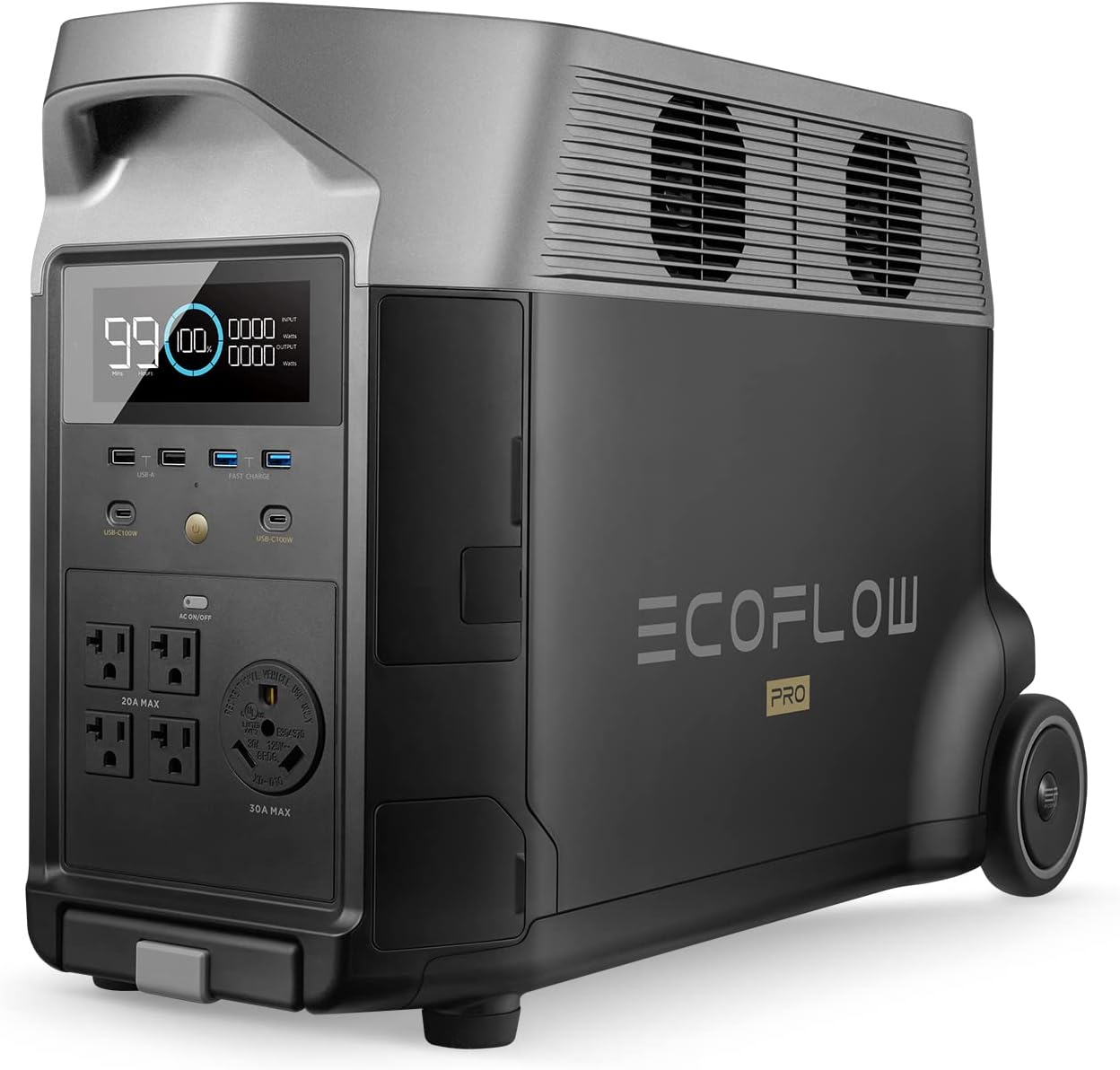
Prices and availability may vary — tap any product to check the current listing.
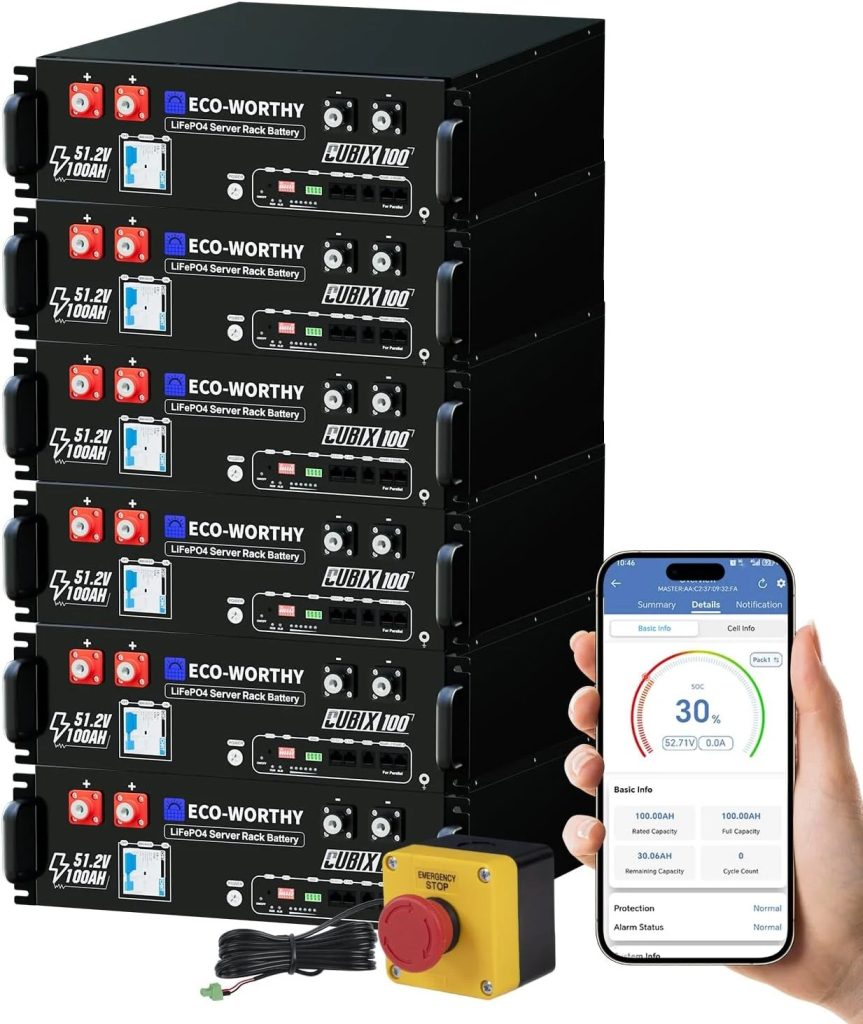
Here’s the reversal. I thought batteries were about saving money. They’re not — not mostly. They’re about buying certainty. The number that matters isn’t payback period, it’s how many hours your house runs when the grid quits. A 48V 300Ah battery holds about 15.4kWh. Sounds enormous. My house idles around 600W overnight — fridge, network gear, standby loads. That’s 25 hours on paper. Add air conditioning in July and you’re down to six. The battery didn’t get smaller. My house got honest.
Rude.
And the inverter tax applies at home scale too. Every conversion bleeds a little. Round trip through a typical setup, you’re losing 10 to 20% between charging and discharging. I measured — actually I estimated, my meter’s not lab grade — and the gap between the app’s cheerful numbers and my utility bill was real. The app counts what goes in. The bill counts what comes out. Different numbers.
The payback fantasy vs. the outage reality
Installers love the payback story because it closes deals. Here’s mine, real numbers: $40 a month in avoided peak-rate charges, $3,800 installed for a modest setup. That’s just under eight years to break even, assuming rates don’t change and nothing breaks. They changed. Something broke. I’m not bitter — I’m just telling you the spreadsheet had opinions.
Actually, I am a little bitter. But the math stands.
Wrong spreadsheet, anyway. The right question is what an outage costs you. A freezer full of food: $300. A flooded basement because the sump pump died: thousands. Working from home with no power for two days: ask my boss. Once I reframed it as insurance instead of investment, the purchase made sense. Insurance you can also use to shave peak rates is a decent deal. An investment that pays back in eight years is a mediocre one.
What the “whole-home backup” ads leave out
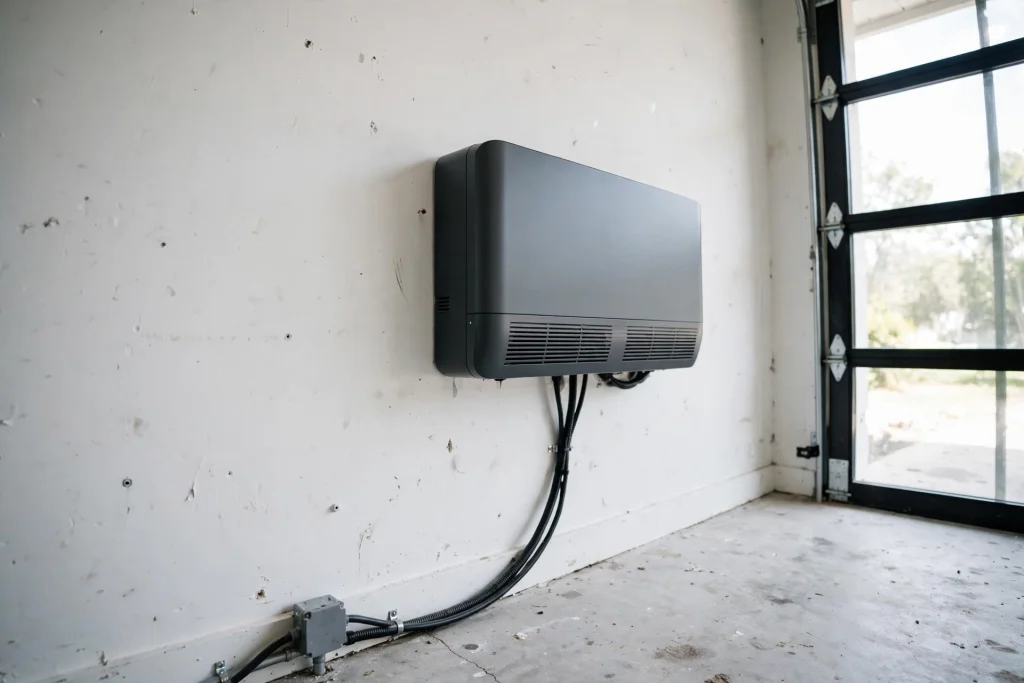
Nothing portable truly backs up a whole home. Not at 3.6kWh, not at 6kWh. A central AC alone can pull 3,500W running and double that starting. Your 3600W station looks at that and laughs nervously. Whole-home means 10kWh minimum, usually stacked units, usually a transfer switch, usually an electrician billing by the hour. The portable stations are excellent at keeping the important things alive — fridge, freezer, internet, medical devices, a few lights. The ads just crop the word “important.”
The 30% federal tax credit helps, genuinely. But read the fine print on what qualifies and who installs it. DIY battery stacks and portable stations live in a gray area that your tax preparer will have opinions about. I claimed mine. My preparer shrugged. Your mileage will vary, and I’m not your accountant.
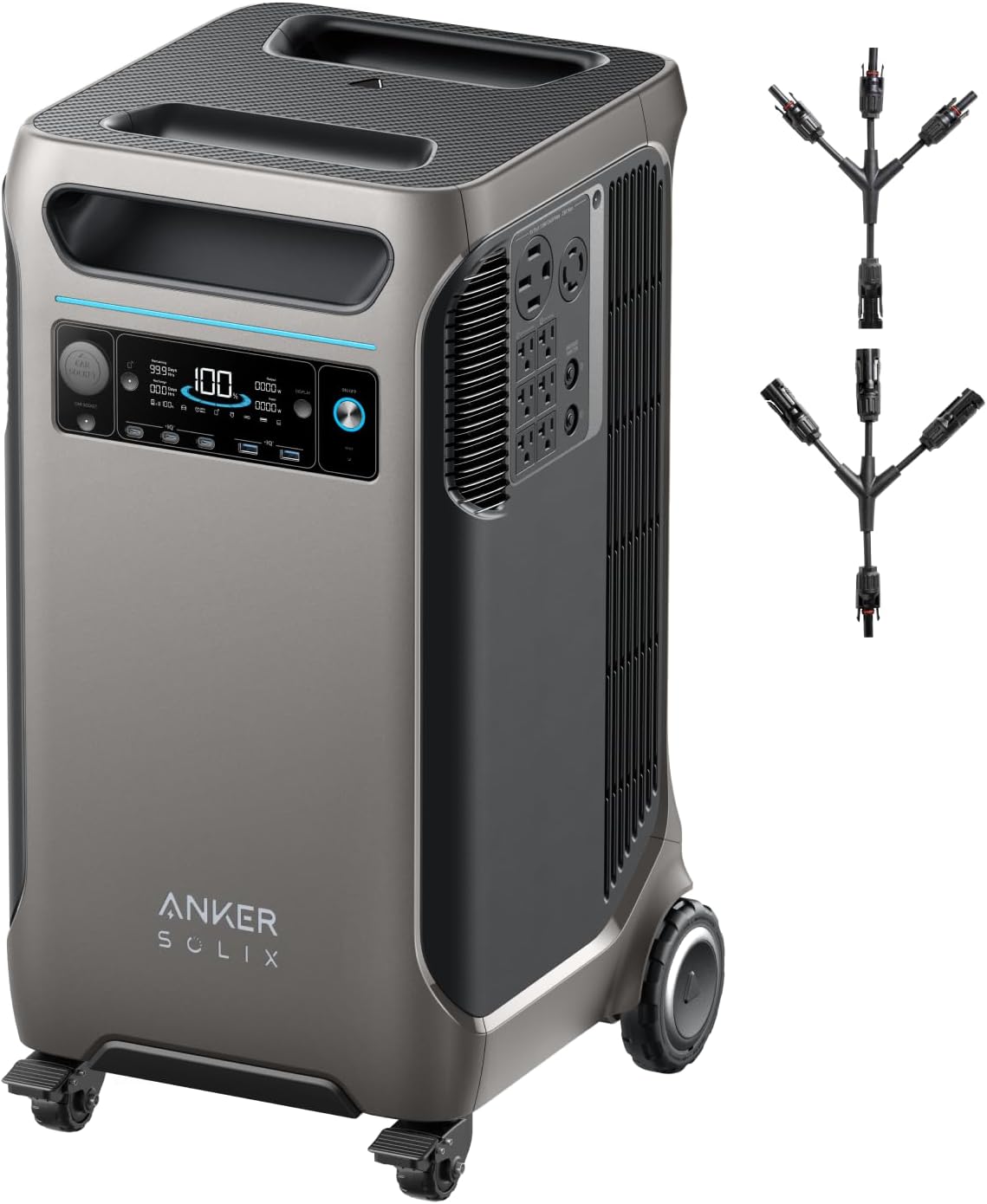
Anker SOLIX F3800 — true 240V output for well pumps and dryers
My least favorite afternoon: the interconnection paperwork
Completely off topic, but if you’re adding solar to charge these batteries, budget a month for your utility’s interconnection process. Mine took seven weeks, three forms, and one site visit where the inspector looked at my panel, looked at me, and said “huh.” Nobody warns you that the electrons are the easy part. The paperwork is the project.
I bring this up because every “definitive guide” skips it. They’ll compare watt-hours all day and never mention that your utility gets a vote. Get the interconnection application in before you buy anything. Trust me on this one.
Sizing it without lying to yourself
Walk around your house with a kill-a-watt meter. Actually do it — sizing your inverter starts with knowing your loads, not guessing. Write down the fridge, the freezer, the sump pump, the internet gear, the CPAP. Add 25% because you’ll forget something. That’s your critical load. Multiply by the hours you want to survive. That’s your battery.
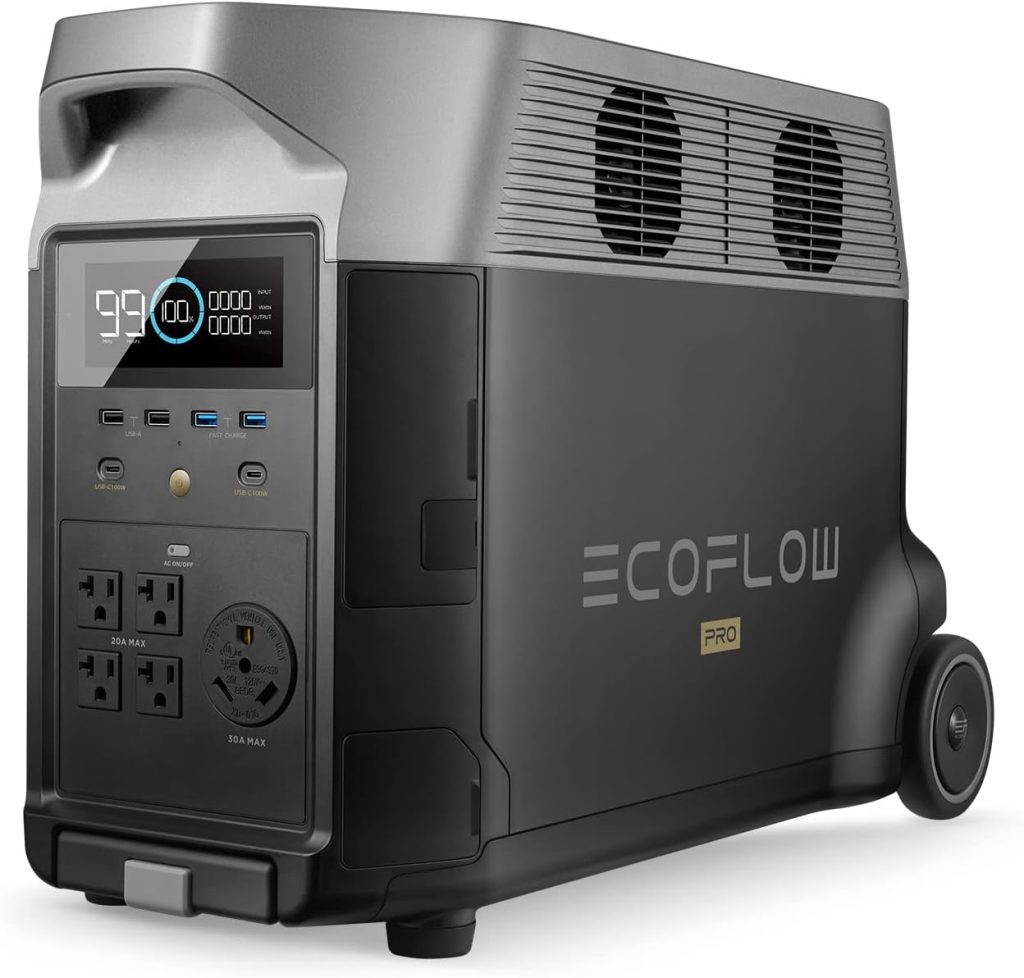
Most people land between 3 and 10kWh for essentials-only backup. The DELTA Pro at 3.6kWh expandable to 25kWh covers the low end beautifully and grows if you need it. The F3800 starts bigger at 3.84kWh with true 240V output, which matters the moment you want to run a well pump or a dryer. The DELTA Pro Ultra is the “I’m done messing around” option — 6kWh stacks, 7200W, whole-panel territory with the right setup.
Bigger isn’t automatically better. A battery you cycle shallowly lasts longer than one you hammer daily — battery lifespan is mostly about how hard you work it. Oversize by 30% and your cells will thank you in year nine.
The thing about installers
Get three quotes. The first will be 40% higher than the third for the same equipment. This industry prices like it’s still 2015. And watch for the upsell to a bigger inverter “for future expansion” — future expansion that requires the same brand’s proprietary batteries at full retail. Ask what happens if the company folds. Watch their face.
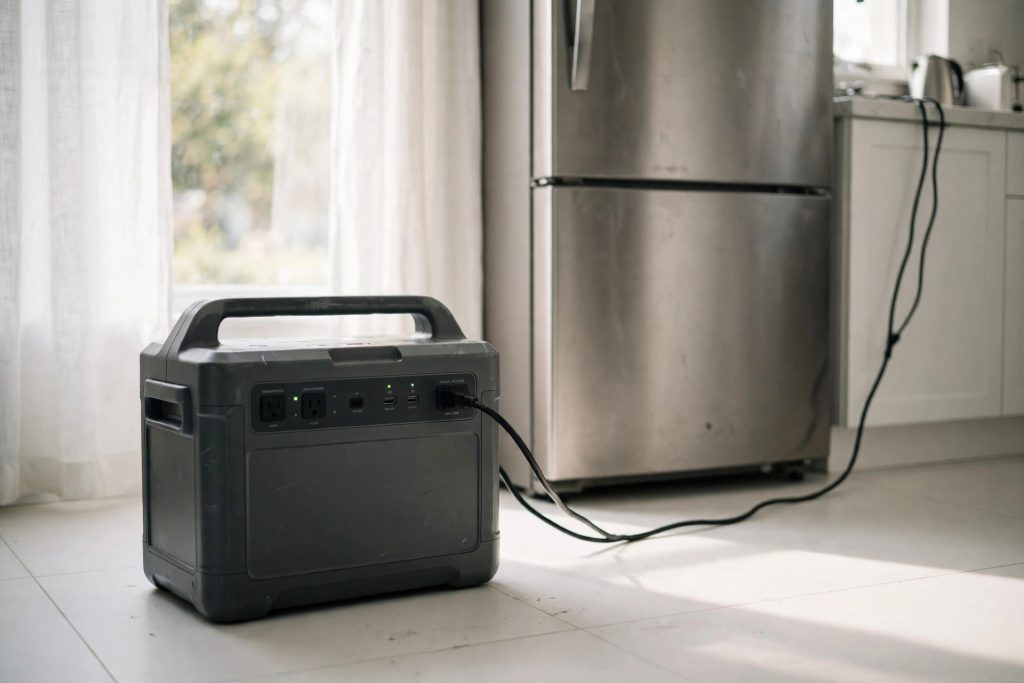
Portable stations dodge most of this. No installer, no permit in most places, no interconnection paperwork. You lose the automatic switchover — someone has to plug things in during an outage, and that someone is you, in the dark, probably in socks. I’ve done it. It’s fine. Flashlight’s in the junk drawer, or it was last time I checked.
I haven’t installed a standby unit myself — portable setups are what I know. The hardwired automatic path is outside what I’ve done.
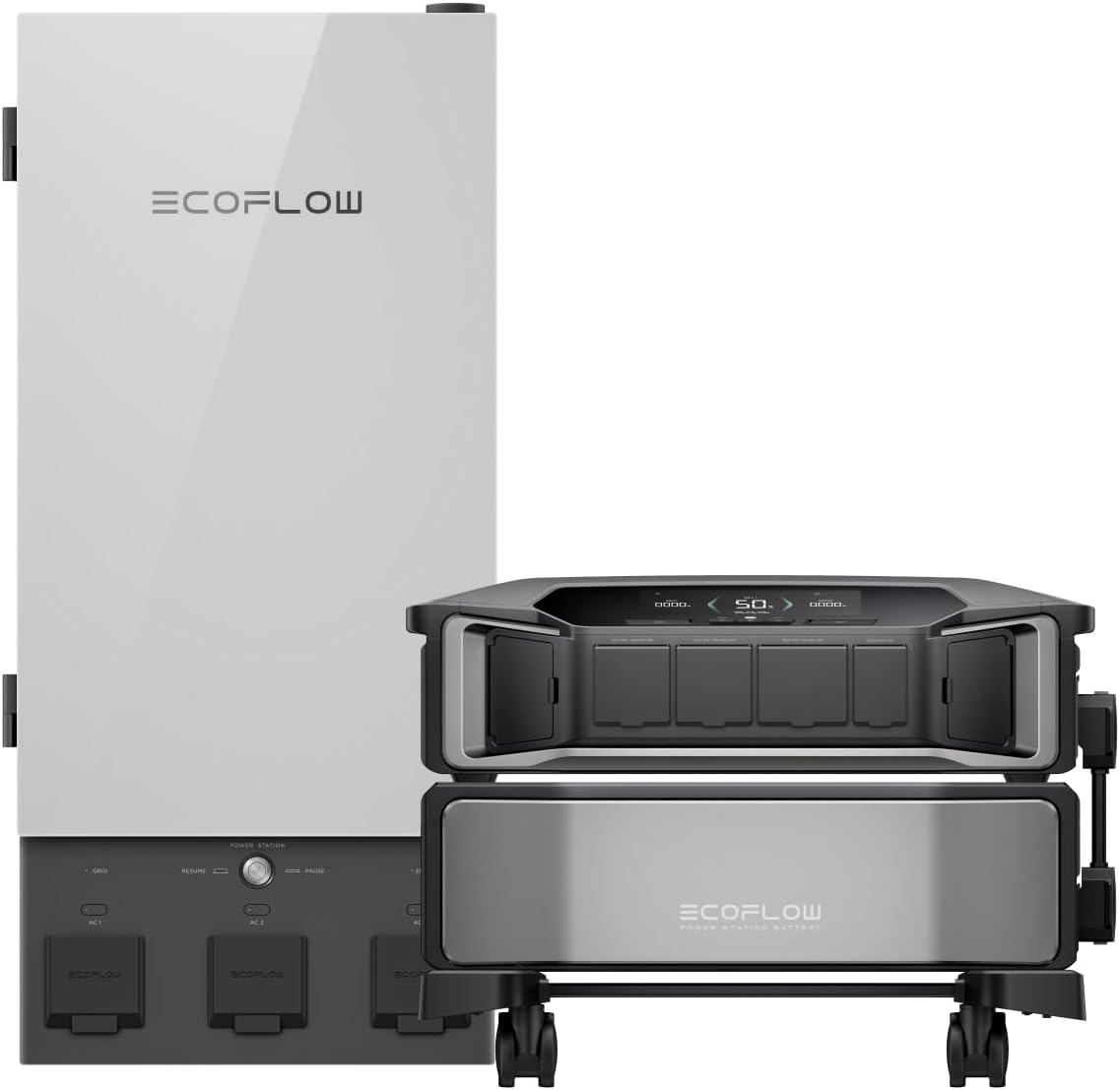
EF ECOFLOW DELTA Pro Ultra — the whole-home modular system
Right now my app says the batteries are at 97% and the grid is fine, and I’m checking the app anyway. Old habits. The storm forecast for Thursday says 60% chance of “severe,” which around here means anything from drizzle to a tree through the roof. I’ve got maybe 20kWh banked across everything. Enough? For the fridge and the sump pump, yes, for a day or two. For the AC, no. I keep going back and forth on whether the next purchase is more battery or a small inverter generator for the long outages. The math says generator. My hatred of storing gasoline says battery. Haven’t decided. Probably won’t until the lights go out and decide for me.
Frequently Asked Questions
How much battery do I need for whole-home backup?
More than you think. Essentials-only (fridge, freezer, internet, lights, sump pump) typically needs 3-10kWh. True whole-home including AC and electric heat starts around 20kWh and requires a transfer switch and professional installation.
Do home batteries pay for themselves?
Rarely on bill savings alone — expect 7-10 year paybacks in most rate structures. They make more sense valued as outage insurance plus modest peak-rate shaving. Run your own numbers; don’t trust the salesman’s spreadsheet.
Can I install a battery system myself?
Portable power stations, yes — they’re plug and play. Hardwired whole-home systems generally need a licensed electrician, permits, and utility interconnection approval. The paperwork often takes longer than the install.
What’s the difference between the DELTA Pro and the DELTA Pro Ultra?
The DELTA Pro is a 3.6kWh portable unit expandable to 25kWh — great for essentials. The Ultra is a 6kWh modular system expandable to 90kWh with 7200W output and 240V — built for whole-home backup with a transfer switch.
Does the 30% federal tax credit apply to portable power stations?
It can, when paired with solar charging, but portable stations live in a gray area compared to permanently installed systems. Check current IRS guidance and talk to a tax professional before counting on it.