The transformer blew at 9 PM on a Tuesday. Not a storm, not a hurricane — just a Tuesday, and a transformer that had been humming since 1987 deciding it was done. The whole street went dark in the same half-second, and from my porch I could hear it: the neighbor’s generator coughing awake, another neighbor swearing, and my house — silent, because the DELTA Pro was already on it.
That’s the thing about a big battery. There’s no “going out to start it.” No extension cords in the rain. The lights just… stay on. It feels like cheating.
Good cheating.
Quick Answer
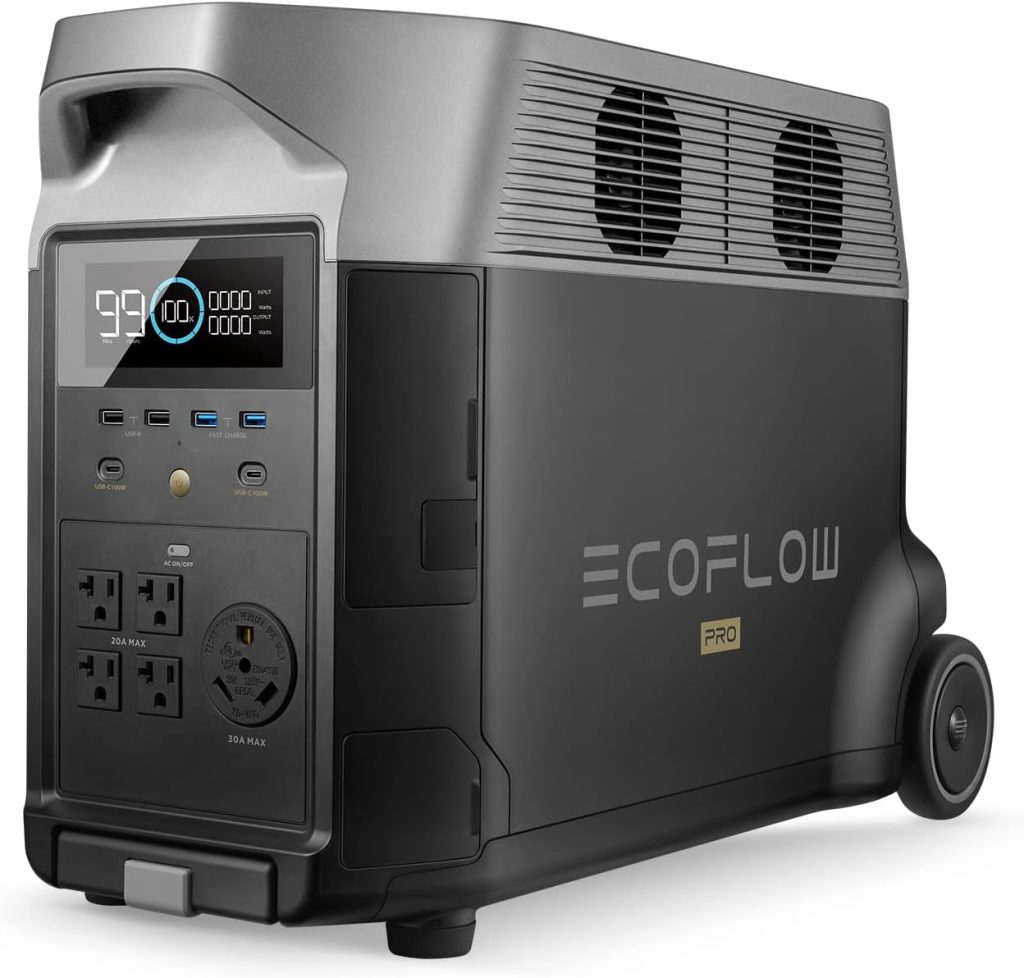
The EcoFlow DELTA Pro is a 3600Wh LiFePO4 station with 3600W output, expandable to 25kWh — the closest thing to a whole-home battery you can buy without an electrician. It’ll run essentials for days, not hours. It’s heavy, expensive, and overkill for camping. For outage protection, it’s the benchmark everything else gets measured against.
Compare Top Home Battery Stations
Three proven picks side by side — choose the one that fits your needs.
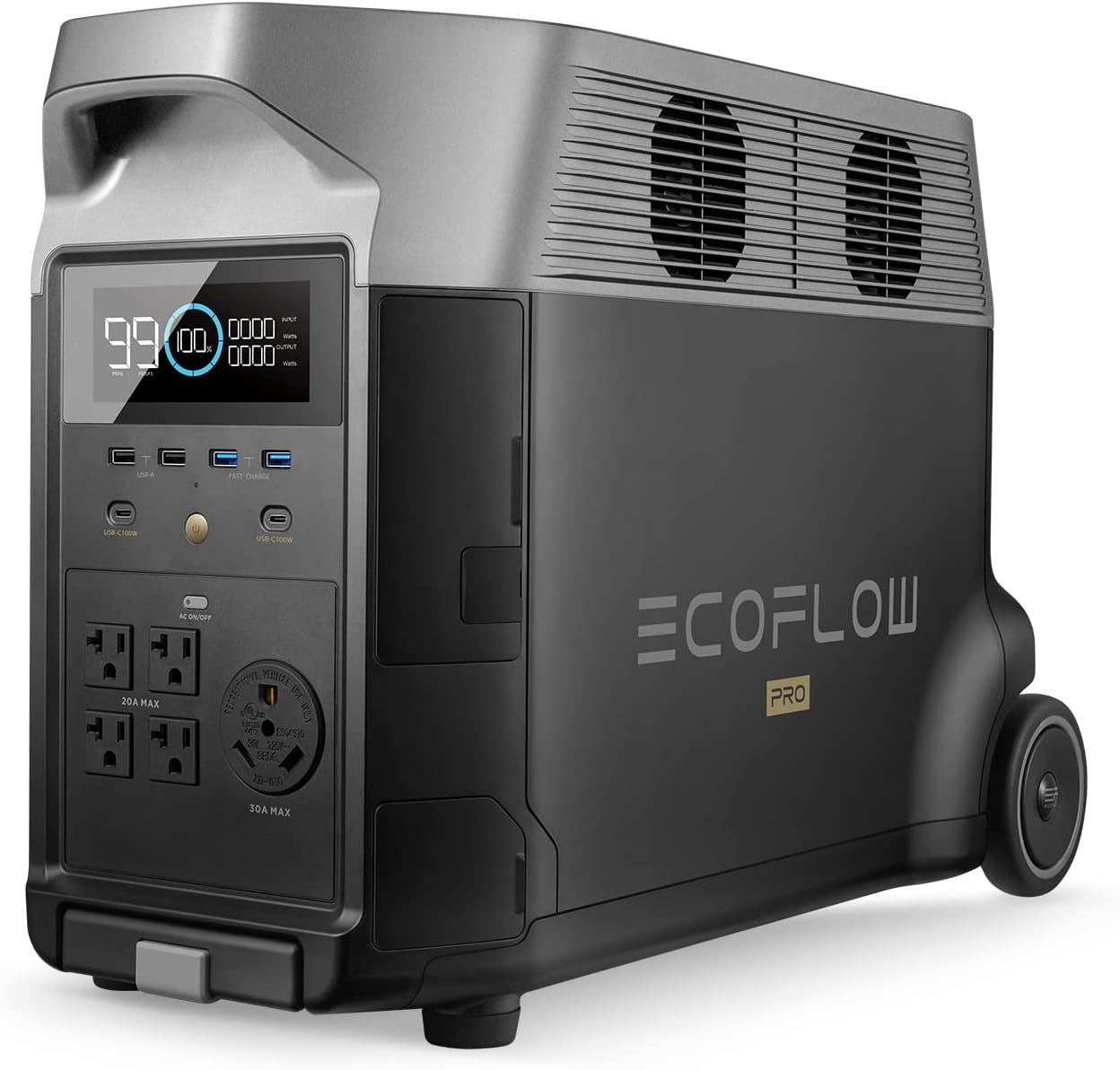
Prices and availability may vary — tap any product to check the current listing.
3600Wh. Let me translate that into the only unit that matters: days. My critical loads — fridge, freezer, internet, a few lights, phone charging — run about 2.5kWh a day when I’m being careful. So the DELTA Pro alone buys me a day and a half. Add one expansion battery and I’m at three days. Two expansions, nearly a week. That’s not “backup power,” that’s a lifestyle. An expensive lifestyle, but still.
The 3600W output is the other half of the story. Most big stations top out at 2000-2400W, which covers almost everything except the moment your well pump and fridge compressor start simultaneously. 3600W covers that moment. I’ve run a 1500W space heater off it — briefly, guiltily — and it didn’t blink. Heaters are still battery murder, but at least this one lets you commit the murder efficiently.
Why I stopped recommending smaller stations for home backup
I used to tell people a 2kWh station was enough. Then I’d get the follow-up message: “it died at 3 AM, what did I do wrong?” Nothing. They did nothing wrong. They ran a fridge (1.5kWh/day), charged some phones, ran a fan because it was August, and the math just… ended. A 2kWh station is a day. A 3.6kWh station is a day and a half plus margin. That margin is everything — it’s the difference between “we’re fine” and doing arithmetic at 3 AM.
Not everyone needs it. Apartments, small loads, short outages — a 1kWh unit is fine, and the sizing math is worth doing honestly. But if you’ve got a house, a fridge, a freezer, and a memory of the last multi-day outage, the DELTA Pro is where “enough” starts.
The weight conversation
One hundred pounds. Let that sink in. This is not portable in any sense that involves carrying. It’s portable in the sense that it has wheels and a handle, like luggage, and you move it the way you move luggage — rolling, grudgingly, once per trip. I moved mine from the garage to the living room during the transformer outage and considered it my workout for the week.
This is the trade nobody talks about: capacity is weight. There’s no clever engineering around it. LiFePO4 is what it is. Anyone selling you 3.6kWh at 40 pounds is selling you something else — probably a smaller battery with creative labeling. The DELTA Pro is honest about being heavy, which I respect more than I expected to.
That’s a weird thing to respect about a battery. But here we are.
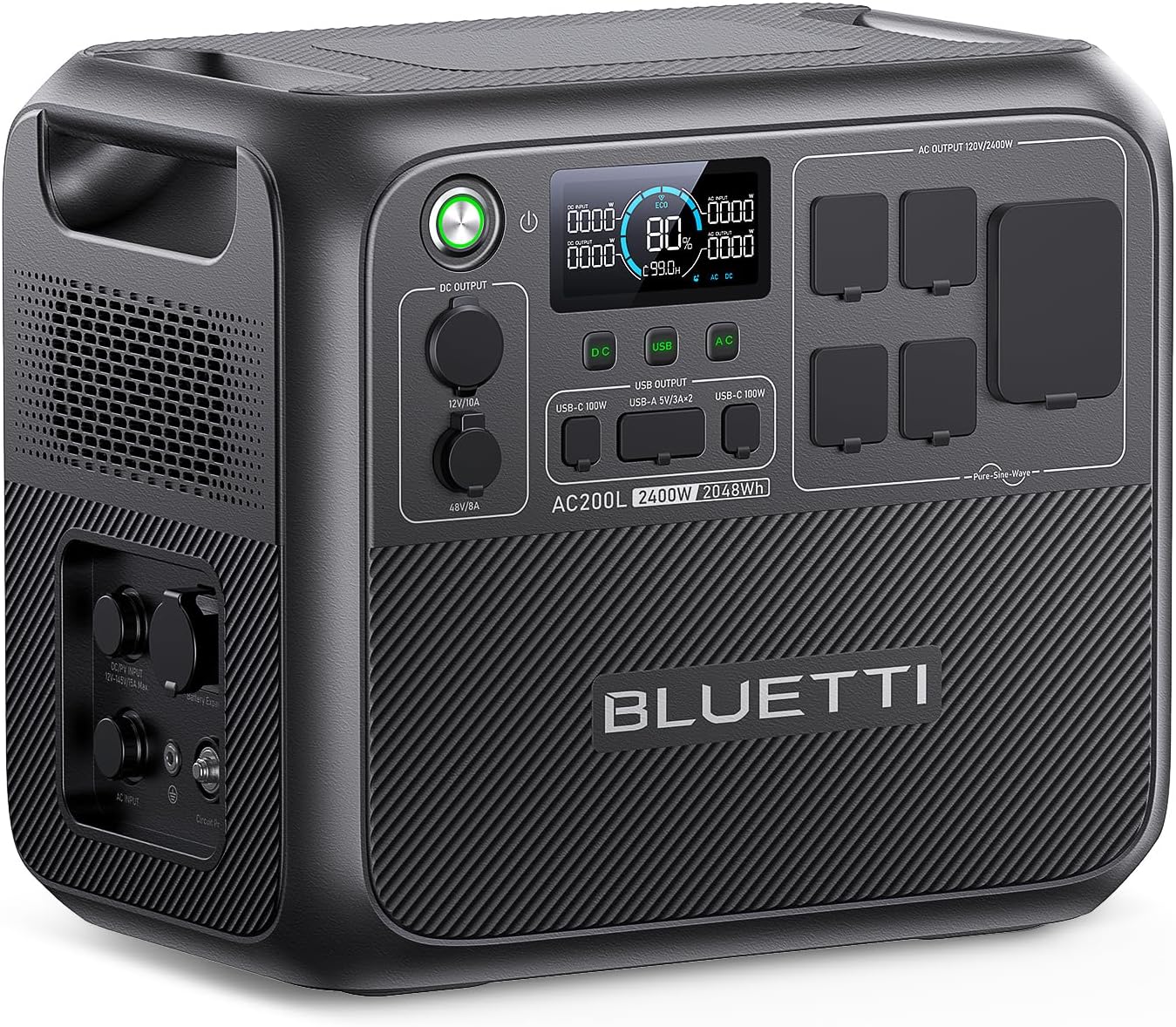
BLUETTI AC200L — the 2kWh rival for smaller needs
Expansion: the feature that actually matters
Most stations are what they are. The DELTA Pro grows — one expansion battery takes it to 7.2kWh, two to 10.8, and with the smart home panel and enough batteries you’re at 25kWh, which is genuine whole-home territory. I started with just the unit. Six months later I added a battery. The modular approach meant I didn’t have to guess my needs on day one, which is good, because I would have guessed wrong. Everyone guesses wrong.
The catch: expansion batteries cost nearly as much as the unit. The ecosystem lock-in is real — you’re buying EcoFlow batteries forever. And the smart home panel needs an electrician, permits, the whole ritual. Inverter sizing for home integration is a separate education. But the path exists, which is more than most portable stations offer.
Solar charging at this scale
1600W of solar input. That’s not a trickle — that’s eight 200W panels actually refilling this thing in a few hours of good sun. I run four 400W panels into mine when the grid’s up, just to keep it exercised, and on a clear day it goes from 20% to full by early afternoon. At this scale solar stops being decorative. It becomes the plan.
The flip side: to use that 1600W input you need 1600W of panels, which is a real array — roof space, mounting, wiring. Nobody casually owns that. It’s an investment on top of an investment. But the battery will outlast most of the other components — LiFePO4 at 3500 cycles to 80% is a decade of regular use — so the panels are the long-term asset anyway.
The competition, honestly assessed
The BLUETTI AC200L is the direct rival: 2kWh, cheaper, lighter, less expandable. If 2kWh covers you, it’s the smarter buy — no point hauling 100 pounds for capacity you’ll never touch. The Anker F3800 is the other direction: 3.84kWh, 6000W, true 240V, built for the “I want it all” crowd. It costs accordingly.
EcoFlow’s edge is the ecosystem — the expansion path, the smart panel, the app that actually works. Newer expandable competitors are coming in cheaper, and the gap is narrowing. But right now, for the person who wants to buy once and grow into it, the DELTA Pro is still the default answer. Defaults exist for a reason.
I haven’t installed the smart home panel myself — mine’s the portable setup. The hardwired path is outside what I’ve done.
Usually.
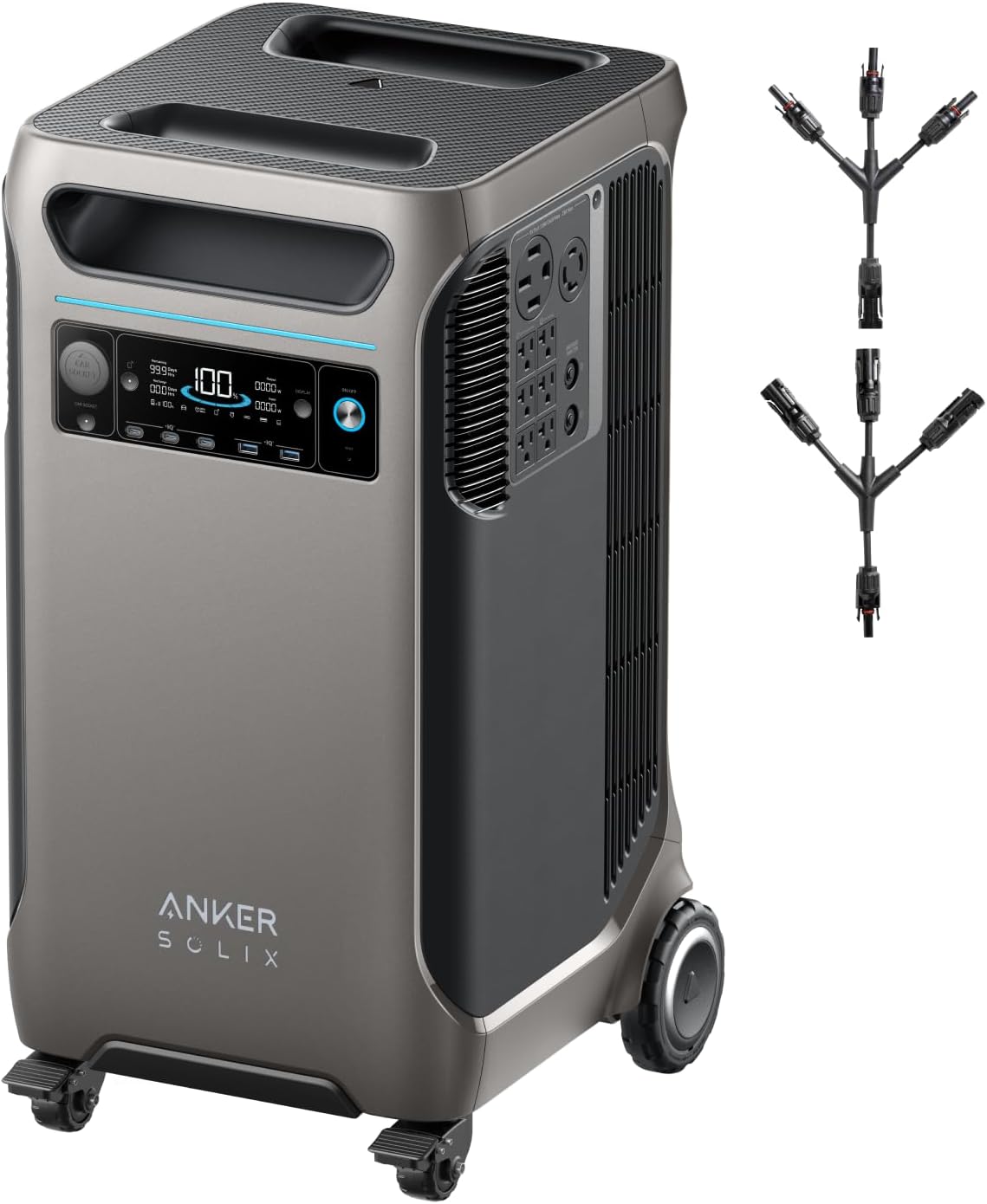
Anker SOLIX F3800 — more power out of the box, true 240V
The transformer got fixed by Thursday. Two days on the DELTA Pro, and I’d used about 60% — the fridge, the freezer, internet so I could work, lights, and one extremely judicious hour of the TV because morale matters. When the grid came back, the house just… switched over. No ceremony. I stood in the kitchen and realized I hadn’t thought about power once during the outage. That’s the whole product, right there. Not the watt-hours. Not the expansion batteries. The not-thinking-about-it. You can’t put that on a spec sheet, but it’s the only spec that matters at 9 PM on a Tuesday.
Frequently Asked Questions
How long will the DELTA Pro power my house?
Essentials only (fridge, freezer, internet, lights): about a day and a half on the base 3.6kWh unit. Each expansion battery adds roughly another day and a half. Whole-home including AC needs multiple expansions and the smart home panel.
Can one person move it?
Rolling it, yes — it has wheels and a telescoping handle. Lifting it, no — at 100 pounds, it’s a two-person lift onto a truck bed. Plan its location accordingly.
Is it worth it over a gas generator?
Different tools. Gas gives you unlimited runtime for the price of noise, fumes, and maintenance. The DELTA Pro gives you silent, indoor-safe, instant power for the price of a hard capacity limit. Many outage veterans end up with both.
How many solar panels do I need to charge it?
It accepts up to 1600W of solar. Four 400W panels refill it in a few hours of good sun. Fewer panels work fine — just slower. Even 400W of panels keeps it healthy between outages.
DELTA Pro vs. Anker F3800 — which should I buy?
The DELTA Pro has the deeper expansion ecosystem (up to 25kWh) and longer track record. The F3800 offers more power out of the box (6000W, true 240V) at a higher price. For gradual expansion, EcoFlow. For maximum power today, Anker.