
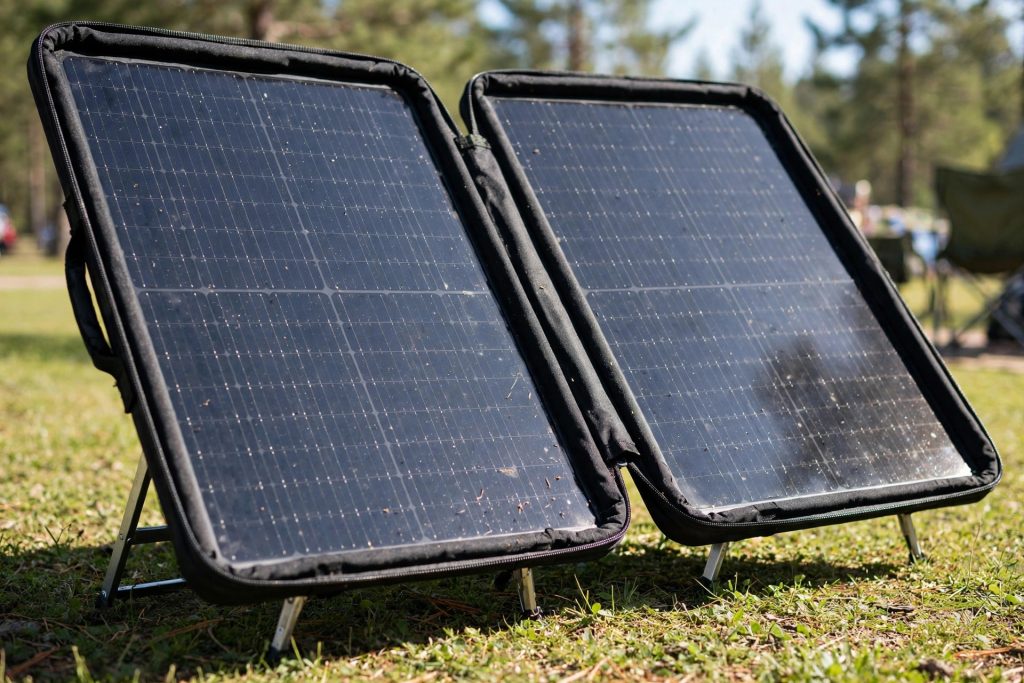
Renogy 100W Solar Suitcase Review: 25% Efficiency with 20A Controller
Most portable solar panels are just panels — you supply the controller, the wiring, and the educated guesses. The Renogy 100W Solar Suitcase flips that script: a 25%-efficient monocrystalline panel folded into a rugged briefcase, with a 20A charge controller already mounted and wired in the box. This guide examines what that completeness is actually worth, how a suitcase panel stacks up against bare foldables like the Jackery SolarSaga, and who should buy the all-in-one route.
Quick Answer
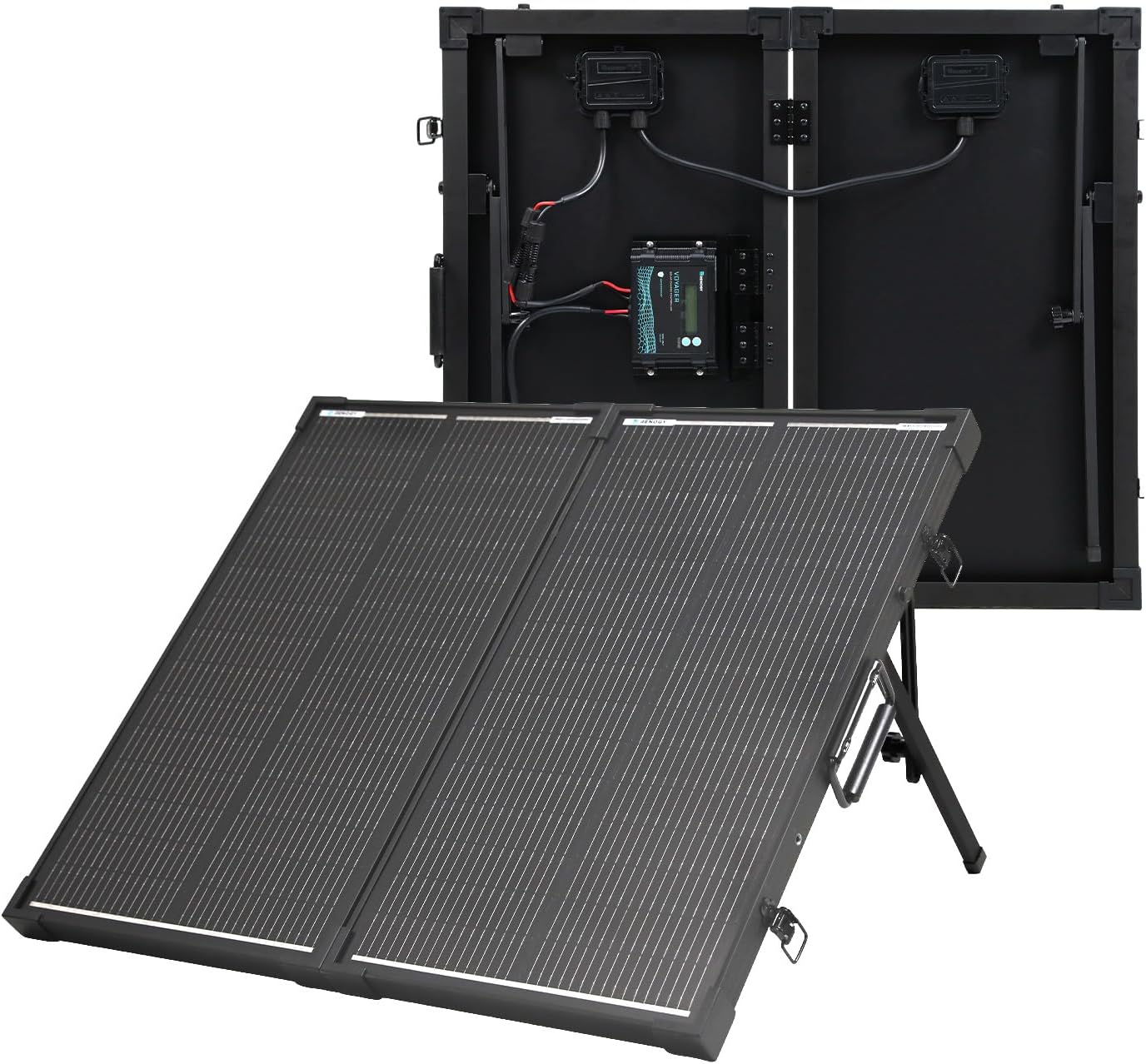
The Renogy 100W Solar Suitcase is the closest thing to a complete solar kit that still fits in one hand. High-efficiency mono cells, a protective suitcase frame, and a 20A controller included mean you can charge a 12V battery within minutes of opening the box.
It’s bulkier than a bare foldable panel and priced accordingly — you’re paying for the controller, the frame, and the convenience of skipping the research phase.
Compare Top Portable Solar Panels
Three proven picks side by side — choose the one that fits your needs.
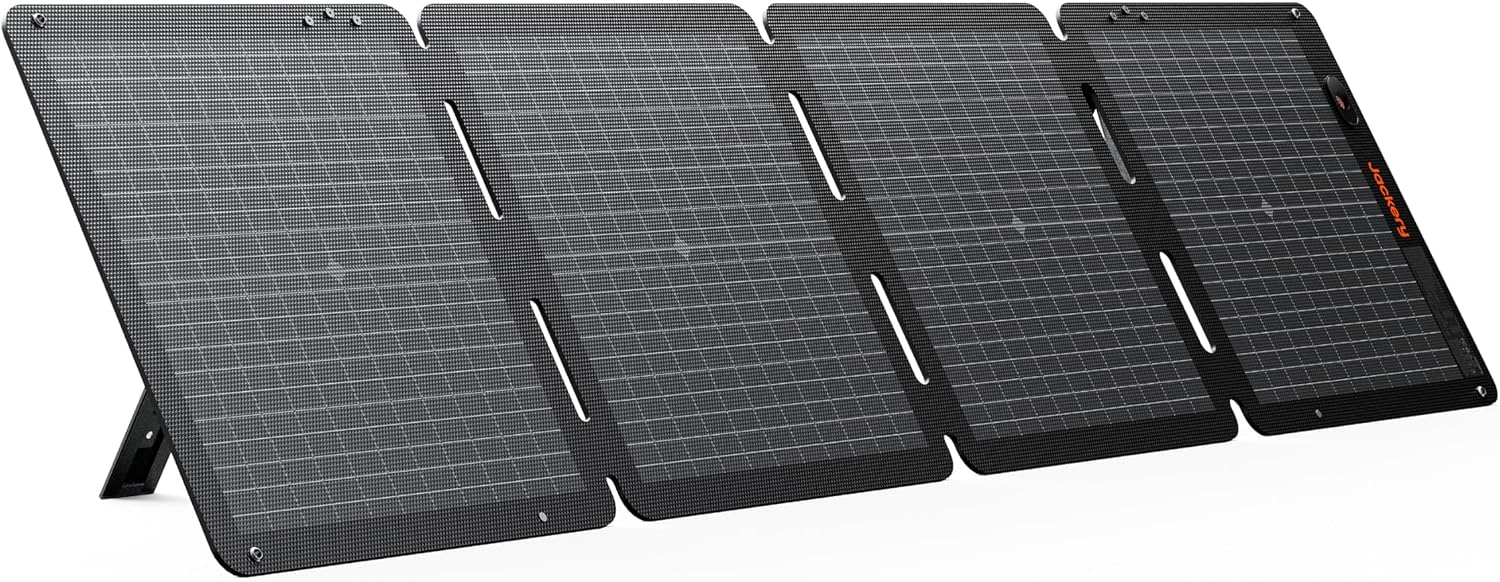
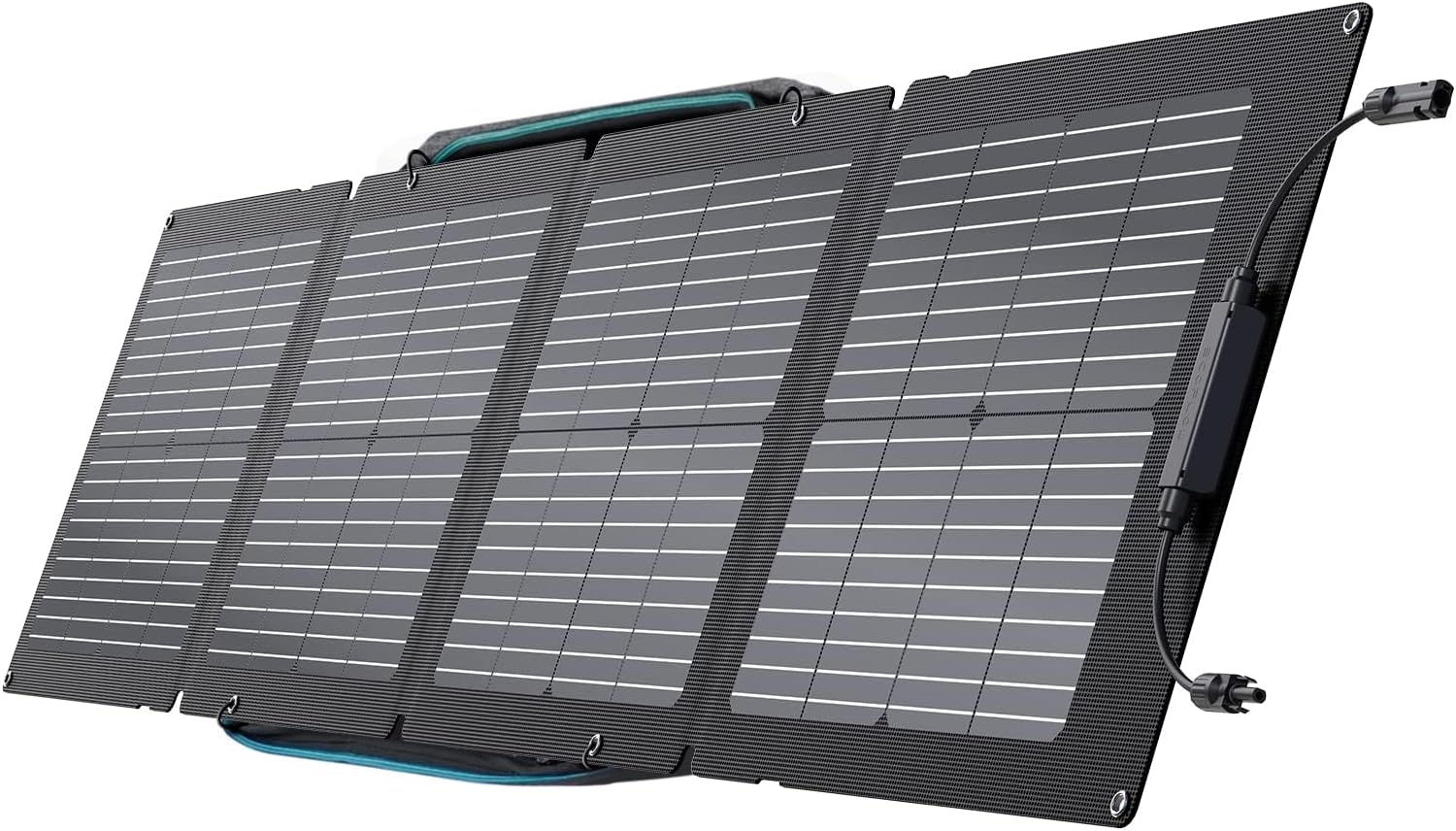
Prices and availability may vary — tap any product to check the current listing.
Shopping around? We have also tested the Jackery SolarSaga 100W and the Renogy 200W solar suitcase — both worth a look before you decide.
What to Look For in a Solar Suitcase
A suitcase panel is a different animal from a bare foldable. You’re not just buying cells — you’re buying the frame, the controller, and the wiring as one working system. Judge it as a system, or you’ll miss the point entirely.
Cell efficiency: why 25% matters more in a suitcase
Efficiency is the share of sunlight converted to electricity, and in a suitcase it matters doubly. The rigid frame fixes the panel’s footprint — you can’t make it bigger the way you could with a ground-deployed blanket panel — so every percentage point of cell efficiency translates directly into harvest.
The Renogy’s 25% mono cells sit at the sharp end of what’s available in portable panels. Against a cheaper suitcase with mid-tier cells, the difference shows up on marginal days: the high-efficiency panel keeps producing useful current in hazy light where a weaker panel gives up.
The honest trade-off: top-bin cells cost real money, and the suitcase format adds its own premium on top. You’re buying the strongest output per square foot in the category — and paying like it.
The included 20A controller: the real headline
Here’s the part most reviews bury: the controller is the purchase. A 20A charge controller bought separately is a research project — PWM or MPPT, which battery chemistries, what display — followed by wiring it yourself and hoping the crimps hold.
Renogy skips all of that. The controller arrives mounted on the suitcase frame, pre-wired, ready to clip onto a 12V battery. Twenty amps is generous headroom for a 100W panel (which delivers well under 10A in practice), so the unit runs cool and leaves room to add a second panel later.
The flip side: if you already own a good controller, you’re paying for a duplicate. And power-station owners don’t need it at all — their stations handle charging internally. The included controller is a gift to 12V battery owners and dead weight to everyone else.
Suitcase vs bare foldable: the worth-it question
A bare foldable like the Jackery SolarSaga is lighter, packs flatter, and pairs natively with power stations. A suitcase is heavier, bulkier, and built like luggage — because it practically is luggage, with the panels protected inside a rigid frame.
So which is worth it? It comes down to what you’re charging. Bare foldable plus power station is the elegant modern setup: light, simple, efficient. Suitcase plus 12V battery is the classic workhorse setup: heavier, tougher, and complete out of the box.
Neither is objectively superior. But buying a bare panel for a 12V battery means a second purchase (the controller) and a wiring afternoon. Buying a suitcase for a power station means carrying a controller you’ll never use. Match the format to the battery and the decision makes itself.
Durability: the frame is the feature
Suitcase panels live a rough life — tossed in truck beds, leaned against RVs, unfolded on gravel. The rigid aluminum-style frame and corner protection exist precisely for this abuse, and the panels ride inside the case during transport instead of exposed.
That’s a genuine advantage over soft foldables, whose laminated surfaces face the world every time you pack them. The trade-off is weight and bulk: a framed suitcase will never pack as flat or light as a fabric-hinged foldable. Protection has mass. There’s no way around the physics.
Portability: briefcase, not backpack
Let’s be blunt: nobody hikes with a solar suitcase. It’s a car-camping, RV, and worksite tool — you carry it from the vehicle to the sunny spot, twenty steps, done. The built-in handle and latches make that carry painless.
Compared to a bare foldable, expect noticeably more heft and a thicker folded package. If your trips involve any real walking with gear, the lighter foldable wins. If the panel travels in a vehicle and deploys at the site, the suitcase’s bulk is a non-issue.
Compatibility: batteries, clips, and connectors
The suitcase speaks 12V natively — battery clips and ring terminals for direct connection to deep-cycle, AGM, or lithium 12V batteries (check the controller’s supported chemistries before connecting anything exotic). Setup is genuinely minutes: unfold, clip, aim at sun.
Power stations are the awkward fit here. Most accept solar input, but you’ll typically need an adapter to get from the suitcase’s battery clips to the station’s input port, and the built-in controller becomes redundant. If a power station is your world, a bare foldable with a native plug — like the SolarSaga with Jackery stations — is the cleaner pairing.
Match the Panel to Your Life
Two buyers, two very different relationships with the same suitcase.
The weekend camper with a 12V setup
You run a 12V fridge, some LED lighting, and phone charging off a deep-cycle battery in the back of the SUV. No power station, no inverter drama — just honest 12V.
This is the suitcase’s home turf. Unfold it at the site, clip it to the battery, and the controller handles the rest — bulk charging while you set up camp, float maintenance while you relax. The 25% cells mean even a half-shaded afternoon still moves the needle.
The limitation is the same as any 100W panel: it maintains and tops up; it doesn’t resurrect a deeply drained large battery bank in one afternoon. But for the classic weekend 12V kit, it’s the right-sized tool.
The RV off-gridder
Your rig’s house batteries are the whole game — lights, pump, fans, the works. You’re parked off-grid for days at a time, and the roof may or may not have panels already.
For this buyer the suitcase plays two roles. As a primary charger for smaller rigs, it’s a complete system in a box — no electrician required. As a supplement to roof panels, it’s the portable boost you aim at the sun while the rig stays parked in the shade. That flexibility is something fixed panels simply can’t match.
Serious boondockers with big battery banks will eventually want more than 100W, and the 20A controller’s headroom for a second panel is a thoughtful touch for exactly that growth path. Start with one suitcase; add a panel when the lifestyle demands it.
How the Tiers Compare
Portable 100W solar comes in distinct flavors. Pick the one that matches your battery, not the one with the shiniest headline.
| Type / Tier | Best For | Price Tier | Key Feature | Watch Out |
|---|---|---|---|---|
| Suitcase with controller (Renogy class) | Direct 12V battery charging | Mid-range | 20A controller included, rugged frame | Bulkiest option; controller wasted on power stations |
| Bare foldable premium (SolarSaga class) | Power-station owners who travel light | Mid-range | Lightest pack, native station plugs | No controller — useless alone on a bare battery |
| Rigid rooftop panel | Fixed installs: vans, cabins, sheds | Budget-friendly | Lowest cost per watt | Needs mounting; zero portability |
| Flexible thin-film | Curved surfaces, boats, tents | Budget-friendly | Ultra-light and bendable | Lower efficiency, shorter lifespan |
The suitcase tier is the complete-kit choice — the only one where panel, controller, and wiring arrive as a single working system.
Bare foldables win on weight and packability, but they’re half a system until paired with a power station that handles charging.
Rigid panels remain the value champions for anything permanently mounted; paying portable prices for a fixed install is money left on the table.
Flexible thin-film serves real niches on curved surfaces, though its efficiency and longevity trade-offs keep it a specialist pick.
Scenario: Reviving the RV Battery at the Storage Lot
Your RV sits at the storage lot all month. The house batteries bleed down from parasitic draws — detectors, standby circuits, the slow chemistry of self-discharge. Last spring you arrived to dead batteries and a ruined weekend.
The suitcase fixes this with almost comical ease. Drive out, unfold it next to the rig, clip it on, and let it work while you do the pre-trip inspection. A few hours of sun pushes meaningful charge back in, and the controller prevents any overcharging if you lose track of time.
This is maintenance charging at its finest — not glamorous, just the difference between a trip that starts and a trip that doesn’t. Honestly, this single use case justifies the purchase for a lot of RV owners.
Scenario: Running a 12V Campsite for a Long Weekend
Friday evening: the 12V fridge is humming, the LED string lights are on, phones are charging off a USB adapter wired to the auxiliary battery. Everything runs through one deep-cycle battery, and the suitcase is its lifeline.
Each morning you reposition the suitcase to catch the early sun — thirty seconds of effort — and by midday the controller’s indicator shows the battery back in the healthy zone. The 25% cells earn their keep here: even the hazy afternoon still contributes.
Could a bare foldable do this? Only with a separate controller you’d have to buy, wire, and mount yourself. The suitcase’s whole pitch is that Friday evening works the first time, with no electrical homework beforehand.
Common Mistakes Buyers Make
1. Buying the panel and forgetting the system
A panel without a charge plan is a paperweight that happens to make electricity. The most common regret in this category isn’t buying the wrong panel — it’s buying a bare panel for a bare battery and discovering the missing controller at the campsite. The suitcase exists precisely to prevent this mistake. If you buy bare, buy the controller in the same order.
2. Sizing for the best day instead of the average one
Everyone does the math on a perfect sunny day. Then comes the trip with two overcast mornings, and the battery never recovers. Size your expectations — and your battery reserve — for the mediocre day. A 100W panel on an average day still gets real work done; it just won’t perform miracles.
3. Ignoring the shadow rule
A panel doesn’t need full shade to suffer — a single branch shadow across one section can disproportionately cut output. Campers love parking under trees and then wonder why the panel underperforms. Give the suitcase its own sunny patch, even if that means a longer cable run. Sun first, convenience second.
4. Connecting first, reading the manual never
Battery chemistry settings matter. A controller configured for the wrong battery type will undercharge or overcharge it, slowly and expensively. The suitcase makes setup easy, which is wonderful — and slightly dangerous, because easy invites skipping the five minutes of checking the battery-type setting. Five minutes. Do it.
Questions People Ask Before Buying
The questions shoppers actually type into search bars before buying a solar suitcase — answered straight, with no hedging.
Is the Renogy 100W solar suitcase worth it over a bare panel?
For 12V battery owners, yes — the included 20A controller, pre-wired frame, and battery clips turn a multi-purchase research project into a single box that works in minutes, and the 25% efficient cells outperform cheaper suitcases on marginal days. For power-station owners, no — the controller goes unused and a lighter bare foldable like the Jackery SolarSaga is the smarter buy. The worth-it question is really a which-battery question in disguise.
Can the Renogy 100W suitcase charge my power station?
It’s designed for 12V batteries, not power stations — but many stations accept solar input through an adapter cable, so it can work if your station’s input voltage and wattage limits accommodate it. That said, it’s an awkward pairing: you’d be carrying a built-in controller the station doesn’t need, plus adapters. If a power station is your primary battery, a bare foldable with a native plug is the cleaner and lighter choice.
What does the included 20A charge controller do?
It sits between the panel and your 12V battery and manages charging in stages — bulk, absorption, float — so the battery fills quickly without being overcharged on bright days. The 20A rating is generous headroom for a 100W panel, which produces well under 10A in practice, meaning the controller runs cool and could support a second panel later. Without it, you’d be buying and wiring this component yourself — which is exactly the hassle the suitcase eliminates.
Is a 100W panel enough for an RV?
For maintaining and topping up RV house batteries, absolutely — a 100W suitcase offsets daily parasitic draws and replenishes typical overnight usage like lights, the water pump, and phone charging. For running heavy loads or recovering deeply drained large battery banks quickly, it’s undersized, and serious boondockers usually scale to 200W or more. Think of 100W as the maintenance-and-weekend tier: genuinely useful, honestly limited.
Renogy vs Jackery solar panels — which should I buy?
Buy Renogy if you’re charging 12V batteries — the suitcase’s included controller, rugged frame, and 25% efficient cells make it the complete kit for RVs, trailers, and boats. Buy Jackery’s SolarSaga 100W if you own a power station and value light packing — its compact bifacial fold and native station connector are built for that world. Match the panel to your battery type and you can’t go far wrong.
Why, How, What: Quick Answers
Why does the Renogy suitcase include a charge controller when Jackery panels don’t?
Different customers, different gaps. Renogy’s suitcase targets 12V battery owners — RVers, boaters, off-gridders — who need a controller and might not know which one to buy. Bundling it removes the biggest setup hurdle in that world. Jackery’s foldables target power-station owners, whose stations already contain charge controllers; including another would be redundant weight and cost. Each brand bundles exactly what its buyer is missing.
How do you set up a solar suitcase at a campsite?
Unfold it, face it at the sun, connect the battery clips to your 12V battery (positive first, if you want to be proper about it), and confirm the controller shows it’s charging. Angle the panels with the built-in stands, and reposition once or twice during the day if you’re around. That’s the whole procedure — the reason the format exists is that there’s almost nothing to get wrong.
What batteries can a 100W suitcase charge?
Standard 12V deep-cycle batteries — flooded lead-acid, AGM, gel, and most 12V lithium (LiFePO4) batteries — provided the controller supports the chemistry, which you should verify in the settings before first use. The 100W size suits single batteries and small banks best; very large banks charge slowly and may want a second panel. When in doubt, check the controller’s battery-type compatibility list rather than guessing.
Frequently Asked Questions
Does the Renogy suitcase work with lithium batteries?
Most modern controllers in this class support 12V lithium (LiFePO4) alongside lead-acid types — but verify the battery-type setting on the controller before connecting. Running a lithium battery on a lead-acid charge profile is a slow-motion mistake. Five minutes in the settings menu prevents it entirely.
Can I add a second panel later?
The 20A controller has generous headroom over a single 100W panel’s output, which leaves room to expand. Whether a second panel connects cleanly depends on matching voltages and the controller’s input limits — check those specs before buying the add-on. Growing from one panel to two is a well-trodden path in this category.
Is the suitcase weatherproof?
It’s built for outdoor use — rain at the campsite is part of the job description. Don’t submerge it, don’t leave it sitting in standing water, and bring it inside during genuinely violent weather. If your adventures involve kayaks or constant heavy spray, a panel with a formal IP68 rating, like the EcoFlow 110W, is the tougher pick.
How heavy is it to carry?
Heavier than a bare foldable — the rigid frame and mounted controller add real mass. Think briefcase-with-commitment rather than backpack accessory. The carry is short-distance by design: vehicle to sunny spot. If your trips involve hiking gear in, a lighter foldable panel is the honest choice.
Can I leave it set up while I’m away from camp?
The controller prevents overcharging, so electrically it’s fine. Practically, an unfolded panel is a theft target and a wind sail — a strong gust can flip an unattended suitcase. For day hikes, folding it flat or laying it face-down takes thirty seconds and removes both worries.
What’s the difference between the suitcase and Renogy’s rigid panels?
Portability versus value. Rigid panels cost less per watt and suit permanent mounts on RV roofs or cabins, but they need mounting hardware and stay where you put them. The suitcase costs more per watt and goes wherever the sun is. Fixed install? Go rigid. Moving target? Go suitcase.
Not sure what fits your setup? Our Jackery SolarSaga 200W walks through the real-world math.
Final Recommendation
So: is the Renogy 100W Solar Suitcase worth it? If you’re charging 12V batteries — RV, trailer, boat, or a simple campsite battery box — yes, and it’s not particularly close. The included 20A controller turns a research project into a ten-minute setup, and the 25% cells keep it productive on the gray days that define real trips. Power-station owners should look at the Jackery SolarSaga instead: lighter, more compact, and no redundant controller along for the ride.
Decision Tree: Should You Buy It?
→ Charging 12V batteries (RV, trailer, boat)? Yes → strong candidate — the complete kit.
→ Power-station owner who packs light? The Jackery SolarSaga’s compact fold fits better.
→ Panel will be permanently mounted? Buy rigid and save the difference.
→ Planning to expand later? The 20A controller’s headroom leaves room for a second panel.
Key Takeaways
• The suitcase is the only format that arrives as a complete charging system — panel, controller, and wiring in one box.
• Its 25% efficient cells matter most on marginal days, when weaker panels give up and this one keeps working.
• Buy for your battery type: 12V batteries want the suitcase, power stations want a bare foldable.


