
This site contains affiliate links. We may earn a commission on qualifying purchases.
A battery quote landed in my inbox in September, from the same installer who put my rooftop array in three years ago, and one line in it was doing a lot of quiet work. Down near the bottom, right above the signature block, the quote subtracted a 30% federal tax credit from the price of a battery I have not bought yet. That credit no longer exists for a system I would own. The residential clean energy credit, Section 25D, ended for anything installed after December 31, 2025 — no phase-down, no grace period, just a date — and a battery bolted to my wall in 2026 gets exactly zero percent back.
Strip the credit out and the same hardware tells a different story. NREL’s Spring 2025 benchmark put residential solar at about $2.56 per watt before incentives, so an 8 kW array pencils out near $20,480 — assuming the quote sized what size solar inverter the array actually needs instead of whatever unit was already on the truck. In 2025 that system netted $14,336 after the credit. In 2026 it nets $20,480. The $6,144 difference is not a price increase. Nothing got more expensive. A line item vanished, and every savings calculator built before January is still quietly subtracting it.
Production did not change, at least. An 8 kW roof in a decent sun state makes somewhere around 11,000 kilowatt-hours a year, give or take the trees, and if your roof is smaller than that the honest starting point is how many solar panels a house actually needs, not a sales deck. Eleven thousand kilowatt-hours at a 30-cent retail rate is $3,300 a year of avoided purchases. That was the old napkin math, and it only ever worked if every kilowatt-hour you made displaced one you would have bought. Mine don’t. They never did.

Here is where the savings actually leak. Under California’s NEM 3.0 billing, which is the template other states keep copying in their own handwriting, exported power earns about 8 cents per kilowatt-hour on average. Midday exports can sag to 2.2 cents. Meanwhile the same utility charges past 30 cents to sell that power back to you at dinner. If a system exports 40% of its 11,000 kilowatt-hours — a normal share for a house that sits empty during school and work hours — those 4,400 exported kilowatt-hours return roughly $352 a year. Consumed at home instead, they would have offset about $1,320. Nearly a thousand dollars a year now rides on timing. Not panel count. Timing.
The array was never the savings. The clock is.
So where did the five-year payback go?
It went where the export rate went. Under the old retail net metering, when an exported kilowatt-hour earned close to the full retail rate, solar-only paybacks of five to six years were ordinary arithmetic. Under net billing at 20 to 50% of retail, the payback analyses I trust now land at eight to ten years for solar alone. I used to tell anyone who asked that six years was the worst case. Actually, no. Six years was the credit and the export rate talking at the same time, and both of them have left the room. I ran my own numbers again last month. Twice. The roof is fine. The spreadsheet is what changed.
The second leak is quieter and, on a financed deal, bigger than the credit ever was. Solar loans carry dealer fees of 20 to 30% baked into the balance, a charge most buyers never see itemized because it hides inside the per-watt price. The modeled averages tell the story sideways: SEIA and Wood Mackenzie modeled a typical install at $3.36 per watt in mid-2025, while installers selling no-dealer-fee loans were demonstrating $2.00 per watt in the same year. On an 8 kW roof that spread is the difference between about $26,880 and about $16,000.
The financing paperwork can cost more than the federal government used to give you.
And before any of this math starts, the roof itself gets a vote. Installers routinely walk away from shingles with less than ten to fifteen years of life left, because nobody wants to unbolt an array in year six. A re-roof runs $10,000 to $15,000 in a lot of markets. It arrives before the solar quote, not after, and it does not generate a single kilowatt-hour. Old roof, no install. That sentence has ended more solar projects than any panel shortage.
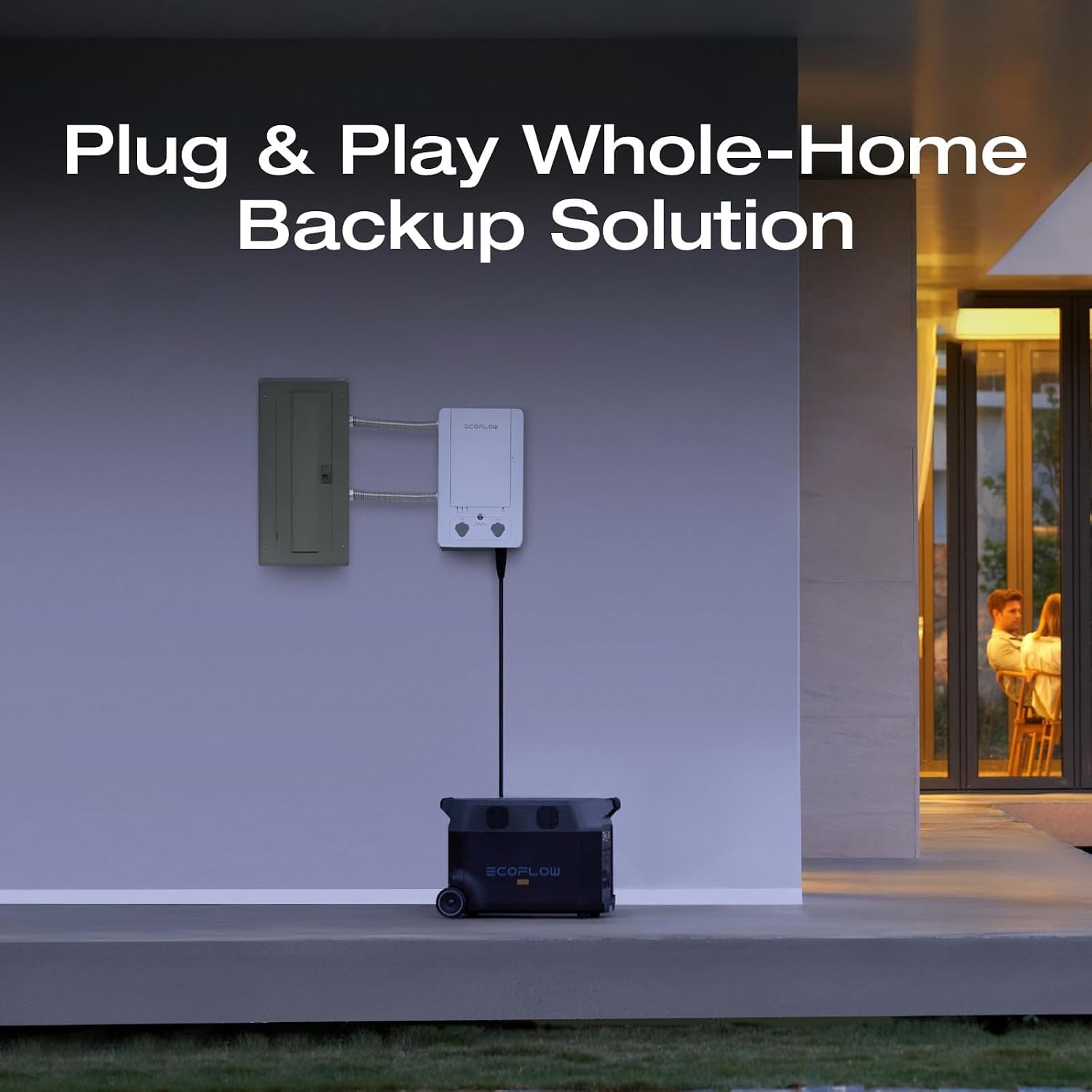
Storage is where the conversation moved. A 10 kWh home battery adds roughly $8,000 installed, somewhere in the $700 to $1,000 per kilowatt-hour range, and under net billing its first job is not blackout insurance. Its first job is moving midday kilowatt-hours — the ones worth 2 to 8 cents exported — into the evening hours where they displace 30-cent purchases. That is also why the lease and PPA offers in your mailbox suddenly look competitive again: the commercial credit survived for third-party-owned systems, generally through the end of 2027, so a leasing company can still claim a credit you personally cannot. Ownership structure decides whether a credit exists at all now. I have never leased a system, so the fine print on those contracts is the one part of this I cannot price for you. That part I have not run.
One force still pushes the other way. Residential electricity rates in the US climbed about 32% over the past decade and have outrun inflation since 2022, which means every kilowatt-hour you consume yourself is worth a little more each year even with no credit at all. Which helps. Slowly. A savings case built on rising rates is a savings case that improves while you sleep and disappoints while you watch it.
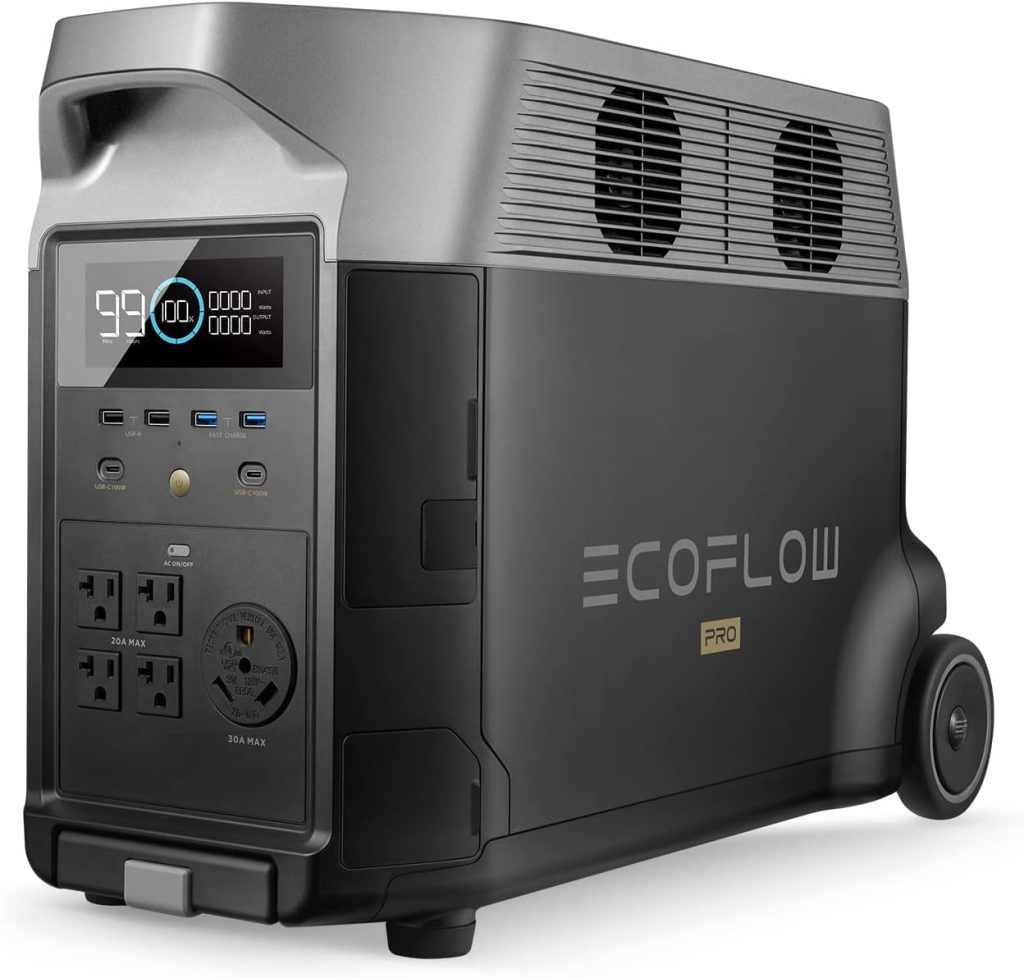
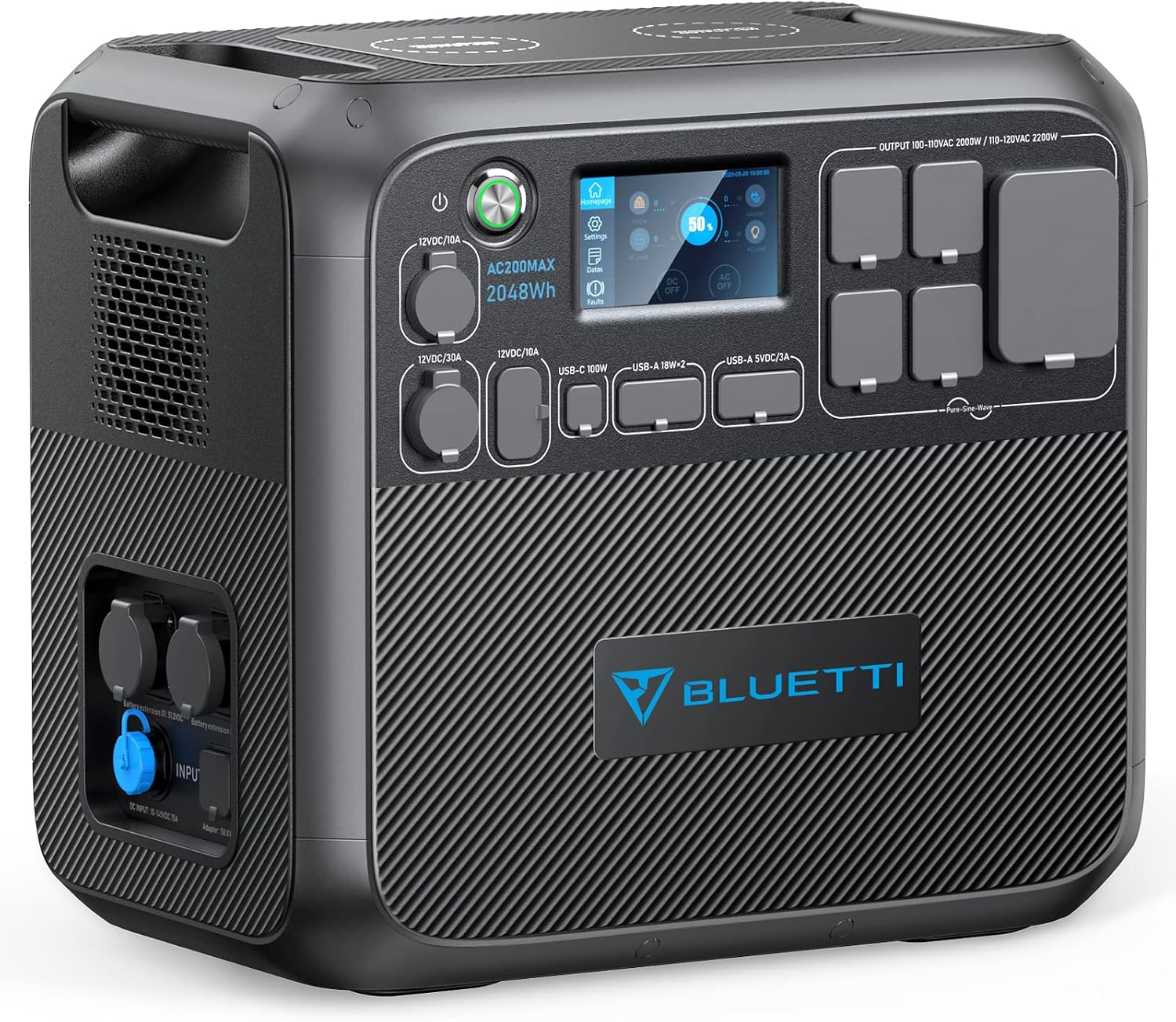
You can see the shift in what people buy. I pulled the rating distributions on three big expandable stations on October 14, 2026, the kind of boxes homeowners now park next to the panel to soak up midday surplus. The EcoFlow DELTA Pro listing showed 4.6 stars across 669 ratings, with 84% five-star and 6% one-star — the largest one-star slice of the three. The BLUETTI AC200MAX showed 4.5 stars across 748 ratings, 77% five-star and 4% one-star. The Jackery Explorer 2000 Plus showed the cleanest spread, 4.7 stars and 90% five-star, but on only 203 ratings, which is a thin sample to hang a conclusion on. Combined, that is 1,620 ratings, and the one-star share stays in single digits on all three. Whatever is annoying buyers of these boxes, it is not showing up as mass failure in the distributions. The sample sizes are the part to respect.
Three Expandable Stations for Moving Solar Into the Evening
Storage is where the savings went — sized by how much midday surplus you need to hold.
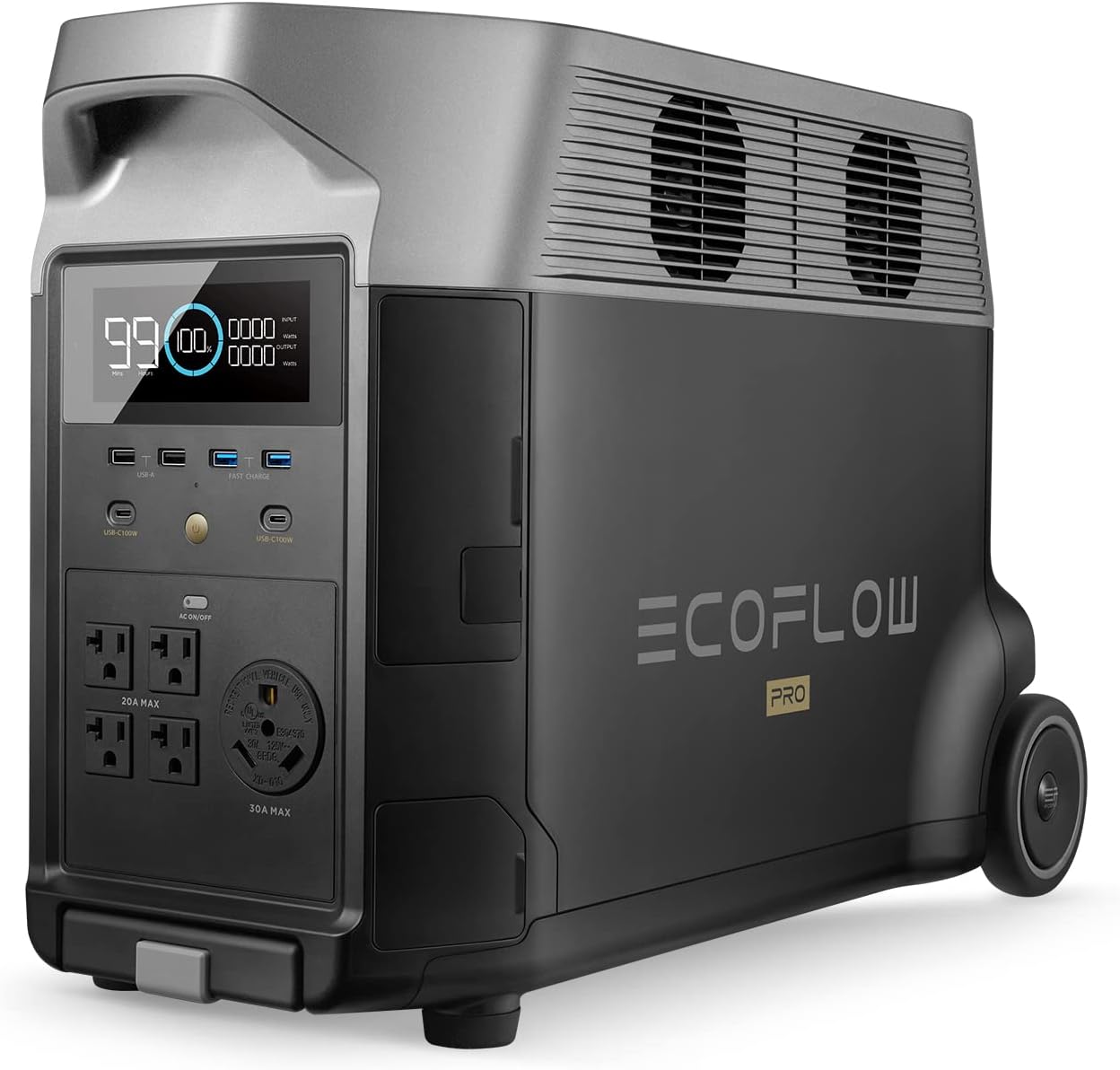
EcoFlow DELTA Pro
3600Wh, 3600W output, expands toward 25kWh with extra batteries — the whole-home end of this list
BLUETTI AC200MAX
2048Wh, 2200W output, expands to 8192Wh with B300 packs, 30A RV outlet for the cabin crowd
Jackery Explorer 2000 Plus
2042Wh, 3000W output, pairs to 240V and 24kWh with a second unit — newest listing here, ratings sample still thin
This site contains affiliate links. We may earn a commission on qualifying purchases.
Questions Homeowners Keep Asking About Solar Savings
My 2026 quote still subtracts a 30% federal credit. Is that line real?
For a system you buy and own, no. The Section 25D credit covers expenditures completed by December 31, 2025, and systems finished in 2026 get zero, even if the contract was signed in 2025 — the timing rule keys on completed installation, not the signature date. If your system was finished in 2025, claim the 30% on that return and carry forward whatever your tax bill could not absorb. If the quote in front of you is a lease or a PPA, the credit line may be real but it belongs to the company and is priced into your payment, which is a different conversation. Ask the salesperson which section number the line refers to. The pause before the answer tells you most of what you need to know.
Why did the payback on my roof jump from six years to nine when nothing about the roof changed?
Because two supports left at once and only one of them made the news. The credit took 30% off the purchase price, and net billing quietly repriced every exported kilowatt-hour down to somewhere between a fifth and a half of the retail rate. Your panels produce the same power they did in 2024. A kilowatt-hour you use yourself still offsets 30 cents or more. A kilowatt-hour you export at noon might offset 8 cents, or 2.2 cents on a bad spring afternoon in California. Multiply that repricing across a decade of middays and the payback line slides years to the right without a single thing breaking.
Is a home battery a savings device now, or is it still just blackout insurance?
On a net-billing tariff it is a savings device first, and the insurance is the part you get for free. Ten kilowatt-hours installed runs about $8,000, and the box earns its keep by holding midday production — power worth a few cents exported — until the hours when your utility charges past 30 cents. Houses on friendlier export tariffs get a thinner version of that trade, and houses that export almost nothing get almost none of it. How fast it pays back also leans on how long solar batteries actually last, because a battery that fades in year nine never finishes a twelve-year payback. The blackout value is real. It just refuses to sit still in a spreadsheet.
Electricity rates keep rising. Won’t that rescue a mediocre quote on its own?
Partly, and slower than you are hoping. Rates rose about 32% over ten years, so the value of self-consumed power does compound in your favor, and a system that looks marginal today can look respectable by year eight without you touching a thing. But rate hikes do not shrink a dealer fee, do not resurrect a credit, and do not reprice an exported kilowatt-hour that your tariff values at 2.2 cents. They rescue the consumption side of the ledger only. My installer’s battery quote is still sitting in my inbox, unanswered, because I want to see one full true-up cycle under the new billing before I decide whether the box earns its wall space.