
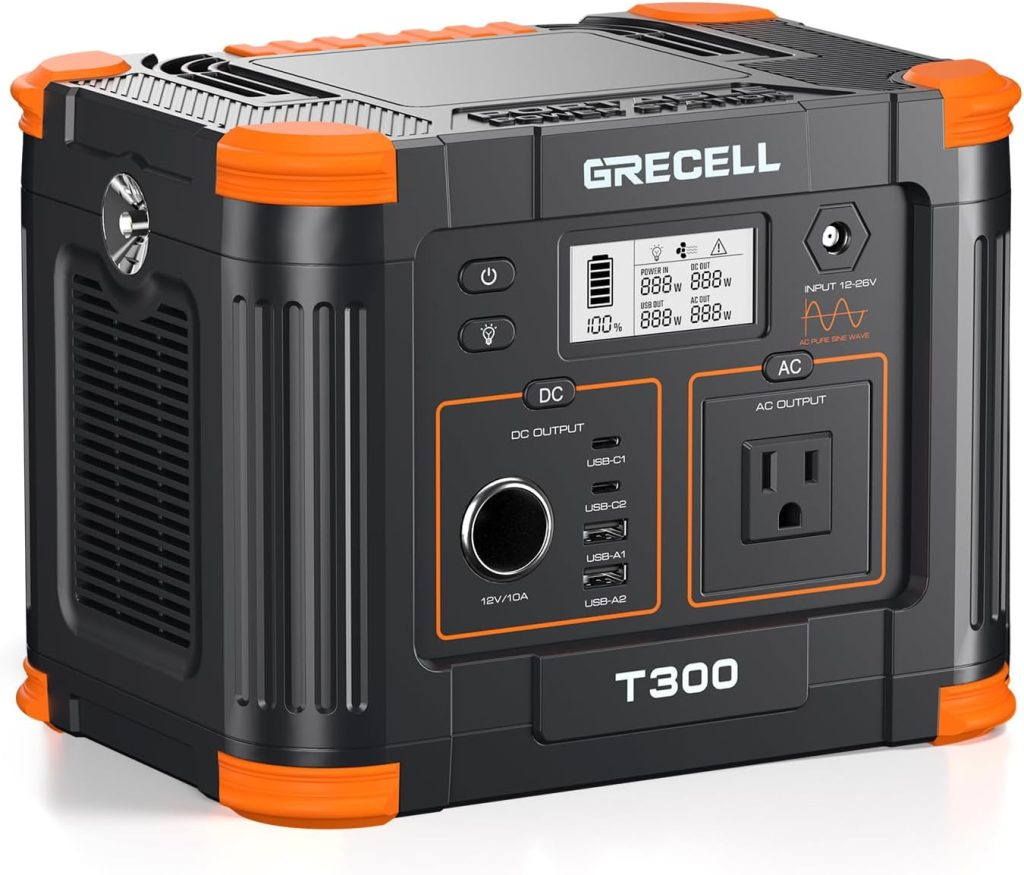
The box says 1000W and my brain heard “runs everything.” That’s the first lie I told myself. Not the manufacturer’s lie. Mine.
EBL’s 1000W station — 999Wh on the label, 1000W continuous, 2000W surge — landed on my workbench because my old unit died mid-trip last fall. I’d owned two power stations before this one. Both taught me the same lesson, which I then forgot, which is why there’s a third one now.
So What Does 1000W Actually Run?
Here’s the math I should have done before clicking buy. 999Wh sounds enormous until you subtract the inverter tax. Converting DC to AC burns roughly 15 to 20 percent. I estimated 20, because I’ve been burned before, and that leaves about 800Wh you can actually pull out of the AC outlets.
800Wh. A full-size fridge eats around 1.2 to 1.5 kWh a day depending on how often the kids open it, which means this station covers roughly half a day of fridge. Not two days. Not “whole home backup.” Half a day, and that’s if the fridge is the only thing plugged in. If you’re still sizing things up, I worked through the what size portable power station do I need question the hard way and it would have saved me one purchase.
And then there’s the surge problem. A fridge’s compressor kicks at 3 to 5 times its rated wattage when it starts. A 150W fridge can spike past 600W for a second. The EBL handles 2000W surge, so it survives the kick. Plenty of cheaper 1000W stations don’t, and their listings never mention that part.
Wrong. Actually, no — that’s not right. What I meant was: the surge rating is what saves you, but only if the battery has the guts behind it. A 2000W surge on a 999Wh pack is fine for a fridge kick. A 2000W surge on a 300Wh pack is marketing confetti.
That 999Wh Number Is Doing a Lot of Heavy Lifting
This is the part of the industry that genuinely annoys me. The Wh number on the box is cell capacity, measured at the battery’s native voltage, in a lab, at room temperature, with no inverter in the loop. The number you get at your wall outlet is always lower. Always. I ran the numbers three times on my second unit before I believed it.
EBL isn’t the worst offender here. Some brands in this price bracket print the cell Wh and then quietly rate the AC output like it’s the same number. It isn’t. Knock off a fifth and you’re in the real world.
The thing is, 800 real watt-hours for the price EBL charges is still decent. That’s what irritates me about the inflated spec game — the product is fine, the math is fine, and they still can’t resist rounding the story up. This scenario with the inflated competitor listings, I haven’t tested those units myself, so I’ll leave their numbers alone.
What Does the 200W Panel Do on a Cloudy Day?
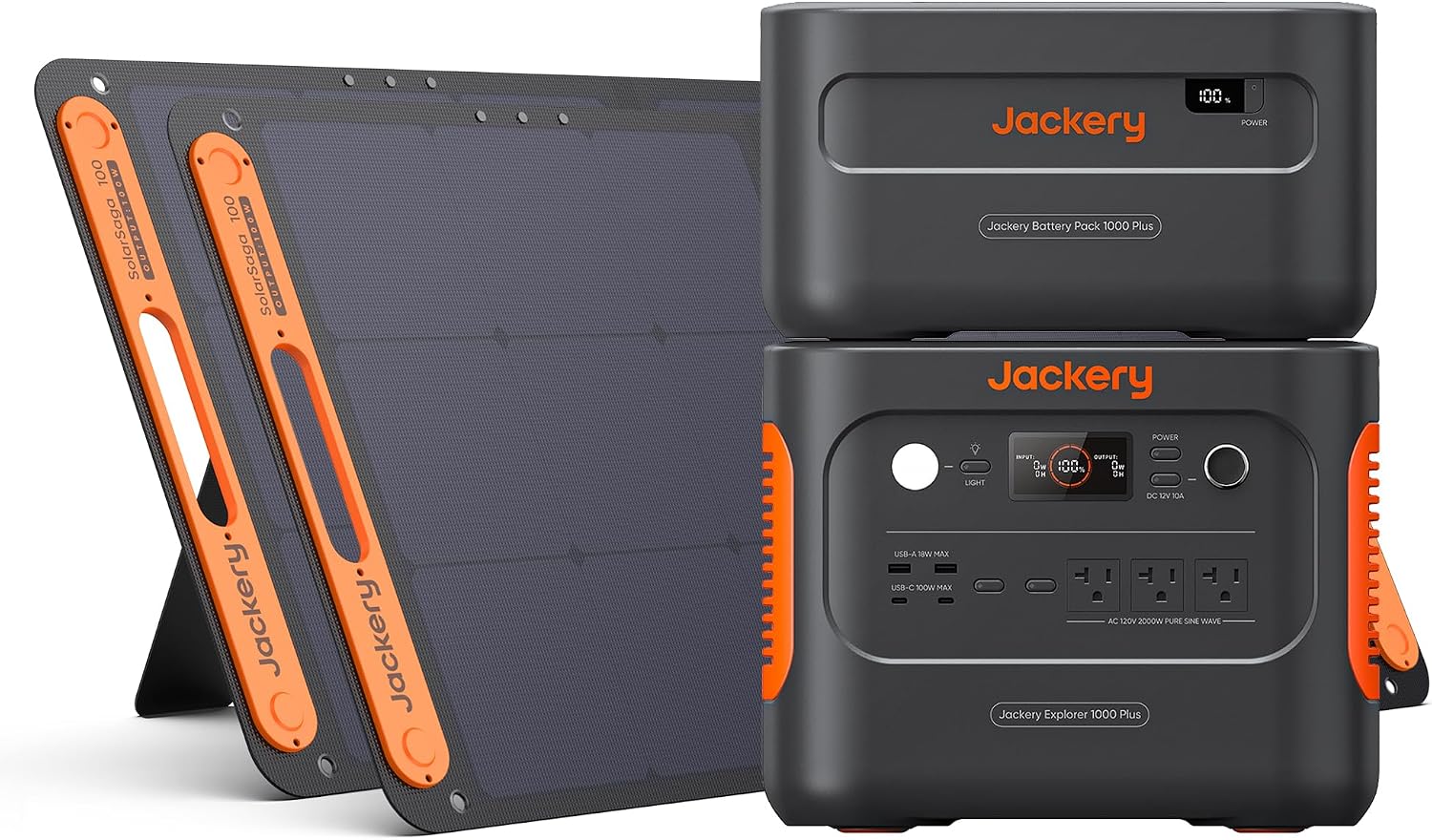
The kit version ships with a 200W panel. In perfect sun, tilted right, clean, cool — 200W in, minus controller losses, call it 170W hitting the battery. About five to six hours of that fills the station from empty.
Now the cloudy-day version, which is the version that actually matters on a trip. I’ve watched a 200W panel crawl at 30 to 50W under heavy overcast. At 40W average you’re looking at twenty hours to fill 800Wh. Two full grey days. The listing photos show panels in desert sun. Your campsite has trees.
I don’t blame EBL for physics. I blame the whole category for selling “solar generator” like the sun files a schedule. A panel is a trickle with good days, not a fuel line.
The Charging Curve Nobody Puts in the Headline
AC charging on this thing is quick to 80 percent. Roughly an hour, give or take. Then the last 20 percent switches to a slow trickle to protect the cells, and that final stretch can take nearly as long as the first 80. This is true of almost every lithium station I’ve owned and almost none of them headline it.
Not even close to the “1 hour fast charge” the banners imply. One hour to 80. Say it with me.
If you’re the kind of person who tops up between stops on a road trip — and I am — plan around the 80 percent number, not 100. The last fifth is for overnight. The full breakdown of how long it takes to charge a solar generator is worth a read before you plan a trip around solar refills.
The Night the Campground Went Quiet
Completely off topic, but this is why I keep buying these things instead of a gas generator. Two summers ago at a lakeside site, the guy three spots down fired up his contractor generator at 9pm to run a space heater. In July. The whole loop listened to that thing drone until quiet hours. My station sat under my picnic table making zero noise, running a fan and two phones and a string of LED lights.
He came over the next morning to ask what it was.
I’m not saying battery stations replace fuel generators for real work. I’m saying campgrounds at night are the one place where silence is worth more than watts, and no spec sheet has a column for that.
The Spec-Sheet Game This Whole Category Plays
Can we talk about “solar generator” as a phrase? There’s no generator in the box. It’s a battery with an inverter and a prayer. The generator is the sun, which EBL does not manufacture or warranty.
And the fridge math. Every listing in this class shows a fridge in the product photos. What they don’t show is the runtime math next to it: 800 usable Wh divided by a fridge’s daily appetite equals half a day, not the long weekend the photos suggest. I’ve written up the longer version of can a solar generator power a refrigerator separately because I keep redoing this division for every unit I consider now. It’s practically a ritual.
One more gripe, and this one’s aimed at me as much as the brands: I bought my first station based on the biggest Wh number I could afford, then used it to charge phones. A $90 power bank would have done the job. Match the tool to the load. I say this having learned it twice.
What About the Competition?
Three units in the 1000Wh class I’d cross-shop against the EBL. Same rough capacity, different trade-offs. Check the current prices — this bracket moves fast.
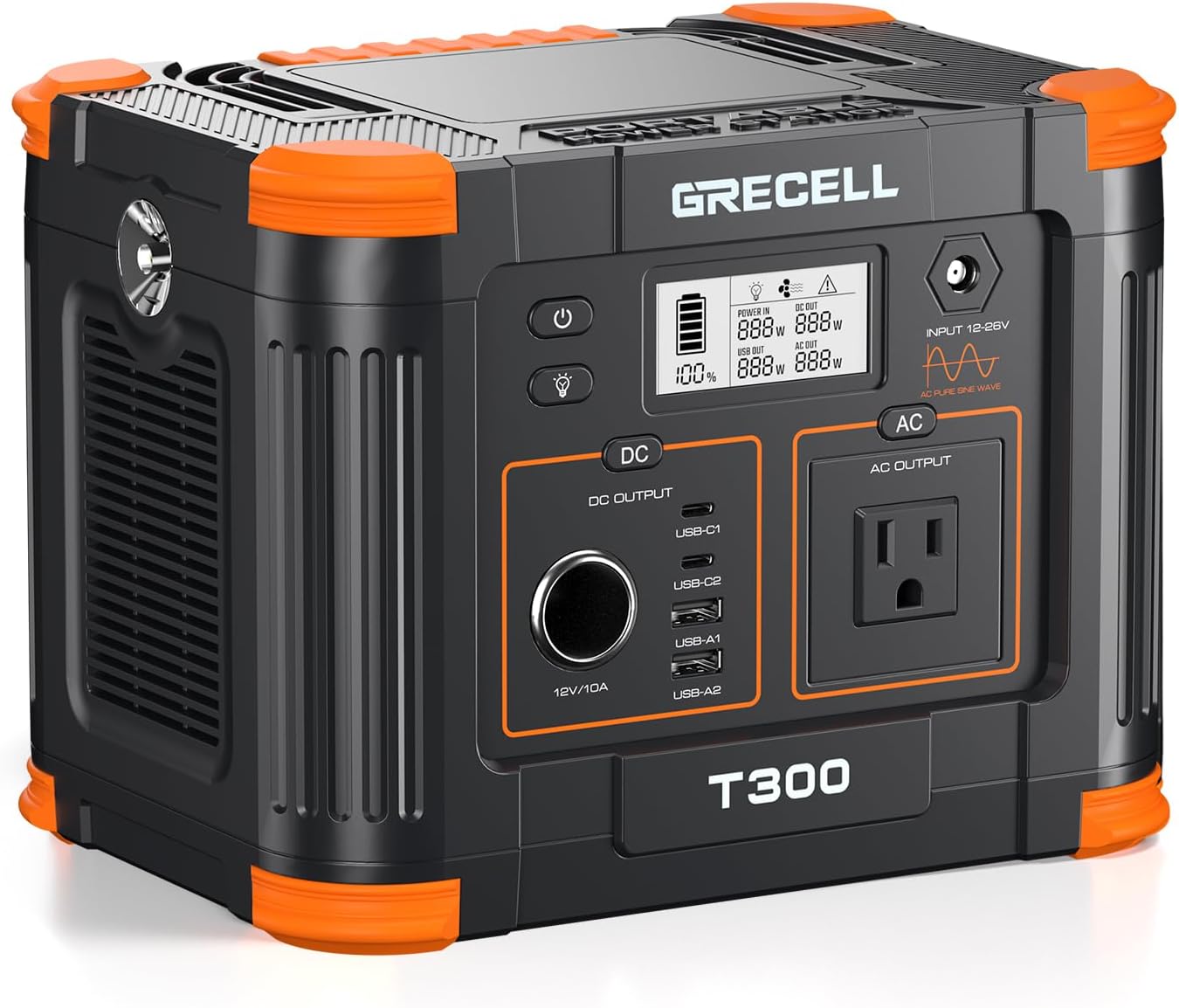
EBL 1000W Portable Power Station
999Wh, 1000W continuous. The value pick in the 1kWh class when the kit price is right.
Jackery Explorer 1000 Plus
1000Wh-class benchmark. Proven reliability, strongest resale in the class.
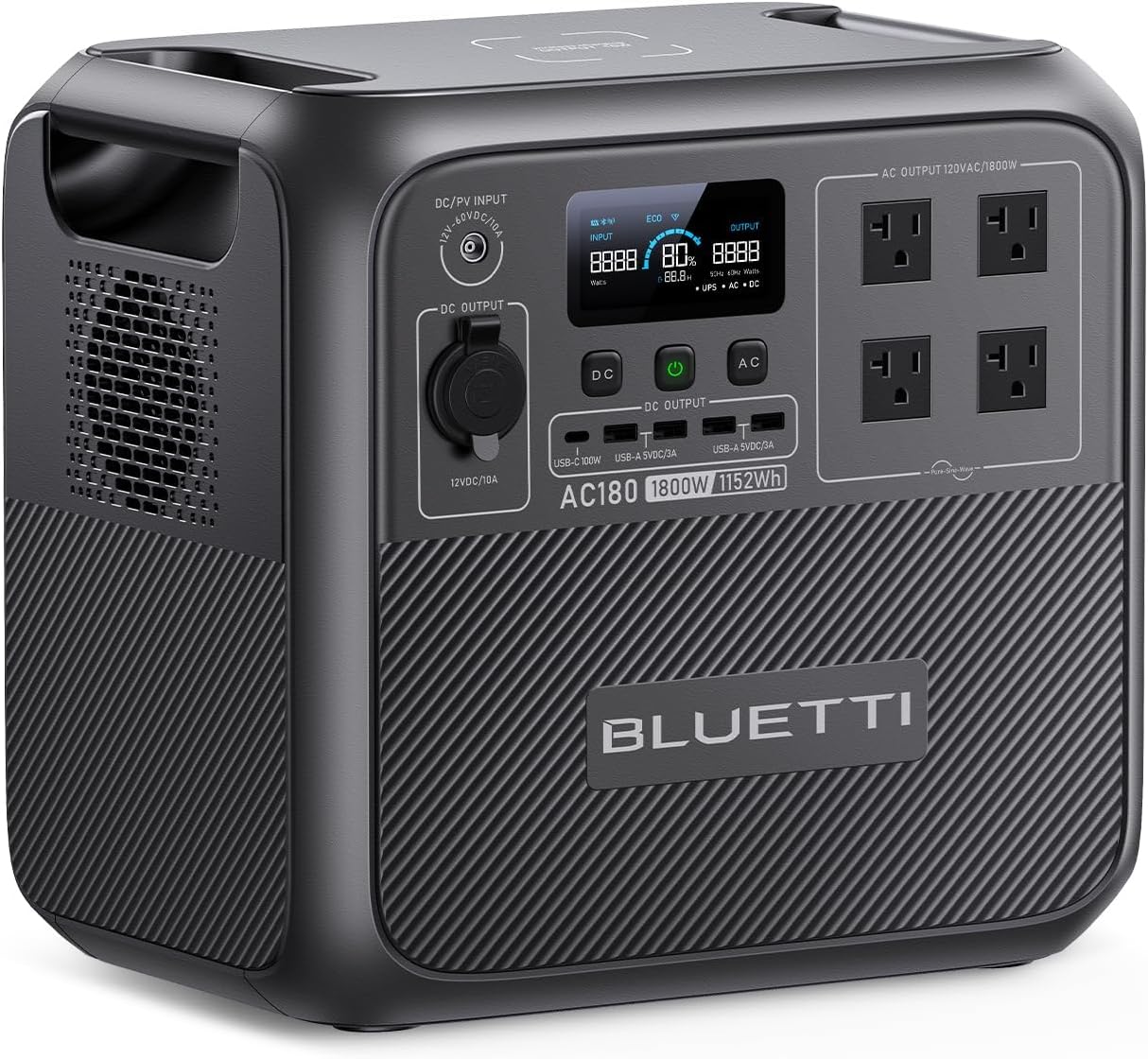
Buy the EBL if the kit price undercuts the big brands and you mainly need phone-laptop-fan power with occasional fridge duty. Buy the Jackery if you want the safest resale value and a track record. Buy the Bluetti if you plan to cycle it hard — LiFePO4 chemistry holds up roughly twice as long as the older lithium blends.
Skip all three if what you actually need is multi-day fridge backup. That’s a 2kWh-plus conversation, and no 1000W-class box changes that math.
I’m still deciding whether to add a second panel before the fall trip. The 200W folds fine behind the truck seat, and on paper two panels cut a sunny-day refill to three hours. On paper. The trees at that lakeside site have opinions, and last year they voted for shade.
This site contains affiliate links. We may earn a commission on qualifying purchases.


