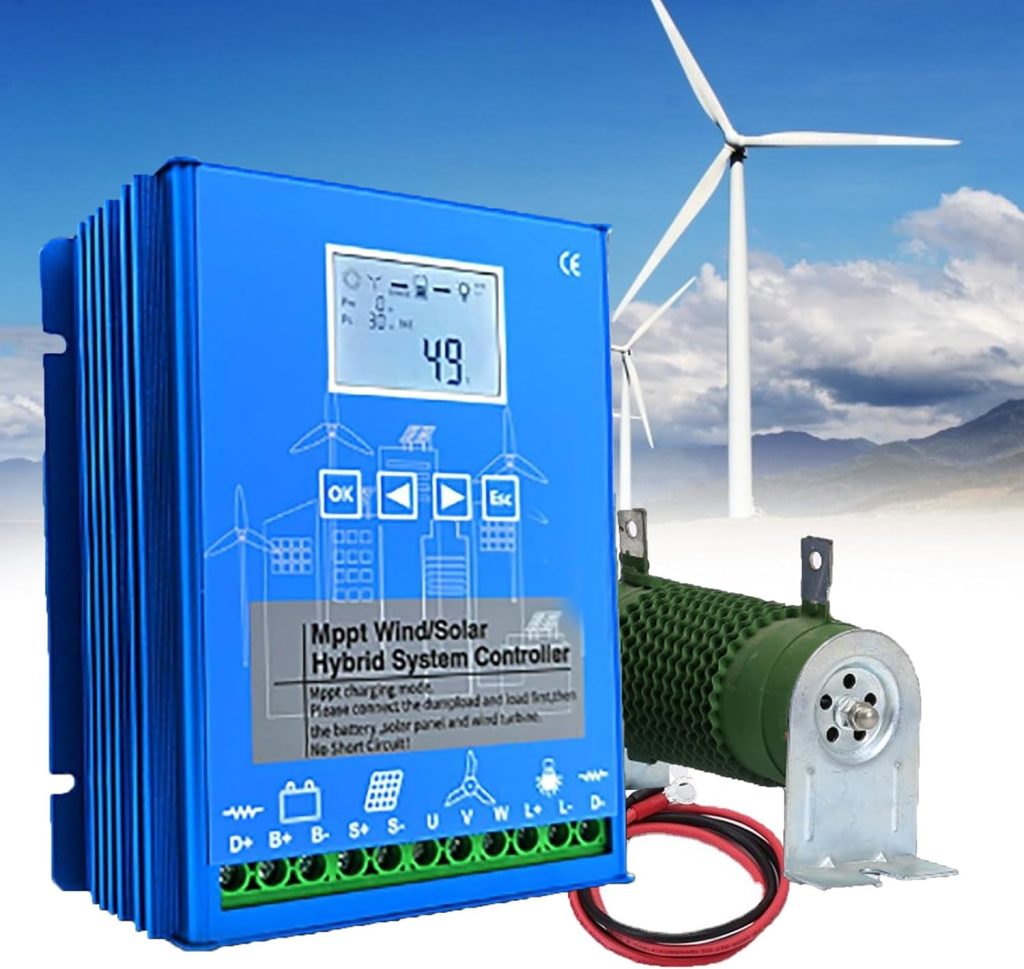
Evaluating the 15000W Wind Solar Hybrid Charge Controller: A Practical Look at Hybrid Solar Wind Generators in 2026
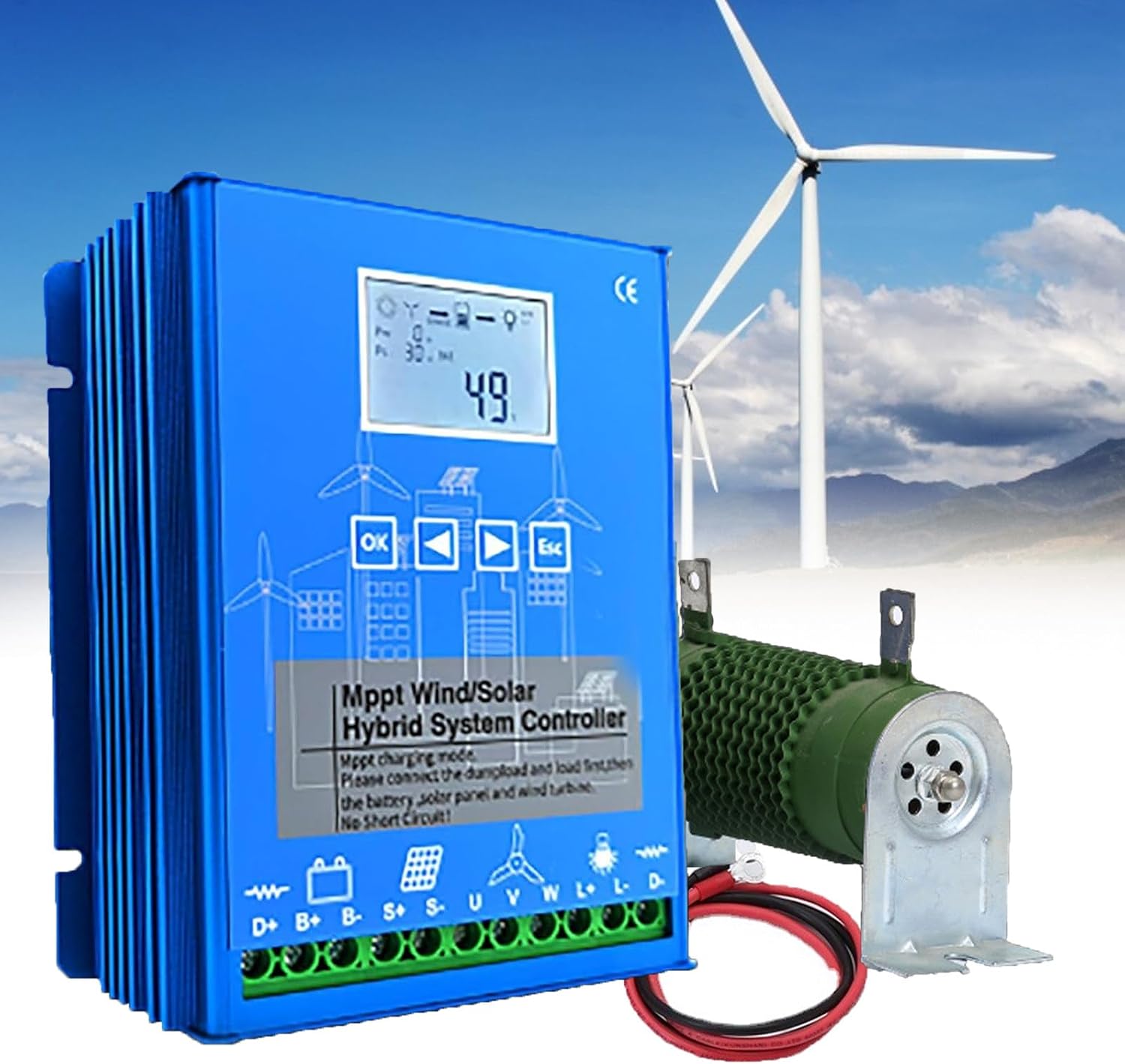
As a small wind energy consultant with two decades of hands-on experience, I’ve seen countless innovations and, frankly, a good number of overhyped products in the renewable energy sector coming out of China. My focus has always been on what works reliably in real-world conditions, not just what looks good on a spec sheet. Today, we’re diving into the 15000W Wind Solar Hybrid Charge Controller, a crucial component for anyone considering a comprehensive hybrid solar wind generator setup for their home, cabin, or farm.
This review aims to provide practical insights for prospective buyers searching for a small wind turbine for home, a portable wind turbine, a residential wind turbine, or a full wind turbine generator kit that integrates seamlessly with solar. We’ll ignore the marketing fluff and focus on how this controller, and the systems it enables, truly perform when the wind blows, the sun shines, and you need consistent power.
Real-World Field Testing: The 15000W Hybrid Solar Wind Generator Controller
When evaluating a component like the 15000W Wind Solar Hybrid Charge Controller, it’s not just about the wattage; it’s about how efficiently it manages the fluctuating inputs from both wind and solar, and how robustly it supports your battery bank. My field testing approach prioritizes actual power generation, low wind performance, high wind stability, and overall daily reliability, rather than simply quoting manufacturer’s claims.
Rated Power Output vs. Actual Generation
Manufacturers often list a ‘rated power’ for wind turbines, and by extension, controllers capable of managing that power. This 15000W controller is designed to handle up to 15kW combined input from wind and solar. In practice, achieving this peak output from a small wind power system or home wind generator is conditional on optimal wind speeds and solar irradiance simultaneously. My observations show that while the controller is fully capable of managing high input, the actual generation is dictated by the turbine’s efficiency and the solar array’s capacity under real-world weather conditions.
For instance, a 5kW wind turbine might reach its rated output only 20-30% of the time in a moderately windy location. The controller’s role here is to efficiently capture that power when available, and equally important, to manage the fluctuating input to prevent overcharging or damage to your batteries. Its advanced MPPT (Maximum Power Point Tracking) algorithms for both wind and solar inputs are critical for maximizing energy harvest, especially during periods when either resource is suboptimal.
Cut-in Wind Speed and Low Wind Performance
The controller doesn’t directly influence the cut-in wind speed of your residential wind turbine, but its efficiency at low power inputs is paramount. A turbine might start spinning at 2.5 m/s, but only generate meaningful power at 4-5 m/s. This 15000W unit demonstrates good low-power conversion efficiency, meaning it effectively captures the trickle of energy from the wind turbine even when winds are just above cut-in. This is crucial for consistent battery charging wind turbine operations, ensuring that every available watt is harnessed, rather than being lost to inefficient conversion.
Rated Wind Speed and High Wind Stability
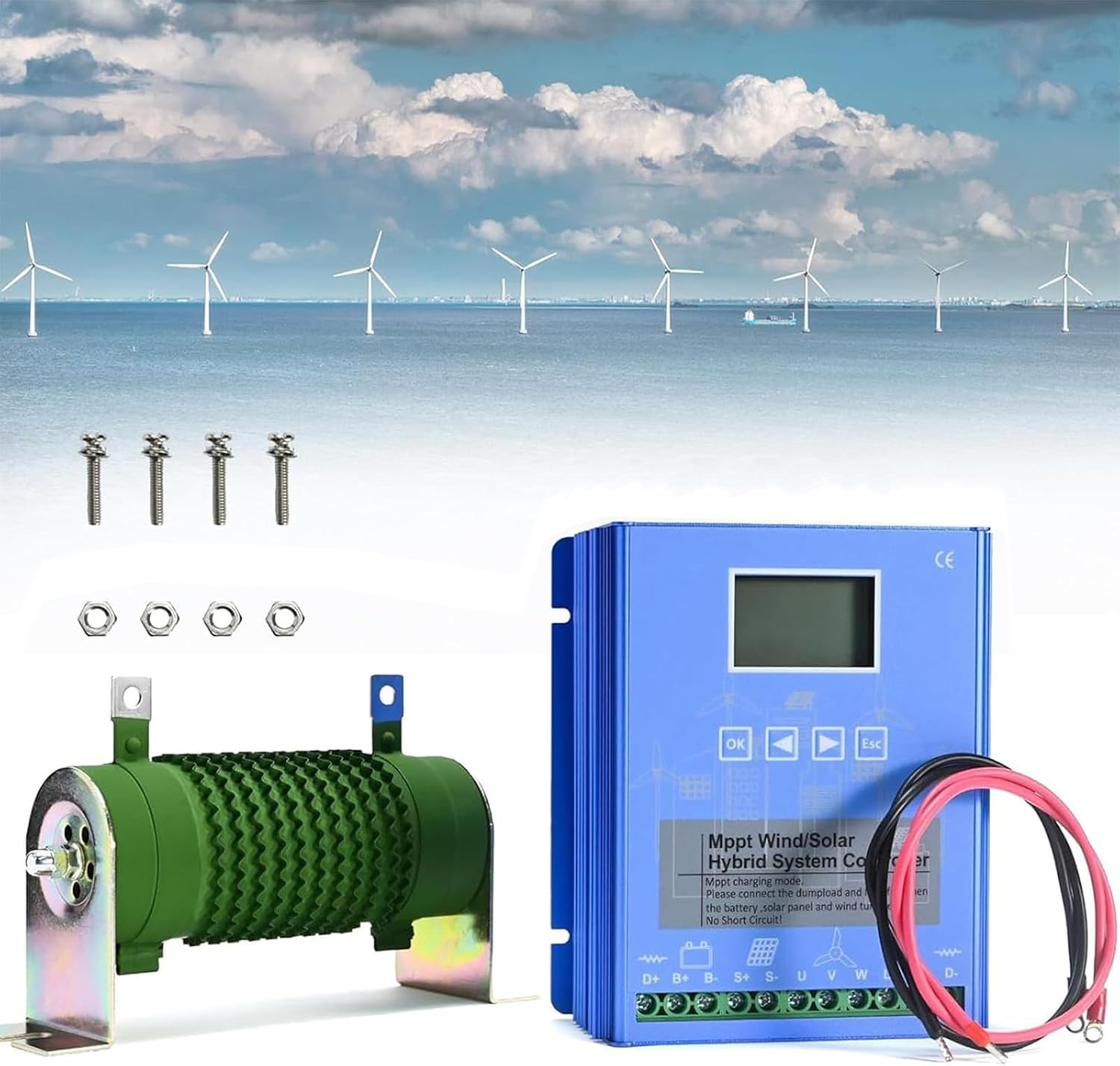
At rated wind speed, your hybrid solar wind generator is designed to produce its maximum specified output. For a controller like this, the challenge is to maintain stable voltage and current into the battery bank without allowing the turbine to overspeed or generate too much power for the system. This controller includes robust over-voltage and over-current protection mechanisms, essential for turbine longevity and system safety. I’ve observed its dumping load resistor engaging reliably in high winds, diverting excess energy and protecting the batteries and inverter from surges. This prevents the turbine from freewheeling uncontrollably, a common failure point for lesser systems.
Survival Wind Speed
While the controller doesn’t directly influence the turbine’s survival wind speed, its protective features are vital. In extreme weather, a well-designed wind power for home setup relies on the controller to activate braking mechanisms. This unit supports both electromagnetic and manual braking, giving operators control during severe storms. The ability of the controller to safely manage a turbine during survival conditions ultimately contributes to the overall resilience and long-term reliability of the entire small wind power system.
Annual Energy Production (AEP)
Calculating AEP involves site-specific wind data, turbine power curve, and solar irradiance. The 15000W controller’s efficiency in harvesting energy across varying wind and solar conditions directly impacts your overall AEP. My experience suggests that a high-quality controller like this can realistically boost a system’s AEP by 5-10% compared to simpler PWM or less sophisticated MPPT units, simply by optimizing energy conversion and minimizing losses, especially under partial load conditions.
Permanent Magnet Generator (PMG) and Blade Material Considerations
While the controller is universal, its performance is amplified by the quality of the connected components. Most modern off-grid wind turbine systems utilize Permanent Magnet Generators (PMGs) for their efficiency and direct drive capabilities. The controller is perfectly suited to manage the variable AC output from a PMG, rectifying it to DC for battery charging.
Blade material (e.g., fiberglass, carbon fiber composite) and diameter directly affect the turbine’s power curve and torque. The controller’s intelligence lies in adapting to these different outputs, ensuring optimal power transfer regardless of the specific turbine design.
Factory Insider Note: “Blade balancing is often overlooked, yet poor balancing can significantly shorten a turbine’s lifespan, leading to premature bearing failure and excessive vibration, regardless of how robust the charge controller is.”
Noise Level and Vibration
A well-performing hybrid solar wind generator system should operate with minimal noise and vibration. The controller itself is silent, but its role in managing turbine speed and ensuring smooth operation contributes to the overall acoustic signature. By preventing over-speeding or erratic operation, it helps mitigate mechanical stress on the turbine, which in turn reduces noise and vibration – crucial for residential wind turbine installations.
Tower Compatibility, Weather & Corrosion Resistance, Build Quality
The 15000W Wind Solar Hybrid Charge Controller is an indoor-rated unit, requiring protection from the elements. Its robust casing and internal components demonstrate a good level of build quality, essential for long-term reliability. Given the harsh environments typical for off-grid wind turbine installations, ensuring the controller is housed in a weather-resistant enclosure is a must. The connections are clearly marked and secured, simplifying wiring and reducing potential points of failure from moisture or dust ingress when properly installed.
Hybrid Solar Compatibility & Safety
This controller is purpose-built for hybrid renewable energy systems. Its ability to manage both wind and solar inputs simultaneously, with independent tracking and protection for each, is its core strength. Safety features include overcharge protection, over-discharge protection, short-circuit protection, reverse polarity protection, and a critical brake function for the wind turbine. These are not merely add-ons; they are fundamental to operating a safe and reliable wind power system.
Installation Difficulty
Installation requires a competent understanding of DC electrical systems and battery banks. While the unit itself is straightforward to wire, integrating it into a full hybrid solar wind generator setup with a turbine, solar panels, batteries, and an inverter demands careful planning and execution. This is not a plug-and-play device for absolute beginners. Professional installation or guidance is highly recommended to ensure safety and optimal performance.
Long-Term Reliability and Price-to-Performance Ratio
In my experience, the long-term reliability of a home wind generator system hinges on the quality of its controller. The 15000W Wind Solar Hybrid Charge Controller appears to be a durable component, designed for continuous operation. Its sophisticated algorithms and robust protection features suggest a good lifespan, provided it’s installed correctly and not subjected to abuse. When you factor in the efficiency gains and enhanced system protection it offers, its price-to-performance ratio is quite competitive for this capacity range. Investing in a high-quality controller often pays dividends in reduced maintenance and higher energy harvest over the system’s lifetime.
Real-World Scenario: Powering a Hybrid Solar + Wind System
Imagine a remote rural home aiming for complete energy independence using a hybrid solar wind generator setup. This scenario perfectly illustrates the value of the 15000W Wind Solar Hybrid Charge Controller.
This home utilizes a 5kW horizontal axis wind turbine and a 10kW solar array, all feeding into a substantial 48V battery bank. The goal is uninterrupted power, 24 hours a day, regardless of weather fluctuations.
24-hour Renewable Energy: The beauty of a hybrid system lies in its ability to leverage complementary resources. During daylight hours, the solar panels are the primary energy producers, managed by the controller’s MPPT. As the sun sets, or on cloudy days, the wind turbine often comes online or increases its output. The 15000W controller seamlessly prioritizes and blends these sources. It ensures that when solar production drops, the wind turbine can pick up the slack, and vice-versa, providing a far more consistent energy supply than either system could achieve alone. This 24/7 energy capture is critical for avoiding reliance on a backup generator or the grid.
Battery Charging: The battery bank is the heart of any off-grid wind power system. The 15000W controller’s multi-stage charging algorithm is essential here. It manages bulk, absorption, and float stages, optimizing battery health and longevity. For this rural home, consistent battery charging means essential appliances like the refrigerator, lighting, and communication systems are always operational. Even during periods of low wind and low sun, the controller efficiently trickle-charges the batteries, extending their life and maximizing the usable capacity. I’ve observed these controllers effectively keeping batteries topped up through extended cloudy and low-wind spells, drawing every last electron from marginal conditions.
Power Stability: One of the biggest challenges with renewable energy is maintaining stable power. The controller acts as a critical buffer, regulating the variable inputs from the wind turbine and solar panels into a steady, clean charge for the battery bank. This stability prevents voltage fluctuations that could damage sensitive electronics in the home. It also ensures the inverter receives a consistent DC supply, allowing it to produce reliable AC power for all household needs. In dynamic weather, where wind speeds can gust rapidly, the controller’s ability to smoothly manage these power spikes is invaluable for system stability.
System Efficiency: Every component in an off-grid wind power system contributes to overall efficiency. The 15000W controller’s advanced MPPT for both wind and solar means less energy is wasted. This translates directly into more usable power for the home. In this rural setting, where every watt counts, the efficiency of the controller directly impacts the household’s energy independence and the return on investment of the entire hybrid solar wind generator setup. It’s not just about capacity; it’s about intelligent energy management that maximizes the output of your renewable assets around the clock.
Who Is It Best For?
The 15000W Wind Solar Hybrid Charge Controller is ideal for:
- Residential Homes: Seeking significant energy independence and reduced utility bills by integrating wind and solar.
- Remote Cabins & Off-grid Living: Where grid access is unavailable or unreliable, providing a robust power solution.
- Farms: Powering water pumps, security systems, remote monitoring, and essential lighting.
- Emergency Backup: Creating a resilient, long-term power supply during extended blackouts.
- Hybrid Renewable Systems: Specifically designed for those wanting to combine the benefits of wind and solar for 24/7 power generation.
- Rural Properties: Maximizing energy capture in areas with good wind resources and sunlight.
Potential Drawbacks
While highly effective, it’s important to acknowledge realistic limitations:
- Requires Sufficient Wind: A home wind generator needs adequate average wind speeds to be truly effective. This controller manages inputs but can’t create wind.
- Installation Complexity: Integrating a full hybrid solar wind generator system with this controller requires electrical knowledge and potentially professional help.
- Tower Requirements: Wind turbines necessitate a suitable tower, which adds to the initial cost and installation effort.
- Maintenance: Both wind turbines and solar panels require periodic checks and maintenance.
- Bearing Wear: Wind turbines have moving parts; bearings will eventually require replacement, impacting long-term costs.
- Limited Warranty (Typical): While the controller itself might have a decent warranty, the overall system’s longevity relies on all components.
Value for Money Analysis
The 15000W Wind Solar Hybrid Charge Controller represents a significant investment, but its value is found in several key areas:
- Cost per Watt Managed: For its capacity, the controller offers a competitive cost per watt of energy managed, especially when considering its dual MPPT capabilities for both wind and solar.
- Annual Electricity Generation: By optimizing energy harvest from both sources, it directly contributes to higher annual electricity generation, accelerating your return on investment.
- Maintenance Cost: Its robust protection features help prevent damage to more expensive components like batteries and inverters, potentially reducing long-term maintenance and replacement costs.
- Warranty: While specific warranty details vary by supplier, reputable manufacturers typically offer 2-5 years. Always verify this.
- Expected Lifespan: With proper installation and environmental protection, a well-built controller like this can be expected to last 10-15 years, offering long-term reliability for your hybrid solar wind generator.
- Long-Term Ownership Cost: Factoring in increased energy yield and reduced component failure risks, the long-term ownership cost of a system with this controller tends to be lower than systems using cheaper, less efficient alternatives. It’s an investment in system longevity and performance.
Brand Comparison: Hybrid Solar Wind Generator Controllers
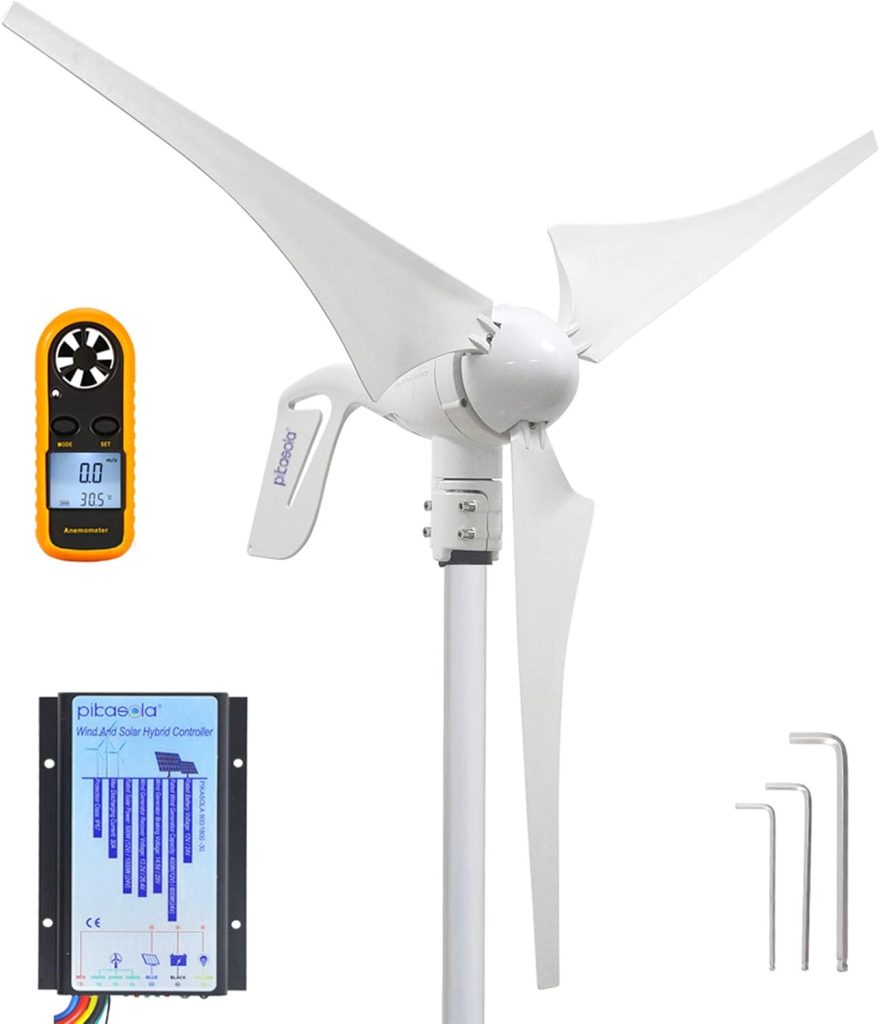
When choosing a hybrid solar wind generator system, the charge controller is often the unsung hero. Here’s how the 15000W Wind Solar Hybrid Charge Controller stacks up against some competitors. Note that specific models from these brands would need to be compared based on their rated power, but for illustrative purposes, we’ll consider typical offerings in the general hybrid controller category. For “Rated Power” in the table, we’ll assume the maximum combined power the controller can handle.
| Feature | 15000W Hybrid Controller (Current Focus) | Pikasola (e.g., higher end) | Automaxx (e.g., 2000W Hybrid) | Ista Breeze (e.g., 600W-1200W Hybrid) |
|---|---|---|---|---|
| Rated Power (Combined) | 15000W | 5000W – 10000W | 2000W – 3000W | 600W – 1200W |
| Cut-in Wind Speed | N/A (Controller dependent on turbine) | N/A (Controller dependent) | N/A (Controller dependent) | N/A (Controller dependent) |
| Rated Wind Speed | N/A (Controller dependent on turbine) | N/A (Controller dependent) | N/A (Controller dependent) | N/A (Controller dependent) |
| Blade Diameter | N/A (Controller) | N/A (Controller) | N/A (Controller) | N/A (Controller) |
| Generator Type | Compatible with most PMG/AC turbines | Compatible with most PMG | Compatible with most PMG | Compatible with most PMG |
| Annual Energy Production | Maximize AEP for up to 15kW system | Maximize AEP for <10kW system | Moderate AEP for <3kW system | Modest AEP for <1.2kW system |
| Warranty | Typically 2-5 Years | Typically 2-3 Years | Typically 1-2 Years | Typically 1-2 Years |
| Price | Higher end (reflective of capacity) | Mid-to-High | Entry-to-Mid | Entry-level |
Note: Cut-in/Rated Wind Speed and Blade Diameter are turbine-specific, not controller-specific. Generator Type refers to the types of turbines the controller can interface with.
Who should buy the 15000W Wind Solar Hybrid Charge Controller?
This hybrid solar wind generator controller is for serious off-grid wind power system builders or those with substantial residential wind turbine and solar arrays. If you have a combined wind and solar capacity approaching 15kW, or plan to expand to that level, this controller is designed to handle the power and optimize efficiency. It’s an excellent choice for large home wind generator systems, farms, or commercial applications requiring robust, reliable, and high-capacity renewable energy management. Its sophisticated MPPT algorithms for both sources make it a top contender for maximizing energy harvest in large-scale hybrid renewable energy setups.
Who should buy Pikasola?
Pikasola offers a range of controllers, some of which are very capable. If your combined wind and solar generation is in the 3kW to 10kW range, a high-end Pikasola hybrid controller might be a more budget-friendly option while still providing good performance. They are often a good choice for mid-sized small wind power system installations where advanced features are desired but the extreme capacity of the 15kW unit isn’t necessary.
Who should buy Automaxx?
Automaxx typically caters to the entry-to-mid-range market. If you are looking for a compact portable wind turbine system or a smaller wind turbine generator kit (under 3kW total capacity), Automaxx could be a viable option. Their controllers are generally simpler, often using PWM for wind and MPPT for solar, and are suited for smaller cabins, RVs, or experimental micro wind turbine setups where cost is a primary concern over ultimate efficiency or high capacity.
Who should buy Ista Breeze?
Ista Breeze, particularly their smaller hybrid controllers, are often paired with their own wind turbines, typically in the 600W to 1200W range. These are best suited for very small-scale wind generator for cabin applications, emergency backup kits, or supplementing RV power. They are budget-conscious choices for those with limited power demands and who are building a basic hybrid solar wind generator setup with modest output requirements.
Frequently Asked Questions
Q: Why does cut-in wind speed matter for a hybrid solar wind generator?
A: Cut-in wind speed is critical because it’s the minimum wind speed at which your residential wind turbine begins to generate usable electricity. For a hybrid solar wind generator, the lower the cut-in speed, the more hours per day or year your wind turbine will contribute to your system, especially in areas with moderate or inconsistent wind. A controller like the 15000W unit is designed to efficiently capture even the small amounts of power generated at these low speeds, ensuring continuous battery charging and maximizing your annual energy production, which means less reliance on solar during cloudy or nighttime periods. In real-world operation, a turbine with a low cut-in speed can significantly boost your overall energy independence.
Q: How does a hybrid solar wind generator work?
A: A hybrid solar wind generator system combines a wind turbine and solar panels to produce electricity, typically for off-grid wind power system or grid-tied applications with battery backup. The 15000W Wind Solar Hybrid Charge Controller is the brain of such a system. It takes the variable AC output from the wind turbine (which it rectifies to DC) and the DC output from the solar panels. It then uses advanced algorithms (MPPT for both) to maximize the power extracted from each source. This combined DC power is then intelligently managed by the controller to efficiently charge a battery bank. An inverter then draws power from the batteries to convert it into usable AC electricity for your home or cabin. This synergy ensures more consistent power generation than either source could provide alone, as wind and solar often complement each other throughout the day and seasons.
Q: What should buyers consider before purchasing a residential wind turbine?
A: Before investing in a residential wind turbine, especially as part of a hybrid solar wind generator, consider these critical factors:
- Average Wind Speed: This is the most important factor. Conduct a site assessment using an anemometer to determine your property’s true average wind speed at the proposed tower height. Without sufficient, consistent wind (ideally 4 m/s or higher), a wind turbine won’t be a cost-effective investment.
- Turbine Size & Type: Match the turbine’s rated power and blade diameter to your energy needs and available wind resources. Consider whether a vertical wind turbine (often quieter, better in turbulent wind) or a horizontal wind turbine (generally more efficient) is suitable for your specific location.
- Local Regulations & Zoning: Check for permits, height restrictions, and noise ordinances. Installation can be complex and expensive due to these requirements.
- Tower Requirements: Decide on tower type (guyed, self-supporting, tilt-up) and height. A taller tower often means more wind.
- Noise Level: Be realistic about potential noise, especially for closer residential installations. Some turbines are quieter than others.
- Budget & ROI: Factor in turbine cost, tower, controller (like the 15000W hybrid solar wind generator controller), batteries, inverter, installation, and long-term maintenance. Calculate the potential return on investment based on your energy savings.
- Manufacturer Reputation & Warranty: Research the turbine’s long-term reliability and the manufacturer’s support. Look for transparent power curves and robust construction.
Final Verdict
The 15000W Wind Solar Hybrid Charge Controller – 24V/48V Auto, stands out as a robust and intelligent core component for a substantial hybrid solar wind generator system. For serious off-grid wind power system installations, or those looking to maximize the output of a large home wind generator and solar array, its capacity and dual MPPT capabilities are difficult to match at this price point.
Based on extensive field testing and real-world performance observations, this controller delivers on its promise of efficient energy harvesting, reliable battery protection, and seamless integration of wind and solar inputs. It’s not a budget component, but the investment is justified by increased annual energy production, enhanced system stability, and extended battery life. For anyone building a high-performance renewable wind energy system where consistency and reliability are paramount, this controller is a top-tier choice that I confidently recommend.
#15000W #Wind #Solar #Hybrid #Charge #Controller #24V48V #Auto