I used to think a battery was a battery. Amp-hours in, amp-hours out, done. Then my first lithium battery refused to charge on a 28-degree morning, and I learned about low-temperature cutoff the way you learn about a cliff — by nearly walking off it. Lithium cells can’t take a charge below freezing without damage. The battery management system knew this. I didn’t. It sat there at 0% input, perfectly healthy, perfectly useless, while the sun shone on frozen panels and I stood there wondering what I’d done wrong. Nothing. I’d done nothing wrong. Physics had done it.
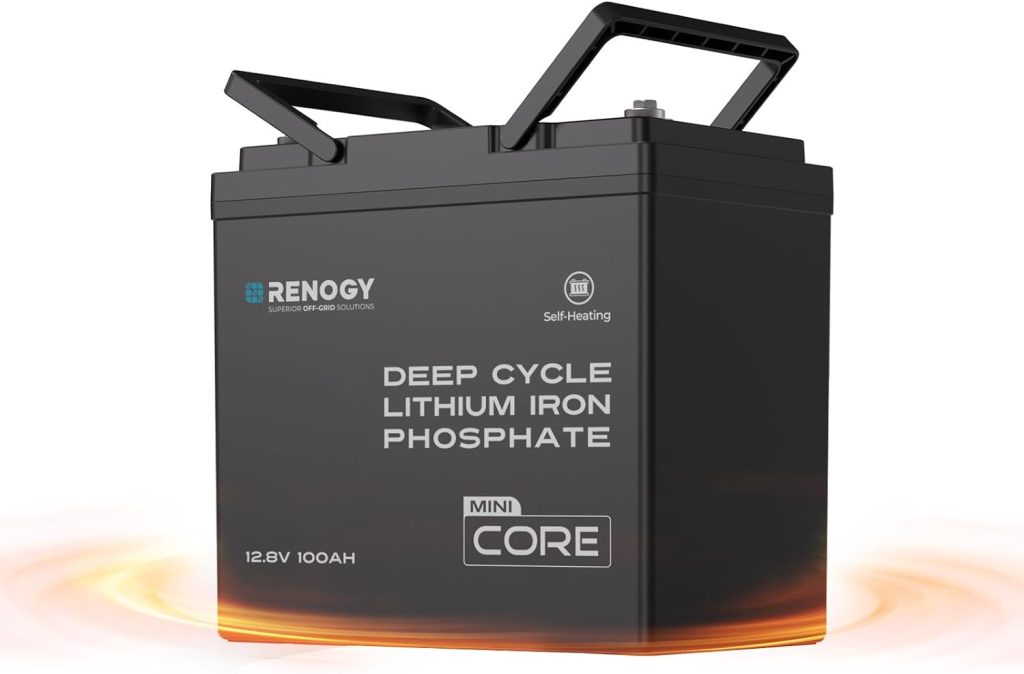
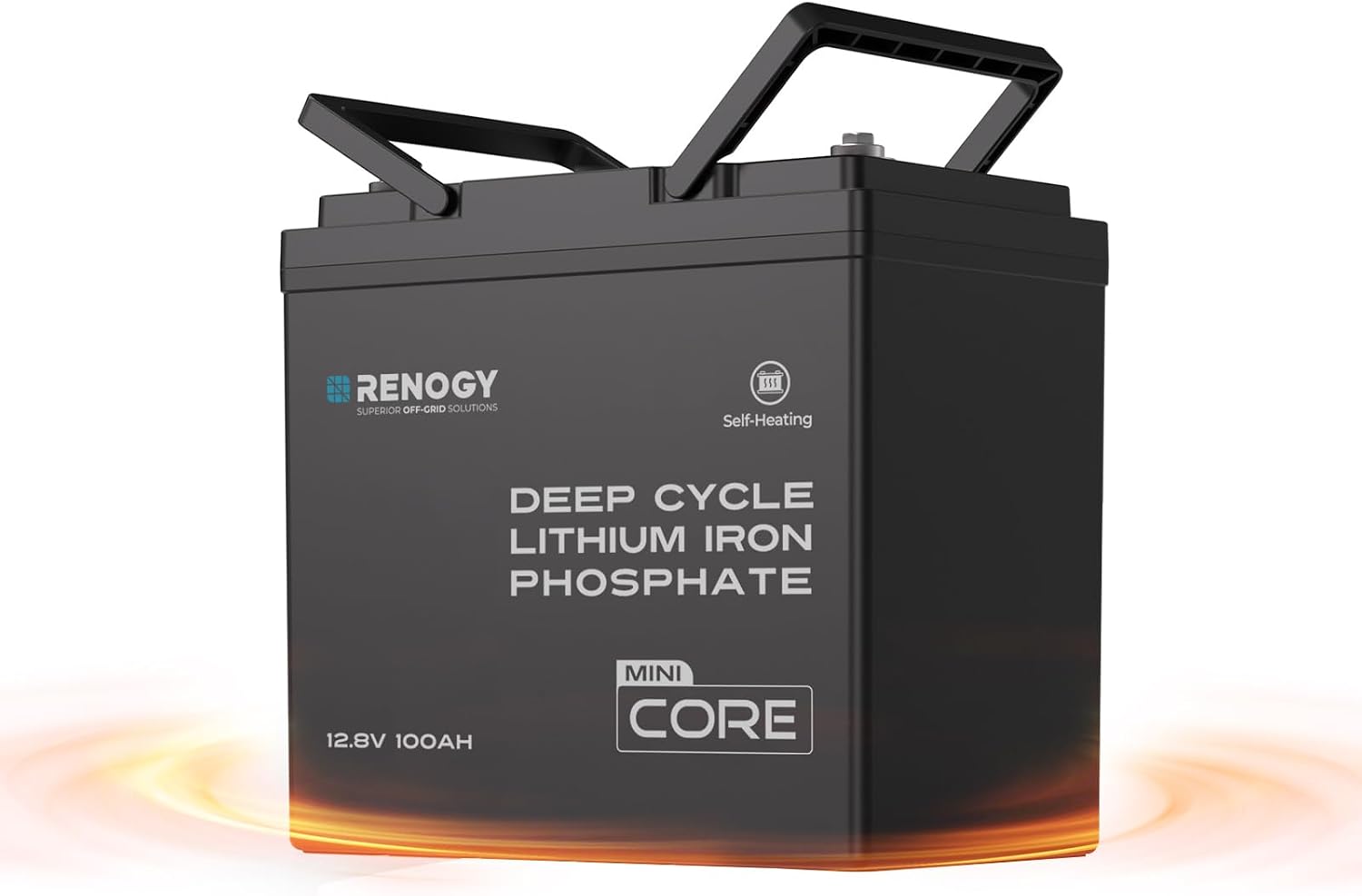
That’s the problem the self-heating Renogy 12V 100Ah solves, and it’s the reason I replaced my old bank with these. The battery warms itself before accepting charge when it’s cold. Heating pads inside the case, powered by the incoming charge current, bringing the cells up to a safe temperature before the BMS opens the gates. It sounds simple. It isn’t — the thermal management has to heat evenly, not cook one corner while the other stays frozen, and the BMS has to be smart enough to wait. Renogy’s DuoHeat implementation does the waiting properly. On a 25-degree morning last February, the battery took about forty minutes to warm up, then charged normally. Forty minutes of patience instead of a dead system. I’ll take it.
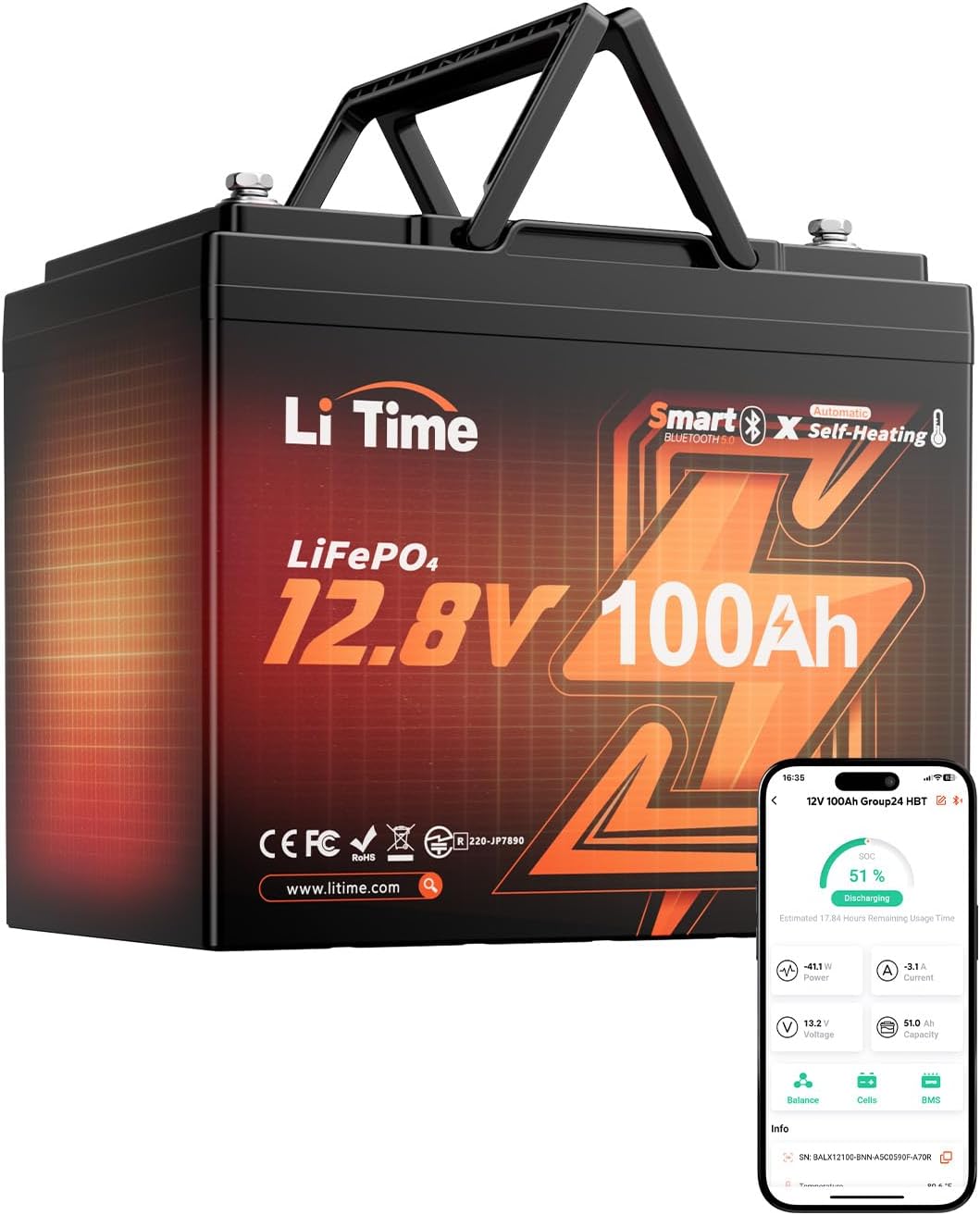
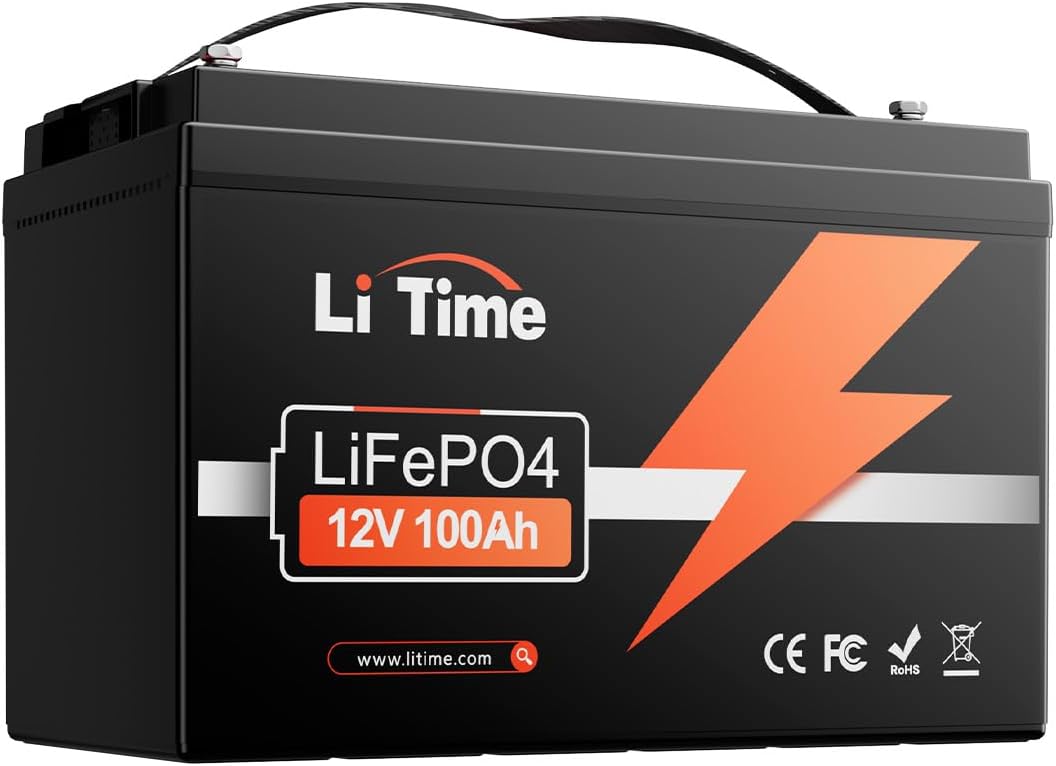
Compare 12V 100Ah LiFePO4 Batteries
Three 12V 100Ah lithium batteries side by side.
Prices and availability may vary — tap any product to check the current listing.
Forty minutes. Then normal.
The specs, derated the way I derate everything now: 100Ah at 12.8V nominal is 1280Wh on the label. Usable, call it 1100 to 1150 — the BMS holds back a reserve at the bottom, and there’s always a little loss in the wiring. I run two in parallel for my cabin setup, so roughly 2.2kWh of real storage. That runs the lights, the water pump, the small fridge, and my laptop for a full day with careful use. Careful use. The adjective does a lot of work in that sentence.
What surprised me, honestly, was the size. The mini form factor — this is the compact version — fits where my old lead-acids never could. Two of these take up less space than one of the old 100Ah AGMs they replaced, and weigh about half as much each. Twenty-one pounds. I carried both up the cabin stairs in one trip, which would have been a two-trip, cursing-involving job with lead-acid. My back noticed. My back remembers the old batteries.
The 100A BMS is the quiet hero. Overcharge, over-discharge, over-current, short circuit, temperature — the usual alphabet of protections, plus low-temp cutoff that actually coordinates with the heater instead of fighting it. I’ve tripped the over-current protection once, running a saw that pulled more than I estimated. Estimated. The BMS cut output instantly, I unplugged the saw, the battery reset itself. No drama. That’s what a hundred-amp BMS is for — being the adult in the room when my estimates aren’t.
Now the rant, because this category earned it. The 12V lithium market is a swamp of inflated cycle claims. “4000 cycles!” “6000 cycles!” — measured at 80% depth of discharge, at 25 degrees, at gentle charge rates, in a lab, by the manufacturer. In the real world, with real temperature swings and real people forgetting to check voltages, you’ll get fewer. Maybe many fewer. Renogy rates this one conservatively compared to the no-name brands, and I trust the conservative number more than I trust anyone’s optimistic one. A battery that promises 4000 cycles and delivers 3000 is a better battery than one that promises 10000 and delivers 2000. The math isn’t hard. The marketing is just louder.
Louder than the truth, anyway.
Installation notes from someone who’s done it three times now: use proper gauge wire, torque the terminals to spec, and put a fuse on the positive lead close to the battery. I skipped the fuse on my first install because I was impatient. Don’t be me. The fuse costs eight dollars. The fire it prevents costs more. Also — and this matters for the self-heating feature — give the battery some airspace. The heater works best when the case isn’t buried under insulation. Mine sit in a vented box in the cabin’s utility corner, and the February warm-up times I quoted are from that setup. Your setup will differ. Cold is cold, but boxes are boxes.
Compared to the standard Renogy 100Ah without heating, you’re paying extra for the DuoHeat. Worth it if your batteries see freezing temperatures. Not worth it if they live in a climate-controlled garage in San Diego — then you’re paying for a heater that never turns on, which is a donation to the manufacturer. I haven’t tested the non-heating version side by side. That comparison I haven’t run. But the logic holds: buy the feature for the climate you have, not the climate in the brochure.
Two winters in. The bank’s healthy, the heater’s cycled dozens of times, the BMS has never complained. Last week it was 22 degrees at dawn and the system was charging by the time I’d finished coffee. I stood there in the cold with a warm mug, watching the charge current climb on the monitor, and thought about that first frozen morning with the old battery. Same sun. Different battery. The cliff is still there — I just bought the bridge.