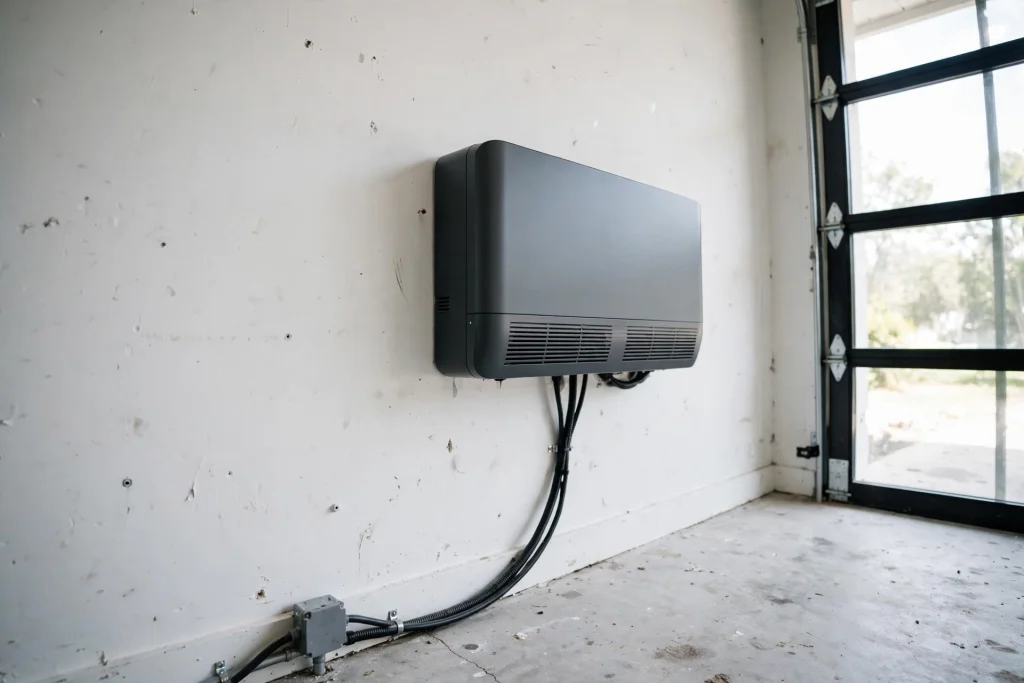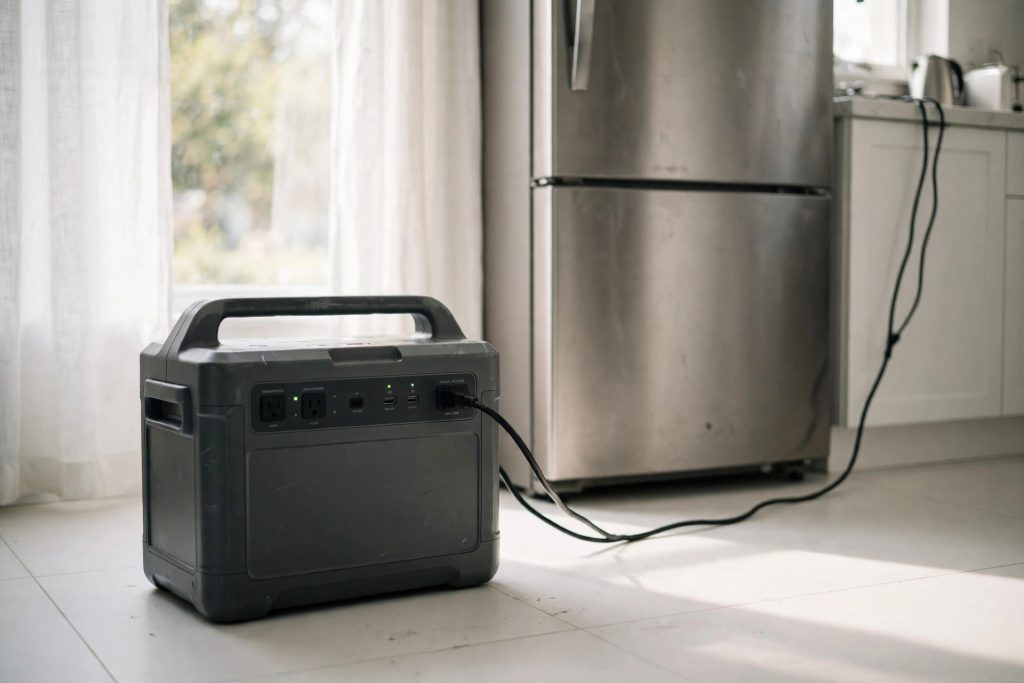
Evaluating the ECO-WORTHY Cubix100: A 48V 200Ah LiFePO4 Battery for Residential Solar & Backup Power.

ECO-WORTHY Cubix100 48V 200Ah LiFePO4 Lithium Battery (2) Review: A Robust Home Energy Storage System for Off-Grid Independence

As a consultant with over two decades immersed in the complexities of residential battery backup systems and whole-home energy storage solutions, I’ve witnessed the evolution of power independence. In 2026, the demand for reliable home energy storage system installations has never been higher, driven by grid instability, escalating electricity rates, and the desire for true energy autonomy. Homeowners are actively seeking robust backup battery for house solutions that seamlessly integrate with their renewable energy sources.

Today, we’re dissecting the ECO-WORTHY Cubix100 48V 200Ah LiFePO4 Lithium Battery (2) system. While ECO-WORTHY is known for its accessible solar components, evaluating its complete home energy storage system requires a deep dive into how these battery modules perform in real-world scenarios, particularly for those aiming for genuine off-grid capability. This review will focus on the practical aspects of implementing this solution as an integral part of an off-grid or robust hybrid power system, moving beyond basic specifications to tangible performance and long-term value.

Understanding the ECO-WORTHY Cubix100 as a Home Energy Storage System

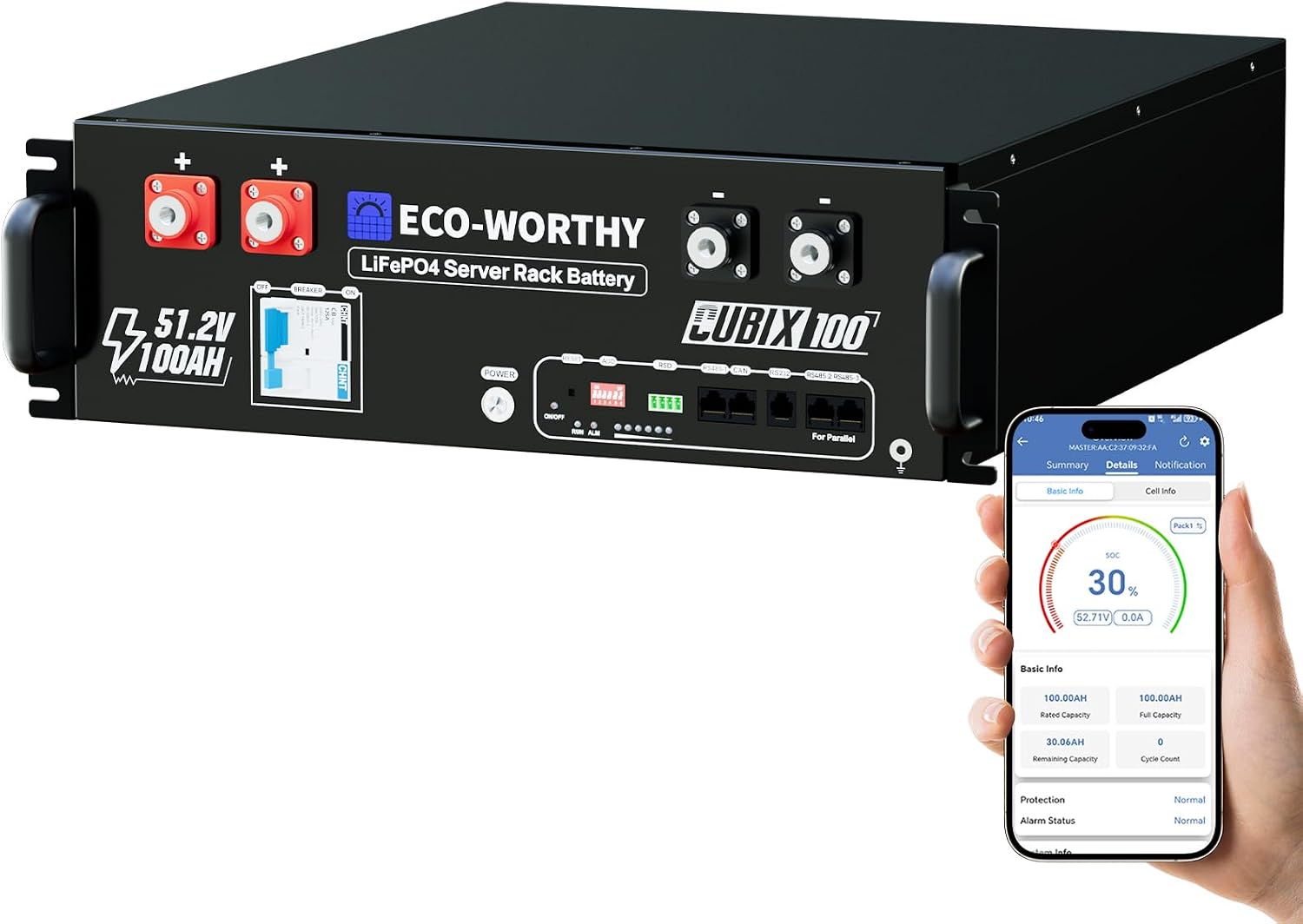
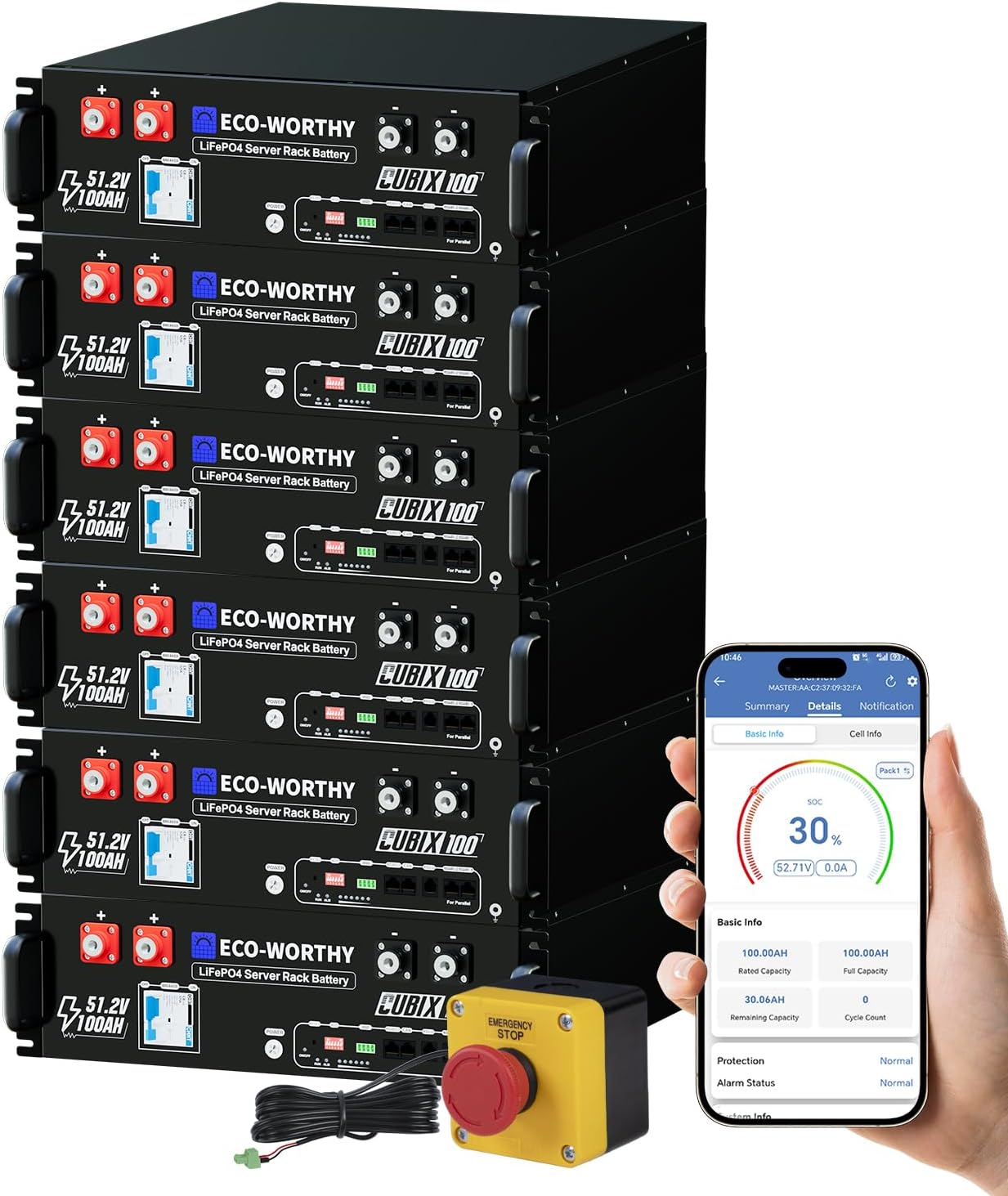
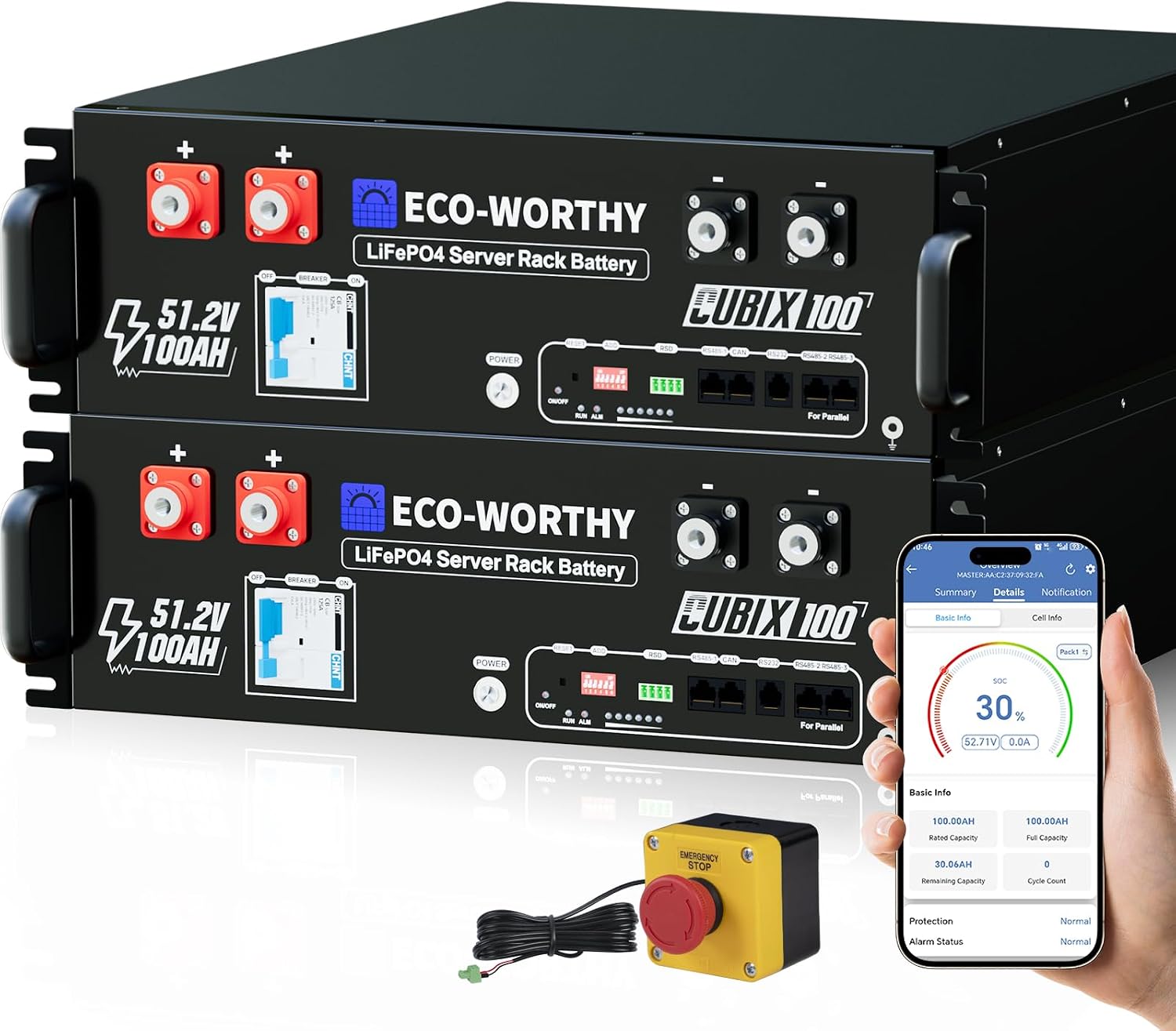
The ECO-WORTHY Cubix100 48V 200Ah LiFePO4 Lithium Battery (2) refers to a scalable battery bank often comprising two 48V 200Ah units, delivering a combined nominal capacity of 19.2 kWh. This modular approach is common in off-grid and expandable residential energy storage solutions, allowing users to tailor their capacity to specific needs. These units are not standalone systems; they form the critical storage component, designed to be integrated with a compatible hybrid inverter, charge controller, and an automatic transfer switch (ATS) to create a comprehensive whole home battery backup.

The Core: Battery Chemistry and Usable Capacity

The heart of any home energy storage system is its battery chemistry. The ECO-WORTHY Cubix100 utilizes Lithium Iron Phosphate (LiFePO4 or LFP) cells.

  • LiFePO4 (LFP) vs. NCM: As an off-grid specialist, I consistently recommend LiFePO4 for its inherent safety, thermal stability, and exceptionally long cycle life. Unlike Nickel Cobalt Manganese (NCM) chemistries, LFP is less prone to thermal runaway, a critical safety consideration for systems installed in residential environments. Its robustness in varying temperature conditions, common in remote or off-grid locations, also provides a significant advantage.
  • Usable Battery Capacity: With two Cubix100 48V 200Ah batteries, the nominal capacity stands at 19.2 kWh. A key benefit of LiFePO4 is its high depth of discharge (DoD), typically allowing for 90-100% usable capacity without significantly impacting cycle life. This means virtually all of that 19.2 kWh is available for powering your home, translating to extended uptime during extended periods without solar input or generator assistance. For an off-grid setup, this high usable capacity is paramount.

Inverter Performance and Power Output

The Cubix100 batteries themselves are storage units, not power converters. Their performance as a backup power system hinges entirely on the quality and specifications of the paired hybrid inverter.

  • Continuous Output Power: The continuous output power of the overall home energy storage system will be dictated by the chosen 48V hybrid inverter. For two Cubix100 units, a robust hybrid inverter capable of 8kW to 12kW continuous output would be appropriate, ensuring sufficient power for a diverse range of household loads simultaneously. This is crucial for larger off-grid homes that need to run multiple appliances.
  • Peak Surge Output: Similarly, the peak surge output for starting inductive loads like well pumps, refrigerators, or power tools depends on the inverter. Look for an inverter with a peak rating significantly higher than its continuous output, ideally 2-3 times, to handle these momentary demands without tripping or cutting power.
  • Hybrid Inverter Performance: A high-quality hybrid inverter for an off-grid Cubix100 setup needs to efficiently convert DC power from the batteries and solar array into AC power for the home. It also manages charging from solar and potentially a generator. Its efficiency, waveform quality, and cooling capabilities directly impact the overall effectiveness and longevity of your off-grid battery system. Many home battery systems use the same battery cells, but inverter quality often determines overall reliability.

Seamless Operation: Transfer, Speed, and Management

  • Automatic Transfer Switch (ATS): For an off-grid system, an ATS isn’t about grid failover but rather seamless transition between power sources – typically battery/solar and a backup generator. A well-integrated ATS ensures that when battery levels are low, the generator automatically starts to recharge the batteries and power loads, then shuts down once conditions allow for solar or battery-only operation.
  • UPS Switching Speed: While primarily an off-grid focus means no “grid” to switch from, the inverter’s internal transfer speed between battery and generator power (if configured for pass-through) or handling fluctuating solar input is still important. A fast switching speed, typically under 20ms, ensures sensitive electronics like computers and networking equipment don’t experience disruptions.
  • Battery Management System (BMS): Each ECO-WORTHY Cubix100 battery comes with an integrated BMS. This crucial component protects the battery from overcharging, over-discharging, over-current, and extreme temperatures. It also balances cell voltage, ensuring the entire battery bank performs optimally and extends its lifespan. A robust BMS is non-negotiable for the long-term reliability of any energy storage battery.

Powering Up: Solar, Scalability, and Off-Grid Capability

As an off-grid specialist, these are paramount considerations for any home energy storage system.

  • Solar Compatibility: The Cubix100 is inherently designed for solar integration. Paired with a suitable MPPT solar charge controller (often integrated into a hybrid inverter), it efficiently stores energy harvested from solar panels. This DC-coupled approach is highly efficient for off-grid scenarios, minimizing conversion losses.
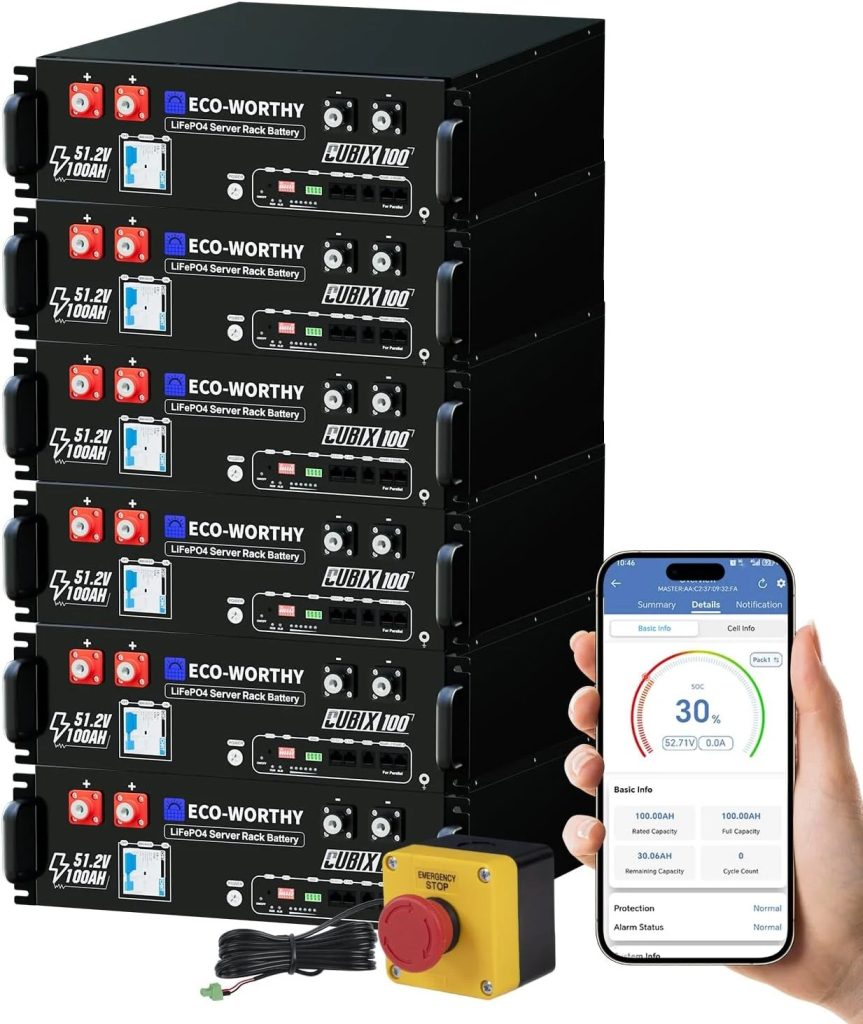
  • Expandable Battery Capacity: The modular nature of the Cubix100 is a significant advantage. You can easily add more 48V 200Ah Cubix100 units in parallel to increase your total energy storage. This scalability is vital for off-grid battery systems as energy needs can evolve, or as budgets allow for incremental expansion towards greater energy independence.
  • Off-Grid Operation: This system, when properly configured with a suitable off-grid inverter and charge controller, is explicitly designed for off-grid operation. It prioritizes using stored solar energy, manages generator inputs for supplemental charging, and provides reliable power without any reliance on a utility grid. This is a true renewable home energy solution.
  • Grid-tied vs. Off-grid Operation: While capable of purely off-grid, this system can also be configured in a grid-tied setup with battery backup (hybrid mode). In a hybrid setup, it can charge from the grid, export excess solar, and provide backup during outages. For my off-grid focus, however, its core strength lies in completely isolated operation.

Real-World Scenario: Off-Grid Living with the Cubix100 System

Imagine a serene cabin nestled deep in the wilderness, miles from the nearest power line. This homeowner has invested in an ECO-WORTHY Cubix100 home energy storage system, configured with two 48V 200Ah batteries (19.2 kWh total), an 8kW 48V hybrid off-grid inverter, and a substantial 6kW solar array. Their goal: complete energy independence.

During the day, the solar array diligently charges the Cubix100 battery bank. The hybrid inverter intelligently routes power to essential loads like the refrigerator, water pump, and internet router directly from solar, while any surplus energy is stored in the batteries. By late afternoon, the batteries are typically at 100% state of charge, ready for the evening.

As dusk settles and solar generation dwindles, the home seamlessly transitions to drawing power exclusively from the Cubix100 batteries. The family enjoys their evening, powering LED lighting, charging laptops and phones, running their energy-efficient entertainment system, and preparing meals on an induction cooktop. The 19.2 kWh capacity provides ample reserves, easily sustaining these loads through the night and into the following morning.

Should a multi-day storm roll in, obscuring the sun for an extended period, the system is prepared. The hybrid inverter monitors the battery’s state of charge. When it dips below a pre-set threshold (say, 30%), the integrated automatic transfer switch signals the propane backup generator to start. The generator then provides power to the house and simultaneously recharges the Cubix100 batteries. Once the batteries are sufficiently charged, or if solar production resumes, the generator gracefully shuts down, conserving fuel. This intelligent management ensures continuous power, crucial for critical off-grid infrastructure like water purification systems or medical devices, and fully embodies the spirit of energy independence. The modular nature also means that as the family’s power needs grew with the addition of a small workshop, they could easily expand their battery bank by adding another Cubix100 unit.

Installation, Safety, and Long-Term Reliability

  • Installation Requirements: While individual battery units are manageable, integrating them into a full whole-house battery backup or off-grid system requires professional installation. This includes proper wiring, fusing, grounding, and careful configuration of the hybrid inverter and charge controller. DIY installation of the battery units might be feasible for those with electrical expertise, but the complete system integration demands a licensed electrician or solar installer to ensure safety and optimal performance.
  • Safety Certifications: Always verify that the Cubix100 batteries hold relevant safety certifications (e.g., UL, CE). This ensures they meet industry standards for electrical safety and fire prevention, particularly important for systems intended for residential energy storage solutions.
  • Warranty: ECO-WORTHY typically offers a warranty on their batteries, often around 5-10 years. For a LiFePO4 battery, a good warranty will specify a certain number of cycles or years, whichever comes first, at a particular depth of discharge. Understanding these terms is critical for assessing long-term value.
  • Long-term Reliability: LiFePO4 chemistry, combined with a robust BMS, positions the Cubix100 for excellent long-term reliability. With proper installation and environmental considerations, these batteries can deliver thousands of cycles (typically 6,000+ to 80% DoD), translating to 15-20 years or more of service in a typical off-grid or daily cycling application.

Cost Per kWh: Analyzing the Value

The ECO-WORTHY Cubix100 system generally presents an attractive cost per kWh for pure battery storage compared to some premium integrated solutions. When evaluating the total cost of ownership for an off-grid battery system, consider:

  • Battery Cost: The upfront cost of the Cubix100 units.
  • Inverter/Charge Controller Cost: A significant component often overlooked, as this is where much of the intelligence and power conversion happens.
  • Balance of System (BoS) Costs: Wiring, breakers, enclosures, mounting hardware, etc.
  • Installation Cost: Professional labor for a safe and compliant system.

For those building an off-grid system, the componentized nature of the Cubix100 allows for greater control over individual component costs and potentially a more budget-friendly approach to achieve substantial solar battery storage. The excellent cycle life of LiFePO4 further amortizes this cost over decades, making the long-term ROI compelling for off-grid independence.

Who Is It Best For? Off-Grid Cabins

The ECO-WORTHY Cubix100 48V 200Ah LiFePO4 Lithium Battery (2) is exceptionally well-suited for Off-grid Cabins. Its modular design, robust LiFePO4 chemistry, and compatibility with a wide range of off-grid hybrid inverters make it an ideal choice for remote properties seeking self-sufficiency and reliable power where utility grid access is either non-existent or prohibitively expensive.

Potential Drawbacks

While a strong contender for off-grid setups, the ECO-WORTHY Cubix100 system does have considerations:

  • Professional Installation Required: While the individual battery modules are relatively straightforward, integrating them into a fully functional whole-home battery backup requires professional electrical expertise, particularly for optimal inverter sizing and safety.
  • Heavy Equipment: Each battery unit is heavy, requiring careful handling during installation.
  • Software Limitations: Compared to highly integrated, brand-specific solutions, the monitoring and energy management software for a component-based ECO-WORTHY system will depend entirely on the chosen hybrid inverter. This might offer less granular control or a less polished user experience than a proprietary ecosystem.
  • Limited “Plug-and-Play”: This is a component-based system, not an all-in-one appliance. It requires a deeper understanding of system design and component matching (inverter, charge controller, ATS) than some fully integrated battery solutions.

Value for Money

From a long-term value perspective, the ECO-WORTHY Cubix100 system, when paired with a quality inverter, offers significant bang for your buck, particularly for off-grid applications. Its relatively low cost per kWh for storage, combined with the extreme longevity of LiFePO4 (thousands of cycles), translates to a very low long-term ownership cost. While the initial installation cost for a full off-grid system can be substantial due to inverter, solar, and labor, the system’s ability to provide complete energy independence and eliminate monthly electricity bills in an off-grid scenario ensures a powerful ROI over its lifespan.

Home Energy Storage System Comparison: ECO-WORTHY Cubix100 vs. The Field

To put the ECO-WORTHY Cubix100 into perspective, let’s compare it against some prominent home energy storage system alternatives.

Feature ECO-WORTHY Cubix100 (x2) Tesla Powerwall 3 EcoFlow PowerOcean (Modular) Generac PWRcell (EX models)
Battery Chemistry LiFePO4 (LFP) Li-ion (NMC/NCA variant) LiFePO4 (LFP) LiFePO4 (LFP)
Battery Capacity 19.2 kWh (nominal) 13.5 kWh (usable) 5 kWh to 30 kWh+ (modular) 9 kWh to 18 kWh (modular)
Continuous Output Varies by external 48V hybrid inverter (e.g., 8-12 kW) 11.5 kW (AC coupled) 5 kW to 10 kW (depending on inverter/modules) 7.6 kW to 11.4 kW (depends on inverter/modules)
Whole-Home Backup Yes, with external ATS & compatible inverter Yes, integrated ATS Yes, integrated ATS Yes, integrated ATS
Solar Integration Excellent (DC coupling via hybrid inverter) Excellent (Integrated MPPT for DC solar + AC input) Excellent (DC coupled via hybrid inverter) Excellent (DC coupled via hybrid inverter)
Expandability Very good (add more Cubix100 units in parallel) Limited (max 4 Powerwalls per site) Excellent (add modules, up to 15 kWh per stack, multi-stack) Good (add modules up to system limit)
Warranty Typically 5-10 years (battery) 10 years 10 years 10 years
Estimated Installed Cost Lower-Mid range per kWh (component-based) Upper range (premium brand & integration) Mid-Upper range (premium features, modularity) Mid-Upper range (robust, generator compatibility)

Who should buy ECO-WORTHY Cubix100 48V 200Ah LiFePO4 Lithium Battery (2)?

Homeowners seeking a cost-effective, highly durable, and scalable home energy storage system for off-grid battery systems or robust DIY-friendly hybrid setups. It’s ideal for those with existing solar arrays, or those comfortable selecting and integrating a separate, high-quality hybrid inverter. It offers exceptional value for energy independence in remote locations.

Who should buy Tesla Powerwall?

Homeowners prioritizing a highly integrated, aesthetically pleasing, and technologically advanced whole home battery backup solution with a strong brand ecosystem and seamless grid interaction. Ideal for tech-savvy users seeking a premium, “set it and forget it” experience, especially for grid-tied applications with backup.

Who should buy EcoFlow PowerOcean?

Those who appreciate modularity, a user-friendly experience, and a robust LiFePO4 platform with excellent scalability. PowerOcean bridges the gap between DIY and fully integrated systems, appealing to users who want flexibility and advanced app control for their solar home battery or hybrid setup.

Who should buy Generac PWRcell?

Homeowners who prioritize robust whole-home backup, particularly those with existing Generac generators or who value the peace of mind of a comprehensive backup power ecosystem. PWRcell excels in reliability, grid-tied battery storage, and seamless integration with traditional generator backup for extended outages.

Frequently Asked Questions (FAQ)

Q: Why does battery chemistry matter for a home energy storage system?

A: Battery chemistry fundamentally impacts safety, lifespan, and usable capacity. LiFePO4 (LFP), used in the Cubix100, is renowned for its superior thermal stability, making it safer in residential environments. It also offers a significantly higher cycle life (how many times it can be charged/discharged) and allows for a deeper depth of discharge compared to older lead-acid or even some NCM (Nickel Cobalt Manganese) lithium-ion variants. For an off-grid scenario, this translates directly to a more reliable, safer, and longer-lasting backup battery for house.

Q: How long can the ECO-WORTHY Cubix100 power a typical house in an off-grid scenario?

A: The ECO-WORTHY Cubix100 (x2, 19.2 kWh system) can power a typical energy-efficient off-grid home for approximately 12 to 36 hours on battery power alone, depending on daily energy consumption. For instance, a home averaging 1.0 kWh per hour (24 kWh/day) might last just under a day. A more conservative off-grid home using 0.5 kWh per hour (12 kWh/day) could comfortably last over 36 hours. This duration is heavily influenced by the seasonal loads, such as heating or cooling, and the efficiency of appliances. For sustained off-grid living, daily solar charging and/or a backup generator are essential.

Q: What should homeowners consider before installing an off-grid battery system?

A: Before installing an off-grid battery system, homeowners must perform a thorough energy audit to accurately size their system (battery capacity, solar array, inverter). Consider your peak power demands (surge output for well pumps, large appliances), your daily average consumption, and how many “days of autonomy” you desire (how long the batteries can power your home without sun or generator). Evaluate the local climate for solar irradiance, plan for a backup generator, and ensure you have a suitable, dry, and temperature-controlled space for the battery bank and inverter. Crucially, engage with an experienced off-grid system designer or installer to ensure a safe, efficient, and compliant home energy storage system.

Final Verdict: ECO-WORTHY Cubix100 as an Off-Grid Powerhouse

The ECO-WORTHY Cubix100 48V 200Ah LiFePO4 Lithium Battery (2) system, when appropriately integrated with a high-quality hybrid inverter and solar array, represents a formidable and cost-effective home energy storage system for achieving true off-grid independence. Its LiFePO4 chemistry ensures long-term reliability and safety, while its modular design offers unparalleled scalability for evolving energy needs. For those building or upgrading an off-grid battery system, the Cubix100 provides a robust, practical foundation for energy independence. Its component-based nature demands a more hands-on approach to system design and installation compared to fully integrated units, but this also offers greater flexibility and often a more favorable cost per kWh for substantial solar battery storage. As an off-grid specialist, I see this system as a powerful enabler for self-sufficient living, delivering reliable backup power and genuine energy autonomy.

#ECOWORTHY #Cubix100 #48V #200Ah #LiFePO4 #Lithium #Battery