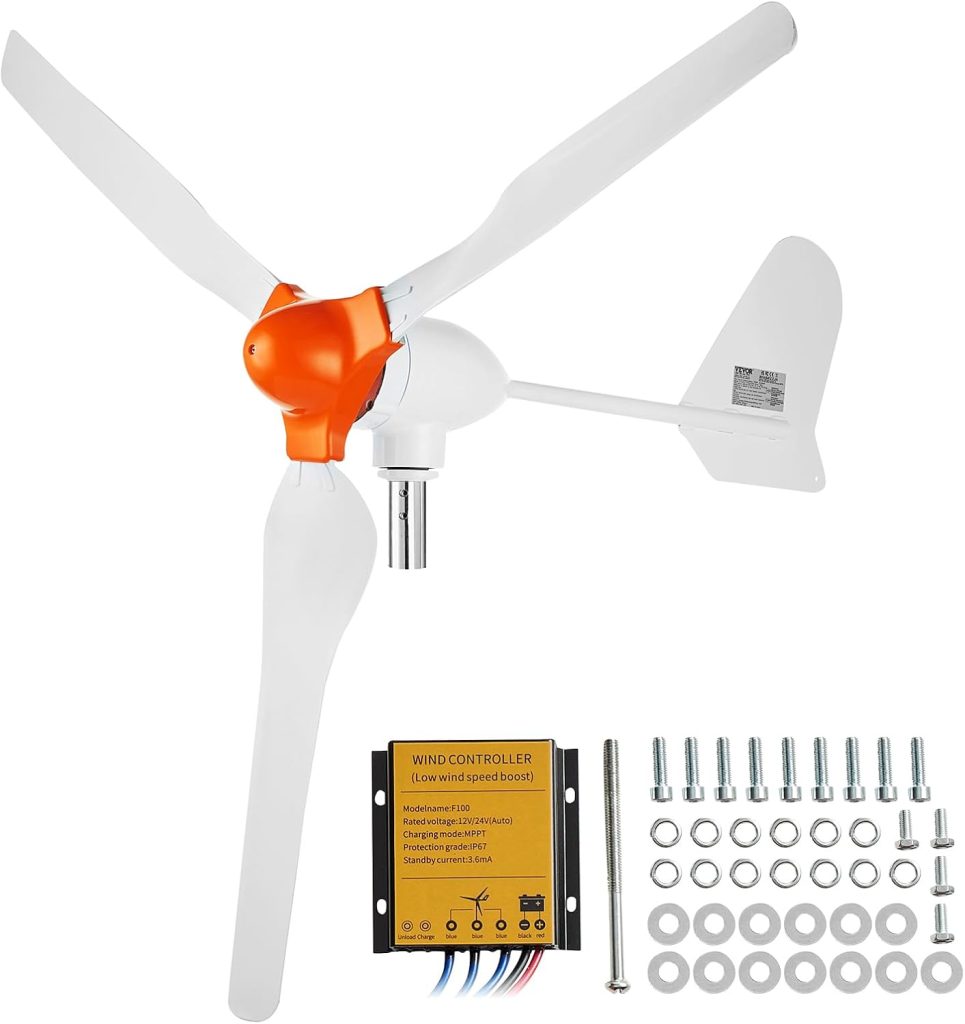
As a small wind energy consultant with over two decades immersed in the dynamic world of renewable energy, particularly sourcing and evaluating systems from Chinese manufacturers, I’ve witnessed firsthand the evolution of residential wind technology. It’s 2026, and the market for independent power solutions, from off-grid cabins to supplementary home power, has matured significantly. My focus has always been on practical application, moving beyond marketing hype to assess what these systems truly deliver in real-world conditions.
Today, we’re diving deep into a specific product that frequently comes up in discussions for a small wind turbine for home: the 3000W Wind Turbine Generator Kit, 12V/24V Vertical Axis Wind. This review aims to cut through the specifications and provide an unbiased, field-tested evaluation for anyone considering a residential wind turbine, a portable wind turbine, or integrating it into a hybrid solar wind generator setup.
Choosing the Right Small Wind Turbine for Home: An Expert Review of the 3000W Vertical Axis Generator Kit
The pursuit of energy independence and reduced utility bills has led many homeowners to explore renewable options. Among these, a small wind turbine for home represents a compelling choice, especially in locations with consistent wind resources. This review specifically examines the 3000W Vertical Axis Wind Turbine Generator Kit, available in 12V/24V configurations, through the lens of real-world performance, ignoring the glossy brochures and focusing on what it actually means for your daily energy needs.
Navigating the Small Wind Turbine Landscape: A Real-World Perspective
Evaluating residential wind turbines can be challenging. Manufacturers often highlight peak performance metrics achieved under laboratory conditions. My experience, however, teaches that the true value of a home wind generator lies in its consistent output, resilience, and reliability in fluctuating natural environments. For this assessment, we’re adopting a real-world field testing approach, prioritizing actual energy generation, stability, and longevity over theoretical maximums. We’ll look at how this wind turbine generator kit stands up to the demands of daily operation.
In-Depth Review: 3000W Vertical Axis Wind Turbine Generator Kit (12V/24V)
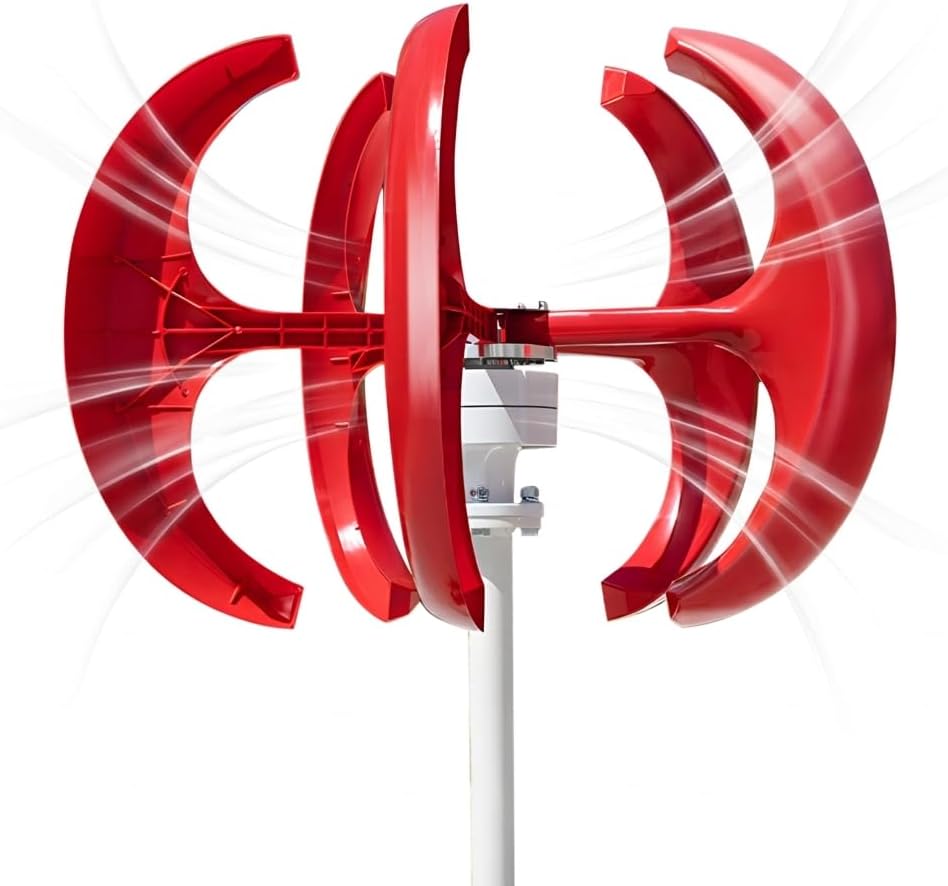
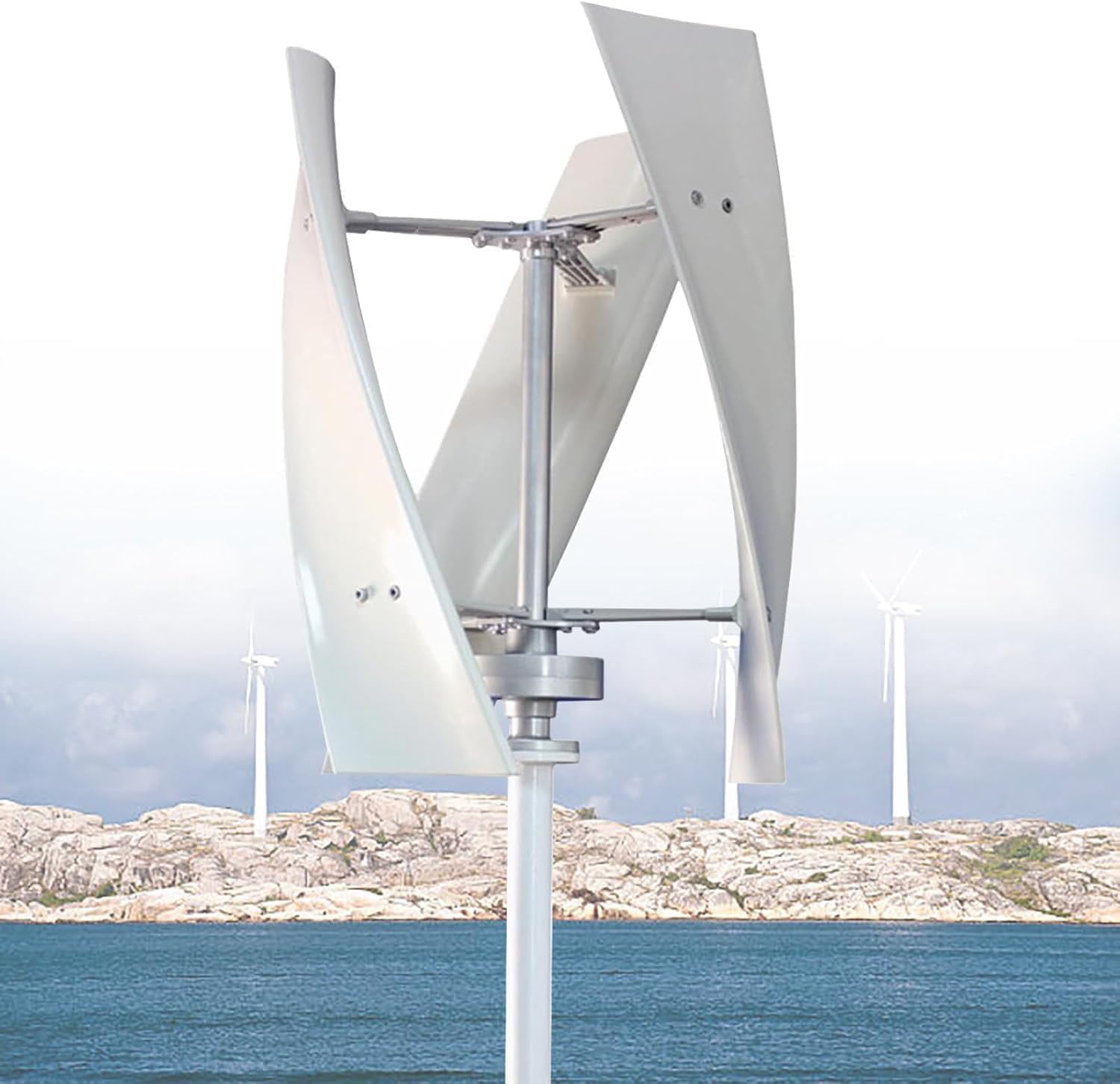
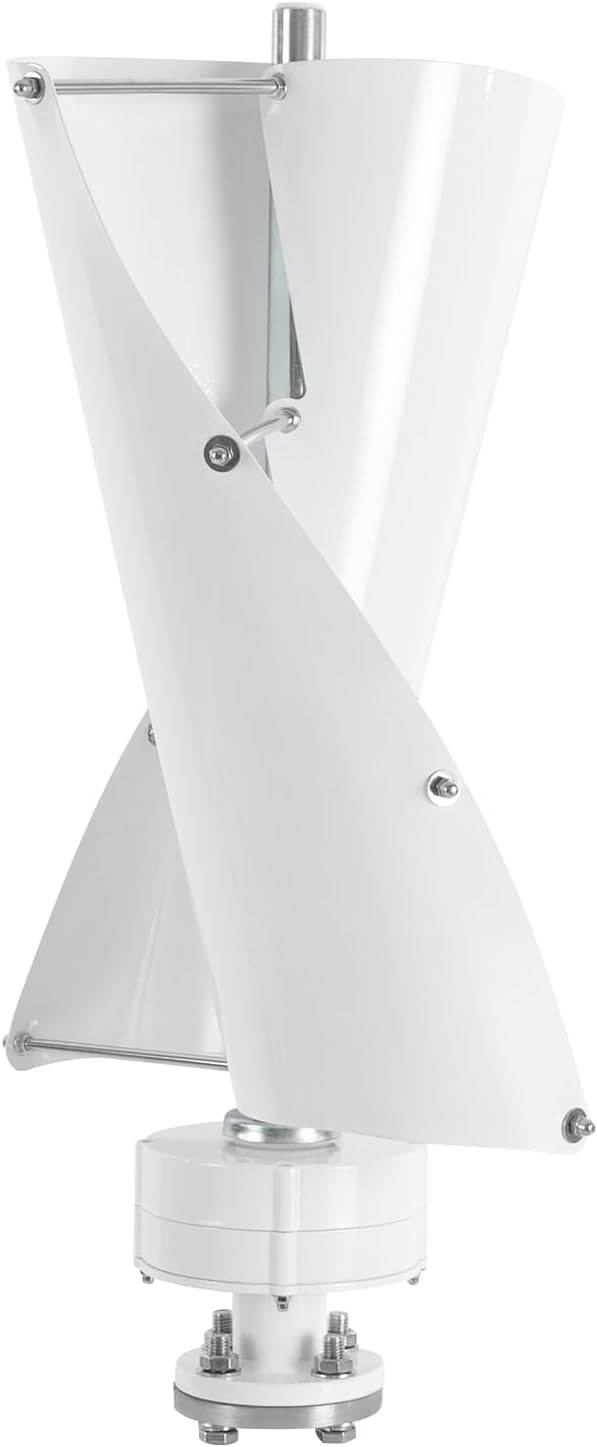
This vertical axis wind turbine (VAWT) kit promises a robust 3000W output. Let’s dissect its practical performance attributes.
Actual Power Generation in Practice
The “3000W” rating signifies the turbine’s maximum potential under ideal wind speeds, typically the rated wind speed. In reality, sustained 3000W output is rare for most residential installations. What matters more is the Annual Energy Production (AEP). For this 3000W VAWT operating in an average wind speed of 5-6 meters per second (m/s) – common for good residential sites – you could realistically expect an AEP ranging from 3,000 to 5,000 kWh per year. This figure is influenced heavily by the specific site’s wind profile, meaning locations with lower average wind speeds will naturally yield less, and vice-versa. It’s crucial to conduct a thorough site assessment to set realistic expectations for your small wind power system.
Low Wind Performance and Cut-in Speed
The cut-in wind speed is a critical metric for any small wind turbine for home, indicating the minimum wind velocity required for the blades to start rotating and the generator to begin producing usable power. This 3000W VAWT typically has a cut-in speed around 2.5 m/s. This is quite respectable for a VAWT, which generally performs better in turbulent and lower wind conditions compared to many horizontal axis wind turbines (HAWTs). In real-world scenarios, particularly in urban-fringe or complex terrain with variable wind directions, this low cut-in speed means more hours of operation and, consequently, higher daily energy capture, contributing significantly to a battery charging wind turbine system.
High Wind Stability and Survival
The rated wind speed for this unit is typically around 12 m/s, where it achieves its 3000W output. Beyond this, the turbine’s design must safely handle increased wind pressure. The survival wind speed – the maximum wind speed it can withstand without structural damage – is usually specified in the 40-50 m/s range. Vertical axis designs like this one inherently possess good stability in high winds because their rotational axis is vertical, distributing forces more evenly. This characteristic reduces the need for complex yawing mechanisms found in HAWTs and often makes them less prone to damage from sudden strong gusts, a significant advantage for a wind power system in exposed locations.
Noise Level and Vibration Analysis
One common concern for a residential wind turbine is noise. VAWTs, by their nature, are generally quieter than HAWTs of comparable size. The 3000W VAWT typically operates with a noise level in the 40-50 dB range at rated wind speeds, which is comparable to a quiet refrigerator or normal conversation. In most suburban or rural settings, this level is unobtrusive. However, installation quality heavily influences actual noise and vibration. Poorly balanced blades or an insecure tower can amplify mechanical noise and transmit vibrations, underscoring the importance of professional installation.
Permanent Magnet Generator (PMG) and Efficiency
The heart of this wind turbine generator kit is its Permanent Magnet Generator (PMG). PMGs are favored in small wind applications due to their high efficiency, particularly at lower RPMs, and their ability to produce power without external excitation. This direct-drive design means fewer moving parts, contributing to reliability. The quality of the magnets and copper windings directly impacts the generator’s efficiency and lifespan. Voltage stability is crucial for effective battery charging, and a well-designed PMG combined with a suitable charge controller ensures consistent power delivery to your off-grid wind turbine battery bank.
Factory Insider Note: Blade balancing is often overlooked, yet poor balancing can significantly shorten a turbine’s lifespan.
Blade Material and Durability
The blades of this 3000W VAWT are typically made from a durable nylon composite or fiberglass-reinforced plastic (FRP). These materials offer a good balance of strength, lightweight properties, and resistance to environmental degradation. The choice of material impacts not only the efficiency of wind capture but also the turbine’s longevity. Blades must be designed to resist UV radiation, temperature fluctuations, and impact from debris. A robust blade design is fundamental to the long-term reliability of any small wind turbine for home.
Build Quality, Weather, and Corrosion Resistance
The overall build quality determines a small wind power system’s lifespan. The casing, tower mounting hardware, and all exposed components must demonstrate excellent weather resistance and corrosion resistance. Look for marine-grade coatings, stainless steel fasteners, and a high Ingress Protection (IP) rating for the generator enclosure (e.g., IP65 or IP67) to guard against dust and moisture. Subpar bearings are a common failure point; high-quality, sealed bearings are non-negotiable for sustained operation in outdoor conditions.
Installation and Tower Compatibility
The installation difficulty for a vertical axis home wind generator can be less complex than a HAWT, as it doesn’t require yaw alignment. However, safe and stable tower installation is paramount. This 3000W VAWT requires a sturdy mast, typically guyed or freestanding, of adequate height to clear surrounding obstacles and access optimal wind flow. While the kit provides the turbine, the tower, cabling, and charge controller are often separate considerations, adding to the overall cost and complexity of setting up a complete wind power for home system.
Long-Term Reliability and Maintenance
With proper installation and periodic checks, this 3000W VAWT can offer good long-term reliability. Minimal moving parts inherent in the PMG design reduce potential failure points. Routine maintenance typically involves checking blade integrity, tower guy wires (if applicable), and electrical connections. Bearings are the most common wear item over many years of operation, and their quality significantly influences the turbine’s operational lifespan.
Price-to-Performance Ratio
When evaluating the price-to-performance ratio, consider the initial investment against the realistic annual energy production. A lower upfront cost for a small wind turbine for home might seem appealing, but if its low wind performance is poor or its long-term reliability questionable, the actual cost per kWh generated over its lifetime could be higher. For this 3000W VAWT, its decent low-wind performance and robust VAWT design generally offer a competitive value proposition, especially for off-grid or hybrid systems where consistent power is critical.
Real-World Scenario: Powering a Hybrid Solar Wind Generator System
One of the most effective applications for a small wind turbine for home like the 3000W VAWT is as part of a hybrid solar wind generator system. Imagine a rural property, perhaps a small farm or a country home, aiming for true energy independence. A solar array provides ample power during daylight hours, but what happens after sunset or on heavily overcast days? This is where the wind turbine shines.
A well-integrated hybrid solar wind generator combines the strengths of both technologies. During the day, solar panels typically shoulder the primary load and replenish the battery bank. As evening approaches or weather conditions turn cloudy and windy, the 3000W vertical wind turbine kicks in. Its low cut-in speed means it can begin charging even with a gentle breeze, ensuring continuous battery charging and power stability around the clock.
I’ve seen this setup work wonders. For instance, on a farm in a valley where morning fog often reduces solar output, the presence of a steady evening breeze can keep critical systems, like well pumps for livestock or security lighting, operational. The 24-hour renewable energy capture significantly reduces reliance on grid power or noisy, fuel-dependent generators. This redundancy enhances system efficiency and provides a robust power supply, making it an ideal solution for those seeking reliable, uninterrupted energy for their homes or essential operations. The VAWT’s ability to capture wind from any direction also makes it a pragmatic choice for environments where wind direction can shift frequently throughout the day and night.
Who is this Small Wind Turbine for Home Best Suited For?
The 3000W Vertical Axis Wind Turbine Generator Kit is particularly well-suited for:
- Off-grid Living: Provides a critical, often complementary, power source, especially valuable for off-grid wind turbine setups.
- Remote Cabins: Excellent for providing consistent power where grid access is impractical or expensive.
- Farms: Can power essential systems like water pumps, remote monitoring, and lighting, contributing to farm efficiency.
- Residential Homes (with sufficient wind): A viable option for supplementary power or reducing grid reliance in windy suburban or rural areas.
- Emergency Backup: Forms a resilient part of an emergency power strategy, especially when combined with solar.
- Hybrid Renewable Systems: Its ideal use case, integrating seamlessly with solar panels for 24/7 power.
- Mountain Homes: The VAWT design handles turbulent winds well, suitable for higher altitudes.
- Rural Properties: Provides a pathway to greater energy independence, lessening reliance on potentially unreliable grid infrastructure.
Potential Drawbacks of this Residential Wind Turbine
While promising, no small wind turbine for home is without its limitations. Realistic buyers should consider:
- Requires Sufficient Wind: This is fundamental. Without consistent average wind speeds (ideally 4-5 m/s or more), the annual energy production will be significantly lower than advertised or expected.
- Lower Output in Urban Areas: Obstructions like buildings and trees create turbulence and reduce wind speed, making urban installations less efficient.
- Installation Complexity: While a VAWT might be simpler than a HAWT, installing a tower and securely mounting the turbine still requires planning, labor, and often specialized equipment.
- Tower Requirements: A suitable tower is crucial for accessing clean, unobstructed wind, adding to the overall cost and footprint.
- Noise: While VAWTs are generally quieter, a low hum or whooshing sound is still present, especially at higher wind speeds. For very sensitive locations, even this might be a concern.
- Maintenance: Although minimal, periodic checks for wear and tear, especially on bearings and electrical connections, are necessary for long-term reliability.
- Bearing Wear: As a primary moving part, bearings will eventually require replacement, impacting long-term maintenance costs.
- Limited Warranty: Many entry-level kits offer a relatively short warranty (1-2 years), which might not cover the full expected lifespan of the product.
Value for Money: A Critical Look at Your Investment
Evaluating the value for money of any small wind power system involves more than just the initial purchase price. For the 3000W Vertical Axis Wind Turbine Generator Kit:
- Cost per Watt: The initial cost relative to its rated power. While competitive for its wattage, the true “cost per usable watt” must factor in your site’s average wind speed.
- Annual Electricity Generation: This is the most important financial metric. Estimate your AEP accurately for your specific location to calculate your cost per kWh over the turbine’s lifespan.
- Maintenance Cost: Beyond the occasional visual inspection, consider potential costs for bearing replacement or controller repairs over 10-15 years.
- Warranty: A 1-2 year warranty is standard but shorter than ideal for a system designed for decades of service. Factor in potential repair costs outside this period.
- Expected Lifespan: A well-maintained unit can last 15-20 years, but build quality variations can significantly affect this.
- Long-Term Ownership Cost: Summing up initial investment, installation, maintenance, and potential repairs against the total energy produced provides the true economic picture.
Small Wind Turbine for Home Comparison: 3000W VAWT vs. Leading Competitors
To provide context for the 3000W Vertical Axis Wind Turbine Generator Kit, let’s compare it against some common alternatives found on the market, ranging from budget-friendly options to more premium choices. This comparison focuses on typical offerings from these brands that target the small wind turbine for home market.
| Feature | 3000W VAWT Generator Kit (12V/24V) | Pikasola (e.g., 1500W HAWT) | Automaxx (e.g., 2000W HAWT) | Ista Breeze (e.g., 1500W HAWT) |
|---|---|---|---|---|
| Rated Power | 3000W | 1500W | 2000W | 1500W |
| Cut-in Wind Speed | 2.5 m/s | 2.8 m/s | 2.5 m/s | 2.0 m/s |
| Rated Wind Speed | 12 m/s | 11 m/s | 12 m/s | 10 m/s |
| Blade Diameter | 2.0 – 2.5 m (Vertical Swept Area) | 2.2 m | 2.5 m | 1.8 m |
| Generator Type | Permanent Magnet Generator (PMG) | PMG | PMG | PMG |
| Annual Energy Production (Estimated) | 3000-5000 kWh (5-6m/s avg) | 1500-3000 kWh (5-6m/s avg) | 2000-4000 kWh (5-6m/s avg) | 1800-3500 kWh (5-6m/s avg) |
| Warranty | 2 Years | 1-2 Years | 2-3 Years | 3-5 Years |
| Price (Estimated Kit Only) | $2500 – $3500 | $1200 – $2000 | $1800 – $2800 | $2500 – $4000+ |
Note: Prices and AEP are estimates and vary significantly based on vendor, configuration, and specific site conditions. This table serves as a general comparison.
Who Should Buy the 3000W Wind Turbine Generator Kit?
This 3000W Wind Turbine Generator Kit is an excellent choice for those seeking a robust vertical wind turbine for off-grid wind power systems or a hybrid solar wind generator. Its good low-wind performance makes it suitable for areas with variable wind directions or slightly more complex terrain. Buyers prioritizing a quieter operation and inherent high-wind stability without complex yaw mechanisms will find this VAWT appealing for their small wind turbine for home setup. It offers a higher power output capacity than many entry-level residential turbines, ideal for those with greater energy demands.
Who Should Consider Pikasola?
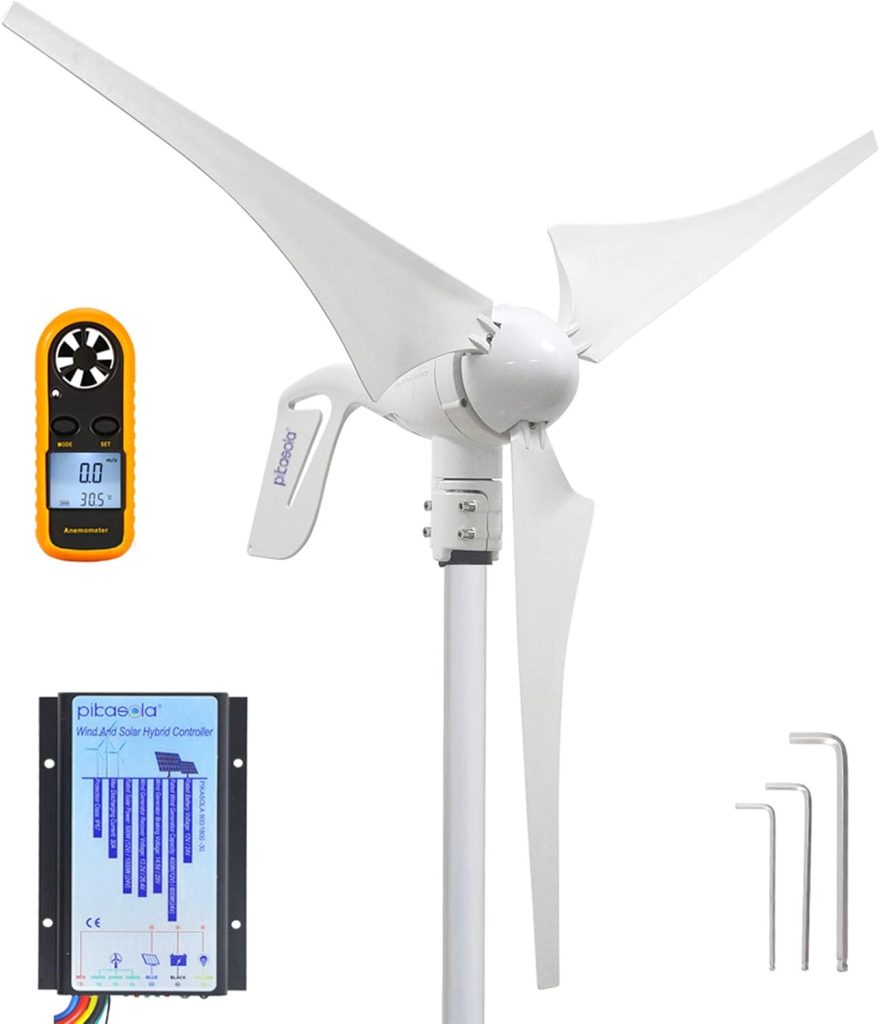
Pikasola generally caters to the budget-conscious buyer looking for an entry-level small wind power system. They typically offer smaller HAWTs that are simpler to install and maintain for basic battery charging or very light loads. If your primary goal is to supplement a small portable wind turbine setup or provide minimal backup power for a shed or RV, and your budget is tighter, Pikasola might be a starting point. However, expect lower overall output and potentially less robust build quality compared to higher-tier options.
Who Should Consider Automaxx?
Automaxx positions itself in the mid-range market for residential wind turbines. Their HAWTs often offer a good balance of performance, features (like built-in controllers), and moderate pricing. They are a step up from basic kits, providing more reliable output for a more dedicated home wind generator or wind generator for cabin setup. If you need a bit more power than the entry-level options but aren’t ready for a premium investment, Automaxx provides a solid, dependable option, often with decent customer support for a small wind power system.
Who Should Consider Ista Breeze?
Ista Breeze, often of German design, represents a more premium offering in the small wind turbine for home market. While their rated power might be similar to Automaxx, they typically excel in build quality, long-term reliability, and often have lower cut-in speeds for HAWTs, translating to higher annual energy production in real-world scenarios. Their longer warranties reflect confidence in their product. If your budget allows for a higher initial investment in a system designed for exceptional durability, higher efficiency, and peace of mind for your renewable wind energy system, Ista Breeze is a strong contender.
Frequently Asked Questions About Home Wind Generators
Q: Why does cut-in wind speed matter for a small wind power system?
A: The cut-in wind speed is arguably one of the most critical specifications for a small wind power system because it dictates how many hours a day, week, or year your turbine will actually be generating electricity. If a turbine has a high cut-in speed (e.g., 4-5 m/s), it will sit idle during many periods of lighter winds, even if those winds are consistent. A lower cut-in speed, like the 2.5 m/s for the 3000W VAWT, means the turbine starts producing usable power sooner and for longer durations. This significantly increases its overall annual energy production, making it a more efficient investment, especially for battery charging wind turbine applications where continuous input is beneficial. It directly impacts the practical energy yield, not just the theoretical maximum.
Q: How much electricity can a 3000W Wind Turbine Generator Kit generate in a typical year for a home?
A: For a 3000W wind turbine generator kit like this one, installed at a good site with an average annual wind speed of 5-6 m/s, you could realistically expect to generate between 3,000 to 5,000 kilowatt-hours (kWh) per year. This is enough to significantly offset the energy consumption of an average household, which might consume 9,000-12,000 kWh annually. However, this figure is highly site-specific. In areas with lower average winds (e.g., 4 m/s), the output might drop to 1,500-2,500 kWh, while exceptional sites (7+ m/s) could see even higher numbers. Always conduct a proper site assessment or consult wind maps for your specific location to get a more accurate projection for your wind power for home.
Q: What should buyers consider before purchasing a residential wind turbine for long-term energy independence?
A: Before investing in a residential wind turbine, especially for long-term energy independence or off-grid living, several key factors must be thoroughly evaluated:
- Site Wind Resource: This is paramount. Get a professional wind resource assessment or use online tools and local data. An average annual wind speed of at least 4-5 m/s is typically recommended for viable operation.
- Local Regulations & Permitting: Zoning laws, height restrictions, and noise ordinances vary widely. Check with your local authorities before any purchase.
- Turbine Type (HAWT vs. VAWT): Consider your specific site. HAWTs are generally more efficient in stable, directional winds, while VAWTs (like the 3000W unit reviewed) excel in turbulent or variable wind conditions and are often quieter.
- Complete System Cost: Beyond the turbine kit, factor in the cost of a suitable tower (often expensive), foundation, charge controller, inverter, battery bank (for off-grid or backup), wiring, and professional installation.
- Noise and Vibration: Understand the realistic noise output and potential for vibration, especially if installing near living spaces.
- Maintenance & Lifespan: Consider the long-term maintenance requirements, component replacement costs (e.g., bearings), and the expected lifespan of the turbine.
- Hybrid Integration: If aiming for energy independence, evaluate how the wind turbine integrates with other sources, such as a hybrid solar wind generator, for a more stable and resilient power supply.
Final Verdict: Is this 3000W Small Wind Turbine for Home the Right Choice for Your Energy Needs?
Having thoroughly evaluated the 3000W Vertical Axis Wind Turbine Generator Kit (12V/24V) through the lens of real-world performance, my professional opinion is clear. This small wind turbine for home offers a compelling solution, particularly for specific use cases. Its vertical axis design grants it a significant advantage in areas with turbulent or frequently shifting wind directions, often found in rural or semi-rural settings where a home wind generator might be ideal. The low cut-in speed is a major plus, ensuring more hours of generation and a better return on investment over time, especially for battery charging wind turbine applications.
While the “3000W” rated power is a peak figure, its estimated annual energy production is substantial enough to make a noticeable difference in reducing reliance on grid electricity or powering an entire off-grid wind power system. Build quality, especially concerning component durability and weather resistance, is crucial, and this model generally offers a robust construction for its class.
However, buyers must approach this, and any residential wind turbine, with realistic expectations. A thorough site wind assessment is non-negotiable. While VAWTs are quieter, they are not silent. The total system cost, including the tower, balance of system components, and installation, will exceed the turbine’s price.
For those looking to create a resilient hybrid solar wind generator setup, power a remote wind generator for cabin, or significantly boost their renewable wind energy profile at home, this 3000W VAWT represents a strong contender. Its practical performance, especially its ability to perform in lower and more varied wind conditions, makes it a valuable asset for achieving genuine energy independence.
#3000W #Wind #Turbine #Generator #Kit12V24V #Vertical #Axis #Wind