As a veteran home energy storage consultant with over two decades immersed in residential power solutions, I’ve witnessed the evolution of battery technology from nascent lead-acid systems to the sophisticated lithium-ion solutions we deploy today. It’s 2026, and the demand for reliable backup power and genuine energy independence has never been higher. Homeowners are increasingly seeking robust energy storage solutions that perform reliably during grid failures, manage peak energy costs, and seamlessly integrate with renewable sources. My focus is always on practical, real-world performance, not just marketing specifications.
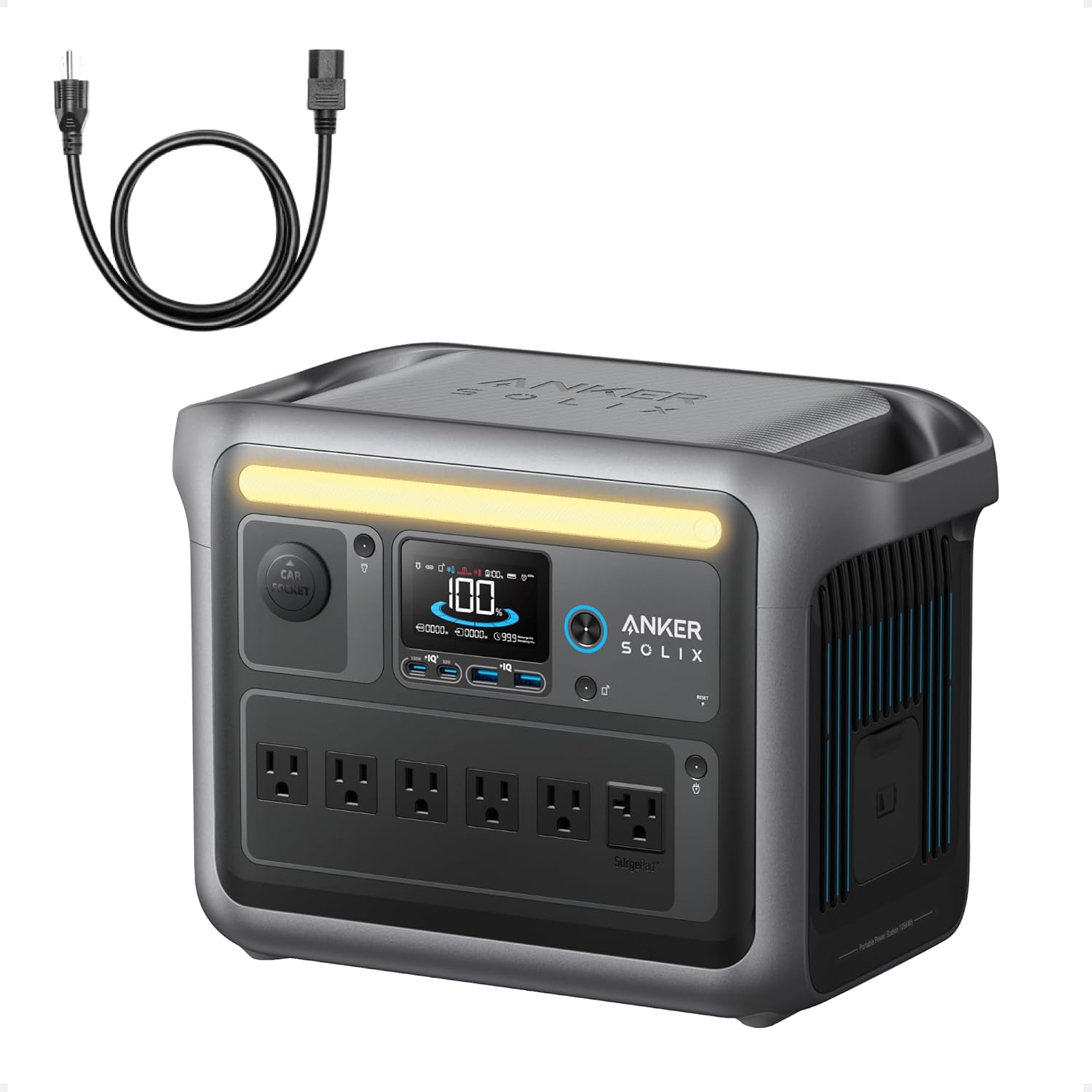
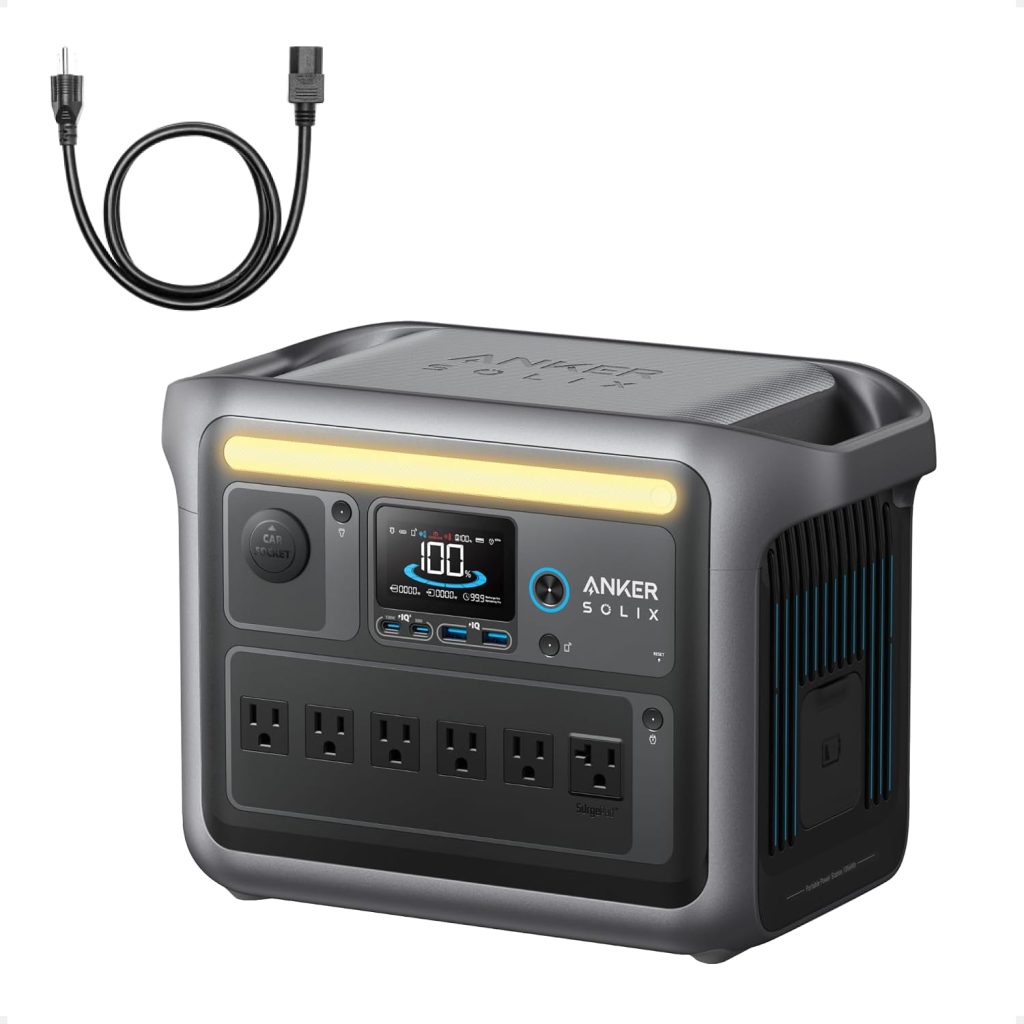
Today, we’re evaluating the Anker SOLIX C1000 Portable Power Station, 1800W (Peak 2400W), to understand its role as a potential backup battery for house use and how it stacks up against more integrated residential energy storage systems. While many homeowners search for a comprehensive “whole home battery backup” or “home energy storage system,” it’s crucial to distinguish between various solution types. The Anker C1000 falls into a specific niche, offering a portable and immediate energy solution for critical loads rather than a full-scale, integrated “solar battery storage” or “off-grid battery system.” My analysis will help you determine if this unit meets your specific residential energy storage needs.
Anker SOLIX C1000: A Closer Look at this Backup Battery for House Use
The Anker SOLIX C1000 represents a segment of the market focused on portability and rapid deployment. When considering a backup battery for house applications, understanding its fundamental components and design philosophy is paramount.
Battery Chemistry: LiFePO4 for Longevity and Safety
The Anker SOLIX C1000 utilizes Lithium Iron Phosphate (LiFePO4) battery chemistry. In 2026, LiFePO4 has become the de facto standard for residential energy storage due to its inherent advantages over Nickel Manganese Cobalt (NCM) chemistries. From a practical standpoint, LiFePO4 offers superior thermal stability, significantly reducing the risk of thermal runaway, which translates to a much safer installation in a residential environment. Furthermore, LiFePO4 batteries typically boast a longer cycle life—often exceeding 3,000 to 6,000 cycles to 80% depth of discharge—compared to NCM. This means your home backup battery will retain more of its usable capacity over many years of charge and discharge cycles, offering a better long-term return on investment. For the C1000, this chemistry ensures it can be charged and discharged frequently without rapid degradation, a crucial factor for a device intended for repeated emergency use.
Usable Battery Capacity (kWh): Practical Power for Critical Loads
The Anker SOLIX C1000 comes with a nominal capacity of 1056Wh, often rounded to 1kWh. In real-world terms, this capacity defines how long specific appliances can run. While 1kWh might sound substantial, it’s important to frame it within the context of a typical household’s energy demands. For instance, a modern energy-efficient refrigerator (around 100-200W) could run for approximately 5-10 hours, assuming no other loads. A few LED lights, a Wi-Fi router, and a laptop could easily consume 100-150W, yielding similar runtimes.
This capacity is suitable for providing temporary power to critical devices during short blackouts. It is not designed to power an entire home for extended periods. When evaluating a residential battery backup, always convert theoretical kilowatt-hours into practical runtimes for your essential appliances to set realistic expectations.
Continuous and Peak Output Power: What It Means for Your Appliances
The C1000 provides a continuous output of 1800W and a peak surge output of 2400W. The continuous power rating indicates the total wattage it can supply to devices simultaneously for an extended period. 1800W is robust enough to handle many common household appliances, such as a refrigerator, microwave (briefly), coffeemaker, or a space heater (though this would quickly deplete the battery). The peak surge output is crucial for devices with inductive motors, like refrigerators or power tools, which draw a much higher wattage for a brief moment at startup. A 2400W peak can handle these initial surges, preventing the system from tripping due to overload.
In a real outage, you could reliably run a refrigerator, charge phones, power a laptop, and a few lights simultaneously. However, operating multiple high-draw appliances like a hair dryer, toaster, and microwave concurrently would quickly exceed the continuous output, triggering an overload shutdown.
Whole-Home Backup Capability: Realistic Expectations for a Backup Battery for House
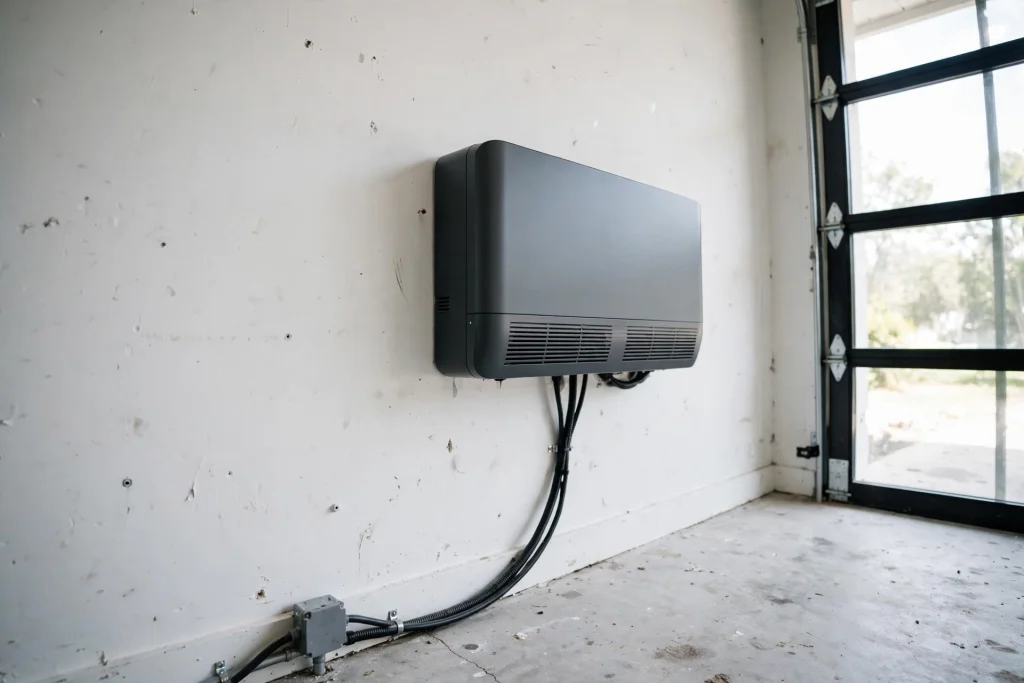
This is where the distinction is vital. The Anker SOLIX C1000, by design, is not a “whole-home battery backup” system. A true whole-home solution involves an integrated inverter, dedicated battery banks, and often a sophisticated automatic transfer switch (ATS) to seamlessly power your entire electrical panel. The C1000, as a portable power station, offers point-of-use backup. You physically plug appliances into its outlets, or you might connect it to a few critical circuits via a manual transfer switch, typically limited to 15A circuits. It simply lacks the capacity, power output, and system integration to power an entire residence during an outage. For comprehensive whole-house battery backup, you’d be looking at systems with capacities ranging from 10kWh to 30kWh+ and continuous output capabilities of 5kW to 15kW+.
Automatic Transfer Switch (ATS) & UPS Switching Speed: The Gap for Seamless Home Integration
Dedicated home energy storage system solutions like a Tesla Powerwall or FranklinWH include an integrated ATS, which automatically disconnects your home from the grid and connects it to the battery system within milliseconds (typically <20ms) of a grid outage. This seamless transition is known as UPS (Uninterruptible Power Supply) switching speed, ensuring sensitive electronics like computers and medical equipment remain powered without interruption.
The Anker C1000 does not feature an integrated ATS for your home’s main electrical panel. While it has an internal UPS mode for connected devices, if the grid goes down, any appliances directly plugged into a wall outlet in your home will lose power. You would then manually plug critical devices into the C1000. This is a key operational difference for homeowners expecting a truly automatic and whole-home experience during an outage.
Solar Compatibility: Enhancing Your Home Backup Battery with Renewable Charging
The C1000 incorporates an MPPT (Maximum Power Point Tracking) solar charge controller, allowing it to be recharged directly by solar panels (up to 600W input). This is a significant advantage, particularly for extended outages or when seeking greater energy independence. In a real-world scenario, connecting a few portable solar panels (e.g., 200W-400W total) would allow you to replenish the battery during daylight hours, extending your backup capacity indefinitely as long as the sun shines. This makes it a viable component in a smaller-scale “solar battery storage” setup for critical loads, rather than a full solar home battery system designed to power an entire residence.
Hybrid Inverter Performance & Energy Management: Integrated Intelligence
The C1000’s internal inverter converts DC battery power to usable AC power for your appliances. Its pure sine wave output is essential for sensitive electronics, preventing damage and ensuring smooth operation. While it performs well for its intended purpose, it lacks the advanced “hybrid inverter” capabilities found in larger residential systems. True hybrid inverters manage multiple power sources (grid, solar, battery, generator), optimize charging/discharging based on time-of-use rates, and can even feed excess solar back to the grid. The C1000’s energy management is focused on efficient charging and safe discharging, without the complex grid interaction or load balancing features of larger systems.
Expandable Battery Capacity: A Key Consideration for Home Energy Storage Systems
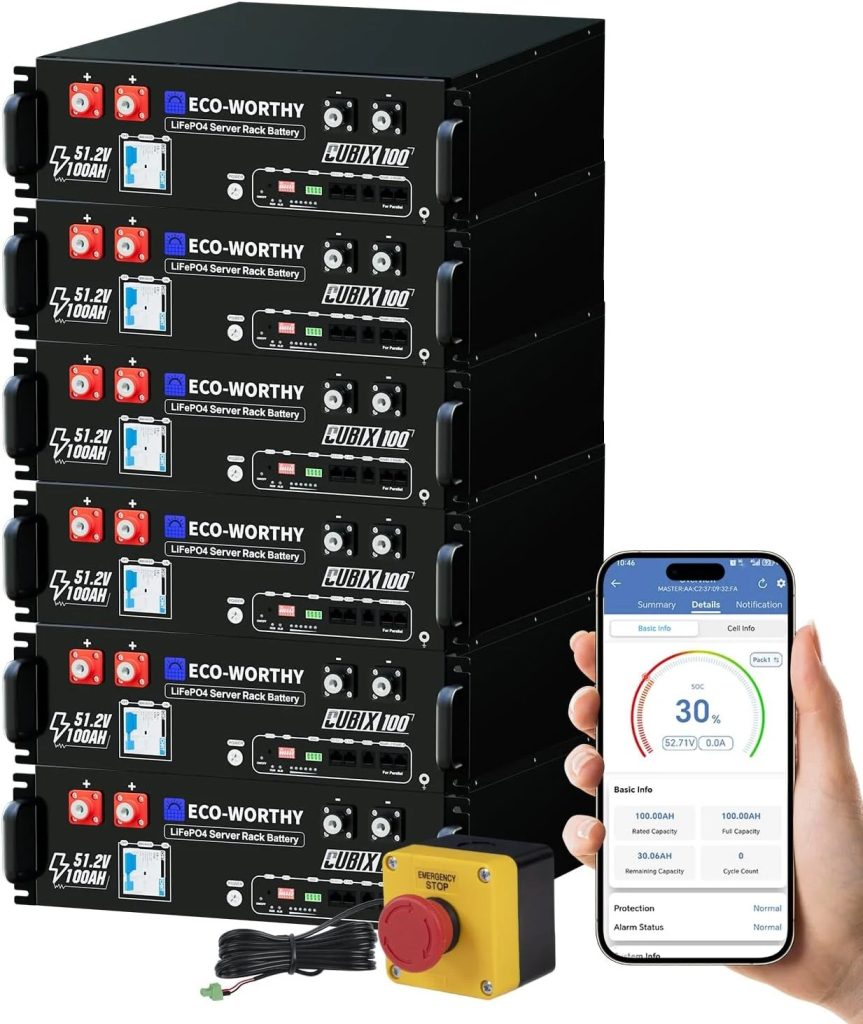
The Anker SOLIX C1000 is a self-contained unit and does not offer expandable battery capacity. This means its 1kWh capacity is fixed. For homeowners considering a scalable energy storage solution that can grow with their needs or eventually provide whole-home backup, this is a significant limitation. Dedicated home battery systems are often modular, allowing you to add more battery units as your energy demands increase or your budget allows.
Battery Management System (BMS): The Unsung Hero of Battery Lifespan
Every modern lithium-ion battery system relies heavily on its Battery Management System (BMS). For the C1000, the integrated BMS is crucial for its safety and longevity. It constantly monitors voltage, current, temperature, and state of charge for each cell, preventing overcharge, over-discharge, overheating, and short-circuiting. A robust BMS ensures optimal performance, extends the overall lifespan of the LiFePO4 cells, and maintains safe operating conditions, which is paramount for any backup power system in your home.
Grid-Tied vs. Off-Grid Operation: Where the C1000 Fits
The Anker C1000 is inherently an off-grid device. It operates independently of your home’s electrical panel, providing power directly from its outlets. It can be recharged from the grid, but it does not connect to or interact with your home’s grid-tied electrical system. It cannot feed power back to the grid, nor can it intelligently manage energy flow between your home, solar, and the utility grid. For true grid-tied battery operation or a comprehensive hybrid energy storage setup, a much more advanced and integrated system is required.
Scalability & Installation Requirements: From Portable to Permanent
As noted, the C1000 is not scalable. Its installation is plug-and-play: charge it from a wall outlet or solar panels, then plug in your devices. This simplicity is a major advantage for immediate backup needs. In contrast, larger residential battery systems require professional installation, involving permits, electrical wiring into your main panel, and often mounting the battery units to a wall or pad. While the C1000 offers convenience, it trades off the comprehensive, integrated solution offered by professionally installed systems.
Factory Insider Note: “Many home battery systems use the same battery cells, but inverter quality often determines overall reliability.” This observation is particularly relevant here; while Anker uses robust LiFePO4 cells, the performance and sophistication of its internal inverter and BMS are tailored for a portable application, differing significantly from the high-power, grid-interactive inverters found in dedicated whole-home systems.
Safety Certifications & Warranty: Peace of Mind for Your Investment
When selecting any battery backup for house use, safety certifications are non-negotiable. Anker products typically carry relevant certifications for consumer electronics, ensuring they meet safety standards for electrical operation. Always verify the specific certifications on the product or manufacturer’s website. The Anker SOLIX C1000 typically comes with a standard consumer warranty, often 5 years. While this is good for a portable unit, many integrated home battery systems offer longer warranties (10-12 years) reflecting their expected longer service life and higher cost of installation.
Long-Term Reliability & Cost per kWh
Given its LiFePO4 chemistry and Anker’s reputation, the C1000 offers good long-term reliability for its class. The cost per kWh is generally higher for portable units compared to larger, permanently installed systems, due to the integrated casing, controls, and portability features. For backup, its value lies in immediate availability and ease of use.
Real-World Scenario: Hurricane Preparation with Your Backup Battery for House
As a power outage expert, I’ve seen countless homeowners caught unprepared. The Anker SOLIX C1000 can be a critical component in your hurricane preparedness plan, offering an immediate backup battery for house essentials when the grid inevitably fails.
Imagine a Category 3 hurricane bearing down. Days before landfall, you’ve charged your Anker C1000 to 100%. As the storm hits and the power goes out, the C1000 springs into action for critical emergency backup.
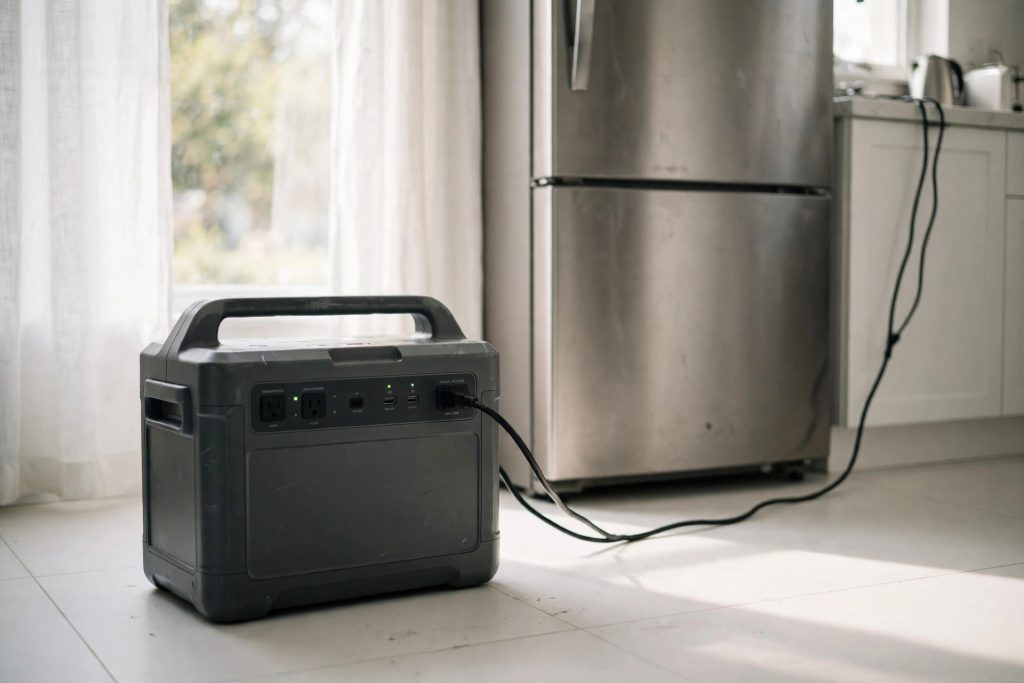
- Food Preservation: Your refrigerator (running intermittently) will be your primary concern. With the C1000, you can plug in your refrigerator for several hours a day, keeping food safe. You’ll need to cycle it on and off, perhaps running it for 2-3 hours, then unplugging it, to conserve power. This is where active energy management on your part becomes crucial.
- Communication Devices: Charging phones, tablets, and a NOAA weather radio is non-negotiable for family safety. The C1000 has multiple USB-A and USB-C ports, ensuring everyone can keep their devices powered to receive emergency alerts and stay in touch with loved ones.
- Lighting: Basic LED lighting is essential. You can plug in a few floor lamps or string lights, providing ambient light for evenings without relying on dangerous candles or inefficient flashlights.
- Medical Equipment: If anyone in the household relies on basic medical equipment like a CPAP machine (which draws 30-60W), the C1000 can provide power for a night’s sleep, offering peace of mind during a stressful period. For more life-critical equipment, larger, more reliable systems are always recommended.
Crucially, for extended outages common after a hurricane, the C1000’s solar compatibility shines. If the sun comes out, deploying a portable solar panel array to recharge the unit can indefinitely extend your ability to power these critical loads. While it won’t power your air conditioner or an entire kitchen, having a reliable source for communication, basic lighting, and food preservation makes an immense difference in maintaining safety and comfort during a storm-induced blackout.
Who Is It Best For?
The Anker SOLIX C1000 Portable Power Station is ideally suited for:
- Emergency Preparedness: Homeowners seeking immediate, plug-and-play power for critical appliances during short to medium-term grid failures.
- Frequent Blackouts (Critical Loads): Residents in areas with occasional power interruptions who need to keep essential items (refrigerator, internet, lights, charging) running.
- Apartment Dwellers/Renters: Those who cannot install permanent home energy storage system solutions but still require reliable backup.
- Outdoor & Portable Power Needs: Individuals who also need a robust power source for camping, tailgating, or remote work.
- Small Backup for Specific Zones: Homeowners who want to back up a single room or a few specific circuits via a basic manual transfer switch.
Potential Drawbacks of the Anker SOLIX C1000 as a Home Backup Battery
While highly capable for its intended purpose, it’s important to acknowledge the limitations of the Anker C1000 when considering it for broader home energy storage:
- Limited Capacity: 1kWh is suitable for critical loads but insufficient for sustained whole-home operation or even long-term partial-home backup.
- No True Whole-Home Backup: Lacks the integrated Automatic Transfer Switch (ATS) and power output for seamless, comprehensive home panel integration.
- No Expandability: The fixed capacity means you cannot add more battery modules as your energy needs grow.
- Manual Operation: Requires manual plugging of devices or a simple, external manual transfer switch for critical circuits, unlike automatic whole-home systems.
- Not Grid-Interactive: Cannot optimize energy use with time-of-use rates or feed excess solar power back to the grid.
- Cost per kWh for Long-Term Storage: While competitive for a portable unit, the cost per kWh tends to be higher than large, permanently installed residential energy storage solutions designed for long-term ROI.
Value for Money Analysis
The Anker SOLIX C1000 offers excellent value for its specific niche: immediate, portable, critical-load backup. Its LiFePO4 chemistry ensures a long cycle life, making it a reliable asset for many years of emergency use. The primary value proposition here isn’t electricity bill savings or ROI in the traditional sense of a grid-tied system, but rather resilience and peace of mind during outages. The cost is primarily for emergency preparedness and portable power convenience. If your objective is comprehensive renewable home energy integration, significant electricity bill reduction through peak shaving, or full energy independence, the C1000 would be a starting point at best, but not the complete solution.
Brand Comparison: Anker SOLIX C1000 vs. Leading Home Energy Storage Solutions
To provide a comprehensive perspective for homeowners searching for a backup battery for house, it’s essential to compare the Anker SOLIX C1000 not just against its portable peers but also against dedicated whole-home energy storage systems. This highlights its specific strengths and limitations within the broader market.
| Feature | Anker SOLIX C1000 | EcoFlow DELTA Pro | Tesla Powerwall 3 | FranklinWH aPower |
|---|---|---|---|---|
| Battery Chemistry | LiFePO4 | LiFePO4 | LiFePOPO4 (formerly NCM) | LiFePO4 |
| Battery Capacity (usable) | 1.056 kWh | 3.6 kWh (expandable up to 25 kWh) | 13.5 kWh | 13.6 kWh |
| Continuous Output | 1.8 kW (AC) | 3.6 kW (AC) / 7.2 kW (with 2 units) | 11.5 kW (AC) | 12.0 kW (AC) |
| Whole-Home Backup | Limited (critical plug-in loads) | Limited (critical via Smart Home Panel) | Yes (integrated ATS) | Yes (integrated aGate ATS) |
| Solar Integration | Up to 600W MPPT | Up to 1600W MPPT (expandable) | Up to 12.0 kW (integrated inverter) | Up to 12.0 kW (integrated inverter) |
| Expandability | No | Yes (add extra batteries) | Yes (up to 4 Powerwalls) | Yes (up to 15 aPower units) |
| Warranty | 5 Years | 5 Years | 10 Years | 12 Years |
| **Estimated Installed Cost*** | $900 – $1,200 (unit only) | $3,500 – $10,000+ (unit + extras) | $13,000 – $18,000+ (per unit) | $15,000 – $20,000+ (per unit) |
Note: Estimated installed costs are rough figures for 2026 and can vary significantly based on location, existing electrical infrastructure, labor rates, and specific system configurations. Portable units are typically unit cost only, whereas whole-home systems include professional installation.
Who should buy Anker SOLIX C1000 Portable Power Station
The Anker SOLIX C1000 is for the homeowner who needs a reliable, portable backup battery for house critical loads during short-to-medium outages. It’s an excellent choice for emergency preparedness, apartment dwellers, renters, or those who need flexible power for both home and outdoor activities. It’s not an integrated whole-home battery solution but rather a highly effective personal power station.
Who should buy EcoFlow DELTA Pro (or similar high-capacity portable)
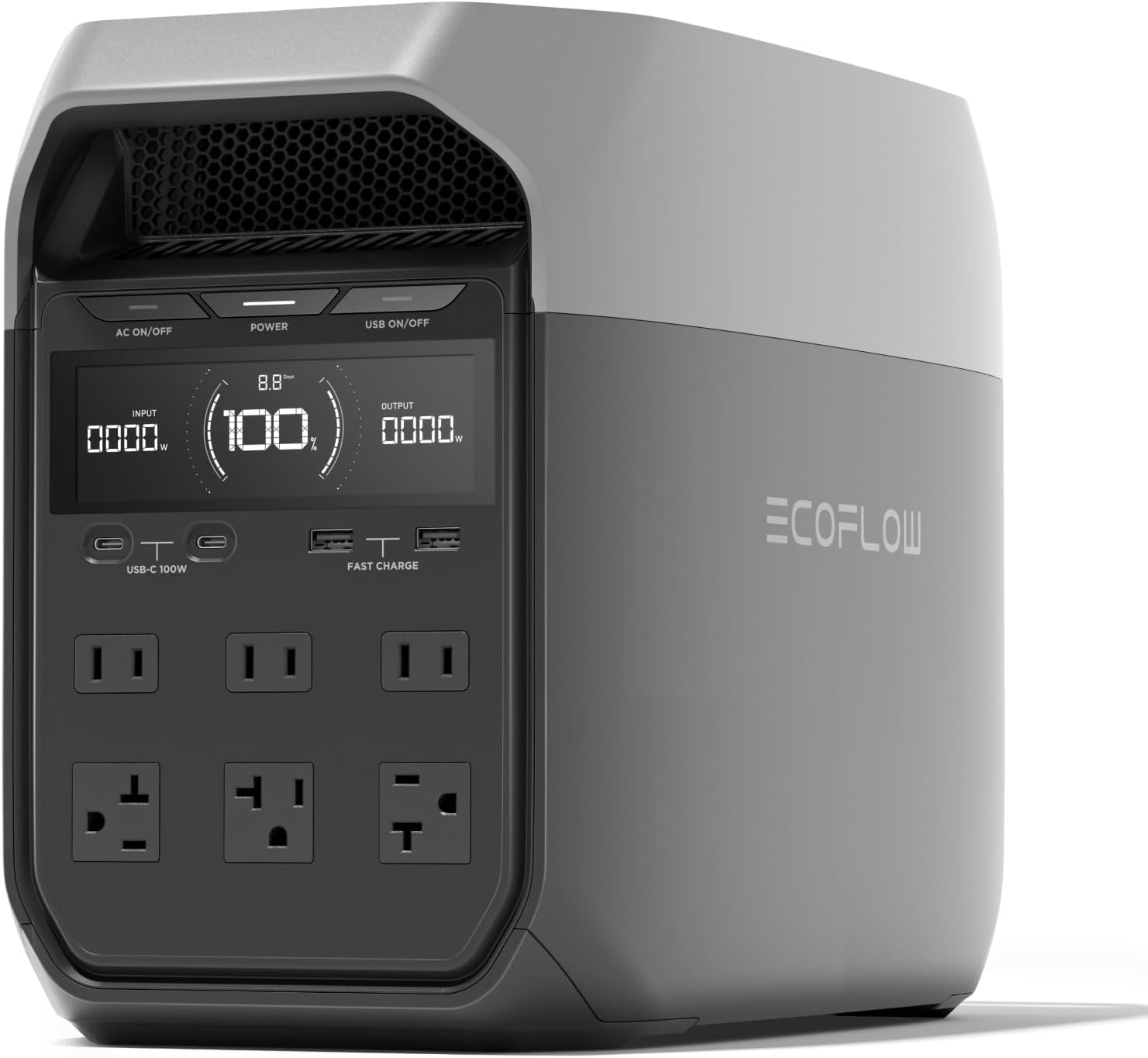
EcoFlow DELTA Pro, or similar high-capacity portable power stations, cater to users who need more power and capacity than the C1000 but still value portability and a semi-DIY approach. With its expandable capacity and higher output, it can support more appliances for longer, and when paired with a Smart Home Panel, it can offer a more integrated solution for select circuits, bridging the gap between portable and full residential systems. It’s a stepping stone towards a more robust home backup battery for those not ready for full installation.
Who should buy Tesla Powerwall
Tesla Powerwall is designed for homeowners seeking a comprehensive, integrated whole home battery backup and solar battery storage solution. It’s ideal for those wanting seamless power transition during outages, maximizing solar self-consumption, and potentially reducing electricity bills through time-of-use optimization. It requires professional installation and is a significant investment for true energy storage solution integration.
Who should buy FranklinWH aPower (or similar integrated home ESS)
FranklinWH aPower, or other advanced home energy storage system solutions like Generac PWRcell, are for discerning homeowners prioritizing maximum reliability, modularity, and sophisticated energy management. These systems offer industry-leading warranties, robust whole-home backup, advanced hybrid inverter capabilities, and deep integration with solar. They represent the pinnacle of residential energy storage for ultimate energy independence and intelligent grid interaction, requiring professional, multi-trade installation.
Frequently Asked Questions (FAQ) about Backup Batteries for Houses
Why should homeowners choose expandable battery systems?
Expandable battery systems offer critical flexibility. Homeowners’ energy needs can evolve due to lifestyle changes, adding electric vehicles (EVs), or increasing solar panel installations. Choosing an expandable battery storage system allows you to start with a capacity that fits your current budget and requirements, then seamlessly add more battery modules later to increase run time and power output. This future-proofs your investment, ensuring your home energy storage system can adapt without requiring a complete overhaul, which is a significant advantage over fixed-capacity units like the Anker C1000 for long-term whole-home battery planning.
How long can Anker SOLIX C1000 Portable Power Station, 1800W (Peak 2400W) power an entire house?
The Anker SOLIX C1000 Portable Power Station, with its 1kWh usable capacity and 1800W continuous output, cannot power an entire house for any meaningful duration. A typical house consumes several kilowatt-hours per day, and often draws thousands of watts simultaneously. The C1000 is designed to power critical individual appliances or a limited set of essential loads for several hours, not a whole home. For example, it could keep a refrigerator running for 5-10 hours, charge multiple phones, and power a few lights. Trying to power an “entire house” would quickly exceed its capacity and continuous output, leading to immediate shutdown. For full home power during an outage, you would need a dedicated whole home battery backup system with 10-30 times the C1000’s capacity and substantially higher continuous power output.
What should homeowners consider before installing a home battery backup?
Before installing any home battery backup, homeowners should consider several crucial factors:
- Energy Audit: Understand your average and peak daily energy consumption. What appliances are truly critical during an outage? This determines the required battery capacity and continuous power output.
- Backup Goal: Are you looking for critical load backup, whole-home backup, solar self-consumption, peak shaving, or full off-grid capability? This dictates the system type (portable vs. integrated, grid-tied vs. off-grid).
- Solar Integration: Do you have existing solar, or plan to install it? A hybrid inverter system will maximize your solar battery storage benefits.
- Budget & ROI: Integrated systems have higher upfront costs but offer long-term savings and increased property value. Factor in installation costs, which can often equal or exceed the battery unit cost.
- Location & Safety: Ensure sufficient space for installation, proper ventilation, and compliance with local fire codes. LiFePO4 chemistry is generally safer for residential use.
- Warranty & Support: Look for comprehensive warranties covering both battery and inverter, and ensure reliable local support is available.
- Future Expandability: Consider if you might want to increase capacity later.
- Professional Consultation: Engage an experienced energy storage consultant (like myself) to design a system tailored to your specific needs and ensure compliance with all regulations. This is the single most important step for a successful residential energy storage solution.
Final Verdict: The Anker SOLIX C1000 as a Backup Battery for House Use
The Anker SOLIX C1000 Portable Power Station is an excellent product within its specific category. As a backup battery for house emergencies, particularly for critical appliances and personal electronics, it offers significant value. Its LiFePO4 chemistry provides long life and safety, while its 1800W continuous output can manage essential loads during an outage. The solar charging capability further enhances its utility for extended blackouts, providing a means of true energy resilience.
However, for homeowners specifically searching for a “whole home battery backup,” “home energy storage system,” or a comprehensive “solar battery storage” solution that interacts intelligently with their electrical panel and the grid, the Anker C1000 is not the answer. It is a portable, manual backup device, not a seamlessly integrated whole-house battery solution.
Practical Buying Advice: If your primary need is portable, reliable power for critical loads during occasional power failures, or if you reside in an apartment or rental property, the Anker SOLIX C1000 is a highly recommended investment for emergency preparedness. If your ambition is to power your entire home, maximize solar energy usage, achieve significant electricity bill savings through peak shaving, or gain full energy independence, then your focus should shift to professionally installed, scalable hybrid energy storage systems from brands like Tesla, FranklinWH, or Generac. Understand your specific needs, and choose the backup power system that truly aligns with your long-term energy goals.
#Anker #SOLIX #C1000 #Portable #Power #Station #1800W #Peak #2400W