Weize Deep Cycle AGM 12 Volt 100Ah Battery: An Off-Grid Battery System Component Evaluation (2026)
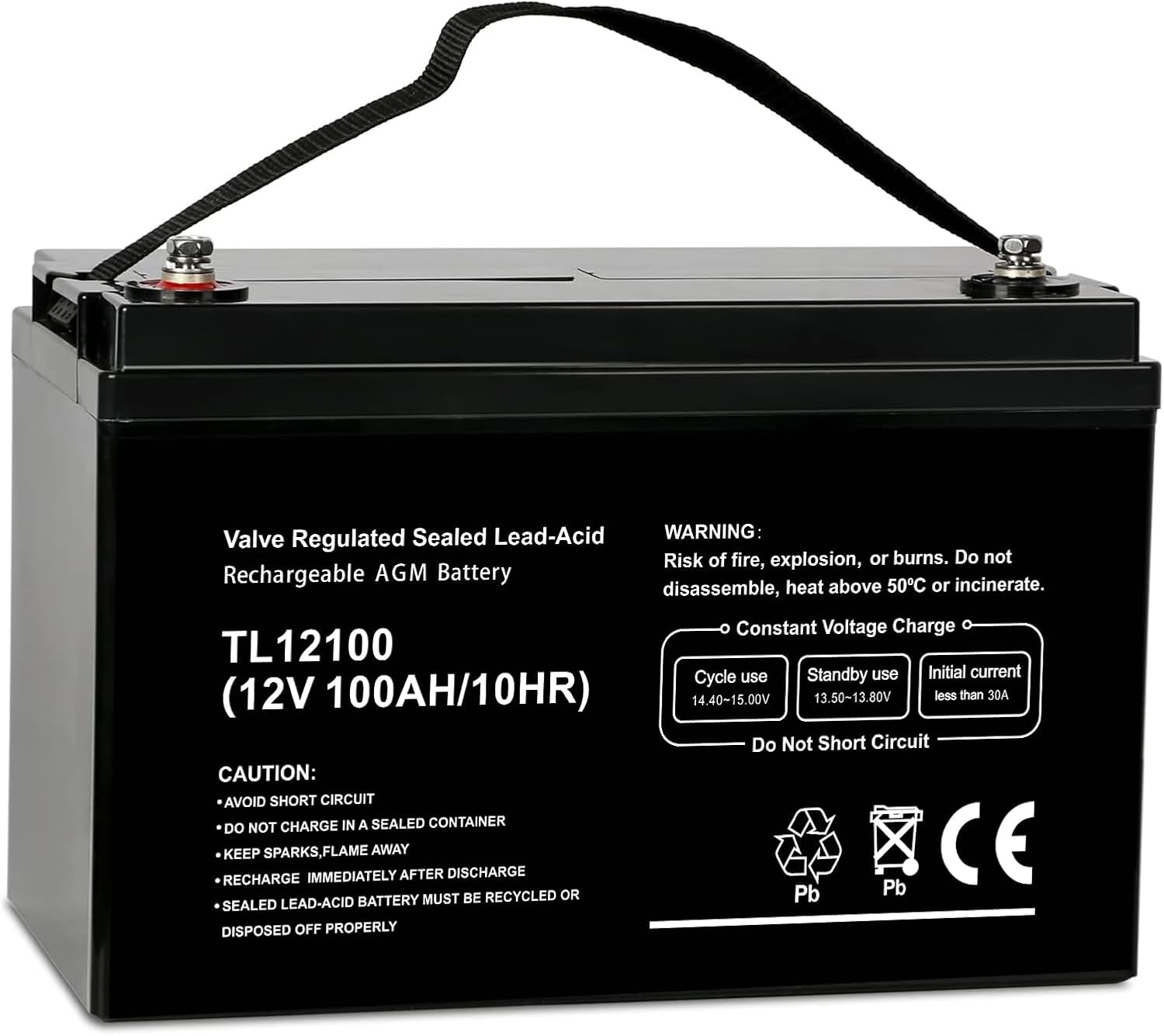
As a veteran home energy storage consultant with over two decades of experience, I’ve seen the evolution of residential power solutions from basic battery banks to sophisticated, integrated energy storage systems. Today, in 2026, homeowners seeking energy independence or a reliable off-grid battery system have more options than ever. This review focuses on the Weize Deep Cycle AGM 12 Volt 100Ah Battery, evaluating its real-world performance as a foundational component within a larger residential battery backup or off-grid battery system. It’s crucial to understand upfront that this product is a single battery unit, not a complete, integrated home energy storage system designed for whole home battery backup out of the box. Instead, it serves as a building block for those looking to assemble a custom backup battery for house applications, particularly in smaller off-grid battery system configurations or for auxiliary power needs.
Understanding the Off-Grid Battery System Landscape: AGM vs. Modern ESS
Before diving into the Weize battery specifically, it’s essential to contextualize where it fits in the broader solar battery storage market. Modern home energy storage systems (ESS) often feature advanced lithium chemistries, integrated inverters, and sophisticated energy management software. The Weize Deep Cycle AGM battery, conversely, represents a more traditional, component-based approach to an off-grid battery system.
Battery Chemistry: AGM (Lead-Acid) Explained
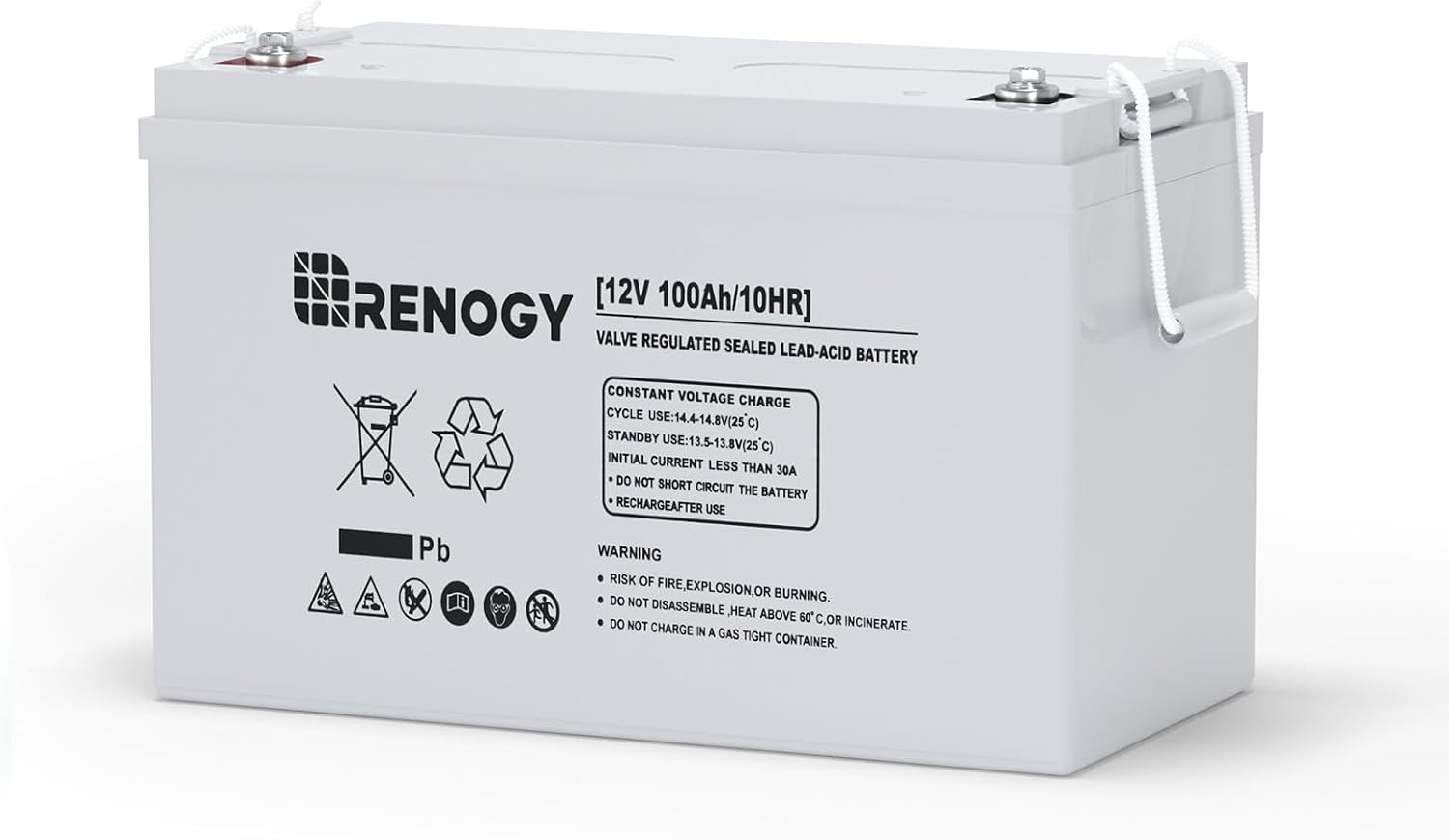
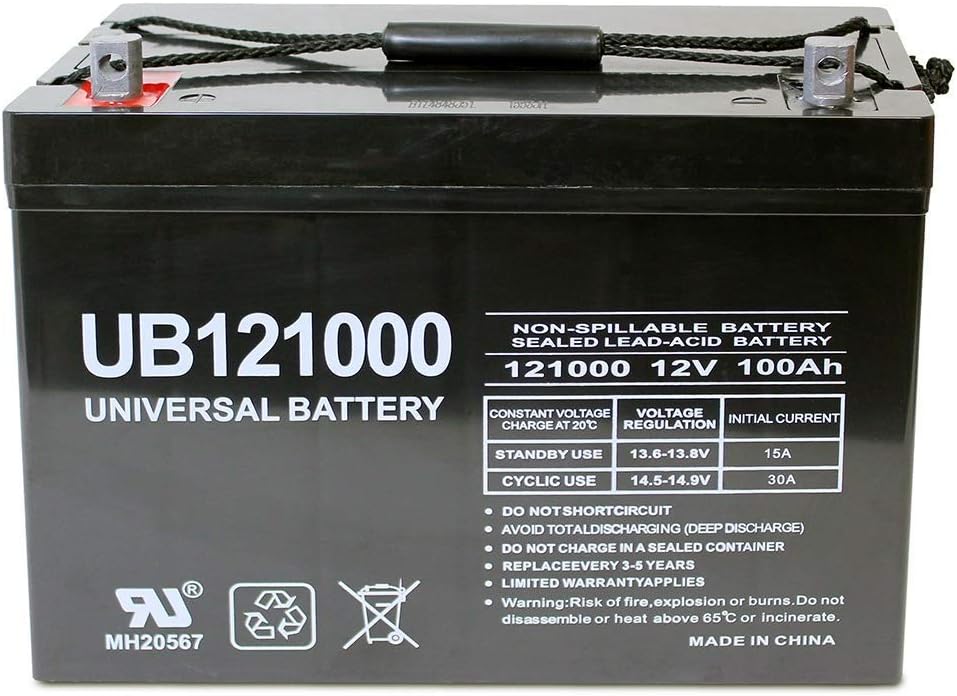
The Weize battery utilizes Absorbent Glass Mat (AGM) technology, a type of sealed lead-acid battery.
- AGM (Absorbent Glass Mat): These batteries are maintenance-free, spill-proof, and offer good performance in a range of temperatures. They are more robust than traditional flooded lead-acid batteries and generally safer due to their sealed design. However, their primary limitation compared to newer chemistries is a shallower recommended Depth of Discharge (DoD) – typically 50% to maximize cycle life – and lower energy density, meaning they are heavier and bulkier for a given amount of usable energy.
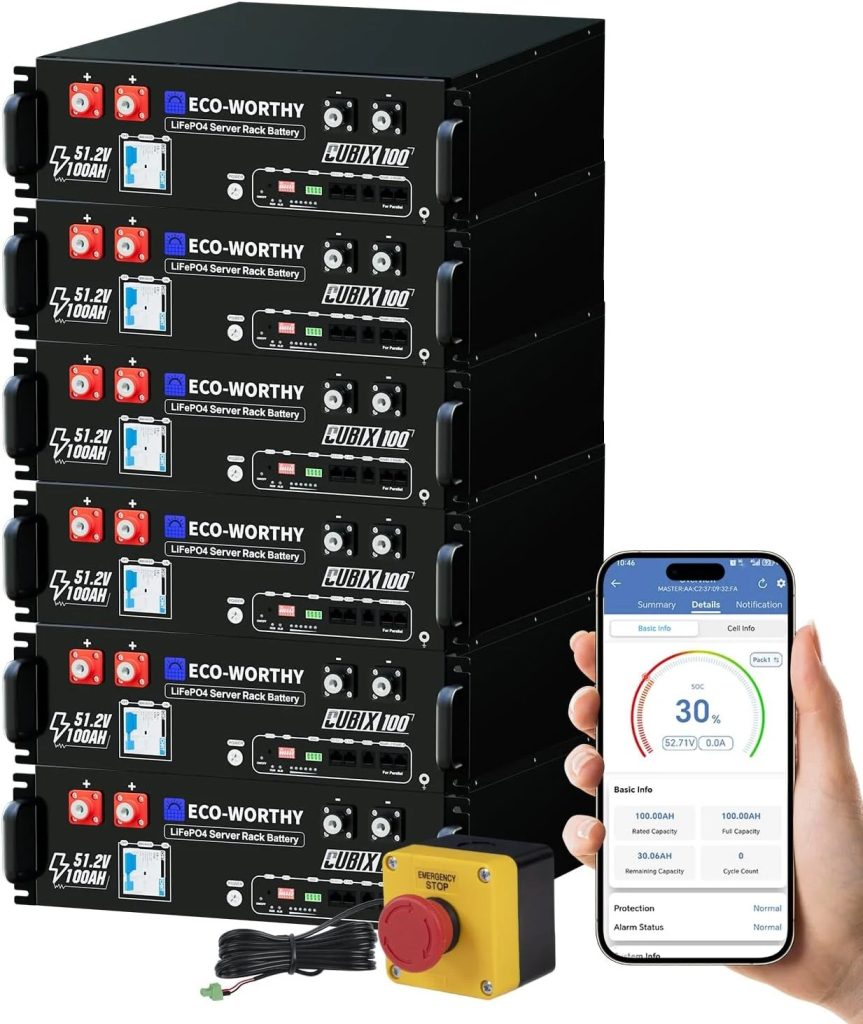
- LiFePO4 (Lithium Iron Phosphate): This is the predominant chemistry for modern residential energy storage solutions. LiFePO4 batteries offer a significantly higher DoD (often 80-100%), longer cycle life, lighter weight, and a wider operating temperature range. They also boast higher continuous output power capabilities and often include an integrated Battery Management System (BMS) for safety and longevity.
- NCM (Nickel Cobalt Manganese): Another lithium-ion chemistry, NCM offers even higher energy density than LiFePO4, often found in electric vehicles. However, it typically comes with higher material costs and slightly different safety considerations for stationary residential applications, though advancements continue.
For an off-grid battery system, the choice of chemistry dictates the overall system’s footprint, longevity, and initial investment versus long-term value. AGM batteries generally offer a lower upfront cost but may incur higher long-term costs due to more frequent replacements and lower usable capacity per unit.
Key Performance Metrics for an Off-Grid Battery System
When evaluating the Weize Deep Cycle AGM 12 Volt 100Ah Battery for an off-grid battery system, we must consider its role as part of a larger, assembled solution.
Usable Battery Capacity (kWh)
A single Weize 12V 100Ah battery has a nominal energy capacity of 1.2 kWh (12V * 100Ah). However, for AGM batteries, to ensure longevity and optimal performance, it is generally recommended to only discharge them to 50% DoD. This means a single unit provides approximately 0.6 kWh of usable energy.
To achieve meaningful home energy storage system capacity, multiple Weize batteries must be connected in series and/or parallel. For instance, a 48V off-grid battery system requiring 4.8 kWh of usable energy would necessitate eight 12V 100Ah batteries (four in series to make 48V, and then two such strings in parallel to double the capacity). This significantly impacts the physical footprint and wiring complexity.
Continuous Output Power & Peak Surge Output
These metrics are primarily determined by the hybrid inverter or pure sine wave inverter you pair with your battery bank, rather than the battery itself. A bank of Weize batteries, correctly sized, can deliver substantial current. However, due to the internal resistance of AGM cells, high continuous discharge rates can lead to voltage sag and reduced efficiency, especially when compared to LiFePO4 systems designed for rapid discharge. For typical whole-home battery backup needs, requiring several kilowatts continuously and potentially higher surges for motors (like air conditioners), a well-designed inverter and a sufficiently large battery bank are paramount.
Whole-Home Backup Capability & Automatic Transfer Switch (ATS)
A single Weize 12V 100Ah battery has no whole-home backup capability on its own. A robust off-grid battery system built with these batteries would require a substantial bank, a high-quality inverter, and an external automatic transfer switch (ATS). The ATS is crucial for automatically disconnecting from the grid (if present) and switching to battery power during an outage, or for managing power flow in a fully off-grid setup. Integrated home energy storage systems simplify this with built-in ATS functionality and seamless power transition.
UPS Switching Speed
The Uninterruptible Power Supply (UPS) switching speed is a function of the inverter and ATS, not the battery. For an off-grid battery system built with Weize batteries, you would need to select an inverter known for fast transfer times to minimize disruption to sensitive electronics during a grid failure. Many modern integrated systems offer near-instantaneous transfer (under 20ms) to ensure continuous operation of devices like computers and medical equipment.
Solar Compatibility & Hybrid Inverter Performance
Weize Deep Cycle AGM batteries are highly compatible with solar battery storage applications. They are commonly used with 12V, 24V, or 48V solar charge controllers. The hybrid inverter (or separate charge controller and inverter) is what converts the solar panel’s DC power into usable AC power for your home, while also managing battery charging and discharging. The performance of this external inverter is critical for overall system efficiency and reliability in an off-grid battery system. For AGM batteries, the charge controller must be correctly configured with appropriate voltage setpoints for bulk, absorption, and float charging to prolong battery life.
Expandable Battery Capacity & Scalability
One of the strengths of individual batteries like the Weize AGM is their inherent expandability. You can add more batteries in parallel to increase capacity or in series to increase voltage for a larger off-grid battery system. This modularity offers excellent scalability for DIY enthusiasts or those with evolving power needs. However, ensuring all batteries are of the same age and type is crucial for optimal bank performance.
Battery Management System (BMS)
Individual AGM batteries do not contain a sophisticated Battery Management System (BMS) like their LiFePO4 counterparts. A BMS in lithium systems monitors cell voltage, temperature, current, and manages charging/discharging to prevent overcharge, over-discharge, overheating, and cell imbalance. For a Weize AGM off-grid battery system, these functions are managed externally by a quality solar charge controller or inverter, which must be programmed with the correct parameters for AGM batteries. Without proper external management, premature battery failure is a significant risk.
Grid-Tied vs. Off-Grid Operation
The Weize Deep Cycle AGM battery is primarily suited for off-grid operation or as a component in a backup power system where grid interaction is limited to charging. While technically possible to integrate into a grid-tied system, the complexities of managing grid-tied battery storage, including sophisticated metering and bidirectional power flow, are typically handled by integrated hybrid energy storage solutions with advanced inverters designed for such tasks. For a true off-grid battery system, AGM remains a viable, cost-effective choice for smaller to medium-sized loads, offering significant energy independence.
Installation Requirements
Building an off-grid battery system with Weize AGM batteries requires careful planning and professional installation for optimal safety and performance. This includes:
- Sizing: Correctly calculating battery bank size, inverter rating, and charge controller capacity.
- Wiring: Proper gauge wiring, fusing, and circuit breakers.
- Ventilation: While sealed, AGM batteries can still produce small amounts of hydrogen gas if overcharged, so proper ventilation is recommended.
- Location: Installation in a dry, temperate, and secure location, preferably off living spaces due to weight and potential for off-gassing under fault conditions.
“Installation quality is just as important as battery quality for long-term performance.” A poorly installed system, regardless of component quality, will lead to efficiency losses, reduced lifespan, and potential safety hazards.
Safety Certifications
The Weize Deep Cycle AGM 12 Volt 100Ah Battery typically carries standard certifications for lead-acid batteries, such as CE and sometimes UL (Underwriters Laboratories) listing, indicating it meets specific safety standards for the battery itself. For a complete off-grid battery system, the inverter, charge controller, and wiring components should also carry appropriate safety certifications.
Warranty & Long-Term Reliability
Weize Deep Cycle AGM batteries usually come with a limited warranty, often ranging from 1 to 3 years. Their long-term reliability in an off-grid battery system is directly tied to how well they are managed (charged/discharged within limits) and the environmental conditions. With proper care, they can last 5-7 years, but this is significantly less than the 10-15+ year lifespans often seen with well-maintained LiFePO4 batteries in home energy storage systems.
Cost per kWh
The initial purchase price of a Weize 12V 100Ah AGM battery is relatively low. However, when calculating the cost per kWh of usable energy over the lifespan, the picture changes. Because of the shallower DoD, shorter cycle life, and the need for external components (inverter, charge controller, wiring, enclosure), the overall cost per kWh of usable energy from a complete AGM off-grid battery system can be higher over 10-15 years compared to modern LiFePO4 solutions, despite the lower upfront battery cost. This is a critical factor for long-term value analysis.
Real World Scenario: Off-Grid Living with Weize AGM Batteries
Imagine a remote cabin in Northern Arizona, a perfect setting for an off-grid battery system. The owners, committed to energy independence, have chosen a multi-component solution centered around a bank of Weize Deep Cycle AGM 12 Volt 100Ah Batteries.
Their system is designed for a moderate load profile, focusing on essential appliances. They have installed sixteen Weize 12V 100Ah batteries, configured as two parallel strings of eight batteries in series, creating a 48V, 400Ah (19.2 kWh total, ~9.6 kWh usable) battery bank. This capacity allows them to comfortably run LED lighting, a high-efficiency refrigerator, a well pump for several hours a day, satellite internet, and charge various devices.
During daylight hours, a 2.5 kW solar battery storage array efficiently charges the battery bank via a robust MPPT solar charge controller specifically configured for AGM charging profiles. This ensures the batteries are brought to full charge and then maintained at a float voltage, maximizing their cycle life. The cabin benefits from clean renewable home energy, storing excess solar production for evening and night-time use.
If several cloudy days occur, diminishing solar input, their off-grid battery system is intelligently integrated with a propane backup generator. When the battery voltage drops below a pre-set threshold (e.g., 50% DoD), the generator automatically kicks in, recharging the batteries. This generator compatibility is vital for sustained energy independence in variable weather conditions.
The modularity of the Weize batteries means that as their energy needs expanded—perhaps adding a small chest freezer or more workshop tools—they were able to relatively easily increase their expandable battery banks by adding another string of eight batteries, scaling their usable capacity to nearly 15 kWh. This DIY-friendly expandability is a significant advantage for specific off-grid living scenarios where budget and customization are priorities. The key has been meticulous monitoring of battery health and ensuring the external charge controller handles Battery Management System (BMS)-like functions effectively for AGM chemistry. This setup embodies true energy independence, providing a reliable and resilient power source away from the traditional grid.
Who Is It Best For?
- Off-grid Cabins: Ideal for smaller, self-contained off-grid battery systems where the primary goal is energy independence with a modest budget.
- DIY Enthusiasts: Those comfortable assembling a multi-component backup power system and managing individual battery health.
- RVs/Marine Applications: Where a single 12V battery or smaller banks are common for auxiliary power.
- Emergency Preparedness (Small Scale): For essential loads during brief outages, or as part of a temporary backup battery for house solution.
- Auxiliary Power Needs: Running specific loads independent of the main house grid.
Potential Drawbacks
- Heavy Equipment: AGM batteries are very heavy per usable kWh, impacting installation and structural requirements.
- Limited Usable Capacity: Only 50% DoD recommended, meaning a larger, heavier bank is needed for equivalent usable energy compared to LiFePO4.
- Lower Cycle Life: Shorter lifespan than LiFePO4 batteries, leading to more frequent replacements.
- External Components Required: No integrated inverter or advanced BMS; requires separate charge controller, inverter, and wiring. This increases system complexity.
- Professional Installation Recommended (for systems): While DIY-friendly as components, building a safe, efficient off-grid battery system requires professional electrical knowledge.
- Limited Warranty (Battery Only): Typically 1-3 years for the battery itself, not the entire system.
Value for Money
The cost per kWh for a Weize Deep Cycle AGM battery is initially attractive. A single 1.2 kWh battery might appear cheap. However, factoring in the need for multiple units for usable capacity, shorter lifespan, and the added cost of a quality inverter, charge controller, wiring, and potential future replacements, the long-term ownership cost for a substantial off-grid battery system using AGMs can often exceed that of a more expensive, integrated LiFePO4 system over a 10-15 year period. The ROI (Return on Investment) for an AGM-based home energy storage system is often less about electricity bill savings (as they’re primarily off-grid) and more about the value of energy independence and reliable backup power system capabilities. For small, temporary, or budget-constrained applications, the value is higher.
Brand Comparison: Weize Deep Cycle AGM vs. Integrated Home Energy Storage Systems
This comparison highlights the fundamental difference between a component battery (Weize) and complete whole-house battery backup or home energy storage system solutions. For the Weize, we’ll consider a theoretical bank to achieve comparable total capacity.
| Feature | Weize Deep Cycle AGM (Bank of 8x 12V 100Ah) | Tesla Powerwall 3 (2026 Model) | EcoFlow PowerOcean (2026 Model) | Generac PWRcell (2026 Model) |
|---|---|---|---|---|
| Battery Chemistry | AGM (Lead-Acid) | LiFePO4 | LiFePO4 | LiFePO4 |
| Battery Capacity | 9.6 kWh Total (4.8 kWh Usable @ 50% DoD) | 13.5 kWh Usable | Modular: 5-15 kWh Usable (e.g., 10 kWh) | Modular: 9-36 kWh Usable (e.g., 9 kWh) |
| Continuous Output | Dependent on external inverter (e.g., 5-8 kW) | 11.5 kW | 8-10 kW | 6.5 kW – 11.4 kW |
| Whole-Home Backup | Yes, with external components | Yes, integrated | Yes, integrated | Yes, integrated |
| Solar Integration | Requires external charge controller | Integrated Hybrid Inverter | Integrated Hybrid Inverter | Integrated Hybrid Inverter |
| Expandability | High (add more batteries) | Limited to specific Powerwall units | Highly modular, up to 15 kWh | Highly modular, up to 36 kWh |
| Warranty | 1-3 Years (Battery only) | 10 Years (System) | 10-15 Years (System) | 10 Years (System) |
| Estimated Installed Cost | Lower initial component cost; higher overall for comparable usable capacity and long term | Higher upfront | Higher upfront | Higher upfront |
Who Should Buy Weize Deep Cycle AGM 12 Volt 100Ah Battery?
Homeowners looking to build a budget-conscious, small-scale off-grid battery system for basic loads, such as in an RV, cabin, shed, or as a component in a DIY backup power system. It suits those who prioritize a lower initial investment and are comfortable with a multi-component setup, manual management, or a simpler charge controller for solar battery storage.
Who Should Buy Tesla Powerwall?
Homeowners seeking a premium, fully integrated whole-home battery backup and home energy storage system with a strong emphasis on sleek design, advanced software, and seamless integration with solar panels. Ideal for grid-tied homes that want to maximize electricity bill savings through time-of-use optimization and have robust backup during outages.
Who Should Buy EcoFlow (PowerOcean or Delta Pro Ultra)?
Those needing flexible, modular, and powerful residential energy storage solutions for both whole-home battery backup and potential off-grid capabilities. EcoFlow systems offer excellent expandability, high continuous output, and robust portability options (Delta Pro Ultra), making them versatile for varying needs, from urban homes to larger off-grid battery systems requiring significant power.
Who Should Buy Generac PWRcell?
Homeowners who prioritize robust backup battery for house capabilities, especially for larger homes with significant power demands. Generac’s focus on reliability and synergy with their generator products makes PWRcell an excellent choice for a comprehensive backup power system that integrates both battery storage and fossil fuel generation for ultimate resilience.
FAQ
Why does battery chemistry matter for an off-grid battery system?
Battery chemistry fundamentally dictates the performance, lifespan, and safety of your off-grid battery system. For example, AGM (lead-acid) batteries like the Weize unit are known for their robustness and lower upfront cost but offer a shallower usable depth of discharge (DoD) and shorter cycle life compared to LiFePO4 batteries. LiFePO4 systems, prevalent in modern solar home battery solutions, allow for deeper discharge, last significantly longer, and often integrate advanced safety features through their Battery Management System (BMS). Choosing the right chemistry impacts your system’s efficiency, footprint, and long-term cost of ownership, especially for energy independence scenarios where reliability is paramount.
How long can a bank of Weize Deep Cycle AGM 12 Volt 100Ah Batteries power an entire house?
Powering an “entire house” with Weize Deep Cycle AGM batteries depends entirely on the size of your battery bank and your home’s energy consumption. A single Weize 12V 100Ah battery offers only about 0.6 kWh of usable energy. To power an average home’s essential loads (refrigerator, lights, internet, well pump) for 24 hours, you might need a usable capacity of 10-15 kWh. This would require 16 to 24 Weize 12V 100Ah batteries, configured into a large 48V bank, alongside a capable inverter. Such a system could sustain essential loads for a day or two, but running high-draw appliances like central air conditioning would deplete it very quickly. For extended whole-house battery backup, significant solar charging or a backup generator is essential.
What should homeowners consider before installing an off-grid battery system with Weize batteries?
Before installing an off-grid battery system using Weize Deep Cycle AGM batteries, homeowners should consider their actual energy needs (conduct an energy audit), the space available for a sizable, heavy battery bank, and their budget for external components (inverter, charge controller, wiring, fusing). You’ll also need to factor in solar array sizing, generator compatibility, and the need for regular maintenance/monitoring to maximize battery life. This approach requires more DIY aptitude or the engagement of a qualified professional for design and installation, particularly for safety and efficiency in a true off-grid living setup seeking energy independence.
Final Verdict
The Weize Deep Cycle AGM 12 Volt 100Ah Battery is not a standalone whole home battery backup or a plug-and-play home energy storage system. Instead, it serves as a robust and cost-effective individual component for building a custom off-grid battery system or a smaller-scale backup battery for house needs.
From an Off-Grid Specialist perspective, these batteries excel in scenarios where simplicity, expandability, and a lower initial investment are prioritized. They are well-suited for smaller off-grid cabins, RVs, marine applications, or as part of an emergency backup power system for critical loads. Their solar compatibility with standard charge controllers makes them a practical choice for those venturing into energy independence without the significant upfront cost of integrated lithium systems.
However, users must be aware of the inherent limitations of AGM chemistry: lower usable capacity per unit, shorter cycle life, heavier weight, and the necessity of external components (inverter, charge controller, ATS) to form a functional off-grid battery system. The long-term cost per kWh can also be higher due to more frequent replacements.
For homeowners seeking a comprehensive, maintenance-free, and high-performance whole-house battery backup or a sophisticated hybrid energy storage solution with seamless solar battery storage integration, modern LiFePO4 systems from brands like Tesla, EcoFlow, or Generac offer a more streamlined and ultimately more cost-effective solution over their longer lifespan. The Weize Deep Cycle AGM, therefore, carves out a niche for accessible, expandable, and reliable power for specific, often smaller, off-grid battery system applications.
#Weize #Deep #Cycle #AGM #Volt #100Ah #Battery