The outage lasted four days. Not hours — days. A ice storm took down half the county’s lines, and by day two the hotel rooms were gone, by day three the gas stations were cash-only with lines around the block, and by day four I was pricing standby generators on my phone at 2am while the house sat at 48 degrees.
That’s the origin story of my Generac obsession. Not a spec sheet. A cold house and a dying phone.
What 14kW Actually Covers
Fourteen kilowatts runs a lot of house. The math I did, sitting in that cold kitchen: furnace blower or heat pump, fridge, freezer, well pump, lights, router, a few outlets. Around 8 to 10kW of real simultaneous load for my place, which leaves headroom for the well pump’s startup surge — motors kick 3 to 5 times their running watts, and the pump is the hungriest thing I own.
Central air is the question that decides your size. A 3-ton AC needs roughly 3.5kW running and can spike past 10kW on startup without a soft-start kit. 14kW handles it, barely, if not much else is running. This is why Generac’s sizing charts ask about your AC first. It’s the load that breaks the math.
I sized for “everything except the AC and the dryer running at once.” Your list will differ. Write it down before you shop. The number on the generator should come from your panel, not the brochure.
The Price Tag Is Half the Story
Here’s the part that stings. The generator itself is the smaller check. Then comes the electrician for the transfer switch and panel work, the gas plumber for the fuel line, the concrete pad or gravel bed, the permits, and in some towns a noise ordinance inspection.
I estimated the install would run about the same as the unit. I was wrong — it ran more. Total project cost landed roughly double the generator’s sticker price. Nobody at the dealership led with that number. They led with the monthly payment.
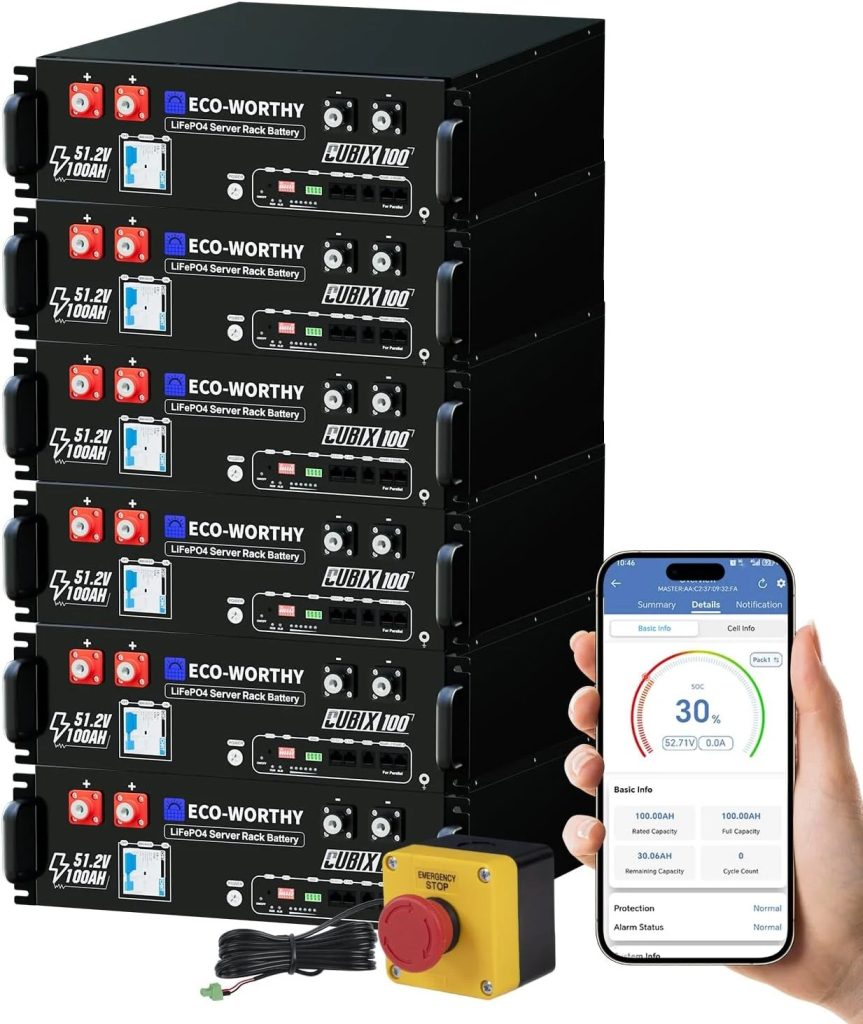
I’m not saying it’s not worth it. I’m saying budget the project, not the box. Get three electrician quotes before you buy the generator, not after. I went through the are solar generators worth the money exercise for the battery-station alternative first — for multi-day whole-house outages, the standby won on math, not on romance.
The Weekly Exercise Nobody Warns You About
Standby generators self-test. Once a week, usually, for about ten to twelve minutes. The engine fires, runs, shuts down. It burns fuel doing it — natural gas or propane, depending on your hookup — and it makes noise doing it.
Sixty-some decibels at 23 feet, roughly. That’s conversation level, not jet engine, but it’s a conversation happening in your side yard every Tuesday at 2pm whether you want it or not. My neighbor’s bedroom window faces my pad site. We had a talk. We moved the test to midday Saturday. Relationships are part of the install cost too.
The exercise cycle also means maintenance is real: oil, filters, battery, valve checks. Annual service runs a few hundred dollars if you don’t DIY. A standby generator is a small engine that lives outside year-round. Treat it like one.
Natural Gas vs Propane: Pick Before You Buy
The Generac 14kW runs on either. Natural gas means never refueling — the utility is your tank, until an earthquake or a shutoff takes the gas with the power. Propane means a tank you own and refill, typically 250 gallons or more for meaningful runtime, which at half-load gives you roughly a week.
Propane has the edge in long outages and rural areas. Natural gas wins on convenience and never running dry in a three-day storm. I went natural gas because my street has it and I didn’t want another fuel to manage. During that ice storm, the gas stayed on the whole time. Luck, not planning — the gas system is its own grid with its own failure modes, and I don’t pretend otherwise.
One thing the brochure doesn’t headline: on natural gas, output derates slightly versus propane. A few percent. Not nothing when you’re sizing close to the line.
The Night the Lights Came Back On
Sideways story. Eighteen months after the install, a summer storm dropped a tree on our feeder line. I was at work. My wife texted: “power flickered, everything’s fine.” The transfer switch had kicked in ten seconds after the outage, the generator was running, the fridge never noticed.
I drove home expecting the usual post-storm ritual — resetting clocks, checking the freezer, the warm-fridge triage. Instead I walked into a lit house with the AC running. I stood in the hallway feeling something between relief and guilt, because the neighbors’ houses were dark and mine wasn’t.
We ran an extension cord to the neighbor with the newborn. Their bottles stayed cold. That’s the whole review, really. Everything else is arithmetic.
What the Standby Industry Doesn’t Volunteer
First: the “whole house” phrase. A 14kW unit is whole-house for a 1,500 to 2,500 square foot home with managed loads. It’s not whole-house for a 4,000 square foot place with two ACs and a hot tub. The phrase scales with the house, and the salespeople let you assume yours fits.
Second: the cellular monitoring. The newer Generacs — including the 14kW with built-in connectivity — ping your phone with status, exercise results, fault codes. Useful. Also a subscription-adjacent feature that reminds you the generator is a connected device now, with all that implies about apps and accounts.
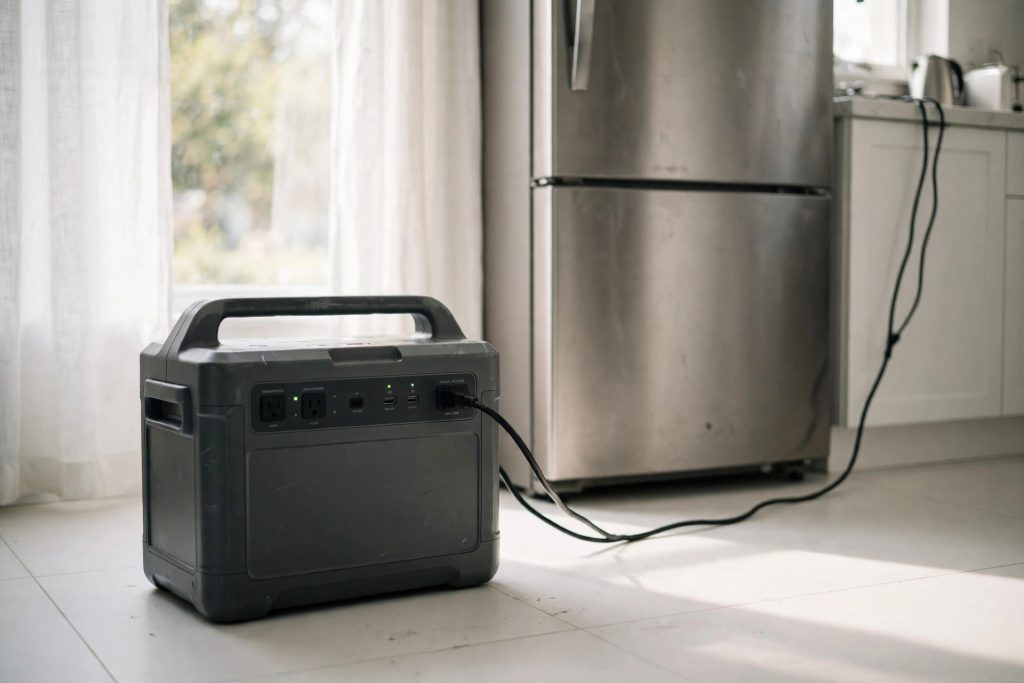
Third, and this one’s on buyers: most people oversize. A 14kW where a 10kW would do, because the price jump feels small and bigger feels safer. But an oversized generator running at quarter load is less efficient, wets-stacks faster, and costs more to install. Right-size it. The load list doesn’t lie. If your loads are smaller and portable, the what size portable power station do I need walkthrough covers the battery-station side of the same sizing question.
What About the Competition?
Three Generac 14kW configurations, because in standby the “competition” is mostly Generac versus Generac with different switches.
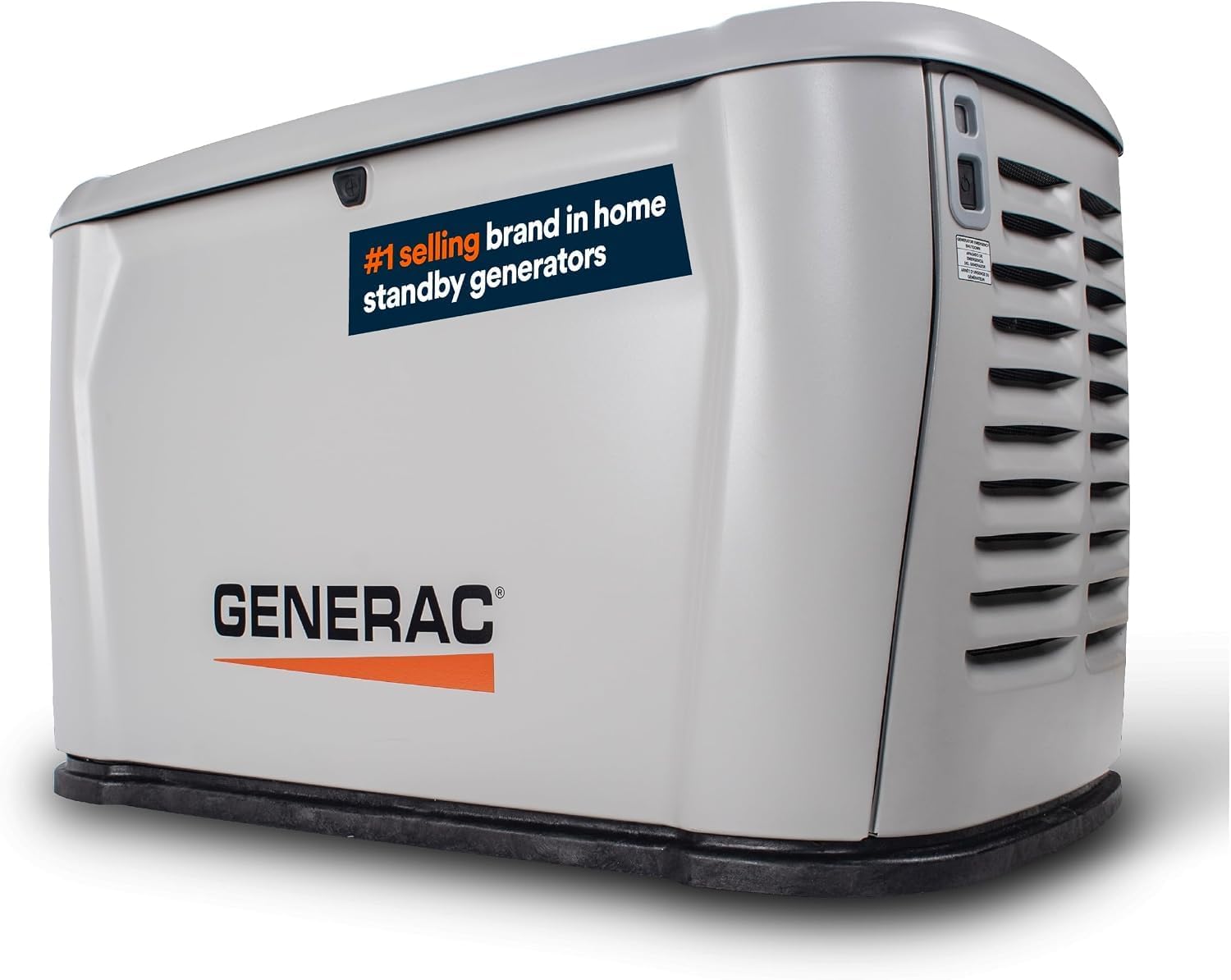
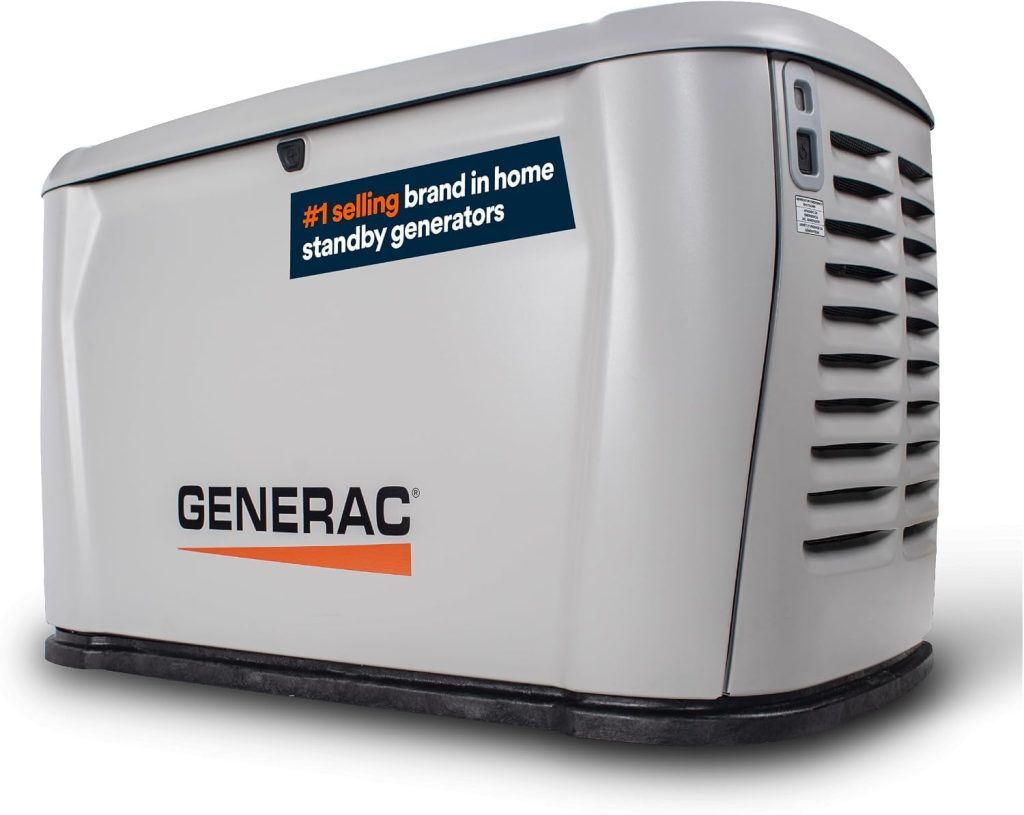
Generac 14kW Home Standby Generator
14kW with built-in cellular monitoring. Whole-house backup with phone alerts.
Generac Guardian 14kW (100A ATS)
Guardian 14kW with 100A transfer switch. The value configuration for mid-size homes.
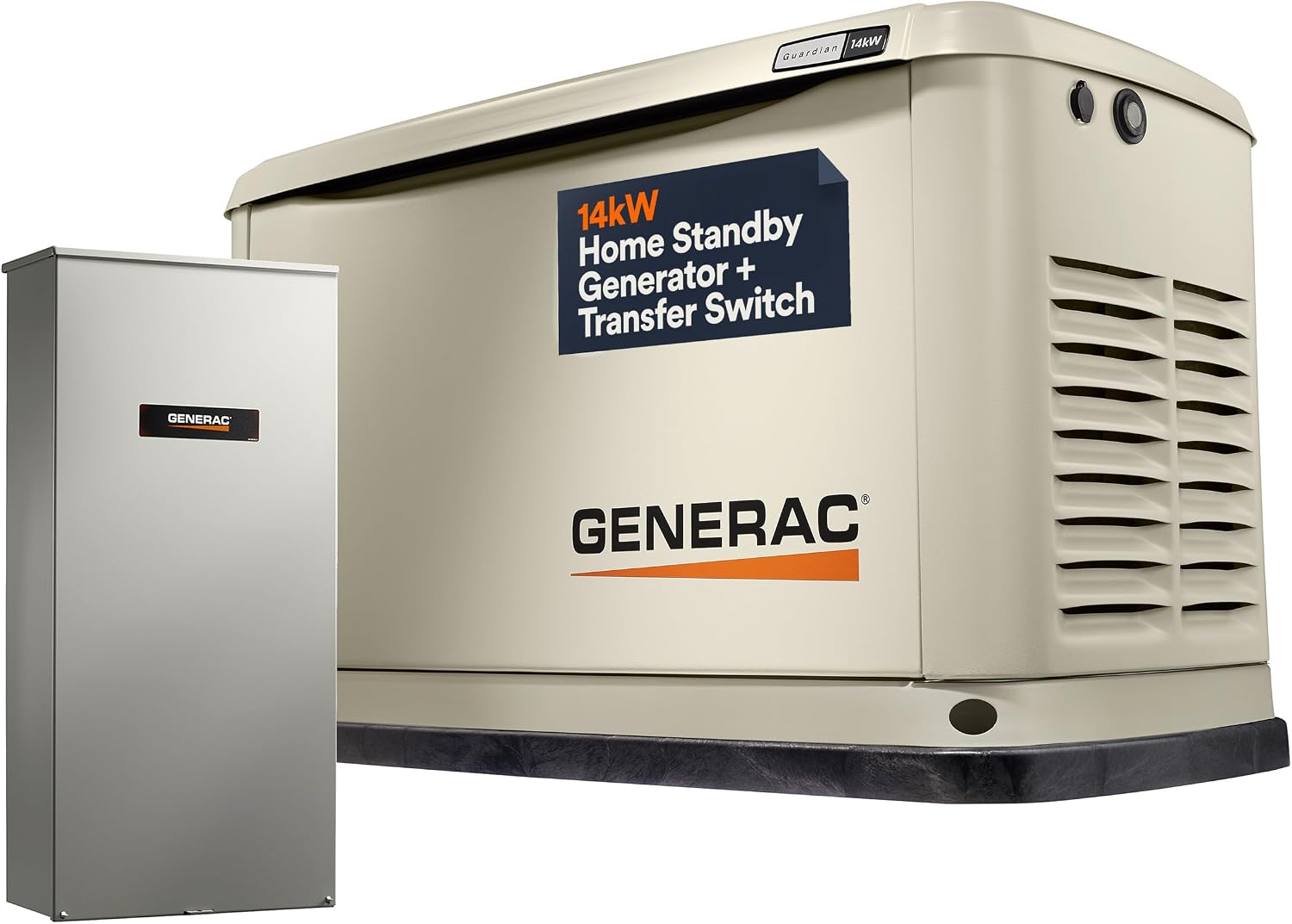
Generac Guardian 14kW (200A ATS)
14kW with 200A service-rated switch. Whole-panel coverage, no circuit picking.
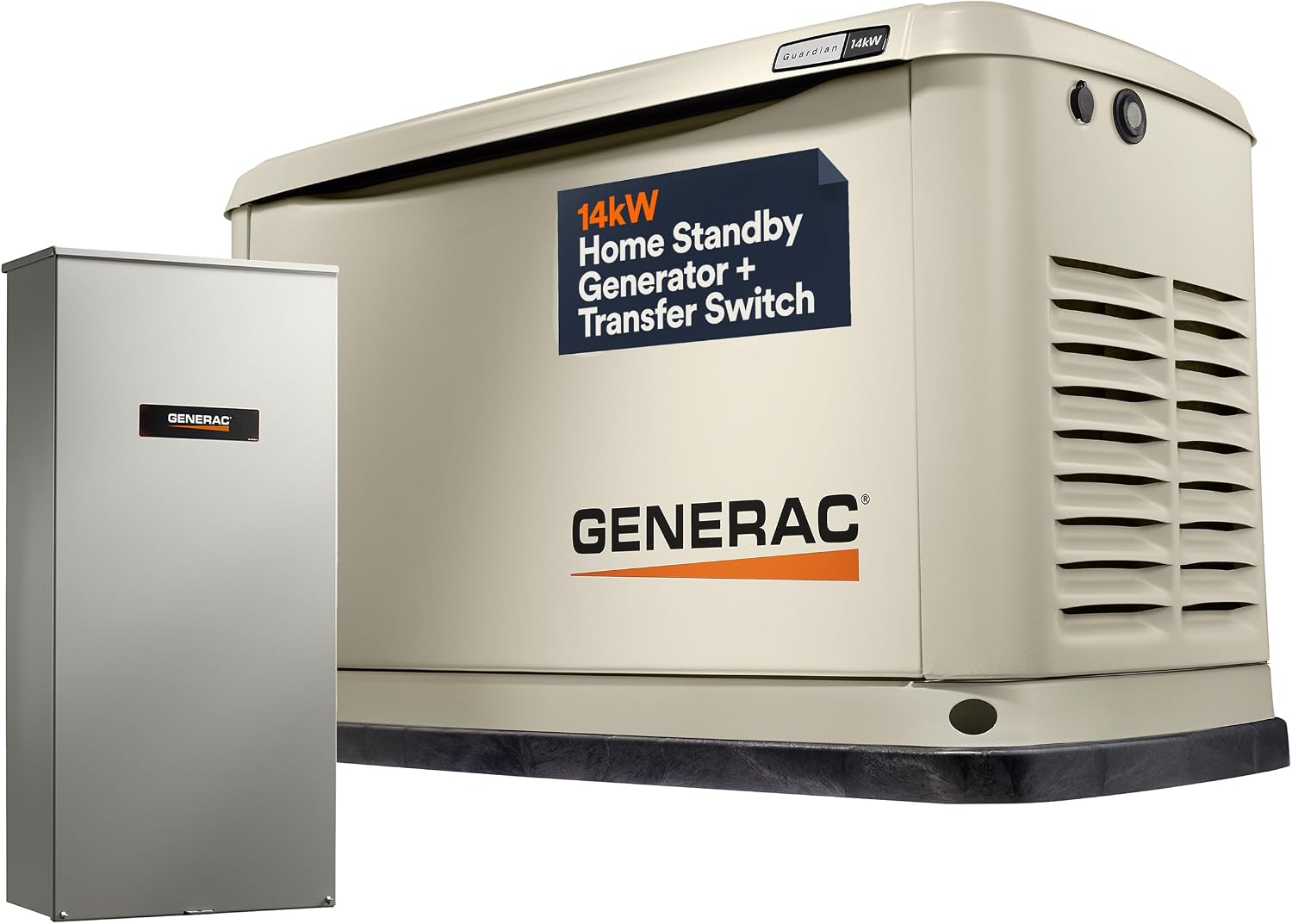
Buy the 14kW with built-in cellular if you want the newest control setup and phone monitoring out of the box. Buy the Guardian 14kW with the 100A transfer switch if your panel and loads fit the 16-circuit layout — it’s the value configuration. Buy the 200A service-rated version if you want whole-panel coverage without picking circuits.
Skip the 14kW entirely if your load list tops 10kW sustained. That’s 18kW territory, and buying small to save money is the most expensive mistake in this category.
The generator exercised last Saturday at noon, twelve minutes, no faults. I watched it from the kitchen window out of habit. Four days in the cold taught me to check. Some habits you keep even after the problem’s solved — especially the ones that kept the bottles cold next door.
This site contains affiliate links. We may earn a commission on qualifying purchases.