This site contains affiliate links. We may earn a commission on qualifying purchases.
Two quotes landed in my inbox this month, both forwarded by readers, both for ordinary suburban roofs. One subtracted a 30 percent federal tax credit from the price of a system that would be installed next spring. That credit does not exist for a system you buy in 2026. It ended on December 31, 2025, and any quote still leaning on it is overstating your savings by roughly five and a half thousand dollars on an average install, before a single panel goes up.
So, are solar panels worth it in my state? The honest answer is that the question has a zip code, not a yes or a no. The same 7kW system, at the same installed price, pays for itself in about four and a half years in Hawaii and in about eighteen in North Dakota, and the difference is not sunshine. The difference is what a kilowatt-hour costs where you live. Rate first. Roof second. Sunshine a distant third.
The EIA published its final 2025 residential numbers this month, the full-year Form EIA-861 data, and the spread is wider than most sales decks admit. Hawaii averaged 40.40 cents per kWh. California 31.35. Massachusetts 30.41, Connecticut 29.31, New York 26.39. Down at the other end, North Dakota averaged 11.82 cents, Idaho 11.83, Louisiana 12.52, and the national figure sat at 17.23. A kilowatt-hour your panels produce in Honolulu erases three and a half times as much bill as the identical kilowatt-hour produced in Fargo. Identical panel. Identical sun, roughly. The meter it feeds is playing a different sport. Rate structure changes the math once more when the meter runs on a loaded balance instead of a bill — how prepaid metering turns your rate into a daily burn is the extreme case of the same sport.
Your rate beats your sunshine, and it is not close
Run it per kilowatt of panels, because that is the unit you actually buy. Marketplace quote data this year puts an average residential install at about $2.60 per watt, so one kilowatt on your roof costs roughly $2,600 before any state or utility incentive. What that kilowatt earns you in a year is its production multiplied by your rate. A kilowatt in Massachusetts makes around 1,200 kWh a year, nobody would call that a sun state, and at 30.41 cents each of those kilowatt-hours is worth real money, so the kilowatt earns about $365 a year and pays back in a little over seven years. A kilowatt in Arizona makes closer to 1,650 kWh, superb sun, some of the best on the continent, and at Arizona’s 15.26 cents it earns about $252 a year. Ten years and change to pay back. The cloudy state wins. The desert waits.
Hawaii sits at the extreme, roughly 1,500 kWh per kilowatt at 40.40 cents, about $606 a year per kilowatt, payback near four years even with no federal credit at all. Texas lands near eleven and a half years on the same arithmetic, 1,450 kWh at 15.40 cents, and Washington state stretches toward nineteen, because 1,050 grey-sky kilowatt-hours at 13.17 cents is $138 a year against that same $2,600. Louisiana, sixteen years or so. These are planning numbers, not promises, and I have rounded the production figures down on purpose. A sales sheet rounds them up. That is the whole disagreement, most days.
Actually, no. Let me correct one thing in my own math before you do. Those paybacks assume every kilowatt-hour the system makes gets used inside the house at the full retail rate. The kilowatt-hour you export at noon, when nobody is home and the house is sipping power, is worth whatever your utility’s netting rule says it is worth, and in a growing list of states that is a fraction of retail. California moved new systems to a net billing setup in 2023 where exported power earns far less than the power you buy back at dinner. If a third of your production leaves the house at a third of the retail price, your payback is not the number on the quote. It is that number with a few years quietly stapled on.
The credit is gone, and half the quotes have not noticed
The Residential Clean Energy Credit, section 25D, paid 30 percent of a homeowner-owned system for years, and the One Big Beautiful Bill Act, signed July 4, 2025, terminated it for anything installed after the end of 2025. The IRS guidance, FAQ FS-2025-05, is blunt about the timing: for solar, the expenditure counts when the installation is completed, so signing a contract in 2025 and finishing the work in 2026 got you nothing. If your system was completed in 2025, claim it on that return and carry forward what you cannot use. If it goes on the roof this year and you own it, the federal line on the quote should read zero.
What that did to the math is easy to see on the California example. At $2,600 per kilowatt with the old credit, your net cost was $1,820 and the payback was about four years. At the full $2,600 it is about five and three-quarter years. Same roof. Same panels, same sun, same rate. Policy alone stretched the payback by more than 40 percent, which is why every pre-2026 savings article you can find, including some solid ones, now reads about two years too optimistic for a cash buyer. The credit did not vanish from the tax code entirely, it moved. On a lease or a power purchase agreement, the company that owns the system can still claim a business credit and pass some of it through in the pricing. Whether the slice they pass through is fair is a separate fight, and one I have not lived myself. I bought my system. The lease paperwork I have only read as a neighbor’s, over a fence, with opinions I am keeping.
State and utility programs are now the whole incentive picture for a buyer, and they vary enough to move a borderline state into the yes column or drop a sunny one out of it. The DSIRE database is the place to check what your state still pays, because programs open, exhaust their budgets and close again on schedules nobody announces loudly. And when you read any installer’s warranty promises, remember they are only as durable as the company behind them, which is the entire lesson of what happens when a solar installer goes out of business and leaves twenty years of workmanship coverage holding a disconnected phone number.
Measure your house before you size anything
The cheapest solar decision is the one you make with a year of your own bills open on the table. Twelve months of kilowatt-hours, not the dollar totals, because dollars hide the rate changes. Divide any month’s total charge by that month’s kilowatt-hours and you get your effective rate, fixed fees and all, which is a rougher and more honest number than the energy-only rate printed in the tariff. Mine came out about two cents above the headline rate. Most people’s does, one direction or the other.
Sizing runs off that usage, and this is where the state averages bite a second time. Hawaii’s average household used 515 kWh a month in the EIA data and California’s only 494, the two most expensive states in the country use some of the least electricity, mild weather and gas heat doing quiet work in the background. A 10kW system on a 500-kWh-a-month California house is not a power plant, it is an export business, selling noon power back at net billing rates nobody would choose as a business model. The sizing arithmetic, how many panels a given monthly usage actually calls for, is laid out in our guide to how many solar panels you need for your home, and it starts from the bill, not from the roof’s square footage.
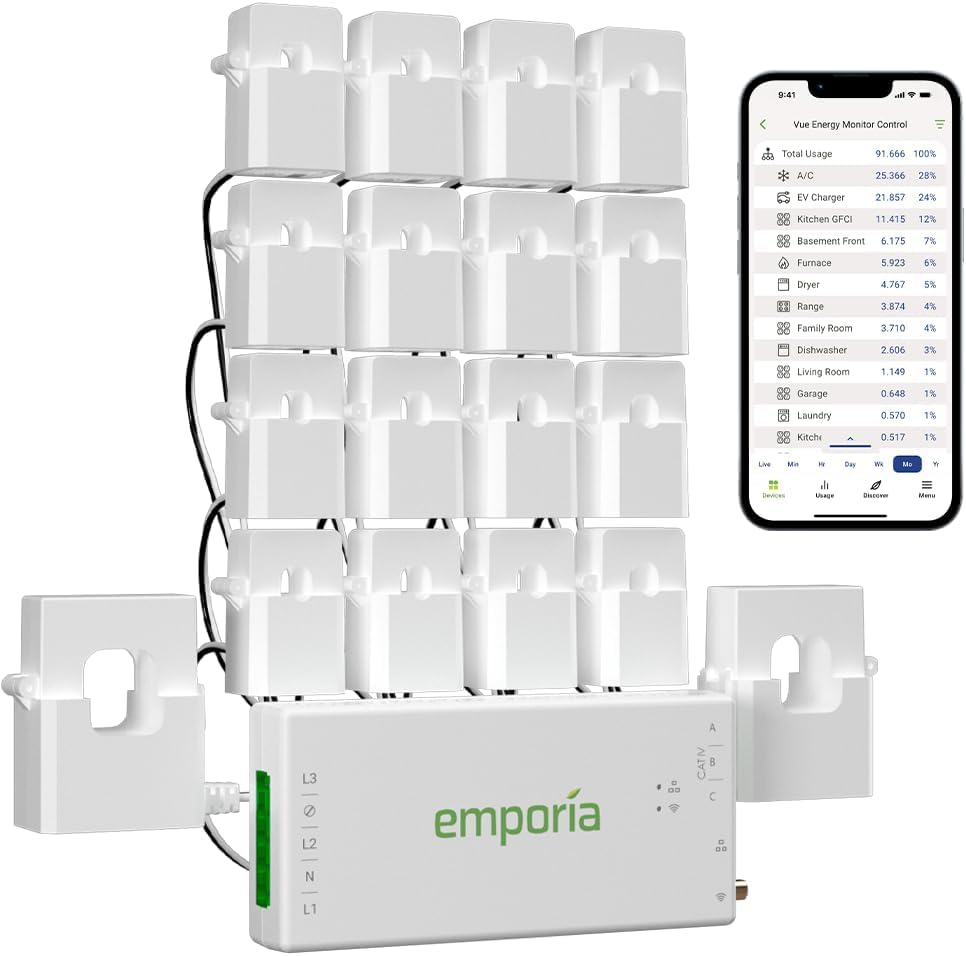
If the bills are a mess, a panel monitor buys you the truth for about the price of a nice dinner out. Watching my own house on a monitor for one winter changed the system I would have bought, the water heater was cycling at hours nobody showered, a fact no quote process would ever have found. On the manufacturer’s own store page for the Vue 3, the featured verified reviews cluster on exactly this, found waste rather than gadget praise: a water heater thermostat quietly broken, an oven left on long enough to trigger an alert, laundry that went from fifty dollars a month to fifteen after somebody finally saw which machine was eating. And on a partly cloudy afternoon the same app shows you the other half of the education, solar input swinging from forty watts to a hundred and eighty every time a cloud crossed, which is Site 11 of my own education, learned standing in the kitchen refreshing a graph like it owed me money.
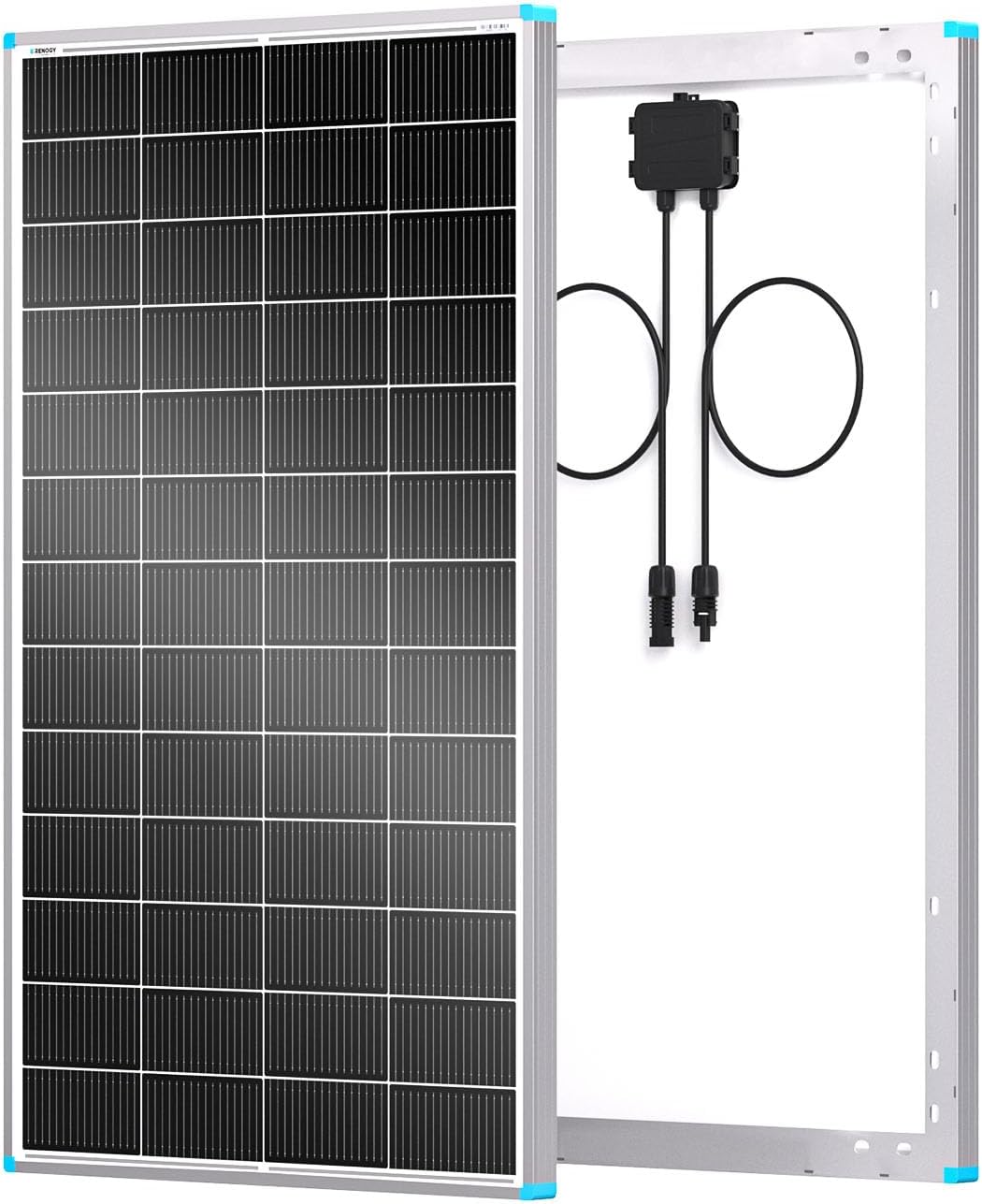
The panel hardware itself is the dull part of this decision, which the ratings rather prove. The Renogy 200W N-type panel that half the DIY roofs in this country seem to start with carries about 7,020 ratings on its marketplace listing, 4.6 stars, 82 percent of them five-star, a deep and boring file. Nobody’s payback ever died because a modern panel was two percent less efficient than the brochure. Paybacks die in the rate, the export rule and the financing line. In that order.
What your roof does to the spreadsheet
Shade is the tax nobody quotes. A string of panels wired in series performs like its weakest member, so one vent shadow crawling across the array at 3 p.m. costs more than the shaded area suggests, which is why the fine-grained bypass designs exist and why our older piece on how much you can save with solar panels keeps coming back to the same warning about optimistic first-year estimates. At noon in June I still cannot read my inverter display without shading it with one hand, the percentage washed to a grey ghost, and I have stopped trusting any single sunny-day reading as evidence of anything. October readings. February readings. Those are the ones that go in the notebook.
Roof age is the other ambush. Panels are a 25-year commitment bolted through your shingles, and if the roof has eight years left, the honest quote includes a re-roof now or a remove-and-reinstall later, several thousand dollars either way, and a surprising number of quotes include neither. Ask the question out loud and watch which installer answers it in writing.

Before You Sign: Measure, Then Buy Watts
Three purchases that make the state-by-state math real for your own house, in the order I would make them.
Emporia Vue 3 Home Energy Monitor (16-circuit kit)
Clamps in your panel and shows per-circuit usage in real time, the honest way to get your twelve-month kilowatt-hour total before sizing a system; 4.2 stars across 879 ratings on its marketplace listing when checked this month, with an unusually clean 2 percent one-star tail
Renogy 200W N-Type Solar Panel
The small-system starter panel with the deepest review file in its class, about 7,020 ratings at 4.6 stars and 82 percent five-star; 25 percent cell efficiency, and the same module family installers quote against when you scale the idea up to a full roof
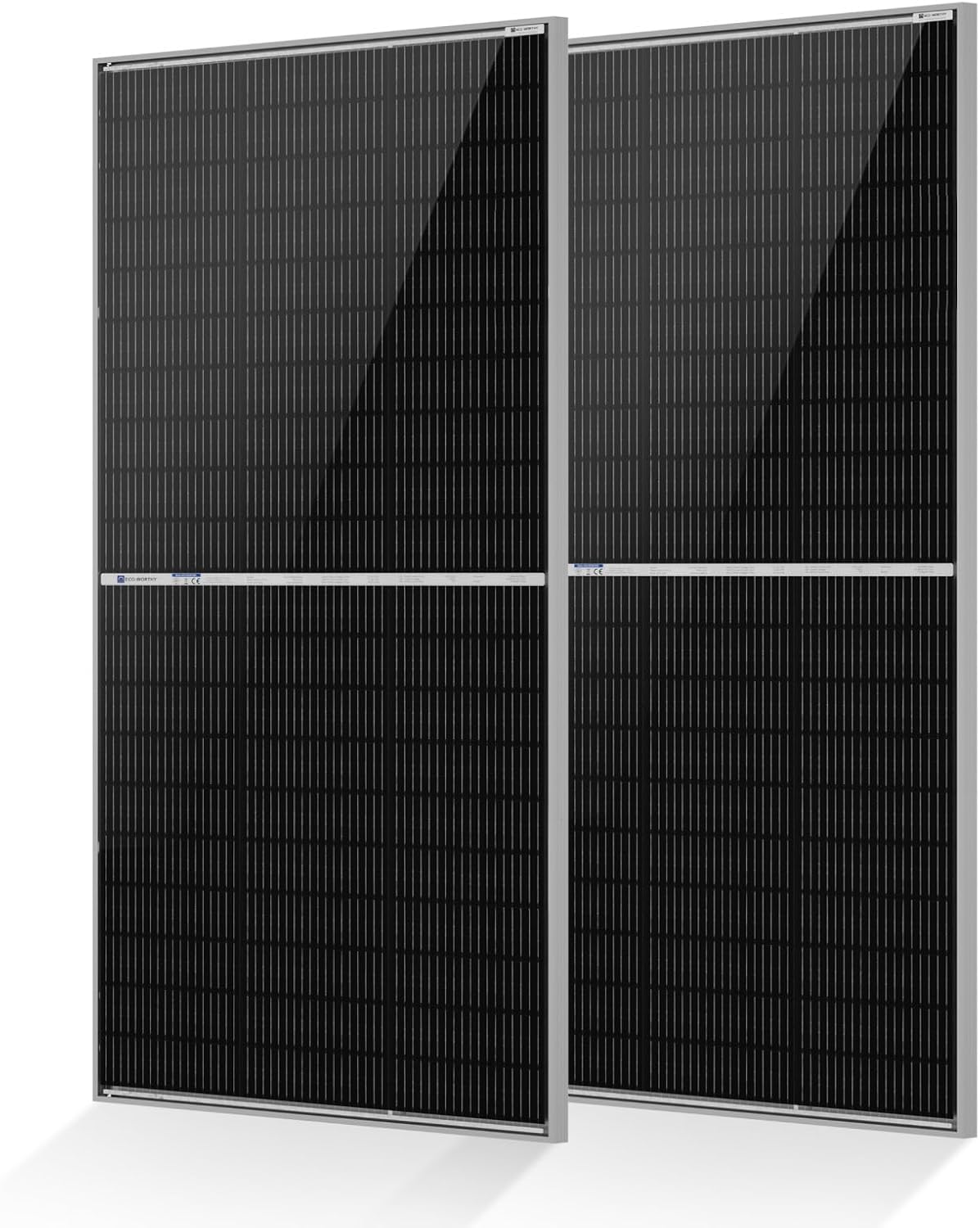
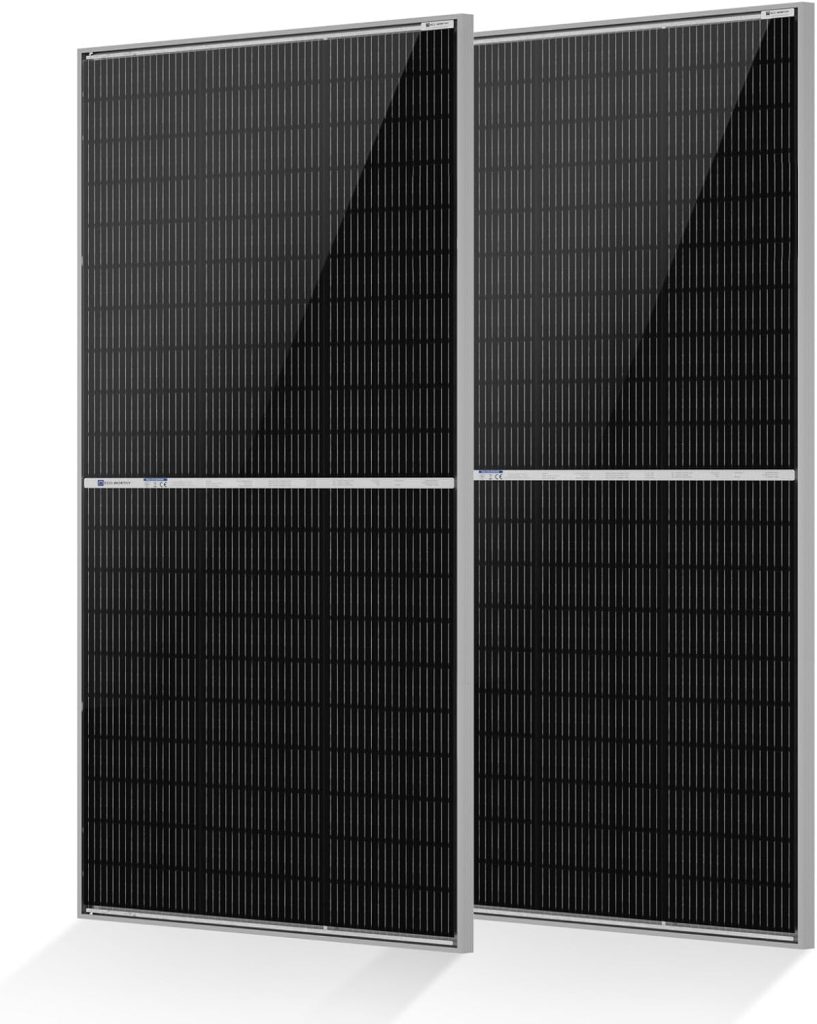
ECO-WORTHY 195W Bifacial Solar Panels (2-pack)
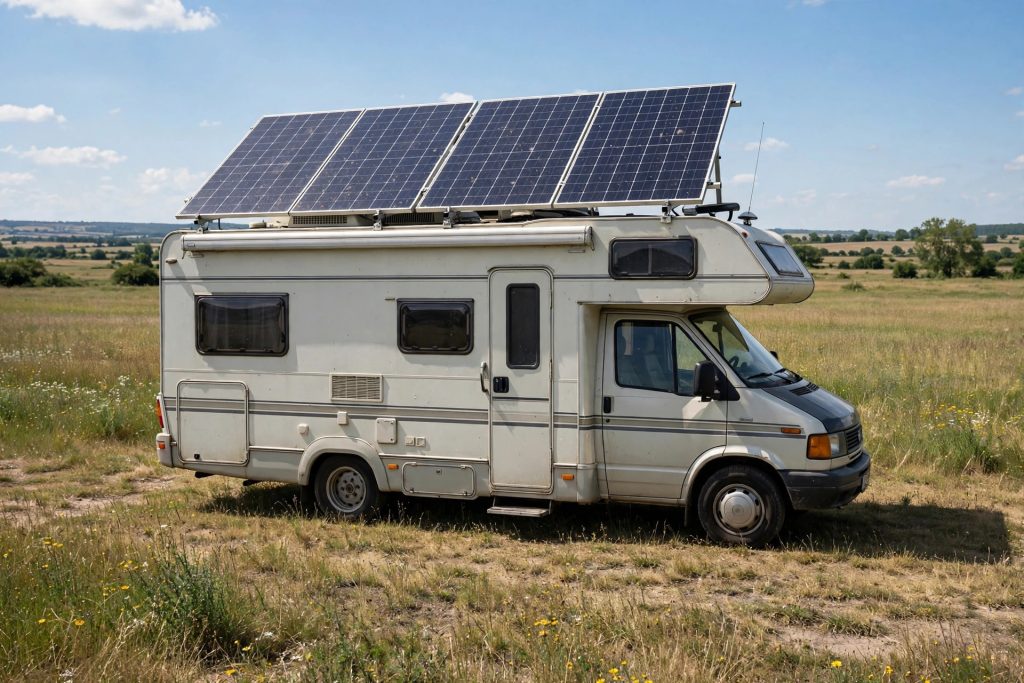
390 watts of bifacial glass for sheds, RVs and a ground-mounted trial before the roof decision; the review file is thin, 56 ratings when last checked, so you are buying watts and price per watt here, not a long track record
This site contains affiliate links. We may earn a commission on qualifying purchases.
Frequently asked questions
My quote subtracts a 30 percent federal credit, and the install would finish this spring. Do I still get it?
No, not on a system you buy and own. The section 25D residential credit ended for installations completed after December 31, 2025, and the IRS treats the spending as happening when the installation is completed, not when you signed or paid a deposit. A quote written for a 2026 install that still nets out 30 percent is showing you a price you will never actually pay, roughly $5,500 too low on an $18,000 system. The one route where a federal credit still touches a residential roof is a lease or power purchase agreement, where the owning company claims a business credit instead, and how much of it reaches your monthly payment is negotiated, not guaranteed.
My state gets poor sun but my rate is 29 cents. Can solar still pay here?
Yes, and your state is quietly one of the better ones. Payback is production multiplied by price, and a high rate rescues mediocre sun far more easily than great sun rescues a cheap rate, the Massachusetts versus Arizona comparison above being the standing example at roughly seven years against ten. What poor-sun states do punish is sloppy sizing, because a system that underproduces against a big winter bill leaves you buying expensive kilowatt-hours anyway, just fewer of them. Run your own twelve months of usage through the math before you believe either the optimists or the sceptics, mine included.
The sales sheet promises a six-year payback. Which single number do I check first?
The export assumption. Ask what share of production the model assumes you use inside the house, and what it pays you for the rest, then compare both answers with your tariff’s actual export rate and with your daytime occupancy, because a house that sits empty until 6 p.m. exports the best hours of the day. After that, check the production figure itself, kilowatt-hours per kilowatt per year, against a conservative figure for your region rather than the model’s best case. Those two lines, exports and yield, are where six-year paybacks go to become nine-year paybacks, usually without anybody technically lying to you.
We use about 500 kWh a month and the quote is for 10kW. Is that too much system?
Almost certainly, yes. Ten kilowatts in a decent sun state makes somewhere around 13,000 to 15,000 kWh a year, against your roughly 6,000, so more than half of everything the roof produces leaves the house at whatever your export rule pays, which is the worst-paid electricity in the whole arrangement. A system in the 4 to 5kW range fits that usage in most states, costs well under half as much, and keeps the high-value self-consumed share high. The exception is a planned change, an EV arriving, a heat pump replacing a furnace, electric water heating on the list. Future load you can name is a reason. Future load as a sales phrase is not.